

Wireless Communication
 EU RED Network Security Standard EN 18031
 Wireless and communication detection
 Mobile communication product certification
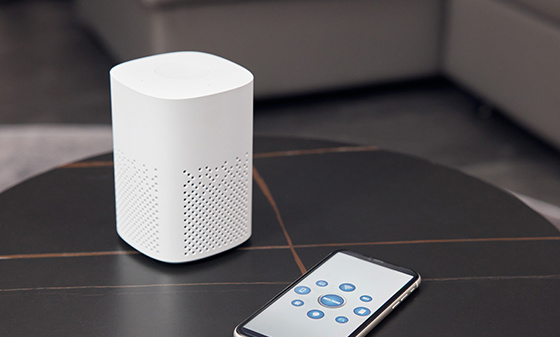 Bluetooth BQB Product Certification
 FM/AM Product Certification
 WiFi Product Certification
 Wireless charging product certification
 Interphone product certification
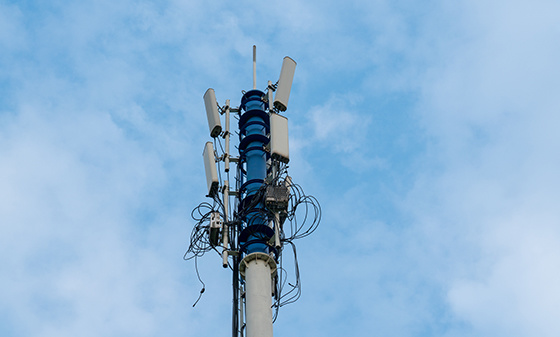 Base station certification
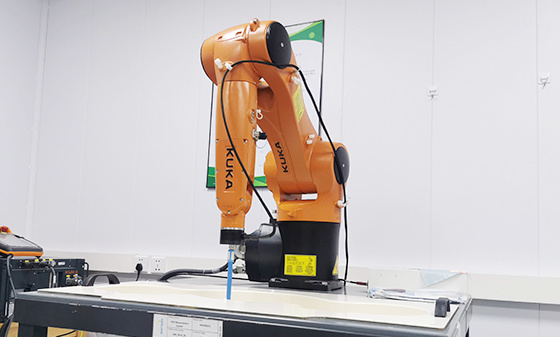 SAR testing
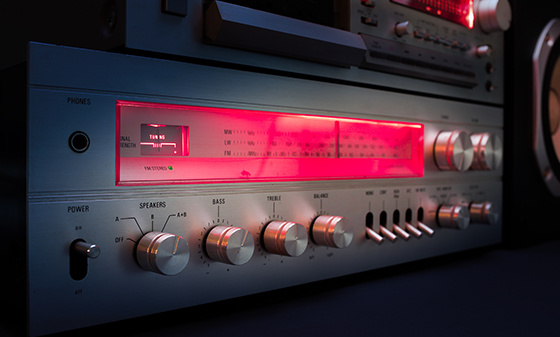 Receiver Product Certification
 5G NR Product Certification
 UWB Product Certification
 Internet of Things authentication
Electromagnetic compatibility
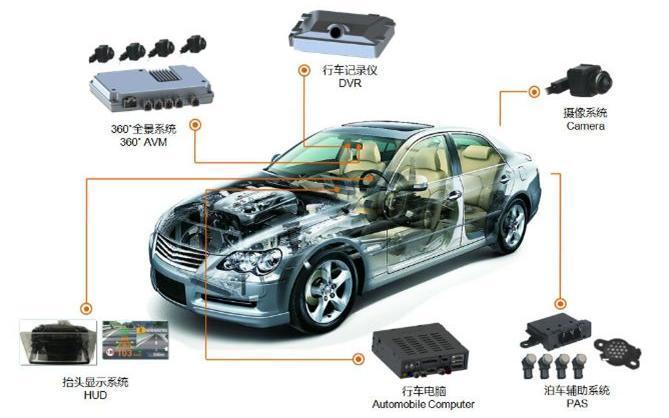 Automotive Electronics EMC Testing
 EMC rectification
 EMC
EMC
Automotive Electronics
 Electrical performance testing
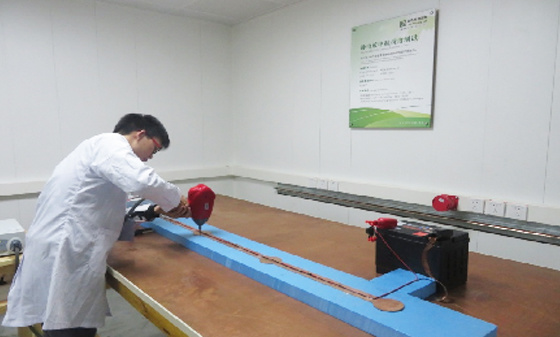 EMS testing - radiation anti-interference testing system (including radar waves)
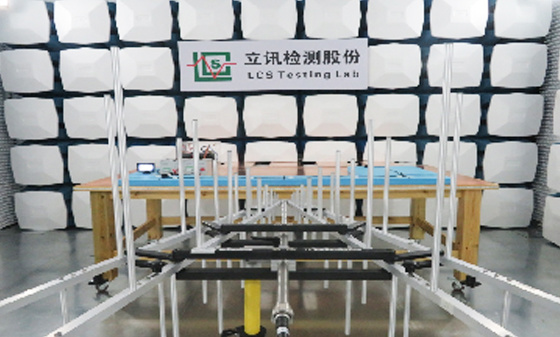 EMS Testing - Electrostatic Discharge
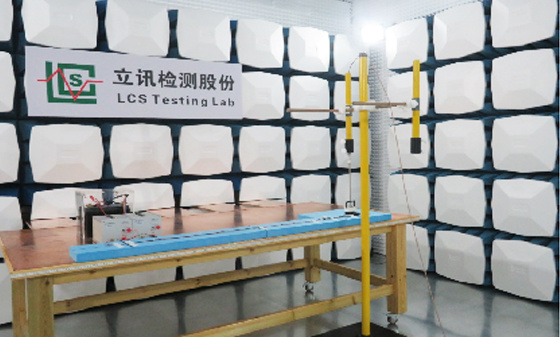 EMS Test - Transient Conducted Immunity Test
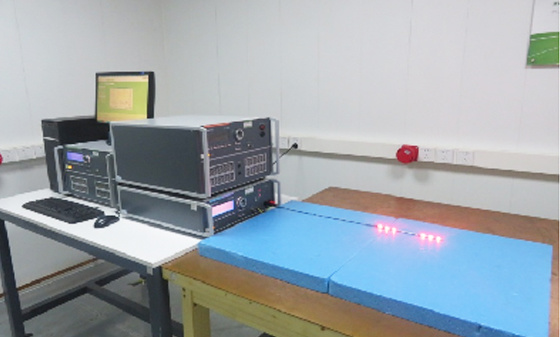 EMS Testing - Portable Transmitter Immunity
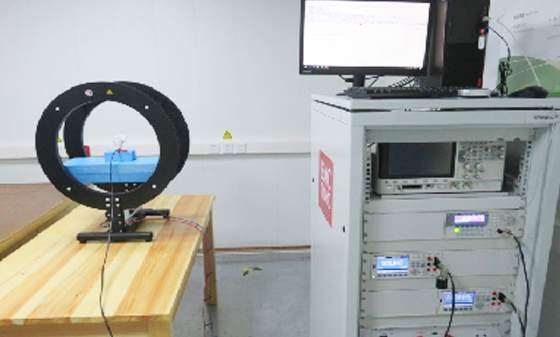 EMS Test - High Current Injection (BCI) Test
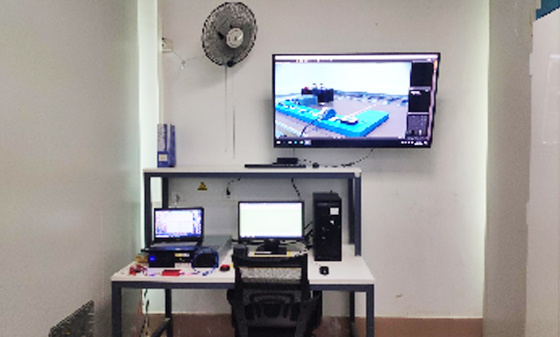 EMS test - low-frequency magnetic field anti-interference test
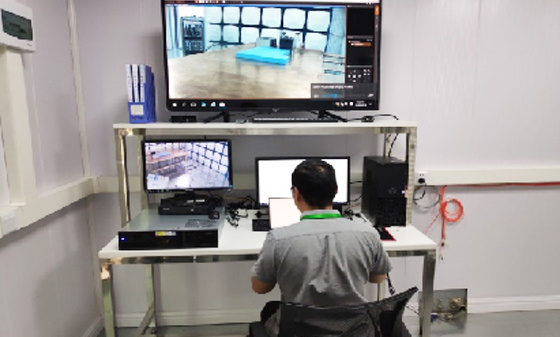 EMI Testing - Transient Conducted Emissions Testing System
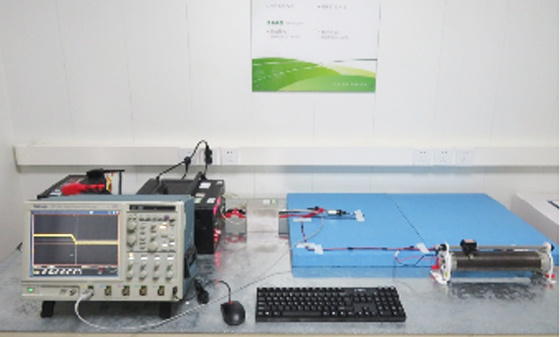 EMI testing - low-frequency magnetic field emission
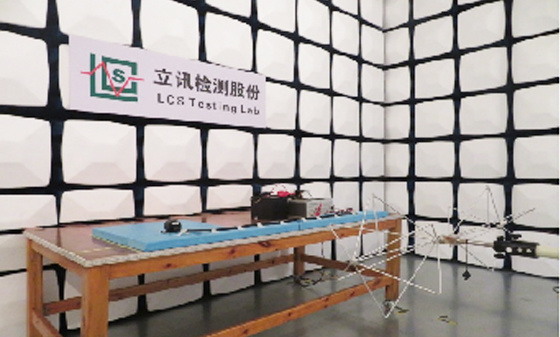 EMI Test - Radiation Emission Test
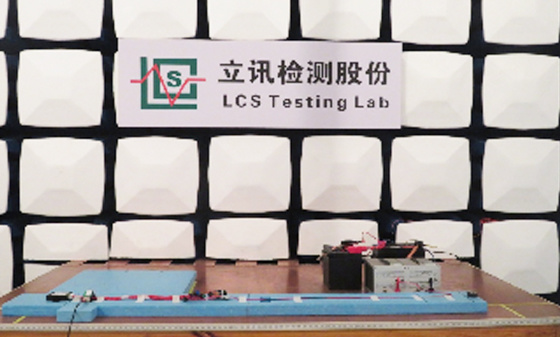 EMI Test - Conducted Emissions Test
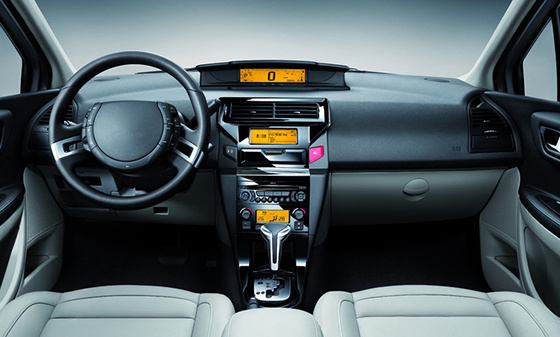 Automotive Electronic Testing
Automotive Parts Inspection
 Automotive ELV&VOC
 Reliability testing
 Temperature shock test
 Vibration testing
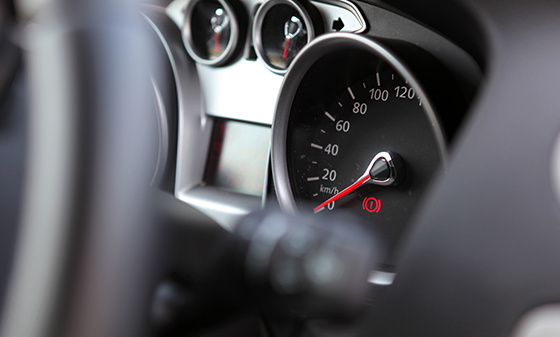 Instrument panel/instrument panel three comprehensive vibration test
 Comprehensive vibration test of door inner panel III
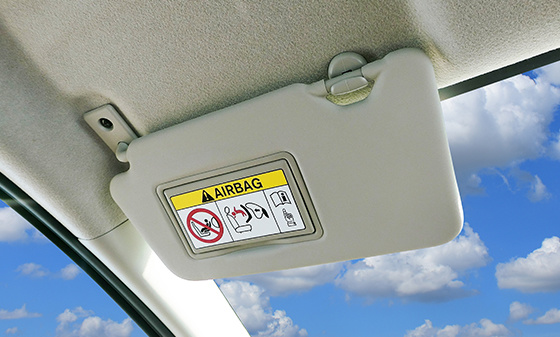 Sunvisor Three Comprehensive Vibration Test
 Spoiler Three Comprehensive Vibration Test
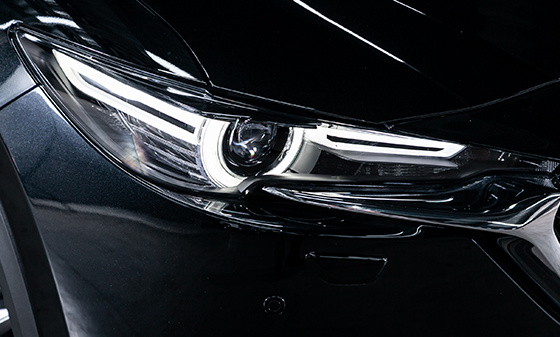 Three comprehensive vibration tests of car front and rear bumpers
 Three comprehensive vibration tests for lamp housing/lampshade
 Comprehensive vibration test of outer circumference three
 Automotive metal material testing
 Performance testing of automotive lighting fixtures
 Rapid temperature change test
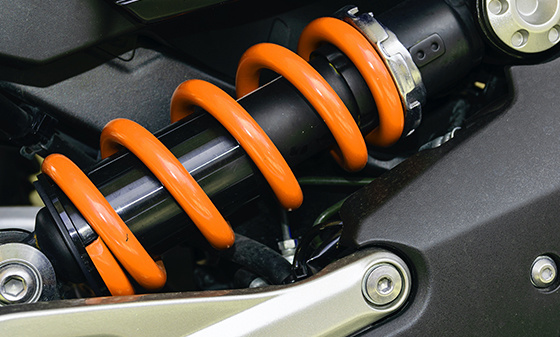 Vibration
 Common issues with vibration testing
 Common issues with fatigue testing
 Common issues with high and low temperature testing
 Conducted Interference (CE) - Suzhou Lixun Standard
 Electromagnetic Radiation Tolerance Test (RS) - Suzhou LCS Standard
 Electrical Fast Pulse Withstand Test (EFT) - Suzhou LCS Standard
 Voltage flicker test - Suzhou LCS standard
Electronic appliances
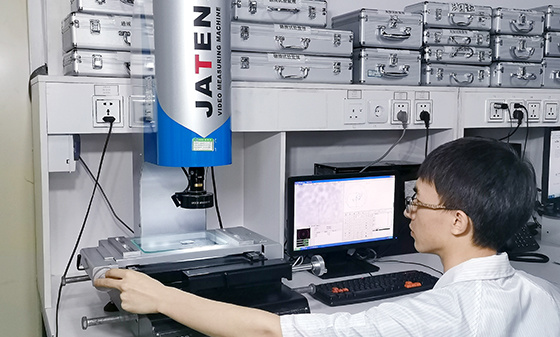 Household appliance product testing
 Electrical accessory product testing
 Household appliance testing
Chemical Testing
 Introduction to PFAS Testing
 MOSH/MOAH Mineral Oil Testing Service
 MOSH/MOAH Mineral Oil Testing and Certification Report Service
 Consumer Product Testing Services - WEEE Chapter
 Ecological textile testing
 Leather Footwear Inspection
 Food contact material testing
 Testing of toys and baby products
 Hazardous substance testing
Electronic Cigarette Testing
 Electronic cigarette detection
Reliability testing
 Other tests - pencil hardness test
 Mechanical testing - Packaging compression test
 Climate environment testing - Xenon lamp aging test
Battery Testing
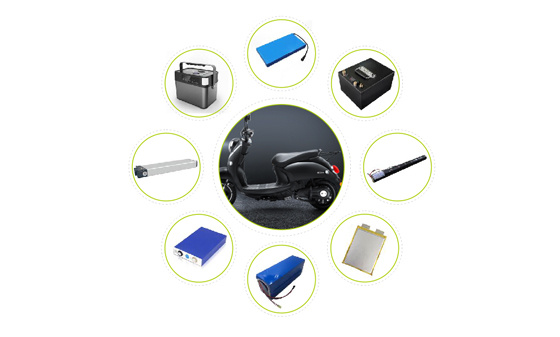 Power storage battery testing and certification
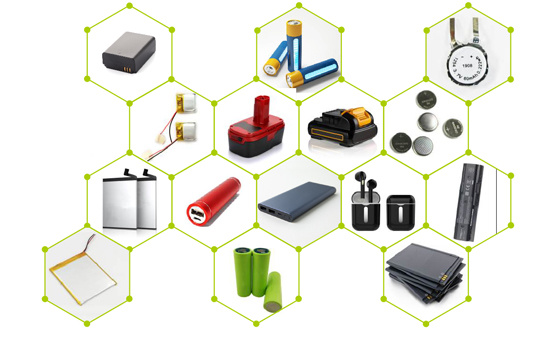 Consumer Electronics Battery Testing and Certification
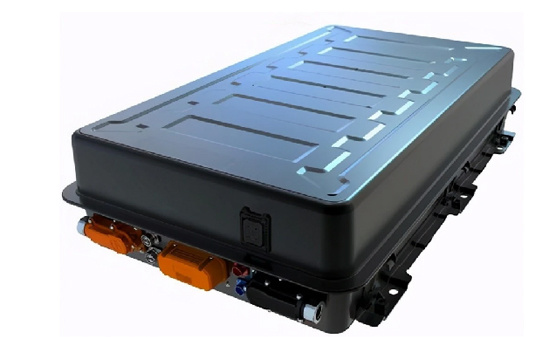 power battery
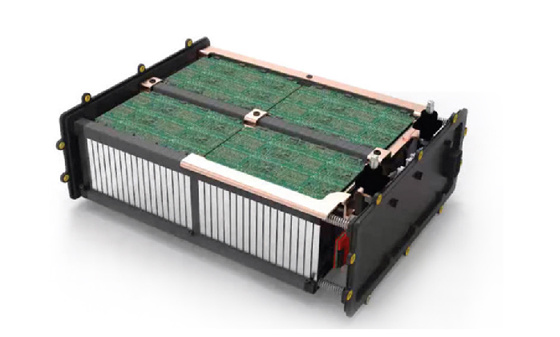 Light electric vehicle batteries
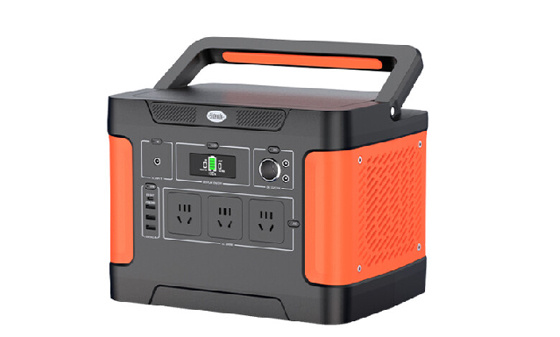 Energy storage battery
 Portable battery
 Battery testing
 battery test
Lamp Inspection
 Inspection of ship lighting fixtures
 COI Index Test for Medical Indoor Lighting
 Lamp safety inspection
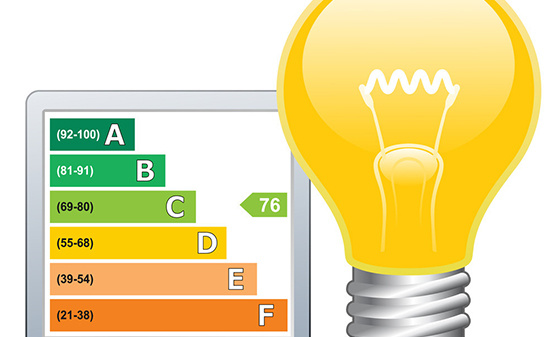 Luminaire energy efficiency testing
 EMC testing of lighting fixtures
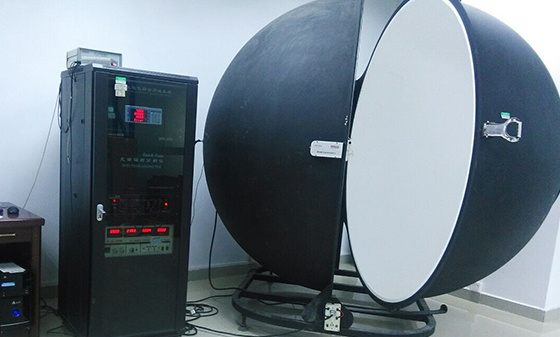 Integral Ball Laboratory
 Photobiology Experiment
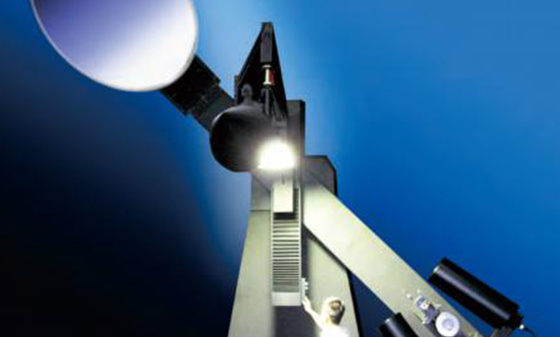 Light distribution test
 Lamp aging test
 Lamp IP waterproof
 Lamp performance testing
 Lamp reliability testing
Children's toy testing
 Testing standards for toy products
China Certification
 China's "national promotion" RoHS certification
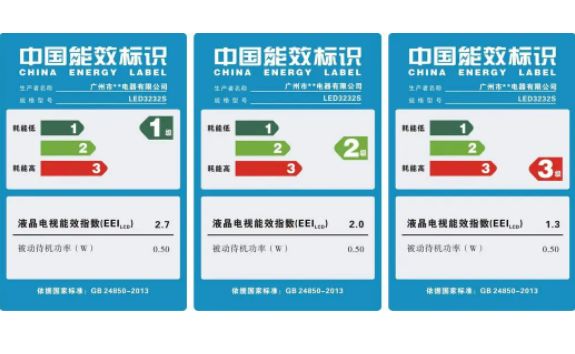 China Energy Efficiency Label Certification
 China Energy Conservation Certification
 China CQC Certification
 Tmall JD Quality Inspection Report
 China SRRC Certification
 Taiwan BSMI certification
 Taiwan NCC certification
 China CCC Compulsory Certification
Asia Certification
 Vietnam certification
 KC certification
 KUCAS Certification in Kuwait
 Singapore PSB certification
 Iraq COC Certification
 IMDA certification
 VCCI Certification in Japan
 JATE certification in Japan
 PSE certification
 BIS certification
 Japanese TELEC certification
European Certification
 RoHS certification
 GOST certification in Russia
 Russian EAC certification
 Northern Ireland UKNI logo
 Electrical ENEC certification
 European D-MARK certification
 Türkiye BTK certification
 TSE certification in Türkiye
 CE certification in Türkiye
 RED certification
 German TUV-SUD certification
 CE-ERP certification
 REACH certification
 German GS certification
 EU E-Mark certification
North American Certification
 Ecuador VOC certification
 Mexico NOM certification
 IRAM certification
 CPSC Certification in the United States
 CSA certification
 ASTM certification
 FDA certification
 CEC certification
 ETL certification
 ul certification
 IC certification
 Energy Star
 FCC Certification in the United States
 ASTM certification
Middle East Certification
 Israel SII certification
 Saudi SABER certification
 GCC certification for the seven Gulf countries
 Iran COI certification
 Qatar COC Certification
 Iraq COC Certification
 Saudi EER Energy Efficiency Certification
 Saudi SABER certification
 Algeria PCA certification
 PVOC certification
Australia Certification
 New Zealand IC-F testing
 VEET certification
 LCP certification
 GEMS certification
 RCM certification
 C-Tick certification
 SAA certification
Africa Certification
 Gabon COC certification
 Algeria COC certification

 Ethiopian VOC and COC certification
 Mauritius VOC certification
 Ghana COC certification
 COC certification in Burundi
 Zambia COC certification
 Botswana COC Certification
 Uganda PVOC certification
 SABS certification in South Africa
 South African LOA certification
 Zimbabwe CBCA Certification
 Nigeria SONCAP certification
 Kenya PVOC certification
 African COC certification
Other certifications
 WEEE
WEEE
 Bluetooth BQB certification
 IECEE registration
 MHRA registration in the UK
TRAINING
 Management system training
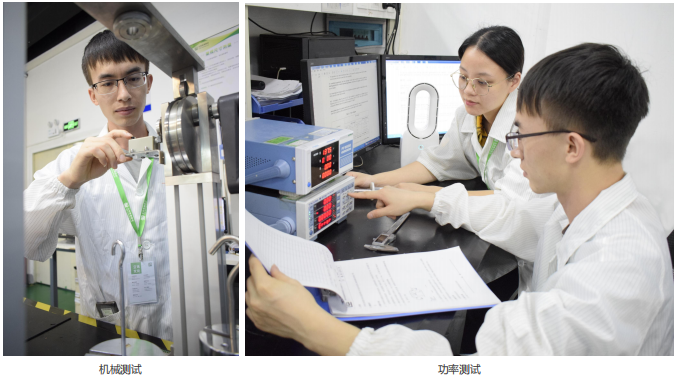 Laboratory technical training
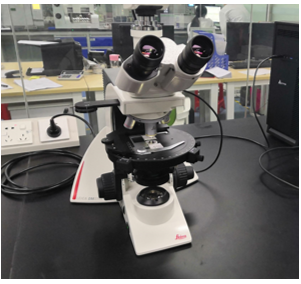 Laboratory Process Consulting
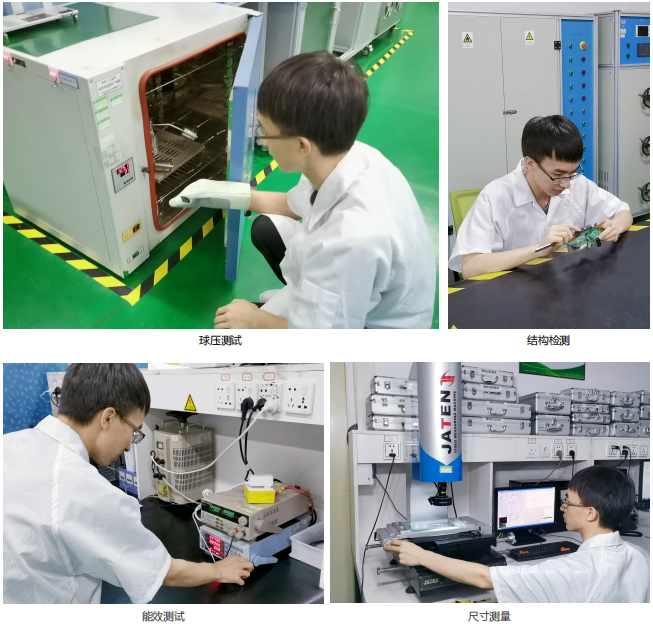 Laboratory decoration construction
Wireless Communication
Electromagnetic compatibility
Automotive Electronics
Automotive Parts Inspection
Electronic appliances
Chemical Testing
Electronic Cigarette Testing
Reliability testing
Battery Testing
Lamp Inspection
Children's toy testing
China Certification
Asia Certification
European Certification
North American Certification
Middle East Certification
Australia Certification
Africa Certification
Other certifications
TRAINING
Wireless Communication
Electromagnetic compatibility
Automotive Electronics
Automotive Parts Inspection
Electronic appliances
Chemical Testing
Electronic Cigarette Testing
Reliability testing
Battery Testing
Lamp Inspection
Children's toy testing
China Certification
Asia Certification
European Certification
North American Certification
Middle East Certification
Australia Certification
Africa Certification
Other certifications
TRAINING
Wireless Communication
Electromagnetic compatibility
Automotive Electronics
Automotive Parts Inspection
Electronic appliances
Chemical Testing
Electronic Cigarette Testing
Reliability testing
Battery Testing
Lamp Inspection
Children's toy testing
China Certification
Asia Certification
European Certification
North American Certification
Middle East Certification
Australia Certification
Africa Certification
Other certifications
TRAINING
Wireless Communication
Electromagnetic compatibility
Automotive Electronics
Automotive Parts Inspection
Electronic appliances
Chemical Testing
Electronic Cigarette Testing
Reliability testing
Battery Testing
Lamp Inspection
Children's toy testing
China Certification
Asia Certification
European Certification
North American Certification
Middle East Certification
Australia Certification
Africa Certification
Other certifications
TRAINING
Wireless Communication
Electromagnetic compatibility
Automotive Electronics
Automotive Parts Inspection
Electronic appliances
Chemical Testing
Electronic Cigarette Testing
Reliability testing
Battery Testing
Lamp Inspection
Children's toy testing
China Certification
Asia Certification
European Certification
North American Certification
Middle East Certification
Australia Certification
Africa Certification
Other certifications
TRAINING
Wireless Communication
Electromagnetic compatibility
Automotive Electronics
Automotive Parts Inspection
Electronic appliances
Chemical Testing
Electronic Cigarette Testing
Reliability testing
Battery Testing
Lamp Inspection
Children's toy testing
China Certification
Asia Certification
European Certification
North American Certification
Middle East Certification
Australia Certification
Africa Certification
Other certifications
TRAINING

Is the brand name not on the compliance list for exporting batteries to the United States? The new EPR regulations have been implemented, and without this' admission ticket ', the entire market will be lost
Author.
LCS
Source:
Post time:
2026-07-13
A batch of battery packs worth hundreds of thousands of dollars were shipped to a port in the United States. When the purchaser opened the box for inspection, the first thing they asked was not the parameters, but rather: "Is your battery brand on The Battery Network list? ”If the answer is' not available ', this batch of goods may be returned by the original route.
This is not an exaggeration. Starting from January 1, 2026, the Extended Producer Responsibility (EPR) regulations for batteries in multiple states in the United States will officially come into effect. Whether battery brands are included in the Stewards List of compliance management organizations has become a mandatory prerequisite for products to enter these state markets. However, a large number of domestic battery export companies still lack awareness of this issue, with unregistered, uninspected, and unclassified brands, and only realize the seriousness of the problem when the goods are rejected or orders are cancelled.
Core Interpretation
There is no unified federal battery recycling law in the United States, and each state legislates on its own. Currently, multiple states have implemented mandatory Extended Producer Responsibility (EPR) systems, with core requirements progressively progressing:
① Market access ban
In states where legislation has been passed (California CA, Illinois IL, New York NY, Vermont VT, Washington DC, etc.), battery brand owners must join a battery management organization approved by the state government (such as The Battery Network), otherwise the product cannot be sold in that state. This is the lowest entry threshold - not registering is equivalent to not having an "admission ticket".
② California CBE Fee Collection Mechanism
California takes the lead in implementing the CBE Fee for Embedded Battery Waste Recycling, with specific rules:
Levy ratio: levied at 1.5% of the retail price of the product
Single item cap: up to $15 per item
Collection node: charged by retailers to consumers during the sales process
Declaration and Payment: Retailers need to register with the California tax department and regularly declare and pay taxes
Effective date: January 1, 2026, officially implemented
③ Dual prohibition on sales and disposal
(Taking Illinois as an example)
Illinois regulations set two key time points:
Starting from July 1, 2026, retailers are not allowed to sell battery products from manufacturers who have not participated in the compliance program
Starting from January 1, 2028: It is prohibited to throw batteries into ordinary garbage and they must be disposed of through designated recycling channels
④ The cost of illegal activities is high
Non compliant enterprises will face: mandatory product removal, administrative fines, termination of cooperation by purchasers, and even being blacklisted, which will affect subsequent customs clearance.
Compliance channel
What is The Battery Network?
The Battery Network is one of the largest battery compliance management organizations in the United States and an officially approved compliance program operator by multiple state governments. By completing registration through this organization, battery brands can meet the EPR compliance obligations of the aforementioned states.
Relationship with Call2Recycle
The Battery Network and Call2Recycle are the same organization. Call2Recycle has recently been officially renamed as The Battery Network. If the enterprise has a registration record on Call2Recycle before, it is necessary to confirm whether the qualifications will be automatically migrated after the name change. It is recommended to directly log in to the new official website to verify.
Self-check Portal
Brand compliance list inquiry address:
https://batterynetwork.org/stewards/compliant-brands/
Please make sure to confirm if the brand name of the battery used for export (including any aliases or former names) is listed. Some companies use brand names that are inconsistent with their export declaration names during registration, which can easily lead to misjudgments of "not found but actually registered".
The risk of the brand not being on the list
1 cannot be sold in legislated states
If the brand is not registered, the relevant state government may prohibit the sale of the brand's batteries and complete products containing the batteries in accordance with the law. For embedded battery products such as power tools, consumer electronics, energy storage devices, etc., the ban not only applies to the battery itself, but also affects end products.
2 were directly rejected by downstream buyers
More and more American buyers are explicitly requiring suppliers to provide EPR registration certificates for batteries in their contracts. If the brand is not on the Stewards List, the purchaser may directly cancel the order, reject the goods, or request an emergency replacement of the battery supplier - either outcome will result in significant trade losses.
3. Misalignment between declaration classification and charging standards
Brands on the list will be marked with the battery type by the system (such as "Primary disposable battery"). If they are not on the list, the charging standards, declaration fields, and product identification requirements will be different. Even if the technical indicators of the product itself fully meet the standards, it may be judged as "non compliant" due to the brand not being registered, resulting in the invalidation of the test report and certification documents.
Action Guide
Step 1
Immediately self check if the brand is listed
Log in to The Battery Network official website to check the list of compliant brands.
Key verification points:
Confirm if the full name of the brand used for export is listed
Check if there are any registered aliases or previous names
Confirm whether the battery type label registered by the brand is consistent with the actual product
Step 2
Accurately determine battery classification
According to the weight and capacity of the battery, determine its category, and the registration fees and declaration cycles for different categories are different:
Portable battery
Weight ≤ 11 pounds (5kg), or capacity ≤ 300Wh
Medium sized battery
Weight>11 pounds and ≤ 25 pounds, or capacity>300Wh and ≤ 2000Wh
Primary batteries
Non rechargeable and weighing ≤ 4.4 pounds (2kg)
Classification errors will directly lead to inconsistent declaration information, which may trigger compliance review or even fines.
Step 3
Start the registration process immediately
Confirmed unregistered brands should immediately initiate the registration process to join The Battery Network. The normal registration period is about 2 months. Considering that regulations in various states have gradually come into effect and the time window is tight, it is not advisable to delay.
The compliance chain for exporting batteries to the United States is extending from "technical compliance" to "brand registration". The EPR regulation requires brand owners to fulfill their registration obligations at the producer responsibility level, which are two independent systems of product safety certification (UN 38.3, FCC, UL, etc.) - companies must work in parallel, obtaining safety testing reports and completing brand EPR registration in order to have smooth and unobstructed access to the US market.
If you need to obtain battery safety testing solutions or US market access certification consultation, please contact LCS for customized compliance solutions.
Related articles
New articles
Interpretation of LITE technology 9th issue
2026-09-28
Interpretation of LITE Technology 8th Issue
2026-09-24
Media Center
Latest News
Contact Us
National 24-hour service hotline
400-116-2629
Group Headquarters
E-mail: webmaster@lcs-cert.com
Address: Shenzhen City, Baoan District, Shajing Street, Nga side of the school of Wei Juji Industrial Park, Building A 1 ~ 2 floor, Building C 3 floor


 WeChat Inquiry


 Reservation


Contact Us
National 24-hour service hotline
Address:Juji Industrial Park, Xueziwei, Ngabian, Shajing Street, Baoan District, Shenzhen Building A 1~2F, Building C 3F

WeChat public number
Share industry dry goods

WeChat consultation
Please note consulting services

Follow Jitterbug

Mobile website
di complaint mailbox: customer.complaint@lcs-cert.com complaint telephone tel: 18126445450 certificate report verification of authenticity mailbox: verification@lcs-cert.com