

Wireless Communication
 EU RED Network Security Standard EN 18031
 Wireless and communication detection
 Mobile communication product certification
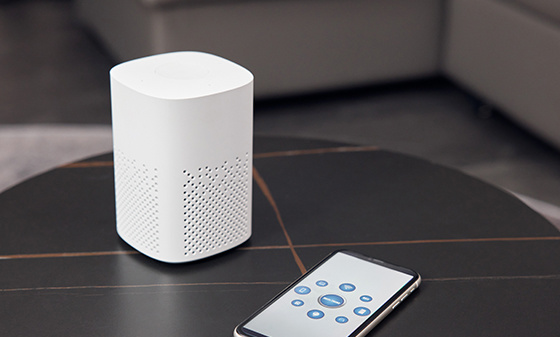 Bluetooth BQB Product Certification
 FM/AM Product Certification
 WiFi Product Certification
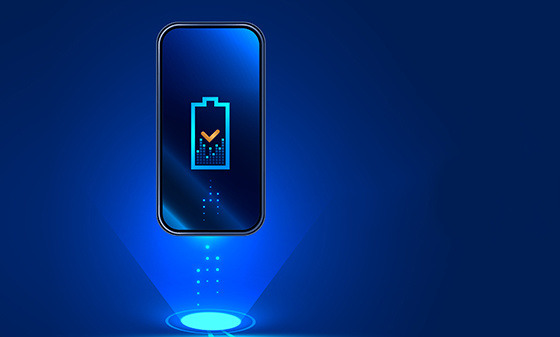 Wireless charging product certification
 Interphone product certification
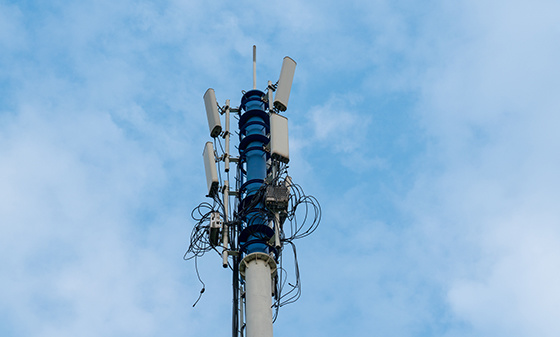 Base station certification
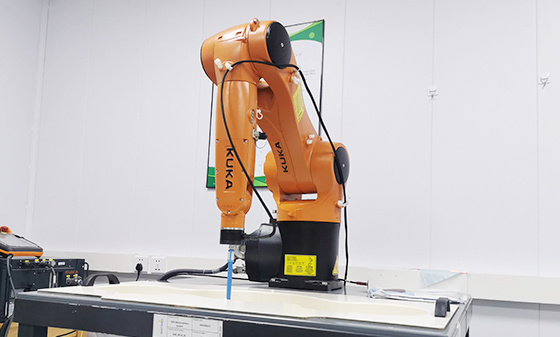 SAR testing
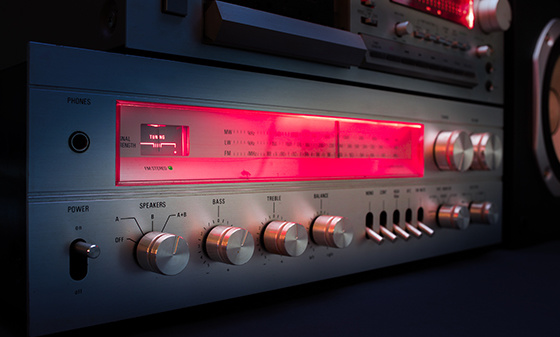 Receiver Product Certification
 5G NR Product Certification
 UWB Product Certification
 Internet of Things authentication
Electromagnetic compatibility
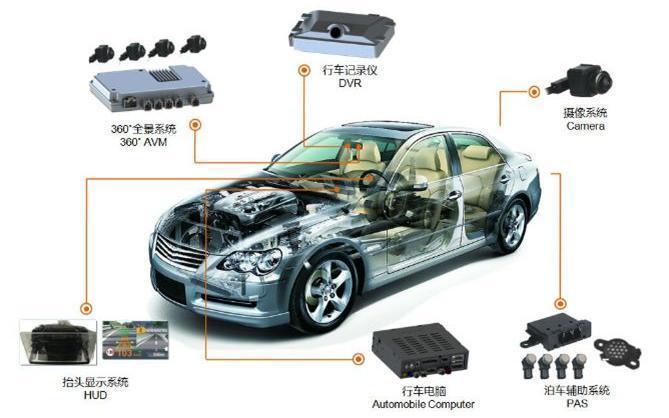 Automotive Electronics EMC Testing
 EMC rectification
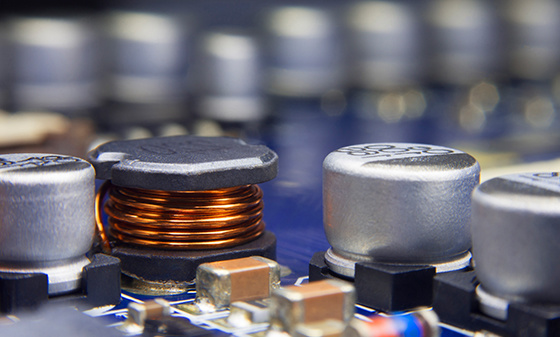 EMC
Automotive Electronics
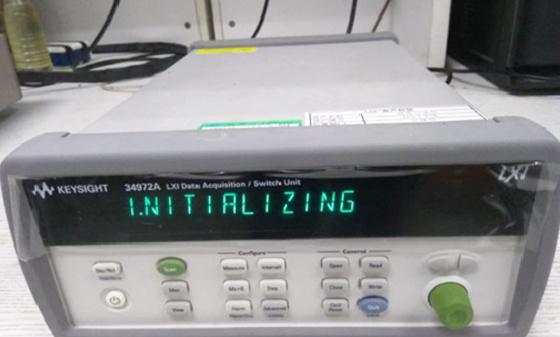 Electrical performance testing
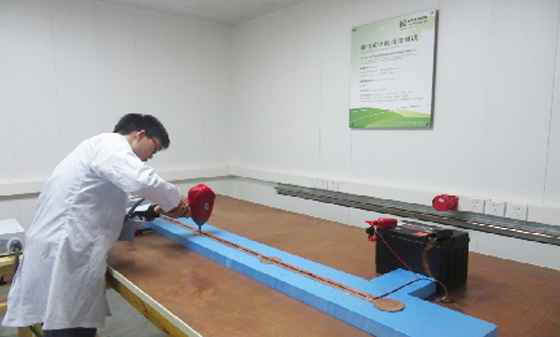 EMS testing - radiation anti-interference testing system (including radar waves)
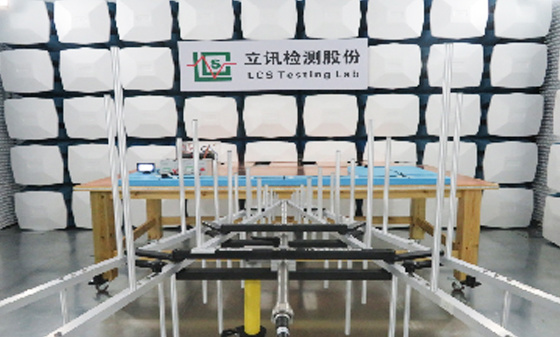 EMS Testing - Electrostatic Discharge
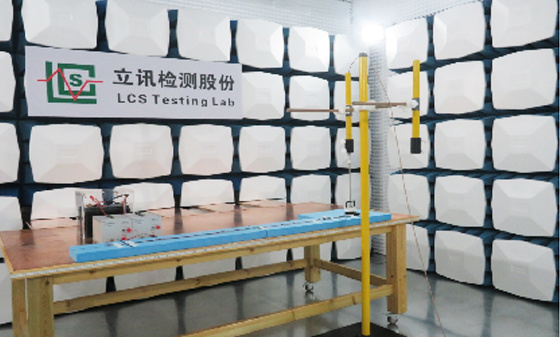 EMS Test - Transient Conducted Immunity Test
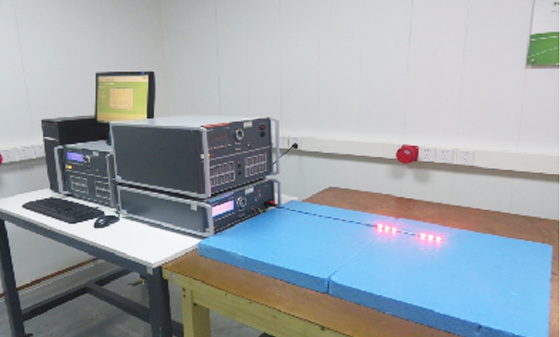 EMS Testing - Portable Transmitter Immunity
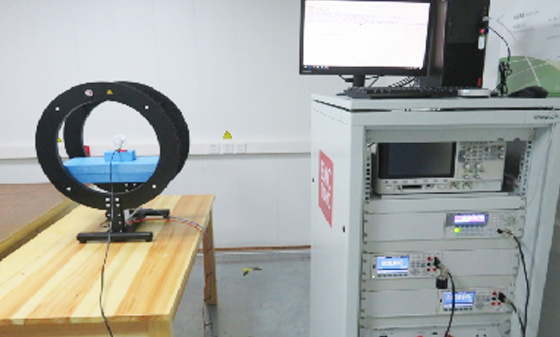 EMS Test - High Current Injection (BCI) Test
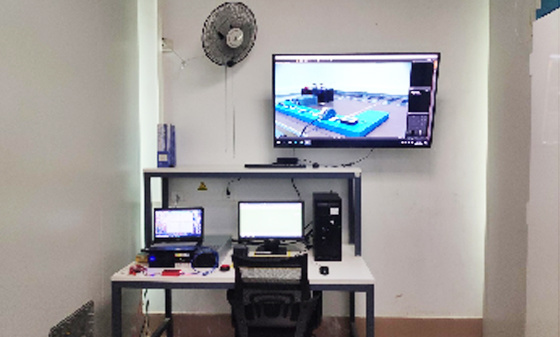 EMS test - low-frequency magnetic field anti-interference test
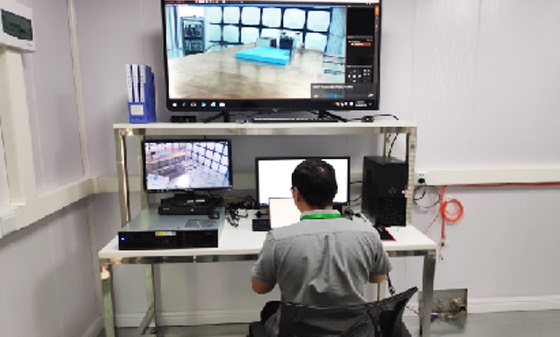 EMI Testing - Transient Conducted Emissions Testing System
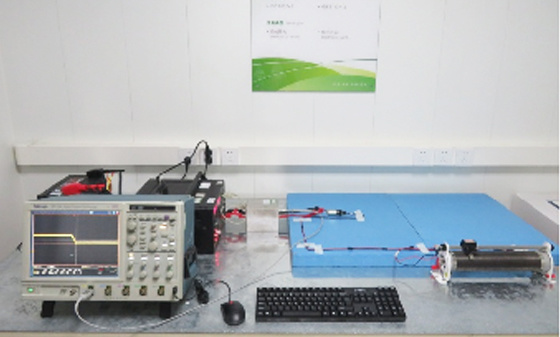 EMI testing - low-frequency magnetic field emission
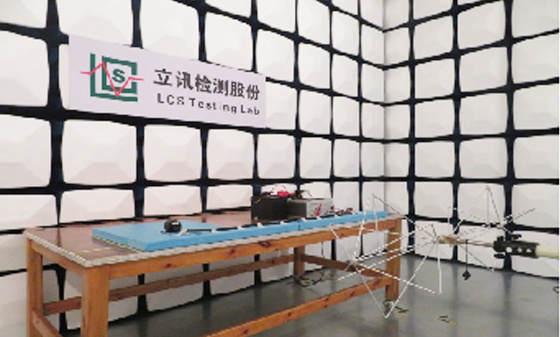 EMI Test - Radiation Emission Test
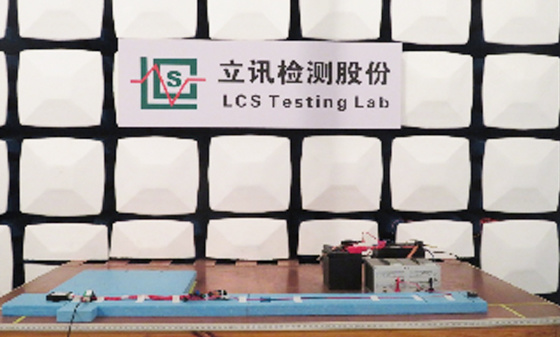 EMI Test - Conducted Emissions Test
 Automotive Electronic Testing
Automotive Parts Inspection
 Automotive ELV&VOC
 Reliability testing
 Temperature shock test
 Vibration testing
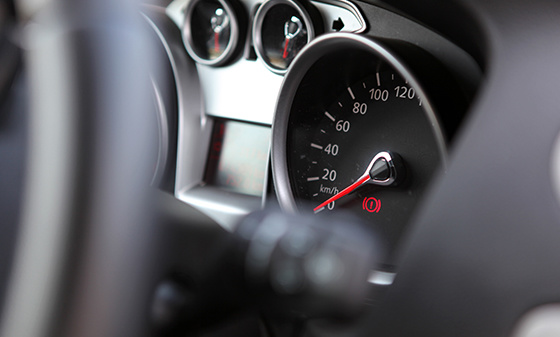 Instrument panel/instrument panel three comprehensive vibration test
 Comprehensive vibration test of door inner panel III
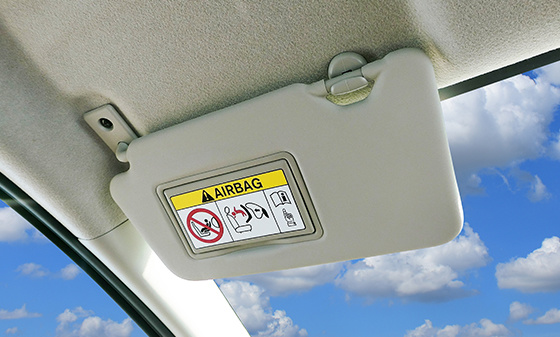 Sunvisor Three Comprehensive Vibration Test
 Spoiler Three Comprehensive Vibration Test
 Three comprehensive vibration tests of car front and rear bumpers
 Three comprehensive vibration tests for lamp housing/lampshade
 Comprehensive vibration test of outer circumference three
 Automotive metal material testing
 Performance testing of automotive lighting fixtures
 Rapid temperature change test
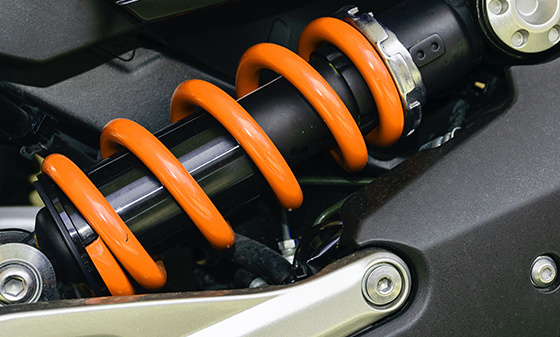 Vibration
 Common issues with vibration testing
 Common issues with fatigue testing
 Common issues with high and low temperature testing
 Conducted Interference (CE) - Suzhou Lixun Standard
 Electromagnetic Radiation Tolerance Test (RS) - Suzhou LCS Standard
 Electrical Fast Pulse Withstand Test (EFT) - Suzhou LCS Standard
 Voltage flicker test - Suzhou LCS standard
Electronic appliances
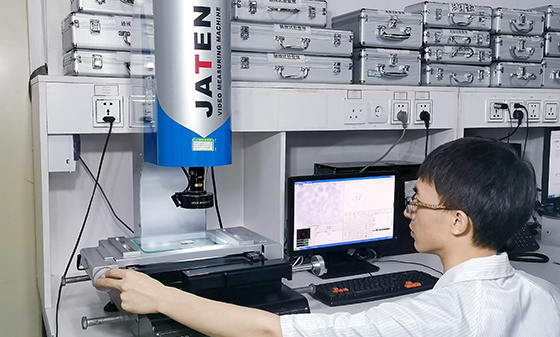 Household appliance product testing
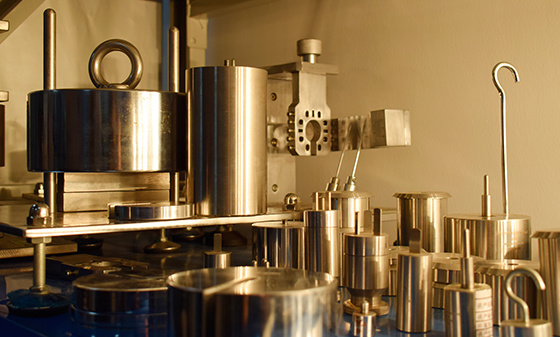 Electrical accessory product testing
 Household appliance testing
Chemical Testing
 Introduction to PFAS Testing
 MOSH/MOAH Mineral Oil Testing Service
 MOSH/MOAH Mineral Oil Testing and Certification Report Service
 Consumer Product Testing Services - WEEE Chapter
 Ecological textile testing
 Leather Footwear Inspection
 Food contact material testing
 Testing of toys and baby products
 Hazardous substance testing
Electronic Cigarette Testing
 Electronic cigarette detection
Reliability testing
 Other tests - pencil hardness test
 Mechanical testing - Packaging compression test
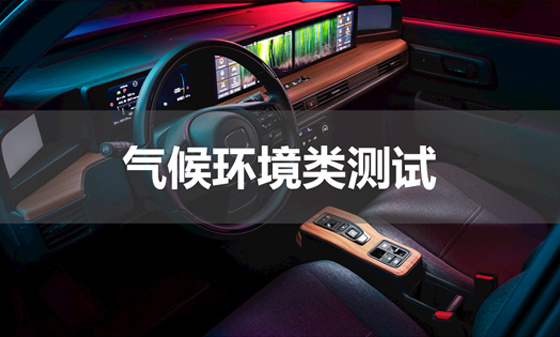 Climate environment testing - Xenon lamp aging test
Battery Testing
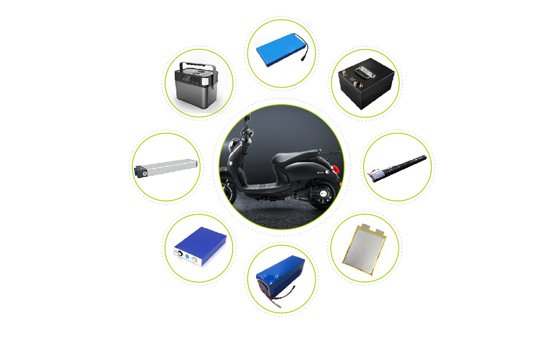 Power storage battery testing and certification
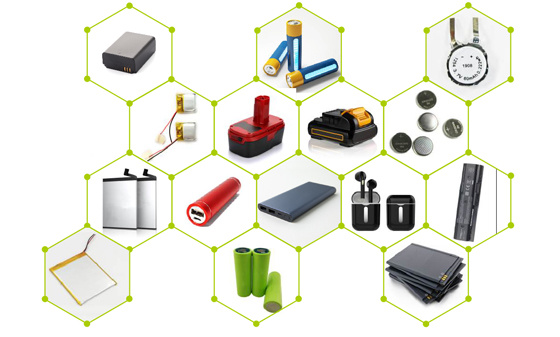 Consumer Electronics Battery Testing and Certification
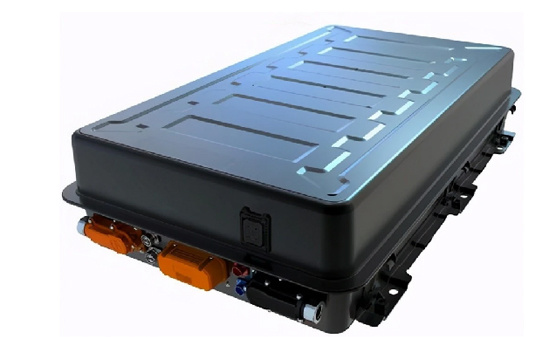 power battery
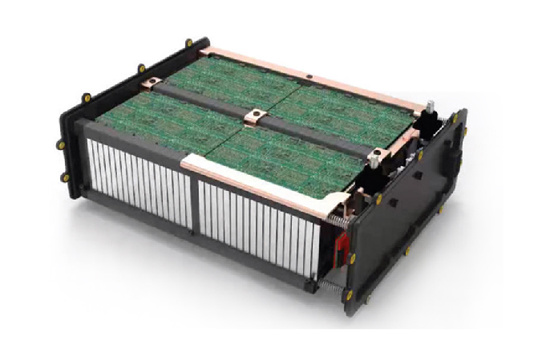 Light electric vehicle batteries
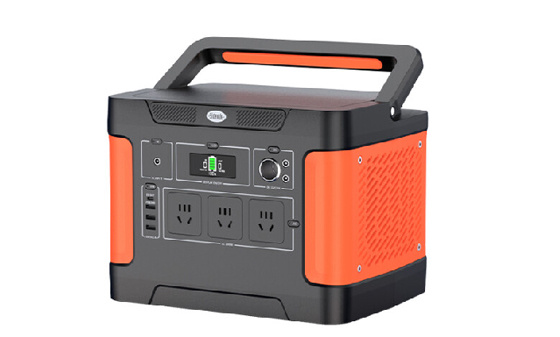 Energy storage battery
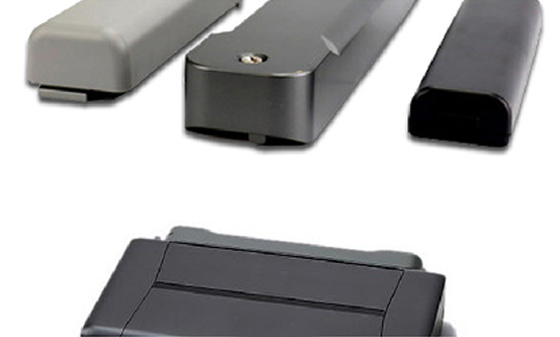 Portable battery
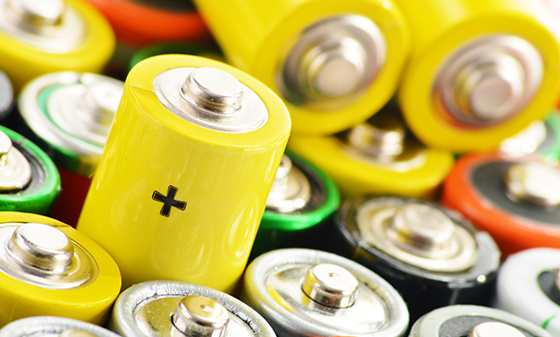 Battery testing
 battery test
Lamp Inspection
 Inspection of ship lighting fixtures
 COI Index Test for Medical Indoor Lighting
 Lamp safety inspection
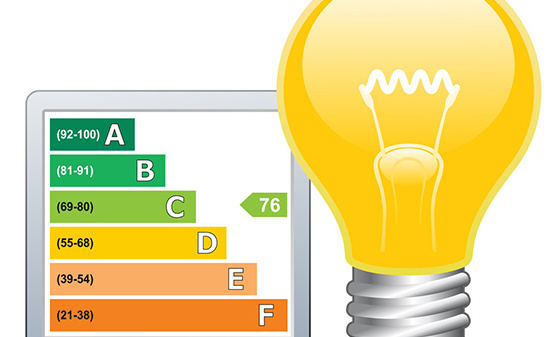 Luminaire energy efficiency testing
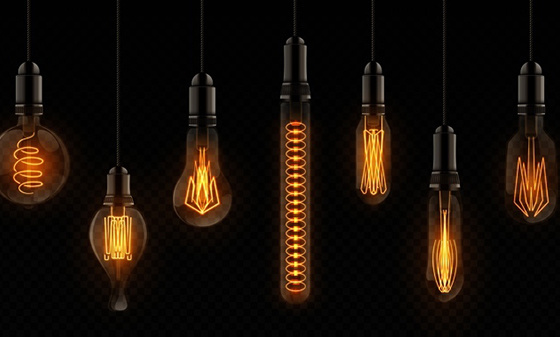 EMC testing of lighting fixtures
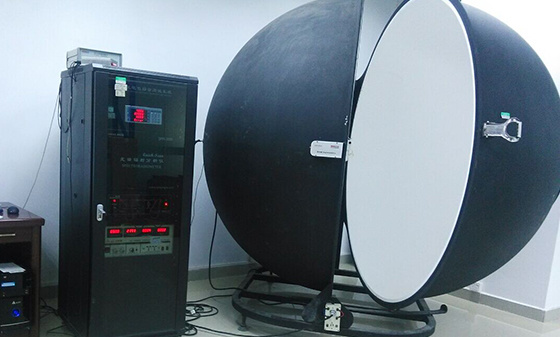 Integral Ball Laboratory
 Photobiology Experiment
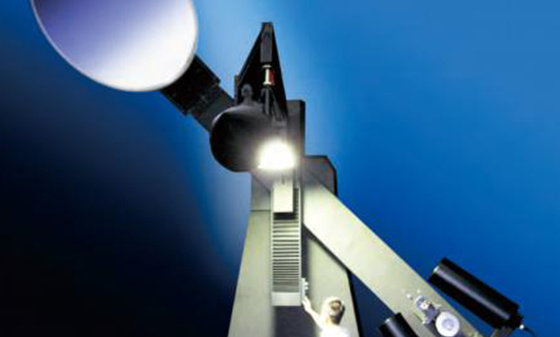 Light distribution test
 Lamp aging test
 Lamp IP waterproof
 Lamp performance testing
 Lamp reliability testing
Children's toy testing
 Testing standards for toy products
China Certification
 China's "national promotion" RoHS certification
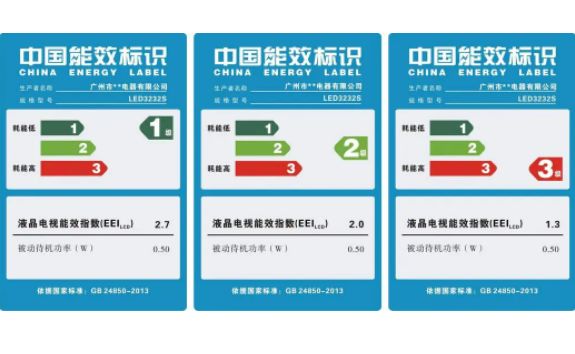 China Energy Efficiency Label Certification
 China Energy Conservation Certification
 China CQC Certification
 Tmall JD Quality Inspection Report
 China SRRC Certification
 Taiwan BSMI certification
 Taiwan NCC certification
 China CCC Compulsory Certification
Asia Certification
 Vietnam certification
 KC certification
 KUCAS Certification in Kuwait
 Singapore PSB certification
 Iraq COC Certification
 IMDA certification
 VCCI Certification in Japan
 JATE certification in Japan
 PSE certification
 BIS certification
 Japanese TELEC certification
European Certification
 RoHS certification
 GOST certification in Russia
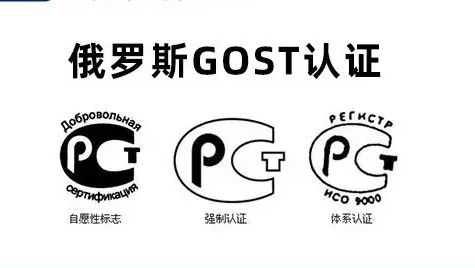 Russian EAC certification
 Northern Ireland UKNI logo
 Electrical ENEC certification
 European D-MARK certification
 Türkiye BTK certification
 TSE certification in Türkiye
 CE certification in Türkiye
 RED certification
 German TUV-SUD certification
 CE-ERP certification
 REACH certification
 German GS certification
 EU E-Mark certification
North American Certification
 Ecuador VOC certification
 Mexico NOM certification
 IRAM certification
 CPSC Certification in the United States
 CSA certification
 ASTM certification
 FDA certification
 CEC certification
 ETL certification
 ul certification
 IC certification
 Energy Star
 FCC Certification in the United States
 ASTM certification
Middle East Certification
 Israel SII certification
 Saudi SABER certification
 GCC certification for the seven Gulf countries
 Iran COI certification
 Qatar COC Certification
 Iraq COC Certification
 Saudi EER Energy Efficiency Certification
 Saudi SABER certification
 Algeria PCA certification
 PVOC certification
Australia Certification
 New Zealand IC-F testing
 VEET certification
 LCP certification
 GEMS certification
 RCM certification
 C-Tick certification
 SAA certification
Africa Certification
 Gabon COC certification
 Algeria COC certification

 Ethiopian VOC and COC certification
 Mauritius VOC certification
 Ghana COC certification
 COC certification in Burundi
 Zambia COC certification
 Botswana COC Certification
 Uganda PVOC certification
 SABS certification in South Africa
 South African LOA certification
 Zimbabwe CBCA Certification
 Nigeria SONCAP certification
 Kenya PVOC certification
 African COC certification
Other certifications
 WEEE
 Bluetooth BQB certification
 IECEE registration
 MHRA registration in the UK
TRAINING
 Management system training
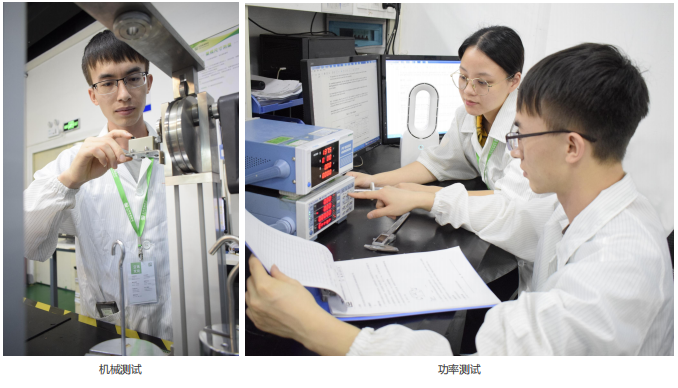 Laboratory technical training
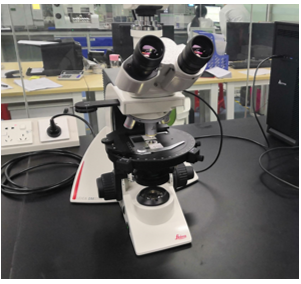 Laboratory Process Consulting
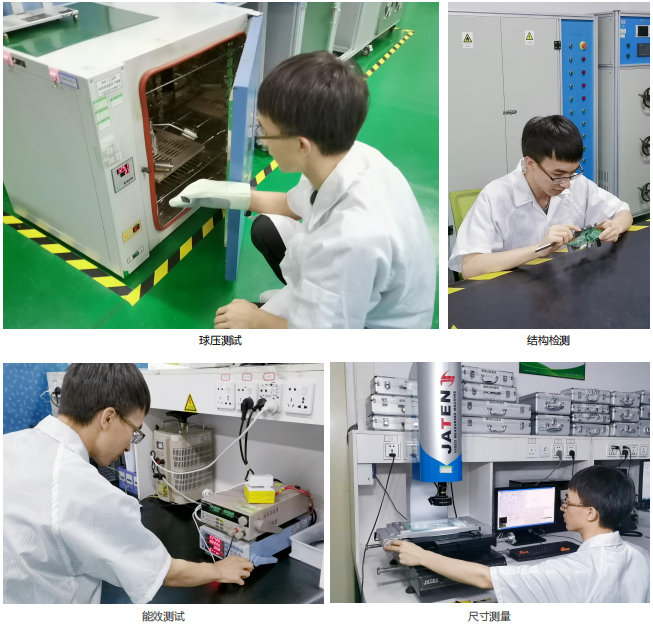 Laboratory decoration construction
Wireless Communication
Electromagnetic compatibility
Automotive Electronics
Automotive Parts Inspection
Electronic appliances
Chemical Testing
Electronic Cigarette Testing
Reliability testing
Battery Testing
Lamp Inspection
Children's toy testing
China Certification
Asia Certification
European Certification
North American Certification
Middle East Certification
Australia Certification
Africa Certification
Other certifications
TRAINING

Solutions
-
-
-
Automotive interior and exterior trim - Environmental testing
-
Automotive interior and exterior decorations (electronic and electrical components) - IP protection
-
Automotive electronic and electrical components - Electrical performance
-
Automotive interior and exterior trims - Mechanical performance testing
Contact Us
National 24-hour service hotline
400-116-2629
Group Headquarters
E-mail: webmaster@lcs-cert.com
Address: Shenzhen City, Baoan District, Shajing Street, Nga side of the school of Wei Juji Industrial Park, Building A 1 ~ 2 floor, Building C 3 floor
Consumer Product Testing Services - CA 65
Proposition 65 (officially known as the Safe Drinking Water and Toxic Enforcement Act of 1986, also known as Proposition 65) is a law in California that was passed through direct voter initiative votes in 1986. Its goal is to protect drinking water sources from the effects of toxic substances that can cause cancer and reproductive defects, and to reduce or eliminate exposure to these chemicals, such as consumer goods, by requiring warnings before exposure.
Proposition 65 requires the governor to revise and reissue the list of chemicals known to cause cancer or reproductive toxicity in the state at least once a year.
There is also a 'safe harbor list' that sets tolerance thresholds for some chemicals mentioned in Proposal 65. Concentrations below the tolerance threshold do not require warning labels legally.
Proposition 65 aims to protect the public from the hazards of toxic chemicals. The following is a detailed explanation of Proposal 65:
Overview of Proposal No. 65
Approved by California voters in 1986.
Purpose:
Protect drinking water sources from contamination by carcinogenic and reproductive toxic substances.
Reduce or eliminate public exposure to harmful chemicals through warning labels.
Management agency: California Office of Environmental Health Hazard Assessment (OEHHA).
2. Main requirements
(1) Chemical List
List Content: OEHHA updates and releases an annual list of chemicals known to cause cancer or reproductive toxicity.
Update frequency: At least once a year.
Example chemicals: lead, cadmium, phthalates, benzene, formaldehyde, etc.
(2) Warning label
Requirement: If the product contains chemicals on the list and the concentration exceeds the safe harbor level, the company must attach a warning label to the product.
Label content: Warning labels must clearly state that the product contains chemicals that may cause cancer or reproductive toxicity.
(3) Safe Harbor Level
Definition: Safe harbor level refers to the tolerance threshold of chemical substances, and chemicals below this concentration do not require additional warning labels.
Example
Lead: 0.5 micrograms per day (reproductive toxicity).
Phthalates: 0.02 micrograms per day (reproductive toxicity).
3. Corporate Responsibility
(1) Compliance testing
Detect the content of chemicals listed in Proposal 65 in the product through chemical analysis.
Ensure that the product meets the requirements of Proposal 65.
(2) Warning label
If the product contains chemicals on the list and the concentration exceeds the safe harbor level, a warning label must be attached to the product.
Provide instructions for use, including applicable conditions, safety precautions, etc.
(3) Technical documents
Prepare complete technical documents, including test reports, material lists, usage instructions, etc.
Ensure that the product meets the requirements of Proposal 65.
(4) Supply Chain Management
Convey relevant information on the chemical substances listed in Proposal 65 to downstream suppliers in the supply chain.
Ensure that the raw materials provided by the supplier meet the requirements of Proposal 65.
4. Punishment and legal responsibility
Fines: If a company fails to comply with the requirements of Proposition 65, it may face high fines (up to $2500 per day).
Litigation risk: Any individual or organization may bring a lawsuit against a company that violates Proposition 65.
Settlement fees: Many companies choose to reach a settlement with the plaintiff, pay settlement fees, and improve their products.
5. Impact of Proposal 65
(1) Consumer Protection
Through warning labels, consumers can understand the potential harmful chemicals present in the product and make informed choices.
(2) Corporate Compliance
Enterprises need to ensure that their products comply with the requirements of Proposal 65 to avoid legal risks and economic losses.
(3) Industry standards
Proposition 65 has promoted the improvement of industry standards and encouraged companies to reduce the use of harmful chemicals.
6. Summary
Proposition 65 is an important law in California aimed at protecting the public from harmful chemicals. Enterprises need to closely monitor the updates of the Proposal 65 list, fulfill their responsibilities for compliance testing, warning labels, and technical document preparation, ensure that products comply with the requirements of Proposal 65, and avoid legal risks and economic losses.
Large-scale experimental base
Professional Lab
Analysis Method
Testing/year


 WeChat Inquiry


 Reservation


Contact Us
National 24-hour service hotline
Address:Juji Industrial Park, Xueziwei, Ngabian, Shajing Street, Baoan District, Shenzhen Building A 1~2F, Building C 3F

WeChat public number
Share industry dry goods

WeChat consultation
Please note consulting services

Follow Jitterbug

Mobile website
di complaint mailbox: customer.complaint@lcs-cert.com complaint telephone tel: 18126445450 certificate report verification of authenticity mailbox: verification@lcs-cert.com