

Wireless Communication
 EU RED Network Security Standard EN 18031
 Wireless and communication detection
 Mobile communication product certification
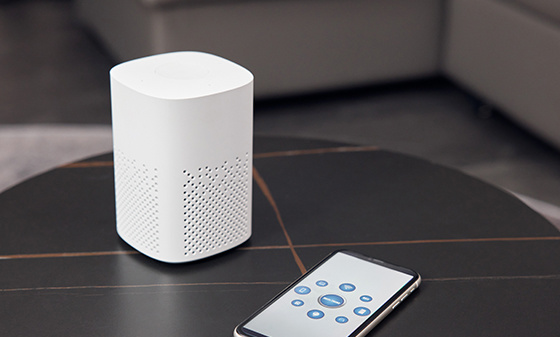 Bluetooth BQB Product Certification
 FM/AM Product Certification
 WiFi Product Certification
 Wireless charging product certification
 Interphone product certification
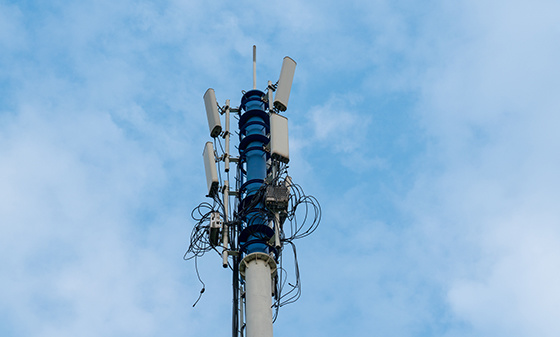 Base station certification
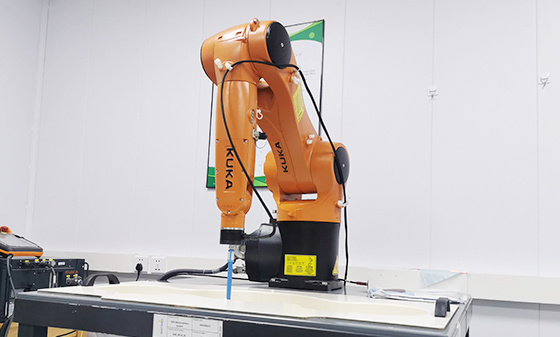 SAR testing
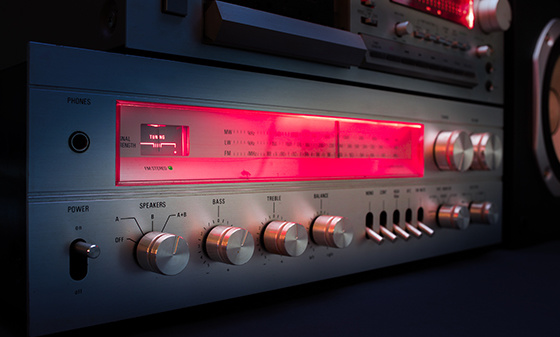 Receiver Product Certification
 5G NR Product Certification
 UWB Product Certification
 Internet of Things authentication
Electromagnetic compatibility
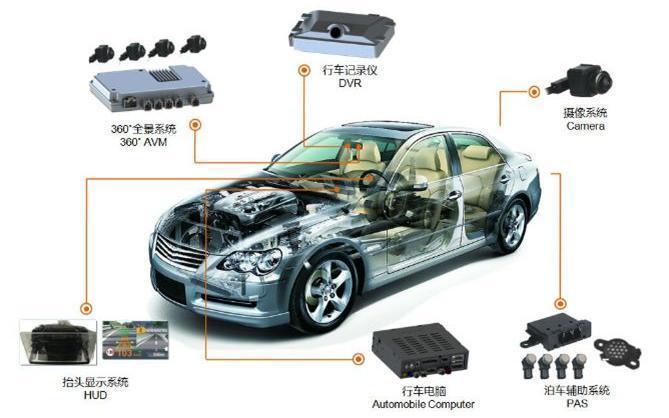 Automotive Electronics EMC Testing
 EMC rectification
 EMC
Automotive Electronics
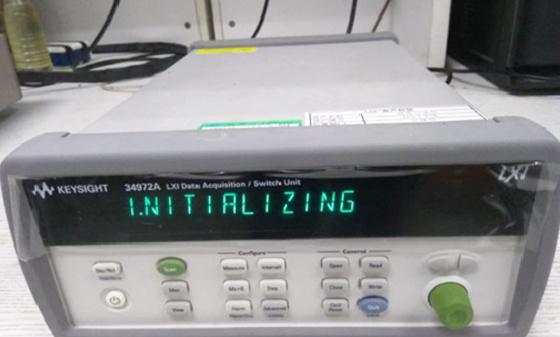 Electrical performance testing
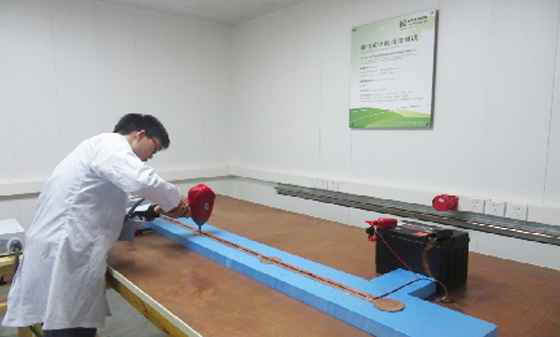 EMS testing - radiation anti-interference testing system (including radar waves)
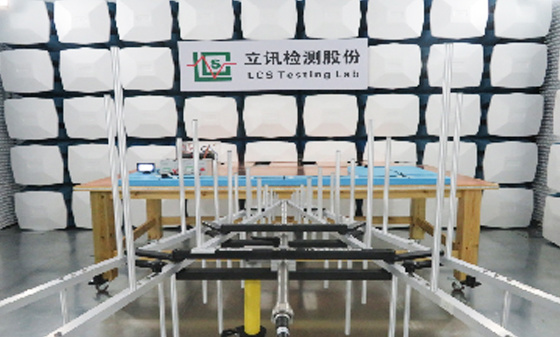 EMS Testing - Electrostatic Discharge
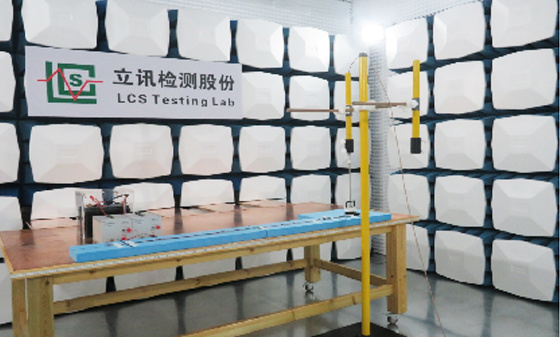 EMS Test - Transient Conducted Immunity Test
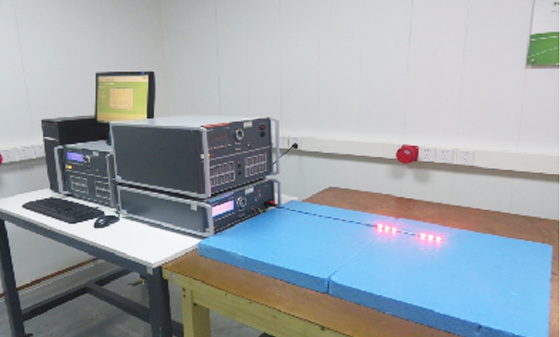 EMS Testing - Portable Transmitter Immunity
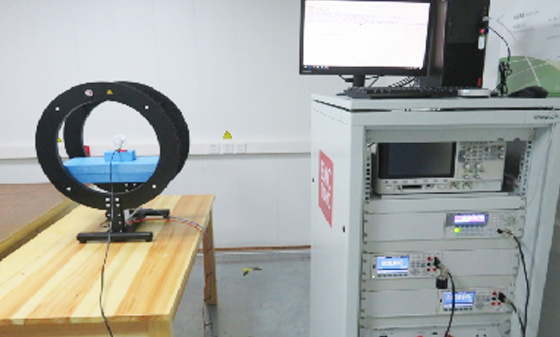 EMS Test - High Current Injection (BCI) Test
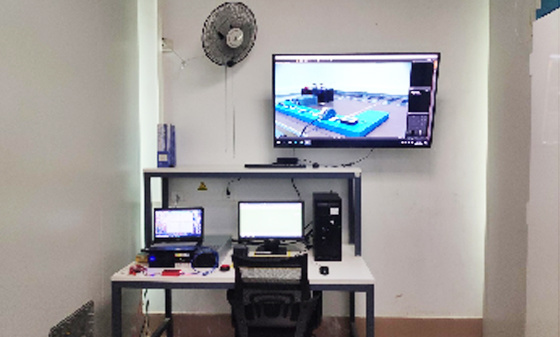 EMS test - low-frequency magnetic field anti-interference test
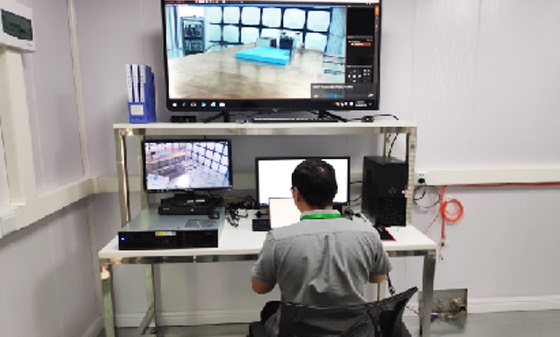 EMI Testing - Transient Conducted Emissions Testing System
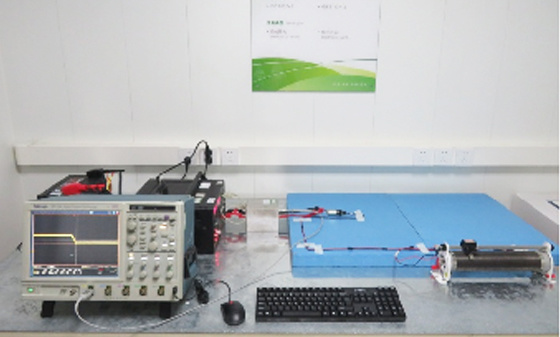 EMI testing - low-frequency magnetic field emission
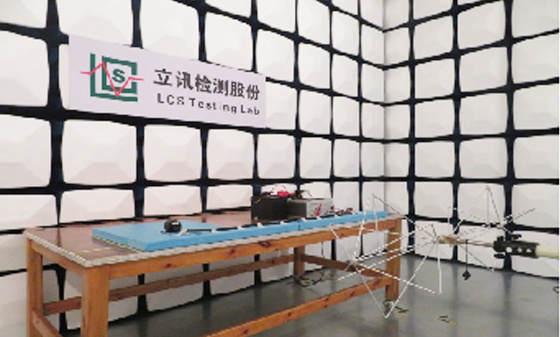 EMI Test - Radiation Emission Test
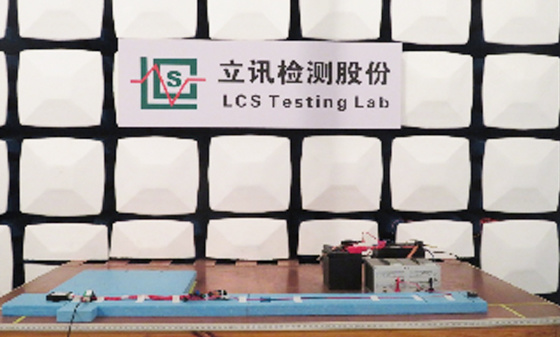 EMI Test - Conducted Emissions Test
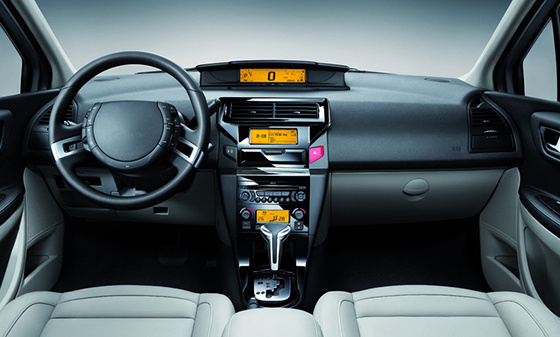 Automotive Electronic Testing
Automotive Parts Inspection
 Automotive ELV&VOC
 Reliability testing
 Temperature shock test
 Vibration testing
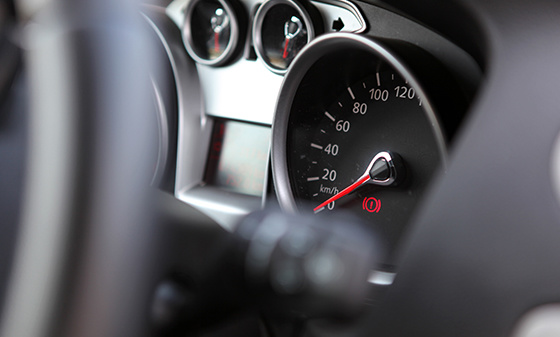 Instrument panel/instrument panel three comprehensive vibration test
 Comprehensive vibration test of door inner panel III
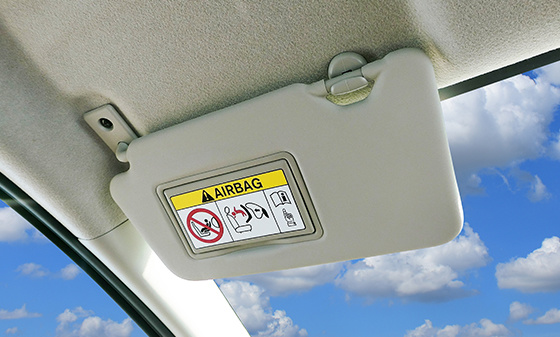 Sunvisor Three Comprehensive Vibration Test
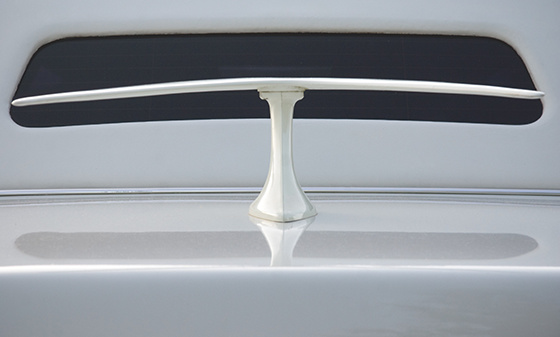 Spoiler Three Comprehensive Vibration Test
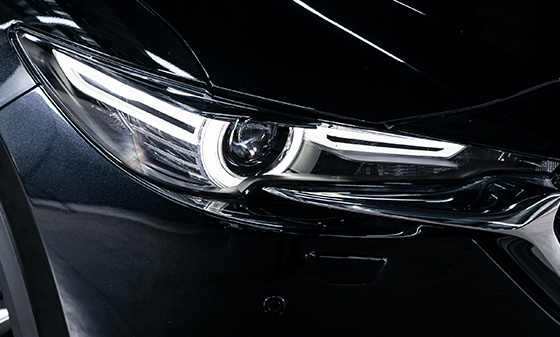 Three comprehensive vibration tests of car front and rear bumpers
 Three comprehensive vibration tests for lamp housing/lampshade
 Comprehensive vibration test of outer circumference three
 Automotive metal material testing
 Performance testing of automotive lighting fixtures
 Rapid temperature change test
 Vibration
 Common issues with vibration testing
 Common issues with fatigue testing
 Common issues with high and low temperature testing
 Conducted Interference (CE) - Suzhou Lixun Standard
 Electromagnetic Radiation Tolerance Test (RS) - Suzhou LCS Standard
 Electrical Fast Pulse Withstand Test (EFT) - Suzhou LCS Standard
 Voltage flicker test - Suzhou LCS standard
Electronic appliances
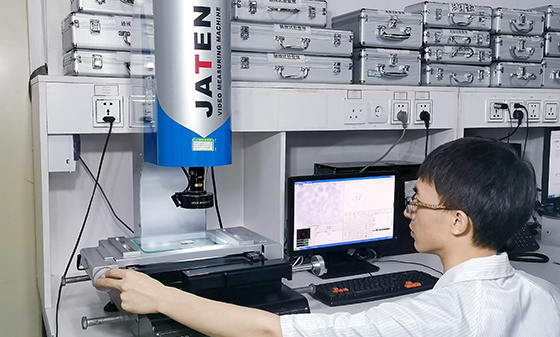 Household appliance product testing
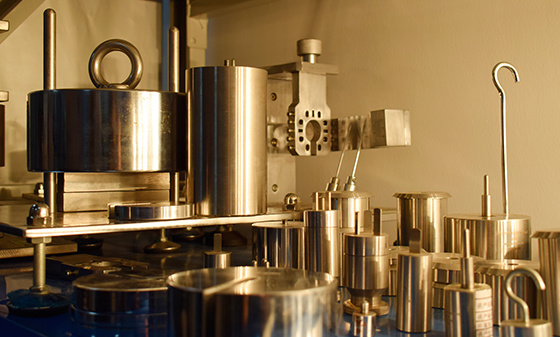 Electrical accessory product testing
 Household appliance testing
Chemical Testing
 Introduction to PFAS Testing
 MOSH/MOAH Mineral Oil Testing Service
 MOSH/MOAH Mineral Oil Testing and Certification Report Service
 Consumer Product Testing Services - WEEE Chapter
 Ecological textile testing
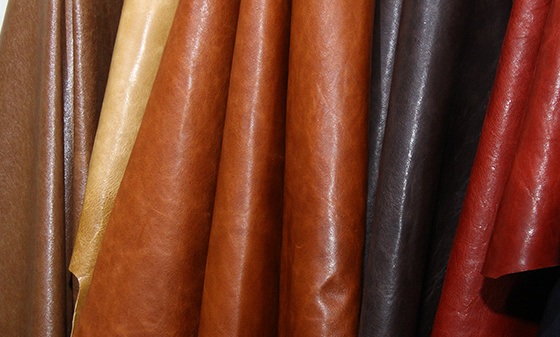 Leather Footwear Inspection
 Food contact material testing
 Testing of toys and baby products
 Hazardous substance testing
Electronic Cigarette Testing
 Electronic cigarette detection
Reliability testing
 Other tests - pencil hardness test
 Mechanical testing - Packaging compression test
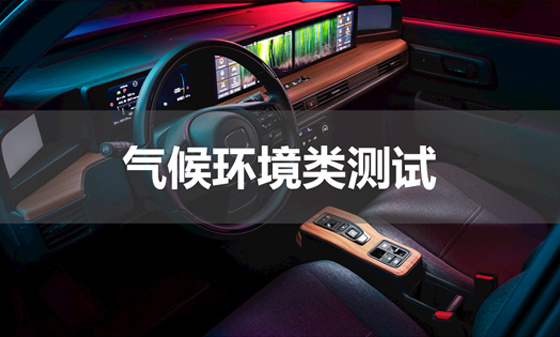 Climate environment testing - Xenon lamp aging test
Battery Testing
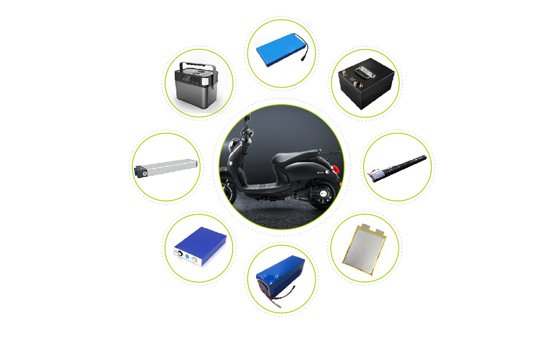 Power storage battery testing and certification
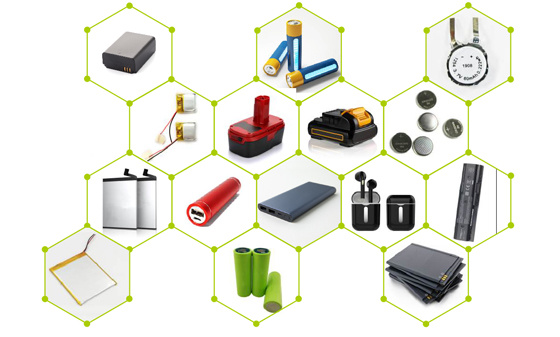 Consumer Electronics Battery Testing and Certification
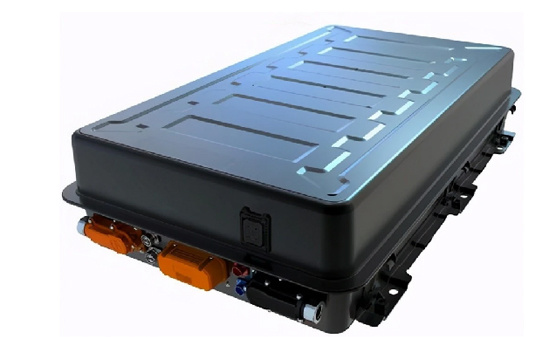 power battery
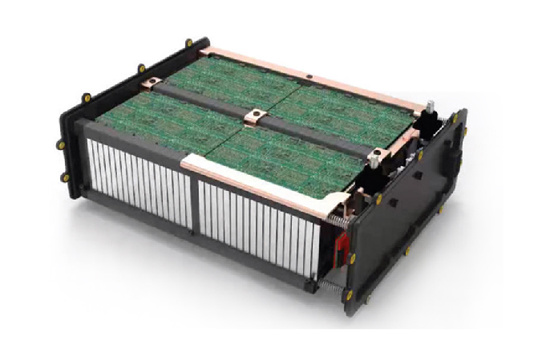 Light electric vehicle batteries
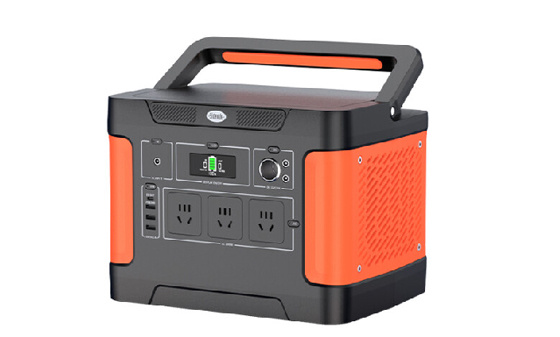 Energy storage battery
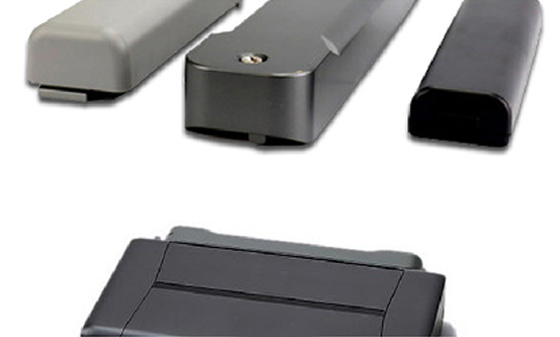 Portable battery
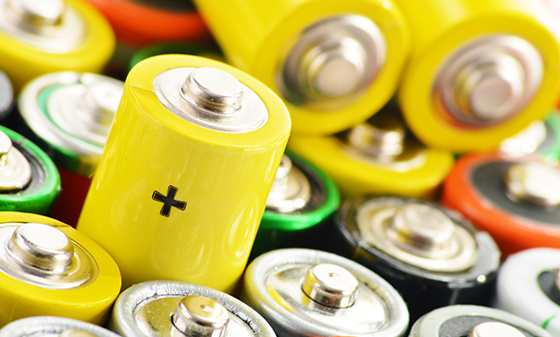 Battery testing
 battery test
Lamp Inspection
 Inspection of ship lighting fixtures
 COI Index Test for Medical Indoor Lighting
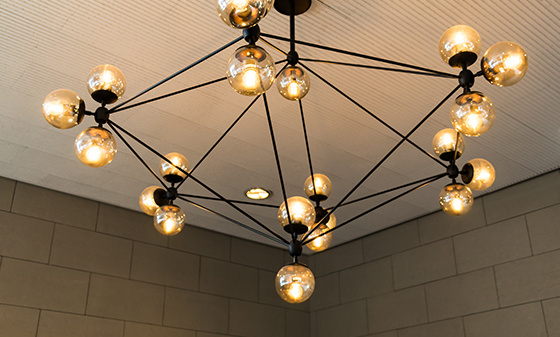 Lamp safety inspection
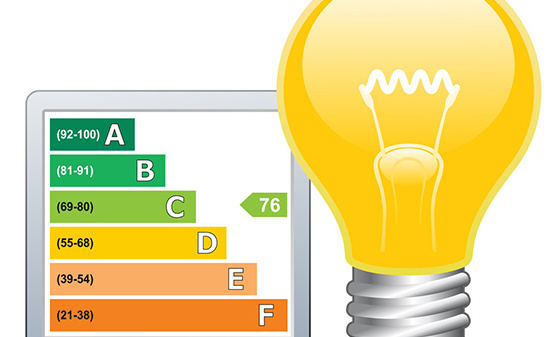 Luminaire energy efficiency testing
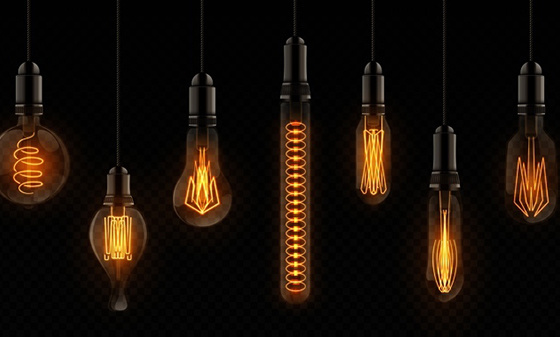 EMC testing of lighting fixtures
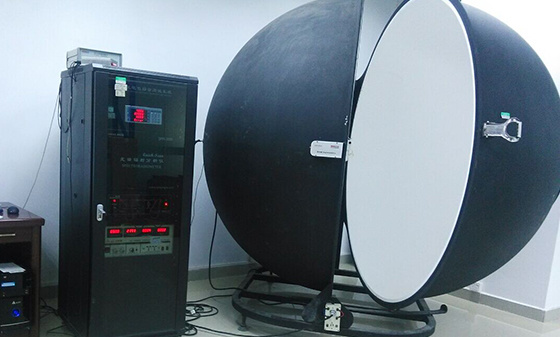 Integral Ball Laboratory
 Photobiology Experiment
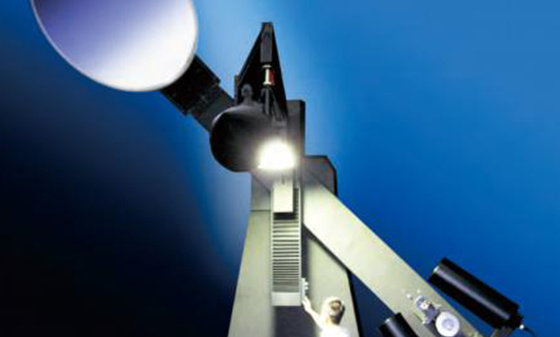 Light distribution test
 Lamp aging test
 Lamp IP waterproof
 Lamp performance testing
 Lamp reliability testing
Children's toy testing
 Testing standards for toy products
China Certification
 China's "national promotion" RoHS certification
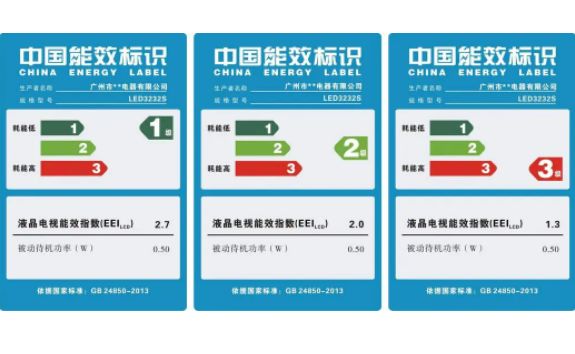 China Energy Efficiency Label Certification
 China Energy Conservation Certification
 China CQC Certification
 Tmall JD Quality Inspection Report
 China SRRC Certification
 Taiwan BSMI certification
 Taiwan NCC certification
 China CCC Compulsory Certification
Asia Certification
 Vietnam certification
 KC certification
 KUCAS Certification in Kuwait
 Singapore PSB certification
 Iraq COC Certification
 IMDA certification
 VCCI Certification in Japan
 JATE certification in Japan
 PSE certification
 BIS certification
 Japanese TELEC certification
European Certification
 RoHS certification
 GOST certification in Russia
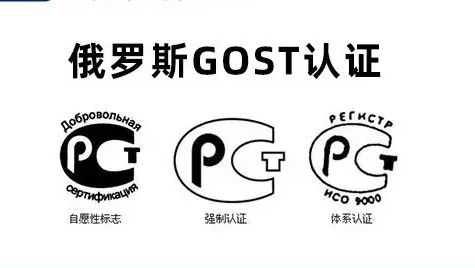 Russian EAC certification
 Northern Ireland UKNI logo
 Electrical ENEC certification
 European D-MARK certification
 Türkiye BTK certification
 TSE certification in Türkiye
 CE certification in Türkiye
 RED certification
 German TUV-SUD certification
 CE-ERP certification
 REACH certification
 German GS certification
 EU E-Mark certification
North American Certification
 Ecuador VOC certification
 Mexico NOM certification
 IRAM certification
 CPSC Certification in the United States
 CSA certification
 ASTM certification
 FDA certification
 CEC certification
 ETL certification
 ul certification
 IC certification
 Energy Star
 FCC Certification in the United States
 ASTM certification
Middle East Certification
 Israel SII certification
 Saudi SABER certification
 GCC certification for the seven Gulf countries
 Iran COI certification
 Qatar COC Certification
 Iraq COC Certification
 Saudi EER Energy Efficiency Certification
 Saudi SABER certification
 Algeria PCA certification
 PVOC certification
Australia Certification
 New Zealand IC-F testing
 VEET certification
 LCP certification
 GEMS certification
 RCM certification
 C-Tick certification
 SAA certification
Africa Certification
 Gabon COC certification
 Algeria COC certification

 Ethiopian VOC and COC certification
 Mauritius VOC certification
 Ghana COC certification
 COC certification in Burundi
 Zambia COC certification
 Botswana COC Certification
 Uganda PVOC certification
 SABS certification in South Africa
 South African LOA certification
 Zimbabwe CBCA Certification
 Nigeria SONCAP certification
 Kenya PVOC certification
 African COC certification
Other certifications
 WEEE
 Bluetooth BQB certification
 IECEE registration
 MHRA registration in the UK
TRAINING
 Management system training
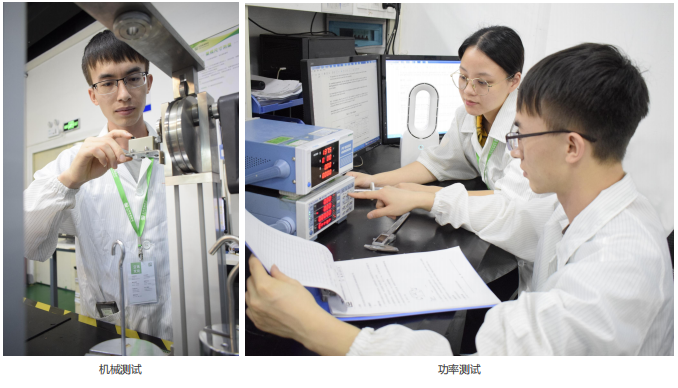 Laboratory technical training
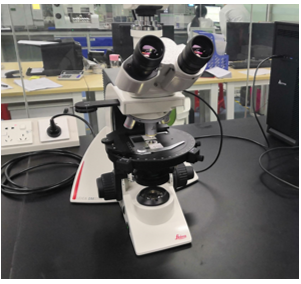 Laboratory Process Consulting
 Laboratory decoration construction
Wireless Communication
Electromagnetic compatibility
Automotive Electronics
Automotive Parts Inspection
Electronic appliances
Chemical Testing
Electronic Cigarette Testing
Reliability testing
Battery Testing
Lamp Inspection
Children's toy testing
China Certification
Asia Certification
European Certification
North American Certification
Middle East Certification
Australia Certification
Africa Certification
Other certifications
TRAINING

Services
返回Testing Services
- EU RED Network Security Standard EN 18031
- Wireless and communication detection
- Mobile communication product certification
- Bluetooth BQB Product Certification
- FM/AM Product Certification
- WiFi Product Certification
- Wireless charging product certification
- Interphone product certification
- Base station certification
- SAR testing
- Receiver Product Certification
- 5G NR Product Certification
- UWB Product Certification
- Internet of Things authentication
- Electrical performance testing
- EMS testing - radiation anti-interference testing system (including radar waves)
- EMS Testing - Electrostatic Discharge
- EMS Test - Transient Conducted Immunity Test
- EMS Testing - Portable Transmitter Immunity
- EMS Test - High Current Injection (BCI) Test
- EMS test - low-frequency magnetic field anti-interference test
- EMI Testing - Transient Conducted Emissions Testing System
- EMI testing - low-frequency magnetic field emission
- EMI Test - Radiation Emission Test
- EMI Test - Conducted Emissions Test
- Automotive Electronic Testing
- Automotive ELV&VOC
- Reliability testing
- Temperature shock test
- Vibration testing
- Temperature shock/cold and hot shock test
- Instrument panel/instrument panel three comprehensive vibration test
- Comprehensive vibration test of door inner panel III
- Sunvisor Three Comprehensive Vibration Test
- Spoiler Three Comprehensive Vibration Test
- Three comprehensive vibration tests of car front and rear bumpers
- Three comprehensive vibration tests for lamp housing/lampshade
- Comprehensive vibration test of outer circumference three
- Automotive metal material testing
- Performance testing of automotive lighting fixtures
- Rapid temperature change test
- Vibration
- Common issues with vibration testing
- Common issues with fatigue testing
- Common issues with high and low temperature testing
- Conducted Interference (CE) - Suzhou Lixun Standard
- Conducted Immunity Test (CS) - Suzhou LCS Standard
- Electromagnetic Radiation Tolerance Test (RS) - Suzhou LCS Standard
- Electrical Fast Pulse Withstand Test (EFT) - Suzhou LCS Standard
- Voltage flicker test - Suzhou LCS standard
- Introduction to PFAS Testing
- MOSH/MOAH Mineral Oil Testing Service
- MOSH/MOAH Mineral Oil Testing and Certification Report Service
- Automotive ELV&VOC
- Consumer Product Testing Services - WEEE Chapter
- Consumer Product Testing Services - CA 65
- Consumer Product Testing Services - SDS Section
- Consumer Product Testing Services - TSCA Section
- Consumer Product Testing Services - CPSIA Section
- Consumer Product Testing Services - POPs Section
- Consumer Product Testing Services - REACH Restricted Substances Section
- Consumer Product Testing Services - REACH SVHC Section
- Consumer Product Testing Services - RoHS Chapter
- Ecological textile testing
- Leather Footwear Inspection
- Food contact material testing
- Testing of toys and baby products
- Hazardous substance testing
- Other tests - pencil hardness test
- Other tests - Alcohol abrasion test
- Other tests -100 grid test
- Other tests - Paper tape wear test
- Other inspections - bending tests
- Other tests - tensile testing
- Other tests - Drum drop test
- Other tests - Voltage withstand test
- Mechanical testing - Packaging compression test
- Mechanical testing - Drop test
- Mechanical inspection - mechanical shock test
- Mechanical testing - Three comprehensive vibration tests
- Mechanical testing - Vibration testing
- Climate environment testing - Xenon lamp aging test
- Climatic environment testing - UV ultraviolet test
- Climate Environmental Testing - Low Pressure Test
- Climatic environment testing - IP level (waterproof and dustproof test)
- Climatic Environmental Testing - Salt Spray Test
- Climatic Environmental Testing - Walkthrough Temperature Test
- Climatic environment test - cold and hot shock test
- Climate environment testing - rapid temperature change test
- Climatic environmental testing - alternating damp heat test
- Climate environment testing - Temperature cycling test
- Climatic Environmental Testing - High Temperature Testing
- Climatic Environmental Testing - Low Temperature Testing
- Reliability testing
- Inspection of ship lighting fixtures
- COI Index Test for Medical Indoor Lighting
- Lamp safety inspection
- Luminaire energy efficiency testing
- EMC testing of lighting fixtures
- Integral Ball Laboratory
- Photobiology Experiment
- Light distribution test
- Lamp aging test
- Lamp IP waterproof
- Lamp performance testing
- Lamp reliability testing
Certification Services
Register for the record
Systems and Training Services
Laboratory design and construction
Contact Us

National 24-hour service hotline
400-116-2629
Group Headquarters
E-mail: webmaster@lcs-cert.com
Address: Shenzhen City, Baoan District, Shajing Street, Nga side of the school of Wei Juji Industrial Park, Building A 1 ~ 2 floor, Building C 3 floor
Food contact material testing
serial number | Material Name | Standard requirements |
1 | General safety requirements for food contact materials and products | GB 4806.1-2016 |
2 | teats | GB 4806.2-2015 |
3 | Glass products | GB 4806.5-2016 |
| 4 | Ceramics | GB 4806.4-2016 |
5 | Plastic resins for food contact | GB 4806.6-2016 |
6 | Plastic materials and products for food contact | GB 4806.7-2016 |
7 | Paper and cardboard materials and products for food contact | GB 4806.8-2022 |
8 | Metal materials and products for food contact | GB 4806.9-2016 |
9 | Coatings and coatings for food contact | GB 4806.10-2016 |
| 10 | Rubber materials and products for food contact | GB 4806.11-2016 |
| 11 | Bamboo and wood materials and products for food contact | GB 4806.12-2022 |
| 12 | Standards for the use of additives for food contact materials and products | GB 9685-2016 |
| 13 | General rules for migration experiments of food contact materials and products | GB 31604.1-2015 |
| 14 | Enamel products | GB 4806.3-2016 |
serial number | Material Name | Standard requirements |
1 | Ester and polymer coatings | FDA 21 CFR175.300 |
2 | Paper and cardboard components | FDA 21 CFR176.170 |
3 | Rigid semi-rigid acrylic and modified acrylic plastic (plexiglass) | FDA 21 CFR177.1010 |
4 | Food container lid with gasket | FDA 21 CFR177.1210 |
5 | Copolymer of 1,4-cyclohexyldimethylene terephthalate and 1,4-cyclohexyldimethylene isophthalate | FDA 21 CFR177.1240 |
6 | EVA plastic | FDA 21 CFR177.1350 |
7 | Melamine resin | FDA 21 CFR177.1460 |
8 | Nylon resin | FDA 21 CFR177.1500 |
9 | Polypropylene, polyethylene, olefin polymers | FDA 21 CFR177.1520 |
10 | Perfluorocarbon resins | FDA 21 CFR177.1550 |
11 | polycarbonate | FDA 21 CFR177.1580 |
12 | Vinyl phthalate polymer | FDA 21 CFR177.1630 |
13 | polystyrene | FDA 21 CFR177.1640 |
14 | Styrene block polymers | FDA 21 CFR177.1810 |
15 | Urea-formaldehyde resin | FDA 21 CFR177.1900 |
16 | Phenolic resin | FDA 21 CFR177.2410 |
17 | Cross-linked polyester resin | FDA 21 CFR177.2420 |
18 | Polyethersulfone resin | FDA 21 CFR177.2440 |
19 | Polyoxymethylene copolymer | FDA 21 CFR177.2470 |
20 | Polyoxymethylene homopolymer | FDA 21 CFR177.2480 |
| 21 | rubber | FDA 21 CFR177.2600 |
| 22 | ABS copolymer | FDA 21 CFR 181.32 |
| 23 | woodwork | FDA 21 CFR178.3800 |
| 24 | Ceramic, glass, enamel tableware | FDA CPG 545.400 & CPG 545.450 |
| 25 | Stainless steel products | FAT |
| 26 | Copper products or copper-plated metal products or metal products | FDA CPG 545.500 |
| 27 | Butylene terephthalate | FDA 21 CFR177.1660 |
| 28 | Vinyl chloride polymer | FDA 21 CFR177.1975 |
| 29 | Poly(aryletherketone) resin | FDA 21 CFR177.1975 |
| 30 | Polysulfone resin | FDA 21 CFR177.1655 |
| 31 | Styrene-methyl methacrylate copolymer | FDA 21 CFR177.1830 |
| 32 | Polyphenylene sulfide resin | FDA 21 CFR177.2490 |
German LFGB
In September 2005, the new German Food and Catering Products Act LFGB replaced the Food and Catering Products LMBG. It is also known as the "Food, Tobacco Products, Cosmetics and Other Supplies Management Act", which is the most important basic legal document in German food hygiene management, and is the guideline and core for the formulation of other special food hygiene laws and regulations. In general, the test items of Articles 9 and <> of the LFGB German Food and Daily Commodities Act include: sensory assessment of odor and taste transfer, comprehensive migration in different food simulants, specific migration of a specific substance in different food simulants, testing of components and precipitable heavy metals, testing of transferable or volatile organic compounds, and testing of chemically hazardous substances according to the German Chemicals Act. The regulatory requirements are detailed in the table below:
serial number | Material Name | Standard requirements |
1 | Molded products/complete machines | LFGB 30&31 |
2 | Polyethylene PE | EU Regulation (EU) No 10/2011 and its amendment EU 2020/1245 & BfR Recommendation III |
3 | Polypropylene PP | EU Regulation (EU) No 10/2011 and its amendment EU 2020/1245 & BfR Recommendation VII |
4 | Polycarbonate PC | EU Regulation (EU) No 10/2011 and its amendment EU 2020/1245 |
5 | Polystyrene PS | EU Regulation (EU) No 10/2011 and its amendment EU 2020/1245 & BfR Recommendation V&VI |
6 | Acrylonitrile polymer ABS/SAN | EU Regulation (EU) No 10/2011 and its amendment EU 2020/1245& BfR Recommendation VI |
7 | Polyamide/nylon PA | EU Regulation (EU) No 10/2011 and its amendment EU 2020/1245 & BfR Recommendation X |
8 | Polyethylene terephthalate PET | EU Regulation (EU) No 10/2011 and its amendment EU 2020/1245 & BfR Recommendation XVII |
9 | Silicone Silicone | BfR Recommendation XV |
10 | Ceramic/enamel/glass | FROM 51032 |
11 | All kinds of stainless steel/iron products/metal/alloy/electroplated products | LFGB 35B 80.03-1/2 |
13 | Non-stick coating | BfR Recommendation LI |
14 | Organic coating | Reference to AP2004-1 |
15 | rubber | BfR Recommendation XXI |
| 16 | Vinyl ethylene acetate copolymer | EU Regulation (EU) No 10/2011 and its amendment EU 2020/1245 & BfR Recommendation XXXV |
| 17 | Polyethylene vinyl acetate | EU Regulation (EU) No 10/2011 and its amendment EU 2020/1245 & BfR III |
| 18 | Acrylic/methacrylate | EU Regulation (EU) No 10/2011 and its amendment EU 2020/1245 & BfR XXII |
| 19 | Polyoxymethylene resin | EU Regulation (EU) No 10/2011 and its amendment EU 2020/1245 & BfR XXXIII |
| 20 | Polyurethane/thermoplastic polyurethane | EU Regulation (EU) No 10/2011 and its amendment EU 2020/1245 & BfR XXXIX |
French DGCCRF is the English abbreviation for French food grade safety regulations. Such products sold in France must comply with local French regulations, including French DGCCRF 1935-2004 and French Décret no 2004-64, in addition to the requirements of Regulation (EC) No 92/631. French regulations not only have special requirements for plastic and rubber products that come into contact with food, but also have special classification and requirements for metal products, such as: cookware with organic coating, in addition to the coating surface to be tested, there are also corresponding requirements for metals as substrates. Its test items include: comprehensive migration in different food simulants, specific migration of a specific substance in different food simulants, transferable or volatile organic compound tests, peroxide values, tests that can precipitate heavy metals, etc. The regulatory requirements are detailed in the table below:
serial number | Material Name | Standard requirements |
1 | All kinds of plastics | DGCCRF DM/4B/COM/003 |
2 | rubber | Order of 5 August 2020 |
3 | silica gel | French Degree of 25 November 1992 |
4 | Ceramic, glass, crystal | DGCCRF DM/4B/COM/002 |
5 | Enamel, enamel | DGCCRF DM/4B/COM/002 |
6 | Pure stainless steel | DGCCRF DM/4B/COM/001 |
7 | Uncoated steel (black steel plate) (for packaging) | DGCCRF DM/4B/COM/001 |
8 | Metal-plated steel (tin-plated) (for packaging) | DGCCRF DM/4B/COM/001 |
9 | Organic coated steel (for packaging) | DGCCRF DM/4B/COM/001 |
10 | Steel (non-packaging) | DGCCRF DM/4B/COM/001 |
11 | Metal-plated steel and stainless steel (non-packaging) | DGCCRF DM/4B/COM/001 |
13 | Organically coated steel and stainless steel (non-packaging) | DGCCRF DM/4B/COM/001 |
14 | Coated aluminum and aluminum alloys | DGCCRF DM/4B/COM/001 |
| 15 | Uncoated aluminum and aluminum alloys | DGCCRF DM/4B/COM/001 |
| 16 | Pure cast iron | DGCCRF DM/4B/COM/001 |
| 17 | Cast iron with plating | DGCCRF DM/4B/COM/001 |
| 18 | Cast iron with organic coating | DGCCRF DM/4B/COM/001 |
| 19 | Tin and tin alloys | DGCCRF DM/4B/COM/001 |
| 20 | zinc | DGCCRF DM/4B/COM/001 |
211 | White-plated metals and alloys | DGCCRF DM/4B/COM/001 |
serial number | Material Name | Standard requirements |
1 | plastics | 2011/10/EU &(EU)No 321/2011 &(EU)No 1282/2011 &(EU)2020/1245 |
2 | Ceramic/enamel/glass | 84/500/EEC&2005/31/EC |
3 | silica gel | AP2004-5 |
4 | Organic coating | AP2004-1 |
5 | rubber | AP2004-4 |
6 | cork | AP2004-2 |
7 | Wood/bamboo | AP2004-2 |
8 | Paper and cardboard | AP2004-2 |
9 | Metals and alloys that come into contact with food | EDQM Technical Guide Resolution CM/Res(2013)9 |
Italian, Italy
The Ministerial Decree of 21 March 1973 (Italy). Food contact products exported to Italy are subject to compliance with local Italian laws and regulations, including Italy Official Gazette GU 1935 on April 2004 and Ministerial Decree of 283 March 1962 and modified versions, in addition to compliance with Regulation (EC) No. 21/1973. In addition to setting out the principle requirements for the safety of food contact materials that are basically consistent with the EU Framework Directive, the Decree also specifies the scope of application, penalties for violations and the amount of penalties. It should be noted that Italy's requirements for stainless steel products are relatively strict. The regulatory requirements are detailed in the table below
serial number | Material Name | Standard requirements |
1 | plastics | Decree of 21 Mar 1973 |
2 | Silicone, rubber | Decree of 21 Mar 1973 |
3 | stainless steel | Decree 6 August 2015, n. 195 |
4 | glass | Decree of 21 Mar 1973 |
5 | ceramics | DM 04.04.1985 and 01.02.2007 |
6 | Aluminum/aluminum alloy | Decree No. 76 of 18 April 2007 |
7 | Metals and metal alloys | CM/RES(2013) 9 & GUIDELINES ON METALS AND ALLOYS |
8 | Non-stick coating | Decree of 21 Mar 1973 |
Large-scale experimental base
Professional Lab
Analysis Method
Testing/year


 WeChat Inquiry


 Reservation


Contact Us
National 24-hour service hotline
Address:Juji Industrial Park, Xueziwei, Ngabian, Shajing Street, Baoan District, Shenzhen Building A 1~2F, Building C 3F

WeChat public number
Share industry dry goods

WeChat consultation
Please note consulting services

Follow Jitterbug

Mobile website
di complaint mailbox: customer.complaint@lcs-cert.com complaint telephone tel: 18126445450 certificate report verification of authenticity mailbox: verification@lcs-cert.com