

Wireless Communication
 EU RED Network Security Standard EN 18031
 Wireless and communication detection
 Mobile communication product certification
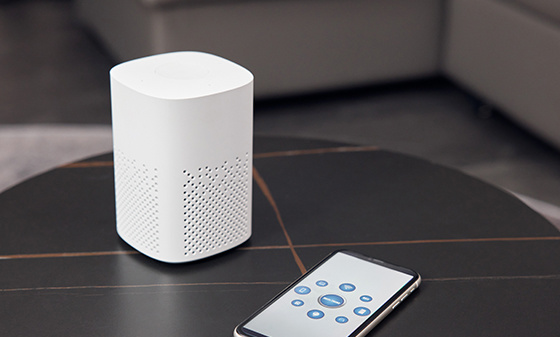 Bluetooth BQB Product Certification
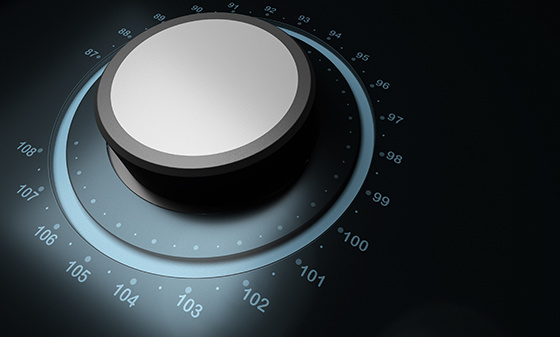 FM/AM Product Certification
 WiFi Product Certification
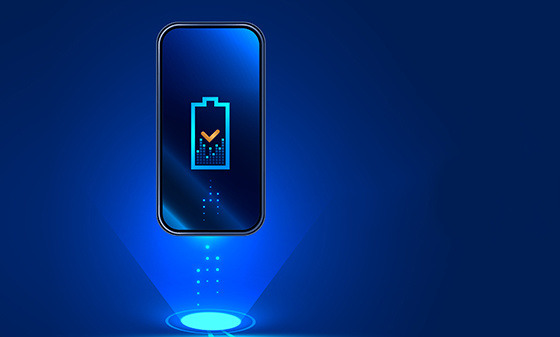 Wireless charging product certification
 Interphone product certification
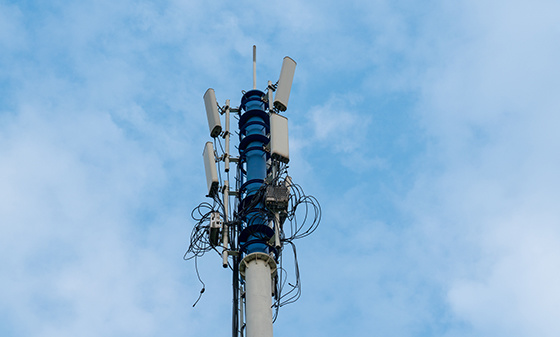 Base station certification
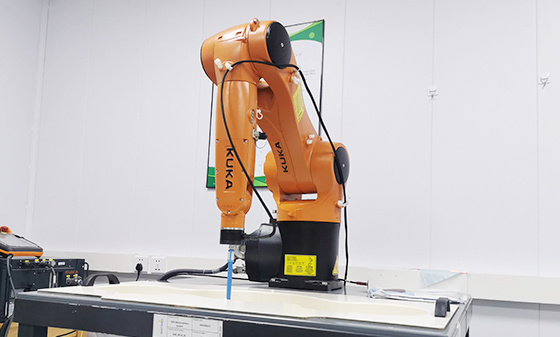 SAR testing
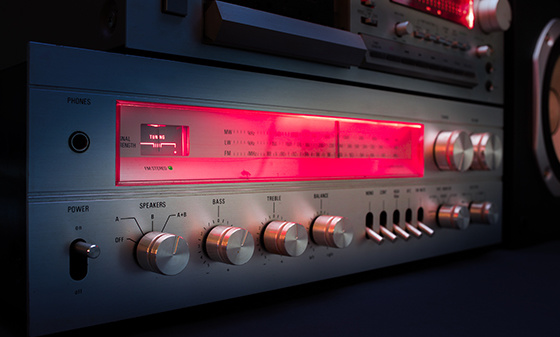 Receiver Product Certification
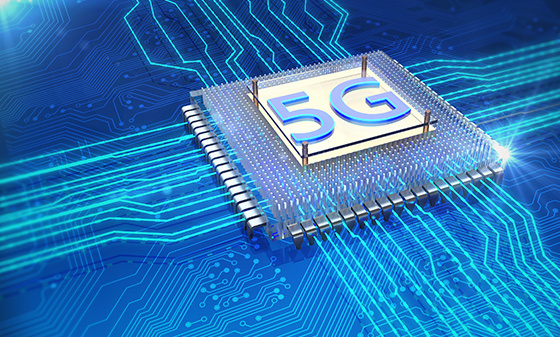 5G NR Product Certification
 UWB Product Certification
 Internet of Things authentication
Electromagnetic compatibility
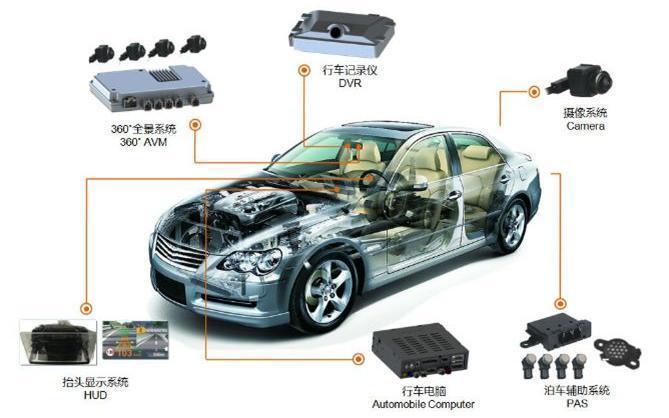 Automotive Electronics EMC Testing
 EMC rectification
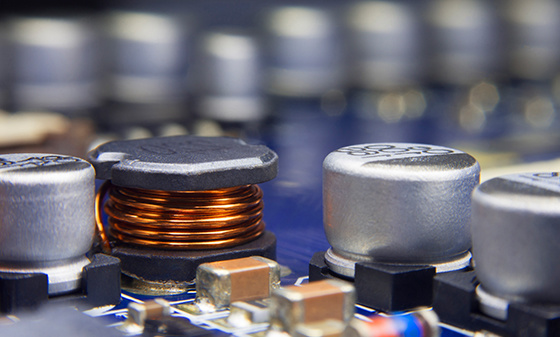 EMC
Automotive Electronics
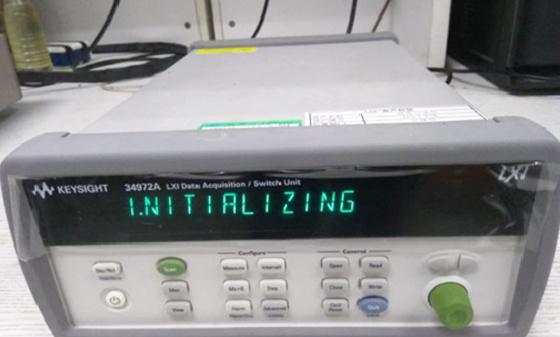 Electrical performance testing
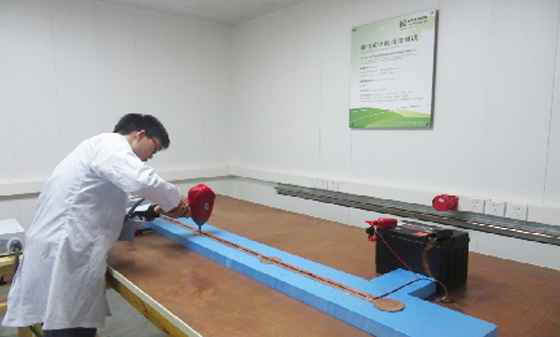 EMS testing - radiation anti-interference testing system (including radar waves)
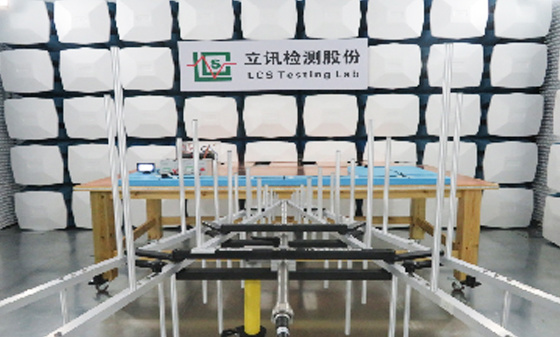 EMS Testing - Electrostatic Discharge
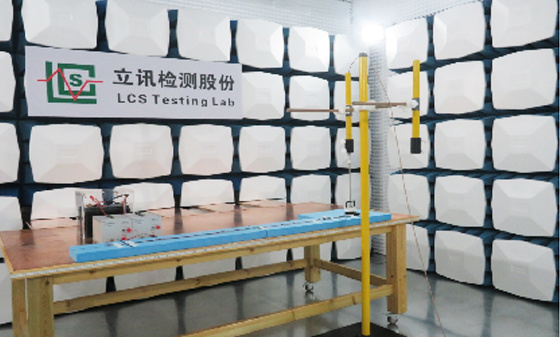 EMS Test - Transient Conducted Immunity Test
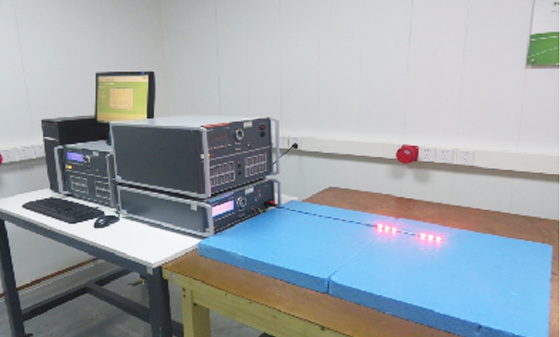 EMS Testing - Portable Transmitter Immunity
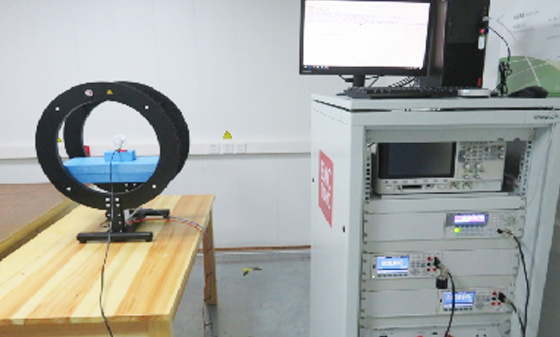 EMS Test - High Current Injection (BCI) Test
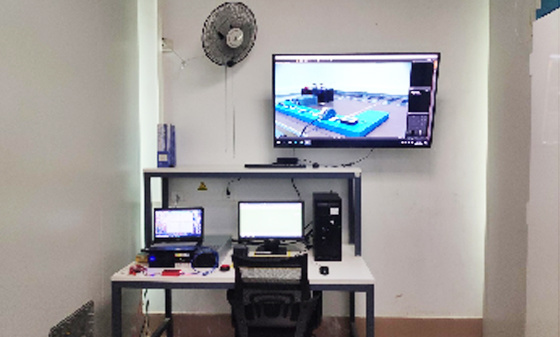 EMS test - low-frequency magnetic field anti-interference test
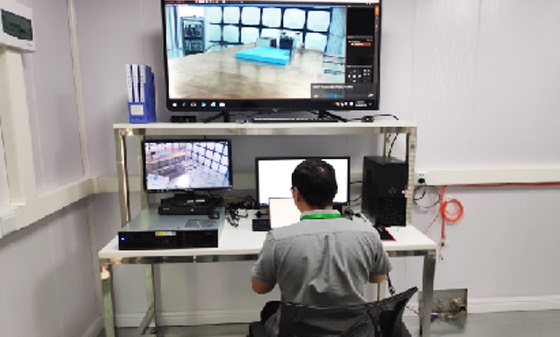 EMI Testing - Transient Conducted Emissions Testing System
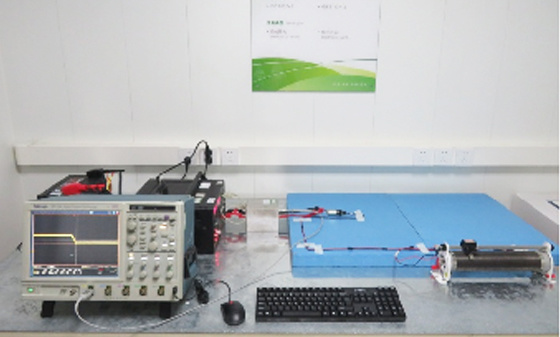 EMI testing - low-frequency magnetic field emission
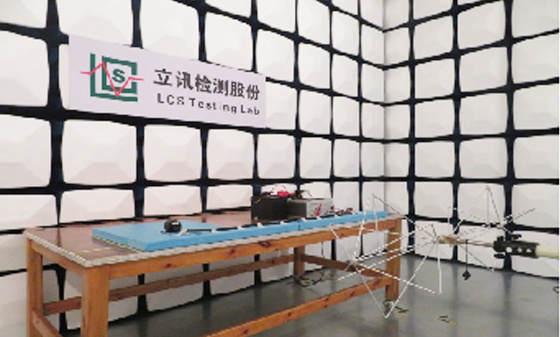 EMI Test - Radiation Emission Test
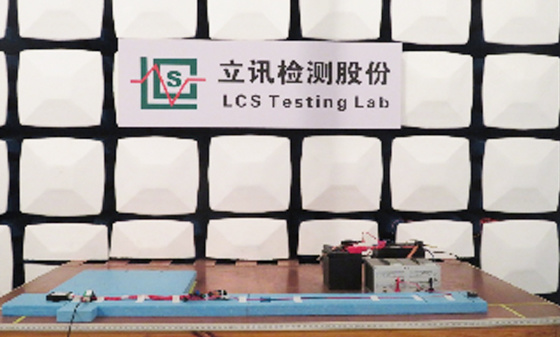 EMI Test - Conducted Emissions Test
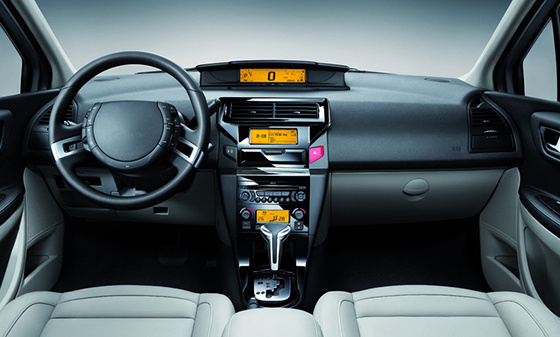 Automotive Electronic Testing
Automotive Parts Inspection
 Automotive ELV&VOC
 Reliability testing
 Temperature shock test
 Vibration testing
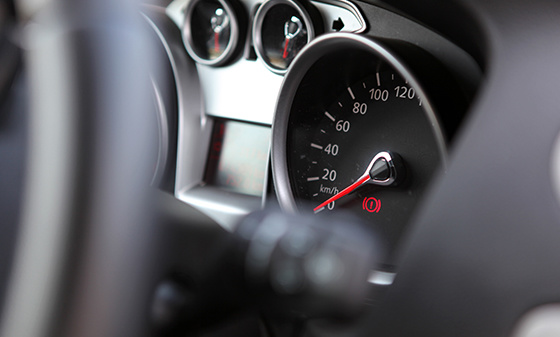 Instrument panel/instrument panel three comprehensive vibration test
 Comprehensive vibration test of door inner panel III
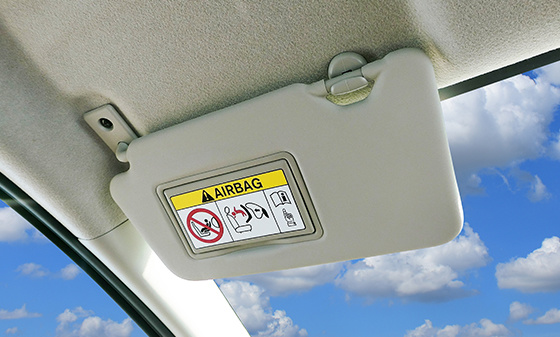 Sunvisor Three Comprehensive Vibration Test
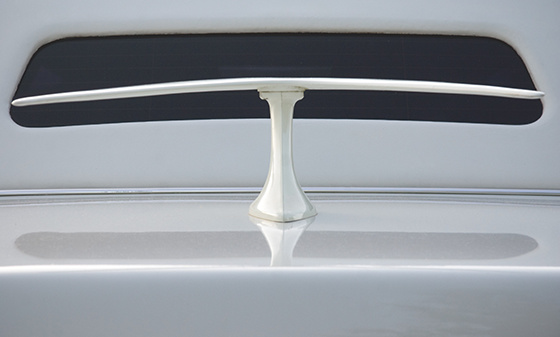 Spoiler Three Comprehensive Vibration Test
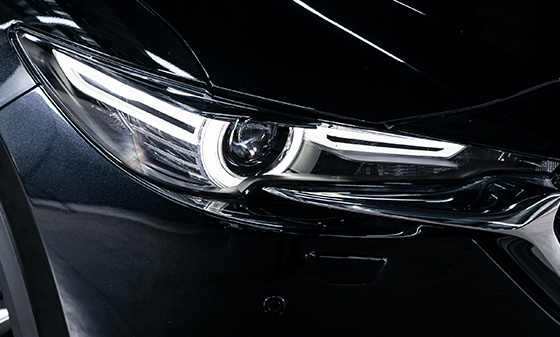 Three comprehensive vibration tests of car front and rear bumpers
 Three comprehensive vibration tests for lamp housing/lampshade
 Comprehensive vibration test of outer circumference three
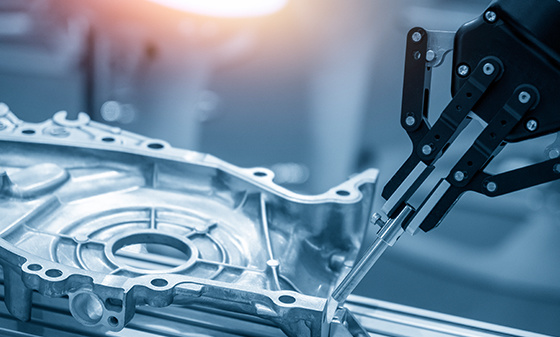 Automotive metal material testing
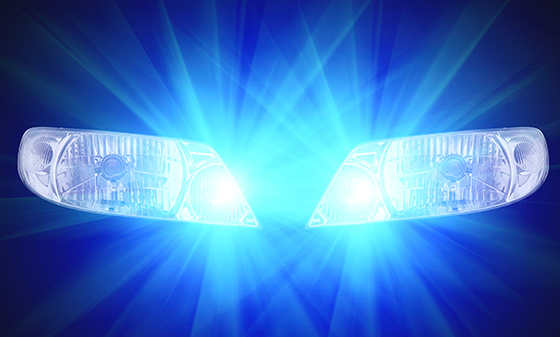 Performance testing of automotive lighting fixtures
 Rapid temperature change test
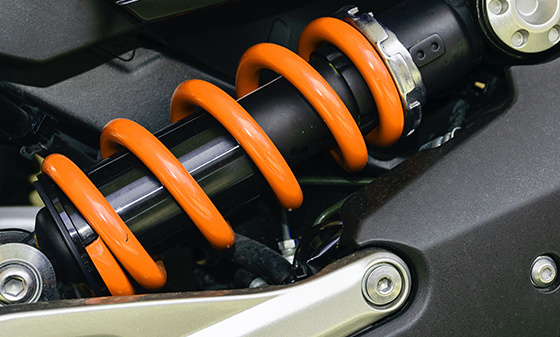 Vibration
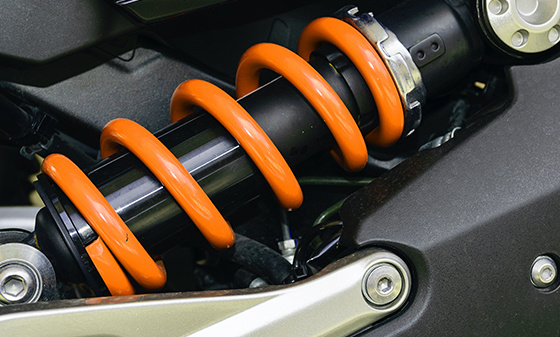 Common issues with vibration testing
 Common issues with fatigue testing
 Common issues with high and low temperature testing
 Conducted Interference (CE) - Suzhou Lixun Standard
 Electromagnetic Radiation Tolerance Test (RS) - Suzhou LCS Standard
 Electrical Fast Pulse Withstand Test (EFT) - Suzhou LCS Standard
 Voltage flicker test - Suzhou LCS standard
Electronic appliances
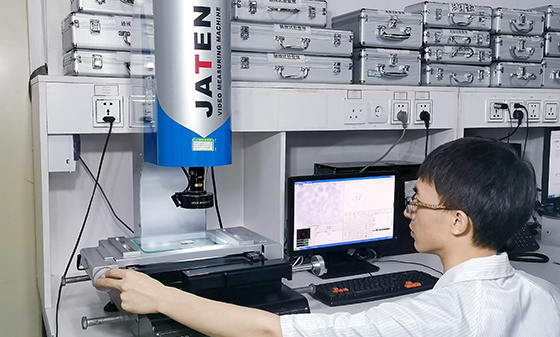 Household appliance product testing
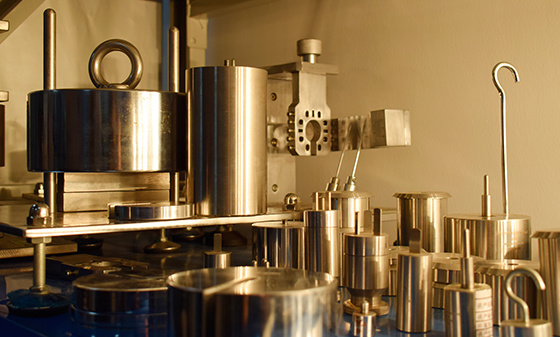 Electrical accessory product testing
 Household appliance testing
Chemical Testing
 Introduction to PFAS Testing
 MOSH/MOAH Mineral Oil Testing Service
 MOSH/MOAH Mineral Oil Testing and Certification Report Service
 Consumer Product Testing Services - WEEE Chapter
 Ecological textile testing
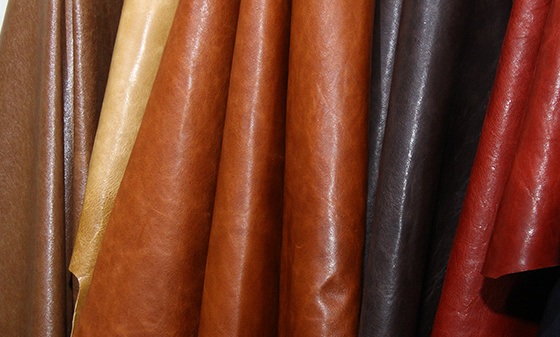 Leather Footwear Inspection
 Food contact material testing
 Testing of toys and baby products
 Hazardous substance testing
Electronic Cigarette Testing
 Electronic cigarette detection
Reliability testing
 Other tests - pencil hardness test
 Mechanical testing - Packaging compression test
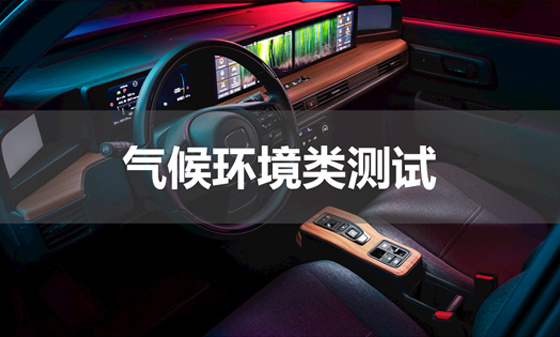 Climate environment testing - Xenon lamp aging test
Battery Testing
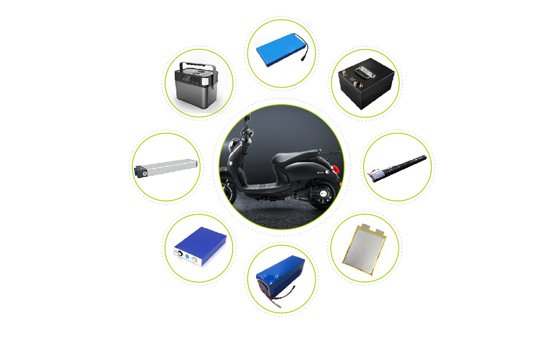 Power storage battery testing and certification
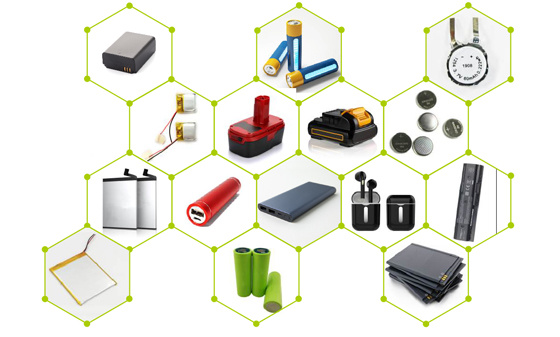 Consumer Electronics Battery Testing and Certification
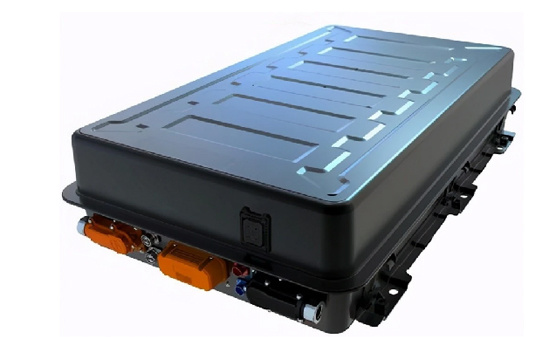 power battery
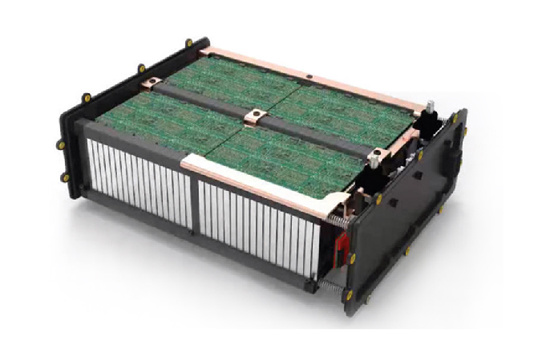 Light electric vehicle batteries
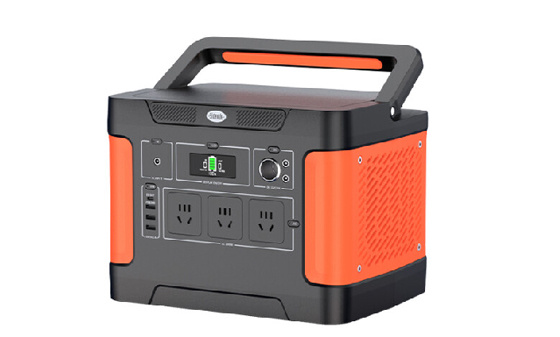 Energy storage battery
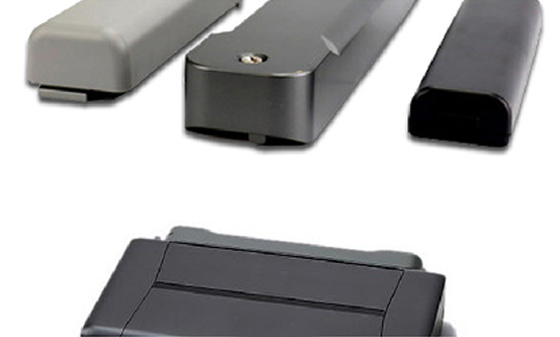 Portable battery
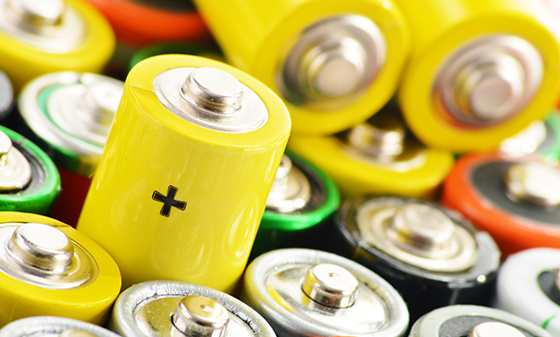 Battery testing
 battery test
Lamp Inspection
 Inspection of ship lighting fixtures
 COI Index Test for Medical Indoor Lighting
 Lamp safety inspection
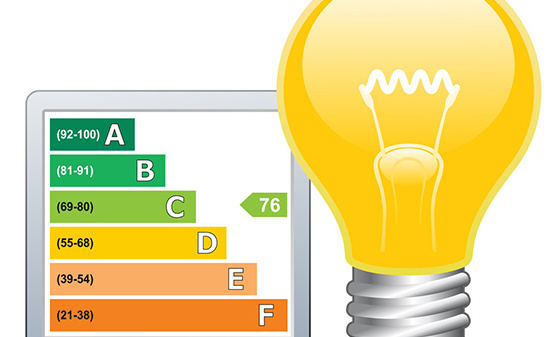 Luminaire energy efficiency testing
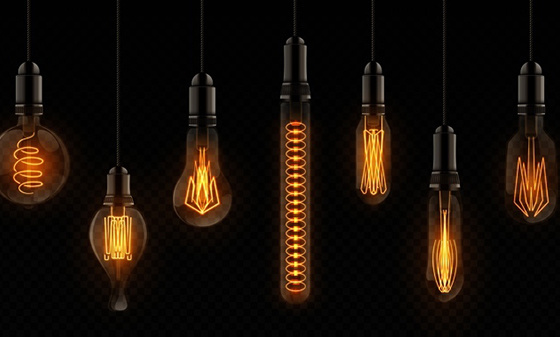 EMC testing of lighting fixtures
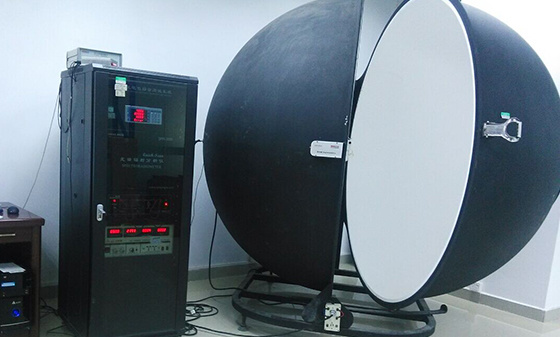 Integral Ball Laboratory
 Photobiology Experiment
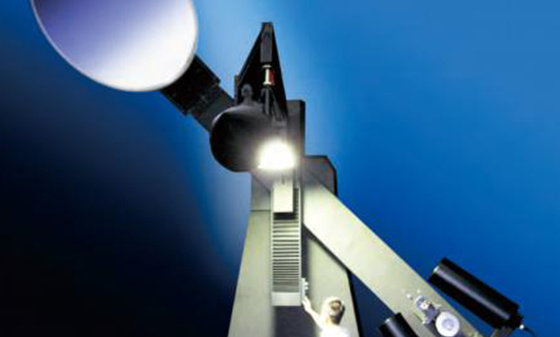 Light distribution test
 Lamp aging test
 Lamp IP waterproof
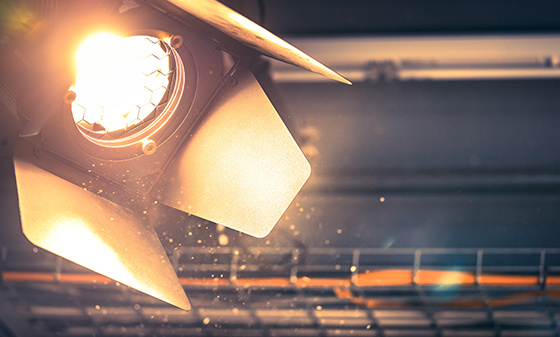 Lamp performance testing
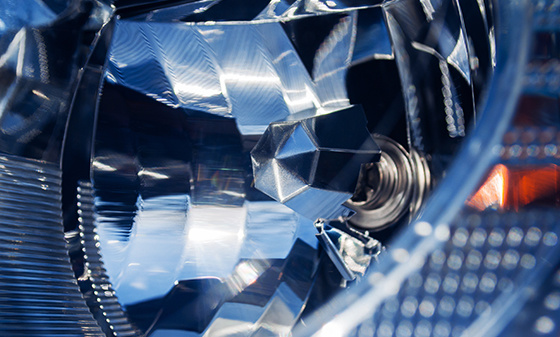 Lamp reliability testing
Children's toy testing
 Testing standards for toy products
China Certification
 China's "national promotion" RoHS certification
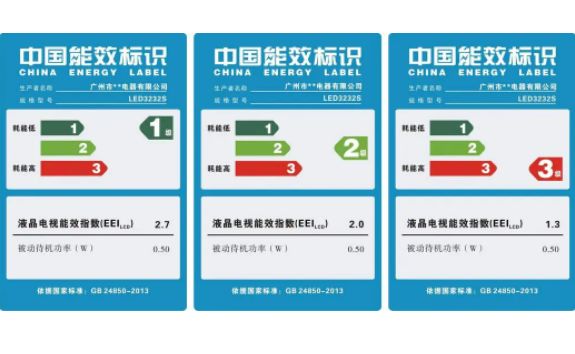 China Energy Efficiency Label Certification
 China Energy Conservation Certification
 China CQC Certification
 Tmall JD Quality Inspection Report
 China SRRC Certification
 Taiwan BSMI certification
 Taiwan NCC certification
 China CCC Compulsory Certification
Asia Certification
 Vietnam certification
 KC certification
 KUCAS Certification in Kuwait
 Singapore PSB certification
 Iraq COC Certification
 IMDA certification
 VCCI Certification in Japan
 JATE certification in Japan
 PSE certification
 BIS certification
 Japanese TELEC certification
European Certification
 RoHS certification
 GOST certification in Russia
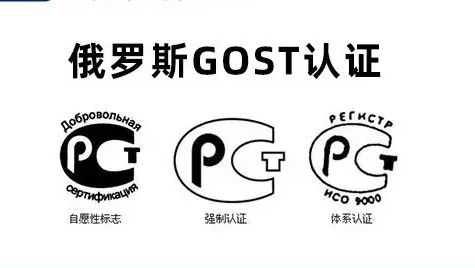 Russian EAC certification
 Northern Ireland UKNI logo
 Electrical ENEC certification
 European D-MARK certification
 Türkiye BTK certification
 TSE certification in Türkiye
 CE certification in Türkiye
 RED certification
 German TUV-SUD certification
 CE-ERP certification
 REACH certification
 German GS certification
 EU E-Mark certification
North American Certification
 Ecuador VOC certification
 Mexico NOM certification
 IRAM certification
 CPSC Certification in the United States
 CSA certification
 ASTM certification
 FDA certification
 CEC certification
 ETL certification
 ul certification
 IC certification
 Energy Star
 FCC Certification in the United States
 ASTM certification
Middle East Certification
 Israel SII certification
 Saudi SABER certification
 GCC certification for the seven Gulf countries
 Iran COI certification
 Qatar COC Certification
 Iraq COC Certification
 Saudi EER Energy Efficiency Certification
 Saudi SABER certification
 Algeria PCA certification
 PVOC certification
Australia Certification
 New Zealand IC-F testing
 VEET certification
 LCP certification
 GEMS certification
 RCM certification
 C-Tick certification
 SAA certification
Africa Certification
 Gabon COC certification
 Algeria COC certification

 Ethiopian VOC and COC certification
 Mauritius VOC certification
 Ghana COC certification
 COC certification in Burundi
 Zambia COC certification
 Botswana COC Certification
 Uganda PVOC certification
 SABS certification in South Africa
 South African LOA certification
 Zimbabwe CBCA Certification
 Nigeria SONCAP certification
 Kenya PVOC certification
 African COC certification
Other certifications
 WEEE
 Bluetooth BQB certification
 IECEE registration
 MHRA registration in the UK
TRAINING
 Management system training
 Laboratory technical training
 Laboratory Process Consulting
 Laboratory decoration construction
Wireless Communication
Electromagnetic compatibility
Automotive Electronics
Automotive Parts Inspection
Electronic appliances
Chemical Testing
Electronic Cigarette Testing
Reliability testing
Battery Testing
Lamp Inspection
Children's toy testing
China Certification
Asia Certification
European Certification
North American Certification
Middle East Certification
Australia Certification
Africa Certification
Other certifications
TRAINING

Solutions
-
-
-
Automotive interior and exterior trim - Environmental testing
-
Automotive interior and exterior decorations (electronic and electrical components) - IP protection
-
Automotive electronic and electrical components - Electrical performance
-
Automotive interior and exterior trims - Mechanical performance testing
Contact Us
National 24-hour service hotline
400-116-2629
Group Headquarters
E-mail: webmaster@lcs-cert.com
Address: Shenzhen City, Baoan District, Shajing Street, Nga side of the school of Wei Juji Industrial Park, Building A 1 ~ 2 floor, Building C 3 floor
solid insulation
The structure of the appliance should ensure that the solid insulation is sufficient to withstand the electrical stress that the appliance may experience. Determine whether it is qualified through the requirements and tests of 29.3.
According to electrical safety standards such as IEC 60335-1 or GB 4706.1, the structural design of solid insulated appliances must ensure that they can withstand the electrical stresses that the appliance may encounter during normal use. The following is a specific explanation and testing method for this requirement:
1. Definition of Solid Insulation
Solid insulation refers to electrical insulation provided by solid materials such as plastic, ceramics, rubber, etc., used to prevent short circuits or leakage between electrical components.
2. Sources of electrical stress
The electrical stresses that solid insulation may withstand include:
Working voltage: The voltage applied by an appliance during normal operation.
Transient overvoltage: Transient high voltage caused by switch operation, lightning strikes, etc.
Environmental stress: the impact of temperature, humidity, pollution, and other factors on insulation performance.
3. Structural design requirements
To ensure that solid insulation can withstand electrical stress, the design must meet the following requirements:
Adequate insulation thickness: The thickness of the insulation material should be sufficient to withstand the rated voltage and possible overvoltage.
Appropriate insulation materials: Choose materials with sufficient electrical strength, heat resistance, and mechanical strength.
Reasonable creepage distance and electrical clearance: Ensure that the spacing between live parts and between live parts and accessible surfaces meets standard requirements.
Prevent pollution and moisture: The design should prevent dust, moisture, and other factors from affecting the insulation performance.
4. Testing requirements (according to clause 29.3)
Verify whether the solid insulation meets the requirements through the following tests:
4.1 Electrical Strength Test
Testing method:
Apply the specified test voltage on solid insulation (usually twice the rated voltage+1000V, or according to specific requirements of the standard).
The test voltage lasts for 1 minute.
Qualification criteria:
Insulation should not experience breakdown or flashover.
The leakage current should be within the allowable range.
4.2 Insulation resistance test
Testing method:
Measure insulation resistance using an insulation resistance tester (such as 500V DC).
Qualification criteria:
The insulation resistance value should meet the standard requirements (usually not less than 2M Ω).
4.3 Heat and flame resistance tests
Testing method:
Place the insulation material in a high-temperature environment and evaluate its heat resistance.
Conduct a hot wire test or needle flame test to evaluate its flame resistance.
Qualification criteria:
The material should not melt, deform, or burn.
4.4 Mechanical strength testing
Testing method:
Apply mechanical stress (such as impact, compression, etc.) to insulating components and evaluate their mechanical strength.
Qualification criteria:
Insulating components should not be broken or damaged.
4.5 Environmental stress testing
Testing method:
Place insulated components in high humidity, high temperature, or polluted environments and evaluate their performance changes.
Qualification criteria:
The insulation performance should not significantly decrease.
5. Other relevant requirements
Creepage distance and electrical clearance:
According to the rated voltage and pollution level, ensure that the creepage distance and electrical clearance between live parts meet the standard requirements.
Double insulation or reinforced insulation:
For Class II appliances, solid insulation should meet the requirements of double insulation or reinforced insulation.
6. Testing equipment
Electrical strength tester: used to apply high voltage and detect breakdown or leakage current.
Insulation resistance tester: used to measure insulation resistance.
High temperature test chamber: used for heat resistance testing.
Burning wire tester: used for flame resistance testing.
Impact testing equipment: used for mechanical strength testing.
7. Standard reference
IEC 60335-1: Safety requirements for household and similar electrical appliances.
GB 4706.1: Chinese National Standard, equivalent to IEC 60335-1.
UL 60335-1: American standard, applicable to the North American market.
Through the above tests and evaluations, it can be ensured that the structural design of solid insulated appliances can withstand electrical stress, thereby ensuring the safety and reliability of the appliances.
Large-scale experimental base
Professional Lab
Analysis Method
Testing/year


 WeChat Inquiry


 Reservation


Contact Us
National 24-hour service hotline
Address:Juji Industrial Park, Xueziwei, Ngabian, Shajing Street, Baoan District, Shenzhen Building A 1~2F, Building C 3F

WeChat public number
Share industry dry goods

WeChat consultation
Please note consulting services

Follow Jitterbug

Mobile website
di complaint mailbox: customer.complaint@lcs-cert.com complaint telephone tel: 18126445450 certificate report verification of authenticity mailbox: verification@lcs-cert.com