

Wireless Communication
 EU RED Network Security Standard EN 18031
 Wireless and communication detection
 Mobile communication product certification
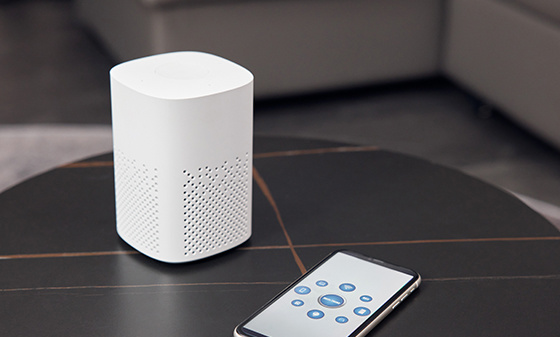 Bluetooth BQB Product Certification
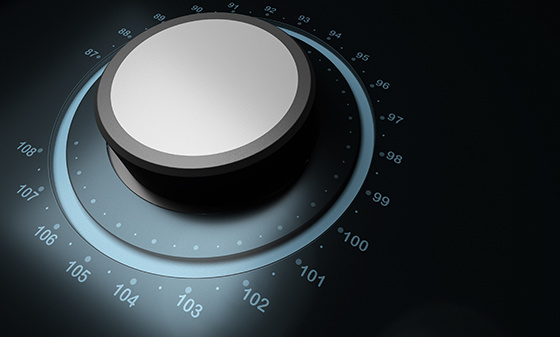 FM/AM Product Certification
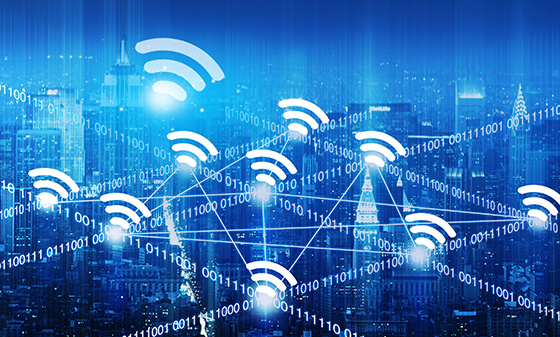 WiFi Product Certification
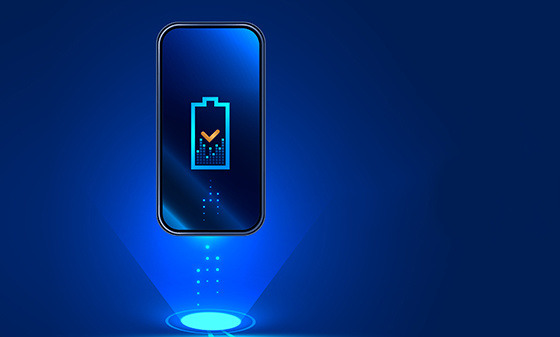 Wireless charging product certification
 Interphone product certification
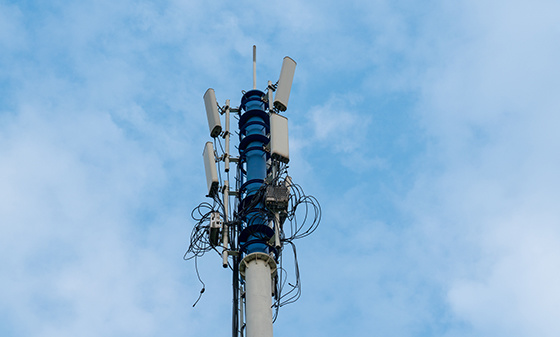 Base station certification
 SAR testing
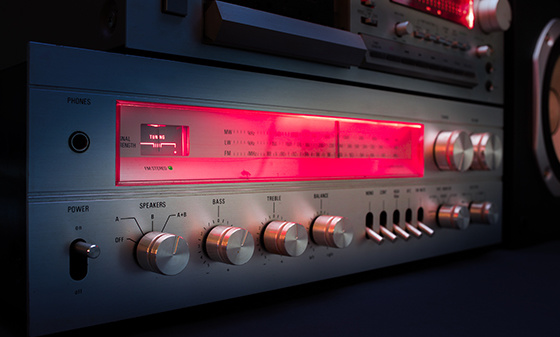 Receiver Product Certification
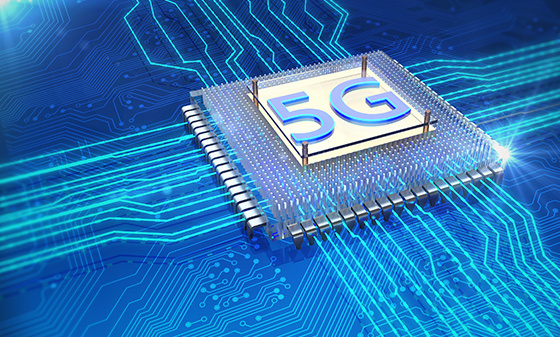 5G NR Product Certification
 UWB Product Certification
 Internet of Things authentication
Electromagnetic compatibility
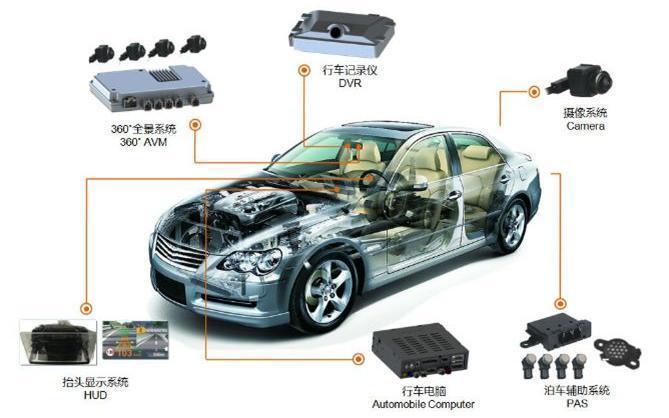 Automotive Electronics EMC Testing
 EMC rectification
 EMC
Automotive Electronics
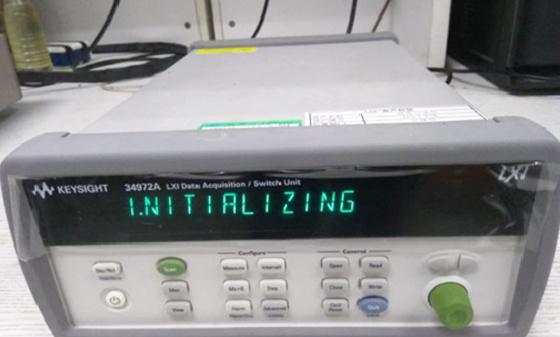 Electrical performance testing
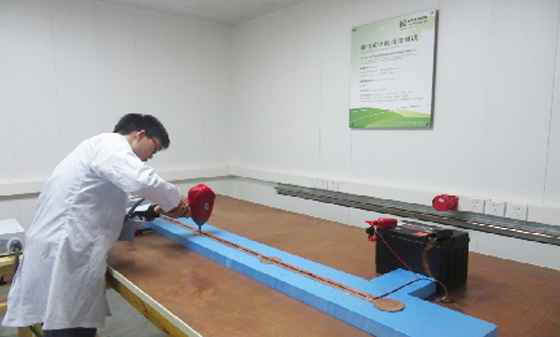 EMS testing - radiation anti-interference testing system (including radar waves)
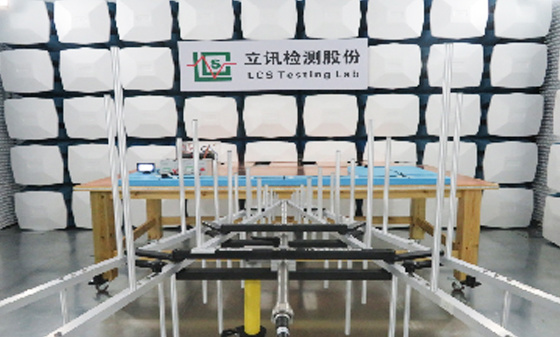 EMS Testing - Electrostatic Discharge
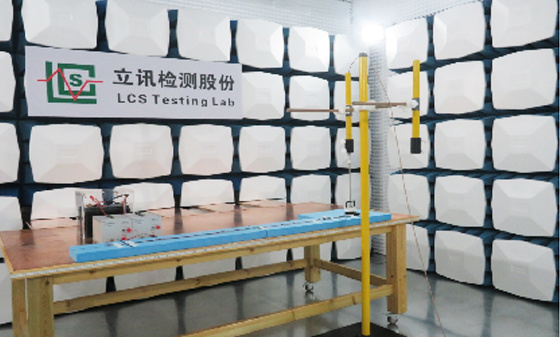 EMS Test - Transient Conducted Immunity Test
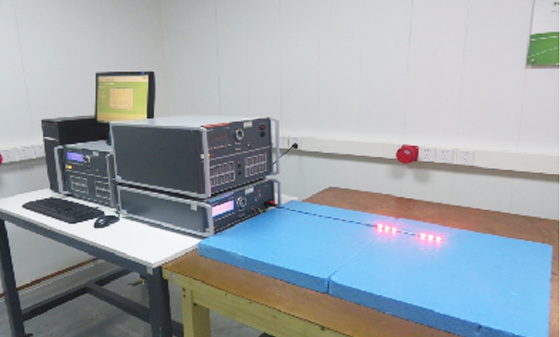 EMS Testing - Portable Transmitter Immunity
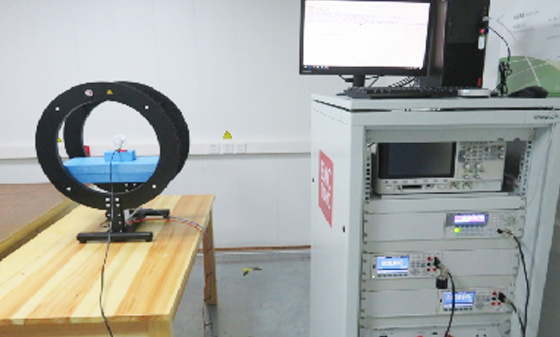 EMS Test - High Current Injection (BCI) Test
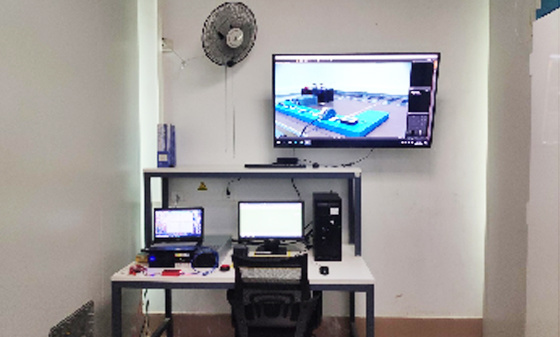 EMS test - low-frequency magnetic field anti-interference test
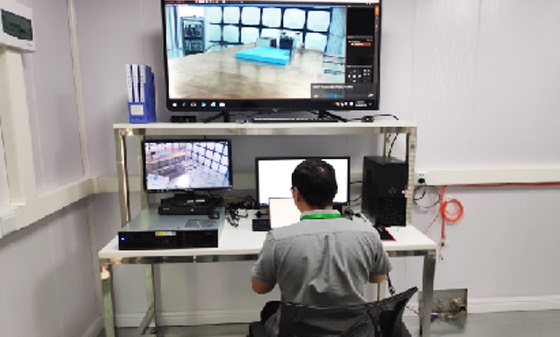 EMI Testing - Transient Conducted Emissions Testing System
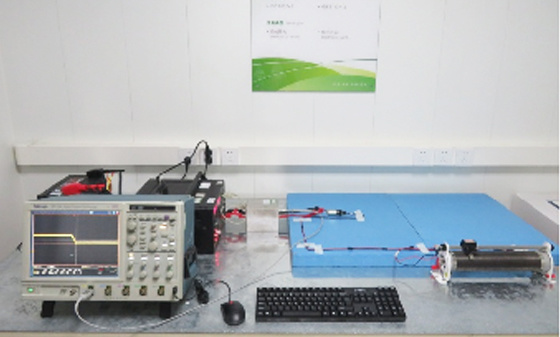 EMI testing - low-frequency magnetic field emission
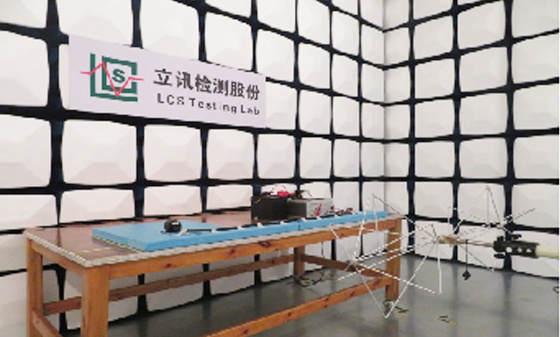 EMI Test - Radiation Emission Test
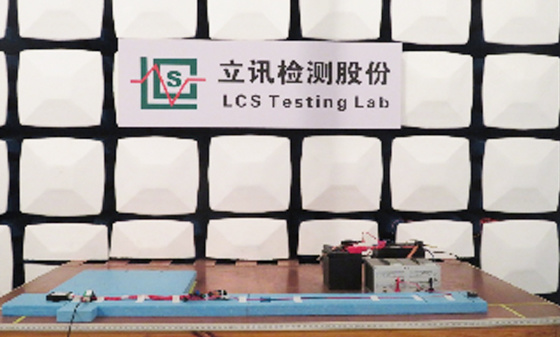 EMI Test - Conducted Emissions Test
 Automotive Electronic Testing
Automotive Parts Inspection
 Automotive ELV&VOC
 Reliability testing
 Temperature shock test
 Vibration testing
 Instrument panel/instrument panel three comprehensive vibration test
 Comprehensive vibration test of door inner panel III
 Sunvisor Three Comprehensive Vibration Test
 Spoiler Three Comprehensive Vibration Test
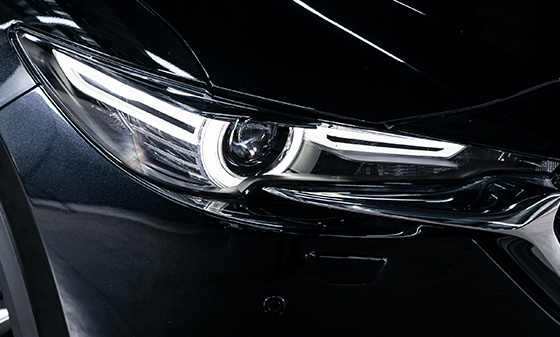 Three comprehensive vibration tests of car front and rear bumpers
 Three comprehensive vibration tests for lamp housing/lampshade
 Comprehensive vibration test of outer circumference three
 Automotive metal material testing
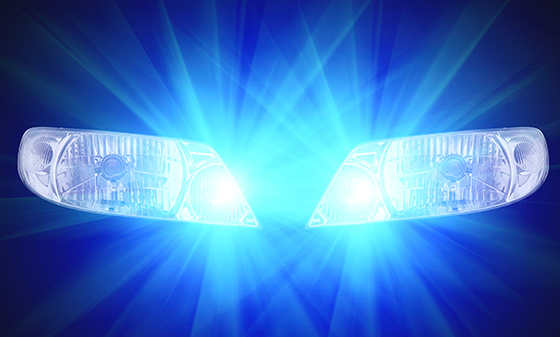 Performance testing of automotive lighting fixtures
 Rapid temperature change test
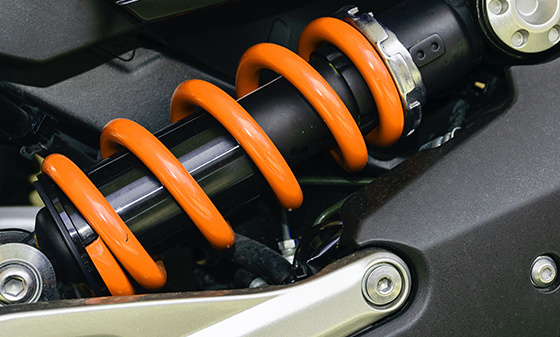 Vibration
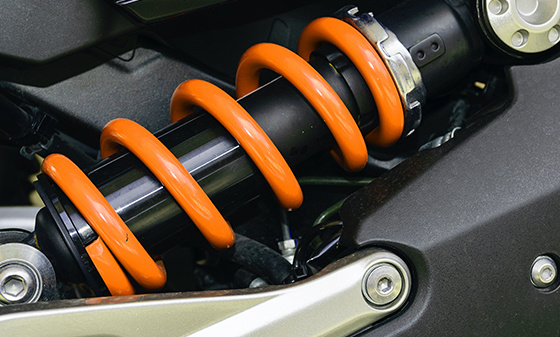 Common issues with vibration testing
 Common issues with fatigue testing
 Common issues with high and low temperature testing
 Conducted Interference (CE) - Suzhou Lixun Standard
 Electromagnetic Radiation Tolerance Test (RS) - Suzhou LCS Standard
 Electrical Fast Pulse Withstand Test (EFT) - Suzhou LCS Standard
 Voltage flicker test - Suzhou LCS standard
Electronic appliances
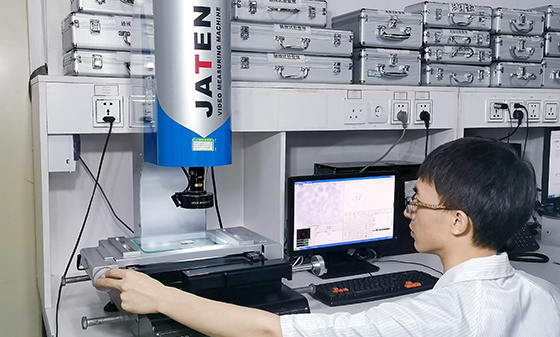 Household appliance product testing
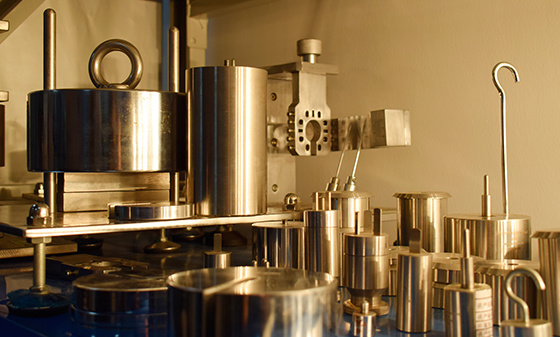 Electrical accessory product testing
 Household appliance testing
Chemical Testing
 Introduction to PFAS Testing
 MOSH/MOAH Mineral Oil Testing Service
 MOSH/MOAH Mineral Oil Testing and Certification Report Service
 Consumer Product Testing Services - WEEE Chapter
 Ecological textile testing
 Leather Footwear Inspection
 Food contact material testing
 Testing of toys and baby products
 Hazardous substance testing
Electronic Cigarette Testing
 Electronic cigarette detection
Reliability testing
 Other tests - pencil hardness test
 Mechanical testing - Packaging compression test
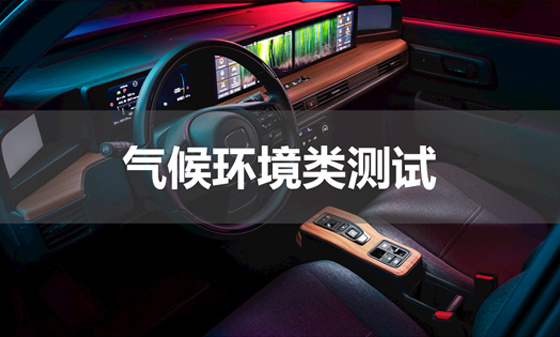 Climate environment testing - Xenon lamp aging test
Battery Testing
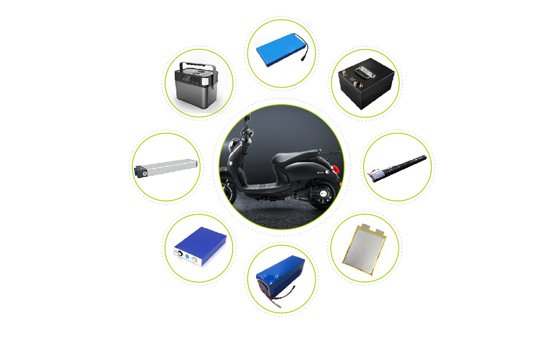 Power storage battery testing and certification
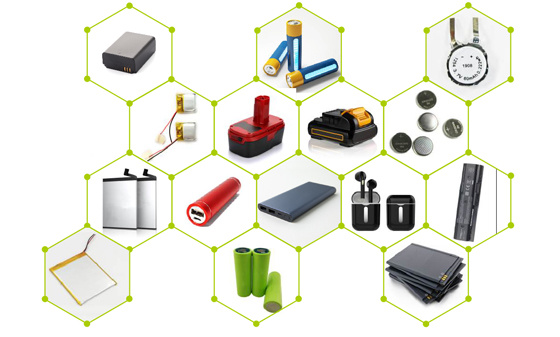 Consumer Electronics Battery Testing and Certification
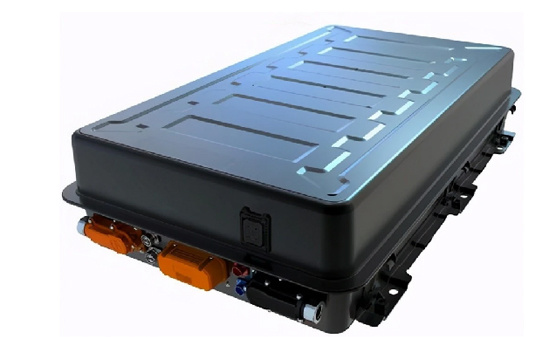 power battery
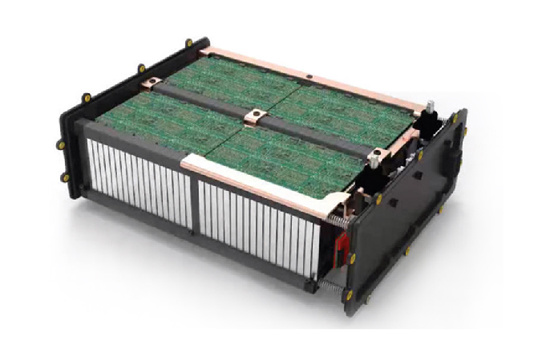 Light electric vehicle batteries
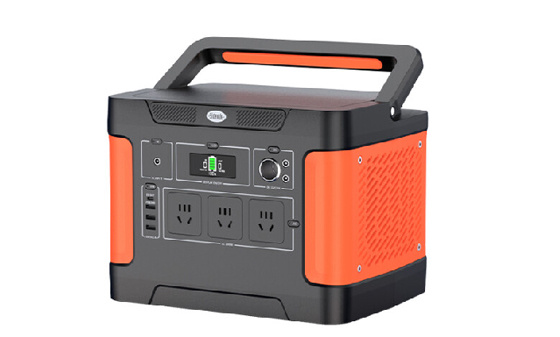 Energy storage battery
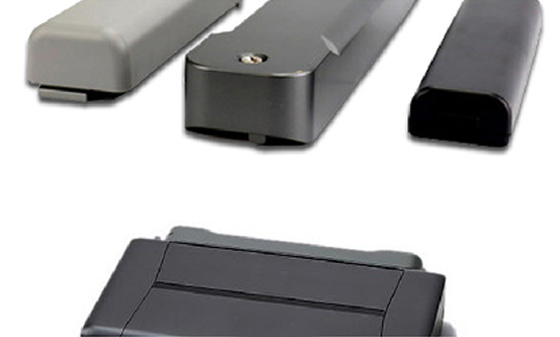 Portable battery
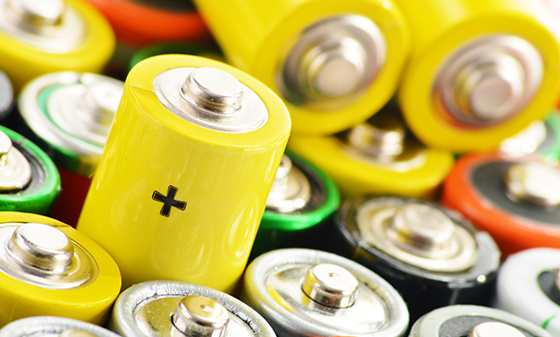 Battery testing
 battery test
Lamp Inspection
 Inspection of ship lighting fixtures
 COI Index Test for Medical Indoor Lighting
 Lamp safety inspection
 Luminaire energy efficiency testing
 EMC testing of lighting fixtures
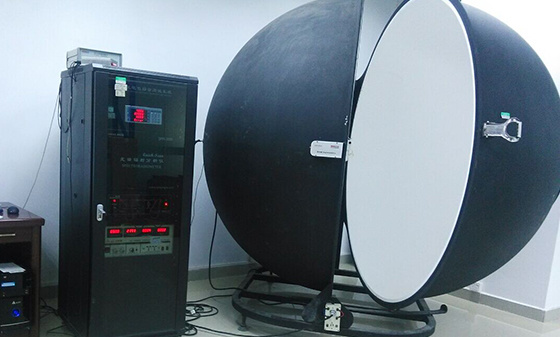 Integral Ball Laboratory
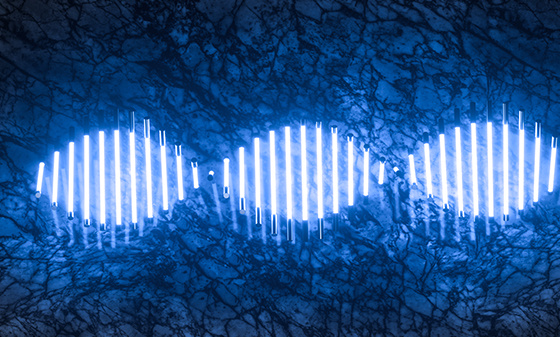 Photobiology Experiment
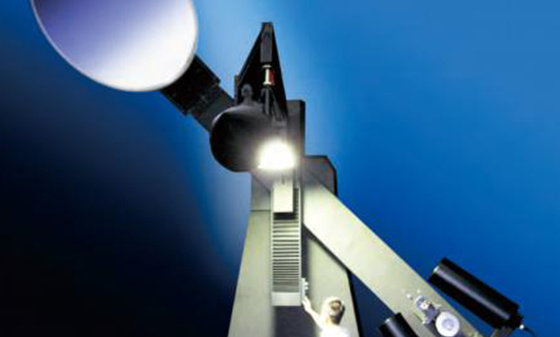 Light distribution test
 Lamp aging test
 Lamp IP waterproof
 Lamp performance testing
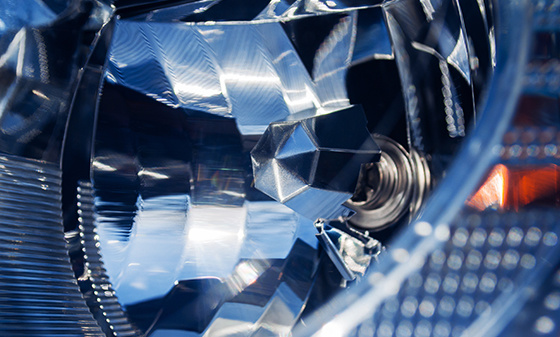 Lamp reliability testing
Children's toy testing
 Testing standards for toy products
China Certification
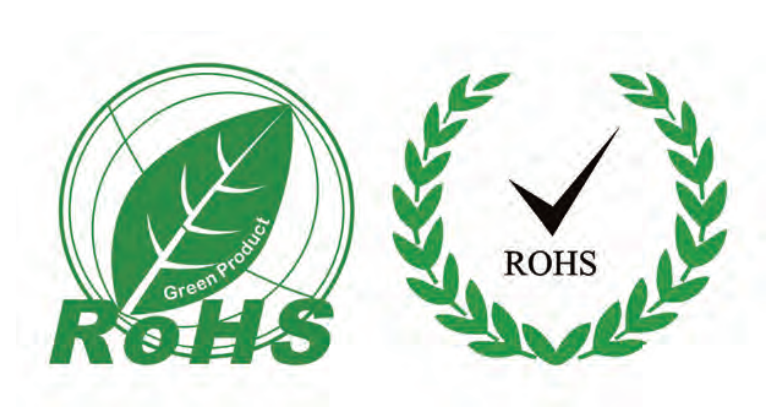 China's "national promotion" RoHS certification
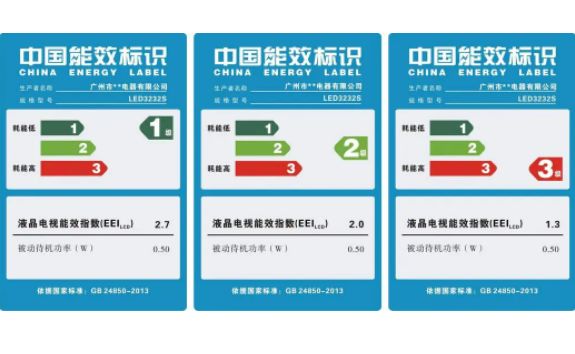 China Energy Efficiency Label Certification
 China Energy Conservation Certification
 China CQC Certification
 Tmall JD Quality Inspection Report
 China SRRC Certification
 Taiwan BSMI certification
 Taiwan NCC certification
 China CCC Compulsory Certification
Asia Certification
 Vietnam certification
 KC certification
 KUCAS Certification in Kuwait
 Singapore PSB certification
 Iraq COC Certification
 IMDA certification
 VCCI Certification in Japan
 JATE certification in Japan
 PSE certification
 BIS certification
 Japanese TELEC certification
European Certification
 RoHS certification
 GOST certification in Russia
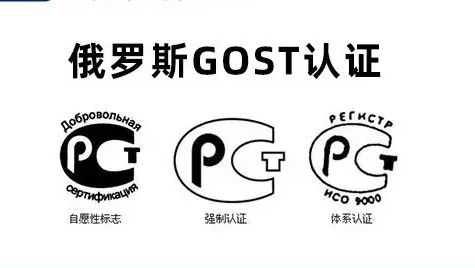 Russian EAC certification
 Northern Ireland UKNI logo
 Electrical ENEC certification
 European D-MARK certification
 Türkiye BTK certification
 TSE certification in Türkiye
 CE certification in Türkiye
 RED certification
 German TUV-SUD certification
 CE-ERP certification
 REACH certification
 German GS certification
 EU E-Mark certification
North American Certification
 Ecuador VOC certification
 Mexico NOM certification
 IRAM certification
 CPSC Certification in the United States
 CSA certification
 ASTM certification
 FDA certification
 CEC certification
 ETL certification
 ul certification
 IC certification
 Energy Star
 FCC Certification in the United States
 ASTM certification
Middle East Certification
 Israel SII certification
 Saudi SABER certification
 GCC certification for the seven Gulf countries
 Iran COI certification
 Qatar COC Certification
 Iraq COC Certification
 Saudi EER Energy Efficiency Certification
 Saudi SABER certification
 Algeria PCA certification
 PVOC certification
Australia Certification
 New Zealand IC-F testing
 VEET certification
 LCP certification
 GEMS certification
 RCM certification
 C-Tick certification
 SAA certification
Africa Certification
 Gabon COC certification
 Algeria COC certification

 Ethiopian VOC and COC certification
 Mauritius VOC certification
 Ghana COC certification
 COC certification in Burundi
 Zambia COC certification
 Botswana COC Certification
 Uganda PVOC certification
 SABS certification in South Africa
 South African LOA certification
 Zimbabwe CBCA Certification
 Nigeria SONCAP certification
 Kenya PVOC certification
 African COC certification
Other certifications
 WEEE
 Bluetooth BQB certification
 IECEE registration
 MHRA registration in the UK
TRAINING
 Management system training
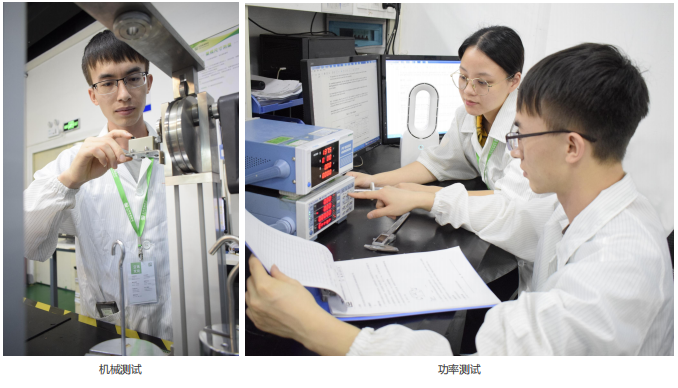 Laboratory technical training
 Laboratory Process Consulting
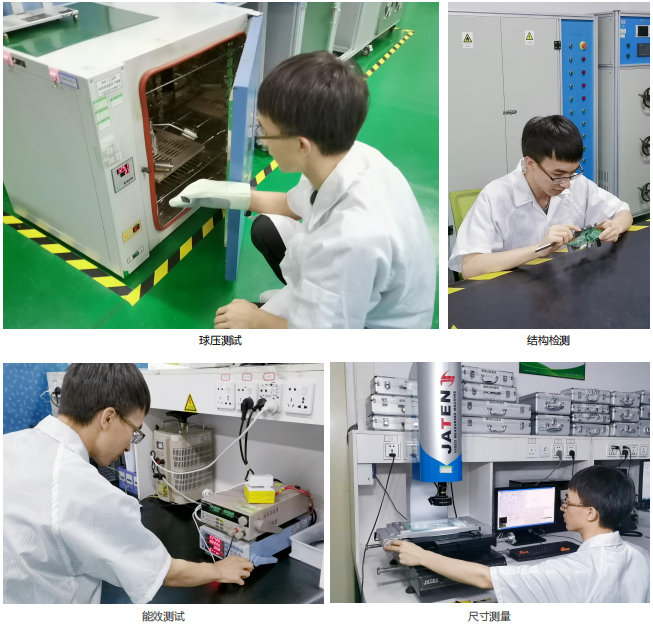 Laboratory decoration construction
Wireless Communication
Electromagnetic compatibility
Automotive Electronics
Automotive Parts Inspection
Electronic appliances
Chemical Testing
Electronic Cigarette Testing
Reliability testing
Battery Testing
Lamp Inspection
Children's toy testing
China Certification
Asia Certification
European Certification
North American Certification
Middle East Certification
Australia Certification
Africa Certification
Other certifications
TRAINING

Services
返回Testing Services
- EU RED Network Security Standard EN 18031
- Wireless and communication detection
- Mobile communication product certification
- Bluetooth BQB Product Certification
- FM/AM Product Certification
- WiFi Product Certification
- Wireless charging product certification
- Interphone product certification
- Base station certification
- SAR testing
- Receiver Product Certification
- 5G NR Product Certification
- UWB Product Certification
- Internet of Things authentication
- Electrical performance testing
- EMS testing - radiation anti-interference testing system (including radar waves)
- EMS Testing - Electrostatic Discharge
- EMS Test - Transient Conducted Immunity Test
- EMS Testing - Portable Transmitter Immunity
- EMS Test - High Current Injection (BCI) Test
- EMS test - low-frequency magnetic field anti-interference test
- EMI Testing - Transient Conducted Emissions Testing System
- EMI testing - low-frequency magnetic field emission
- EMI Test - Radiation Emission Test
- EMI Test - Conducted Emissions Test
- Automotive Electronic Testing
- Automotive ELV&VOC
- Reliability testing
- Temperature shock test
- Vibration testing
- Temperature shock/cold and hot shock test
- Instrument panel/instrument panel three comprehensive vibration test
- Comprehensive vibration test of door inner panel III
- Sunvisor Three Comprehensive Vibration Test
- Spoiler Three Comprehensive Vibration Test
- Three comprehensive vibration tests of car front and rear bumpers
- Three comprehensive vibration tests for lamp housing/lampshade
- Comprehensive vibration test of outer circumference three
- Automotive metal material testing
- Performance testing of automotive lighting fixtures
- Rapid temperature change test
- Vibration
- Common issues with vibration testing
- Common issues with fatigue testing
- Common issues with high and low temperature testing
- Conducted Interference (CE) - Suzhou Lixun Standard
- Conducted Immunity Test (CS) - Suzhou LCS Standard
- Electromagnetic Radiation Tolerance Test (RS) - Suzhou LCS Standard
- Electrical Fast Pulse Withstand Test (EFT) - Suzhou LCS Standard
- Voltage flicker test - Suzhou LCS standard
- Introduction to PFAS Testing
- MOSH/MOAH Mineral Oil Testing Service
- MOSH/MOAH Mineral Oil Testing and Certification Report Service
- Automotive ELV&VOC
- Consumer Product Testing Services - WEEE Chapter
- Consumer Product Testing Services - CA 65
- Consumer Product Testing Services - SDS Section
- Consumer Product Testing Services - TSCA Section
- Consumer Product Testing Services - CPSIA Section
- Consumer Product Testing Services - POPs Section
- Consumer Product Testing Services - REACH Restricted Substances Section
- Consumer Product Testing Services - REACH SVHC Section
- Consumer Product Testing Services - RoHS Chapter
- Ecological textile testing
- Leather Footwear Inspection
- Food contact material testing
- Testing of toys and baby products
- Hazardous substance testing
- Other tests - pencil hardness test
- Other tests - Alcohol abrasion test
- Other tests -100 grid test
- Other tests - Paper tape wear test
- Other inspections - bending tests
- Other tests - tensile testing
- Other tests - Drum drop test
- Other tests - Voltage withstand test
- Mechanical testing - Packaging compression test
- Mechanical testing - Drop test
- Mechanical inspection - mechanical shock test
- Mechanical testing - Three comprehensive vibration tests
- Mechanical testing - Vibration testing
- Climate environment testing - Xenon lamp aging test
- Climatic environment testing - UV ultraviolet test
- Climate Environmental Testing - Low Pressure Test
- Climatic environment testing - IP level (waterproof and dustproof test)
- Climatic Environmental Testing - Salt Spray Test
- Climatic Environmental Testing - Walkthrough Temperature Test
- Climatic environment test - cold and hot shock test
- Climate environment testing - rapid temperature change test
- Climatic environmental testing - alternating damp heat test
- Climate environment testing - Temperature cycling test
- Climatic Environmental Testing - High Temperature Testing
- Climatic Environmental Testing - Low Temperature Testing
- Reliability testing
- Inspection of ship lighting fixtures
- COI Index Test for Medical Indoor Lighting
- Lamp safety inspection
- Luminaire energy efficiency testing
- EMC testing of lighting fixtures
- Integral Ball Laboratory
- Photobiology Experiment
- Light distribution test
- Lamp aging test
- Lamp IP waterproof
- Lamp performance testing
- Lamp reliability testing
Certification Services
Register for the record
Systems and Training Services
Laboratory design and construction
Contact Us

National 24-hour service hotline
400-116-2629
Group Headquarters
E-mail: webmaster@lcs-cert.com
Address: Shenzhen City, Baoan District, Shajing Street, Nga side of the school of Wei Juji Industrial Park, Building A 1 ~ 2 floor, Building C 3 floor
Internet of Things authentication
Applicable Products
IoT Certification Scope:
1. Zigbee is proprietary, short-range, low-cost, and secure
2. Z-Wave short distance, low cost, high reliability
3. LoRa is proprietary, remote, cheap and secure
4. LTE-M cellular technology
5. NB-IoT cellular technology
6.White-Fi and HaLow are low-cost, extended in range, but low in security
7. ZETA has wide coverage, low cost and low power consumption
8. UWB has high transmission rate, large space capacity, low cost and low power consumption
Inspection Introduction
Zigbee is proprietary, short-range, low-cost, and secure
Similar to Bluetooth, Zigbee is a low-power, low-data-rate, near-range self-organizing wireless network that supports mesh network topologies, uses the IEEE802.15WPAN specification, provides data rates of 250kbps, 40kbps, and 20kbps, and can only operate in the range of 10 to 100 meters. Zigbee mesh networks can contain up to 65000,1998 devices, which is twice as much as Bluetooth LE can support. Zigbee was conceived in 2003, standardized in 2006, and revised in <>. Zigbee, whose name comes from the Bee's Swing Dance, is trademarked by the Zigbee Alliance, which maintains and publishes the Zigbee standard, according to its website, hundreds of millions of devices using Zigbee technology. Zigbee is very popular with IoT device manufacturers, it provides most of the basic features that users need (connectivity, range, security), and as an open industry standard, it allows interoperability with any Zigbee-certified device. OEMs complain about the cost of joining the consortium, certification, and lack of an open GPL license, because OEMs must be members of the consortium to use their technology. Zigbee is mainly used in home automation applications such as smart lighting, smart thermostats, and home energy monitoring. It is also commonly used in industrial automation, smart instrumentation, and security systems.
Z-Wave is short-range, low-cost, and highly reliable
Similar to ZigBee, Z-Wave is a radio-based short-range wireless communication technology based on low cost, low power consumption, high reliability, and suitable for networks. Z-Wave is structured as a source-routed mesh network, where all devices are connected to a central hub, usually a router or gateway. The network itself consists of three layers that work together to ensure that all devices are able to communicate at the same time. The radio layer defines how signals are exchanged between the network and the radio hardware, while the network layer determines how to control the data exchanged between nodes and devices. In addition, the application layer assigns messages to specific applications in order to accomplish tasks such as turning on lights. The working frequency band of Z-Wave is 908.42MHz (United States) ~ 868.42MHz (Europe), using FSK (BFSK/GFSK) modulation mode, the data transmission rate is 9.6kbps, the effective coverage of the signal is 30m indoors, and more than 100m outdoors, suitable for narrow broadband applications. Z-Wave technology is designed for residential, lighting commercial control, and condition reading applications such as meter reading, lighting and appliance control, HVAC, access control, burglar prevention, and fire detection. Z-Wave converts any stand-alone device into an intelligent network device, enabling control and wireless monitoring. Z-Wave technology was originally designed to be positioned in the field of smart home wireless control. With small data format transmission, the transfer rate of 40kb/s is sufficient. Compared with other wireless technologies of the same kind, it has a relatively low transmission frequency, relatively long transmission distance and certain price advantages.
LoRa is proprietary, remote, inexpensive, and secure
Similar to Zigbee, LoRaWan is a proprietary technology defined and controlled by the nonprofit LoRa Alliance. The main difference is that Zigbee is a short-range IoT protocol designed to tightly connect multiple devices, while LoRa focuses on wide area networks. LoRa is especially suitable for long-distance communication, and its modulation mode greatly increases the communication distance compared with other communication methods, and can be widely used in long-distance low-rate IoT wireless communication fields in various occasions. For example, automatic meter reading, building automation equipment, wireless security systems, industrial monitoring and control, etc. It has the characteristics of small size, low power consumption, long transmission distance and strong anti-interference ability, and the antenna gain can be adjusted according to the actual application situation. The LoRaWAN network architecture is a typical star topology in which the LoRa gateway is a transparent relay that connects end devices and servers. The gateway and the server are connected through standard IP, while the terminal device communicates with one or more gateways using a single hop, and all nodes communicate in both directions. LoRa gateways and modules are networked in a star network, while LoRa modules can theoretically be networked in the form of point-to-point polling, but the efficiency of point-to-point polling is much lower than that of the star network. The gateway can realize multi-channel parallel reception and process multiple signals at the same time, which greatly increases the network capacity. However, with the increase of LoRa devices and network deployments, there will be certain spectral interference between them.
LTE-M cellular technology
LTE-M is a cellular technology designed to meet the needs of IoT or machine-to-machine communication applications, LTE-M is a wireless system for mobile telecom operators, supported by industry associations GSMA and 3GPP standards organizations. One of the main advantages of LTE-M is its potential for connectivity, and it is a system suitable for tracking moving objects over long periods of time. "The technology improves indoor and outdoor coverage, supporting network architectures with a large number of low-throughput devices, low latency sensitivity, ultra-low device cost, and low device power consumption," the GSMA said. "Since LTE-M works over cellular networks, it can be used to monitor, control, and receive information from IoT devices in transportation vehicles such as trucks, trains, boats, etc. When the LTE network is not available, the system can fall back to WCDMA (3G) or
GPRS/EDGE (2G) to maintain connectivity. LTE-M also provides positioning services based on cellular base station positioning without the need to use satellite-based systems such as GPS or Galileo. This feature offers significant cost savings for OEMs who need to equip their devices with a basic positioning system. However, the advantage of LTE-M is safety. Cellular-connected devices need to be fitted with a SIM chip, which can be embedded in a circuit board and provisioned, keyed, and signed at the factory. Once the SIM card is configured with embedded keys, these keys cannot be modified without physical access to the device. SIM is a security module that provides NSASuiteBAES-256 encryption and authentication. Another advantage of LTE-M is that it can maintain connectivity even during power outages. Since it is connected to a cellular network, it does not require an access point (AP) and it can remain connected as long as the IoT device battery is working properly. That's why cellular-based IoT connectivity is widely used in critical applications such as power grids, homes, office security, and fleet management. The problem with LTE-M is its high cost. To use the system, it is necessary to subscribe to carrier services, and you need to have a SIM card in each connected device.
NB-IoT cellular technology
NB-IoT is built on cellular networks and consumes only about 180kHz of bandwidth, and can be directly deployed in GSM networks, UMTS networks, or LTE networks to reduce deployment costs and achieve smooth upgrades. NB-IoT focuses on the low-power wide-coverage IoT market and is an emerging technology that can be widely used. It has the characteristics of wide coverage, multiple connections, low speed, low cost, low power consumption, and excellent architecture. NB-IoT uses the License band, which can be deployed in three ways: in-band, protection band, or independent carrier, to coexist with existing networks. NB-IoT has four characteristics: first, wide coverage, will provide improved indoor coverage, in the same frequency band, NB-IoT compared with the existing network gain of 20dB, equivalent to 100 times the ability to increase the coverage area; second, with the ability to support connections, NB-IoT can support 10,10 connections in one sector, supporting low latency sensitivity, ultra-low device cost, low equipment power consumption and optimized network architecture; third, lower power consumption. The standby time of NB-IoT terminal modules can be up to 5 years; Fourth, the lower module cost, enterprises expect a single successive module to not exceed $<>.
White-Fi and HaLow are low-cost, extended in range, but low in security
IEEE802.11af (white-Fi and IEEE802.11ah (HaLow) both use previously licensed spectrum and do not interfere with traditional Wi-Fi signals in the 2.4GHz and 5GHz bands, nor with 2G and 3G cellular networks. Some spectrum is shared with certain LTE channels used in the United States. White-Fi takes advantage of the digital dividends unleashed when broadcast television switched to digital terrestrial television and some previous UHF channels ceased to operate. In the U.S. and Europe, where there are different regulations on the use of the digital dividend spectrum, connected devices need to periodically look for available frequencies HaLow extends Wi-Fi to the 900MHz band, enabling the low-power connectivity required for applications such as sensors and wearables. Since this frequency is free to use for basic communications, HaLow is the Wi-Fi standard for IoT. The problem with HaLow is that the unlicensed spectrum within the range is not uniform: HaLow operates at 900MHz in the United States, 850MHz in Europe, and 700MHz in China. Due to the characteristics of the low frequency band, neither technology is suitable for high-speed or large-capacity data transmission. However, they can be used to provide connectivity for devices that are deployed in large numbers. HaLow can provide data rates as low as 150kbps. Sub-1GHz connectivity is also critical for a new generation of low-power devices, where battery life typically reaches years. This battery performance is for the billions of sensors and surveillance devices deployed in cities around the world. HaLow also offers power-saving features such as target wake-up time (TWT) and traffic indicator maps (TIM· enables IoT devices to communicate at selected intervals, saving battery power. In 2017, IEE introduced another Wi-Fi standard for the Internet of Things: 802.11ax (later officially renamed WiFi6). The advantage of 802.11ax over HaLow is that it uses the 2.4GHz and 5GH bands, which is more suitable for the local range of IoT. In terms of security issues, Wi-Fi lacks the protection of the Secure Element and hardware encryption provided by SIM cards on cellular networks. However, to deploy hundreds or thousands of wireless sensors over a large area, white-Fi and HaLow can provide low-cost connectivity and good performance.
ZETA has wide coverage, low cost, and low power consumption
ZETA is a protocol standard based on UNB Low Power X (LPWAN) technology, which has the characteristics of wide coverage, low service cost and low energy consumption, which meets the connection requirements of low data exchange frequency, low connection cost and complex environment in the Internet of Things environment, and can be widely used in scenarios such as Shangye, construction, agriculture, and smart city. As a next-generation LPWAN technology, ZETA launched the "LPWAN2.0 Ubiquitous Internet of Things", aiming to achieve lower cost, lower power consumption, and more intelligent networks through continuous technological evolution. ZETA is an LPWAN technology that supports "mesh ad hoc networking", which has the characteristics of no automatic networking, breakpoint healing, high robustness and more stability, and can choose the best topology and communication scheduling strategy to minimize power consumption, realize long-distance reliable transmission in bean and miscellaneous environments, and save 70% of IoT network deployment costs. ZETA self-developed ultra-narrowband communication technology (Ultra-NarrowBand), the channel bandwidth is 0.6~4kHz, supports 100bps-50kbps transmission rate, and through complex network mechanisms to ensure 100% success rate of data uplink. With super anti-interference and high reception sensitivity, the transmission channel can be found in the gap even in the environment with complex interference sources. With intelligent routing technology, it can support up to 4 hops, extending network coverage to corners where AP signals cannot reach. ZETA covers a distance of up to 15km, supports high-speed moving object data acquisition of 120km/h, and extends support to 20bps-100kbps.
UWB has high transmission rate, large space capacity, low cost and low power consumption
uwB (UltraWideband) ultra-wideband technology is a completely new technology. Instead of using the carrier waves found in traditional communication systems, it transmits data by sending and receiving extremely narrow pulses with nanoseconds or below, resulting in bandwidths of the order of GHz. The most basic working principle of UWB technology is to send and receive Gaussian single-cycle ultra-short time pulse with strictly controlled pulse interval, ultra-short time single cycle pulse determines the bandwidth of the signal is very wide, the receiver directly uses a first-level front-end cross-correlator to convert the pulse train into a baseband signal, eliminating the intermediate frequency stage in traditional communication equipment, greatly reducing the complexity of the equipment. UWB technology uses pulse position modulation PPM single-cycle pulse to carry information and channel coding, the general working pulse width is 0.1-1.5ns (1 nanosecond = billionths of a second), and the repetition period is 25-1000ns. UWB technology has the advantages of low system complexity, low power spectral density of transmitted signals, insensitivity to channel fading, low interception ability, and high positioning accuracy, and is suitable for high-speed wireless access in dense multipath places such as indoors.
Testing Standardn

Other
The main test project
1. Occupy bandwidth
2. Large average power spectral density
3. Large peak power
4. Emission spurs
5. Receive spurs
6. Receiving interference processing
7. Interference avoidance techniques: monitoring and avoidance (DAA) and low duty cycle (LDC).
Large-scale experimental base
Professional Lab
Analysis Method
Testing/year


 WeChat Inquiry


 Reservation


Contact Us
National 24-hour service hotline
Address:Juji Industrial Park, Xueziwei, Ngabian, Shajing Street, Baoan District, Shenzhen Building A 1~2F, Building C 3F

WeChat public number
Share industry dry goods

WeChat consultation
Please note consulting services

Follow Jitterbug

Mobile website
di complaint mailbox: customer.complaint@lcs-cert.com complaint telephone tel: 18126445450 certificate report verification of authenticity mailbox: verification@lcs-cert.com