

Wireless Communication
 EU RED Network Security Standard EN 18031
 Wireless and communication detection
 Mobile communication product certification
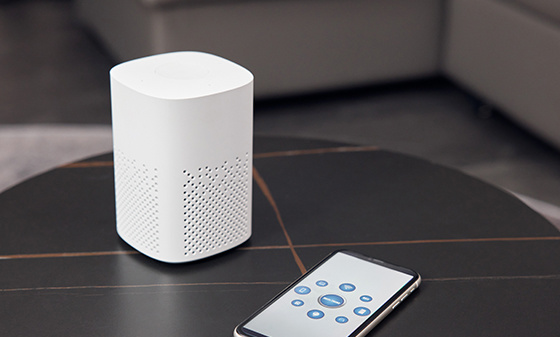 Bluetooth BQB Product Certification
 FM/AM Product Certification
 WiFi Product Certification
 Wireless charging product certification
 Interphone product certification
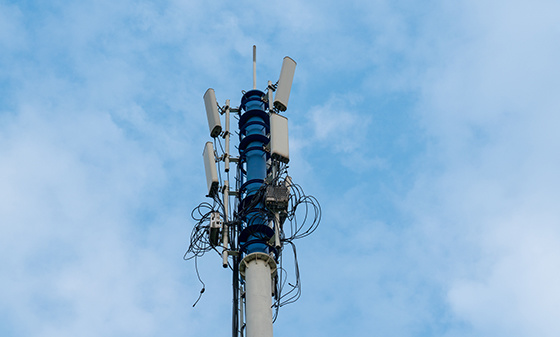 Base station certification
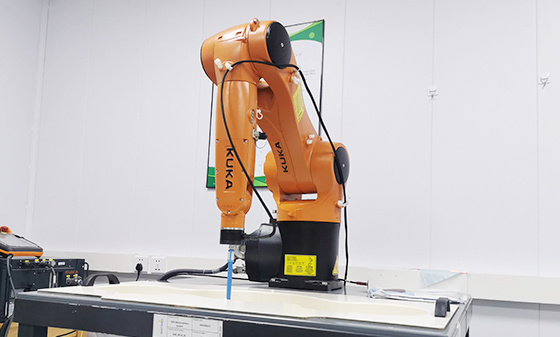 SAR testing
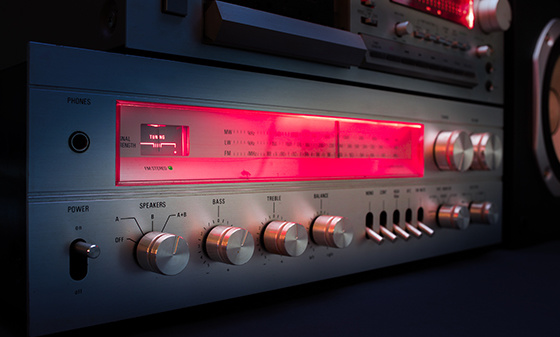 Receiver Product Certification
 5G NR Product Certification
 UWB Product Certification
 Internet of Things authentication
Electromagnetic compatibility
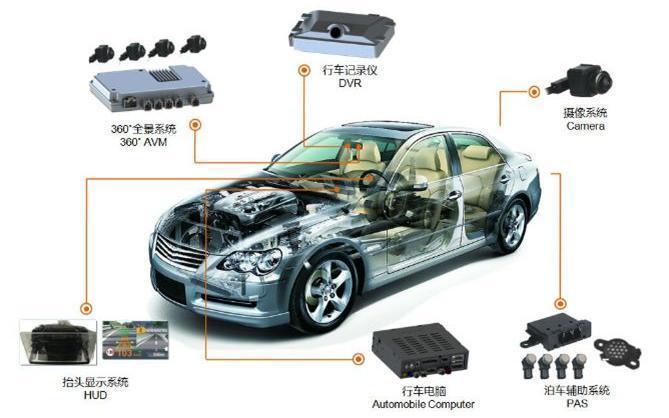 Automotive Electronics EMC Testing
 EMC rectification
 EMC
Automotive Electronics
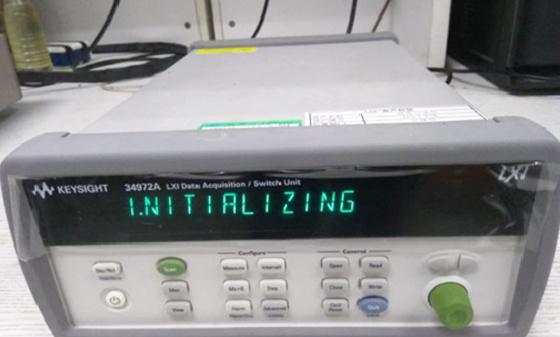 Electrical performance testing
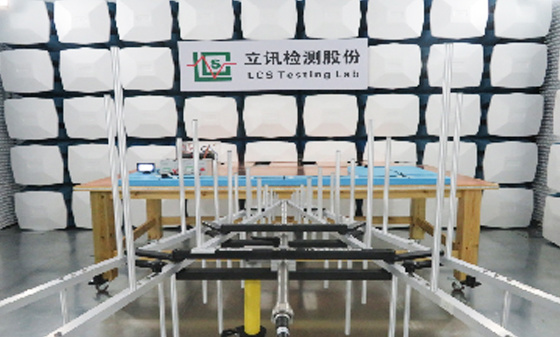
 EMS testing - radiation anti-interference testing system (including radar waves)
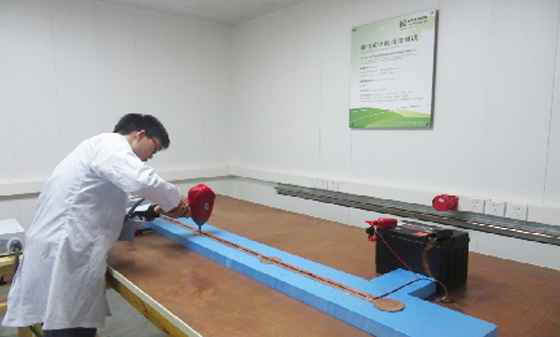
 EMS Testing - Electrostatic Discharge
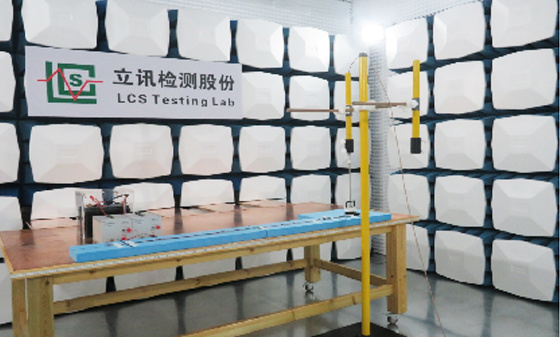 EMS Test - Transient Conducted Immunity Test
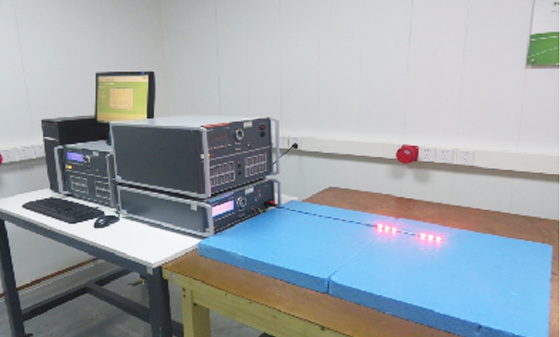 EMS Testing - Portable Transmitter Immunity
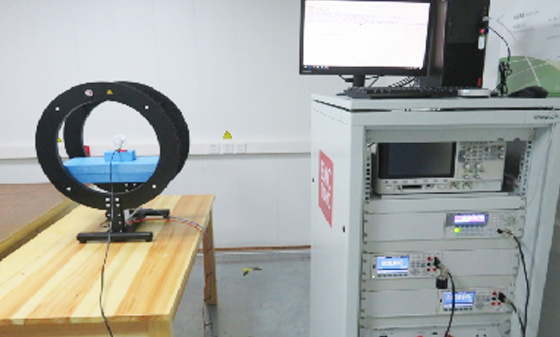 EMS Test - High Current Injection (BCI) Test
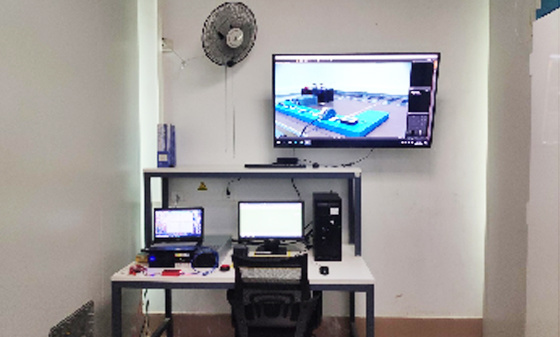 EMS test - low-frequency magnetic field anti-interference test
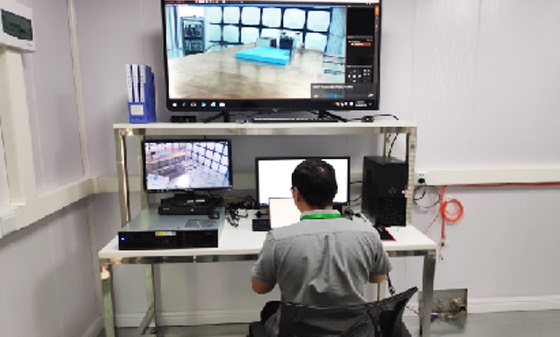 EMI Testing - Transient Conducted Emissions Testing System
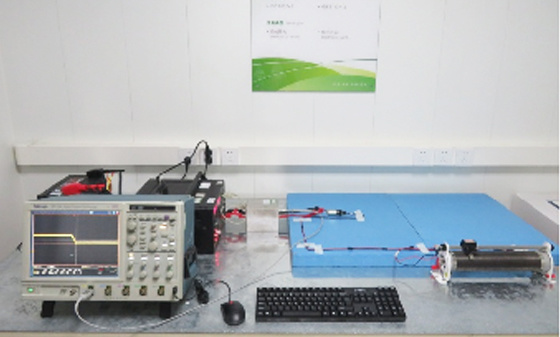 EMI testing - low-frequency magnetic field emission
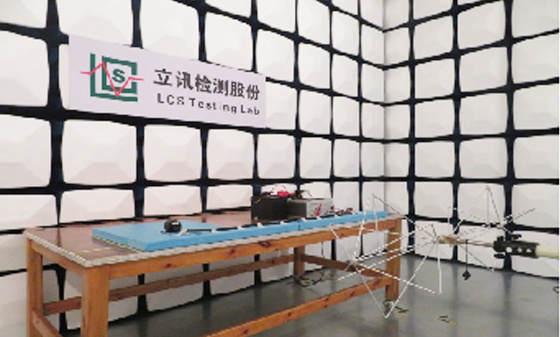 EMI Test - Radiation Emission Test
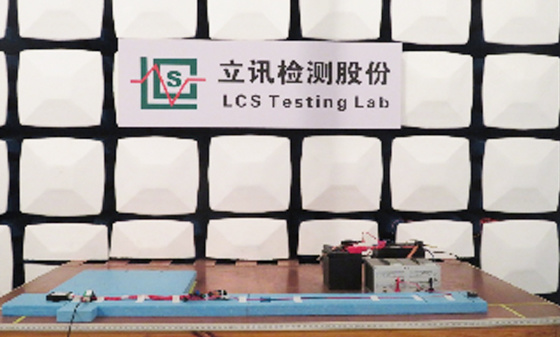 EMI Test - Conducted Emissions Test
 Automotive Electronic Testing
Automotive Parts Inspection
 Automotive ELV&VOC
 Reliability testing
 Temperature shock test
 Vibration testing
 Instrument panel/instrument panel three comprehensive vibration test
 Comprehensive vibration test of door inner panel III
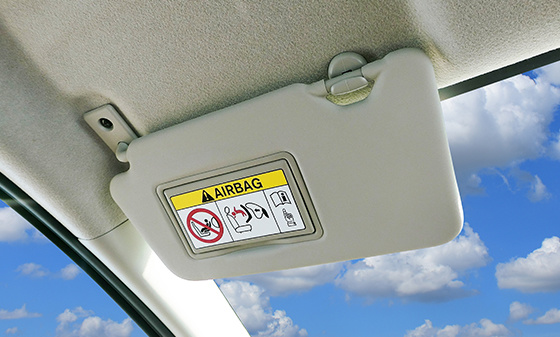 Sunvisor Three Comprehensive Vibration Test
 Spoiler Three Comprehensive Vibration Test
 Three comprehensive vibration tests of car front and rear bumpers
 Three comprehensive vibration tests for lamp housing/lampshade
 Comprehensive vibration test of outer circumference three
 Automotive metal material testing
 Performance testing of automotive lighting fixtures
 Rapid temperature change test
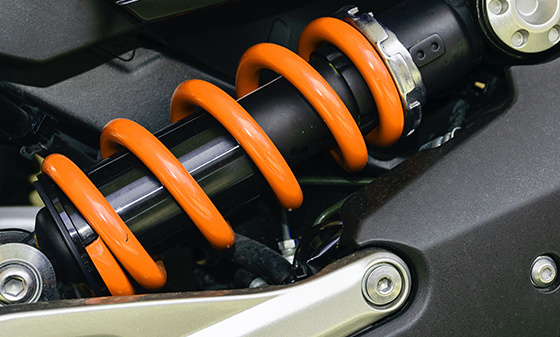 Vibration
 Common issues with vibration testing
 Common issues with fatigue testing
 Common issues with high and low temperature testing
 Conducted Interference (CE) - Suzhou Lixun Standard
 Electromagnetic Radiation Tolerance Test (RS) - Suzhou LCS Standard
 Electrical Fast Pulse Withstand Test (EFT) - Suzhou LCS Standard
 Voltage flicker test - Suzhou LCS standard
Electronic appliances
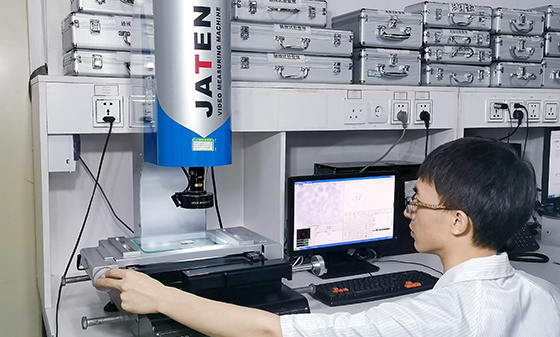 Household appliance product testing
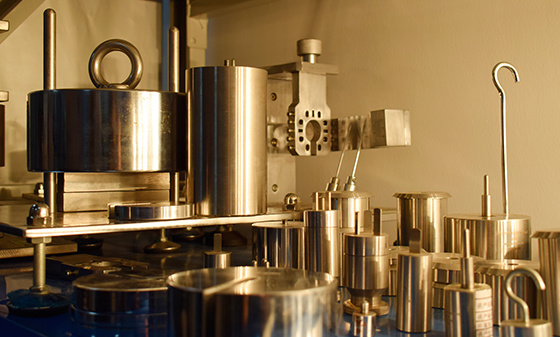 Electrical accessory product testing
 Household appliance testing
Chemical Testing
 Introduction to PFAS Testing
 MOSH/MOAH Mineral Oil Testing Service
 MOSH/MOAH Mineral Oil Testing and Certification Report Service
 Consumer Product Testing Services - WEEE Chapter
 Ecological textile testing
 Leather Footwear Inspection
 Food contact material testing
 Testing of toys and baby products
 Hazardous substance testing
Electronic Cigarette Testing
 Electronic cigarette detection
Reliability testing
 Other tests - pencil hardness test
 Mechanical testing - Packaging compression test
 Climate environment testing - Xenon lamp aging test
Battery Testing
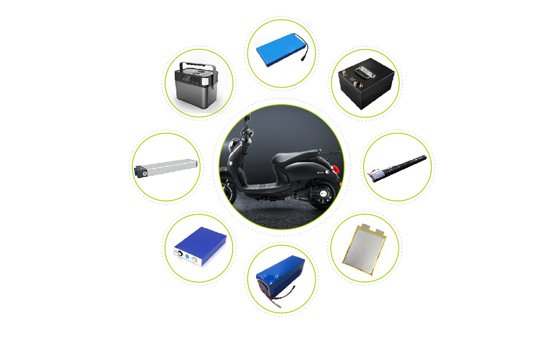 Power storage battery testing and certification
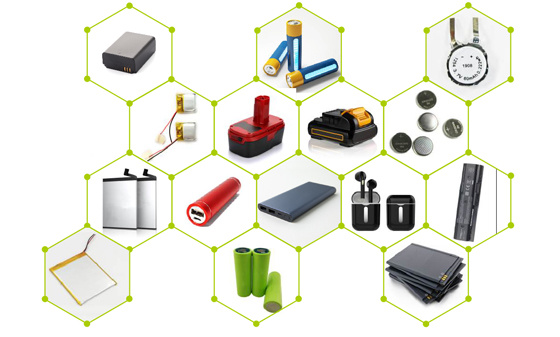 Consumer Electronics Battery Testing and Certification
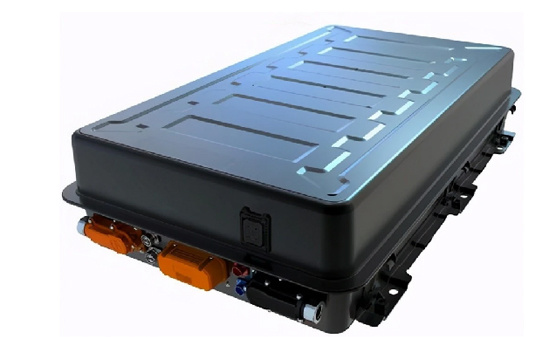 power battery
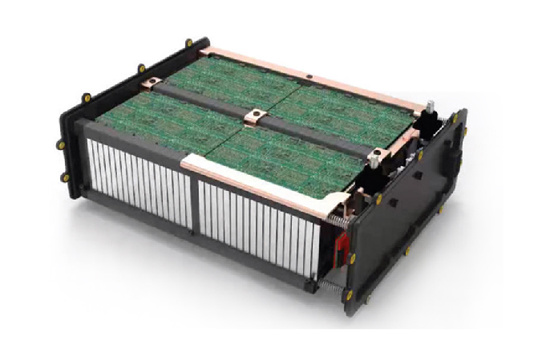 Light electric vehicle batteries
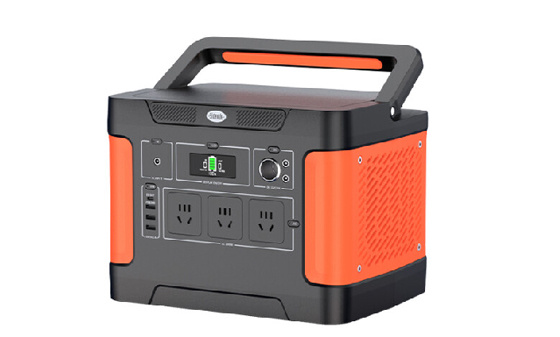 Energy storage battery
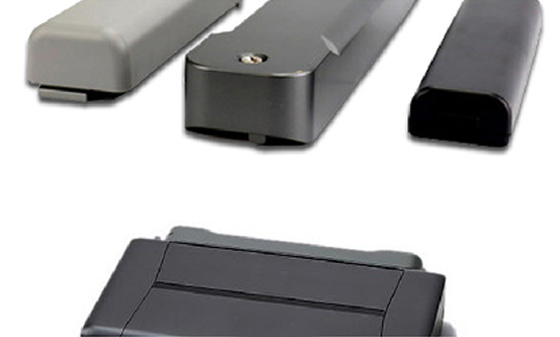 Portable battery
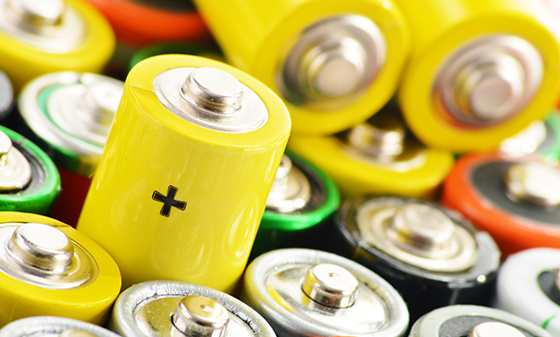 Battery testing
 battery test
Lamp Inspection
 Inspection of ship lighting fixtures
 COI Index Test for Medical Indoor Lighting
 Lamp safety inspection
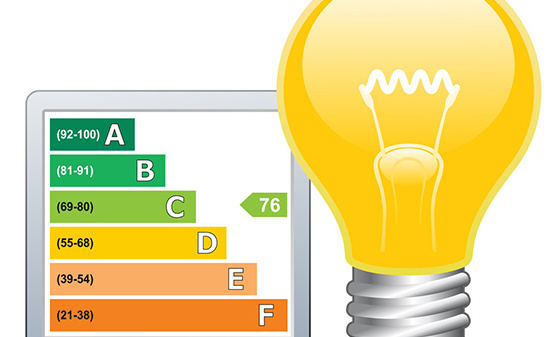 Luminaire energy efficiency testing
 EMC testing of lighting fixtures
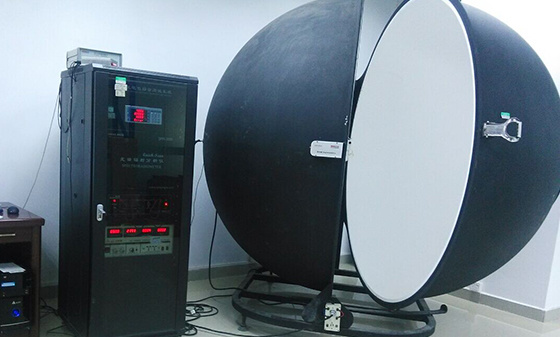 Integral Ball Laboratory
 Photobiology Experiment
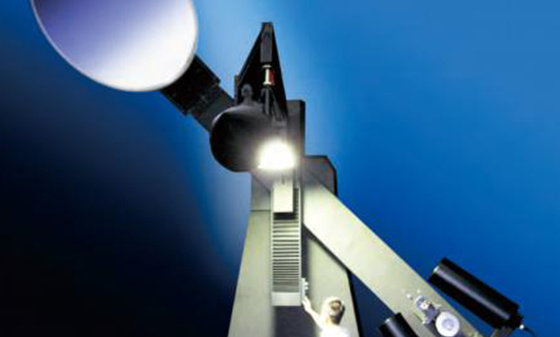 Light distribution test
 Lamp aging test
 Lamp IP waterproof
 Lamp performance testing
 Lamp reliability testing
Children's toy testing
 Testing standards for toy products
China Certification
 China's "national promotion" RoHS certification
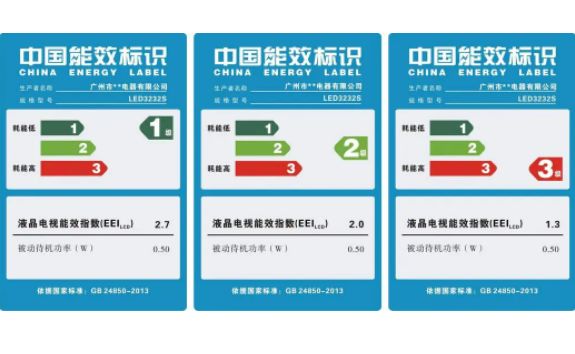 China Energy Efficiency Label Certification
 China Energy Conservation Certification
 China CQC Certification
 Tmall JD Quality Inspection Report
 China SRRC Certification
 Taiwan BSMI certification
 Taiwan NCC certification
 China CCC Compulsory Certification
Asia Certification
 Vietnam certification
 KC certification
 KUCAS Certification in Kuwait
 Singapore PSB certification
 Iraq COC Certification
 IMDA certification
 VCCI Certification in Japan
 JATE certification in Japan
 PSE certification
 BIS certification
 Japanese TELEC certification
European Certification
 RoHS certification
 GOST certification in Russia
 Russian EAC certification
 Northern Ireland UKNI logo
 Electrical ENEC certification
 European D-MARK certification
 Türkiye BTK certification
 TSE certification in Türkiye
 CE certification in Türkiye
 RED certification
 German TUV-SUD certification
 CE-ERP certification
 REACH certification
 German GS certification
 EU E-Mark certification
North American Certification
 Ecuador VOC certification
 Mexico NOM certification
 IRAM certification
 CPSC Certification in the United States
 CSA certification
 ASTM certification
 FDA certification
 CEC certification
 ETL certification
 ul certification
 IC certification
 Energy Star
 FCC Certification in the United States
 ASTM certification
Middle East Certification
 Israel SII certification
 Saudi SABER certification
 GCC certification for the seven Gulf countries
 Iran COI certification
 Qatar COC Certification
 Iraq COC Certification
 Saudi EER Energy Efficiency Certification
 Saudi SABER certification
 Algeria PCA certification
 PVOC certification
Australia Certification
 New Zealand IC-F testing
 VEET certification
 LCP certification
 GEMS certification
 RCM certification
 C-Tick certification
 SAA certification
Africa Certification
 Gabon COC certification
 Algeria COC certification

 Ethiopian VOC and COC certification
 Mauritius VOC certification
 Ghana COC certification
 COC certification in Burundi
 Zambia COC certification
 Botswana COC Certification
 Uganda PVOC certification
 SABS certification in South Africa
 South African LOA certification
 Zimbabwe CBCA Certification
 Nigeria SONCAP certification
 Kenya PVOC certification
 African COC certification
Other certifications
 WEEE
 Bluetooth BQB certification
 IECEE registration
 MHRA registration in the UK
TRAINING
 Management system training
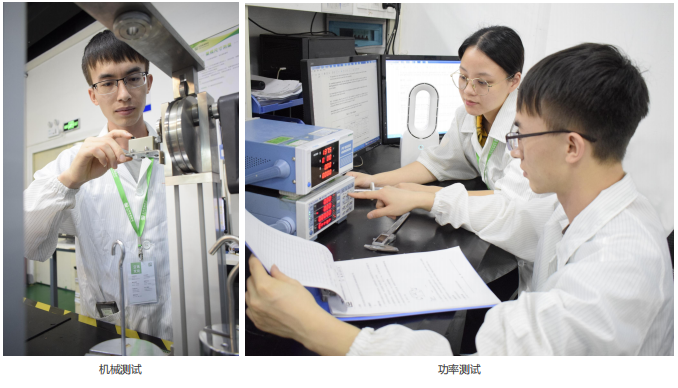 Laboratory technical training
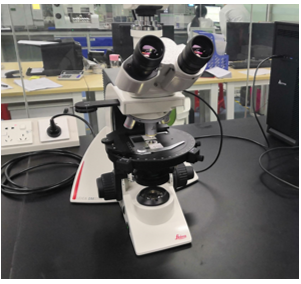 Laboratory Process Consulting
 Laboratory decoration construction
Wireless Communication
Electromagnetic compatibility
Automotive Electronics
Automotive Parts Inspection
Electronic appliances
Chemical Testing
Electronic Cigarette Testing
Reliability testing
Battery Testing
Lamp Inspection
Children's toy testing
China Certification
Asia Certification
European Certification
North American Certification
Middle East Certification
Australia Certification
Africa Certification
Other certifications
TRAINING

Solutions
-
-
-
Automotive interior and exterior trim - Environmental testing
-
Automotive interior and exterior decorations (electronic and electrical components) - IP protection
-
Automotive electronic and electrical components - Electrical performance
-
Automotive interior and exterior trims - Mechanical performance testing
Contact Us
National 24-hour service hotline
400-116-2629
Group Headquarters
E-mail: webmaster@lcs-cert.com
Address: Shenzhen City, Baoan District, Shajing Street, Nga side of the school of Wei Juji Industrial Park, Building A 1 ~ 2 floor, Building C 3 floor
Mechanical testing - Packaging drop test
Packaging drop test is a testing method used to evaluate the protective performance of product packaging under drop impact. It is mainly used to simulate the possible drop situations that products may encounter during transportation, handling, or loading and unloading, to ensure that packaging can effectively protect products from damage. The following is a detailed introduction to the packaging drop test:
1. Test purpose
Evaluate packaging strength: Test the packaging's resistance to damage under drop impact.
Protect the product: Ensure that the packaging effectively protects the internal product from damage.
Optimize packaging design: Improve packaging materials and structural design based on test results.
Compliant with standards: Meet relevant industry standards and regulatory requirements.
2. Testing principle
The packaging drop test simulates the possible drop situations that a product may encounter during transportation or handling by freely dropping the packaging from a certain height onto a hard surface. Evaluate the protective performance of packaging by observing the damage to packaging and products.
3. Testing conditions
Drop height: Depending on the weight, size, and transportation environment of the product, common heights range from 500mm to 1500mm.
Number of drops: Typically, each surface, corner, and edge of the packaging is dropped multiple times.
Falling surface: usually a hard, flat concrete or steel plate surface.
Environmental conditions: Some tests may be conducted under specific temperature and humidity conditions to simulate more complex environments.
4. Testing equipment
Drop testing machine: used for precise control of drop height and release of packaging.
Test platform: A hard and flat drop surface.
Measuring tools: such as height gauges, impact sensors, etc.
5. Testing steps
Sample preparation: Pack the product into packaging and seal it according to the actual transportation status.
Initial inspection: Record the appearance, functionality, and performance status of packaging and products.
Setting parameters: Set parameters such as drop height and number of drops according to testing standards or customer requirements.
Start testing: Drop the packaging freely from the specified height onto the testing platform.
Intermediate inspection: Check the status of the packaging and product after each drop and record the data.
End of Test: After completing all drops, conduct the final inspection and record the results.
6. Application Fields
Electronic products: such as mobile phones, computers, household appliances, etc.
Food and beverages: such as glass bottles, fragile foods, etc.
Medical products: such as drugs, medical devices, etc.
Industrial products: such as mechanical equipment, automotive parts, etc.
Logistics and Transportation: Evaluate the protective performance of packaging during transportation.
7. Relevant standards
International standards: such as ISTA (International Society for Safe Transport) series standards and ASTM D5276 (Packaging Drop Test Standard).
National standard: such as GB/T 4857.5 (Drop Test Method for Packaging and Transport Packages).
Industry standards: Packaging testing requirements for logistics companies such as FedEx and UPS.
8. Precautions
Sample fixation: Ensure that the packaging can fall freely and not be disturbed by external forces during the falling process.
Parameter setting: Reasonably set the drop height and frequency based on product characteristics and testing standards.
Data recording: Detailed recording of packaging and product status after each drop, including changes in appearance, function, and performance.
Security protection: Ensure that the testing area has sufficient security measures to prevent accidents from occurring.
9. Analysis of Test Results
Packaging inspection: Check whether the packaging is damaged, deformed, or cracked.
Product inspection: Check whether the internal products are damaged or have abnormal functions.
Performance evaluation: Evaluate whether the protective performance of the packaging meets the design requirements.
Improvement suggestion: Based on the test results, propose packaging design and material improvement suggestions.
Through packaging drop tests, the protective performance of packaging under drop impact can be comprehensively evaluated, helping to optimize packaging design and ensure that products are not damaged during transportation and handling.
Large-scale experimental base
Professional Lab
Analysis Method
Testing/year


 WeChat Inquiry


 Reservation


Contact Us
National 24-hour service hotline
Address:Juji Industrial Park, Xueziwei, Ngabian, Shajing Street, Baoan District, Shenzhen Building A 1~2F, Building C 3F

WeChat public number
Share industry dry goods

WeChat consultation
Please note consulting services

Follow Jitterbug

Mobile website
di complaint mailbox: customer.complaint@lcs-cert.com complaint telephone tel: 18126445450 certificate report verification of authenticity mailbox: verification@lcs-cert.com