

Wireless Communication
 EU RED Network Security Standard EN 18031
 Wireless and communication detection
 Mobile communication product certification
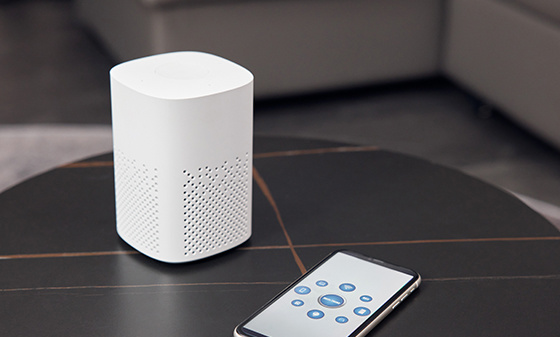 Bluetooth BQB Product Certification
 FM/AM Product Certification
 WiFi Product Certification
 Wireless charging product certification
 Interphone product certification
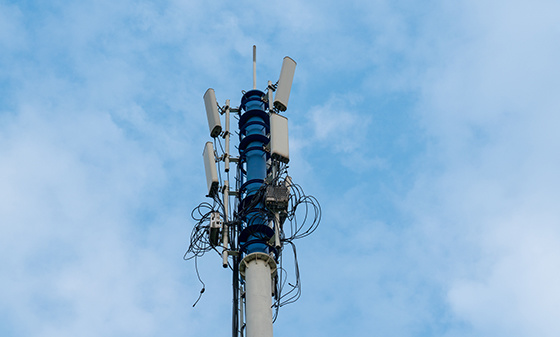 Base station certification
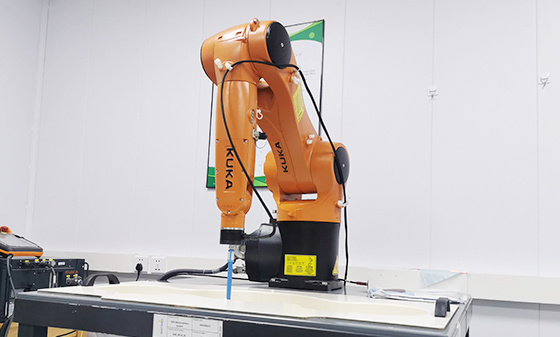 SAR testing
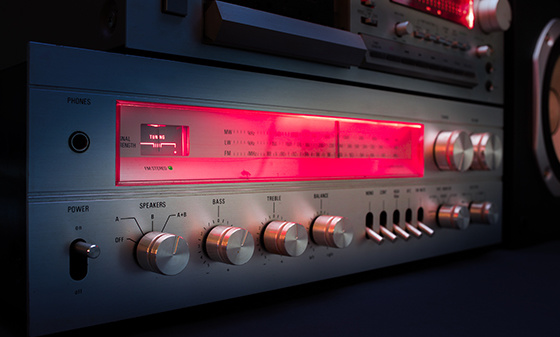 Receiver Product Certification
 5G NR Product Certification
 UWB Product Certification
 Internet of Things authentication
Electromagnetic compatibility
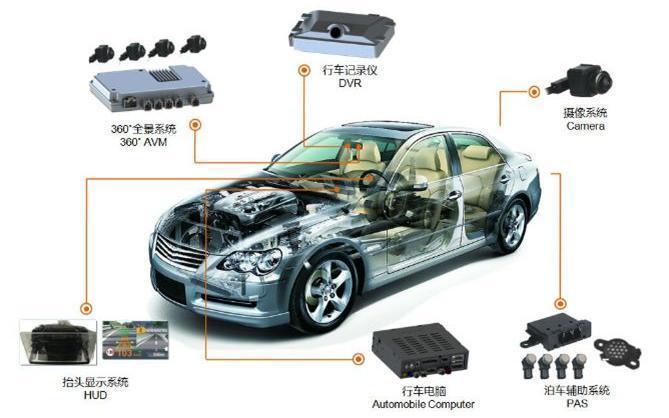 Automotive Electronics EMC Testing
 EMC rectification
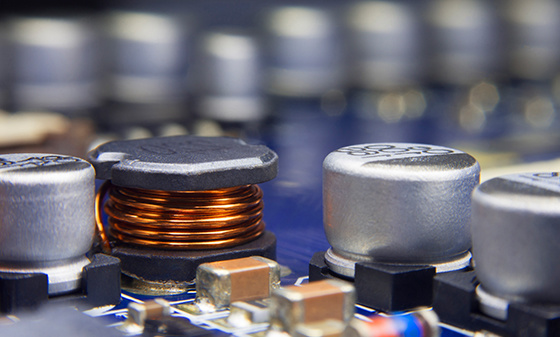 EMC
Automotive Electronics
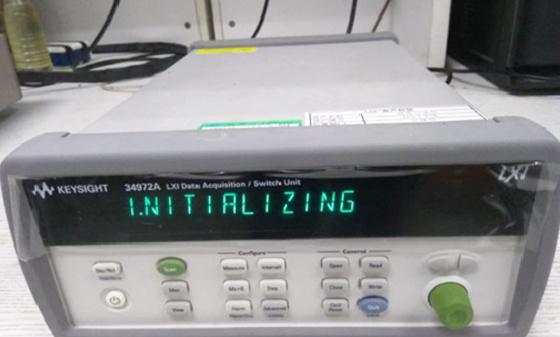 Electrical performance testing
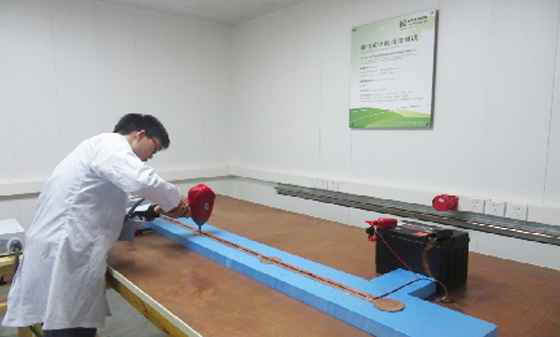 EMS testing - radiation anti-interference testing system (including radar waves)
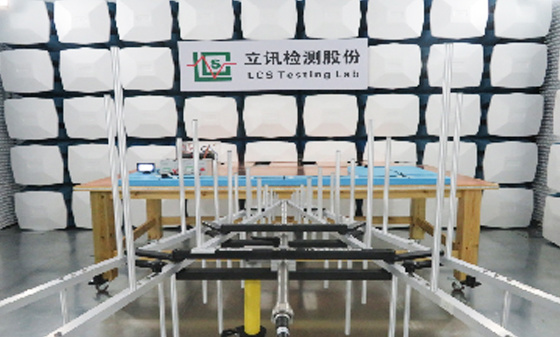 EMS Testing - Electrostatic Discharge
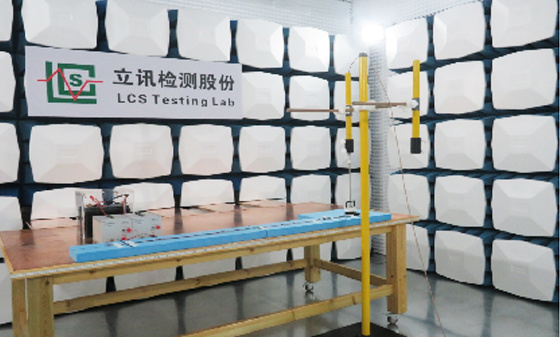 EMS Test - Transient Conducted Immunity Test
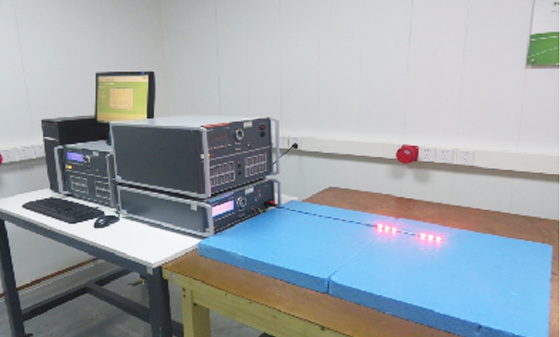 EMS Testing - Portable Transmitter Immunity
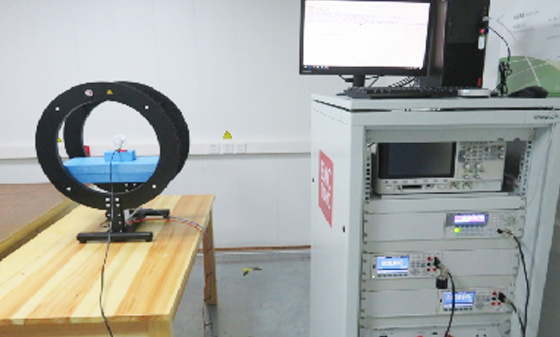 EMS Test - High Current Injection (BCI) Test
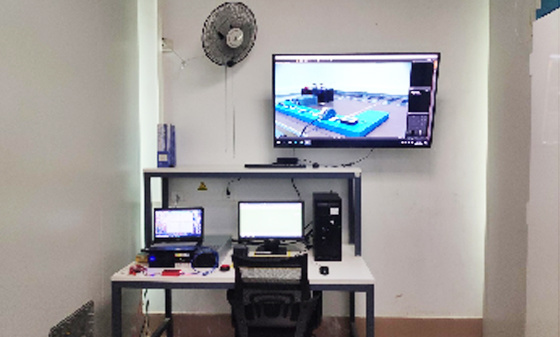 EMS test - low-frequency magnetic field anti-interference test
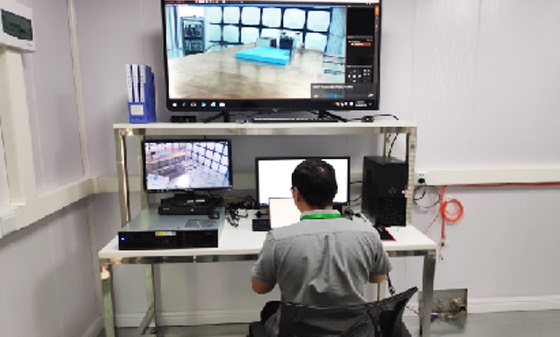 EMI Testing - Transient Conducted Emissions Testing System
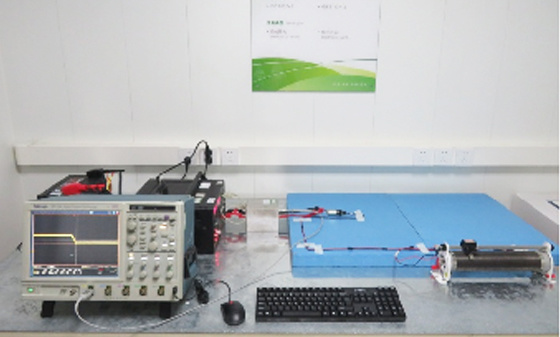 EMI testing - low-frequency magnetic field emission
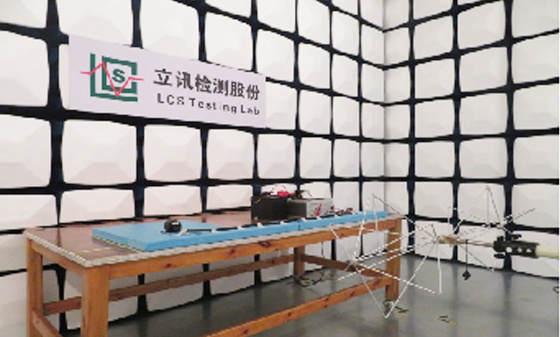 EMI Test - Radiation Emission Test
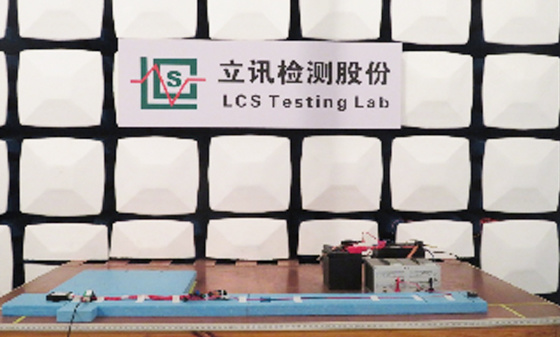 EMI Test - Conducted Emissions Test
 Automotive Electronic Testing
Automotive Parts Inspection
 Automotive ELV&VOC
 Reliability testing
 Temperature shock test
 Vibration testing
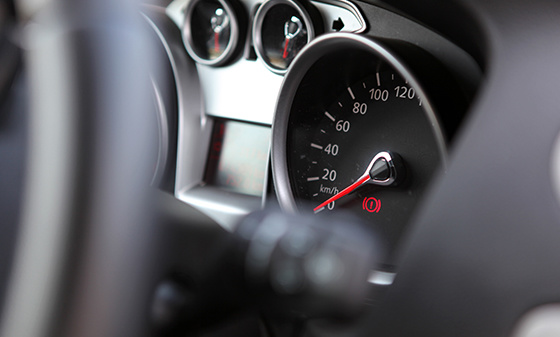 Instrument panel/instrument panel three comprehensive vibration test
 Comprehensive vibration test of door inner panel III
 Sunvisor Three Comprehensive Vibration Test
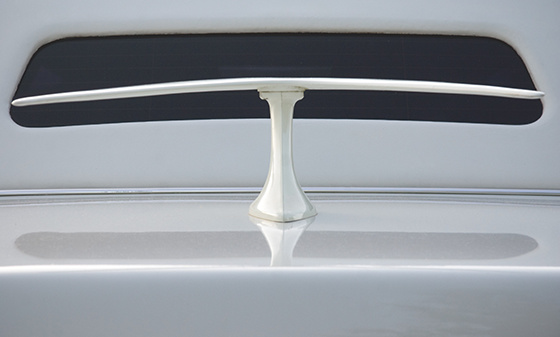 Spoiler Three Comprehensive Vibration Test
 Three comprehensive vibration tests of car front and rear bumpers
 Three comprehensive vibration tests for lamp housing/lampshade
 Comprehensive vibration test of outer circumference three
 Automotive metal material testing
 Performance testing of automotive lighting fixtures
 Rapid temperature change test
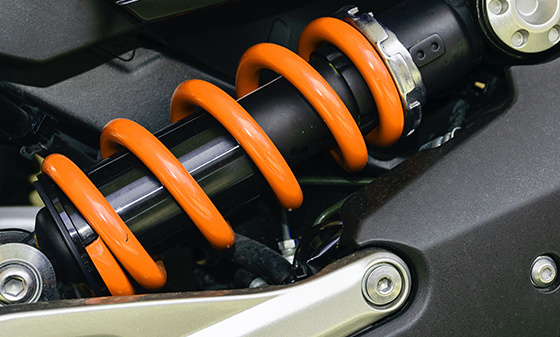 Vibration
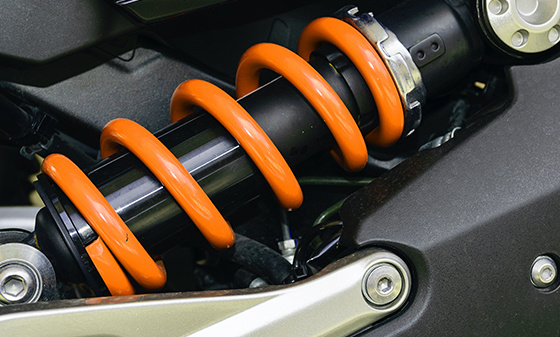 Common issues with vibration testing
 Common issues with fatigue testing
 Common issues with high and low temperature testing
 Conducted Interference (CE) - Suzhou Lixun Standard
 Electromagnetic Radiation Tolerance Test (RS) - Suzhou LCS Standard
 Electrical Fast Pulse Withstand Test (EFT) - Suzhou LCS Standard
 Voltage flicker test - Suzhou LCS standard
Electronic appliances
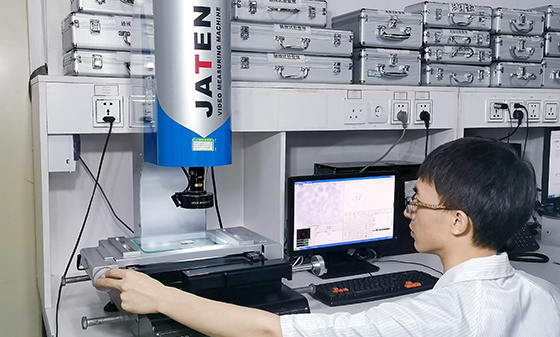 Household appliance product testing
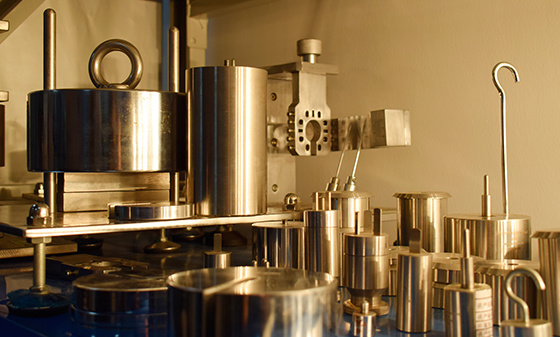 Electrical accessory product testing
 Household appliance testing
Chemical Testing
 Introduction to PFAS Testing
 MOSH/MOAH Mineral Oil Testing Service
 MOSH/MOAH Mineral Oil Testing and Certification Report Service
 Consumer Product Testing Services - WEEE Chapter
 Ecological textile testing
 Leather Footwear Inspection
 Food contact material testing
 Testing of toys and baby products
 Hazardous substance testing
Electronic Cigarette Testing
 Electronic cigarette detection
Reliability testing
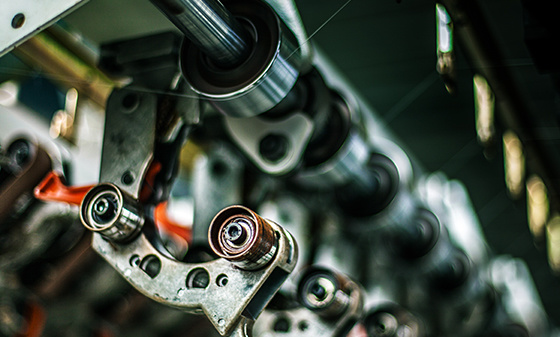 Other tests - pencil hardness test
 Mechanical testing - Packaging compression test
 Climate environment testing - Xenon lamp aging test
Battery Testing
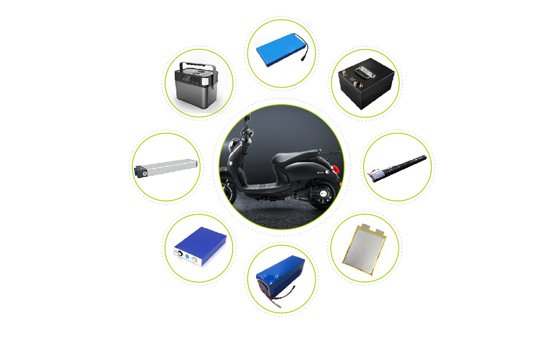 Power storage battery testing and certification
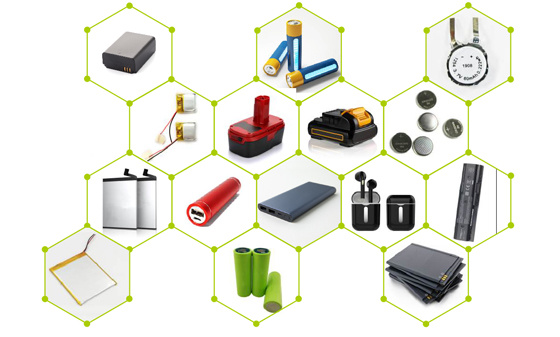 Consumer Electronics Battery Testing and Certification
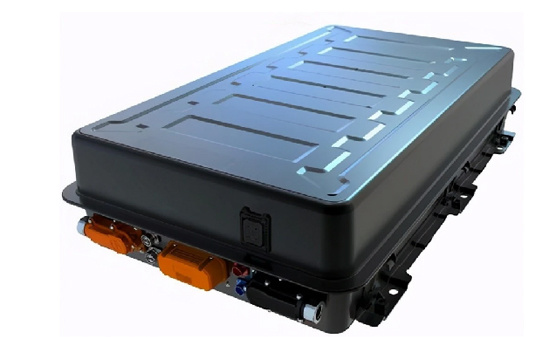 power battery
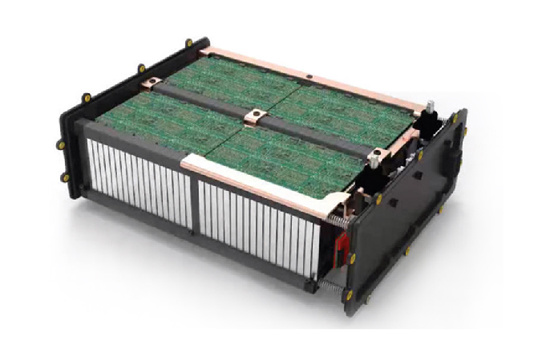 Light electric vehicle batteries
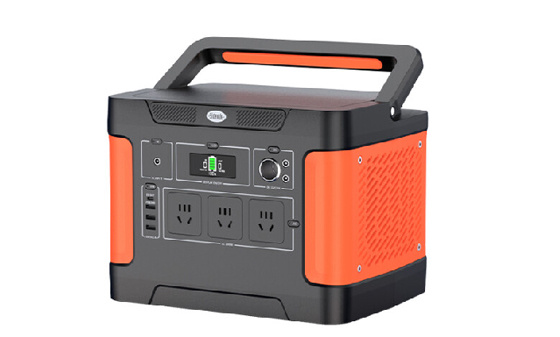 Energy storage battery
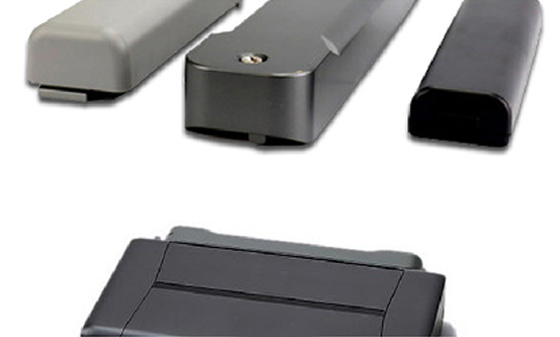 Portable battery
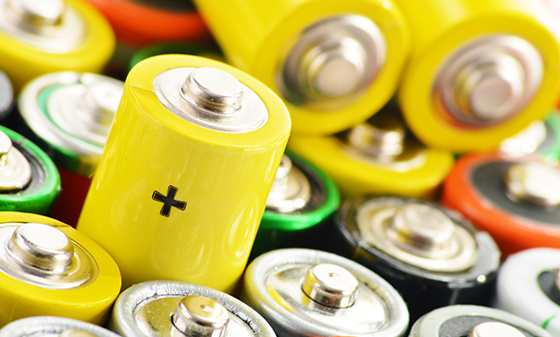 Battery testing
 battery test
Lamp Inspection
 Inspection of ship lighting fixtures
 COI Index Test for Medical Indoor Lighting
 Lamp safety inspection
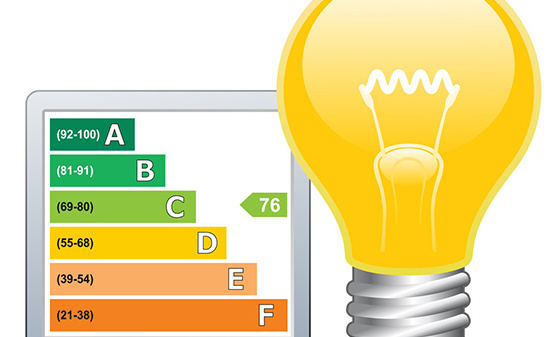 Luminaire energy efficiency testing
 EMC testing of lighting fixtures
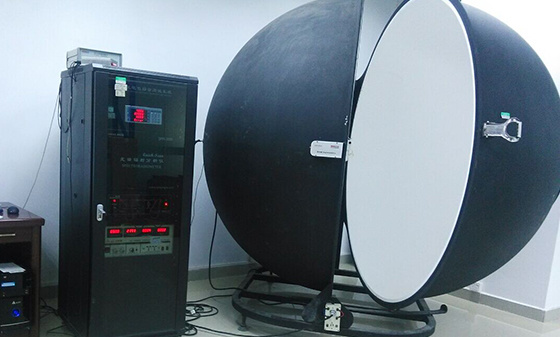 Integral Ball Laboratory
 Photobiology Experiment
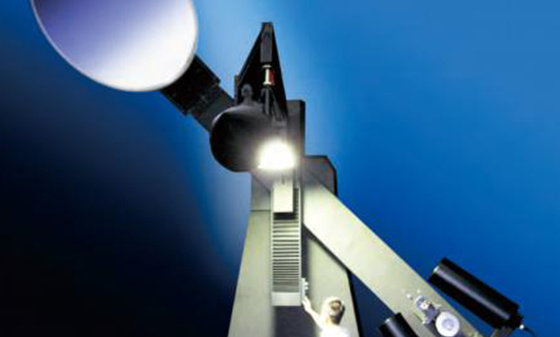 Light distribution test
 Lamp aging test
 Lamp IP waterproof
 Lamp performance testing
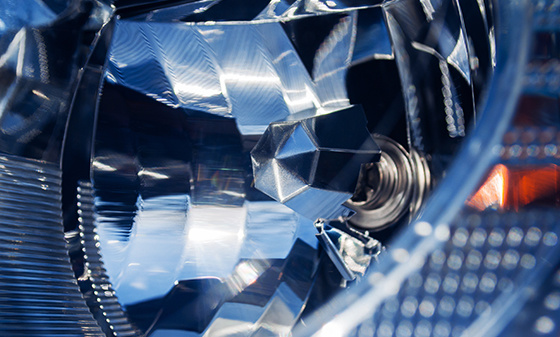 Lamp reliability testing
Children's toy testing
 Testing standards for toy products
China Certification
 China's "national promotion" RoHS certification
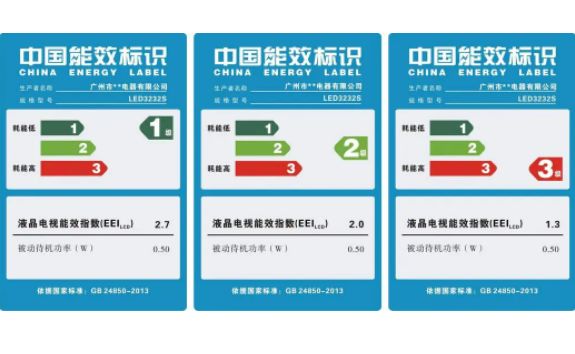 China Energy Efficiency Label Certification
 China Energy Conservation Certification
 China CQC Certification
 Tmall JD Quality Inspection Report
 China SRRC Certification
 Taiwan BSMI certification
 Taiwan NCC certification
 China CCC Compulsory Certification
Asia Certification
 Vietnam certification
 KC certification
 KUCAS Certification in Kuwait
 Singapore PSB certification
 Iraq COC Certification
 IMDA certification
 VCCI Certification in Japan
 JATE certification in Japan
 PSE certification
 BIS certification
 Japanese TELEC certification
European Certification
 RoHS certification
 GOST certification in Russia
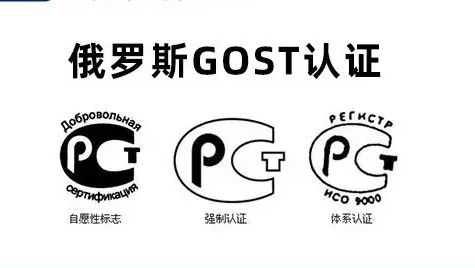 Russian EAC certification
 Northern Ireland UKNI logo
 Electrical ENEC certification
 European D-MARK certification
 Türkiye BTK certification
 TSE certification in Türkiye
 CE certification in Türkiye
 RED certification
 German TUV-SUD certification
 CE-ERP certification
 REACH certification
 German GS certification
 EU E-Mark certification
North American Certification
 Ecuador VOC certification
 Mexico NOM certification
 IRAM certification
 CPSC Certification in the United States
 CSA certification
 ASTM certification
 FDA certification
 CEC certification
 ETL certification
 ul certification
 IC certification
 Energy Star
 FCC Certification in the United States
 ASTM certification
Middle East Certification
 Israel SII certification
 Saudi SABER certification
 GCC certification for the seven Gulf countries
 Iran COI certification
 Qatar COC Certification
 Iraq COC Certification
 Saudi EER Energy Efficiency Certification
 Saudi SABER certification
 Algeria PCA certification
 PVOC certification
Australia Certification
 New Zealand IC-F testing
 VEET certification
 LCP certification
 GEMS certification
 RCM certification
 C-Tick certification
 SAA certification
Africa Certification
 Gabon COC certification
 Algeria COC certification

 Ethiopian VOC and COC certification
 Mauritius VOC certification
 Ghana COC certification
 COC certification in Burundi
 Zambia COC certification
 Botswana COC Certification
 Uganda PVOC certification
 SABS certification in South Africa
 South African LOA certification
 Zimbabwe CBCA Certification
 Nigeria SONCAP certification
 Kenya PVOC certification
 African COC certification
Other certifications
 WEEE
 Bluetooth BQB certification
 IECEE registration
 MHRA registration in the UK
TRAINING
 Management system training
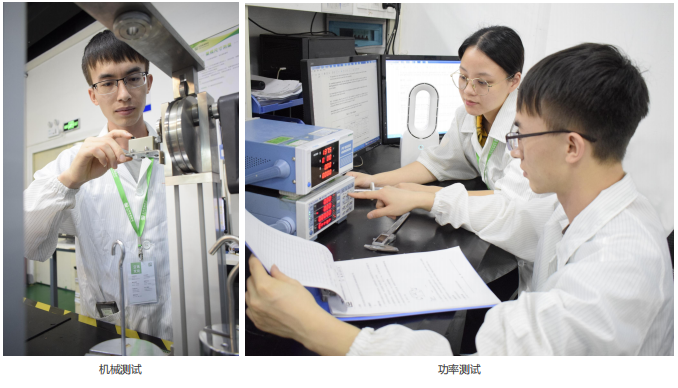 Laboratory technical training
 Laboratory Process Consulting
 Laboratory decoration construction
Wireless Communication
Electromagnetic compatibility
Automotive Electronics
Automotive Parts Inspection
Electronic appliances
Chemical Testing
Electronic Cigarette Testing
Reliability testing
Battery Testing
Lamp Inspection
Children's toy testing
China Certification
Asia Certification
European Certification
North American Certification
Middle East Certification
Australia Certification
Africa Certification
Other certifications
TRAINING

Solutions
-
-
-
Automotive interior and exterior trim - Environmental testing
-
Automotive interior and exterior decorations (electronic and electrical components) - IP protection
-
Automotive electronic and electrical components - Electrical performance
-
Automotive interior and exterior trims - Mechanical performance testing
Contact Us
National 24-hour service hotline
400-116-2629
Group Headquarters
E-mail: webmaster@lcs-cert.com
Address: Shenzhen City, Baoan District, Shajing Street, Nga side of the school of Wei Juji Industrial Park, Building A 1 ~ 2 floor, Building C 3 floor
Mechanical testing - tensile/bending strength testing
Tensile strength and bending strength testing are two important methods in material mechanical property testing, used to evaluate the mechanical properties of materials under stress. These tests are widely used in quality control and research and development of materials such as metals, plastics, composite materials, ceramics, etc.
Tensile strength test
Test purpose
Evaluate the tensile properties of materials: measure the strength and ductility of materials under tensile force.
Determine the elastic modulus of the material: evaluate the stiffness of the material during the elastic deformation stage.
Testing the fracture performance of materials: understanding the deformation behavior and fracture point of materials before fracture.
Test Principle
Tensile strength testing involves applying unidirectional tensile force to gradually elongate the sample until it fractures. Record the relationship between force and displacement during the testing process, and calculate the stress-strain curve of the material.
Test steps
Sample preparation: Prepare standard sized tensile samples (such as dumbbell shaped samples) according to the standard.
Install sample: Fix the sample in the upper and lower fixtures of the tensile testing machine.
Start testing: Apply tensile force at a constant speed and record force and displacement data.
Test completed: Stop testing after the sample breaks.
Data analysis: Calculate parameters such as tensile strength, yield strength, and elongation at break.
calculation formula
Tensile strength (σ): σ=F_max/A_0
F_max: maximum tensile force
A_0: Original cross-sectional area of the sample
Elongation at break (ε): ε=(L_f - L_0)/L_0 × 100%
L_f: Length at fracture
L_0: Original length
Bending strength test
Test purpose
Evaluating the flexural performance of materials: measuring the strength and stiffness of materials under bending forces.
Detecting the brittleness of materials: understanding the fracture behavior of materials under bending loads.
Test Principle
The bending strength test applies bending force to cause the sample to undergo bending deformation until it fractures. Record the relationship between force and displacement during the testing process, and calculate the bending stress-strain curve of the material.
Test steps
Sample preparation: Prepare standard sized bent samples (such as rectangular cross-section bars) according to the standard.
Install sample: Place the sample on the support frame of the bending testing machine.
Start testing: Apply bending force at a constant speed and record force and displacement data.
Test completed: Stop testing after the sample breaks or reaches the maximum bending angle.
Data analysis: Calculate parameters such as bending strength and bending modulus.
calculation formula
Bending strength (σ _f): σ _f=(3 × F × L)/(2 × b × h ²)
F: Maximum bending force
L: Support span
b: Sample width
h: Sample thickness
Bending modulus (E.f): E.f=(L ³ × F)/(4 × b × h ³ × δ)
δ: Maximum displacement
Application field
Metal materials: Evaluating the mechanical properties of metal materials, used in fields such as aerospace and automotive manufacturing.
Plastics and composite materials: Testing the mechanical properties of plastics and composite materials for product design and quality control.
Ceramic materials: Evaluating the brittleness and strength of ceramic materials, used in fields such as electronics and architecture.
Building materials: Test the bending performance of building materials such as concrete and wood.
test equipment
Universal material testing machine: used for tensile and bending testing, equipped with corresponding fixtures and sensors.
Streptometer: used for precise measurement of sample deformation.
Data collection system: used to record and analyze test data.
Common standards
ASTM D638: Standard for Testing the Tensile Properties of Plastics.
ISO 527: International standard for testing the tensile properties of plastics.
ASTM D790: Plastic Bending Performance Testing Standard.
ISO 178: International standard for testing the flexural properties of plastics.
GB/T 1040: Chinese National Standard, Test Method for Tensile Properties of Plastics.
GB/T 9341: Chinese National Standard, Test Method for Plastic Bending Performance.
Precautions
Sample preparation: Ensure that the sample size and shape meet the standard requirements.
Testing speed: Choose the appropriate testing speed based on the material type and standard requirements.
Data recording: Detailed recording of various data during the testing process for subsequent analysis.
By conducting tensile and bending strength tests, the mechanical properties of materials can be effectively evaluated, providing scientific basis for product design and material selection.
Large-scale experimental base
Professional Lab
Analysis Method
Testing/year


 WeChat Inquiry


 Reservation


Contact Us
National 24-hour service hotline
Address:Juji Industrial Park, Xueziwei, Ngabian, Shajing Street, Baoan District, Shenzhen Building A 1~2F, Building C 3F

WeChat public number
Share industry dry goods

WeChat consultation
Please note consulting services

Follow Jitterbug

Mobile website
di complaint mailbox: customer.complaint@lcs-cert.com complaint telephone tel: 18126445450 certificate report verification of authenticity mailbox: verification@lcs-cert.com