

Wireless Communication
 EU RED Network Security Standard EN 18031
 Wireless and communication detection
 Mobile communication product certification
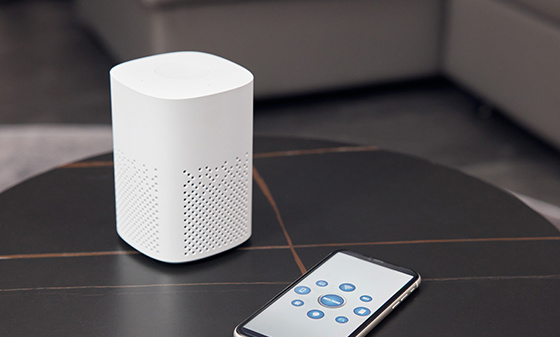 Bluetooth BQB Product Certification
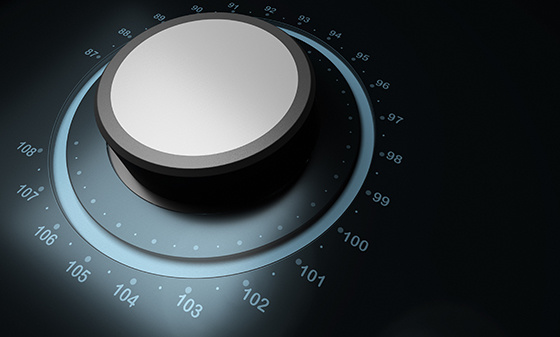 FM/AM Product Certification
 WiFi Product Certification
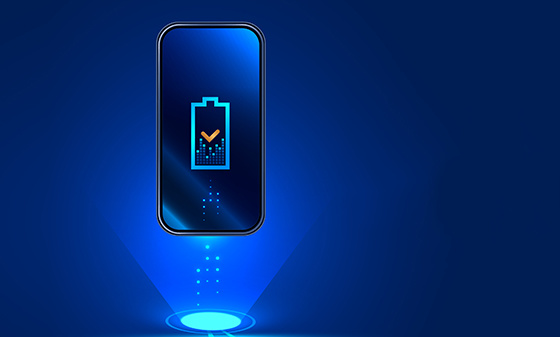 Wireless charging product certification
 Interphone product certification
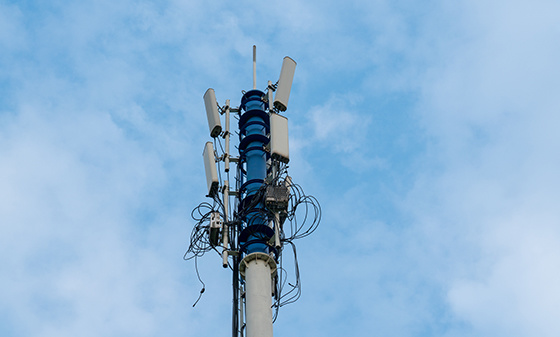 Base station certification
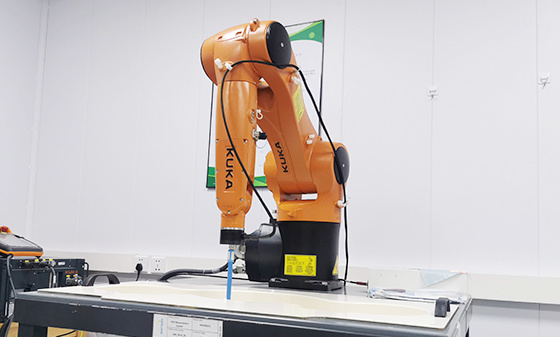 SAR testing
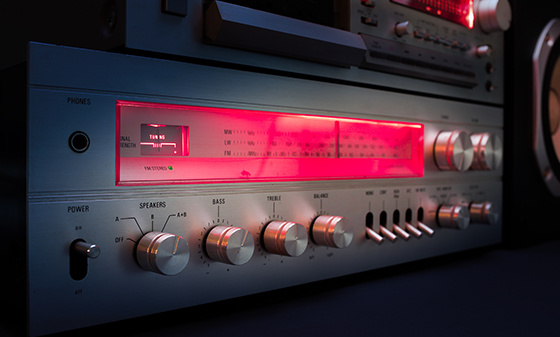 Receiver Product Certification
 5G NR Product Certification
 UWB Product Certification
 Internet of Things authentication
Electromagnetic compatibility
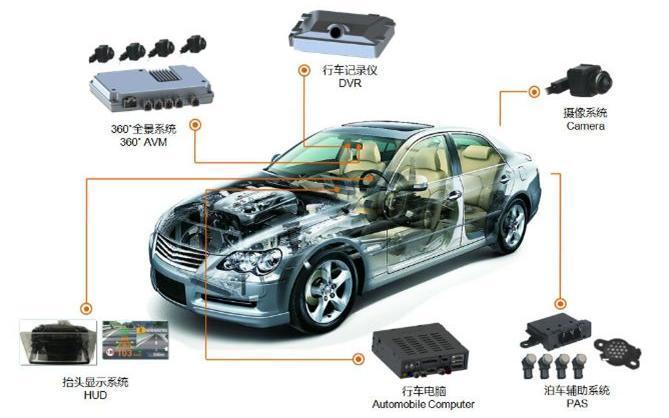 Automotive Electronics EMC Testing
 EMC rectification
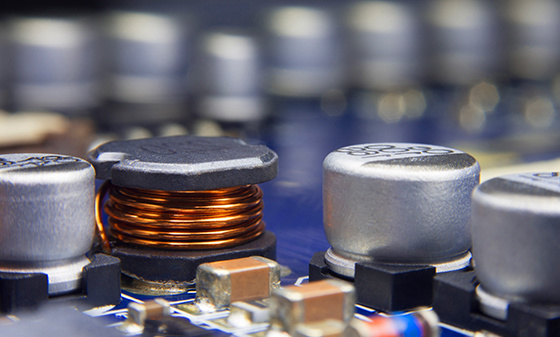 EMC
EMC
Automotive Electronics
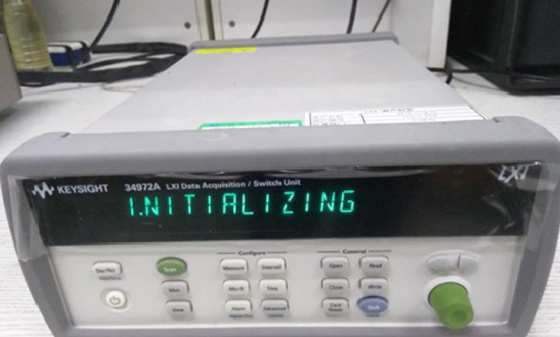 Electrical performance testing
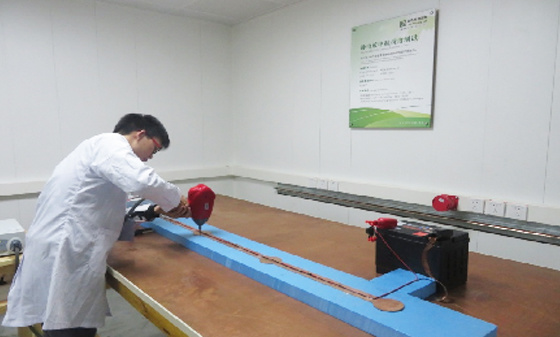 EMS testing - radiation anti-interference testing system (including radar waves)
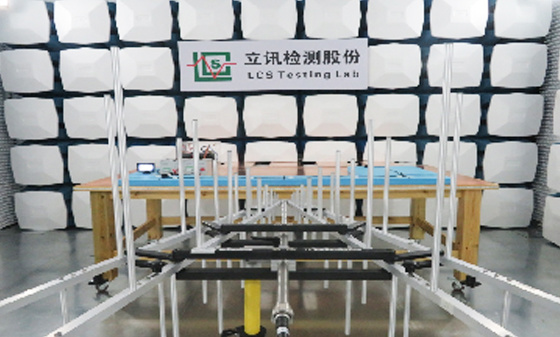 EMS Testing - Electrostatic Discharge
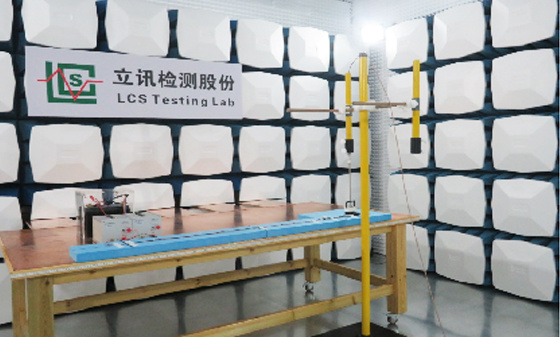 EMS Test - Transient Conducted Immunity Test
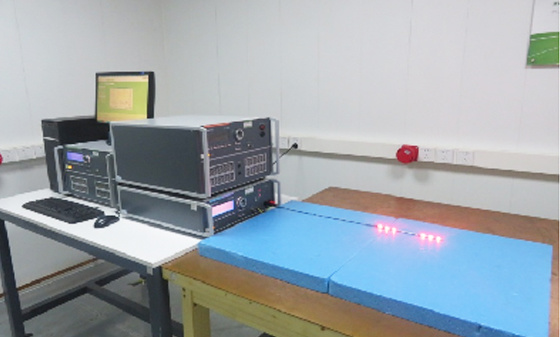 EMS Testing - Portable Transmitter Immunity
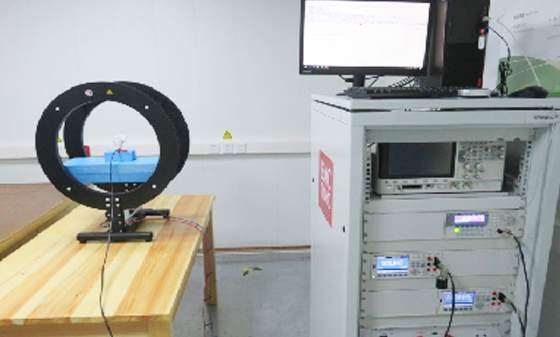 EMS Test - High Current Injection (BCI) Test
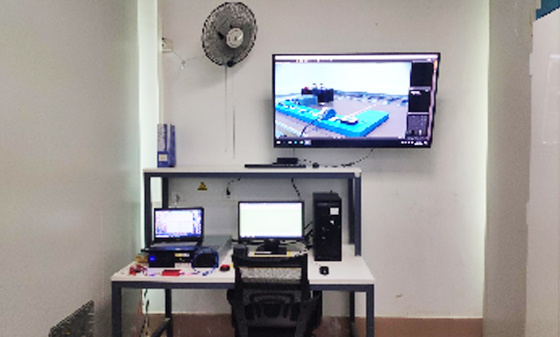 EMS test - low-frequency magnetic field anti-interference test
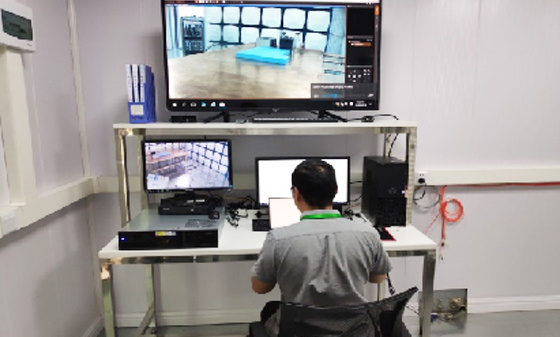 EMI Testing - Transient Conducted Emissions Testing System
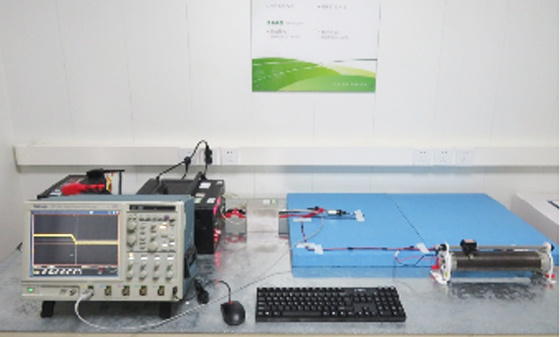 EMI testing - low-frequency magnetic field emission
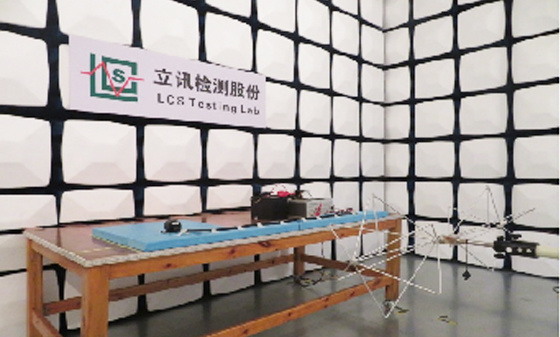 EMI Test - Radiation Emission Test
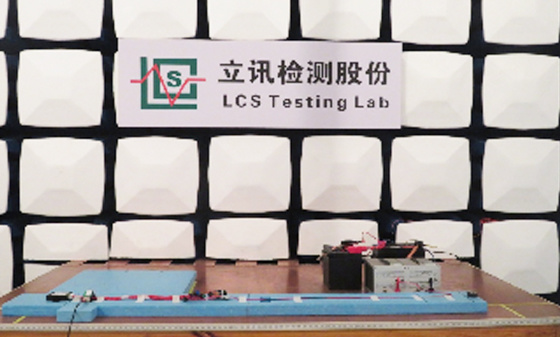 EMI Test - Conducted Emissions Test
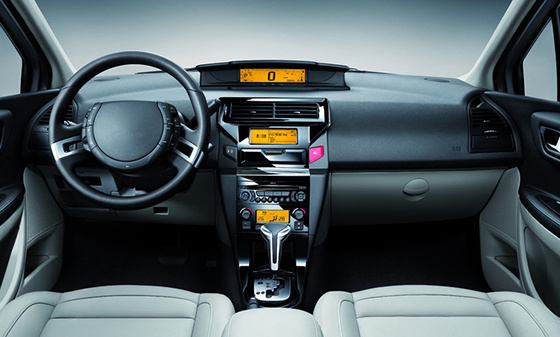 Automotive Electronic Testing
Automotive Parts Inspection
 Automotive ELV&VOC
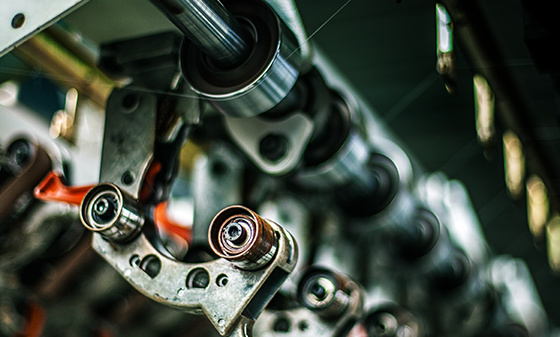 Reliability testing
 Temperature shock test
 Vibration testing
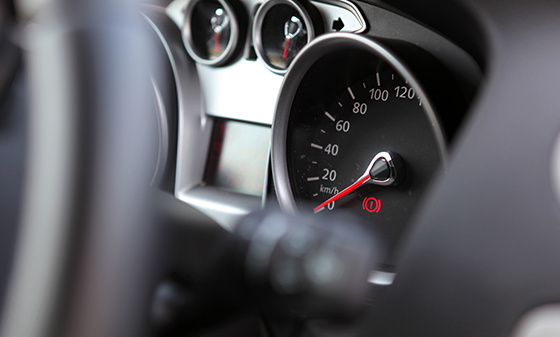 Instrument panel/instrument panel three comprehensive vibration test
 Comprehensive vibration test of door inner panel III
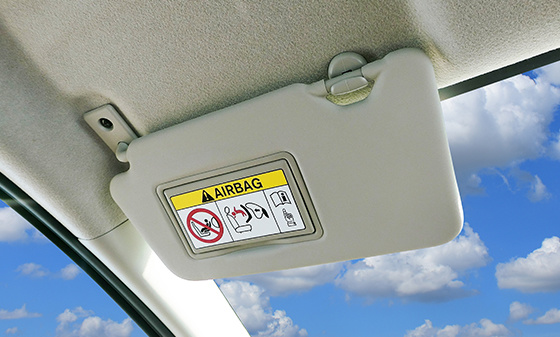 Sunvisor Three Comprehensive Vibration Test
 Spoiler Three Comprehensive Vibration Test
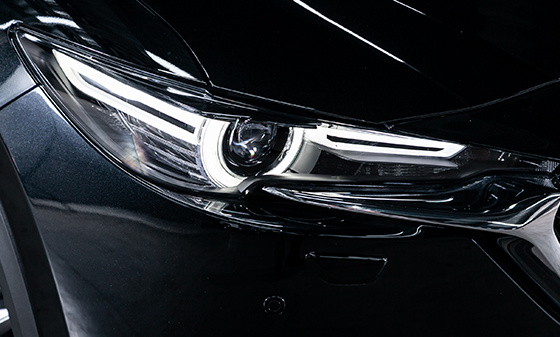 Three comprehensive vibration tests of car front and rear bumpers
 Three comprehensive vibration tests for lamp housing/lampshade
 Comprehensive vibration test of outer circumference three
 Automotive metal material testing
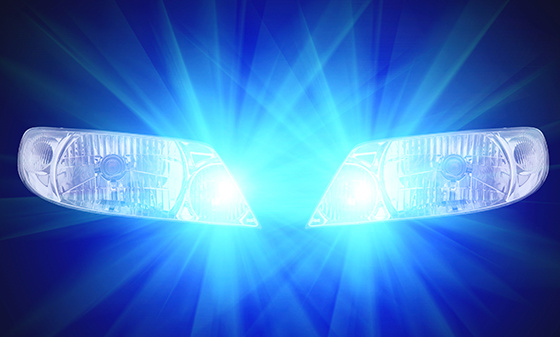 Performance testing of automotive lighting fixtures
 Rapid temperature change test
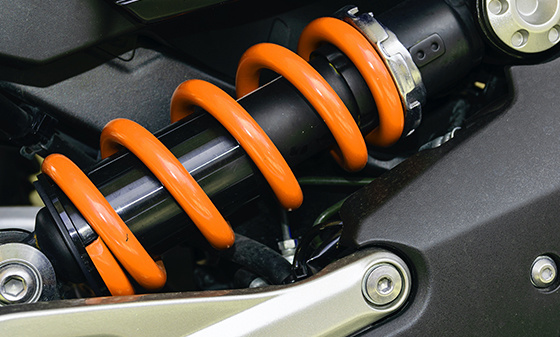 Vibration
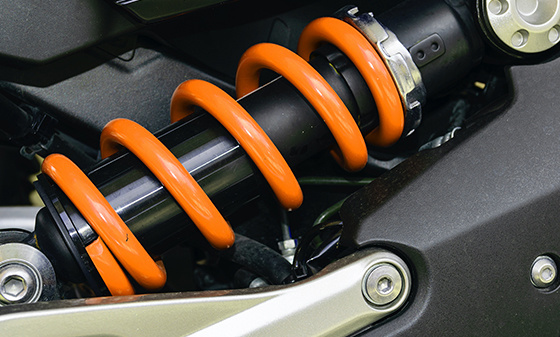 Common issues with vibration testing
 Common issues with fatigue testing
 Common issues with high and low temperature testing
 Conducted Interference (CE) - Suzhou Lixun Standard
 Electromagnetic Radiation Tolerance Test (RS) - Suzhou LCS Standard
 Electrical Fast Pulse Withstand Test (EFT) - Suzhou LCS Standard
 Voltage flicker test - Suzhou LCS standard
Electronic appliances
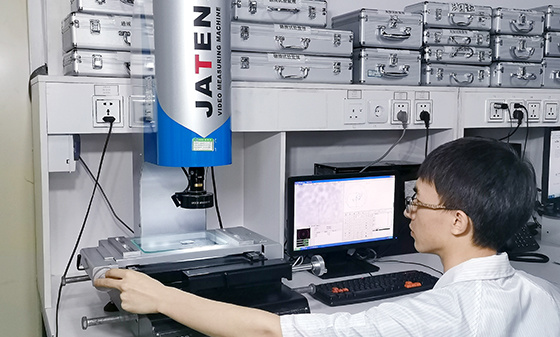 Household appliance product testing
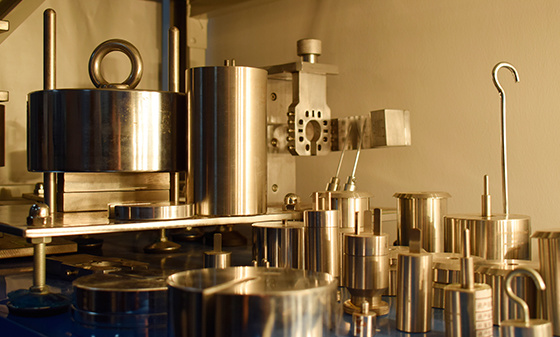 Electrical accessory product testing
 Household appliance testing
Chemical Testing
 Introduction to PFAS Testing
 MOSH/MOAH Mineral Oil Testing Service
 MOSH/MOAH Mineral Oil Testing and Certification Report Service
 Consumer Product Testing Services - WEEE Chapter
 Ecological textile testing
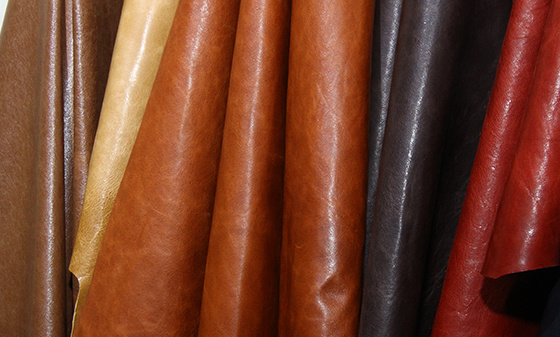 Leather Footwear Inspection
 Food contact material testing
 Testing of toys and baby products
 Hazardous substance testing
Electronic Cigarette Testing
 Electronic cigarette detection
Reliability testing
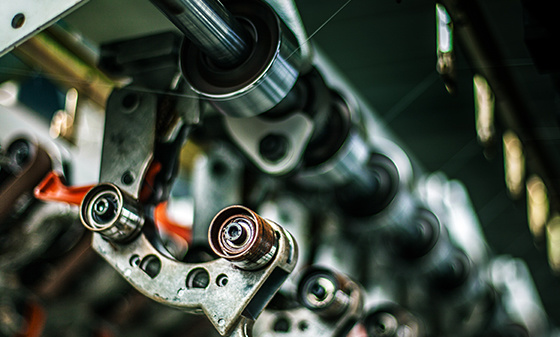 Other tests - pencil hardness test
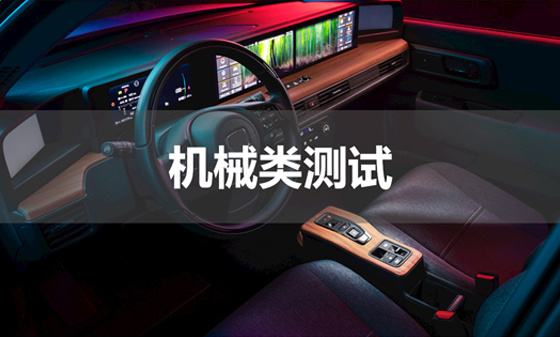 Mechanical testing - Packaging compression test
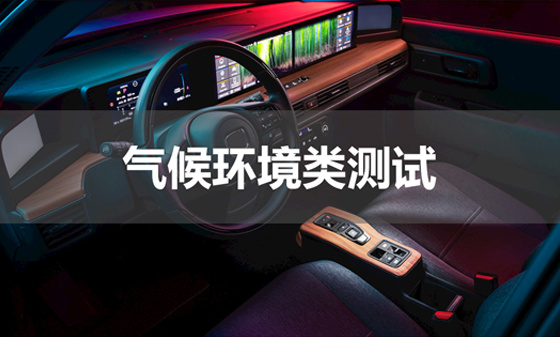 Climate environment testing - Xenon lamp aging test
Battery Testing
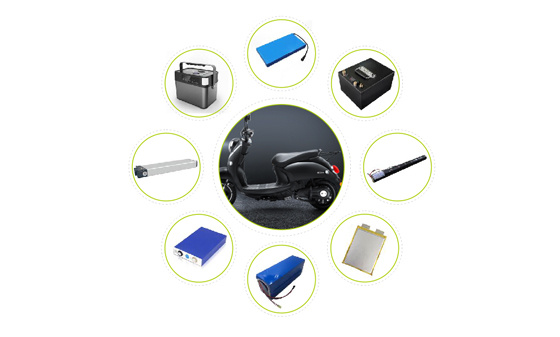 Power storage battery testing and certification
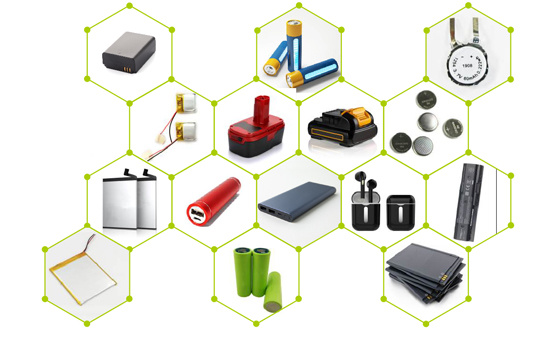 Consumer Electronics Battery Testing and Certification
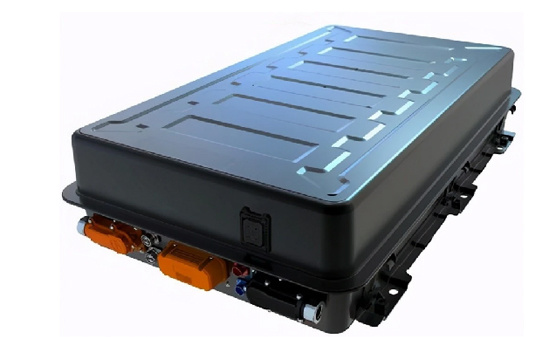 power battery
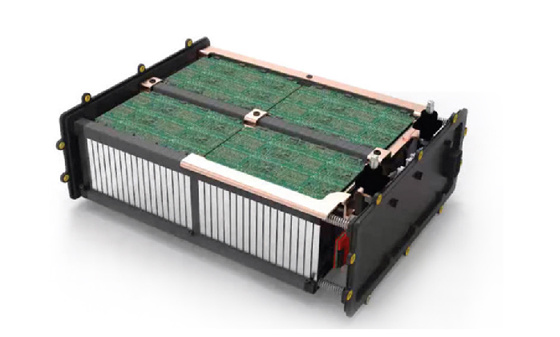 Light electric vehicle batteries
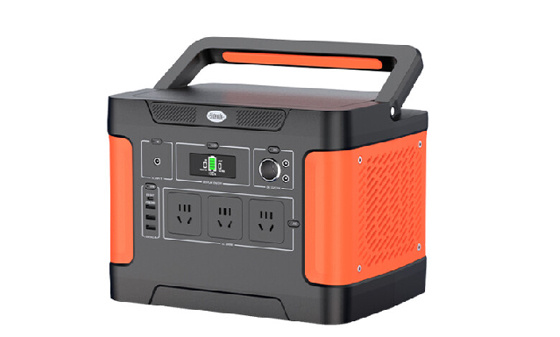 Energy storage battery
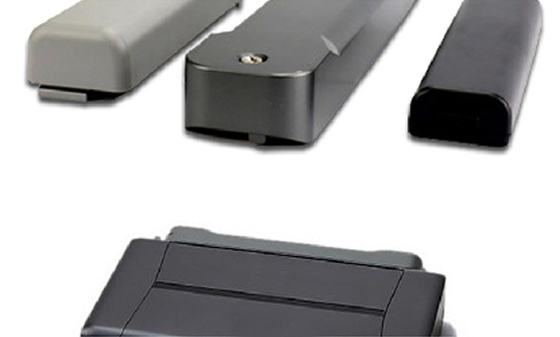 Portable battery
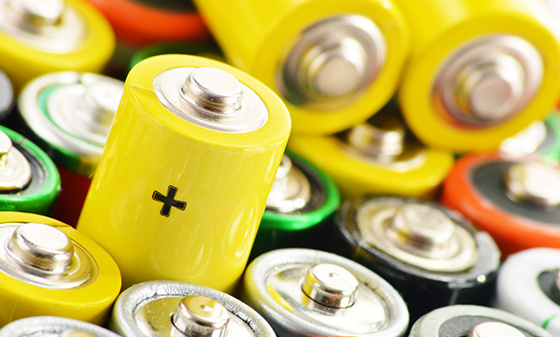 Battery testing
 battery test
Lamp Inspection
 Inspection of ship lighting fixtures
 COI Index Test for Medical Indoor Lighting
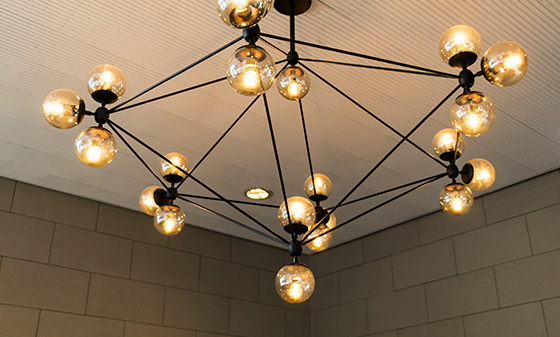 Lamp safety inspection
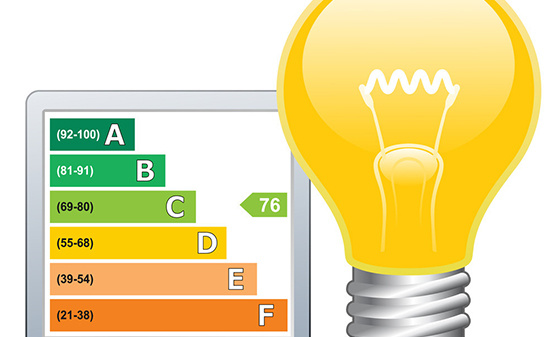 Luminaire energy efficiency testing
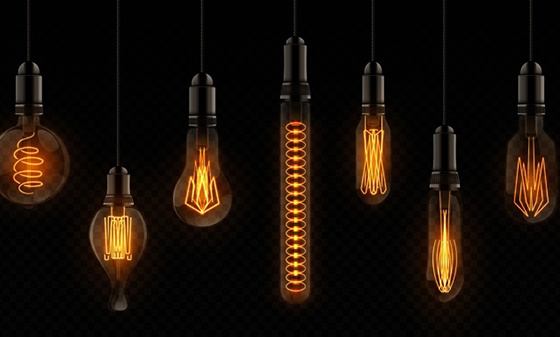 EMC testing of lighting fixtures
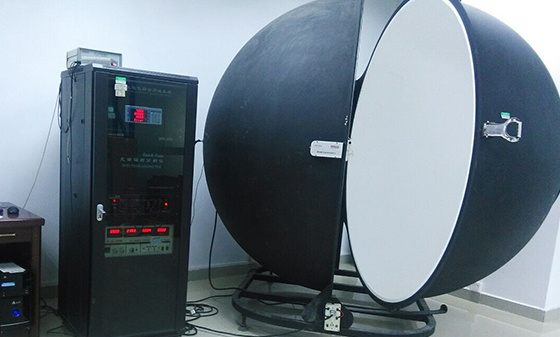 Integral Ball Laboratory
 Photobiology Experiment
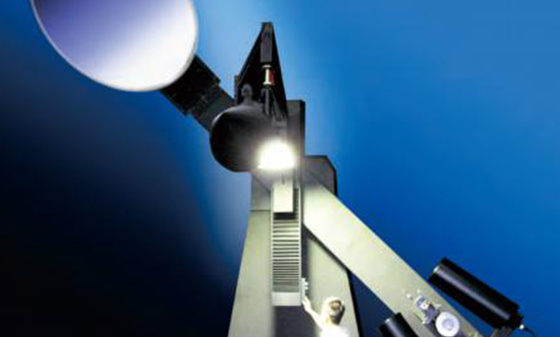 Light distribution test
 Lamp aging test
 Lamp IP waterproof
 Lamp performance testing
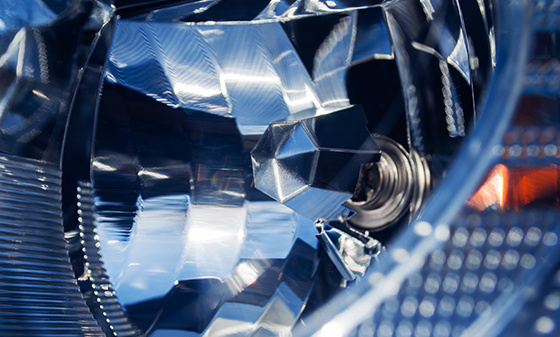 Lamp reliability testing
Children's toy testing
 Testing standards for toy products
China Certification
 China's "national promotion" RoHS certification
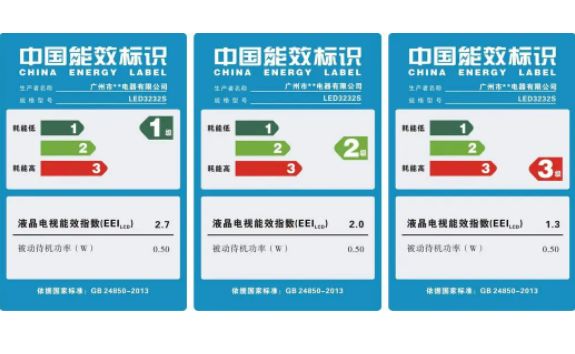 China Energy Efficiency Label Certification
 China Energy Conservation Certification
 China CQC Certification
 Tmall JD Quality Inspection Report
 China SRRC Certification
 Taiwan BSMI certification
 Taiwan NCC certification
 China CCC Compulsory Certification
Asia Certification
 Vietnam certification
 KC certification
 KUCAS Certification in Kuwait
 Singapore PSB certification
 Iraq COC Certification
 IMDA certification
 VCCI Certification in Japan
 JATE certification in Japan
 PSE certification
 BIS certification
 Japanese TELEC certification
European Certification
 RoHS certification
 GOST certification in Russia
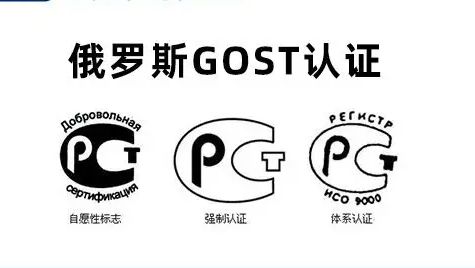 Russian EAC certification
 Northern Ireland UKNI logo
 Electrical ENEC certification
 European D-MARK certification
 Türkiye BTK certification
 TSE certification in Türkiye
 CE certification in Türkiye
 RED certification
 German TUV-SUD certification
 CE-ERP certification
 REACH certification
 German GS certification
 EU E-Mark certification
North American Certification
 Ecuador VOC certification
 Mexico NOM certification
 IRAM certification
 CPSC Certification in the United States
 CSA certification
 ASTM certification
 FDA certification
 CEC certification
 ETL certification
 ul certification
 IC certification
 Energy Star
 FCC Certification in the United States
 ASTM certification
Middle East Certification
 Israel SII certification
 Saudi SABER certification
 GCC certification for the seven Gulf countries
 Iran COI certification
 Qatar COC Certification
 Iraq COC Certification
 Saudi EER Energy Efficiency Certification
 Saudi SABER certification
 Algeria PCA certification
 PVOC certification
Australia Certification
 New Zealand IC-F testing
 VEET certification
 LCP certification
 GEMS certification
 RCM certification
 C-Tick certification
 SAA certification
Africa Certification
 Gabon COC certification
 Algeria COC certification

 Ethiopian VOC and COC certification
 Mauritius VOC certification
 Ghana COC certification
 COC certification in Burundi
 Zambia COC certification
 Botswana COC Certification
 Uganda PVOC certification
 SABS certification in South Africa
 South African LOA certification
 Zimbabwe CBCA Certification
 Nigeria SONCAP certification
 Kenya PVOC certification
 African COC certification
Other certifications
 WEEE
WEEE
 Bluetooth BQB certification
 IECEE registration
 MHRA registration in the UK
TRAINING
 Management system training
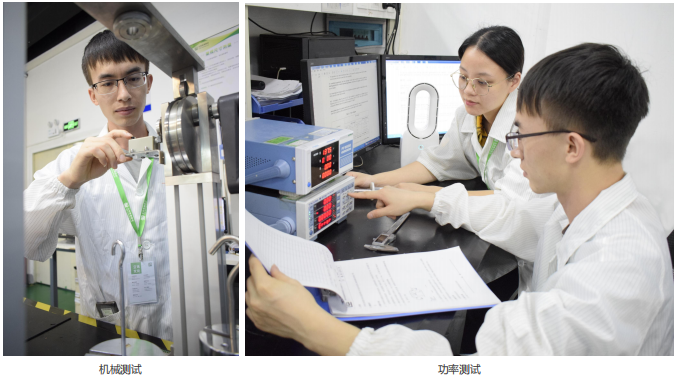 Laboratory technical training
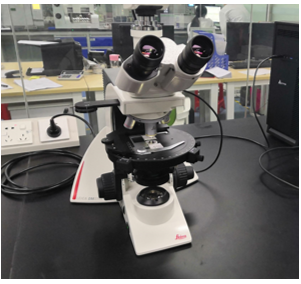 Laboratory Process Consulting
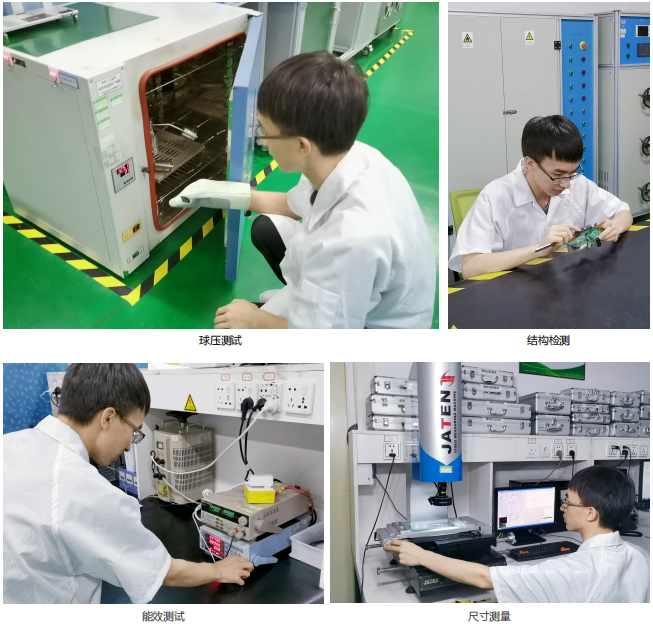 Laboratory decoration construction
Wireless Communication
Electromagnetic compatibility
Automotive Electronics
Automotive Parts Inspection
Electronic appliances
Chemical Testing
Electronic Cigarette Testing
Reliability testing
Battery Testing
Lamp Inspection
Children's toy testing
China Certification
Asia Certification
European Certification
North American Certification
Middle East Certification
Australia Certification
Africa Certification
Other certifications
TRAINING
Wireless Communication
Electromagnetic compatibility
Automotive Electronics
Automotive Parts Inspection
Electronic appliances
Chemical Testing
Electronic Cigarette Testing
Reliability testing
Battery Testing
Lamp Inspection
Children's toy testing
China Certification
Asia Certification
European Certification
North American Certification
Middle East Certification
Australia Certification
Africa Certification
Other certifications
TRAINING
Wireless Communication
Electromagnetic compatibility
Automotive Electronics
Automotive Parts Inspection
Electronic appliances
Chemical Testing
Electronic Cigarette Testing
Reliability testing
Battery Testing
Lamp Inspection
Children's toy testing
China Certification
Asia Certification
European Certification
North American Certification
Middle East Certification
Australia Certification
Africa Certification
Other certifications
TRAINING
Wireless Communication
Electromagnetic compatibility
Automotive Electronics
Automotive Parts Inspection
Electronic appliances
Chemical Testing
Electronic Cigarette Testing
Reliability testing
Battery Testing
Lamp Inspection
Children's toy testing
China Certification
Asia Certification
European Certification
North American Certification
Middle East Certification
Australia Certification
Africa Certification
Other certifications
TRAINING
Wireless Communication
Electromagnetic compatibility
Automotive Electronics
Automotive Parts Inspection
Electronic appliances
Chemical Testing
Electronic Cigarette Testing
Reliability testing
Battery Testing
Lamp Inspection
Children's toy testing
China Certification
Asia Certification
European Certification
North American Certification
Middle East Certification
Australia Certification
Africa Certification
Other certifications
TRAINING
Wireless Communication
Electromagnetic compatibility
Automotive Electronics
Automotive Parts Inspection
Electronic appliances
Chemical Testing
Electronic Cigarette Testing
Reliability testing
Battery Testing
Lamp Inspection
Children's toy testing
China Certification
Asia Certification
European Certification
North American Certification
Middle East Certification
Australia Certification
Africa Certification
Other certifications
TRAINING

Solutions
-
-
-
Automotive interior and exterior trim - Environmental testing
-
Automotive interior and exterior decorations (electronic and electrical components) - IP protection
-
Automotive electronic and electrical components - Electrical performance
-
Automotive interior and exterior trims - Mechanical performance testing
Contact Us
National 24-hour service hotline
400-116-2629
Group Headquarters
E-mail: webmaster@lcs-cert.com
Address: Shenzhen City, Baoan District, Shajing Street, Nga side of the school of Wei Juji Industrial Park, Building A 1 ~ 2 floor, Building C 3 floor
Durability test
Simulate the state of the product near the end of its lifespan to see if it can still function normally
Durability testing is an important part of product reliability testing, mainly used to simulate the state of a product approaching the end of its design life after long-term use, and verify whether it can still maintain basic functions or fail safely. The following is a detailed analysis of the experiment:
1. Core purpose
Failure Mode Analysis: Capture potential performance degradation at the end of product life, such as mechanical wear, material aging, and decreased battery capacity.
Security boundary verification: Ensure that even if the product exceeds its design life, there will be no dangerous failures (such as explosions, electrical leakage).
Data driven design: Through end-of-life fault data, reverse optimize product design or maintenance strategies (such as regular maintenance cycles for aircraft engines).
2. Advanced Experimental Methods
(1) Accelerated Life Testing (ALT)
Stress type: Accelerated aging by increasing temperature (Arrhenius model), increasing load (such as motor overspeed testing), humidity cycling, etc.
Mathematical modeling: Using statistical models such as Weibull distribution and log normal distribution to calculate the lifespan in actual usage environments.
Case: A mobile phone battery is charged and discharged at a 2C rate at a high temperature of 45 ℃, simulating the capacity retention rate after 5 years of use.
(2) Extreme condition superposition test
Composite stress testing: Simultaneously apply vibration, high temperature, and voltage fluctuations to simulate harsh usage environments (such as the working conditions of off-road vehicle electronic systems in the desert).
Failure threshold test: Gradually increase the stress until the product fails, and determine the safety margin (such as gradually increasing the bearing speed from 120% of the rated value to fracture).
3. Industry specific cases
New energy vehicles:
The power battery pack undergoes 2000 deep cycle (100% DOD) tests, requiring a capacity decay of ≤ 20%.
The motor system runs continuously for 500 hours under full load conditions, monitoring the decreasing trend of insulation resistance.
medical apparatus and instruments:
After simulating the use of a pacemaker for 10 years, verify whether the remaining power of the lithium battery can sustain emergency power supply for at least 3 months.
The joint repeat positioning accuracy test of the surgical robot shows that the error still needs to be less than 0.1mm after 100000 operations.
Aerospace:
The aviation hydraulic actuator completes 50000 stroke tests in temperature alternation of -55 ℃~125 ℃, and the seal is not allowed to leak.
The deployment reliability of the satellite solar panel deployment mechanism after simulating 15 years of equivalent radiation aging in a vacuum environment.
4. Failure criteria and data analysis
Hard failure: complete loss of function (such as circuit board burnout).
Soft failure: Performance parameters exceed the allowable range (such as display screen brightness attenuation of 30%, mechanical arm positioning error exceeding 0.5mm).
Data collection: Real time monitoring using high-precision sensors (temperature, vibration, current), combined with AI algorithms to predict failure points.
Weibull analysis example: Determine failure mode through β value (β<1 indicates early failure, β>1 indicates wear period failure).
5. Standards and regulations
Automobile: IEC 60068-2-64 (vibration), SAE J1211 (environmental durability)
Electronics: JEDEC JESD22-A104 (temperature cycling), MIL-STD-810G (military equipment)
Medical: ISO 14708-1 (implantable medical devices), IEC 60601-1 (medical electrical equipment)
6. Economic trade-off
Testing cost optimization: Design an efficient testing plan with the minimum sample size using Taguchi method.
Acceleration factor calculation: An accurate acceleration model can reduce experimental time (such as the Arrhenius model halving the lifespan for every 10 ℃ increase).
Failure cost analysis: Compare early testing investment with after-sales recall losses to guide decision-making on testing depth.
7. Integration of cutting-edge technologies
Digital twin: Establish a virtual model of the product and predict the remaining lifespan based on real-time sensor data.
PHM (Prognostics and Health Management): Train an AI health prediction model using durability test data.
HALT/HASS: Combining high acceleration life testing with stress screening to quickly expose design defects.
Through systematic durability testing, enterprises can not only meet compliance requirements, but also fundamentally enhance product competitiveness - data shows that for every $1 invested in reliability testing, a loss of $5-10 in the after-sales stage can be avoided (data source: American Society for Quality (ASQ)). In emerging fields such as smart hardware and new energy, end-of-life reliability has become a key indicator for product differentiation.
Large-scale experimental base
Professional Lab
Analysis Method
Testing/year


 WeChat Inquiry


 Reservation


Contact Us
National 24-hour service hotline
Address:Juji Industrial Park, Xueziwei, Ngabian, Shajing Street, Baoan District, Shenzhen Building A 1~2F, Building C 3F

WeChat public number
Share industry dry goods

WeChat consultation
Please note consulting services

Follow Jitterbug

Mobile website
di complaint mailbox: customer.complaint@lcs-cert.com complaint telephone tel: 18126445450 certificate report verification of authenticity mailbox: verification@lcs-cert.com