

Wireless Communication
 EU RED Network Security Standard EN 18031
 Wireless and communication detection
 Mobile communication product certification
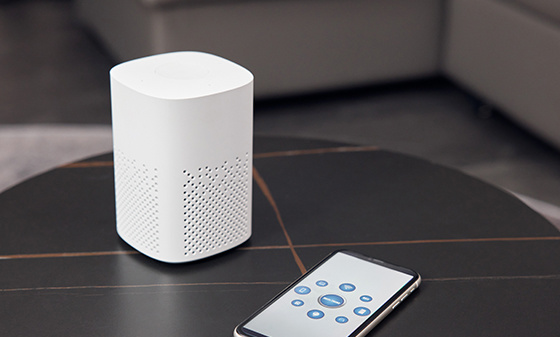 Bluetooth BQB Product Certification
 FM/AM Product Certification
 WiFi Product Certification
 Wireless charging product certification
 Interphone product certification
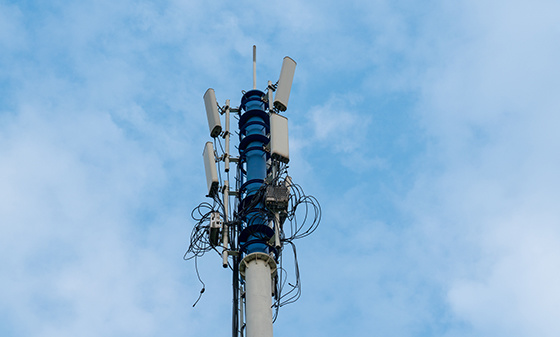 Base station certification
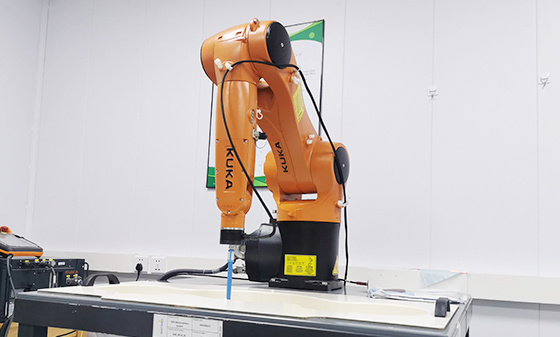 SAR testing
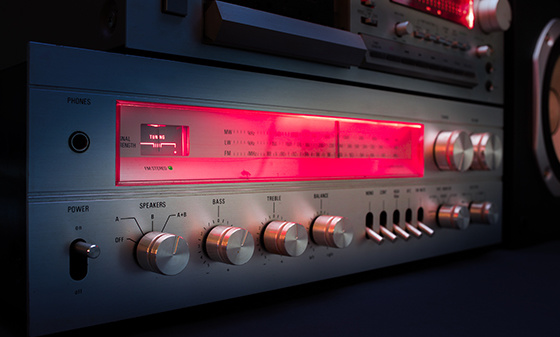 Receiver Product Certification
 5G NR Product Certification
 UWB Product Certification
 Internet of Things authentication
Electromagnetic compatibility
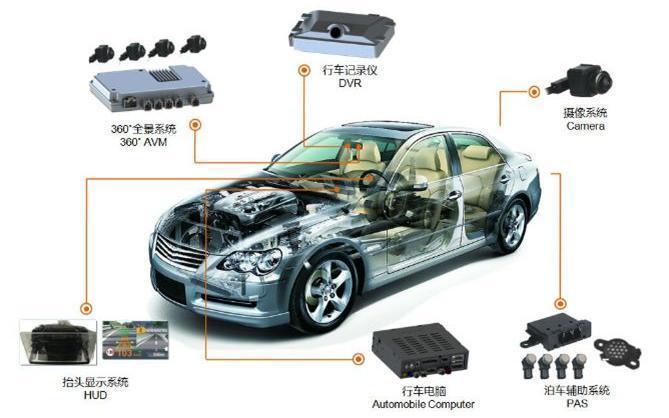 Automotive Electronics EMC Testing
 EMC rectification
 EMC
Automotive Electronics
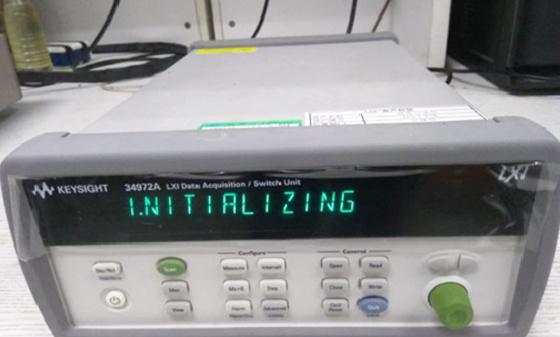 Electrical performance testing
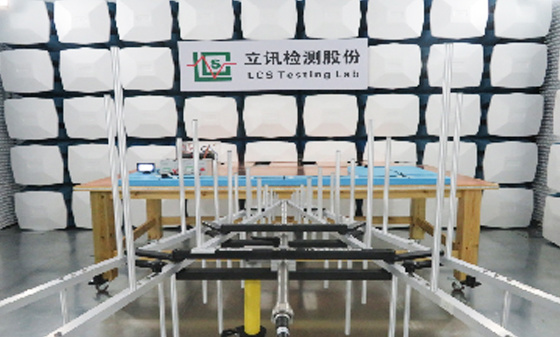
 EMS testing - radiation anti-interference testing system (including radar waves)
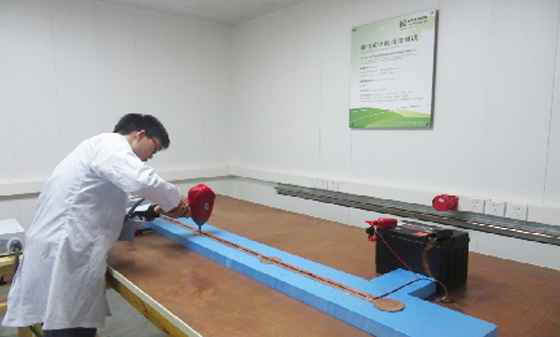
 EMS Testing - Electrostatic Discharge
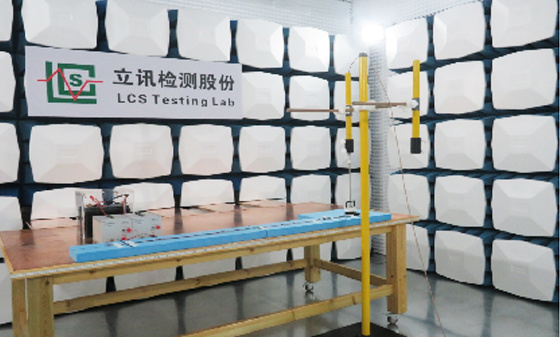 EMS Test - Transient Conducted Immunity Test
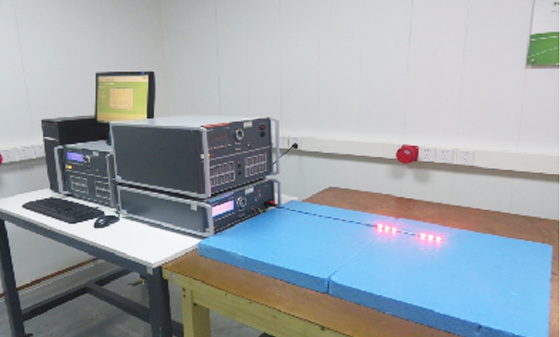 EMS Testing - Portable Transmitter Immunity
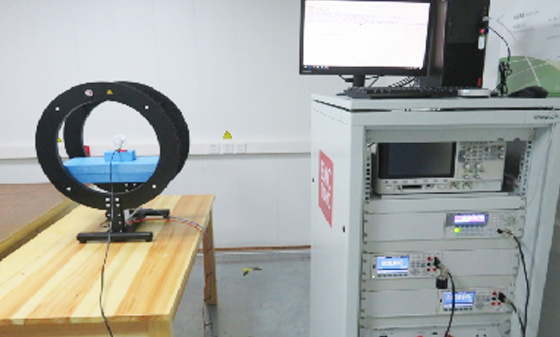 EMS Test - High Current Injection (BCI) Test
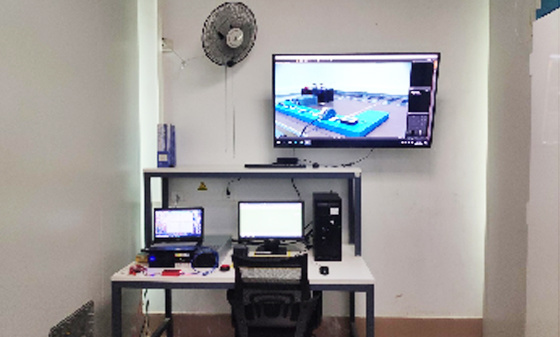 EMS test - low-frequency magnetic field anti-interference test
 EMI Testing - Transient Conducted Emissions Testing System
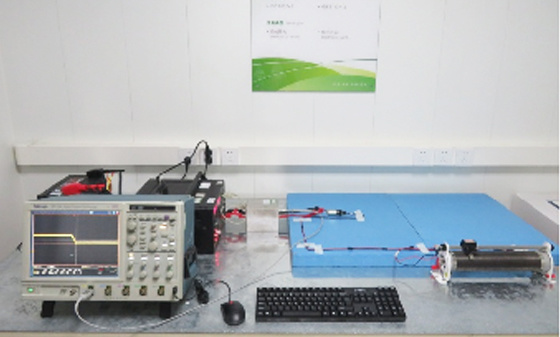 EMI testing - low-frequency magnetic field emission
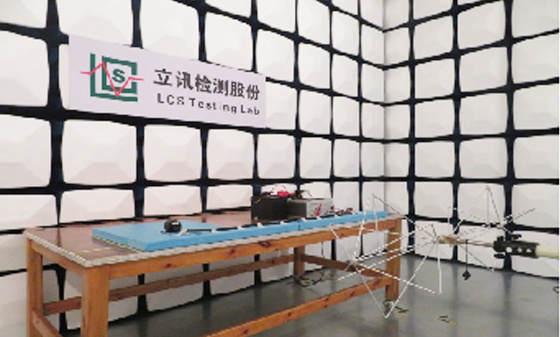 EMI Test - Radiation Emission Test
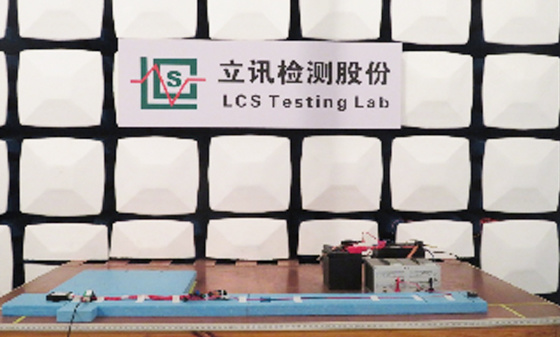 EMI Test - Conducted Emissions Test
 Automotive Electronic Testing
Automotive Parts Inspection
 Automotive ELV&VOC
 Reliability testing
 Temperature shock test
 Vibration testing
 Instrument panel/instrument panel three comprehensive vibration test
 Comprehensive vibration test of door inner panel III
 Sunvisor Three Comprehensive Vibration Test
 Spoiler Three Comprehensive Vibration Test
 Three comprehensive vibration tests of car front and rear bumpers
 Three comprehensive vibration tests for lamp housing/lampshade
 Comprehensive vibration test of outer circumference three
 Automotive metal material testing
 Performance testing of automotive lighting fixtures
 Rapid temperature change test
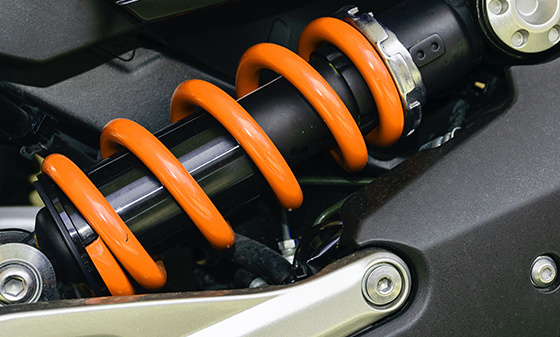 Vibration
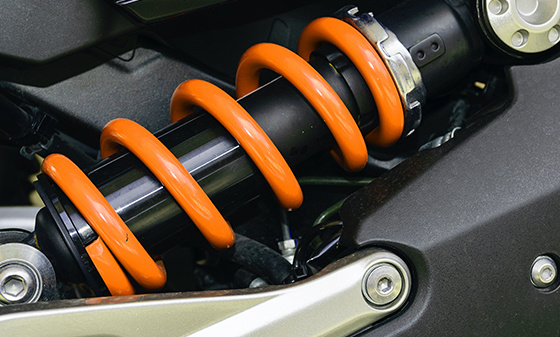 Common issues with vibration testing
 Common issues with fatigue testing
 Common issues with high and low temperature testing
 Conducted Interference (CE) - Suzhou Lixun Standard
 Electromagnetic Radiation Tolerance Test (RS) - Suzhou LCS Standard
 Electrical Fast Pulse Withstand Test (EFT) - Suzhou LCS Standard
 Voltage flicker test - Suzhou LCS standard
Electronic appliances
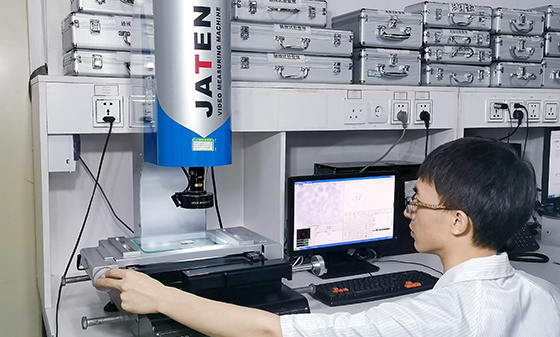 Household appliance product testing
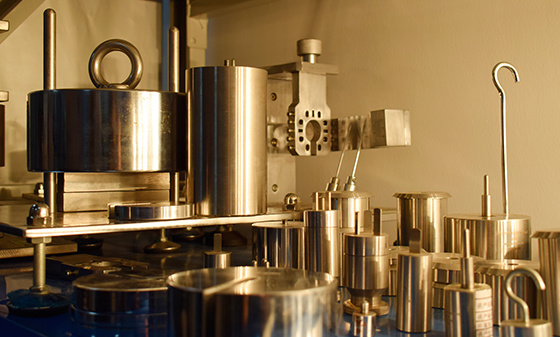 Electrical accessory product testing
 Household appliance testing
Chemical Testing
 Introduction to PFAS Testing
 MOSH/MOAH Mineral Oil Testing Service
 MOSH/MOAH Mineral Oil Testing and Certification Report Service
 Consumer Product Testing Services - WEEE Chapter
 Ecological textile testing
 Leather Footwear Inspection
 Food contact material testing
 Testing of toys and baby products
 Hazardous substance testing
Electronic Cigarette Testing
 Electronic cigarette detection
Reliability testing
 Other tests - pencil hardness test
 Mechanical testing - Packaging compression test
 Climate environment testing - Xenon lamp aging test
Battery Testing
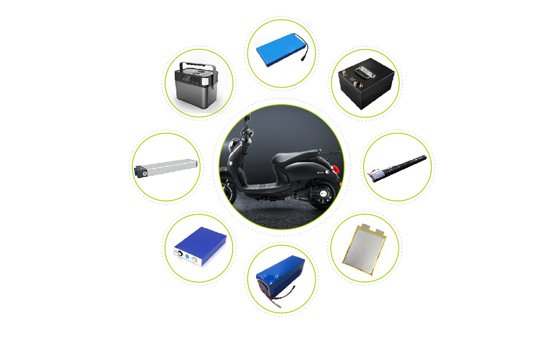 Power storage battery testing and certification
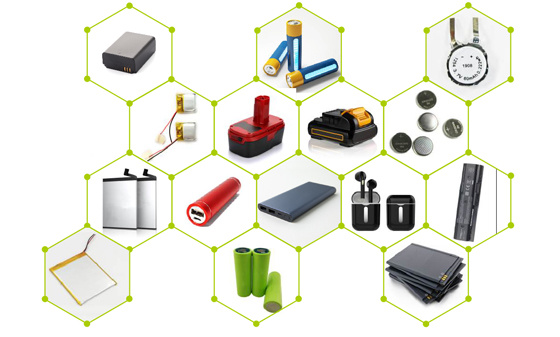 Consumer Electronics Battery Testing and Certification
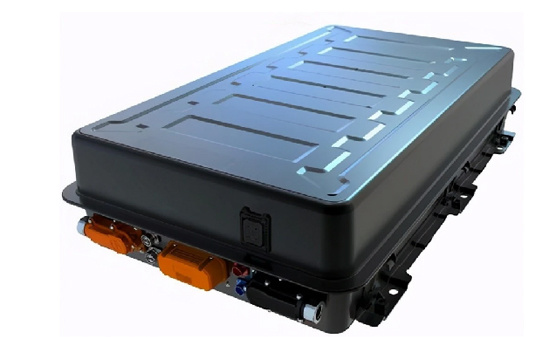 power battery
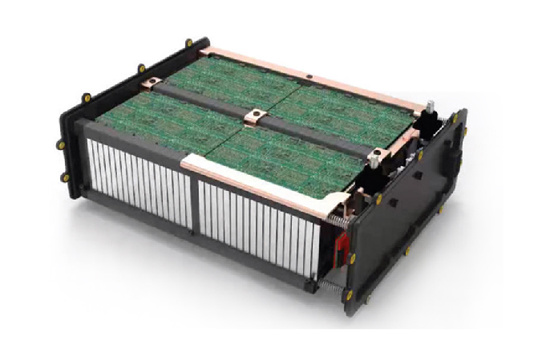 Light electric vehicle batteries
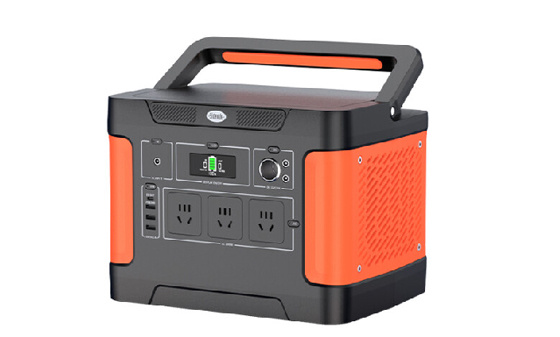 Energy storage battery
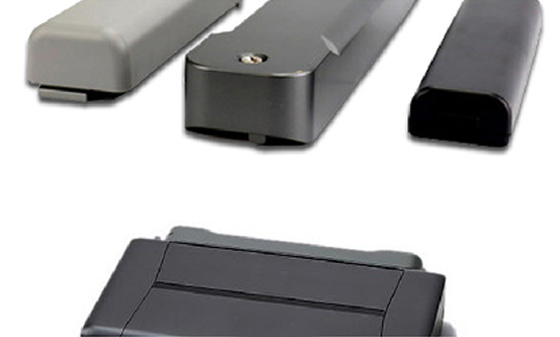 Portable battery
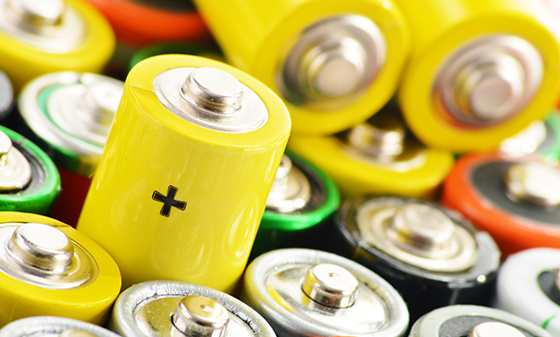 Battery testing
 battery test
Lamp Inspection
 Inspection of ship lighting fixtures
 COI Index Test for Medical Indoor Lighting
 Lamp safety inspection
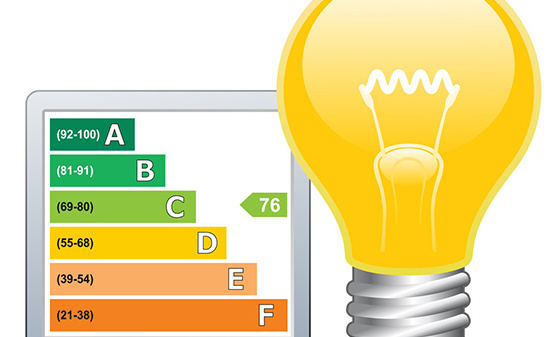 Luminaire energy efficiency testing
 EMC testing of lighting fixtures
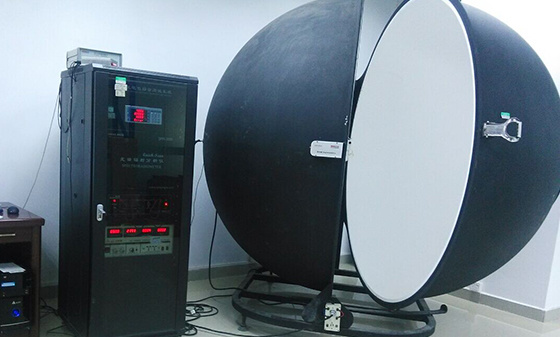 Integral Ball Laboratory
 Photobiology Experiment
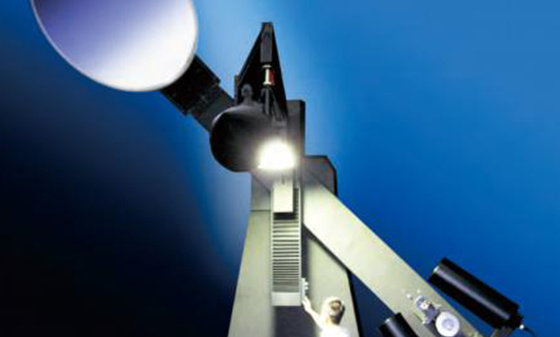 Light distribution test
 Lamp aging test
 Lamp IP waterproof
 Lamp performance testing
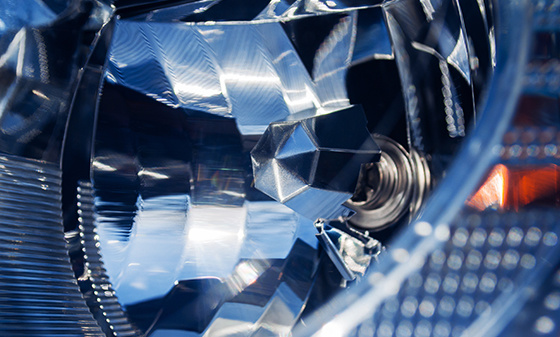 Lamp reliability testing
Children's toy testing
 Testing standards for toy products
China Certification
 China's "national promotion" RoHS certification
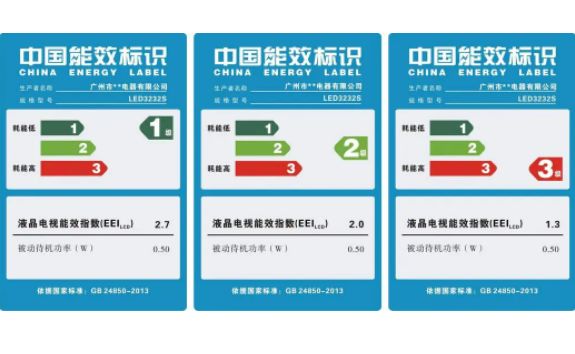 China Energy Efficiency Label Certification
 China Energy Conservation Certification
 China CQC Certification
 Tmall JD Quality Inspection Report
 China SRRC Certification
 Taiwan BSMI certification
 Taiwan NCC certification
 China CCC Compulsory Certification
Asia Certification
 Vietnam certification
 KC certification
 KUCAS Certification in Kuwait
 Singapore PSB certification
 Iraq COC Certification
 IMDA certification
 VCCI Certification in Japan
 JATE certification in Japan
 PSE certification
 BIS certification
 Japanese TELEC certification
European Certification
 RoHS certification
 GOST certification in Russia
 Russian EAC certification
 Northern Ireland UKNI logo
 Electrical ENEC certification
 European D-MARK certification
 Türkiye BTK certification
 TSE certification in Türkiye
 CE certification in Türkiye
 RED certification
 German TUV-SUD certification
 CE-ERP certification
 REACH certification
 German GS certification
 EU E-Mark certification
North American Certification
 Ecuador VOC certification
 Mexico NOM certification
 IRAM certification
 CPSC Certification in the United States
 CSA certification
 ASTM certification
 FDA certification
 CEC certification
 ETL certification
 ul certification
 IC certification
 Energy Star
 FCC Certification in the United States
 ASTM certification
Middle East Certification
 Israel SII certification
 Saudi SABER certification
 GCC certification for the seven Gulf countries
 Iran COI certification
 Qatar COC Certification
 Iraq COC Certification
 Saudi EER Energy Efficiency Certification
 Saudi SABER certification
 Algeria PCA certification
 PVOC certification
Australia Certification
 New Zealand IC-F testing
 VEET certification
 LCP certification
 GEMS certification
 RCM certification
 C-Tick certification
 SAA certification
Africa Certification
 Gabon COC certification
 Algeria COC certification

 Ethiopian VOC and COC certification
 Mauritius VOC certification
 Ghana COC certification
 COC certification in Burundi
 Zambia COC certification
 Botswana COC Certification
 Uganda PVOC certification
 SABS certification in South Africa
 South African LOA certification
 Zimbabwe CBCA Certification
 Nigeria SONCAP certification
 Kenya PVOC certification
 African COC certification
Other certifications
 WEEE
 Bluetooth BQB certification
 IECEE registration
 MHRA registration in the UK
TRAINING
 Management system training
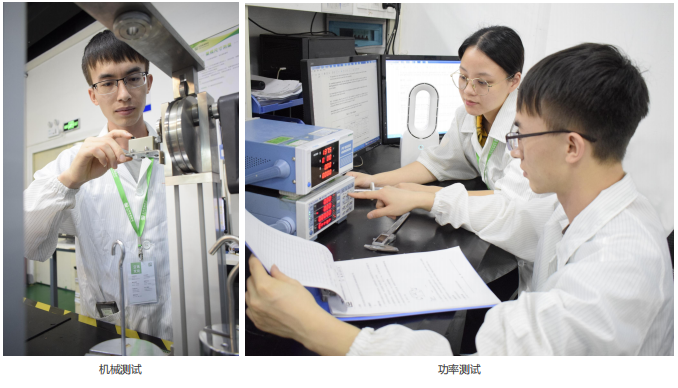 Laboratory technical training
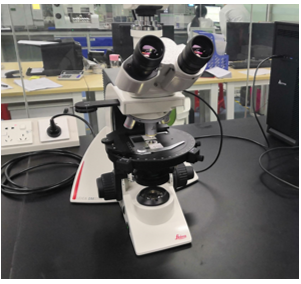 Laboratory Process Consulting
 Laboratory decoration construction
Wireless Communication
Electromagnetic compatibility
Automotive Electronics
Automotive Parts Inspection
Electronic appliances
Chemical Testing
Electronic Cigarette Testing
Reliability testing
Battery Testing
Lamp Inspection
Children's toy testing
China Certification
Asia Certification
European Certification
North American Certification
Middle East Certification
Australia Certification
Africa Certification
Other certifications
TRAINING

Solutions
-
-
-
Automotive interior and exterior trim - Environmental testing
-
Automotive interior and exterior decorations (electronic and electrical components) - IP protection
-
Automotive electronic and electrical components - Electrical performance
-
Automotive interior and exterior trims - Mechanical performance testing
Contact Us
National 24-hour service hotline
400-116-2629
Group Headquarters
E-mail: webmaster@lcs-cert.com
Address: Shenzhen City, Baoan District, Shajing Street, Nga side of the school of Wei Juji Industrial Park, Building A 1 ~ 2 floor, Building C 3 floor
POPs testing for persistent organic pollutants
Persistent organic pollutants (POPs) refer to organic chemicals that persist in the environment, have a long half-life, and can accumulate through the food web, causing adverse effects on human health and the environment.
Persistent organic pollutants have environmental persistence, bioaccumulation, long-distance migration ability, and high toxicity, which can cause large-scale and long-term harm to humans and wildlife, cause disruption of the human endocrine system, damage the reproductive and immune systems, and induce cancer and neurological diseases. To address the global issue of persistent pollutants, the Stockholm Convention was adopted by the international community on May 22, 2001.
On July 3, 2007, China officially launched the National Implementation Plan (NIP) to implement the Stockholm Convention on Persistent Organic Pollutants (POPs).
The National Implementation Plan stipulates that the first batch of 12 persistent organic pollutants to be eliminated are: aldrin, dieldrin, endrin, DDT, heptachlor, chlordane, mirex, toxaphene, hexachlorobenzene, polychlorinated biphenyls, dioxins, and furans. China will reduce, phase out, and control the 12 persistent organic pollutants listed in the controlled list of the Convention in stages, regions, and industries. According to the National Implementation Plan, by 2015, China needs to invest a total of 34 billion yuan in the field of persistent organic pollutant control, supporting 17 types of activities in five major fields.
The properties of POPs can generally be summarized as follows:
• High toxicity
POPs can also cause harm to organisms at low concentrations. For example, the toxicity of the most toxic dioxins is more than 1000 times that of potassium cyanide, making them one of the most toxic compounds in the world. Each person can tolerate a daily intake of 1pg of dioxins per kilogram of body weight. The 2,3,7,8-TCDD in dioxins can kill guinea pigs in just a few tens of micrograms, Continuous feeding of several micrograms per kilogram of body weight for several days can cause miscarriage in pregnant monkeys. POPs also have a biological amplification effect, and they can gradually accumulate into high concentrations through the biological chain, causing greater harm.
• Persistence
POPs have resistance to photolysis, chemical decomposition, and biodegradability. For example, the half-life of dioxin series substances is 8-400 days in the gas phase, 166 to 2119 days in the water phase, and approximately 17 to 273 years in soil and sediment.
• Accumulation
POPs have high lipophilicity and hydrophobicity, and can accumulate in the adipose tissue of living organisms, posing a threat to human health through the food chain.
High liquidity
POPs can spread over long distances through wind and water flow. POPs are generally semi volatile substances that can evaporate into the atmosphere at room temperature. Therefore, they can enter the atmospheric environment in the form of vapor from water or soil or attach to particulate matter in the atmosphere. Due to their persistence, they can migrate over long distances in the atmospheric environment without being completely degraded. However, their semi volatility prevents them from permanently staying in the atmosphere. They will settle down under certain conditions and then evaporate under certain conditions. Repeated volatilization and sedimentation can lead to the dispersion of POPs in various parts of the Earth. Because POPs of this nature are easy to migrate from warmer places to colder places, POPs pollution has been found in places far away from pollution sources such as the Arctic.
According to the International POPs Convention, persistent organic pollutants are classified into three categories: insecticides, industrial chemicals, and by-products in production:
1. Insecticides:
(1) Aldrin: Applied to soil to remove termites, grasshoppers, pumpkin leaf beetles, and other insects. Production began in 1949 and has been banned by 72 countries and restricted by 10 countries.
(2) Chlordane: Control termites and fire ants, used as a broad-spectrum insecticide in various crops and residential lawns. Production began in 1945 and has been banned by 57 countries and restricted by 17 countries.
(3) DDT: Once used as a pesticide and insecticide, but currently used to prevent and control diseases transmitted by mosquitoes and flies. It was produced in 1942 and has been banned in 65 countries and restricted in 26 countries.
(4) Dieldrin: used to control termites, textile pests, and tropical mosquito and fly borne diseases. Partially used in agriculture, it was produced in 1948 and prohibited in 67 countries, with restrictions in 9 countries.
(5) Endrin: Spraying insecticides on leaves of crops such as cotton and grains, also used to control rodents. Production began in 1951 and has been banned by 67 countries and restricted by 9 countries.
(6) Heptachlor: Used to kill fire ants, termites, grasshoppers, crop diseases and insect pests, as well as carriers of diseases such as mosquitoes and flies. Production began in 1948 and has been banned by 59 countries and restricted by 11 countries.
(7) Hexachlorobenzene (HCB): First used for seed treatment, it is a fungicide for food crops and has been banned in 59 countries and restricted in 9 countries.
(8) Mirex: used to kill fire ants, termites, and other ants, has been banned in 52 countries and restricted in 10 countries.
(9) Toxaphene: Insecticide for cotton, grains, fruits, nuts, and vegetables, produced in 1948 and prohibited by 57 countries and restricted by 12 countries.
2. Industrial Chemicals:
Including polychlorinated biphenyls (PCBs) and hexachlorobenzene (HCB).
(1) PCBs: Used in electrical equipment such as transformers, capacitors, liquid-filled high-voltage cables, fluorescent lighting rectifiers, as well as in paints and plastics, they are a thermal exchange medium.
(2) HCB: Intermediate in chemical production.
3. Byproducts in production:
Dioxins and furans, their sources:
(1) Incomplete combustion and pyrolysis, including the incineration of urban garbage, hospital waste, wood and waste furniture, automobile exhaust, non-ferrous metal production, casting and coking, power generation, cement, lime, bricks, ceramics, glass and other industries, as well as accidents related to the release of PCBs.
(2) The use of chlorinated compounds, such as chlorophenols, PCBs, chlorophenyl ether pesticides, and mycophenols.
(3) Chlor-alkali industry.
(4) Pulp bleaching.
(5) Food pollution, bioconcentration in the food chain, migration of paper packaging materials, and accidental accidents cause food pollution.
International control of POPs: prohibit and restrict production, use, import and export, anthropogenic emissions, and manage waste and inventory containing POPs.
EU Persistent Organic Pollutants (POPs) Regulation (EC) No850/2004
The European Union issued POPs Regulation (EC) No 850/2004 in 2004, proposing specific control measures for POPs within the EU. And in recent years, it has been revised multiple times to include multiple POPs in the regulatory control scope. Please refer to Appendix I - EU POPs Related Restriction Requirements for details.
In recent years, there have been multiple cases of POPs recall in the European Union, and enterprises need to attach great importance to the restrictive requirements of this regulation, promptly investigate and reduce POPs in products, to ensure the smooth entry of products into the EU market.
The new EU POPs regulations come into effect on July 15th. The revised version of EU 2019/1021 will replace the old regulation EU850/2004
On June 25, 2019, the revised version of the EU POPs Persistent Organic Pollutants Regulations, EU 2019/1021, was published in the Official Journal of the European Union. Its purpose is to make it clearer, more transparent, and consistent with the legislation of other relevant alliances. The new regulations will come into effect on July 15, 2019, and the previous POPs regulation EU 850/2004 will be abolished.
The new regulation clarifies the definition and is consistent with REACH 1907/2006 and the Waste Framework Directive 2008/98/EC, particularly with the definitions of substances, mixtures (previously used as "formulations"), and items. 'Unintentional trace pollutants' are now defined as incidental substances present in extremely small amounts, below the amount that cannot be intentionally used and exceeding the detection limits of existing detection methods. In addition, the European Chemicals Administration (ECHA) will play a new role in the regulation of persistent organic pollutants. It will be responsible for the management, technical, and scientific aspects of implementing the regulation, and accept other tasks assigned by the European Commission.
The revision of POPs has also updated the substances listed in Annex I-A. Some of these substances may be found in consumer goods. The persistent organic pollutants listed in Annex I shall not be produced, placed on the market, or used for substances, mixtures, or items, unless there are exemption clauses.
The specific control requirements for the two newly added substances are as follows:
Decabromodiphenyl ether
CAS Number: 1163-19-5
EC Number: 214 604 9
Control requirements:
For the purpose of this article, point (b) of Article 4 (1) shall apply to a concentration of decabromodiphenyl ether in a substance equal to or less than 10 mg/kg (0.001% by weight).
2. For tetrabromodiphenyl ether, pentabromodiphenyl ether, hexabromodiphenyl ether, heptabromodiphenyl ether, and decabromodiphenyl ether, point (b) of Article 4 (1) applies to concentrations of these substances not exceeding 500mg/kg. The committee will review and evaluate the mixture and article after July 16, 2021. This review should evaluate all relevant impacts related to health and the environment.
3. As long as member states submit reports to the Committee under the Convention before December 2019, they can use the manufacturing, placing on the market, and use of decabromodiphenyl ether for the following purposes:
(a) In aircraft manufacturing, type approval has been applied for before March 2, 2019, and this application has been received between December 2022 and December 18, 2023, or, in reasonable circumstances, until March 2, 2027.
(b) Manufacturing of spare parts for any of the following products:
(i) Aircraft produced before December 18, 2023, applied for type approval before March 2, 2019, applied for and received before December 2022, or produced under reasonable circumstances before March 2, 2027, until the end of the aircraft's lifespan.
(ii) Motor vehicles within the scope of 2007/46/EC produced before July 15, 2019, or until 2036 or the end of their service life, whichever is earlier.
(c) Electronic and electrical products within the scope of 2011/65/EU control
4. Specific exemptions for vehicle spare parts refer to Article 2 (b) (ii), which can be used for the manufacturing or commercial use of decabromodiphenyl ether in one or more of the following situations:
(a) Used for powertrain and engine hood, such as battery mass lines, battery interconnections, mobile air conditioning (MAC) pipes, powertrain, exhaust manifold bushings, underhood insulation, wiring harnesses, engine hood (engine tailspin, etc.), speed sensors, hoses, fan modules, and knock sensors;
(b) Applications on the fuel system, such as fuel hoses, fuel tanks, and mailboxes under the vehicle body;
(c) Pyrotechnic devices and applications affected by pyrotechnic devices, such as airbag ignition cables, seat covers/fabrics, only related to airbags and airbags (front and side).
5. For items containing decabromodiphenyl ether that were already in use before July 15, 2019, items 2, 3, and 4 of Article 4 apply to these provisions.
6. Without affecting other EU regulations regarding the classification, labeling, and packaging of substances and mixtures, items containing decabromodiphenyl ether should be identified through labeling or other means throughout their entire lifecycle.
7. Items containing decabromodiphenyl ether that are eligible for exemption under point 2 can be used before the expiration of the exemption period. Point 6 applies to items produced under the exemption from point 2, which can be used before the exemption expires.
For the purpose of this entry, "aircraft" refers to the following:
(a) A civil aircraft produced with a model certificate issued in accordance with Regulation (EC) 216/2008, or a design license issued in accordance with the national regulations of a Contracting State of the International Civil Aviation Organization, or an aircraft with airworthiness issued in accordance with Annex 8 of the International Civil Aviation Convention by a Contracting State of the International Civil Aviation Organization;
(b) Military aircraft.
Pentachlorophenol and its salts and esters
CAS number: 87-86-5, etc
EC number: 201-778-6, etc
Control requirements: Disabled
EU 2020/784 Persistent Organic Pollutants Regulation came into effect on July 4, 2020
The European Union has added persistent organic pollutants, their salts, and compounds related to perfluorooctane sulfonic acid to the persistent organic pollutant recasting regulation. The latest amendment will come into effect on July 4, 2020.
On June 15, 2020, the European Union (EU) issued Regulation (EU) 2020/784 to amend Part A of Annex I of Regulation (EU) 2019/1021 regarding persistent organic pollutants (POP recasting) by adding perfluorooctanoic acid (PFOA). Its salts and PFOA related compounds have special exemptions for intermediate use or other specifications.
(EU) 2020/1204 New Control Requirements for Dicofol
On August 18, 2020, the Official Journal of the European Union published a revised version of the EU POPs Regulation (EU) 2019/1021, which includes dicofol in Part A of Appendix I of the POPs Regulation for control and prohibits the production, sale, and use of dicofol. Diclofenac, CAS number 115-32-2, is a widely used organochlorine insecticide with strong toxicity and is a persistent organic pollutant that can cause persistent damage to organisms, especially aquatic organisms. The amendment will take effect 20 days after its publication in the official gazette.
Large-scale experimental base
Professional Lab
Analysis Method
Testing/year


 WeChat Inquiry


 Reservation


Contact Us
National 24-hour service hotline
Address:Juji Industrial Park, Xueziwei, Ngabian, Shajing Street, Baoan District, Shenzhen Building A 1~2F, Building C 3F

WeChat public number
Share industry dry goods

WeChat consultation
Please note consulting services

Follow Jitterbug

Mobile website
di complaint mailbox: customer.complaint@lcs-cert.com complaint telephone tel: 18126445450 certificate report verification of authenticity mailbox: verification@lcs-cert.com