

Wireless Communication
 EU RED Network Security Standard EN 18031
 Wireless and communication detection
 Mobile communication product certification
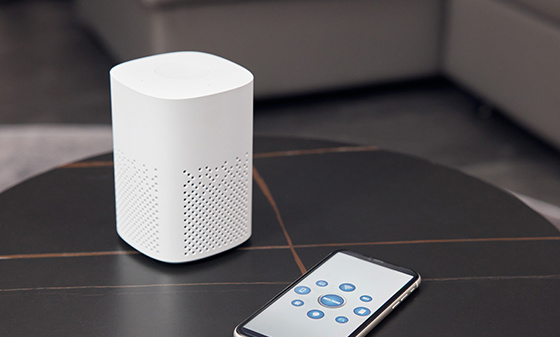 Bluetooth BQB Product Certification
 FM/AM Product Certification
 WiFi Product Certification
 Wireless charging product certification
 Interphone product certification
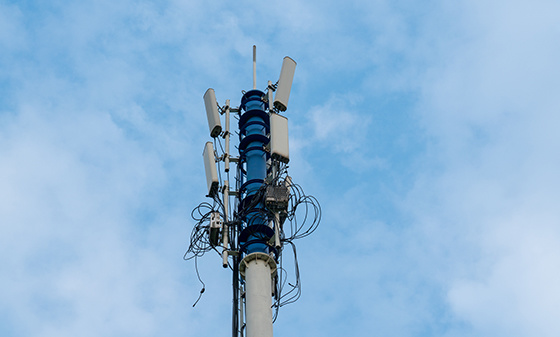 Base station certification
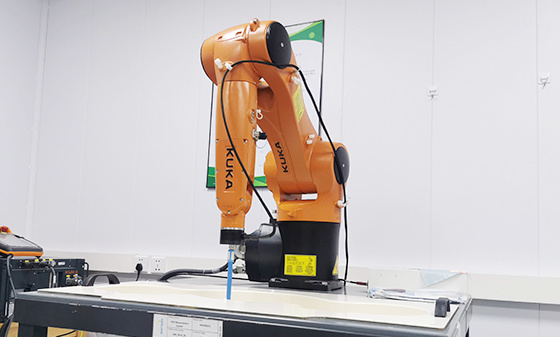 SAR testing
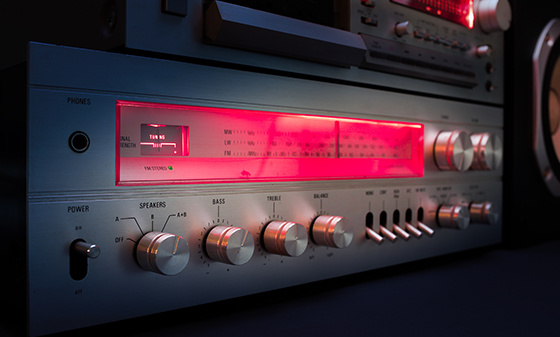 Receiver Product Certification
 5G NR Product Certification
 UWB Product Certification
 Internet of Things authentication
Electromagnetic compatibility
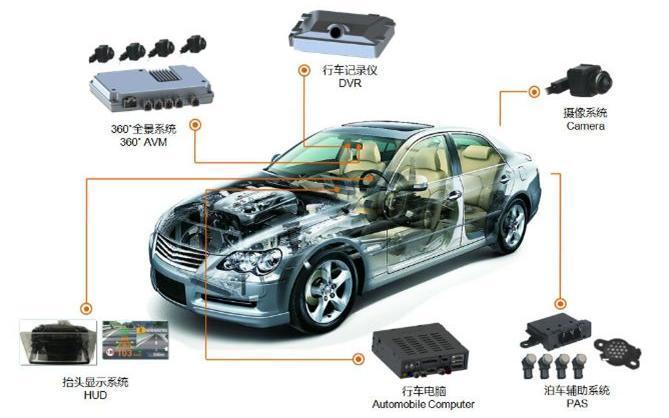 Automotive Electronics EMC Testing
 EMC rectification
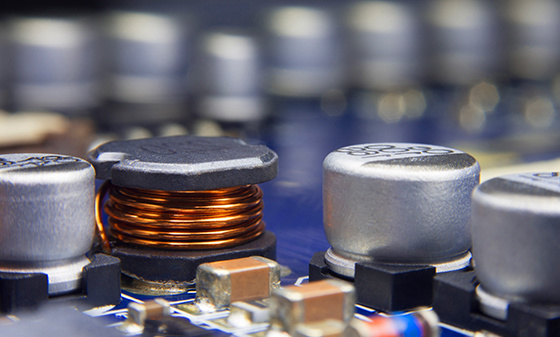 EMC
EMC
Automotive Electronics
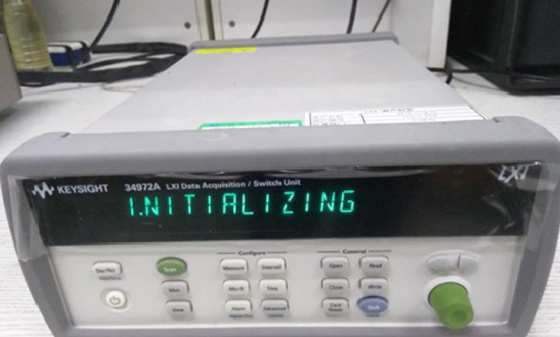 Electrical performance testing
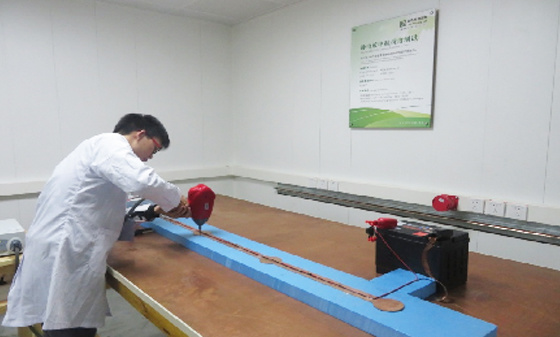 EMS testing - radiation anti-interference testing system (including radar waves)
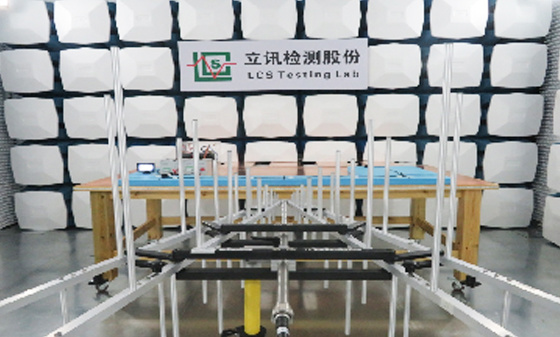 EMS Testing - Electrostatic Discharge
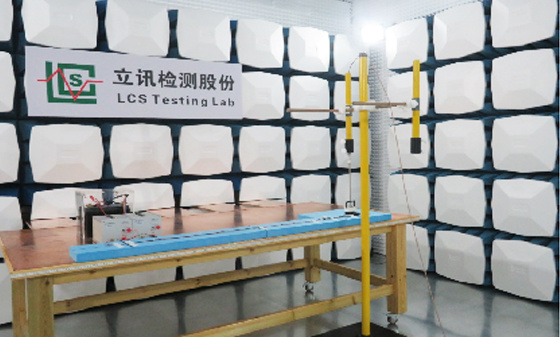 EMS Test - Transient Conducted Immunity Test
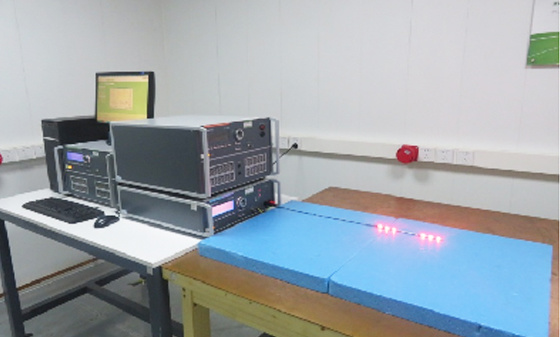 EMS Testing - Portable Transmitter Immunity
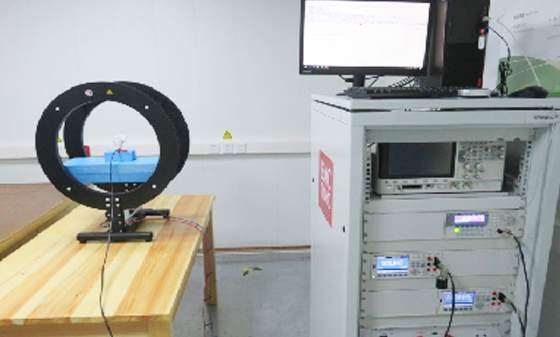 EMS Test - High Current Injection (BCI) Test
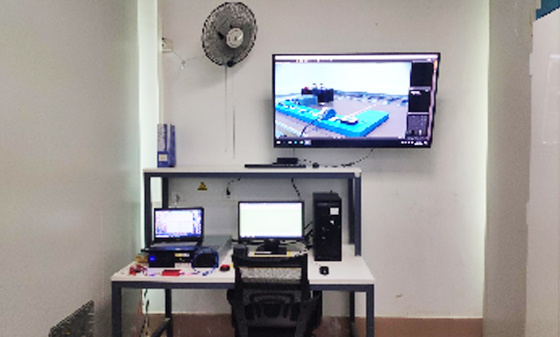 EMS test - low-frequency magnetic field anti-interference test
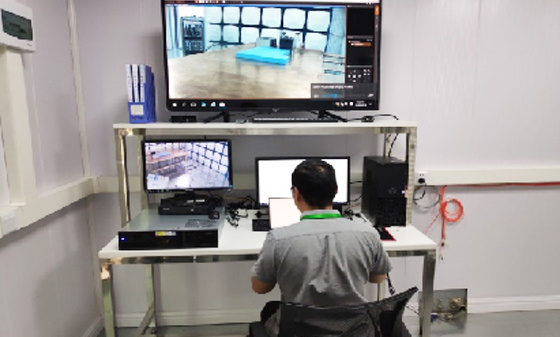 EMI Testing - Transient Conducted Emissions Testing System
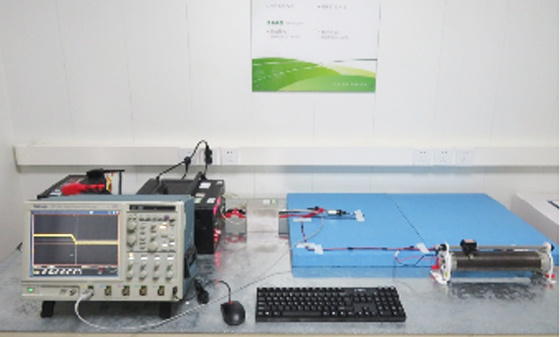 EMI testing - low-frequency magnetic field emission
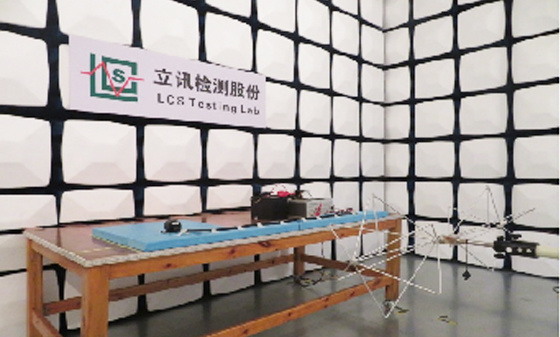 EMI Test - Radiation Emission Test
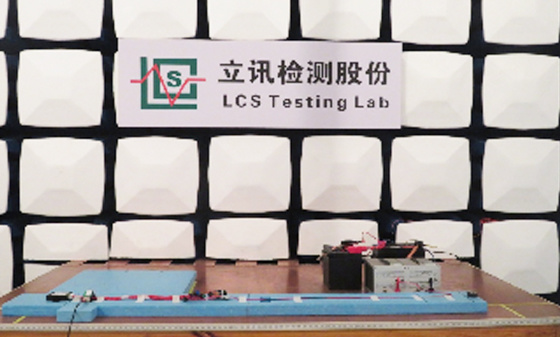 EMI Test - Conducted Emissions Test
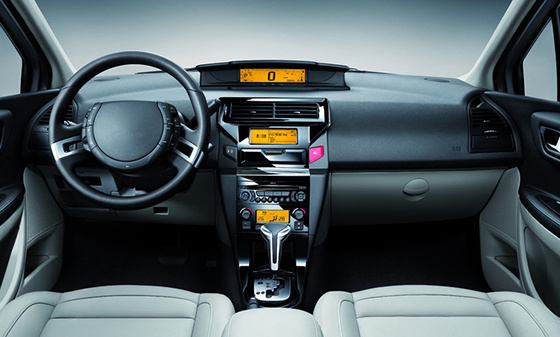 Automotive Electronic Testing
Automotive Parts Inspection
 Automotive ELV&VOC
 Reliability testing
 Temperature shock test
 Vibration testing
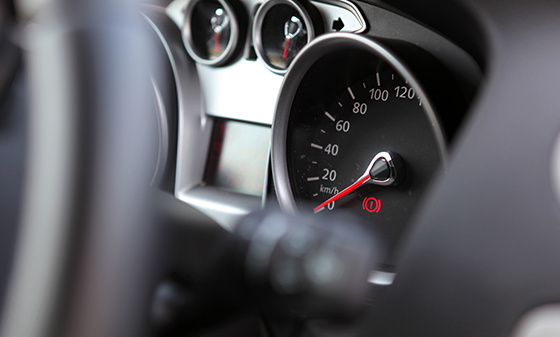 Instrument panel/instrument panel three comprehensive vibration test
 Comprehensive vibration test of door inner panel III
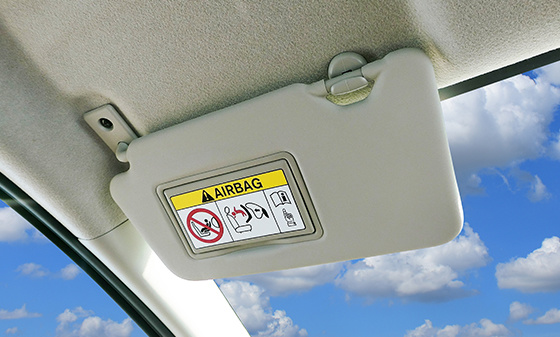 Sunvisor Three Comprehensive Vibration Test
 Spoiler Three Comprehensive Vibration Test
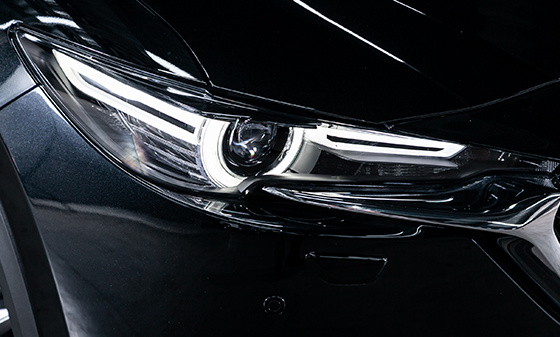 Three comprehensive vibration tests of car front and rear bumpers
 Three comprehensive vibration tests for lamp housing/lampshade
 Comprehensive vibration test of outer circumference three
 Automotive metal material testing
 Performance testing of automotive lighting fixtures
 Rapid temperature change test
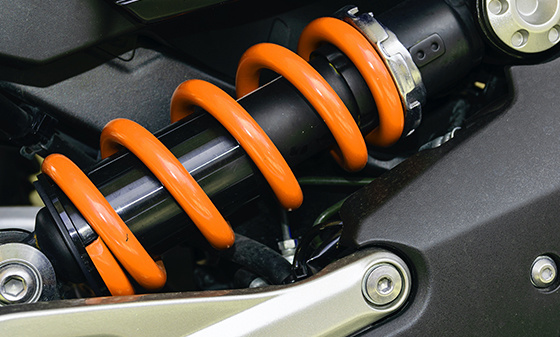 Vibration
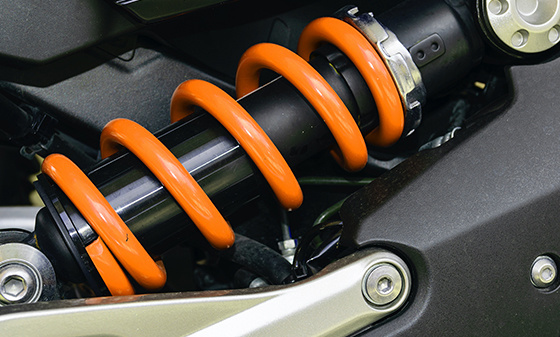 Common issues with vibration testing
 Common issues with fatigue testing
 Common issues with high and low temperature testing
 Conducted Interference (CE) - Suzhou Lixun Standard
 Electromagnetic Radiation Tolerance Test (RS) - Suzhou LCS Standard
 Electrical Fast Pulse Withstand Test (EFT) - Suzhou LCS Standard
 Voltage flicker test - Suzhou LCS standard
Electronic appliances
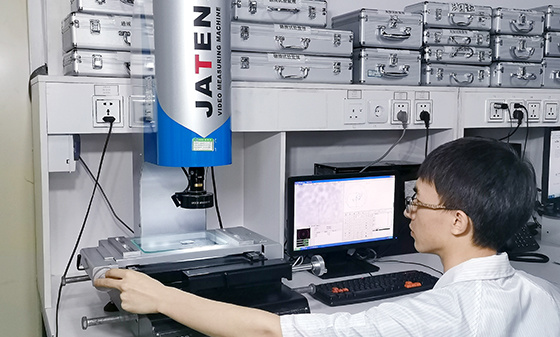 Household appliance product testing
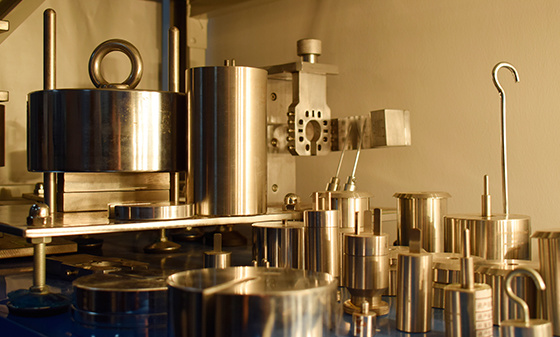 Electrical accessory product testing
 Household appliance testing
Chemical Testing
 Introduction to PFAS Testing
 MOSH/MOAH Mineral Oil Testing Service
 MOSH/MOAH Mineral Oil Testing and Certification Report Service
 Consumer Product Testing Services - WEEE Chapter
 Ecological textile testing
 Leather Footwear Inspection
 Food contact material testing
 Testing of toys and baby products
 Hazardous substance testing
Electronic Cigarette Testing
 Electronic cigarette detection
Reliability testing
 Other tests - pencil hardness test
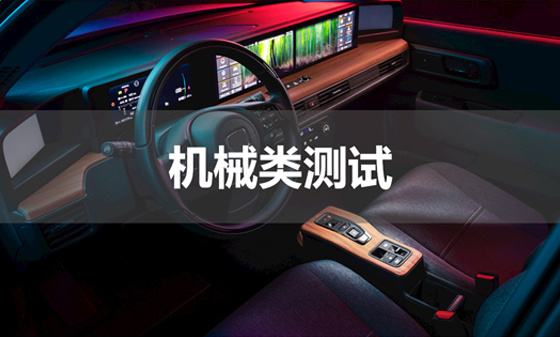 Mechanical testing - Packaging compression test
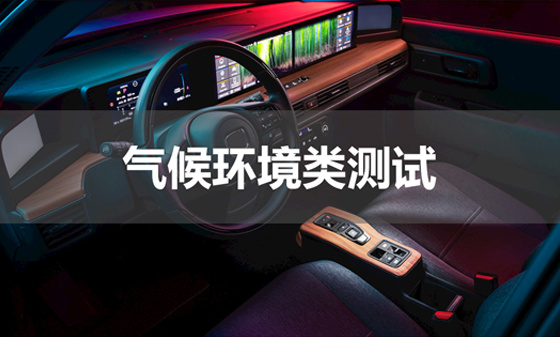 Climate environment testing - Xenon lamp aging test
Battery Testing
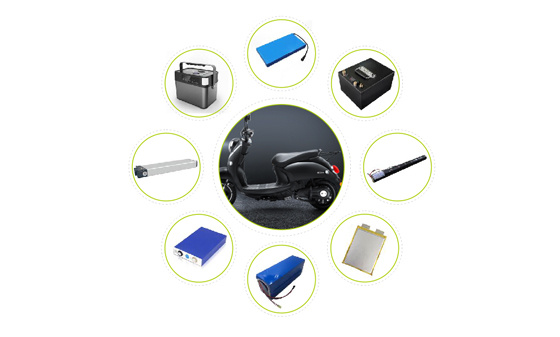 Power storage battery testing and certification
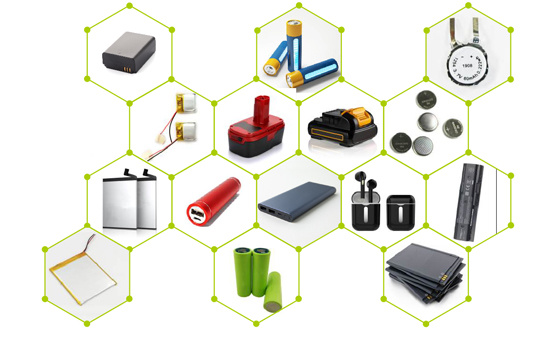 Consumer Electronics Battery Testing and Certification
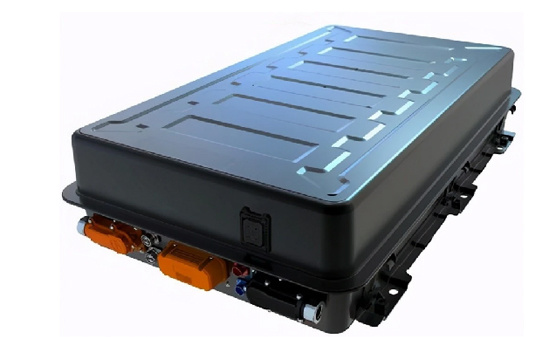 power battery
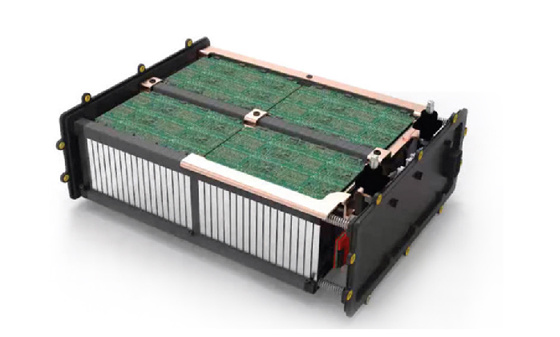 Light electric vehicle batteries
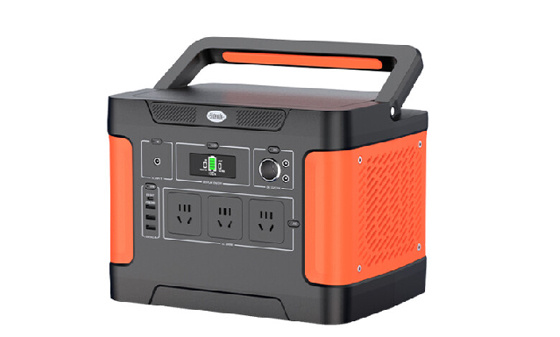 Energy storage battery
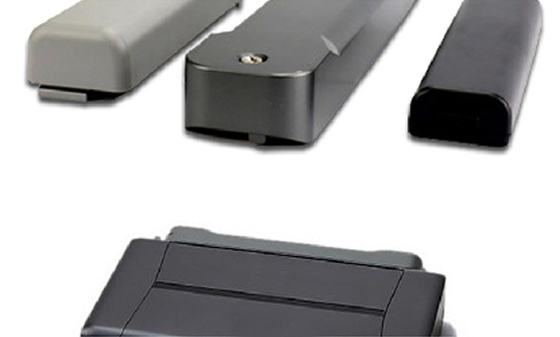 Portable battery
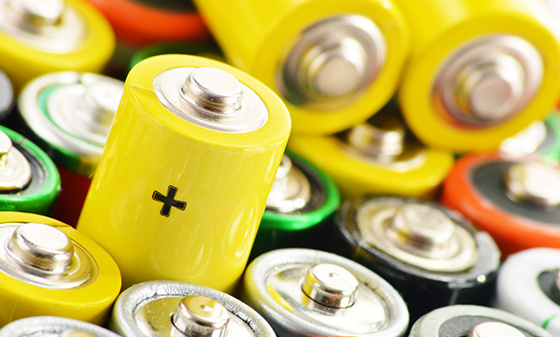 Battery testing
 battery test
Lamp Inspection
 Inspection of ship lighting fixtures
 COI Index Test for Medical Indoor Lighting
 Lamp safety inspection
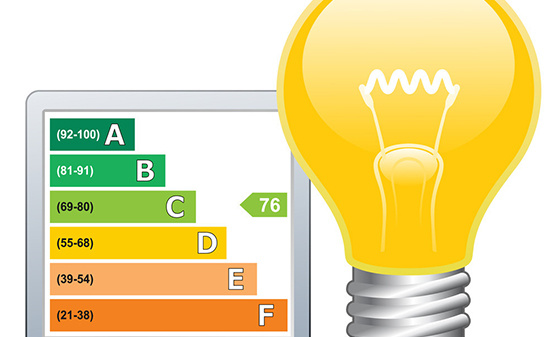 Luminaire energy efficiency testing
 EMC testing of lighting fixtures
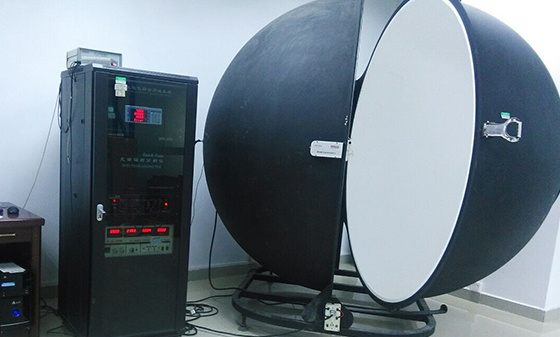 Integral Ball Laboratory
 Photobiology Experiment
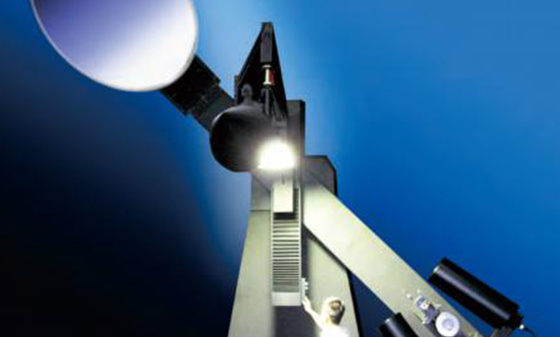 Light distribution test
 Lamp aging test
 Lamp IP waterproof
 Lamp performance testing
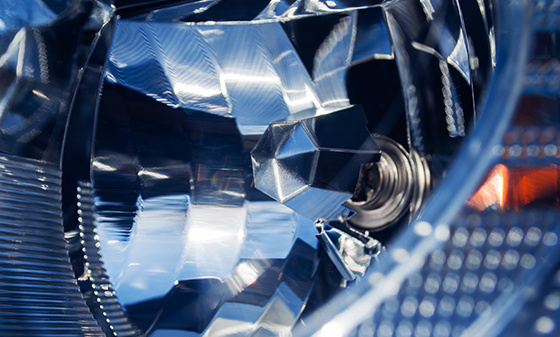 Lamp reliability testing
Children's toy testing
 Testing standards for toy products
China Certification
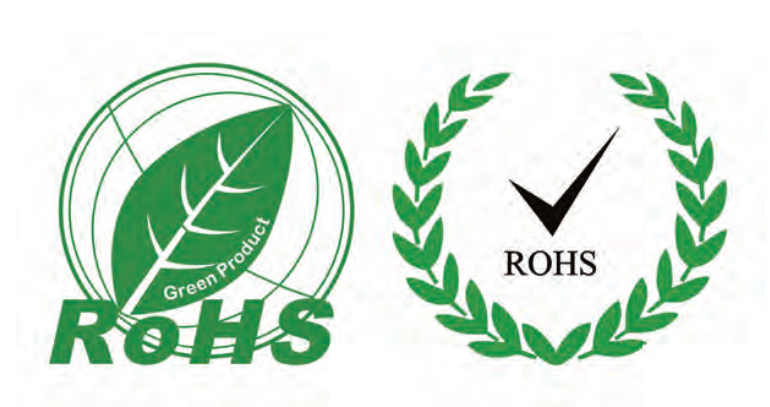 China's "national promotion" RoHS certification
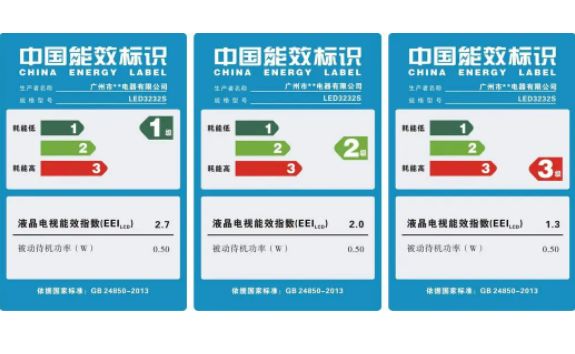 China Energy Efficiency Label Certification
 China Energy Conservation Certification
 China CQC Certification
 Tmall JD Quality Inspection Report
 China SRRC Certification
 Taiwan BSMI certification
 Taiwan NCC certification
 China CCC Compulsory Certification
Asia Certification
 Vietnam certification
 KC certification
 KUCAS Certification in Kuwait
 Singapore PSB certification
 Iraq COC Certification
 IMDA certification
 VCCI Certification in Japan
 JATE certification in Japan
 PSE certification
 BIS certification
 Japanese TELEC certification
European Certification
 RoHS certification
 GOST certification in Russia
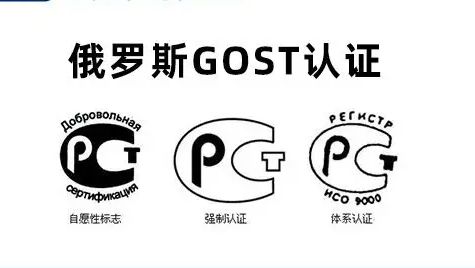 Russian EAC certification
 Northern Ireland UKNI logo
 Electrical ENEC certification
 European D-MARK certification
 Türkiye BTK certification
 TSE certification in Türkiye
 CE certification in Türkiye
 RED certification
 German TUV-SUD certification
 CE-ERP certification
 REACH certification
 German GS certification
 EU E-Mark certification
North American Certification
 Ecuador VOC certification
 Mexico NOM certification
 IRAM certification
 CPSC Certification in the United States
 CSA certification
 ASTM certification
 FDA certification
 CEC certification
 ETL certification
 ul certification
 IC certification
 Energy Star
 FCC Certification in the United States
 ASTM certification
Middle East Certification
 Israel SII certification
 Saudi SABER certification
 GCC certification for the seven Gulf countries
 Iran COI certification
 Qatar COC Certification
 Iraq COC Certification
 Saudi EER Energy Efficiency Certification
 Saudi SABER certification
 Algeria PCA certification
 PVOC certification
Australia Certification
 New Zealand IC-F testing
 VEET certification
 LCP certification
 GEMS certification
 RCM certification
 C-Tick certification
 SAA certification
Africa Certification
 Gabon COC certification
 Algeria COC certification

 Ethiopian VOC and COC certification
 Mauritius VOC certification
 Ghana COC certification
 COC certification in Burundi
 Zambia COC certification
 Botswana COC Certification
 Uganda PVOC certification
 SABS certification in South Africa
 South African LOA certification
 Zimbabwe CBCA Certification
 Nigeria SONCAP certification
 Kenya PVOC certification
 African COC certification
Other certifications
 WEEE
WEEE
 Bluetooth BQB certification
 IECEE registration
 MHRA registration in the UK
TRAINING
 Management system training
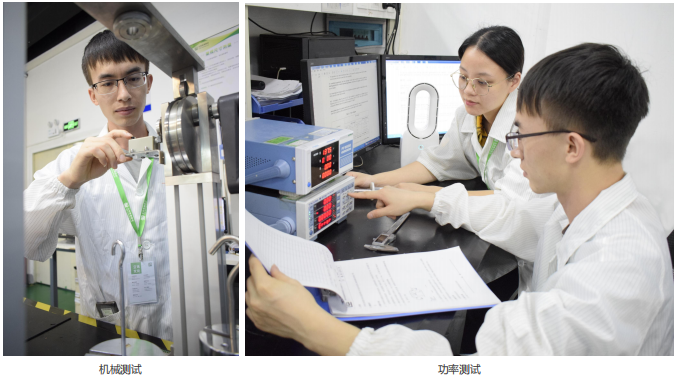 Laboratory technical training
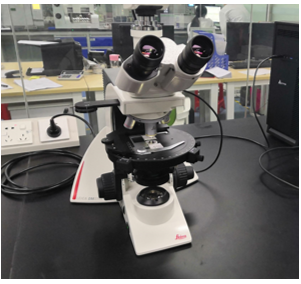 Laboratory Process Consulting
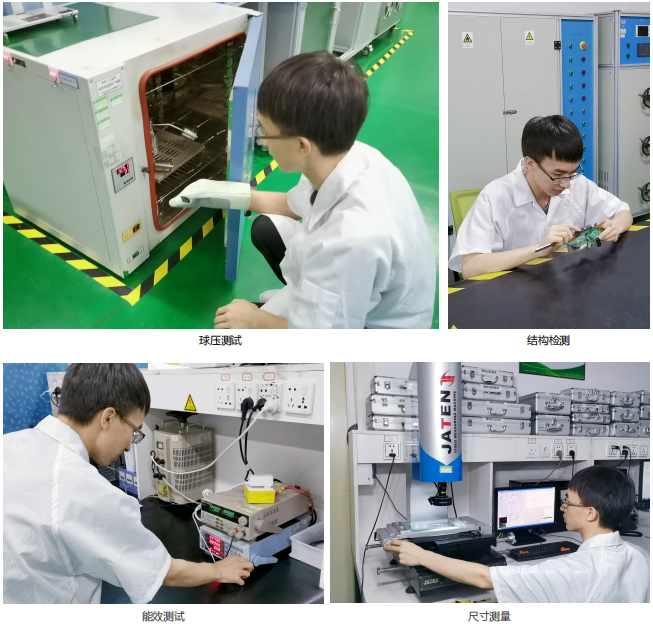 Laboratory decoration construction
Wireless Communication
Electromagnetic compatibility
Automotive Electronics
Automotive Parts Inspection
Electronic appliances
Chemical Testing
Electronic Cigarette Testing
Reliability testing
Battery Testing
Lamp Inspection
Children's toy testing
China Certification
Asia Certification
European Certification
North American Certification
Middle East Certification
Australia Certification
Africa Certification
Other certifications
TRAINING
Wireless Communication
Electromagnetic compatibility
Automotive Electronics
Automotive Parts Inspection
Electronic appliances
Chemical Testing
Electronic Cigarette Testing
Reliability testing
Battery Testing
Lamp Inspection
Children's toy testing
China Certification
Asia Certification
European Certification
North American Certification
Middle East Certification
Australia Certification
Africa Certification
Other certifications
TRAINING
Wireless Communication
Electromagnetic compatibility
Automotive Electronics
Automotive Parts Inspection
Electronic appliances
Chemical Testing
Electronic Cigarette Testing
Reliability testing
Battery Testing
Lamp Inspection
Children's toy testing
China Certification
Asia Certification
European Certification
North American Certification
Middle East Certification
Australia Certification
Africa Certification
Other certifications
TRAINING
Wireless Communication
Electromagnetic compatibility
Automotive Electronics
Automotive Parts Inspection
Electronic appliances
Chemical Testing
Electronic Cigarette Testing
Reliability testing
Battery Testing
Lamp Inspection
Children's toy testing
China Certification
Asia Certification
European Certification
North American Certification
Middle East Certification
Australia Certification
Africa Certification
Other certifications
TRAINING
Wireless Communication
Electromagnetic compatibility
Automotive Electronics
Automotive Parts Inspection
Electronic appliances
Chemical Testing
Electronic Cigarette Testing
Reliability testing
Battery Testing
Lamp Inspection
Children's toy testing
China Certification
Asia Certification
European Certification
North American Certification
Middle East Certification
Australia Certification
Africa Certification
Other certifications
TRAINING
Wireless Communication
Electromagnetic compatibility
Automotive Electronics
Automotive Parts Inspection
Electronic appliances
Chemical Testing
Electronic Cigarette Testing
Reliability testing
Battery Testing
Lamp Inspection
Children's toy testing
China Certification
Asia Certification
European Certification
North American Certification
Middle East Certification
Australia Certification
Africa Certification
Other certifications
TRAINING

Solutions
-
-
-
Automotive interior and exterior trim - Environmental testing
-
Automotive interior and exterior decorations (electronic and electrical components) - IP protection
-
Automotive electronic and electrical components - Electrical performance
-
Automotive interior and exterior trims - Mechanical performance testing
Contact Us
National 24-hour service hotline
400-116-2629
Group Headquarters
E-mail: webmaster@lcs-cert.com
Address: Shenzhen City, Baoan District, Shajing Street, Nga side of the school of Wei Juji Industrial Park, Building A 1 ~ 2 floor, Building C 3 floor
EU-2009/48/EC, EN71 series, REACH Annex 17
2009/48/EC is a directive that toy products exported to Europe must comply with. This directive establishes safety requirements for toys exported to Europe and rules for the free circulation of compliant toys in the European Economic Area, serving as a guiding framework.
The EN71 series, authorized by the European Commission, is a set of coordinated standards developed by the European Committee for Standardization (CEN) (responsible for developing the requirements of EN 62115 for electric toys). It is a way to verify product compliance with 2009/48/EC and is a technical detail. There are currently 13 parts in total.
·EN 71-1: Mechanical and Physical Properties
·EN 71-2: Flammability
·EN 71-3: Specification for migration of specific elements
·EN 71-4: Experimental apparatus for chemistry and related activities
·EN 71-5: Chemical toys (sets) other than laboratory kits
·EN 71-7: Finger painting pigments
·EN 71-8: Indoor and outdoor household swings, slides, and similar activity toys
·EN 71-9: Organic compounds - Requirements
·EN 71-10: Organic compounds - Sample preparation and extraction
·EN 71-11: Organic compounds - Analytical methods
·EN 71-12: N-nitrosamine and N-nitroso substances
·EN 71-13: Olfactory board games, cosmetic kits, and taste games
·EN 71-14: Home trampoline
Among them, 1, 2, and 3 are general requirements; 9, 10, and 11 are requirements for organic compounds in toys that meet specific conditions (note: 9, 10, and 11 are not included in the official gazette, but can be an important area of concern for toy product compliance, and many substances in Appendix C of the Toy Directive TSD also refer to this section)
The Toy Directive also requires toys to not only meet the EN71 series of requirements, but also comply with other parallel regulations. The requirements corresponding to REACH Annex 17 must also be met. This is also a requirement for CE marking.
The EU has very strict requirements for toy safety, mainly regulated through the 2009/48/EC (Toy Safety Directive), EN 71 series standards, and Annex 17 of REACH regulation. The following are detailed explanations of these regulations and standards:
1. 2009/48/EC (Toy Safety Directive)
2009/48/EC is the EU Toy Safety Directive, which applies to toys designed or intended for use by children under the age of 14 when playing.
Core content:
Safety requirements:
Physical and mechanical properties.
Combustion performance.
Chemical properties.
Electrical performance.
Hygiene requirements.
Radioactive requirements.
Chemical substance restrictions:
Limit the migration of 19 heavy metals (such as lead, cadmium, mercury, etc.).
Restrictions on 55 allergenic fragrances.
Restrictions on CMR (carcinogenic, mutagenic, reproductive toxic) substances.
CE mark:
Toys must comply with the requirements of 2009/48/EC and bear the CE mark.
Technical documents:
Manufacturers need to prepare technical documents, including design drawings, test reports, risk assessments, etc.
Declaration of conformity:
Manufacturers are required to sign a Declaration of Conformity (DoC) to demonstrate that their products comply with the requirements of the directive.
Scope of application:
All toys designed or reserved for children under 14 years old.
2. EN 71 series standards
The EN 71 series standards are toy safety standards of the European Union, specifically implementing the requirements of 2009/48/EC. It mainly includes the following parts:
EN 71-1: Mechanical and Physical Properties
Small parts: prevent small parts from falling off and causing children to accidentally swallow them.
Sharp edges and tips: Ensure that the toy has no sharp edges or tips.
Rope and elastic components: limit the design of rope length and elastic components.
Other mechanical hazards, such as folding mechanisms, springs, etc., must ensure their safety.
EN 71-2: Combustion performance
Material burning rate: Conduct a burning test on toy materials to ensure that they are not flammable or that the burning rate is within a safe range.
Specific material requirements: Plush toys, makeup clothing, etc. must meet additional combustion performance requirements.
EN 71-3: Migration of Specific Elements
Restricting elements: Restricting the migration of 19 heavy metals (such as lead, cadmium, mercury, etc.).
Testing method: Use simulated saliva, gastric juice and other liquids for migration testing.
EN 71-7: Finger painting pigments
Chemical properties: Limiting the chemical composition of finger painting pigments.
Label requirements: It is necessary to indicate applicable age, composition, and other information.
EN 71-12: Nitrosamines and Nitroso Substances
Restricted substances: Limit the content of nitrosamines and nitrosamines.
EN 71-13: Olfactory board games, taste toys, and sets
Chemical properties: Limit the chemical composition of olfactory and gustatory toys.
3. Annex 17 of REACH Regulation
Annex 17 of the REACH regulation is the EU's restriction requirements for chemical substances, applicable to all consumer goods, including toys.
Core content:
Restricted substances:
Limit the content of harmful chemicals such as lead, cadmium, and phthalates.
For example:
Lead: not exceeding 0.05% (500 ppm).
Cadmium: shall not exceed 0.01% (100 ppm).
Phthalates (DEHP, DBP, BBP): shall not exceed 0.1%.
Scope of application:
All consumer goods sold in the EU market.
How to meet EU toy safety requirements
Understand regulations and standards:
Familiar with the specific requirements of the 2009/48/EC, EN 71 series standards, and REACH Appendix 17.
Product Design:
Ensure that product design meets the requirements of physical, mechanical, and combustion performance.
Material selection:
Choose materials that comply with chemical substance restrictions.
Test certification:
Conduct testing in an accredited laboratory to ensure that the product complies with the EN 71 series standards.
Technical documents:
Prepare technical documents (including design drawings, test reports, risk assessments, etc.).
CE marking and declaration of conformity:
Attach the CE mark and sign a Declaration of Conformity (DoC).
summary
The EU's toy safety regulations and standard system are very strict, mainly including 2009/48/EC, EN 71 series standards, and REACH Appendix 17. Toy products exported to the EU must comply with these requirements and pass relevant tests and certifications to ensure product safety and smooth entry into the market.
Large-scale experimental base
Professional Lab
Analysis Method
Testing/year


 WeChat Inquiry


 Reservation


Contact Us
National 24-hour service hotline
Address:Juji Industrial Park, Xueziwei, Ngabian, Shajing Street, Baoan District, Shenzhen Building A 1~2F, Building C 3F

WeChat public number
Share industry dry goods

WeChat consultation
Please note consulting services

Follow Jitterbug

Mobile website
di complaint mailbox: customer.complaint@lcs-cert.com complaint telephone tel: 18126445450 certificate report verification of authenticity mailbox: verification@lcs-cert.com