

Wireless Communication
 EU RED Network Security Standard EN 18031
 Wireless and communication detection
 Mobile communication product certification
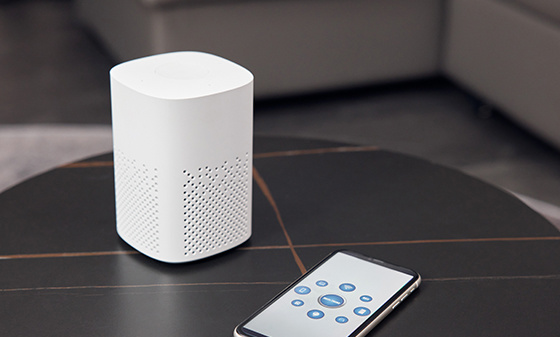 Bluetooth BQB Product Certification
 FM/AM Product Certification
 WiFi Product Certification
 Wireless charging product certification
 Interphone product certification
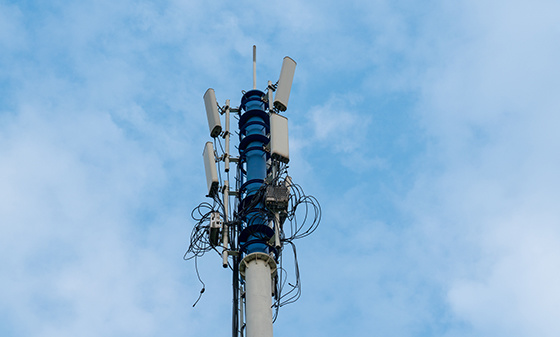 Base station certification
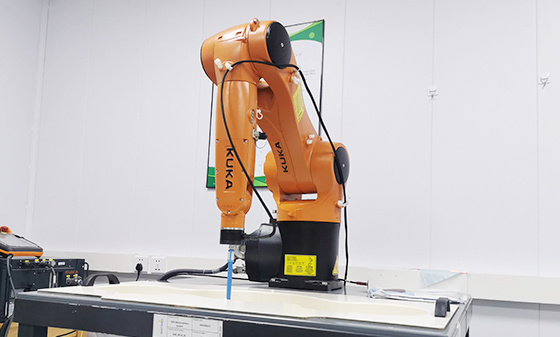 SAR testing
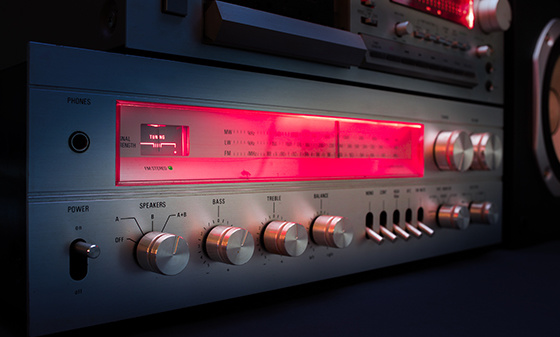 Receiver Product Certification
 5G NR Product Certification
 UWB Product Certification
 Internet of Things authentication
Electromagnetic compatibility
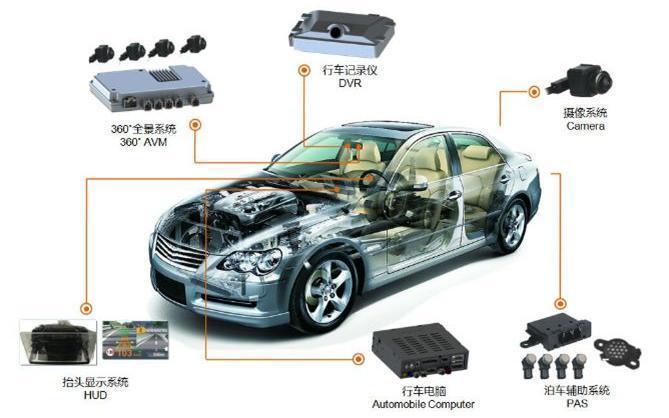 Automotive Electronics EMC Testing
 EMC rectification
 EMC
Automotive Electronics
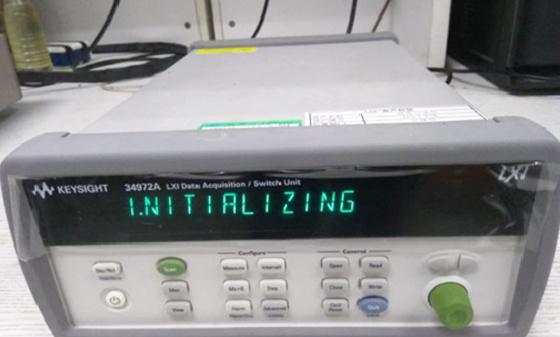 Electrical performance testing
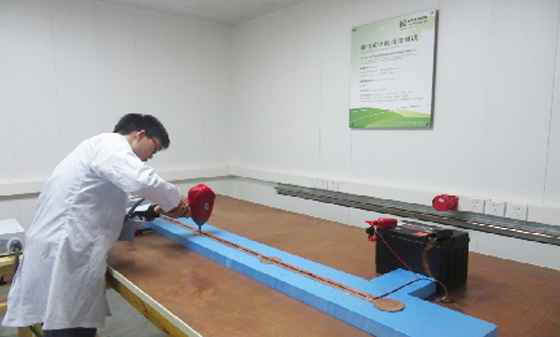 EMS testing - radiation anti-interference testing system (including radar waves)
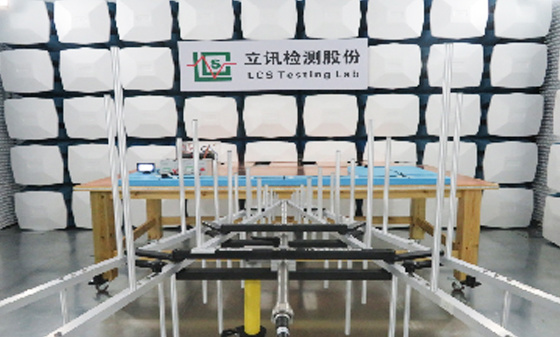 EMS Testing - Electrostatic Discharge
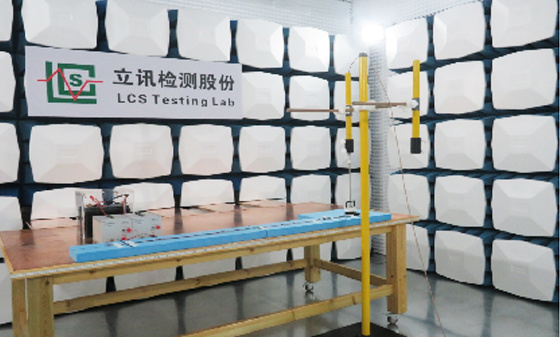 EMS Test - Transient Conducted Immunity Test
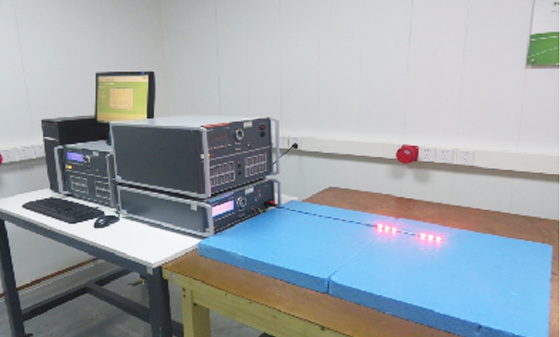 EMS Testing - Portable Transmitter Immunity
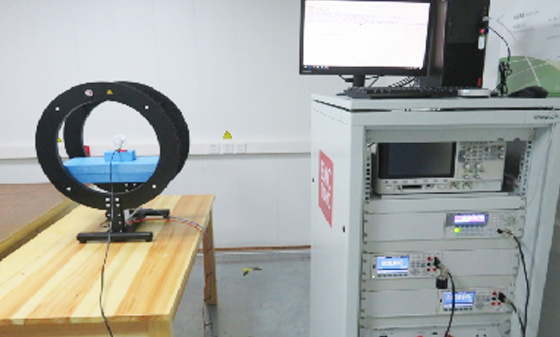 EMS Test - High Current Injection (BCI) Test
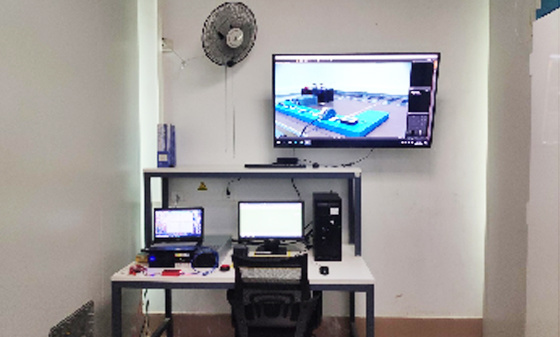 EMS test - low-frequency magnetic field anti-interference test
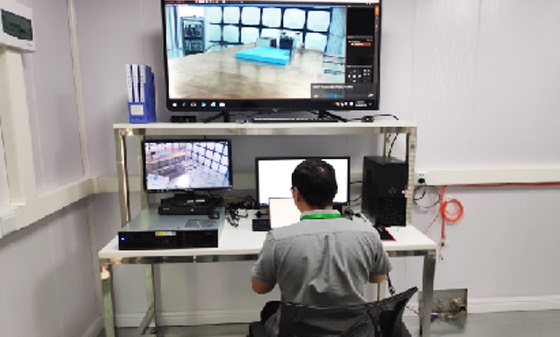 EMI Testing - Transient Conducted Emissions Testing System
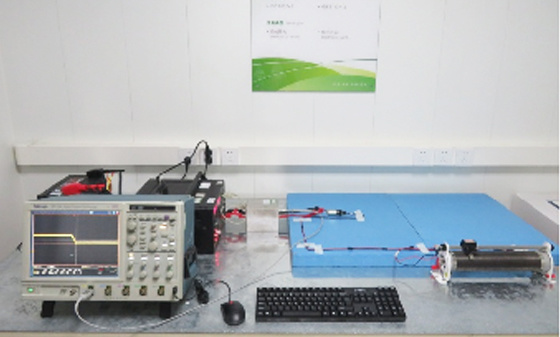 EMI testing - low-frequency magnetic field emission
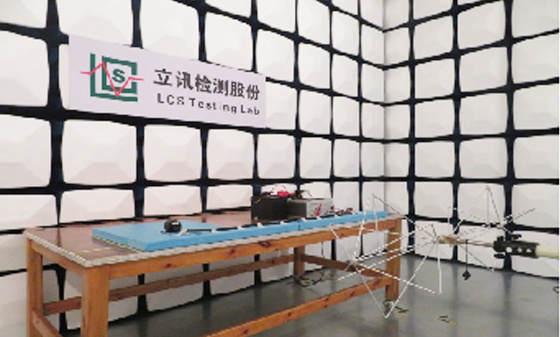 EMI Test - Radiation Emission Test
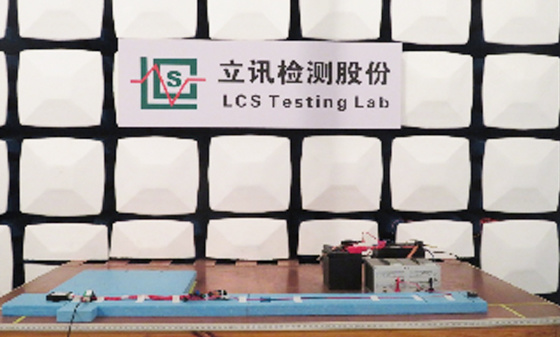 EMI Test - Conducted Emissions Test
 Automotive Electronic Testing
Automotive Parts Inspection
 Automotive ELV&VOC
 Reliability testing
 Temperature shock test
 Vibration testing
 Instrument panel/instrument panel three comprehensive vibration test
 Comprehensive vibration test of door inner panel III
 Sunvisor Three Comprehensive Vibration Test
 Spoiler Three Comprehensive Vibration Test
 Three comprehensive vibration tests of car front and rear bumpers
 Three comprehensive vibration tests for lamp housing/lampshade
 Comprehensive vibration test of outer circumference three
 Automotive metal material testing
 Performance testing of automotive lighting fixtures
 Rapid temperature change test
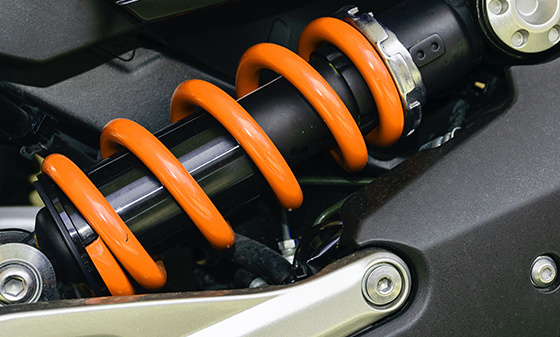 Vibration
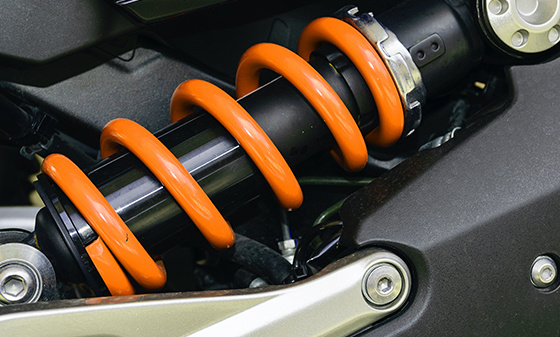 Common issues with vibration testing
 Common issues with fatigue testing
 Common issues with high and low temperature testing
 Conducted Interference (CE) - Suzhou Lixun Standard
 Electromagnetic Radiation Tolerance Test (RS) - Suzhou LCS Standard
 Electrical Fast Pulse Withstand Test (EFT) - Suzhou LCS Standard
 Voltage flicker test - Suzhou LCS standard
Electronic appliances
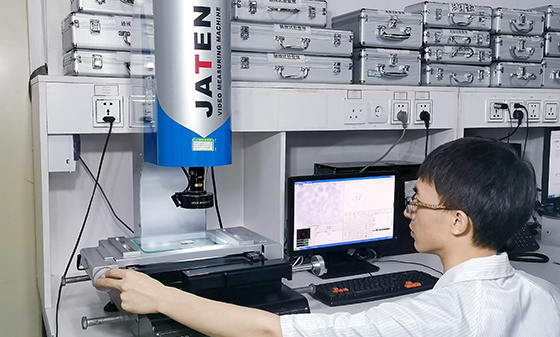 Household appliance product testing
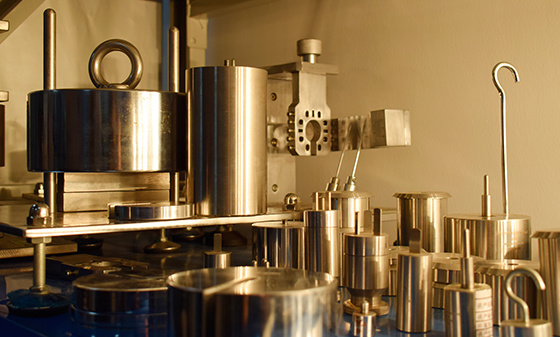 Electrical accessory product testing
 Household appliance testing
Chemical Testing
 Introduction to PFAS Testing
 MOSH/MOAH Mineral Oil Testing Service
 MOSH/MOAH Mineral Oil Testing and Certification Report Service
 Consumer Product Testing Services - WEEE Chapter
 Ecological textile testing
 Leather Footwear Inspection
 Food contact material testing
 Testing of toys and baby products
 Hazardous substance testing
Electronic Cigarette Testing
 Electronic cigarette detection
Reliability testing
 Other tests - pencil hardness test
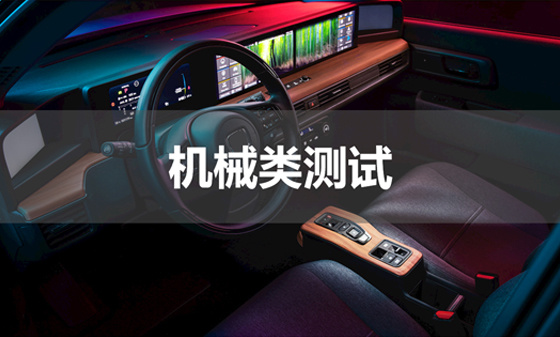 Mechanical testing - Packaging compression test
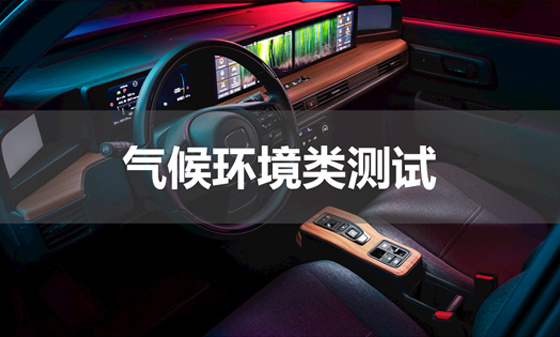 Climate environment testing - Xenon lamp aging test
Battery Testing
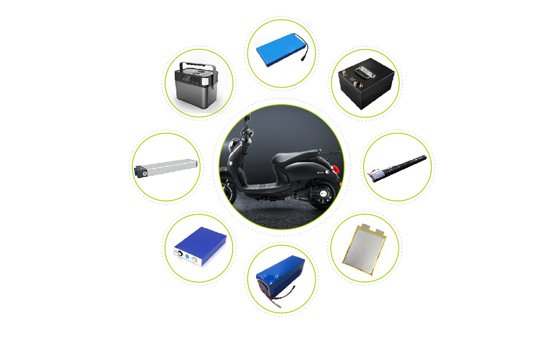 Power storage battery testing and certification
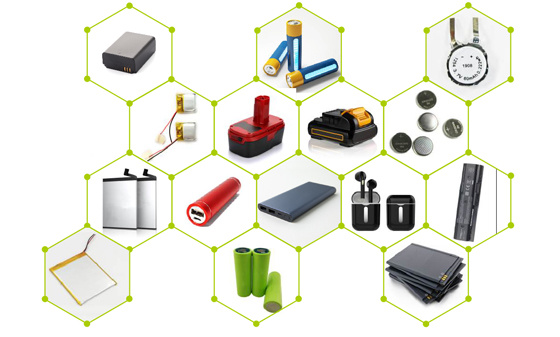 Consumer Electronics Battery Testing and Certification
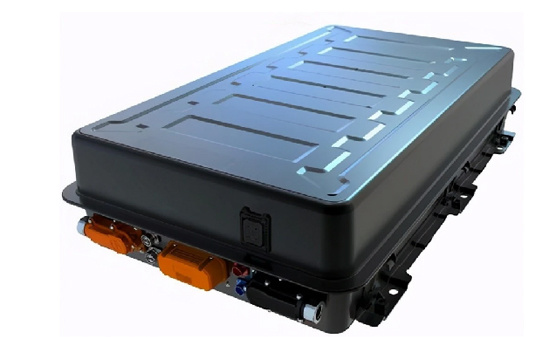 power battery
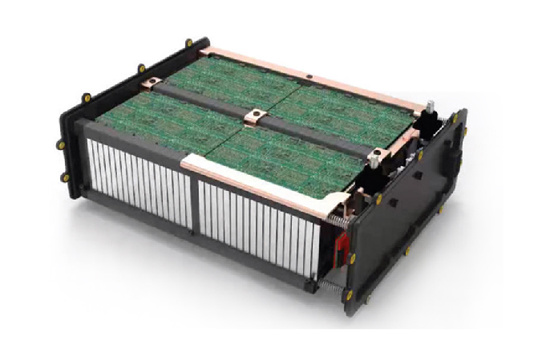 Light electric vehicle batteries
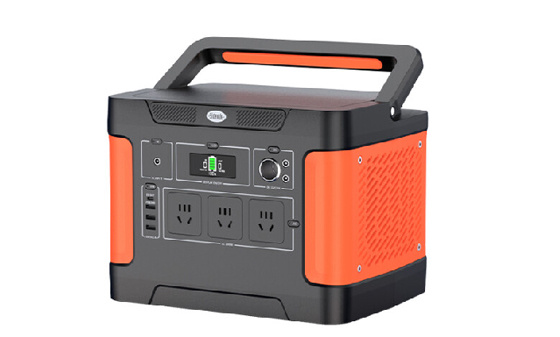 Energy storage battery
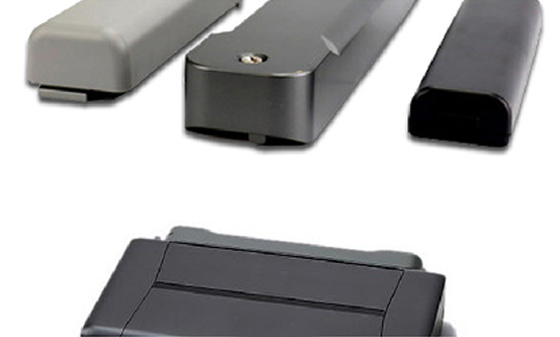 Portable battery
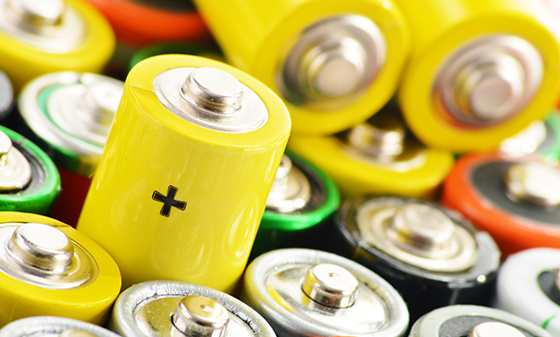 Battery testing
 battery test
Lamp Inspection
 Inspection of ship lighting fixtures
 COI Index Test for Medical Indoor Lighting
 Lamp safety inspection
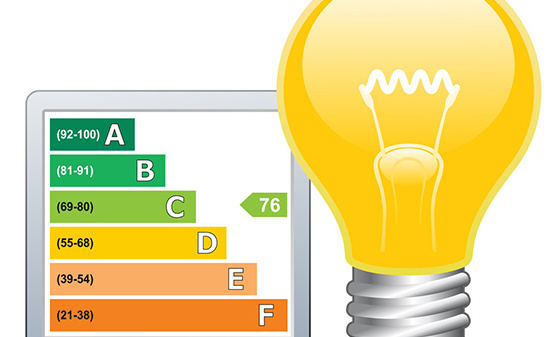 Luminaire energy efficiency testing
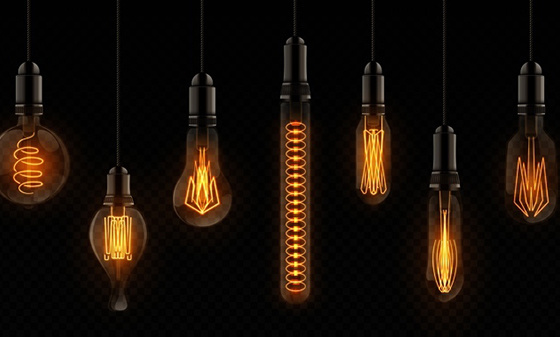 EMC testing of lighting fixtures
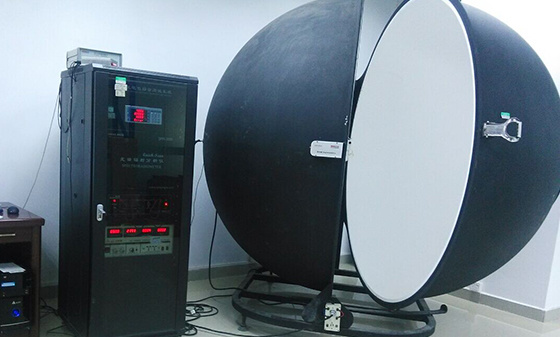 Integral Ball Laboratory
 Photobiology Experiment
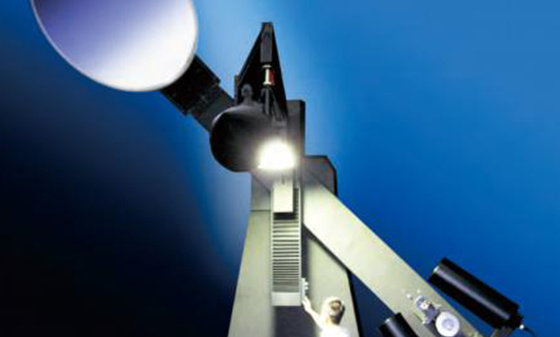 Light distribution test
 Lamp aging test
 Lamp IP waterproof
 Lamp performance testing
 Lamp reliability testing
Children's toy testing
 Testing standards for toy products
China Certification
 China's "national promotion" RoHS certification
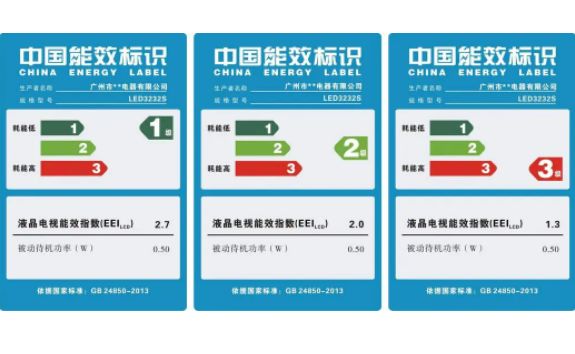 China Energy Efficiency Label Certification
 China Energy Conservation Certification
 China CQC Certification
 Tmall JD Quality Inspection Report
 China SRRC Certification
 Taiwan BSMI certification
 Taiwan NCC certification
 China CCC Compulsory Certification
Asia Certification
 Vietnam certification
 KC certification
 KUCAS Certification in Kuwait
 Singapore PSB certification
 Iraq COC Certification
 IMDA certification
 VCCI Certification in Japan
 JATE certification in Japan
 PSE certification
 BIS certification
 Japanese TELEC certification
European Certification
 RoHS certification
 GOST certification in Russia
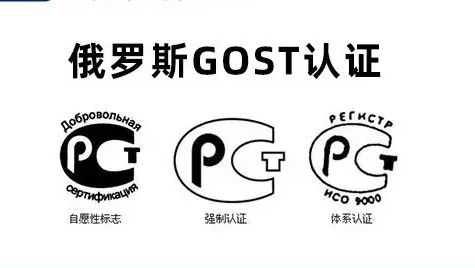 Russian EAC certification
 Northern Ireland UKNI logo
 Electrical ENEC certification
 European D-MARK certification
 Türkiye BTK certification
 TSE certification in Türkiye
 CE certification in Türkiye
 RED certification
 German TUV-SUD certification
 CE-ERP certification
 REACH certification
 German GS certification
 EU E-Mark certification
North American Certification
 Ecuador VOC certification
 Mexico NOM certification
 IRAM certification
 CPSC Certification in the United States
 CSA certification
 ASTM certification
 FDA certification
 CEC certification
 ETL certification
 ul certification
 IC certification
 Energy Star
 FCC Certification in the United States
 ASTM certification
Middle East Certification
 Israel SII certification
 Saudi SABER certification
 GCC certification for the seven Gulf countries
 Iran COI certification
 Qatar COC Certification
 Iraq COC Certification
 Saudi EER Energy Efficiency Certification
 Saudi SABER certification
 Algeria PCA certification
 PVOC certification
Australia Certification
 New Zealand IC-F testing
 VEET certification
 LCP certification
 GEMS certification
 RCM certification
 C-Tick certification
 SAA certification
Africa Certification
 Gabon COC certification
 Algeria COC certification

 Ethiopian VOC and COC certification
 Mauritius VOC certification
 Ghana COC certification
 COC certification in Burundi
 Zambia COC certification
 Botswana COC Certification
 Uganda PVOC certification
 SABS certification in South Africa
 South African LOA certification
 Zimbabwe CBCA Certification
 Nigeria SONCAP certification
 Kenya PVOC certification
 African COC certification
Other certifications
 WEEE
 Bluetooth BQB certification
 IECEE registration
 MHRA registration in the UK
TRAINING
 Management system training
 Laboratory technical training
 Laboratory Process Consulting
 Laboratory decoration construction
Wireless Communication
Electromagnetic compatibility
Automotive Electronics
Automotive Parts Inspection
Electronic appliances
Chemical Testing
Electronic Cigarette Testing
Reliability testing
Battery Testing
Lamp Inspection
Children's toy testing
China Certification
Asia Certification
European Certification
North American Certification
Middle East Certification
Australia Certification
Africa Certification
Other certifications
TRAINING

Solutions
-
-
-
Automotive interior and exterior trim - Environmental testing
-
Automotive interior and exterior decorations (electronic and electrical components) - IP protection
-
Automotive electronic and electrical components - Electrical performance
-
Automotive interior and exterior trims - Mechanical performance testing
Contact Us
National 24-hour service hotline
400-116-2629
Group Headquarters
E-mail: webmaster@lcs-cert.com
Address: Shenzhen City, Baoan District, Shajing Street, Nga side of the school of Wei Juji Industrial Park, Building A 1 ~ 2 floor, Building C 3 floor
Hexabromocyclododecane HBCDD
EU revises CLP regulation, new law will come into effect on March 1, 2018
Old Directive 94/62/EC
As early as 1994, EU member states had issued the Packaging and Packaging Waste Directive (94/62/EC, 2004/12/EC), which aims to ensure that packaging is suitable for collection, reuse, recycling, and promote energy recovery; Minimize the toxicity, danger, and environmental impact of packaging materials as much as possible; Minimize the weight and volume of packaging waste.
New Directive 2013/2/EU
On February 7, 2013, the European Union published Directive 2013/2/EU in the official gazette to revise Appendix I of Directive 94/62/EC on packaging and packaging waste. This directive came into effect 20 days after its publication in the official gazette.
On February 2013, the EU revised Appendix I of 94/62/EC (Explanatory examples of the definition of packaging in Article 3 (1) of the EU Packaging and Packaging Waste Directive), adding 19, 4, and 2 explanatory examples to the example guidelines (i), (ii), and (iii) of Appendix I, respectively. These illustrative examples clarify the boundary between packaging and non packaging. Although the EU Packaging Directive has undergone multiple revisions, the management requirements for hazardous substances in packaging materials have not changed.
Control scope:
The directive covers all packaging and packaging waste in the EU market, whether from industrial, commercial, office, store, service, general household or other sources, regardless of the material used.
The test objects include:
Product packaging includes paper boxes, cardboard boxes, wooden frames, film boxes, plastic bags, bubble bags, foam, polystyrene, fasteners, thin sheets, ropes, coatings, ink, tape, glue, cable ties, labels, and instructions.
Controlled substances and limits:
Lead (Pb)+cadmium (Cd)+mercury (Hg)+hexavalent chromium (Cr VI)<100ppm
US Packaging Regulations TPCH (CONEG)
CONEG is a local regulation established in 1989 by the Northeastern State Governors Association (8 states) in the United States to reduce heavy metal content in packaging and packaging materials. With the establishment of TPCH in 1992, CONEG was also renamed TPCH. However, the TPCH testing method and requirements remain the same as CONEG, and the requirements for controlling products and toxic and harmful substances are basically consistent with those of the European Union.
What items should be tested for packaging materials and products?
Definition of Testing for Packaging Materials and Products
Packaging material and product testing refers to the process of conducting certain or various specialized tests on the protective quality and methods of materials and products used for manufacturing packaging containers, packaging decoration, packaging printing, packaging transportation, etc. that meet product packaging requirements.
Scope of testing for packaging materials and products
The testing of packaging materials and products can be divided into the following parts according to the type of material:
(1) Paper product packaging material testing
Testing of paper materials and products such as paper and cardboard. Paper materials and products are the most widely used series in production and daily life, and the quality of paper directly affects the quality of products. The testing of paper packaging materials includes several categories of performance, such as printing performance, mechanical performance, and weather resistance. Common quality issues with paper packaging materials include: the printing and mechanical properties of paper products do not meet product standards and usage requirements; Goods damage caused by poor weather resistance; Paper products release harmful substances, causing contamination or damage to the products.
(2) Plastic packaging material testing
Testing of plastic packaging materials and products. Plastic packaging is also an important type of packaging used in our daily lives, second only to paper. The testing items for plastic packaging materials mainly include: mechanical properties (tensile, tear, puncture, etc.), barrier properties (moisture resistance, oxygen resistance, etc.), weather resistance, optical properties, anti-static properties, foam material cushioning properties, etc.
Common quality issues with plastic packaging materials include: insufficient mechanical and barrier properties; The weather resistance test shows phenomena such as discoloration, brittleness, melting, adhesion, cracking, etc; The light transmittance and ultraviolet transmittance do not meet the standards; Abnormal values of surface resistance and poor buffering performance of materials were observed during testing in specified environments.
(3) Testing of wooden packaging materials
Wooden packaging material testing refers to the testing of wooden materials such as wood and artificial board products used for supporting, protecting, or transporting goods. The testing items for wooden packaging materials mainly include: static bending strength, flexural strength, bonding strength, nail holding strength, moisture content, formaldehyde emission, weather resistance, etc.
Common quality issues with wooden packaging materials include: board breakage; Rusting of products caused by high moisture content in wood; Formaldehyde release and harmful gas release, etc.
(4) Composite packaging material testing
Composite packaging material testing is aimed at two or more materials that are combined together through one or more composite processes to form a composite material with certain functions. The testing items for composite packaging materials mainly include barrier properties, mechanical properties, weather resistance, light blocking properties, anti-static properties, etc.
Common quality issues with composite packaging materials include: barrier properties (moisture and oxygen permeability) and mechanical properties that do not meet the required standards; Aluminum foil bags and aluminum plated bags have poor light blocking properties; Surface resistance and other electrical properties do not meet the standards.
(5) Food packaging testing
Food packaging has the function of protecting food, preventing damage from external factors such as biology, chemistry, and physics during circulation, and maintaining the stable quality of food itself. It not only facilitates the consumption of food, but also has the effect of showcasing the appearance of food and attracting consumption, enhancing product value. Common food packaging materials include paper, plastic, wood, glass, metal, etc.
The main testing items for food packaging include: protective performance (physical performance similar to the testing performance of various materials mentioned above), food safety performance (chemical performance (hygiene performance, heavy metals, harmful substances (plastic additives, coatings, solvents, etc.)), microorganisms, etc.).
Common food packaging quality issues include: poor sealing and barrier properties causing food bag swelling; Excessive solvent residue and detection of plastic additives exceeding specified requirements; Microbial contamination of products, etc.
EU updates specific ROHS 2.0 exemption clauses
On February 5, 2019, the European Commission issued a batch of directives (EU) 2019/169 to (EU) 2019/178, updating 9 items and adding 1 exemption clause to Appendix III of RoHS 2.
On February 5, 2019, the Official Journal of the European Union (OJ) released a batch of revised directives (EU) 2019/169 to (EU) 2019/178, which updated the exemption clauses in Appendix III of the RoHS Directive (2011/65/EU).
These revisions cover various applications of materials and components containing lead and cadmium, including:
Lead in specific applications such as dielectric ceramics, solder, fluorescent powder catalysts, printing inks, etc
Cadmium in specific electrical contacts and printing inks
Directive (EU) 2019/169 to (EU) 2019/177 provide more detailed definitions of exemption scope and update the validity period, while Directive (EU) 2019/178 adds a new exemption for lead in specific applications (Article 42).
These revisions will take effect 20 days after their publication in the Official Gazette (OJ), and member states are required to adopt these updates before March 1, 2020, but the newly added "Article 42" will be implemented from July 22, 2019. Table 1 summarizes the updated RoHS exemption clauses.
| Item number | exemptions | Validity period/category |
| 7(c)-II | Lead contained in ceramic dielectric in capacitors with a rated voltage of 125V AC or 250V DC and above. Not applicable to the application in clauses 7 (c) - I and 7 (c) - IV of this appendix。 | Categories 1-7 and 10, expiring on July 21, 2021; Categories 8 and 9 (excluding in vitro diagnostic medical equipment and industrial monitoring equipment), expiring on July 21, 2021; In vitro diagnostic medical devices in Class 8, expiring on July 21, 2023; Industrial monitoring equipment in category 9 and category 11 expire on July 21, 2024. |
| 7(c)-IV | Lead in lead zirconate titanate (PZT) dielectric ceramics of capacitors in integrated circuits or discrete semiconductors. | Categories 1-7 and 10, expiring on July 21, 2021; Categories 8 and 9 (excluding in vitro diagnostic medical equipment and industrial monitoring equipment), expiring on July 21, 2021; In vitro diagnostic medical devices in Class 8, expiring on July 21, 2023; Industrial monitoring equipment in category 9 and category 11 expire on July 21, 2024. |
| 8(b) | Cadmium and its compounds in electrical contacts. | Applicable to categories 8, 9, and 11. Categories 8 and 9 (excluding in vitro diagnostic medical equipment and industrial monitoring equipment), expiring on July 21, 2021; In vitro diagnostic medical devices in Class 8, expiring on July 21, 2023; Industrial monitoring equipment in category 9 and category 11 expire on July 21, 2024. |
| 8(b)-I | Cadmium and its compounds used in the following electrical contacts: - Circuit breakers - Thermal controllers - Motor thermal protectors other than sealed motor thermal protectors - AC switches: - Rated current 6A and above matched with rated AC voltage of 250V and above; Or a rated current of 12A or above matched with a rated AC voltage of 125V or above DC switches with a rated current of 20A and above matched with a rated DC voltage of 18V and above; And switches with voltage supply frequency ≥ 200Hz. | Applicable to categories 1-7 and 10, expiring on July 21, 2021. |
| 15 | Lead in solder used to form a reliable connection between semiconductor chips and carriers in integrated circuit flip chip packaging. | Applicable to Class 8, 9, and 11: Class 8, 9 (excluding in vitro diagnostic medical equipment and industrial monitoring equipment), expiring on July 21, 2021; In vitro diagnostic medical devices in Class 8, expiring on July 21, 2023; Industrial monitoring equipment in category 9 and category 11 expire on July 21, 2024. |
| 15(a) | Lead in solder used to form a reliable connection between semiconductor chips and carriers in integrated circuit flip chip packaging shall be applied to at least one of the following conditions: -90nm or larger semiconductor technology nodes; - A single chip of 300mm2 or more for any semiconductor technology node Stacked chip packaging with 300mm2 and above chips or 300mm2 and above silicon interlayer. | Applicable to categories 1-7 and 10, expiring on July 21, 2021. |
| 18(b) | The lead content in phosphorus containing fluorescent powder catalysts (such as BSP (BaSi2O5: Pb)) in simulated solar discharge lamps is below 1%. | Categories 1-7 and 10, expiring on July 21, 2021; Categories 8 and 9 (excluding in vitro diagnostic medical equipment and industrial monitoring equipment), expiring on July 21, 2021; In vitro diagnostic medical devices in Class 8, expiring on July 21, 2023; Industrial monitoring equipment in category 9 and category 11 expire on July 21, 2024. Applicable to categories 5 and 8 (excluding the application in Article 34 of Appendix IV), expiring on July 21, 2021. |
| 18(b)-I | The lead content in phosphorous fluorescent powder catalysts (such as BSP (BaSi2O5: Pb)) used in discharge lamps of medical optical equipment is below 1%. | Applicable to categories 5 and 8 (excluding the application in Article 34 of Appendix IV), expiring on July 21, 2021. |
| 21 | Lead and cadmium used in printing ink on enamel of glass (such as borosilicate glass and sodium calcium glass). | Applicable to Class 8, 9, and 11: Class 8, 9 (excluding in vitro diagnostic medical equipment and industrial monitoring equipment), expiring on July 21, 2021; In vitro diagnostic medical devices in Class 8, expiring on July 21, 2023; Industrial monitoring equipment in category 9 and category 11 expire on July 21, 2024. |
| 21(a) | Cadmium in colored printed glass used for filtering light in lighting components installed on electronic and electrical equipment displays and control panels. | Applicable to categories 1-7 and 10 (excluding applications in Articles 21 (b) and 39), expiring on July 21, 2021. |
| 21(b) | Cadmium used in printing ink on enamel of glass (such as borosilicate glass and sodium calcium glass). | Applicable to categories 1-7 and 10 (excluding applications in Articles 21 (a) and 39), expiring on July 21, 2021. |
| 21(c) | Lead used in printing ink on glass enamel other than borosilicate glass. | Applicable to categories 1-7 and 10, expiring on July 21, 2021. |
| 29 | Lead in crystal glass as defined in Annex I (Categories 1, 2, 3, and 4) of Directive 69/493/EEC. | Categories 1-7 and 10, expiring on July 21, 2021; Categories 8 and 9 (excluding in vitro diagnostic medical equipment and industrial monitoring equipment), expiring on July 21, 2021; In vitro diagnostic medical devices in Class 8, expiring on July 21, 2023; Industrial monitoring equipment in category 9 and category 11 expire on July 21, 2024. |
| 32 | Lead oxide in the packaging glass material used for argon and krypton laser tube protective window assemblies. | Categories 1-7 and 10, expiring on July 21, 2021; Categories 8 and 9 (excluding in vitro diagnostic medical equipment and industrial monitoring equipment), expiring on July 21, 2021; In vitro diagnostic medical devices in Class 8, expiring on July 21, 2023; Industrial monitoring equipment in category 9 and category 11 expire on July 21, 2024. |
| 37 | Lead in the electroplating layer of high-voltage diodes based on zinc borate glass bodies. | Categories 1-7 and 10, expiring on July 21, 2021; Categories 8 and 9 (excluding in vitro diagnostic medical equipment and industrial monitoring equipment), expiring on July 21, 2021; In vitro diagnostic medical devices in Class 8, expiring on July 21, 2023; Industrial monitoring equipment in category 9 and category 11 expire on July 21, 2024. |
| 42 | Lead in bearings and bushings of diesel or gas fueled internal combustion engines used for non road specific equipment: - total engine displacement ≥ 15 liters; Or - the total engine displacement is less than 15 liters and is designed to operate in applications where the time from engine start to full load is less than 10 seconds; Or regularly maintained in harsh and dirty outdoor environments, such as in mining, construction, and agricultural applications. | Applicable to Class 11 (excluding applications in Article 6 (c) of this appendix), expiring on July 21, 2024. |
Large-scale experimental base
Professional Lab
Analysis Method
Testing/year


 WeChat Inquiry


 Reservation


Contact Us
National 24-hour service hotline
Address:Juji Industrial Park, Xueziwei, Ngabian, Shajing Street, Baoan District, Shenzhen Building A 1~2F, Building C 3F

WeChat public number
Share industry dry goods

WeChat consultation
Please note consulting services

Follow Jitterbug

Mobile website
di complaint mailbox: customer.complaint@lcs-cert.com complaint telephone tel: 18126445450 certificate report verification of authenticity mailbox: verification@lcs-cert.com