

Wireless Communication
 EU RED Network Security Standard EN 18031
 Wireless and communication detection
 Mobile communication product certification
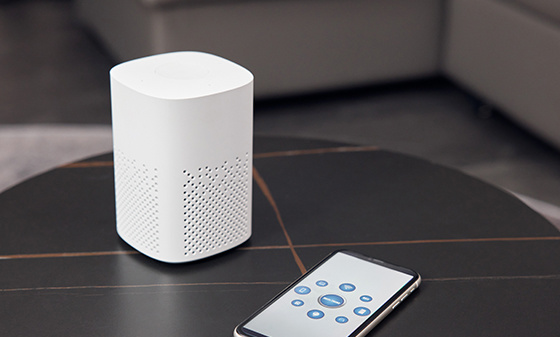 Bluetooth BQB Product Certification
 FM/AM Product Certification
 WiFi Product Certification
 Wireless charging product certification
 Interphone product certification
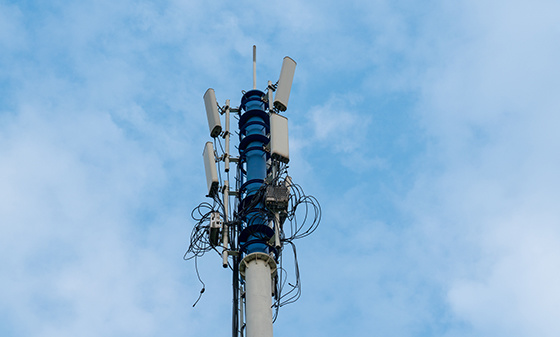 Base station certification
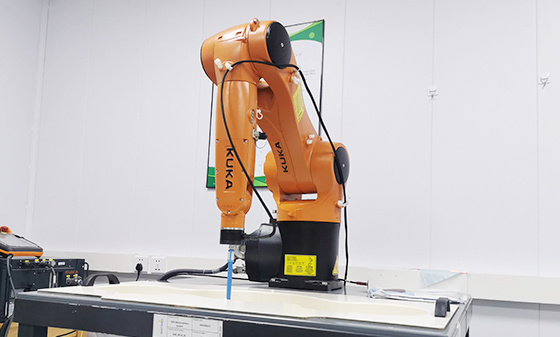 SAR testing
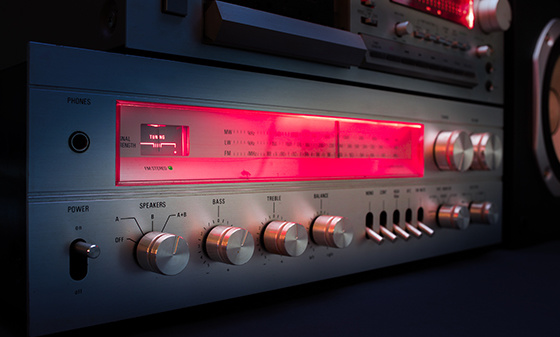 Receiver Product Certification
 5G NR Product Certification
 UWB Product Certification
 Internet of Things authentication
Electromagnetic compatibility
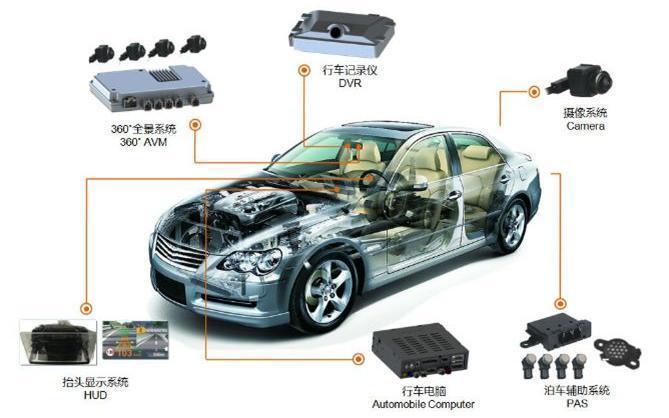 Automotive Electronics EMC Testing
 EMC rectification
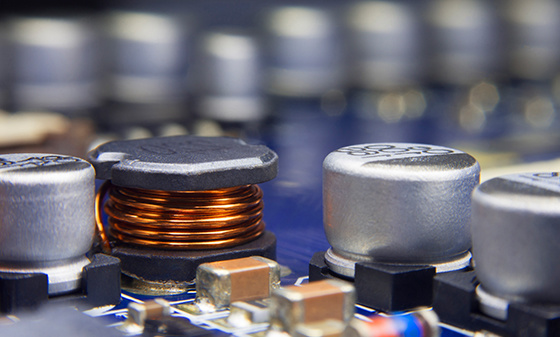 EMC
Automotive Electronics
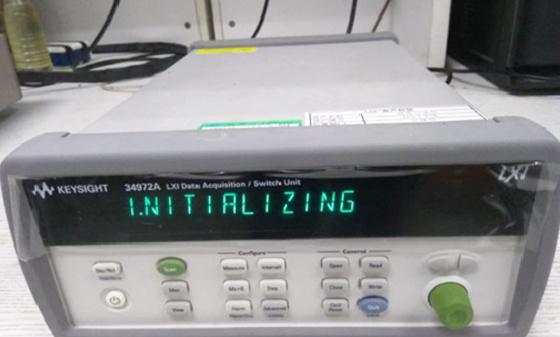 Electrical performance testing
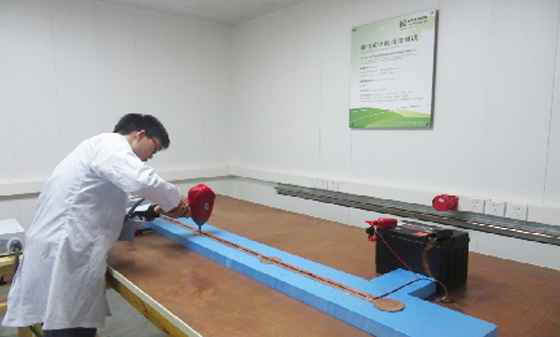 EMS testing - radiation anti-interference testing system (including radar waves)
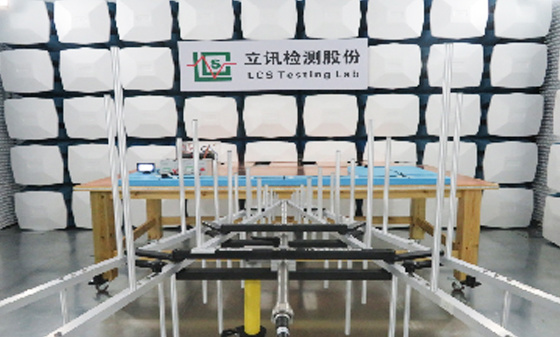 EMS Testing - Electrostatic Discharge
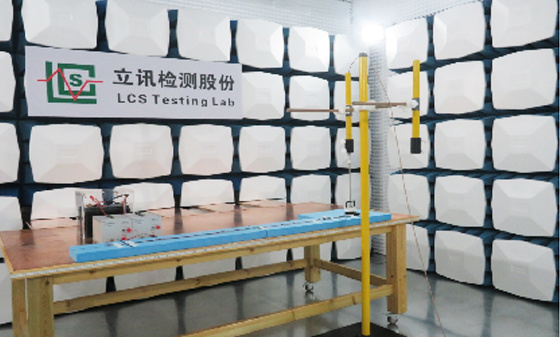 EMS Test - Transient Conducted Immunity Test
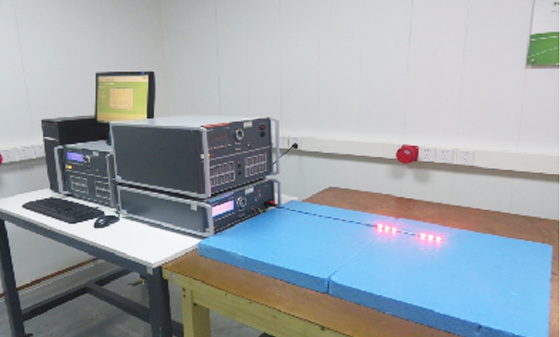 EMS Testing - Portable Transmitter Immunity
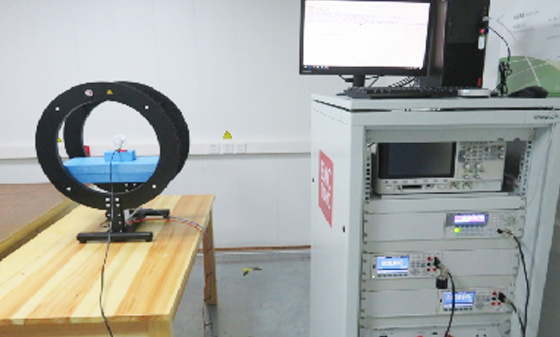 EMS Test - High Current Injection (BCI) Test
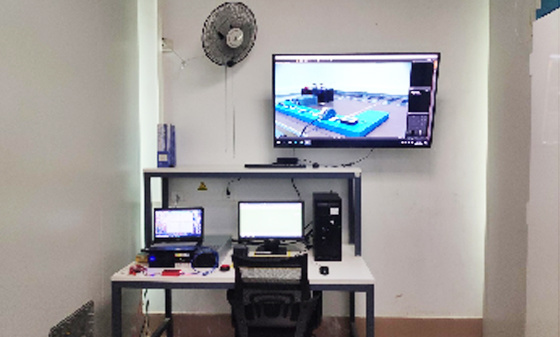 EMS test - low-frequency magnetic field anti-interference test
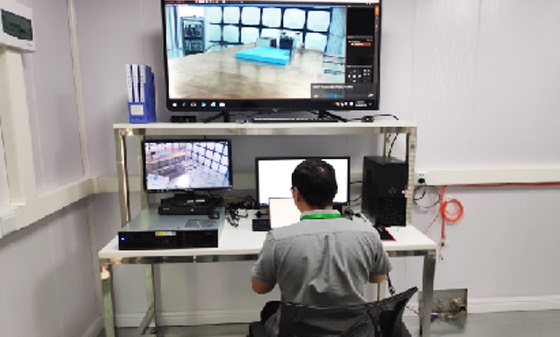 EMI Testing - Transient Conducted Emissions Testing System
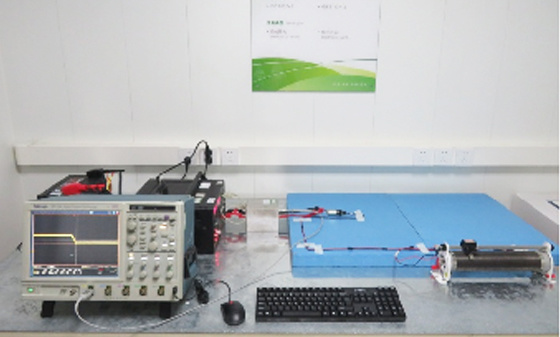 EMI testing - low-frequency magnetic field emission
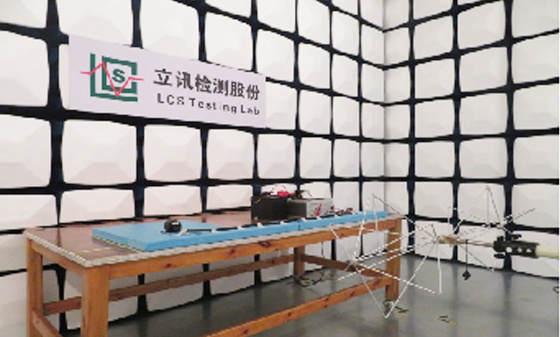 EMI Test - Radiation Emission Test
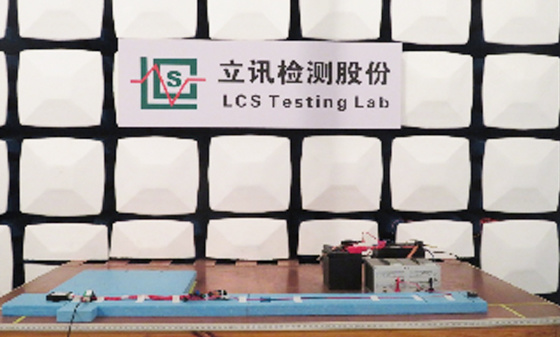 EMI Test - Conducted Emissions Test
 Automotive Electronic Testing
Automotive Parts Inspection
 Automotive ELV&VOC
 Reliability testing
 Temperature shock test
 Vibration testing
 Instrument panel/instrument panel three comprehensive vibration test
 Comprehensive vibration test of door inner panel III
 Sunvisor Three Comprehensive Vibration Test
 Spoiler Three Comprehensive Vibration Test
 Three comprehensive vibration tests of car front and rear bumpers
 Three comprehensive vibration tests for lamp housing/lampshade
 Comprehensive vibration test of outer circumference three
 Automotive metal material testing
 Performance testing of automotive lighting fixtures
 Rapid temperature change test
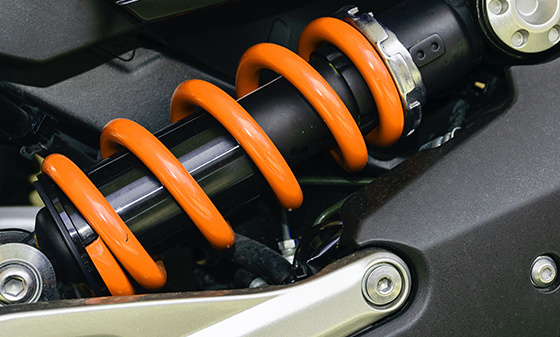 Vibration
 Common issues with vibration testing
 Common issues with fatigue testing
 Common issues with high and low temperature testing
 Conducted Interference (CE) - Suzhou Lixun Standard
 Electromagnetic Radiation Tolerance Test (RS) - Suzhou LCS Standard
 Electrical Fast Pulse Withstand Test (EFT) - Suzhou LCS Standard
 Voltage flicker test - Suzhou LCS standard
Electronic appliances
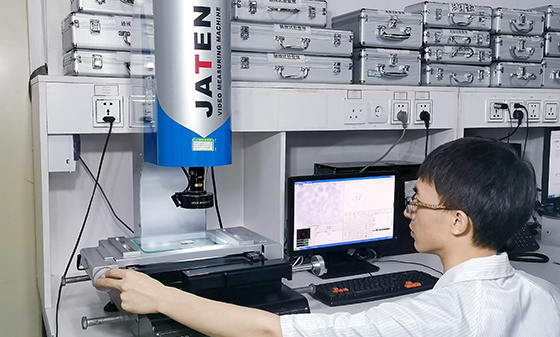 Household appliance product testing
 Electrical accessory product testing
 Household appliance testing
Chemical Testing
 Introduction to PFAS Testing
 MOSH/MOAH Mineral Oil Testing Service
 MOSH/MOAH Mineral Oil Testing and Certification Report Service
 Consumer Product Testing Services - WEEE Chapter
 Ecological textile testing
 Leather Footwear Inspection
 Food contact material testing
 Testing of toys and baby products
 Hazardous substance testing
Electronic Cigarette Testing
 Electronic cigarette detection
Reliability testing
 Other tests - pencil hardness test
 Mechanical testing - Packaging compression test
 Climate environment testing - Xenon lamp aging test
Battery Testing
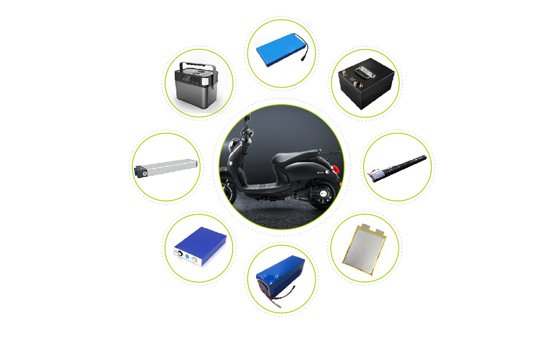 Power storage battery testing and certification
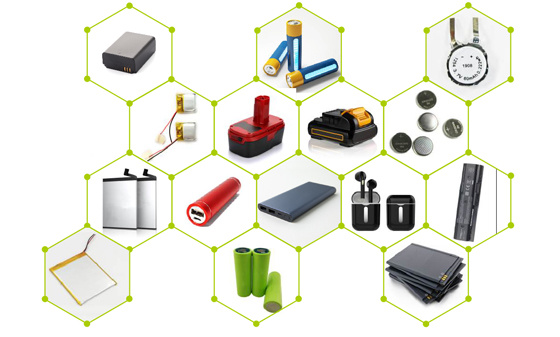 Consumer Electronics Battery Testing and Certification
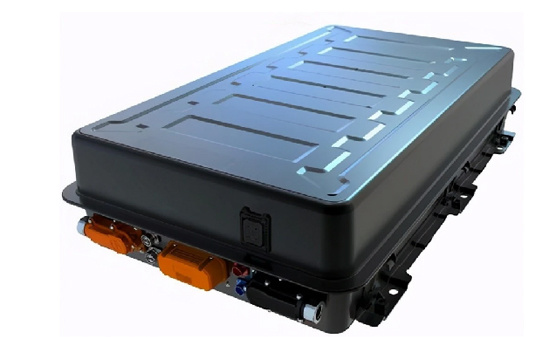 power battery
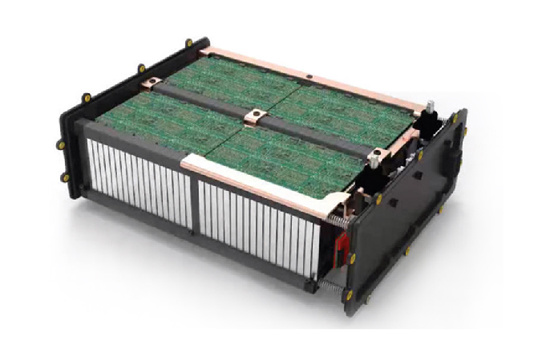 Light electric vehicle batteries
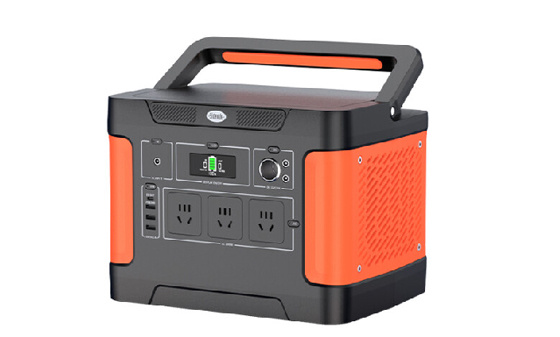 Energy storage battery
 Portable battery
 Battery testing
 battery test
Lamp Inspection
 Inspection of ship lighting fixtures
 COI Index Test for Medical Indoor Lighting
 Lamp safety inspection
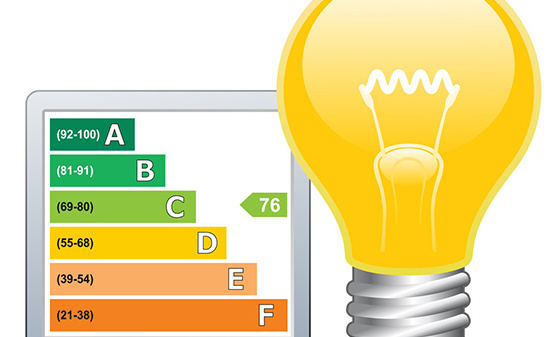 Luminaire energy efficiency testing
 EMC testing of lighting fixtures
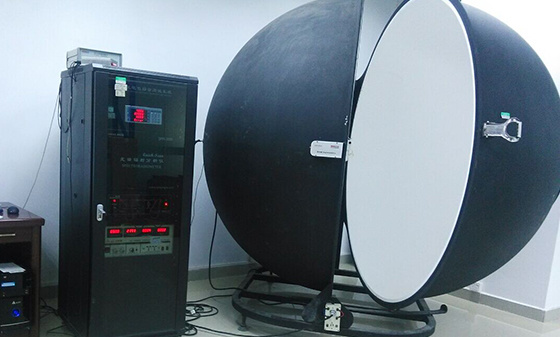 Integral Ball Laboratory
 Photobiology Experiment
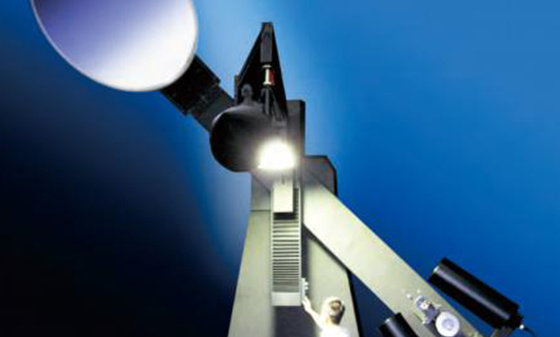 Light distribution test
 Lamp aging test
 Lamp IP waterproof
 Lamp performance testing
 Lamp reliability testing
Children's toy testing
 Testing standards for toy products
China Certification
 China's "national promotion" RoHS certification
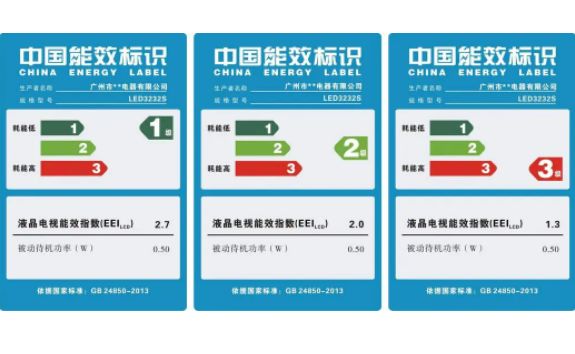 China Energy Efficiency Label Certification
 China Energy Conservation Certification
 China CQC Certification
 Tmall JD Quality Inspection Report
 China SRRC Certification
 Taiwan BSMI certification
 Taiwan NCC certification
 China CCC Compulsory Certification
Asia Certification
 Vietnam certification
 KC certification
 KUCAS Certification in Kuwait
 Singapore PSB certification
 Iraq COC Certification
 IMDA certification
 VCCI Certification in Japan
 JATE certification in Japan
 PSE certification
 BIS certification
 Japanese TELEC certification
European Certification
 RoHS certification
 GOST certification in Russia
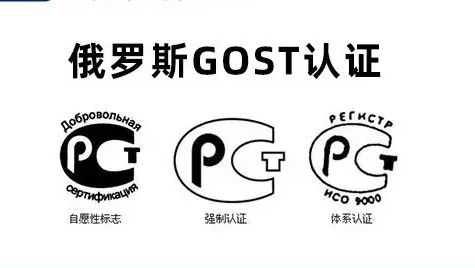 Russian EAC certification
 Northern Ireland UKNI logo
 Electrical ENEC certification
 European D-MARK certification
 Türkiye BTK certification
 TSE certification in Türkiye
 CE certification in Türkiye
 RED certification
 German TUV-SUD certification
 CE-ERP certification
 REACH certification
 German GS certification
 EU E-Mark certification
North American Certification
 Ecuador VOC certification
 Mexico NOM certification
 IRAM certification
 CPSC Certification in the United States
 CSA certification
 ASTM certification
 FDA certification
 CEC certification
 ETL certification
 ul certification
 IC certification
 Energy Star
 FCC Certification in the United States
 ASTM certification
Middle East Certification
 Israel SII certification
 Saudi SABER certification
 GCC certification for the seven Gulf countries
 Iran COI certification
 Qatar COC Certification
 Iraq COC Certification
 Saudi EER Energy Efficiency Certification
 Saudi SABER certification
 Algeria PCA certification
 PVOC certification
Australia Certification
 New Zealand IC-F testing
 VEET certification
 LCP certification
 GEMS certification
 RCM certification
 C-Tick certification
 SAA certification
Africa Certification
 Gabon COC certification
 Algeria COC certification

 Ethiopian VOC and COC certification
 Mauritius VOC certification
 Ghana COC certification
 COC certification in Burundi
 Zambia COC certification
 Botswana COC Certification
 Uganda PVOC certification
 SABS certification in South Africa
 South African LOA certification
 Zimbabwe CBCA Certification
 Nigeria SONCAP certification
 Kenya PVOC certification
 African COC certification
Other certifications
 WEEE
 Bluetooth BQB certification
 IECEE registration
 MHRA registration in the UK
TRAINING
 Management system training
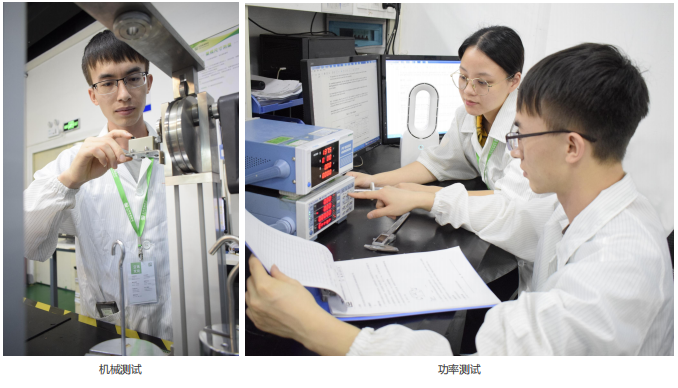 Laboratory technical training
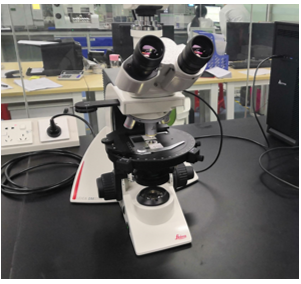 Laboratory Process Consulting
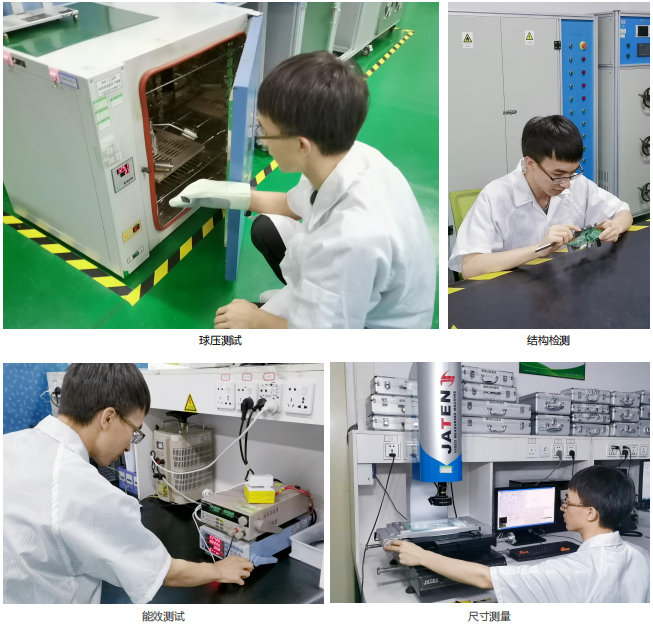 Laboratory decoration construction
Wireless Communication
Electromagnetic compatibility
Automotive Electronics
Automotive Parts Inspection
Electronic appliances
Chemical Testing
Electronic Cigarette Testing
Reliability testing
Battery Testing
Lamp Inspection
Children's toy testing
China Certification
Asia Certification
European Certification
North American Certification
Middle East Certification
Australia Certification
Africa Certification
Other certifications
TRAINING

Services
返回Testing Services
Certification Services
- China's "national promotion" RoHS certification
- China Energy Efficiency Label Certification
- China Energy Conservation Certification
- China CQC Certification
- Tmall JD Quality Inspection Report
- China SRRC Certification
- Taiwan BSMI certification
- Taiwan NCC certification
- China CCC Compulsory Certification
- RoHS certification
- GOST certification in Russia
- Russian EAC certification
- Northern Ireland UKNI logo
- Electrical ENEC certification
- European D-MARK certification
- Türkiye BTK certification
- TSE certification in Türkiye
- CE certification in Türkiye
- RED certification
- German TUV-SUD certification
- CE-ERP certification
- REACH certification
- German GS certification
- EU E-Mark certification
- Ecuador VOC certification
- Mexico NOM certification
- IRAM certification
- CPSC Certification in the United States
- CSA certification
- ASTM certification
- FDA certification
- CEC certification
- ETL certification
- ul certification
- IC certification
- Energy Star
- FCC Certification in the United States
- UL, ETL, CSA, MET, TUV certification in the United States
- ASTM certification
- Israel SII certification
- Saudi SABER certification
- GCC certification for the seven Gulf countries
- Iran COI certification
- Qatar COC Certification
- Iraq COC Certification
- Saudi EER Energy Efficiency Certification
- Saudi SASO Energy Efficiency Certification
- Saudi SABER certification
- Saudi EER Energy Efficiency Certification
- Algeria PCA certification
- PVOC certification
- Gabon COC certification
- Algeria COC certification
- Ethiopian VOC and COC certification
- Mauritius VOC certification
- Ghana COC certification
- COC certification in Burundi
- Zambia COC certification
- Botswana COC Certification
- Uganda PVOC certification
- SABS certification in South Africa
- South African LOA certification
- Zimbabwe CBCA Certification
- Nigeria SONCAP certification
- Kenya PVOC certification
- African COC certification
Register for the record
Systems and Training Services
Laboratory design and construction
Contact Us
National 24-hour service hotline
400-116-2629
Group Headquarters
E-mail: webmaster@lcs-cert.com
Address: Shenzhen City, Baoan District, Shajing Street, Nga side of the school of Wei Juji Industrial Park, Building A 1 ~ 2 floor, Building C 3 floor
Electrical ENEC certification
ENEC (European Norms Electrical Certification) is a certification scheme of CENELEC (European Commission Organisation for Electrical Standardization) that is a common European standard for specific products that comply with European standards, such as lighting equipment, components, and office & data equipment.
Standard electrical certification
ENEC (European Norms Electrical Certification) is a certification scheme of CENELEC (European Commission Organisation for Electrical Standardization) that is a common European standard for specific products that comply with European standards, such as lighting equipment, components, and office & data equipment.
The ENEC mark is a universal mark for European safety certification, which is adopted by European manufacturers based on tests based on harmonized European safety standards.
At the 2000CCA meeting held in Yugoslavia in March 3, it was unanimously approved that the "ENEC" mark, which was originally only allowed to be used by European manufacturers, began to be open to all manufacturers worldwide.
National electrical certification marks
Initially, certification was only for IT (information) equipment (EN60950), but today the scope of the "ENEC" mark includes: ● Information equipment (EN60950)
● Transformer (EN60742, EN61558)
● Lighting (EN60598) and related documents (EN60920, EN60440)
● Electrical switch(EN61058)
Electrical certification instructions
The implementation of the product certification system is not only in the interests of the buyer but also in the interests of the seller, but also can greatly save inspection resources and simplify the evaluation procedures, so it is welcomed by all parties in the society. Due to the different objects that require and use these quality information, product certification has a variety of different functions, and the following are a few.
Guide consumers to choose satisfactory products
Consumers often pick goods based on experience and limited knowledge. If you buy simple goods such as cups and towels, consumers are fully capable of choosing products that they are satisfied with, even if they choose improperly, they will not cause great losses. However, if you are buying a product with a complex structure and an expensive price (household appliances, automobiles, etc.), you cannot judge its intrinsic quality based on subjective means such as personal experience, appearance inspection, and feel. In the modern society with the rapid development of science and technology, information, knowledge and products, ordinary consumers generally lack the technical knowledge required to purchase goods, nor do they have the technical means required to test goods, and often have many difficulties or doubts when purchasing goods. After the implementation of product certification, all certified goods have a specific certification mark, which provides consumers with a quality information: the goods have been identified and evaluated by an impartial third party-certification body, and their quality meets the standards stipulated by the state; At the same time, the manufacturer must also accept the daily supervision of the certification body to ensure that the quality of its products can continue to meet the specified standard requirements. If consumers want to know more about the quality of certified products, they can find the standard on which the product is based and have a comprehensive understanding of it according to the standard number of the certification mark annotated.
Bring credibility and more profit to the seller
Sellers include manufacturers, wholesalers, and retailers. In the sale of goods, it is crucial to establish a good reputation among users and consumers. After the implementation of product certification, the certification mark can clearly distinguish the certified product from the non-certified product. Products with certification marks are more competitive in the market, will be widely trusted by consumers, and distributors are willing to operate, so it is easier to occupy and expand the market. In the case of the buyer's market, this advantage of product certification is even more obvious. For production enterprises, the certification mark is actually a proof of quality and reputation, and quality and reputation are the source of profits for enterprises.
Help production enterprises to establish and improve the quality system of survival
The establishment of a quality system is to control all the elements and factors that affect product quality, which is the fundamental way for enterprise leaders to ensure that product quality can continue to meet the requirements of the standard. A relatively complete product certification system, before approving the certification, the effectiveness of the enterprise quality system should be checked and evaluated. Only if the quality system of the enterprise meets the specified requirements, it is possible to obtain the qualification of product certification, which is one of the basic conditions for the certification body to approve the certification. Establishing an effective quality system is the core of modern quality management, and many enterprises fail to grasp this well. When implementing product quality certification, the certification body inspects and evaluates the quality system of the enterprise, which is essentially the validity diagnosis of the quality system of the enterprise by relevant experts. Even if the experts raise many questions and fail to pass them at one time, it is also of great help to the enterprise to improve quality management. Therefore, many enterprises see the process of implementing certification as a process to help them establish a quality system, improve quality management and improve product quality.
Save a lot of inspection costs
In the production process, producers need to purchase raw materials, components or other products as means of production. When purchasing, it is often necessary to inspect the quality of the product, which can be carried out by the enterprise itself or entrusted to a special inspection agency, but it requires a large number of inspection costs. The implementation of the certification system provides the possibility to save inspection costs: product certification not only conducts type tests on products, but also checks the quality system of the enterprise and carries out daily supervision, which can fully meet the requirements of users. Therefore, users only need to use the quality information provided by third-party certification bodies, and there is no need for repeated inspections.
Implement a product certification system
In the practice of implementing the product certification system, people's requirements for product quality continue to increase, and at the same time, the requirements for standards are getting higher and higher, because the performance of products is specified by standards. As a result, some countries raise the standards used in product certification to the international level, or divide product certification into different levels (for example, the world's advanced level and the international general level, using different certification marks); At the same time, the policy of encouragement is implemented for products certified as international advanced level. In this way, the state can promote the improvement of the overall quality level of products through the implementation of the product certification system.
Implement a mandatory safety certification system
The implementation of a mandatory safety certification system is an effective means for the state to protect the personal safety and health of consumers
The safety of products is directly related to the personal safety and health of users, and many countries have specially formulated safety standards for products (such as electrical products, etc.) and implemented mandatory safety certification. Such products (including imported products) must be certified by a nationally designated certification body, and must be shipped and sold with a specific safety certification mark, otherwise they will not be allowed to enter the market.
Improve the competitiveness of products in the international market
The implementation of third-party product certification systems is a common practice in many countries to ensure that products enter the international market and obtain trade facilitation. For example, products certified by UIJ in the United States can not only enter the US market smoothly, but also be widely recognized by users in their own countries and other countries. With the in-depth development of trade internationalization and economic globalization, product certification, as an important means to eliminate trade barriers, has been widely used in international economic exchanges. With the development of international mutual recognition in the field of conformity assessment, all products certified by certification bodies recognized by the accreditation bodies of the contracting countries will be generally recognized by member countries, and can enjoy certain convenience when exporting, and even obtain certain advantages in price.


 WeChat Inquiry


 Reservation


Contact Us
National 24-hour service hotline
Address:Juji Industrial Park, Xueziwei, Ngabian, Shajing Street, Baoan District, Shenzhen Building A 1~2F, Building C 3F

WeChat public number
Share industry dry goods

WeChat consultation
Please note consulting services

Follow Jitterbug

Mobile website
di complaint mailbox: customer.complaint@lcs-cert.com complaint telephone tel: 18126445450 certificate report verification of authenticity mailbox: verification@lcs-cert.com