

Wireless Communication
 EU RED Network Security Standard EN 18031
 Wireless and communication detection
 Mobile communication product certification
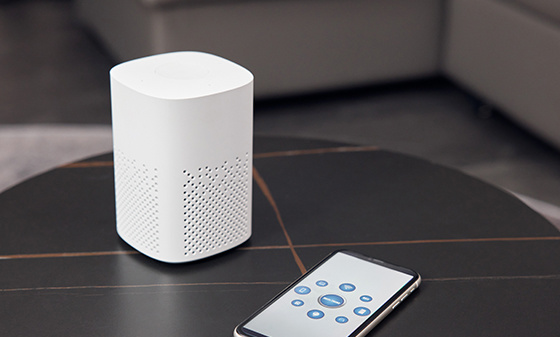 Bluetooth BQB Product Certification
 FM/AM Product Certification
 WiFi Product Certification
 Wireless charging product certification
 Interphone product certification
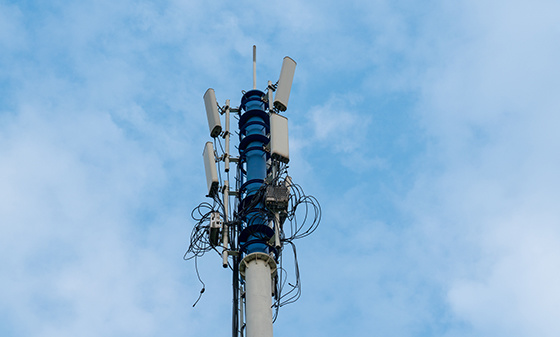 Base station certification
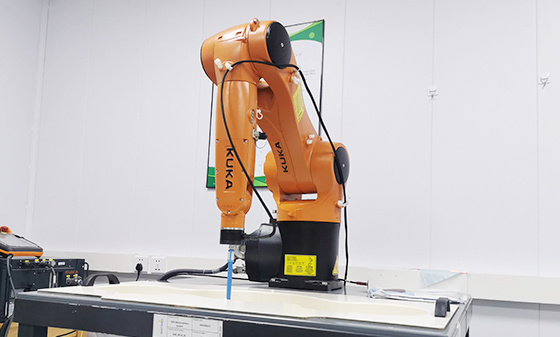 SAR testing
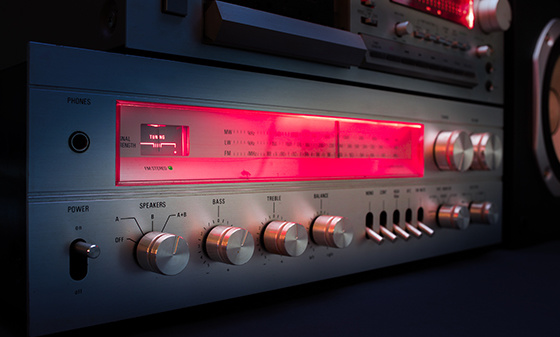 Receiver Product Certification
 5G NR Product Certification
 UWB Product Certification
 Internet of Things authentication
Electromagnetic compatibility
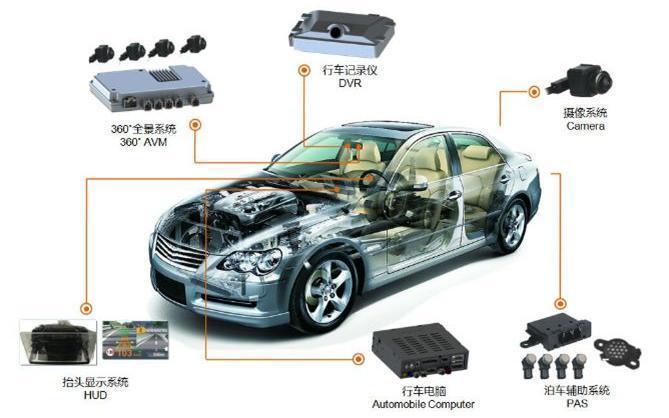 Automotive Electronics EMC Testing
 EMC rectification
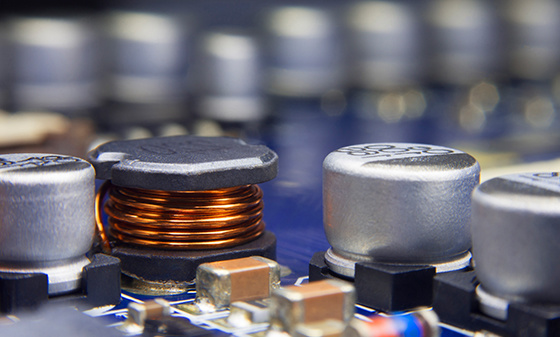 EMC
Automotive Electronics
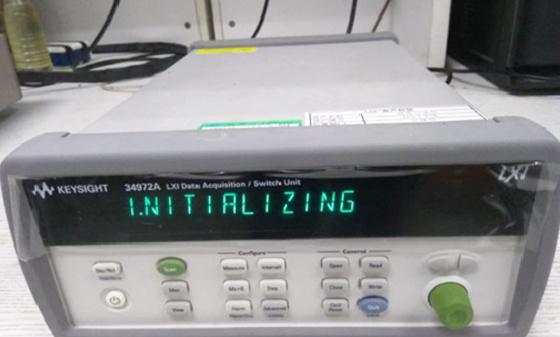 Electrical performance testing
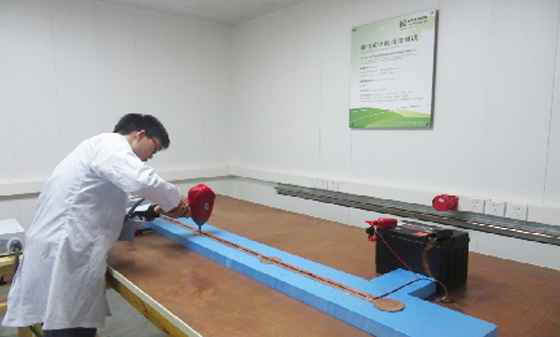 EMS testing - radiation anti-interference testing system (including radar waves)
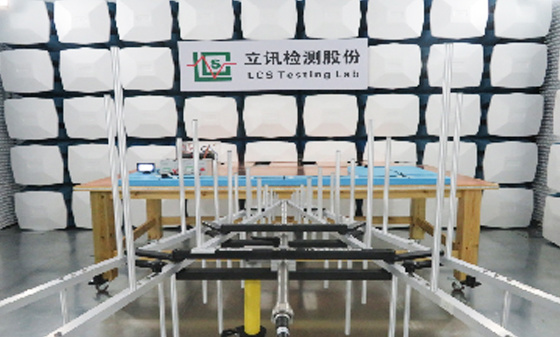 EMS Testing - Electrostatic Discharge
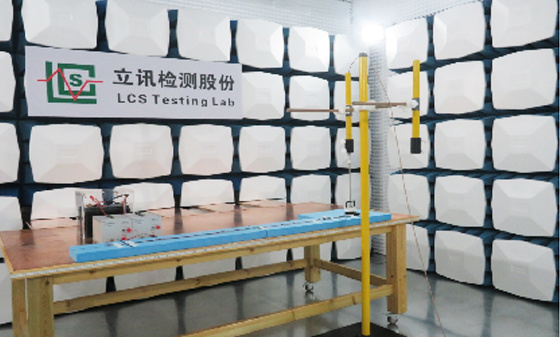 EMS Test - Transient Conducted Immunity Test
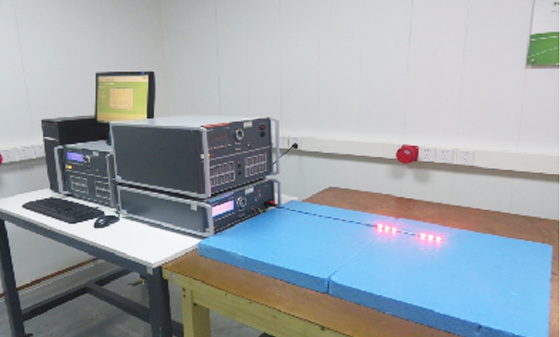 EMS Testing - Portable Transmitter Immunity
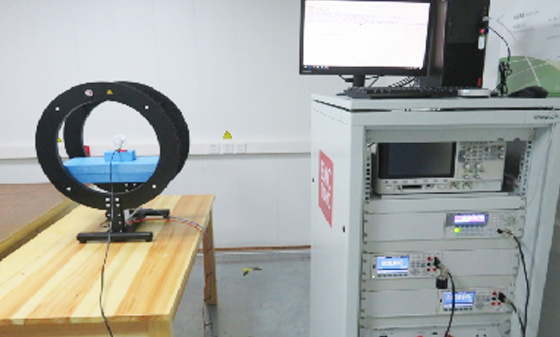 EMS Test - High Current Injection (BCI) Test
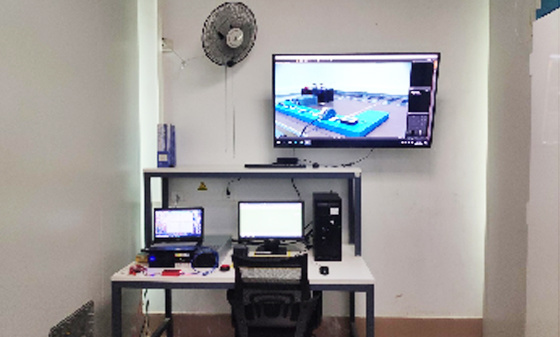 EMS test - low-frequency magnetic field anti-interference test
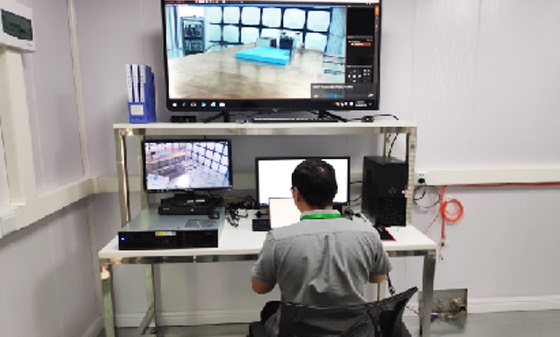 EMI Testing - Transient Conducted Emissions Testing System
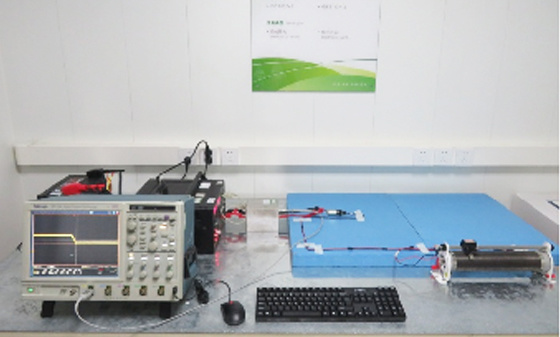 EMI testing - low-frequency magnetic field emission
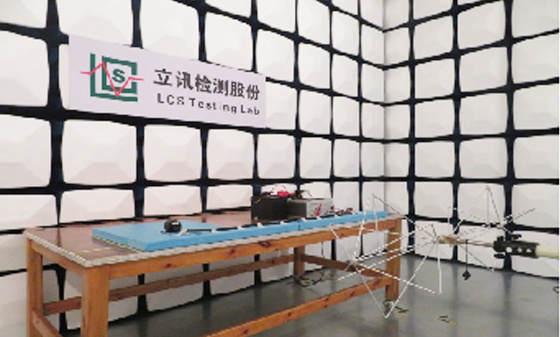 EMI Test - Radiation Emission Test
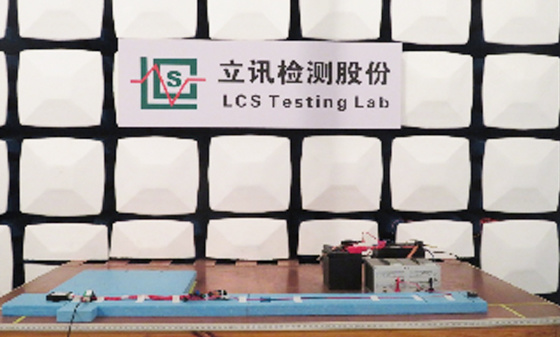 EMI Test - Conducted Emissions Test
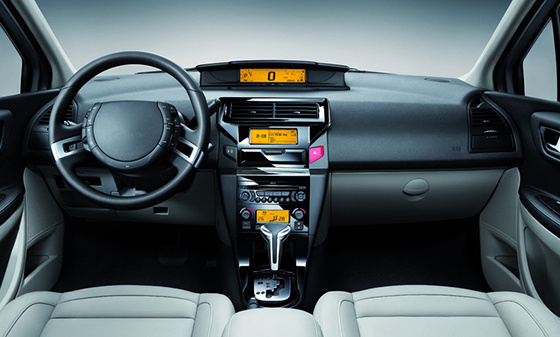 Automotive Electronic Testing
Automotive Parts Inspection
 Automotive ELV&VOC
 Reliability testing
 Temperature shock test
 Vibration testing
 Instrument panel/instrument panel three comprehensive vibration test
 Comprehensive vibration test of door inner panel III
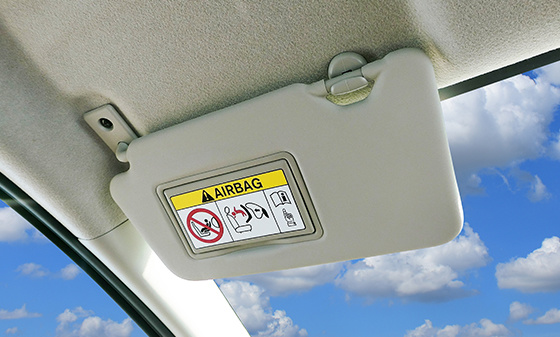 Sunvisor Three Comprehensive Vibration Test
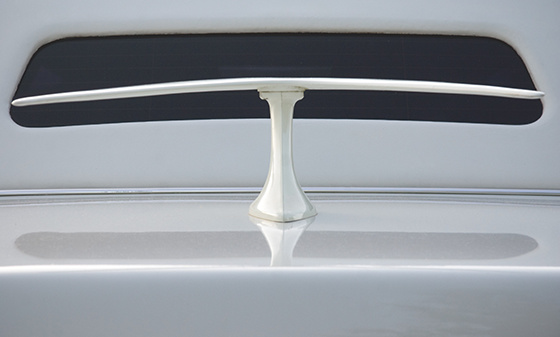 Spoiler Three Comprehensive Vibration Test
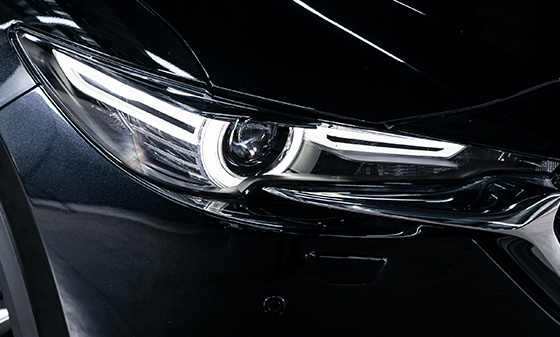 Three comprehensive vibration tests of car front and rear bumpers
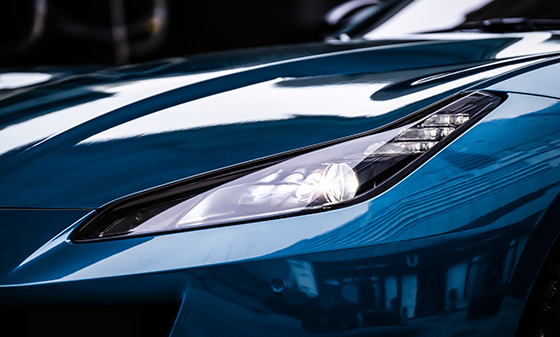 Three comprehensive vibration tests for lamp housing/lampshade
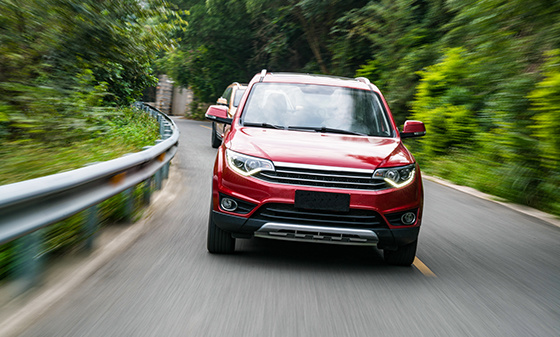 Comprehensive vibration test of outer circumference three
 Automotive metal material testing
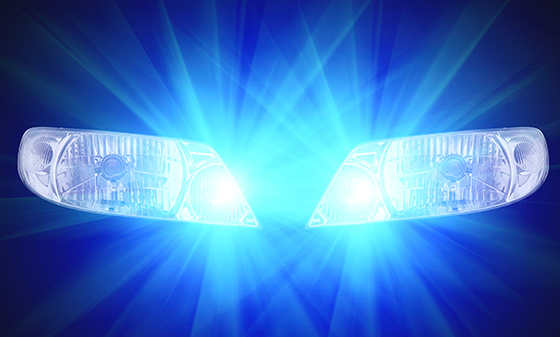 Performance testing of automotive lighting fixtures
 Rapid temperature change test
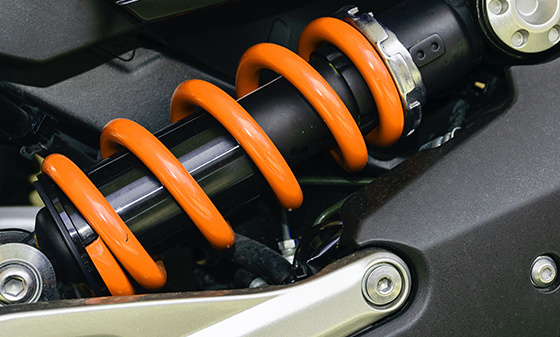 Vibration
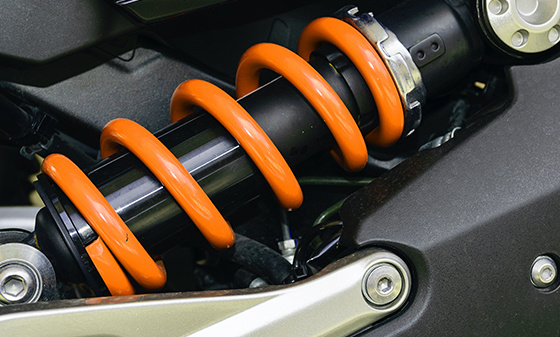 Common issues with vibration testing
 Common issues with fatigue testing
 Common issues with high and low temperature testing
 Conducted Interference (CE) - Suzhou Lixun Standard
 Electromagnetic Radiation Tolerance Test (RS) - Suzhou LCS Standard
 Electrical Fast Pulse Withstand Test (EFT) - Suzhou LCS Standard
 Voltage flicker test - Suzhou LCS standard
Electronic appliances
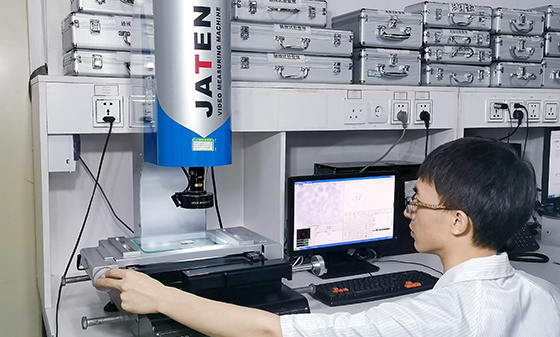 Household appliance product testing
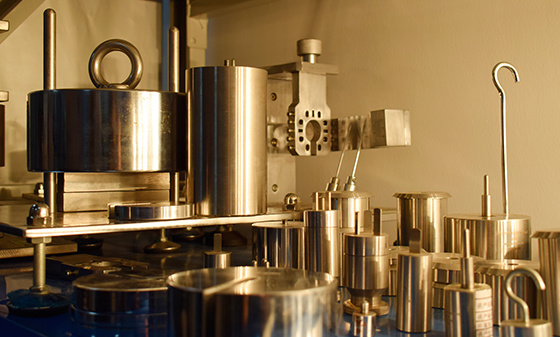 Electrical accessory product testing
 Household appliance testing
Chemical Testing
 Introduction to PFAS Testing
 MOSH/MOAH Mineral Oil Testing Service
 MOSH/MOAH Mineral Oil Testing and Certification Report Service
 Consumer Product Testing Services - WEEE Chapter
 Ecological textile testing
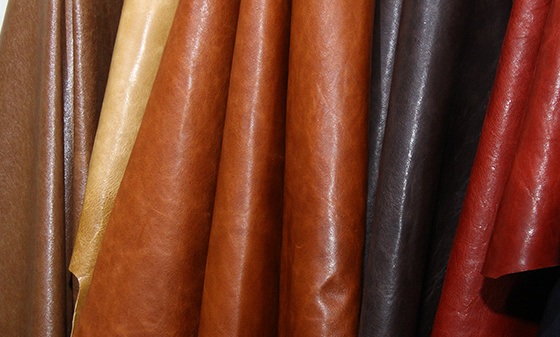 Leather Footwear Inspection
 Food contact material testing
 Testing of toys and baby products
 Hazardous substance testing
Electronic Cigarette Testing
 Electronic cigarette detection
Reliability testing
 Other tests - pencil hardness test
 Mechanical testing - Packaging compression test
 Climate environment testing - Xenon lamp aging test
Battery Testing
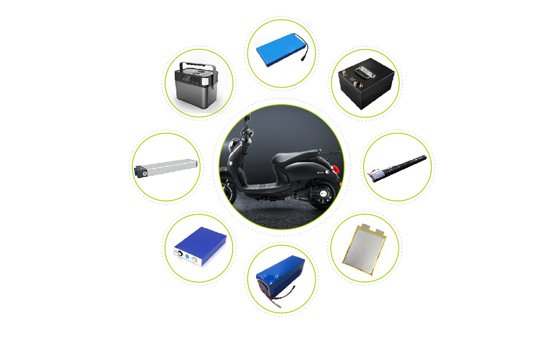 Power storage battery testing and certification
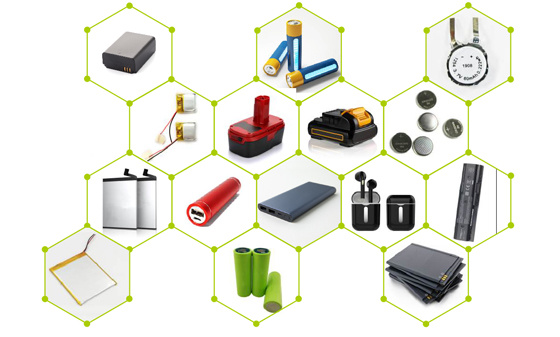 Consumer Electronics Battery Testing and Certification
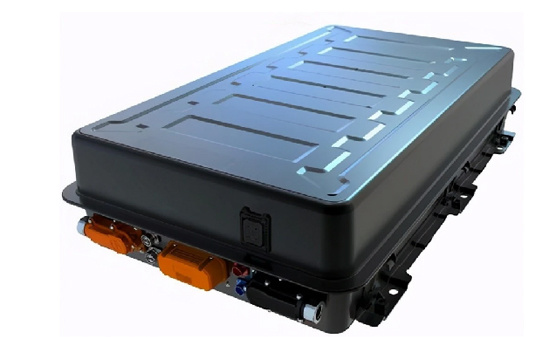 power battery
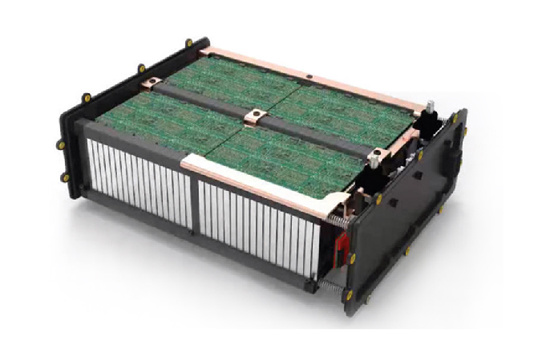 Light electric vehicle batteries
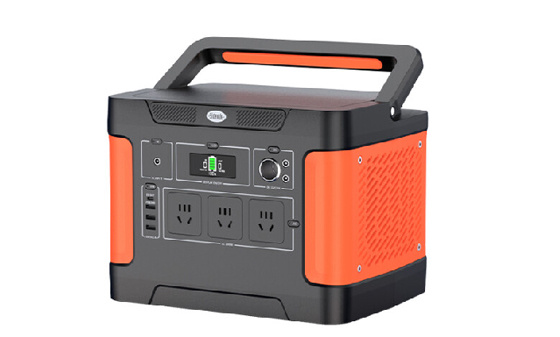 Energy storage battery
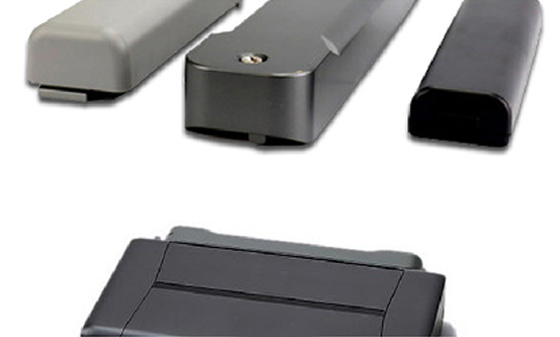 Portable battery
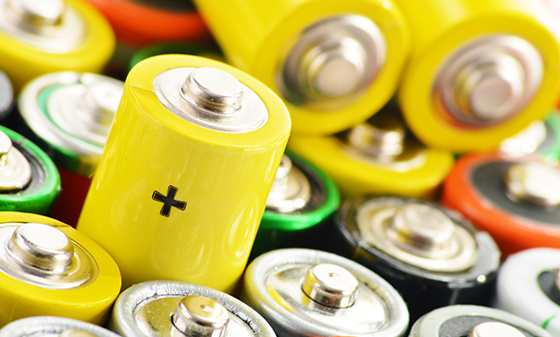 Battery testing
 battery test
Lamp Inspection
 Inspection of ship lighting fixtures
 COI Index Test for Medical Indoor Lighting
 Lamp safety inspection
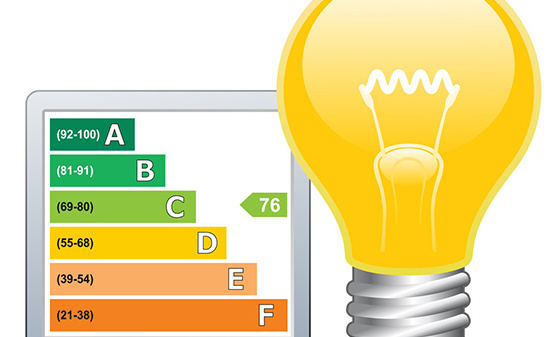 Luminaire energy efficiency testing
 EMC testing of lighting fixtures
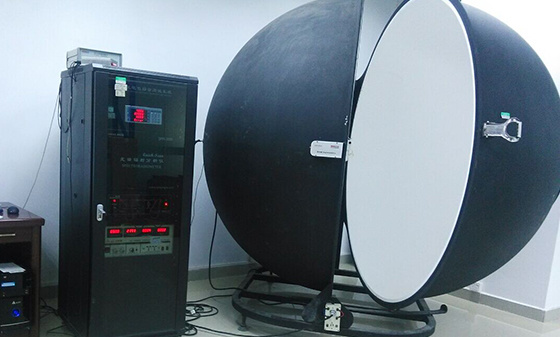 Integral Ball Laboratory
 Photobiology Experiment
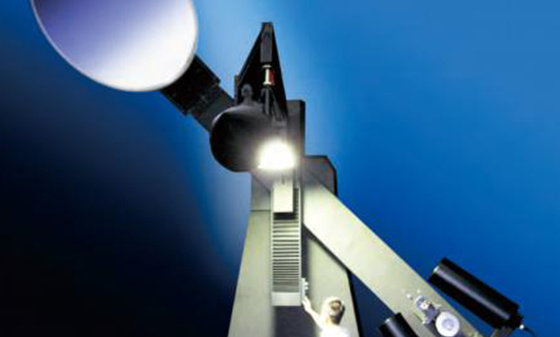 Light distribution test
 Lamp aging test
 Lamp IP waterproof
 Lamp performance testing
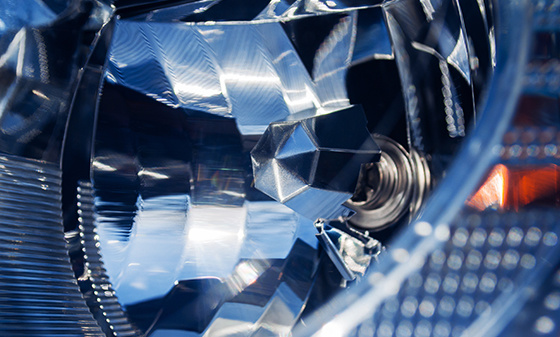 Lamp reliability testing
Children's toy testing
 Testing standards for toy products
China Certification
 China's "national promotion" RoHS certification
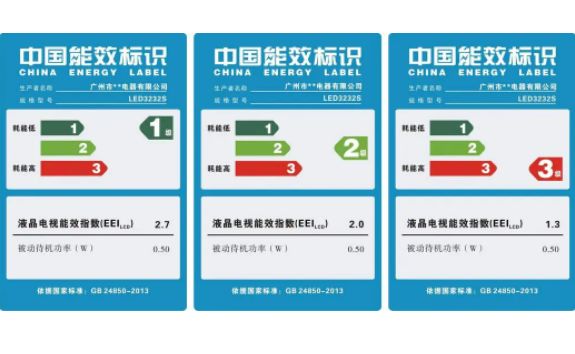 China Energy Efficiency Label Certification
 China Energy Conservation Certification
 China CQC Certification
 Tmall JD Quality Inspection Report
 China SRRC Certification
 Taiwan BSMI certification
 Taiwan NCC certification
 China CCC Compulsory Certification
Asia Certification
 Vietnam certification
 KC certification
 KUCAS Certification in Kuwait
 Singapore PSB certification
 Iraq COC Certification
 IMDA certification
 VCCI Certification in Japan
 JATE certification in Japan
 PSE certification
 BIS certification
 Japanese TELEC certification
European Certification
 RoHS certification
 GOST certification in Russia
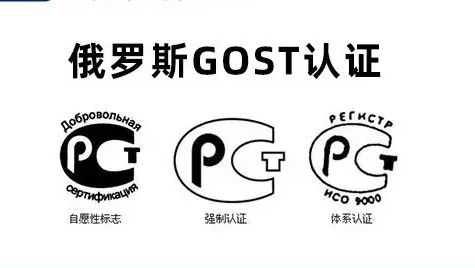 Russian EAC certification
 Northern Ireland UKNI logo
 Electrical ENEC certification
 European D-MARK certification
 Türkiye BTK certification
 TSE certification in Türkiye
 CE certification in Türkiye
 RED certification
 German TUV-SUD certification
 CE-ERP certification
 REACH certification
 German GS certification
 EU E-Mark certification
North American Certification
 Ecuador VOC certification
 Mexico NOM certification
 IRAM certification
 CPSC Certification in the United States
 CSA certification
 ASTM certification
 FDA certification
 CEC certification
 ETL certification
 ul certification
 IC certification
 Energy Star
 FCC Certification in the United States
 ASTM certification
Middle East Certification
 Israel SII certification
 Saudi SABER certification
 GCC certification for the seven Gulf countries
 Iran COI certification
 Qatar COC Certification
 Iraq COC Certification
 Saudi EER Energy Efficiency Certification
 Saudi SABER certification
 Algeria PCA certification
 PVOC certification
Australia Certification
 New Zealand IC-F testing
 VEET certification
 LCP certification
 GEMS certification
 RCM certification
 C-Tick certification
 SAA certification
Africa Certification
 Gabon COC certification
 Algeria COC certification

 Ethiopian VOC and COC certification
 Mauritius VOC certification
 Ghana COC certification
 COC certification in Burundi
 Zambia COC certification
 Botswana COC Certification
 Uganda PVOC certification
 SABS certification in South Africa
 South African LOA certification
 Zimbabwe CBCA Certification
 Nigeria SONCAP certification
 Kenya PVOC certification
 African COC certification
Other certifications
 WEEE
 Bluetooth BQB certification
 IECEE registration
 MHRA registration in the UK
TRAINING
 Management system training
 Laboratory technical training
 Laboratory Process Consulting
 Laboratory decoration construction
Wireless Communication
Electromagnetic compatibility
Automotive Electronics
Automotive Parts Inspection
Electronic appliances
Chemical Testing
Electronic Cigarette Testing
Reliability testing
Battery Testing
Lamp Inspection
Children's toy testing
China Certification
Asia Certification
European Certification
North American Certification
Middle East Certification
Australia Certification
Africa Certification
Other certifications
TRAINING

Services
返回Testing Services
- EU RED Network Security Standard EN 18031
- Wireless and communication detection
- Mobile communication product certification
- Bluetooth BQB Product Certification
- FM/AM Product Certification
- WiFi Product Certification
- Wireless charging product certification
- Interphone product certification
- Base station certification
- SAR testing
- Receiver Product Certification
- 5G NR Product Certification
- UWB Product Certification
- Internet of Things authentication
- Electrical performance testing
- EMS testing - radiation anti-interference testing system (including radar waves)
- EMS Testing - Electrostatic Discharge
- EMS Test - Transient Conducted Immunity Test
- EMS Testing - Portable Transmitter Immunity
- EMS Test - High Current Injection (BCI) Test
- EMS test - low-frequency magnetic field anti-interference test
- EMI Testing - Transient Conducted Emissions Testing System
- EMI testing - low-frequency magnetic field emission
- EMI Test - Radiation Emission Test
- EMI Test - Conducted Emissions Test
- Automotive Electronic Testing
- Automotive ELV&VOC
- Reliability testing
- Temperature shock test
- Vibration testing
- Temperature shock/cold and hot shock test
- Instrument panel/instrument panel three comprehensive vibration test
- Comprehensive vibration test of door inner panel III
- Sunvisor Three Comprehensive Vibration Test
- Spoiler Three Comprehensive Vibration Test
- Three comprehensive vibration tests of car front and rear bumpers
- Three comprehensive vibration tests for lamp housing/lampshade
- Comprehensive vibration test of outer circumference three
- Automotive metal material testing
- Performance testing of automotive lighting fixtures
- Rapid temperature change test
- Vibration
- Common issues with vibration testing
- Common issues with fatigue testing
- Common issues with high and low temperature testing
- Conducted Interference (CE) - Suzhou Lixun Standard
- Conducted Immunity Test (CS) - Suzhou LCS Standard
- Electromagnetic Radiation Tolerance Test (RS) - Suzhou LCS Standard
- Electrical Fast Pulse Withstand Test (EFT) - Suzhou LCS Standard
- Voltage flicker test - Suzhou LCS standard
- Introduction to PFAS Testing
- MOSH/MOAH Mineral Oil Testing Service
- MOSH/MOAH Mineral Oil Testing and Certification Report Service
- Automotive ELV&VOC
- Consumer Product Testing Services - WEEE Chapter
- Consumer Product Testing Services - CA 65
- Consumer Product Testing Services - SDS Section
- Consumer Product Testing Services - TSCA Section
- Consumer Product Testing Services - CPSIA Section
- Consumer Product Testing Services - POPs Section
- Consumer Product Testing Services - REACH Restricted Substances Section
- Consumer Product Testing Services - REACH SVHC Section
- Consumer Product Testing Services - RoHS Chapter
- Ecological textile testing
- Leather Footwear Inspection
- Food contact material testing
- Testing of toys and baby products
- Hazardous substance testing
- Other tests - pencil hardness test
- Other tests - Alcohol abrasion test
- Other tests -100 grid test
- Other tests - Paper tape wear test
- Other inspections - bending tests
- Other tests - tensile testing
- Other tests - Drum drop test
- Other tests - Voltage withstand test
- Mechanical testing - Packaging compression test
- Mechanical testing - Drop test
- Mechanical inspection - mechanical shock test
- Mechanical testing - Three comprehensive vibration tests
- Mechanical testing - Vibration testing
- Climate environment testing - Xenon lamp aging test
- Climatic environment testing - UV ultraviolet test
- Climate Environmental Testing - Low Pressure Test
- Climatic environment testing - IP level (waterproof and dustproof test)
- Climatic Environmental Testing - Salt Spray Test
- Climatic Environmental Testing - Walkthrough Temperature Test
- Climatic environment test - cold and hot shock test
- Climate environment testing - rapid temperature change test
- Climatic environmental testing - alternating damp heat test
- Climate environment testing - Temperature cycling test
- Climatic Environmental Testing - High Temperature Testing
- Climatic Environmental Testing - Low Temperature Testing
- Reliability testing
- Inspection of ship lighting fixtures
- COI Index Test for Medical Indoor Lighting
- Lamp safety inspection
- Luminaire energy efficiency testing
- EMC testing of lighting fixtures
- Integral Ball Laboratory
- Photobiology Experiment
- Light distribution test
- Lamp aging test
- Lamp IP waterproof
- Lamp performance testing
- Lamp reliability testing
Certification Services
Register for the record
Systems and Training Services
Laboratory design and construction
Contact Us

National 24-hour service hotline
400-116-2629
Group Headquarters
E-mail: webmaster@lcs-cert.com
Address: Shenzhen City, Baoan District, Shajing Street, Nga side of the school of Wei Juji Industrial Park, Building A 1 ~ 2 floor, Building C 3 floor
Light electric vehicle batteries
The safety certification of lithium batteries used in light electric vehicles (LEVs), including electric bicycles, mopeds, scooters and balance bikes, is often overlooked, but fires and explosions often occur. The capacity of LEV batteries is larger than that of portable devices, but lower than that used in electric vehicles (EVs), which requires full consideration of LEV use environment, charge and discharge status, and increasingly stringent national and regional safety requirements in battery design, test and verification. Luxshare Testing helps your products achieve better safety design, higher quality and better customer experience.
Country/Region | standard |
International, EU | ECE R136, EN50604 |
United States | UL2271, UL2580 |
China | GB/T31485, GB/T31486, GB/T36672, GB/T36972, QB/T2947.3 |
EN 50604 is a safety standard in Europe for lithium battery packs used in light electric vehicles, including electric bicycles. Its full name is EN 50604:2016- Safety requirements for lithium batteries and battery packs used in light electric vehicles. This standard was developed by the European Committee for Electrotechnical Standardization (CENELEC) to ensure the safety of lithium battery packs for light electric vehicles such as electric bicycles during the design, manufacturing, and use process.
Main scope of application of EN 50604
Light electric vehicles: including electric bicycles, electric scooters, electric motorcycles, etc.
Lithium battery pack: suitable for lithium battery packs with voltages below 1000V AC or 1500V DC.
The core objective of the standard
EN 50604 aims to ensure the safety of lithium battery packs through a series of tests and requirements in the following areas:
Electrical safety: prevent issues such as short circuits, overcharging, and overdischarging.
Mechanical safety: Ensure the reliability of the battery pack under mechanical stresses such as vibration and impact.
Environmental safety: Verify the performance of the battery pack in extreme environments such as high temperature, low temperature, and humidity.
Fire and explosion prevention: prevent the battery pack from overheating, catching fire, or exploding.
EN17128 is the safety standard for personal light electric vehicles (Non type approved PLEVs), and EN 17128 has also entered the final draft stage of EN 17128:2018. The scope of application of EN17128-2020 standard now applies to personal light electric vehicles, all or partially powered by a standing power source, equipped or not equipped with an automatic balancing system, except for vehicles rented from unmanned stations.
EN17128 Scope of application:
1) This draft standard applies to individual light electric vehicles, which may or may not have a self balancing system powered by a standing power source.
2) This draft standard is applicable to vehicles with battery voltage not exceeding 100VDC and/or integrated battery chargers with input voltage not exceeding 240VAC.
The latest EN15194:2017 version of electric bicycles has been released
On May 28, 2017, the latest version of the electric assisted bicycle standard EN15194:2017 has been approved by the European Standards Committee. According to the notice, the 2017 version will officially come into effect on February 28, 2018, and the current standard EN 15194:2009+A1 2011 will expire on February 28, 2019.
The EN 15194 standard is the first comprehensive safety standard for electric assisted bicycles in the world. Products that pass the EN 15194 test can prove that they meet the international first-class level and have a positive promoting effect on enterprises to explore the market.
The main components of EN15194 standard are:
1. Mechanical safety standards: According to the testing requirements of the bicycle standard (EN14764:2005)
2. Electromagnetic Compatibility (EMC) standard: The purpose is to ensure the safety of people using hearing aids or pacemakers while driving motorcycles, cars, or electric bicycles. Starting from July 2009, all electric bicycles sold in the EU market must pass the electromagnetic compatibility test of the new standard EN15194 for driving
3. Electrical safety standards: involve requirements for circuits, batteries, wires, and street and power control.
UL2271 and UL2580 are battery safety standards developed by Underwriters Laboratories (UL) in the United States, mainly applied in the fields of light electric vehicles and electric vehicles, but with significant differences in their scope of application and testing focus.
Scope of application and product type: UL2271 standard is specifically designed for power battery packs of light electric vehicles (such as electric bicycles, electric scooters, balance bikes, etc.), and its testing items cover electrical, mechanical, environmental, and functional safety requirements, such as thermal protection, overcurrent protection, vibration, impact, drop, and compression, to ensure safety during normal use and possible abnormal situations; This standard also puts forward specific requirements for the balanced charging function, insulation performance, and corrosion resistance of the battery management system (BMS), and specifies detailed label information, including manufacturer information, production date, serial number, voltage, capacity, maximum charge and discharge current, warning language, etc. In contrast, the UL2580 standard is specifically designed for power battery packs and modules used in electric vehicles, and does not cover testing of individual cells. However, it requires cells to comply with other standards (such as UL1642 for lithium-ion cells and UL2054 for nickel based cells). Its testing items focus more on high-voltage electrical safety, mechanical durability, and environmental adaptability, such as overcharge, over discharge protection, voltage resistance, insulation impedance, grounding continuity of electrical systems, as well as flipping, vibration, impact, drop, and compression in mechanical testing. Environmental testing includes temperature cycling, salt spray, water immersion, and external fire.
Test items and key differences: UL2271 testing includes unbalanced charging, dielectric withstand voltage, insulation impedance, vibration, impact, drop, and compression, etc., focusing on evaluating the safety of batteries in typical use scenarios of light electric vehicles, such as simulating the effects of bumps, collisions, and temperature changes; The testing of UL2580 is more comprehensive, covering three major categories: electrical, mechanical, and environmental. Cell testing can be conducted through two schemes, Annex B or Annex D. Annex B requires capacity verification and multiple tests at different temperatures (a total of 33 samples, with a cycle of about 6 weeks), while Annex D requires samples to undergo partial charge discharge cycles before testing (a total of 22 samples, with a cycle of about 6 weeks). This design is more suitable for the high safety and durability of electric vehicle batteries
1. GB/T 31485-2015 "Safety Requirements and Test Methods for Power Batteries for Electric Vehicles"
Core content:
More than 20 safety testing items have been specified for the safety performance of lithium-ion battery cells, modules, and battery packs used in electric vehicles, including overcharging, overdischarging, short circuit, heating, squeezing, needle punching, seawater immersion, temperature cycling, and low air pressure.
Emphasize the stability of batteries under extreme conditions, such as needle testing which requires batteries to not ignite or explode after being pierced by a steel needle.
Application scenarios:
The power battery system applicable to electric vehicles (passenger cars, commercial vehicles) is a mandatory standard for the admission of new energy vehicles and CCC certification.
Relationship with other standards:
Together with GB/T 31486 (performance requirements), it forms the basic standard for electric vehicle batteries and is referenced by GB/T 36672 (electric motorcycle batteries) as the basis for safety testing.
2. GB/T 31486-2015 "Performance Requirements and Test Methods for Power Batteries for Electric Vehicles"
Core content:
Specify performance indicators such as battery capacity, energy density, power characteristics, cycle life, high and low temperature performance, and charge retention capability.
For example, the cycle life test requires the battery to maintain a capacity retention rate of not less than 90% after 500 charge and discharge cycles.
Application scenarios:
Used to evaluate the endurance, durability, and environmental adaptability of electric vehicle batteries, it is the core basis for car companies to select batteries.
Relationship with other standards:
Complementing GB/T 31485 (Safety), we jointly ensure that the battery meets both safety and performance standards.
3. GB/T 36672-2018 "Lithium ion Battery Pack for Electric Motorcycles and Electric Light Motorcycles"
Core content:
For two/three wheeled electric motorcycle batteries, safety, environmental adaptability, cycle life and other requirements are specified.
Quoting the safety testing method of GB/T 31485, but simplifying some items (such as canceling needle puncture testing) and adding motorcycle specific scenario tests such as vibration and drop.
Application scenarios:
Applicable to electric bicycles, electric motorcycles, and low-speed electric vehicles, it is a mandatory standard for industry access and CCC certification.
Relationship with other standards:
Directly referencing the safety provisions of GB/T 31485, it complements GB/T 36972 (electric bicycle batteries) and covers different vehicle models.
4. GB/T 36972-2018 "Lithium ion Battery Pack for Electric Bicycles"
Core content:
For electric bicycle batteries, safety, environmental adaptability, and cycle life requirements are specified.
Reference some safety tests of GB/T 31485 (such as overcharging and short circuit), but simplify the testing conditions (such as reducing vibration frequency).
Application scenarios:
Applicable to new national standard electric bicycles (maximum speed ≤ 25km/h), it is a mandatory standard for CCC certification.
Relationship with other standards:
Differentiated from GB/T 36672 (Electric Motorcycle Batteries), reflecting the different requirements of vehicle models for battery performance.
5. QB/T 2947.3-2023 "Lithium ion Battery Pack for Electric Bicycles Part 3: Charger" Core Content:
Specify the safety, performance, and compatibility requirements for electric bicycle chargers, including input-output characteristics, protection functions, environmental adaptability, etc.
For example, the charger is required to have functions such as overcharge protection, short circuit protection, and temperature protection.
Application scenarios:
Suitable for electric bicycle chargers, it is a mandatory standard for CCC certification and is used in conjunction with battery standards.
Relationship with other standards:
Form a complete solution of "battery+charger" with GB/T 36972 (battery) to ensure system safety.
Large-scale experimental base
Professional Lab
Analysis Method
Testing/year


 WeChat Inquiry


 Reservation


Contact Us
National 24-hour service hotline
Address:Juji Industrial Park, Xueziwei, Ngabian, Shajing Street, Baoan District, Shenzhen Building A 1~2F, Building C 3F

WeChat public number
Share industry dry goods

WeChat consultation
Please note consulting services

Follow Jitterbug

Mobile website
di complaint mailbox: customer.complaint@lcs-cert.com complaint telephone tel: 18126445450 certificate report verification of authenticity mailbox: verification@lcs-cert.com