

Wireless Communication
 EU RED Network Security Standard EN 18031
 Wireless and communication detection
 Mobile communication product certification
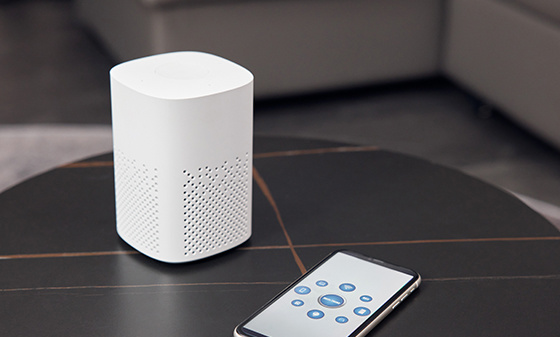 Bluetooth BQB Product Certification
 FM/AM Product Certification
 WiFi Product Certification
 Wireless charging product certification
 Interphone product certification
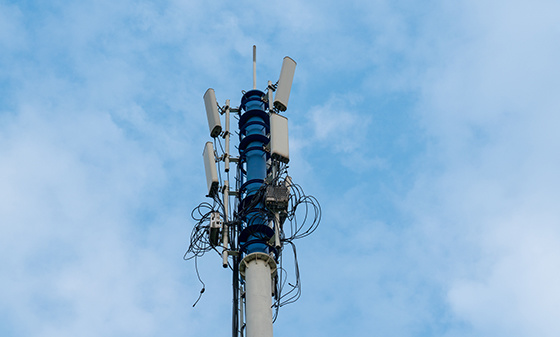 Base station certification
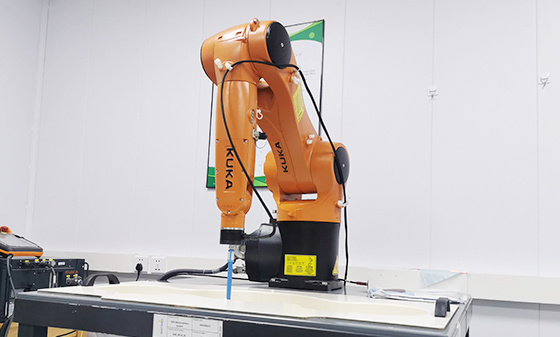 SAR testing
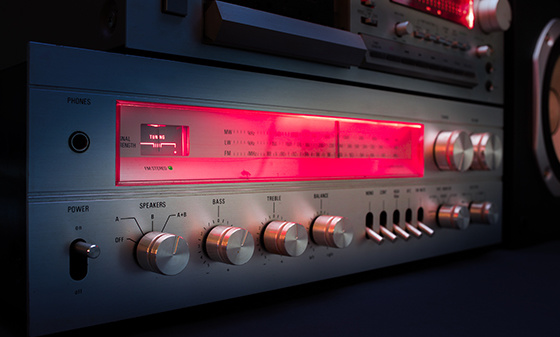 Receiver Product Certification
 5G NR Product Certification
 UWB Product Certification
 Internet of Things authentication
Electromagnetic compatibility
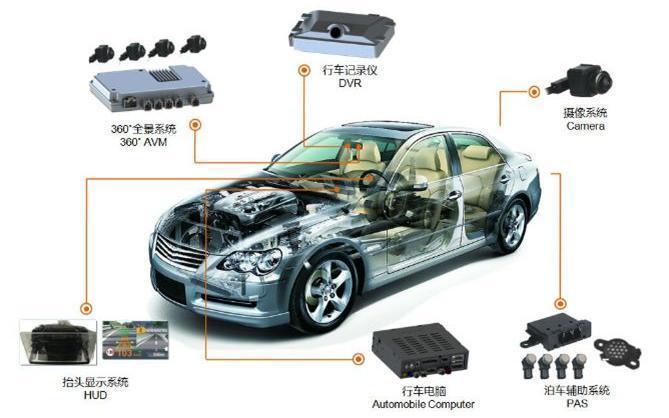 Automotive Electronics EMC Testing
 EMC rectification
 EMC
Automotive Electronics
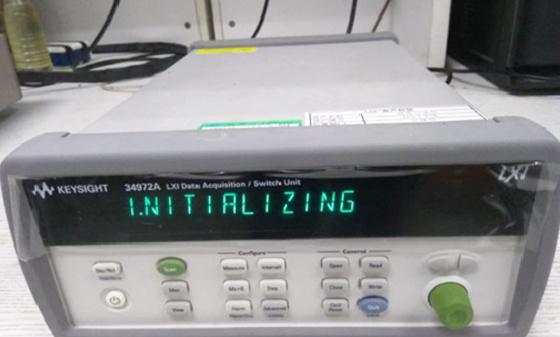 Electrical performance testing
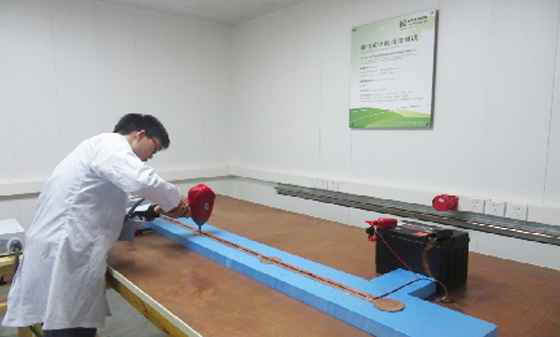 EMS testing - radiation anti-interference testing system (including radar waves)
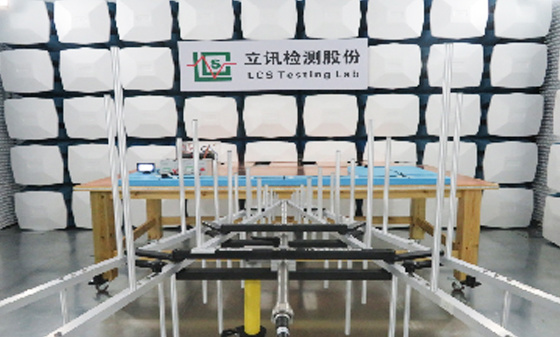 EMS Testing - Electrostatic Discharge
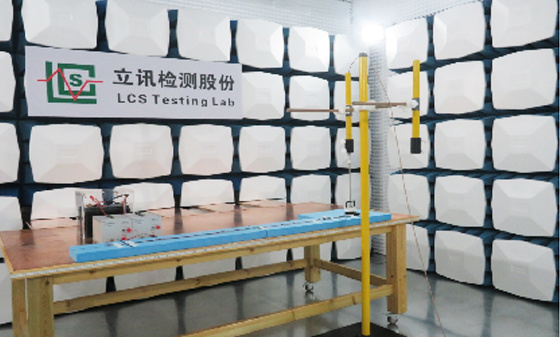 EMS Test - Transient Conducted Immunity Test
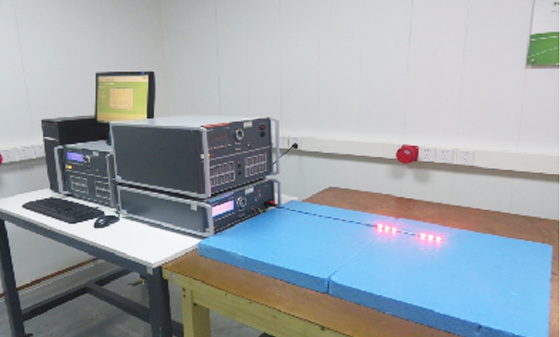 EMS Testing - Portable Transmitter Immunity
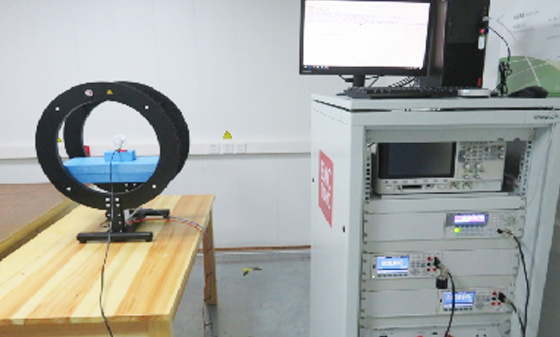 EMS Test - High Current Injection (BCI) Test
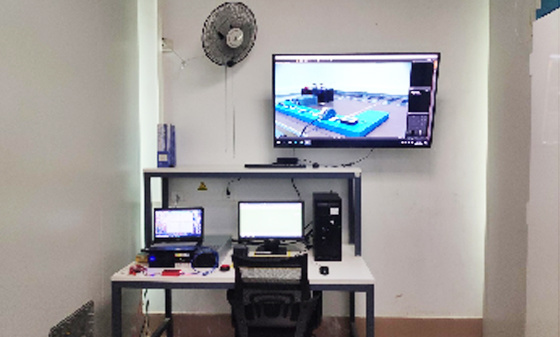 EMS test - low-frequency magnetic field anti-interference test
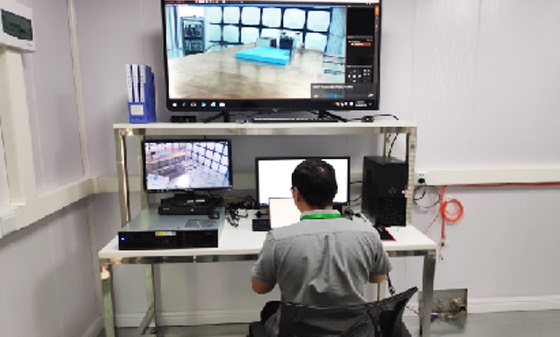 EMI Testing - Transient Conducted Emissions Testing System
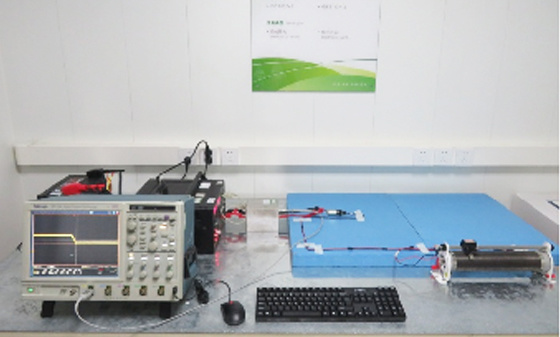 EMI testing - low-frequency magnetic field emission
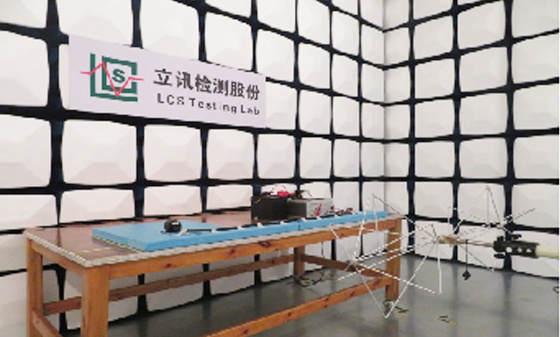 EMI Test - Radiation Emission Test
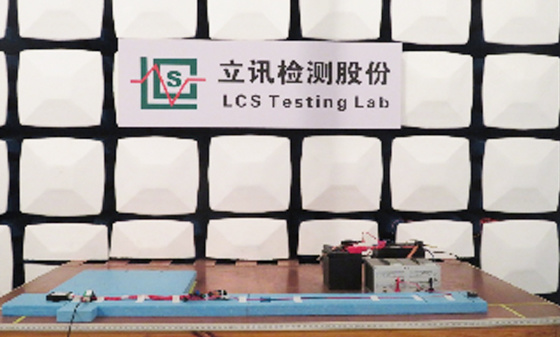 EMI Test - Conducted Emissions Test
 Automotive Electronic Testing
Automotive Parts Inspection
 Automotive ELV&VOC
 Reliability testing
 Temperature shock test
 Vibration testing
 Instrument panel/instrument panel three comprehensive vibration test
 Comprehensive vibration test of door inner panel III
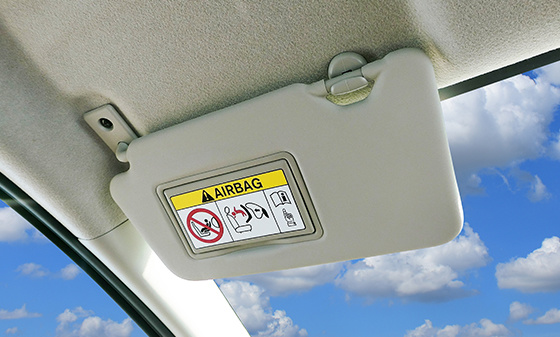 Sunvisor Three Comprehensive Vibration Test
 Spoiler Three Comprehensive Vibration Test
 Three comprehensive vibration tests of car front and rear bumpers
 Three comprehensive vibration tests for lamp housing/lampshade
 Comprehensive vibration test of outer circumference three
 Automotive metal material testing
 Performance testing of automotive lighting fixtures
 Rapid temperature change test
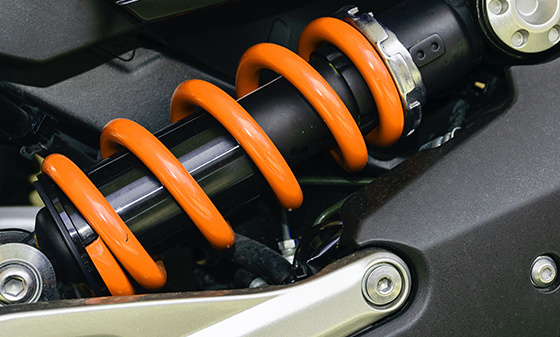 Vibration
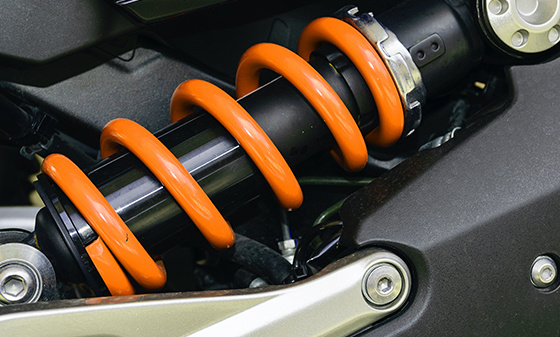 Common issues with vibration testing
 Common issues with fatigue testing
 Common issues with high and low temperature testing
 Conducted Interference (CE) - Suzhou Lixun Standard
 Electromagnetic Radiation Tolerance Test (RS) - Suzhou LCS Standard
 Electrical Fast Pulse Withstand Test (EFT) - Suzhou LCS Standard
 Voltage flicker test - Suzhou LCS standard
Electronic appliances
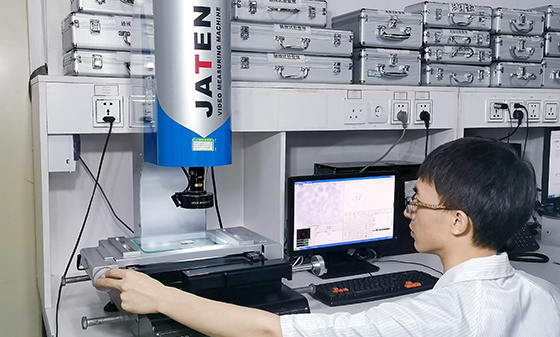 Household appliance product testing
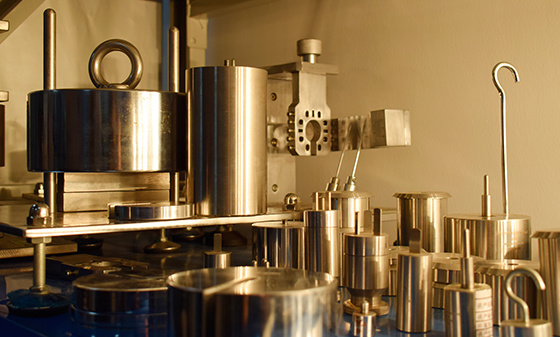 Electrical accessory product testing
 Household appliance testing
Chemical Testing
 Introduction to PFAS Testing
 MOSH/MOAH Mineral Oil Testing Service
 MOSH/MOAH Mineral Oil Testing and Certification Report Service
 Consumer Product Testing Services - WEEE Chapter
 Ecological textile testing
 Leather Footwear Inspection
 Food contact material testing
 Testing of toys and baby products
 Hazardous substance testing
Electronic Cigarette Testing
 Electronic cigarette detection
Reliability testing
 Other tests - pencil hardness test
 Mechanical testing - Packaging compression test
 Climate environment testing - Xenon lamp aging test
Battery Testing
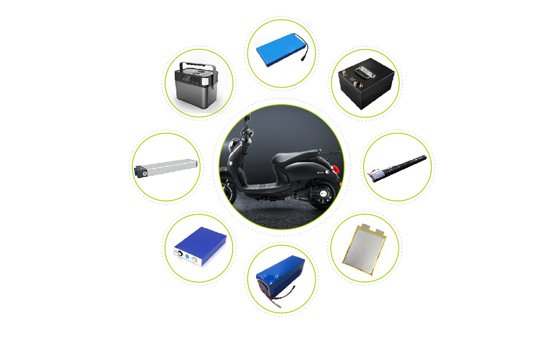 Power storage battery testing and certification
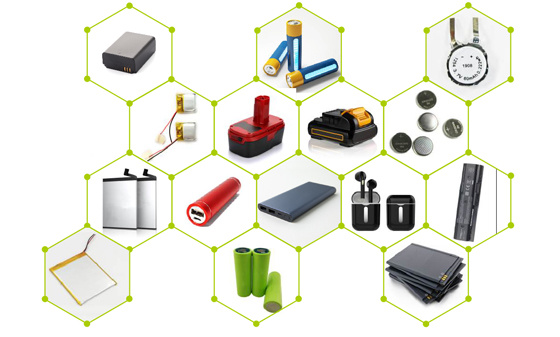 Consumer Electronics Battery Testing and Certification
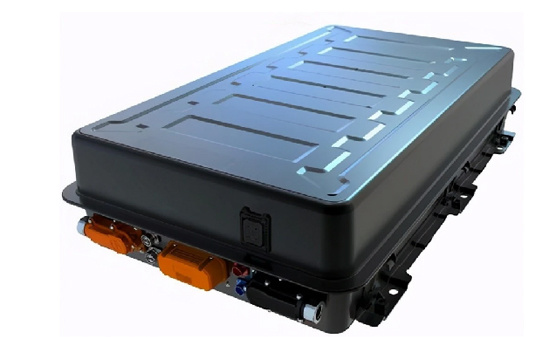 power battery
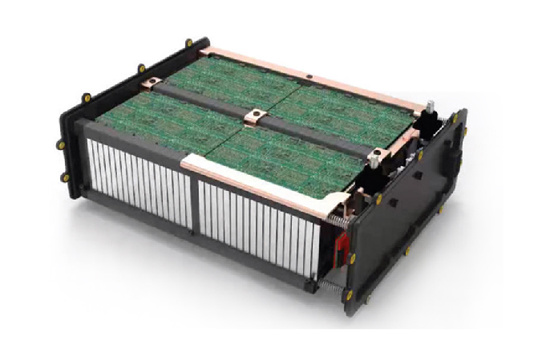 Light electric vehicle batteries
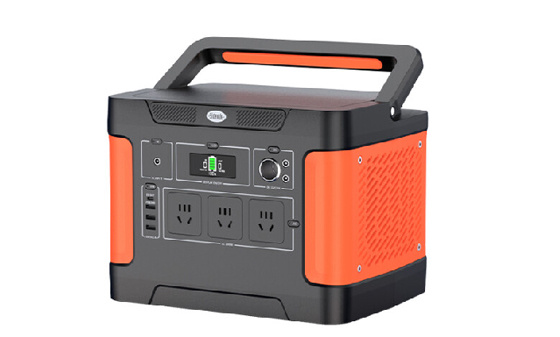 Energy storage battery
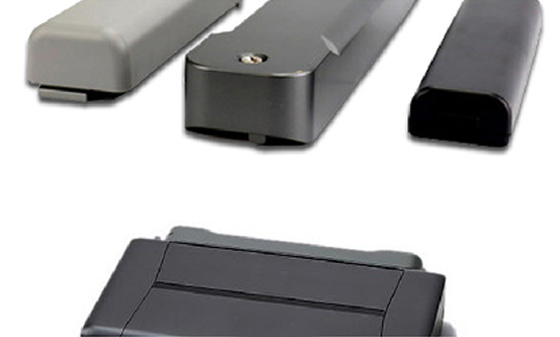 Portable battery
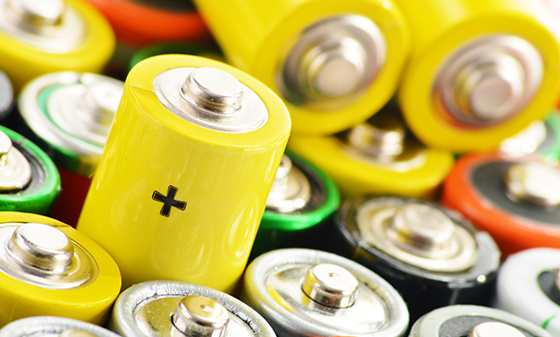 Battery testing
 battery test
Lamp Inspection
 Inspection of ship lighting fixtures
 COI Index Test for Medical Indoor Lighting
 Lamp safety inspection
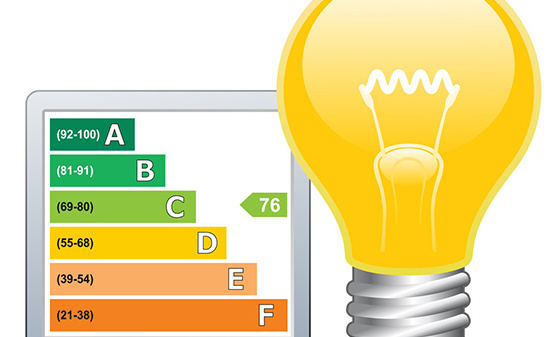 Luminaire energy efficiency testing
 EMC testing of lighting fixtures
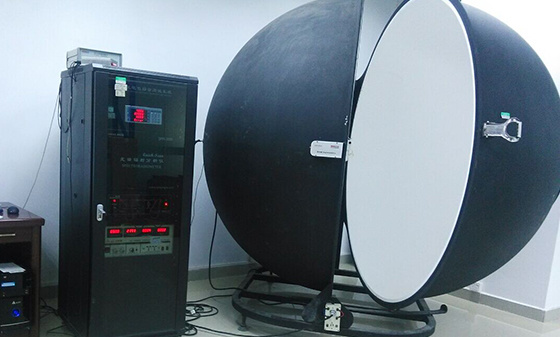 Integral Ball Laboratory
 Photobiology Experiment
 Light distribution test
 Lamp aging test
 Lamp IP waterproof
 Lamp performance testing
 Lamp reliability testing
Children's toy testing
 Testing standards for toy products
China Certification
 China's "national promotion" RoHS certification
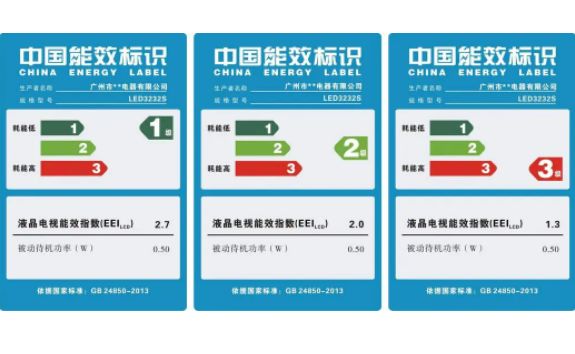 China Energy Efficiency Label Certification
 China Energy Conservation Certification
 China CQC Certification
 Tmall JD Quality Inspection Report
 China SRRC Certification
 Taiwan BSMI certification
 Taiwan NCC certification
 China CCC Compulsory Certification
Asia Certification
 Vietnam certification
 KC certification
 KUCAS Certification in Kuwait
 Singapore PSB certification
 Iraq COC Certification
 IMDA certification
 VCCI Certification in Japan
 JATE certification in Japan
 PSE certification
 BIS certification
 Japanese TELEC certification
European Certification
 RoHS certification
 GOST certification in Russia
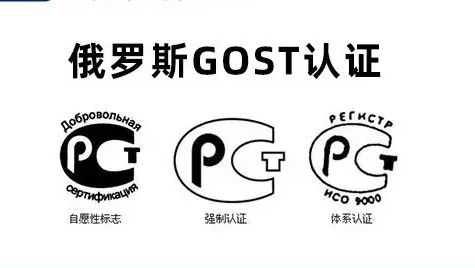 Russian EAC certification
 Northern Ireland UKNI logo
 Electrical ENEC certification
 European D-MARK certification
 Türkiye BTK certification
 TSE certification in Türkiye
 CE certification in Türkiye
 RED certification
 German TUV-SUD certification
 CE-ERP certification
 REACH certification
 German GS certification
 EU E-Mark certification
North American Certification
 Ecuador VOC certification
 Mexico NOM certification
 IRAM certification
 CPSC Certification in the United States
 CSA certification
 ASTM certification
 FDA certification
 CEC certification
 ETL certification
 ul certification
 IC certification
 Energy Star
 FCC Certification in the United States
 ASTM certification
Middle East Certification
 Israel SII certification
 Saudi SABER certification
 GCC certification for the seven Gulf countries
 Iran COI certification
 Qatar COC Certification
 Iraq COC Certification
 Saudi EER Energy Efficiency Certification
 Saudi SABER certification
 Algeria PCA certification
 PVOC certification
Australia Certification
 New Zealand IC-F testing
 VEET certification
 LCP certification
 GEMS certification
 RCM certification
 C-Tick certification
 SAA certification
Africa Certification
 Gabon COC certification
 Algeria COC certification

 Ethiopian VOC and COC certification
 Mauritius VOC certification
 Ghana COC certification
 COC certification in Burundi
 Zambia COC certification
 Botswana COC Certification
 Uganda PVOC certification
 SABS certification in South Africa
 South African LOA certification
 Zimbabwe CBCA Certification
 Nigeria SONCAP certification
 Kenya PVOC certification
 African COC certification
Other certifications
 WEEE
 Bluetooth BQB certification
 IECEE registration
 MHRA registration in the UK
TRAINING
 Management system training
 Laboratory technical training
 Laboratory Process Consulting
 Laboratory decoration construction
Wireless Communication
Electromagnetic compatibility
Automotive Electronics
Automotive Parts Inspection
Electronic appliances
Chemical Testing
Electronic Cigarette Testing
Reliability testing
Battery Testing
Lamp Inspection
Children's toy testing
China Certification
Asia Certification
European Certification
North American Certification
Middle East Certification
Australia Certification
Africa Certification
Other certifications
TRAINING

Solutions
-
-
-
Automotive interior and exterior trim - Environmental testing
-
Automotive interior and exterior decorations (electronic and electrical components) - IP protection
-
Automotive electronic and electrical components - Electrical performance
-
Automotive interior and exterior trims - Mechanical performance testing
Contact Us
National 24-hour service hotline
400-116-2629
Group Headquarters
E-mail: webmaster@lcs-cert.com
Address: Shenzhen City, Baoan District, Shajing Street, Nga side of the school of Wei Juji Industrial Park, Building A 1 ~ 2 floor, Building C 3 floor
US FDA
The US Food and Drug Administration (FDA), under the US Department of Health, Education, and Welfare, is responsible for the management of drugs, food, biologics, cosmetics, veterinary drugs, medical devices, and diagnostic products nationwide. In the United States, the FDA primarily controls most products that come into contact with food through the Food Additive Declaration Procedure (FAP). If a food additive or material in contact with food is designated for use under the FAP program, the material will be recorded in the corresponding regulations of US FDA CFR 21 PARTS 170-189. Manufacturers should strictly comply with food grade regulations to produce qualified products and materials that come into contact with food. The main items tested include chloroform soluble extracts from different simulated liquids, extracts from different simulated liquids, density, melting point, hazardous chemical monomers, extractable heavy metals, etc. The regulatory requirements are detailed as follows:
1. Resin and polymer coatings FDA 21 CFR 175.300
2. Components of paper and cardboard FDA 21 CFR 176.170
3. Hard, semi hard acrylic and modified acrylic plastics FDA 21 CFR 177.1010
4. Food container lid with sealing gasket FDA 21 CFR 177.1210
5. Polymer of 1,4-cyclohexylene dimethyl terephthalate and 1,4-cyclohexylene dimethyl isophthalic acid FDA 21 CFR 177.1240
6. Ethylene/methyl acrylate copolymer resin FDA 21 CFR 177.1340
7. EVA plastic FDA 21 CFR 177.1350
8. Melamine resin FDA 21 CFR 177.1460
9. Nylon resin FDA 21 CFR 177.1500
10. Polypropylene FDA 21 CFR 177.1520
11. Polyethylene FDA 21 CFR 177.1520
12. Olefin polymer FDA 21 CFR 177.1520
13. Perfluorocarbon resin FDA 21 CFR 177.1550
14. Polycarbonate FDA 21 CFR 177.1580
15. Ethylene phthalate polymer FDA 21 CFR 177.1630
16. Polystyrene FDA 21 CFR 177.1640
17. Styrene Block Polymers FDA 21 CFR 177.1810
18. Urea formaldehyde resin FDA 21 CFR 177.1900
19. Phenolic Resin FDA 21 CFR 177.2410
20. Cross linked polyester resin FDA 21 CFR 177.2420
21. Polyether sulfone resin FDA 21 CFR 177.2440
22. Polyoxymethylene copolymer FDA 21 CFR 177.2470
23. Polyoxymethylene homopolymer FDA 21 CFR 177.2480
24. Rubber FDA 21 CFR 177.2600
25. ABS copolymer FDA 21 CFR 180.22&181.32
26. Acrylonitrile butadiene styrene copolymer FDA 21 CFR 177.1020
27. Wood Products FDA 21 CFR 178.3800
28. Ceramic, glass, enamel tableware FDA CPG 7117.06&07
29. Stainless steel GRAS
30. Copper products or copper plated metal products FDA CPG 7117.05
31. Metal Products - Other Metal Products FDA 21 CFR 175.300&FDA CPG 7117.05
32. Butylene terephthalate FDA 21 CFR 177.1660
34. Chloroethylene Polymer FDA 21 CFR 177.1975
35. Poly (aryl ether ketone) resin FDA 21 CFR 177.2415
The US Food and Drug Administration (FDA) is responsible for managing Food Contact Materials (FCM), primarily through the Food Additive Declaration Procedure (FAP) to control products that come into contact with food. If a food additive or material in contact with food is approved by the FAP program, the material will be entered into the corresponding regulations in US FDA CFR 21 PARTS 170-189. The following is a detailed explanation of the regulations on food contact materials in the United States:
1. Overview of regulations
FDA 21 CFR: Title 21 of the United States Code of Federal Regulations, covering the management of food, drugs, cosmetics, and medical devices.
Food contact material regulations: mainly distributed in CFR 21 Parts 170-189, they specify the safety, usage conditions, and testing requirements of food contact materials.
2. Main regulatory requirements
(1) Resin and polymer coatings
FDA 21 CFR 175.300:
The safety and usage conditions of resin and polymer coatings have been specified.
Suitable for coating materials in contact with food.
(2) Components of paper and cardboard
FDA 21 CFR 176.170:
It specifies the safety and usage conditions of paper and cardboard components.
Suitable for food contact paper and cardboard materials.
(3) Hard, semi hard acrylic and modified acrylic plastics
FDA 21 CFR 177.1010:
It specifies the safety and usage conditions of acrylic acid and modified acrylic plastic.
(4) Food container lid with sealing gasket
FDA 21 CFR 177.1210:
The safety and usage conditions of food container lids with sealing gaskets are specified.
(5) Copolymer of 1,4-cyclohexylene dimethyl terephthalate and 1,4-cyclohexylene dimethyl isophthalic acid
FDA 21 CFR 177.1240:
The safety and usage conditions of the copolymer have been specified.
(6) Ethylene/methyl acrylate copolymer resin
FDA 21 CFR 177.1340:
The safety and usage conditions of ethylene/methyl acrylate copolymer resin are specified.
(7) EVA plastic
FDA 21 CFR 177.1350:
The safety and usage conditions of EVA plastic are specified.
(8) Melamine resin
FDA 21 CFR 177.1460:
The safety and usage conditions of melamine resin are specified.
(9) Nylon resin
FDA 21 CFR 177.1500:
The safety and usage conditions of nylon resin are specified.
(10) Polypropylene
FDA 21 CFR 177.1520:
It specifies the safety and usage conditions of polypropylene.
(11) Polyethylene
FDA 21 CFR 177.1520:
It specifies the safety and usage conditions of polyethylene.
(12) Olefin polymer
FDA 21 CFR 177.1520:
The safety and usage conditions of olefin polymers are specified.
(13) Perfluorinated carbon resin
FDA 21 CFR 177.1550:
The safety and usage conditions of perfluorocarbon resin are specified.
(14) Polycarbonate
FDA 21 CFR 177.1580:
The safety and usage conditions of polycarbonate are specified.
(15) Ethylene phthalate polymer
FDA 21 CFR 177.1630:
The safety and usage conditions of ethylene phthalate polymer are specified.
(16) Polystyrene
FDA 21 CFR 177.1640:
The safety and usage conditions of polystyrene are specified.
(17) Styrene block polymer
FDA 21 CFR 177.1810:
The safety and usage conditions of styrene block polymers are specified.
(18) Urea formaldehyde resin
FDA 21 CFR 177.1900:
The safety and usage conditions of urea formaldehyde resin are specified.
(19) Phenolic resin
FDA 21 CFR 177.2410:
The safety and usage conditions of phenolic resin are specified.
(20) Cross linked polyester resin
FDA 21 CFR 177.2420:
The safety and usage conditions of crosslinked polyester resin are specified.
(21) Polyether sulfone resin
FDA 21 CFR 177.2440:
The safety and usage conditions of polyether sulfone resin are specified.
(22) Polyoxymethylene copolymer
FDA 21 CFR 177.2470:
The safety and usage conditions of polyoxymethylene copolymers are specified.
(23) Polyoxymethylene homopolymer
FDA 21 CFR 177.2480:
The safety and usage conditions of polyoxymethylene homopolymers are specified.
(24) Rubber
FDA 21 CFR 177.2600:
It specifies the safety and usage conditions of rubber.
(25) ABS copolymer
FDA 21 CFR 180.22 & 181.32:
The safety and usage conditions of ABS copolymers are specified.
(26) Acrylonitrile butadiene styrene copolymer
FDA 21 CFR 177.1020:
The safety and usage conditions of acrylonitrile butadiene styrene copolymer are specified.
(27) Wooden products
FDA 21 CFR 178.3800:
It specifies the safety and usage conditions of wooden products.
(28) Ceramic, glass, enamel tableware
FDA CPG 7117.06 & 07:
It specifies the safety and usage conditions of ceramic, glass, and enamel tableware.
(29) Stainless steel products
GRAS(Generally Recognized As Safe):
Stainless steel products are generally considered safe, but must comply with relevant FDA requirements.
(30) Copper products or copper plated metal products
FDA CPG 7117.05:
It specifies the safety and usage conditions of copper products or copper plated metal products.
(31) Metal Products - Other Metal Products
FDA 21 CFR 175.300 & FDA CPG 7117.05:
It specifies the safety and usage conditions of other metal products.
(32) Butylene terephthalate
FDA 21 CFR 177.1660:
The safety and usage conditions of polybutylene terephthalate are specified.
(33) Vinyl chloride polymer
FDA 21 CFR 177.1975:
The safety and usage conditions of vinyl chloride polymer are specified.
(34) Poly (aryl ether ketone) resin
FDA 21 CFR 177.2415:
The safety and usage conditions of poly (aryl ether ketone) resin are specified.
3. Main testing items
(1) Chloroform soluble extract
Detect the soluble extract of the material in chloroform and evaluate its chemical safety.
(2) Extracts from different simulated solutions
Test the extraction of materials in different food simulation solutions and evaluate their migration amount.
(3) Density
Test the density of the material to ensure compliance with the specified requirements.
(4) Melting point
Detect the melting point of the material and evaluate its thermal stability.
(5) Hazardous chemical monomers
Detect the residual amount of harmful chemical monomers (such as formaldehyde, styrene, etc.) in the material.
(6) Extractable heavy metals
Detect the content of extractable heavy metals (such as lead, cadmium, etc.) in the material to ensure compliance with the limit requirements.
4. Labeling and identification requirements
The product must be labeled with the words "FDA approved" or "compliant with FDA standards".
Please provide instructions for use, including applicable temperature range, cleaning methods, etc.
Manufacturer information, batch number, and production date need to be labeled.
5. Punishment and Legal Responsibility
If the product does not comply with FDA regulations, it may face penalties such as fines, product recalls, or market bans.
Manufacturers and importers are legally responsible for product compliance.
6. Precautions for exporting to the United States
Compliance testing: Ensure that the product passes FDA required migration testing, heavy metal testing, and chemical substance testing.
Technical documents: Prepare complete technical documents, including test reports, material lists, design drawings, etc.
Labels and Instructions: Ensure that product labels and usage instructions comply with FDA regulatory requirements.
FAP Declaration: If applicable, FDA approval must be obtained through the Food Additive Declaration Procedure (FAP).
7. Summary
The FDA strictly manages food contact materials through CFR 21 Parts 170-189, covering various materials such as plastics, metals, rubber, ceramics, etc. Food contact material products exported to the United States must comply with relevant FDA regulations. Manufacturers and exporters need to pay special attention to the chemical safety, migration limits, and physical properties of materials to ensure product compliance.
Large-scale experimental base
Professional Lab
Analysis Method
Testing/year


 WeChat Inquiry


 Reservation


Contact Us
National 24-hour service hotline
Address:Juji Industrial Park, Xueziwei, Ngabian, Shajing Street, Baoan District, Shenzhen Building A 1~2F, Building C 3F

WeChat public number
Share industry dry goods

WeChat consultation
Please note consulting services

Follow Jitterbug

Mobile website
di complaint mailbox: customer.complaint@lcs-cert.com complaint telephone tel: 18126445450 certificate report verification of authenticity mailbox: verification@lcs-cert.com