

Wireless Communication
 EU RED Network Security Standard EN 18031
 Wireless and communication detection
 Mobile communication product certification
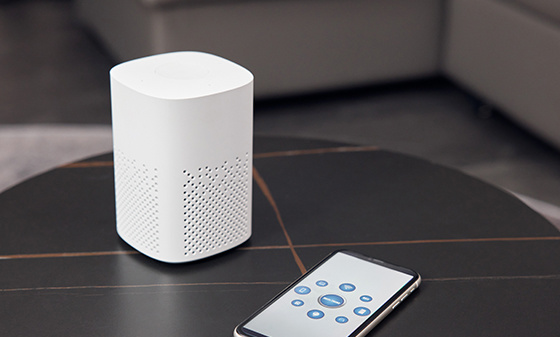 Bluetooth BQB Product Certification
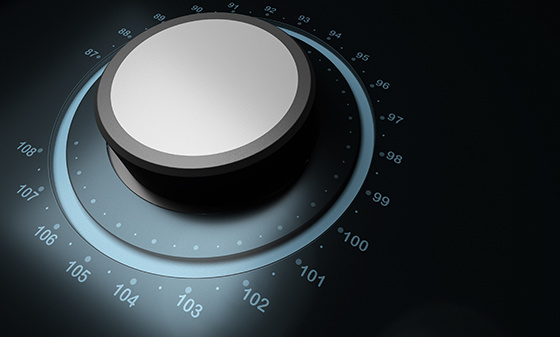 FM/AM Product Certification
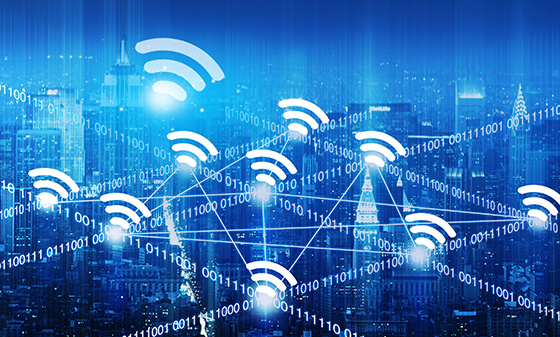 WiFi Product Certification
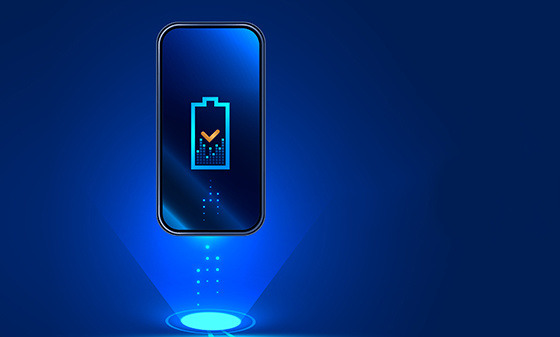 Wireless charging product certification
 Interphone product certification
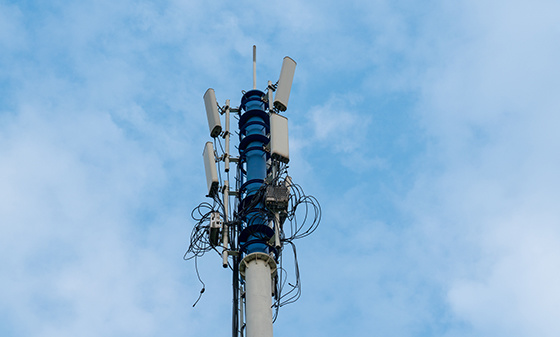 Base station certification
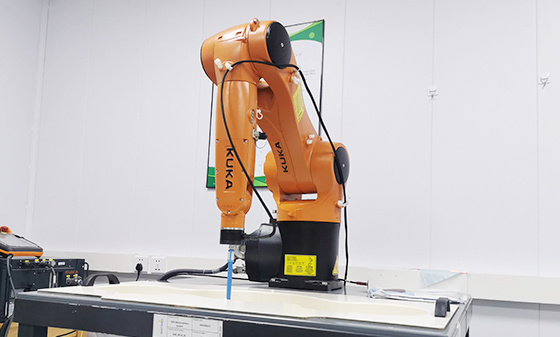 SAR testing
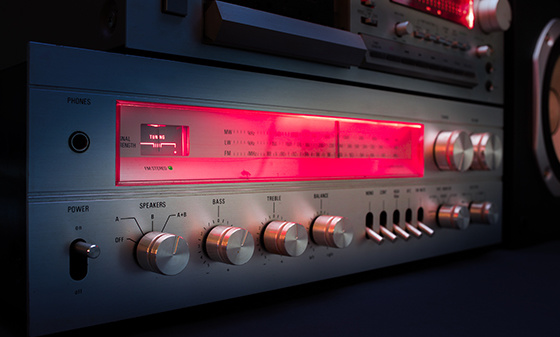 Receiver Product Certification
 5G NR Product Certification
 UWB Product Certification
 Internet of Things authentication
Electromagnetic compatibility
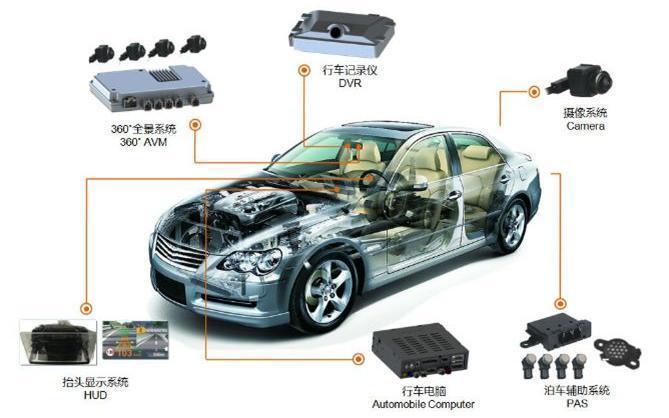 Automotive Electronics EMC Testing
 EMC rectification
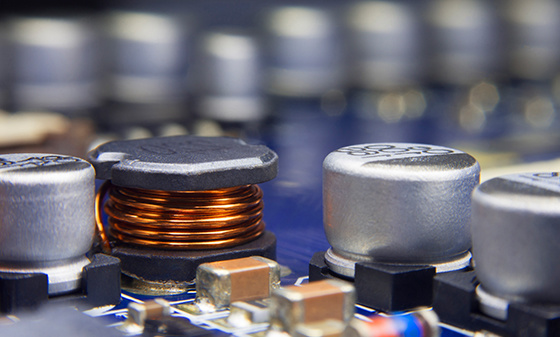 EMC
Automotive Electronics
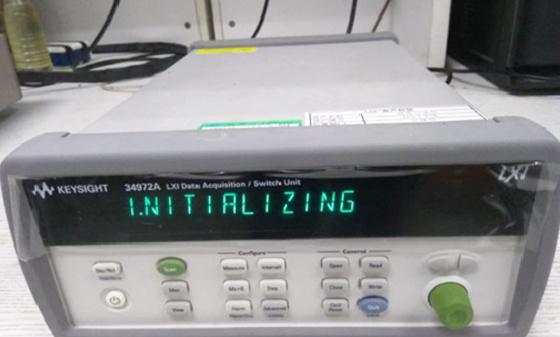 Electrical performance testing
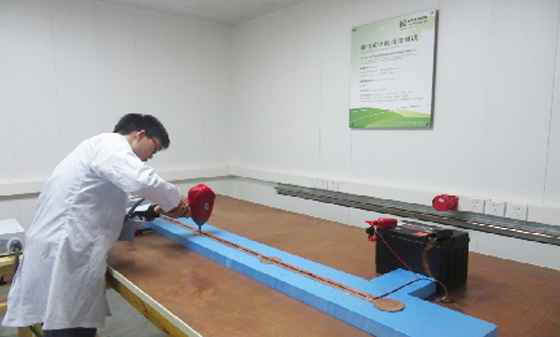 EMS testing - radiation anti-interference testing system (including radar waves)
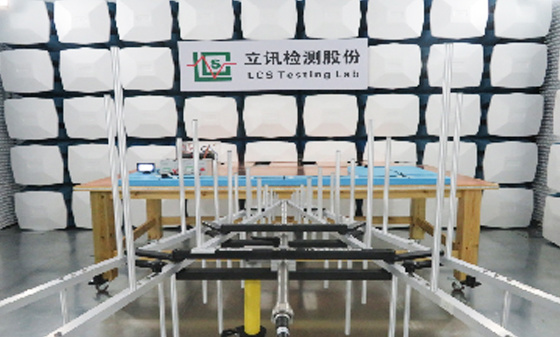 EMS Testing - Electrostatic Discharge
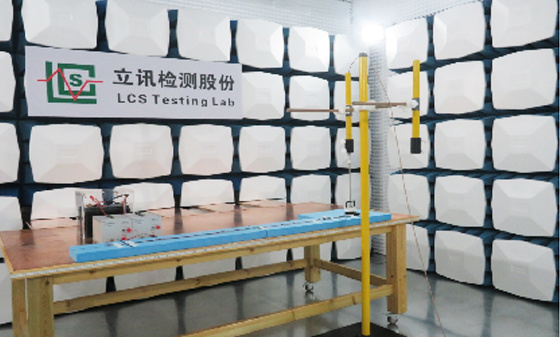 EMS Test - Transient Conducted Immunity Test
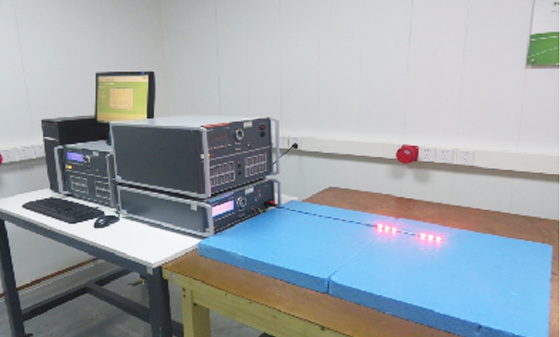 EMS Testing - Portable Transmitter Immunity
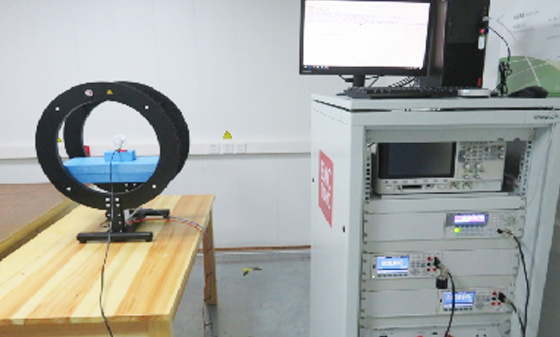 EMS Test - High Current Injection (BCI) Test
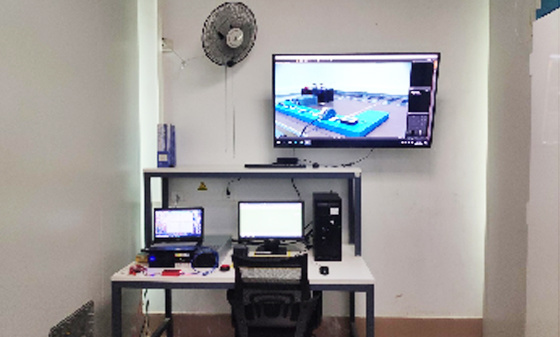 EMS test - low-frequency magnetic field anti-interference test
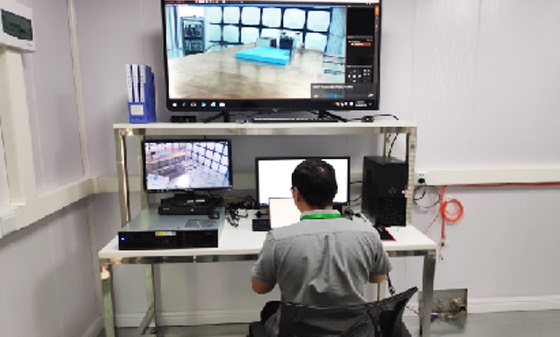 EMI Testing - Transient Conducted Emissions Testing System
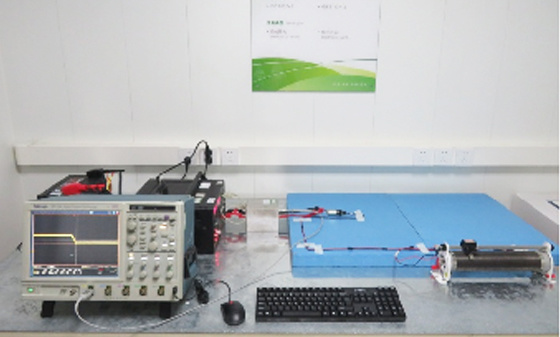 EMI testing - low-frequency magnetic field emission
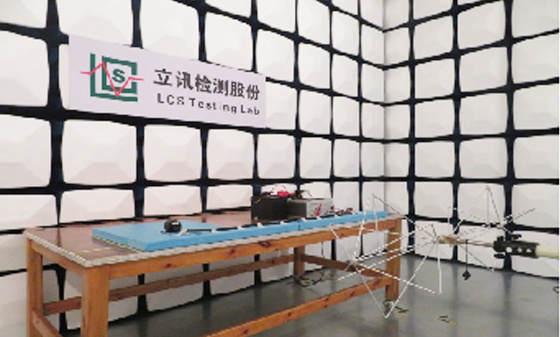 EMI Test - Radiation Emission Test
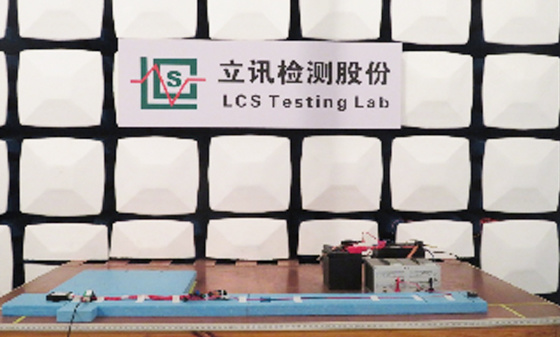 EMI Test - Conducted Emissions Test
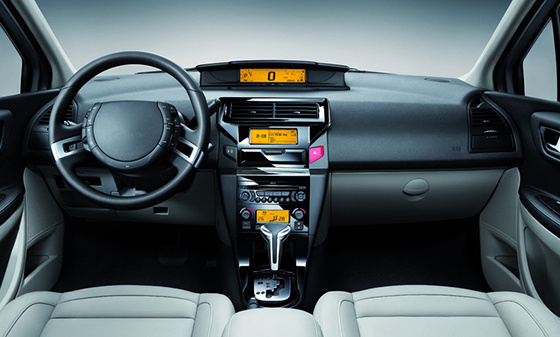 Automotive Electronic Testing
Automotive Parts Inspection
 Automotive ELV&VOC
 Reliability testing
 Temperature shock test
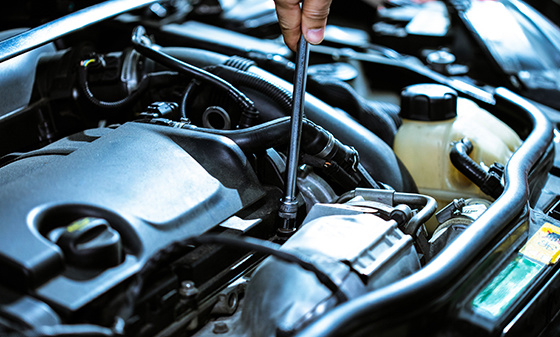 Vibration testing
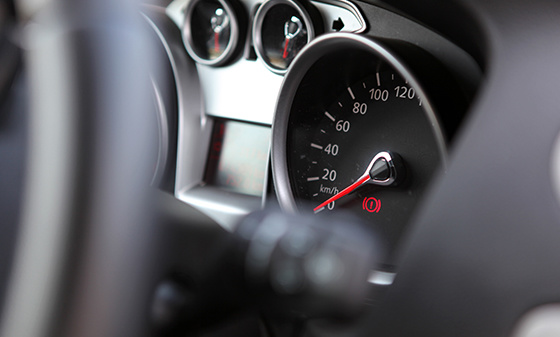 Instrument panel/instrument panel three comprehensive vibration test
 Comprehensive vibration test of door inner panel III
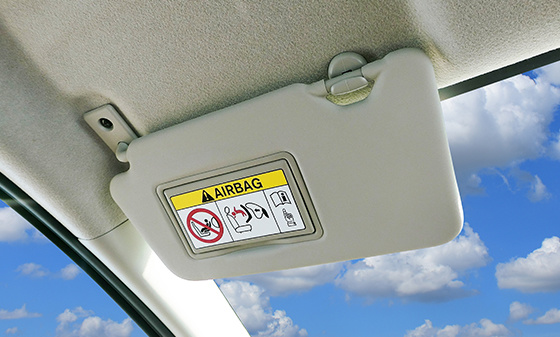 Sunvisor Three Comprehensive Vibration Test
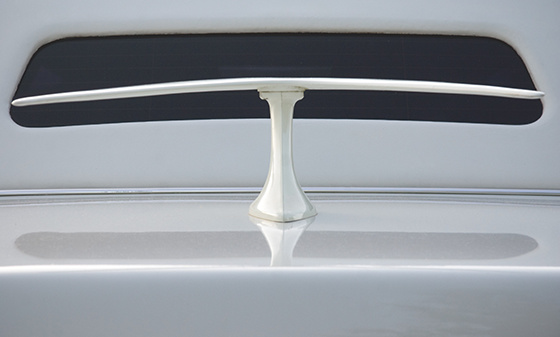 Spoiler Three Comprehensive Vibration Test
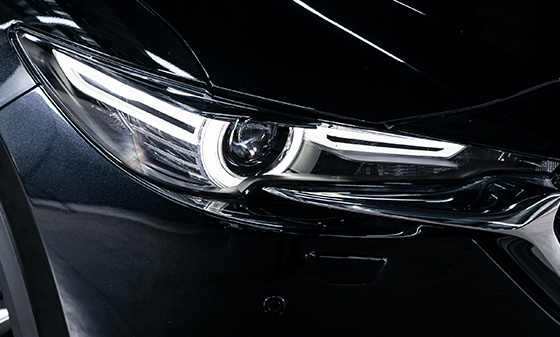 Three comprehensive vibration tests of car front and rear bumpers
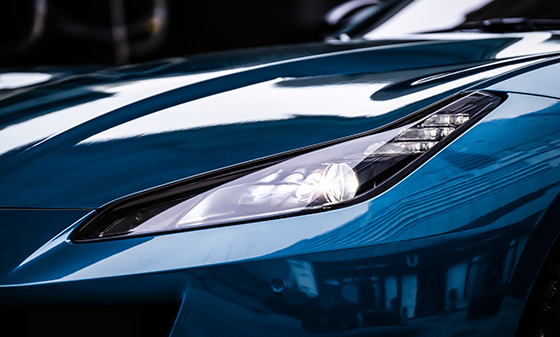 Three comprehensive vibration tests for lamp housing/lampshade
 Comprehensive vibration test of outer circumference three
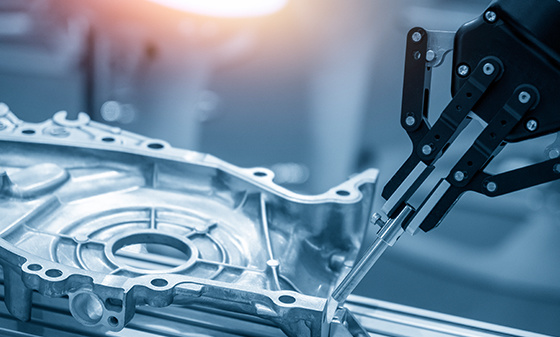 Automotive metal material testing
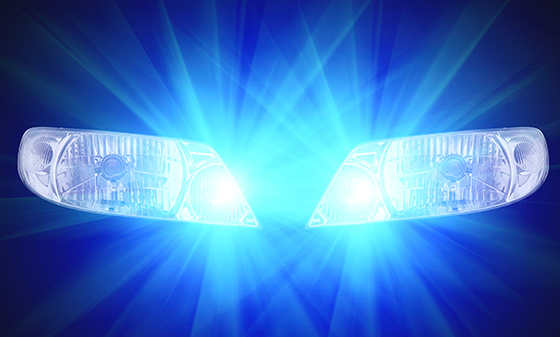 Performance testing of automotive lighting fixtures
 Rapid temperature change test
 Vibration
 Common issues with vibration testing
 Common issues with fatigue testing
 Common issues with high and low temperature testing
 Conducted Interference (CE) - Suzhou Lixun Standard
 Electromagnetic Radiation Tolerance Test (RS) - Suzhou LCS Standard
 Electrical Fast Pulse Withstand Test (EFT) - Suzhou LCS Standard
 Voltage flicker test - Suzhou LCS standard
Electronic appliances
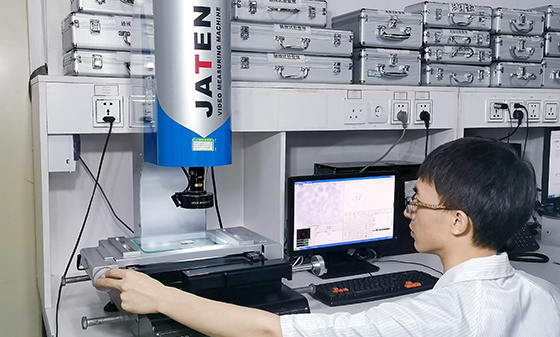 Household appliance product testing
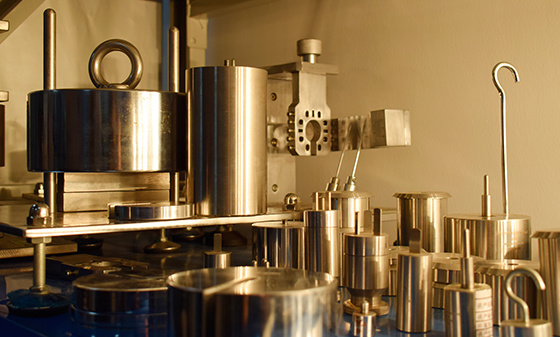 Electrical accessory product testing
 Household appliance testing
Chemical Testing
 Introduction to PFAS Testing
 MOSH/MOAH Mineral Oil Testing Service
 MOSH/MOAH Mineral Oil Testing and Certification Report Service
 Consumer Product Testing Services - WEEE Chapter
 Ecological textile testing
 Leather Footwear Inspection
 Food contact material testing
 Testing of toys and baby products
 Hazardous substance testing
Electronic Cigarette Testing
 Electronic cigarette detection
Reliability testing
 Other tests - pencil hardness test
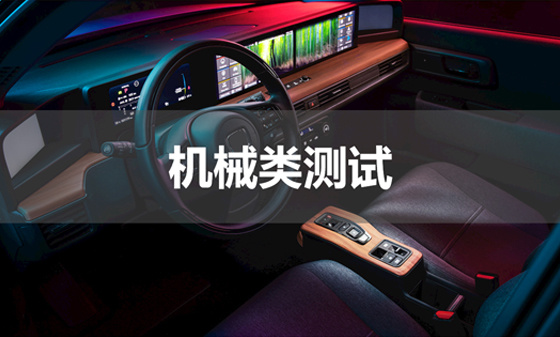 Mechanical testing - Packaging compression test
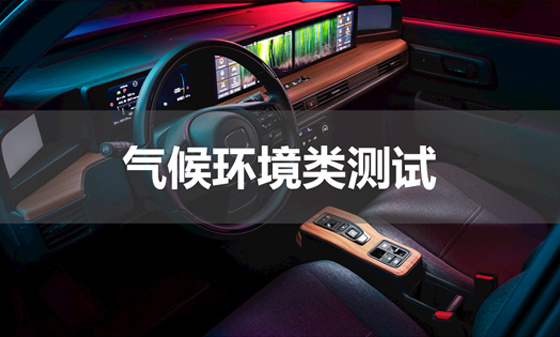 Climate environment testing - Xenon lamp aging test
Battery Testing
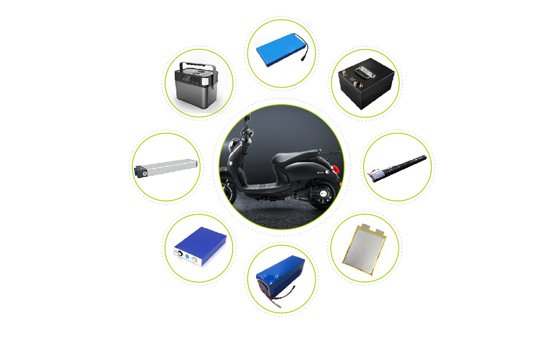 Power storage battery testing and certification
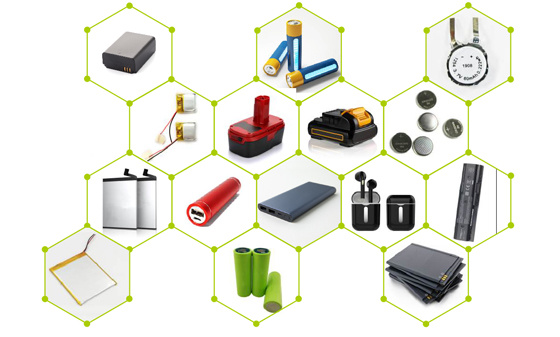 Consumer Electronics Battery Testing and Certification
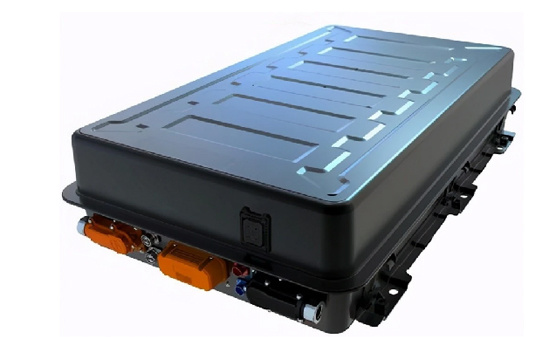 power battery
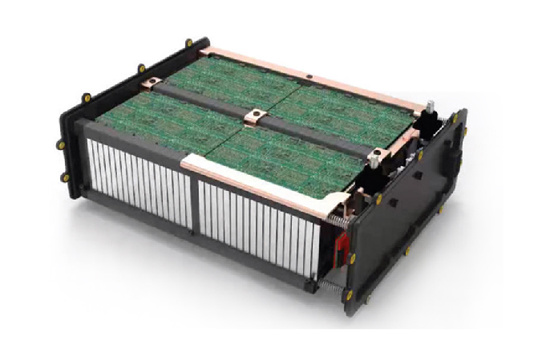 Light electric vehicle batteries
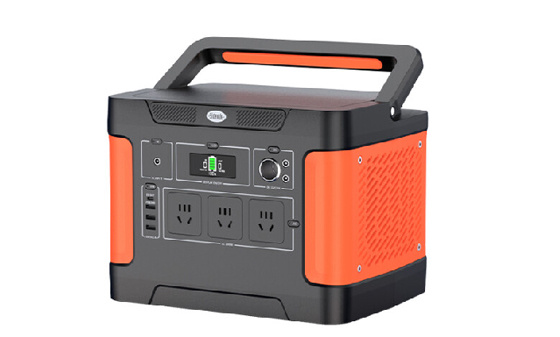 Energy storage battery
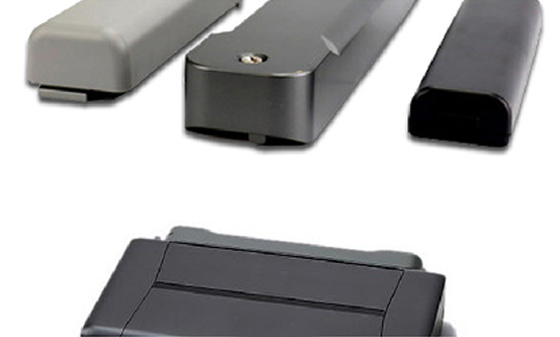 Portable battery
 Battery testing
 battery test
Lamp Inspection
 Inspection of ship lighting fixtures
 COI Index Test for Medical Indoor Lighting
 Lamp safety inspection
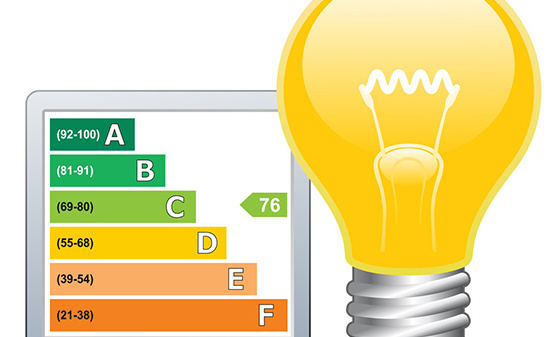 Luminaire energy efficiency testing
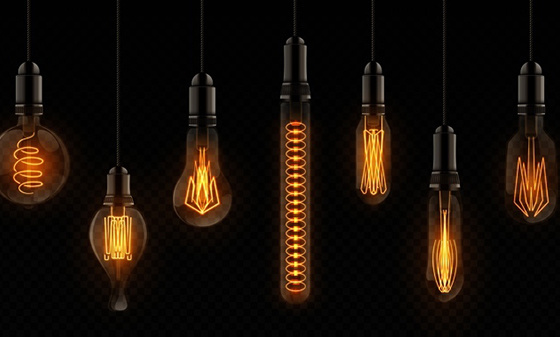 EMC testing of lighting fixtures
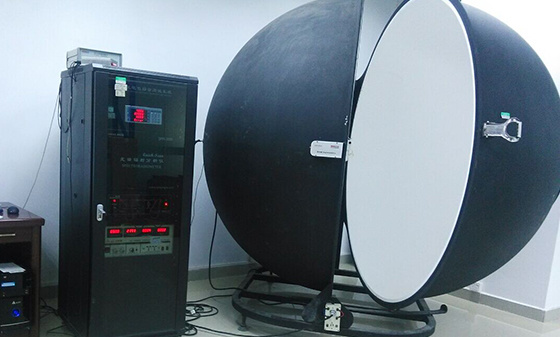 Integral Ball Laboratory
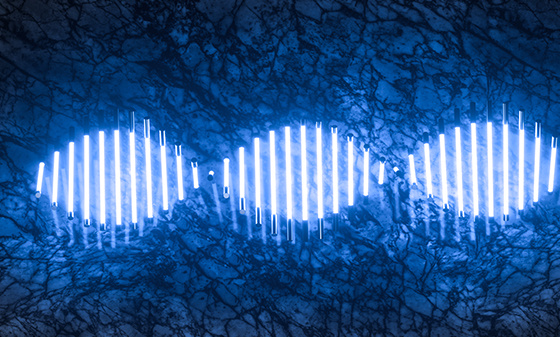 Photobiology Experiment
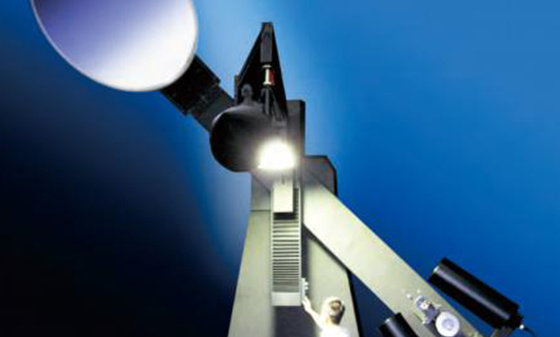 Light distribution test
 Lamp aging test
 Lamp IP waterproof
 Lamp performance testing
 Lamp reliability testing
Children's toy testing
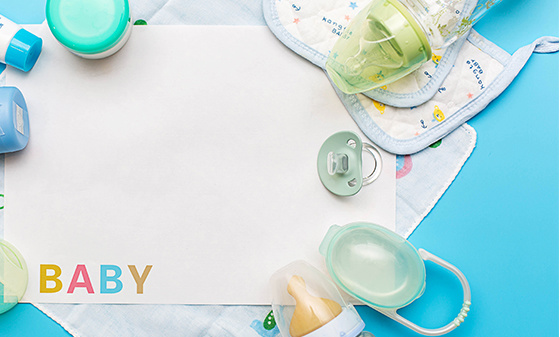 Testing standards for toy products
China Certification
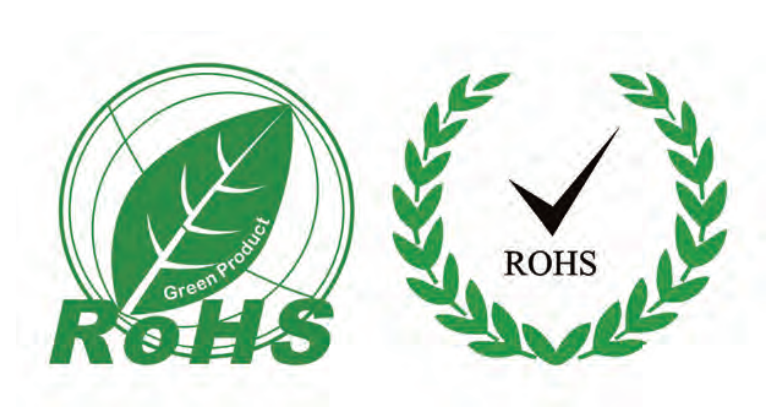 China's "national promotion" RoHS certification
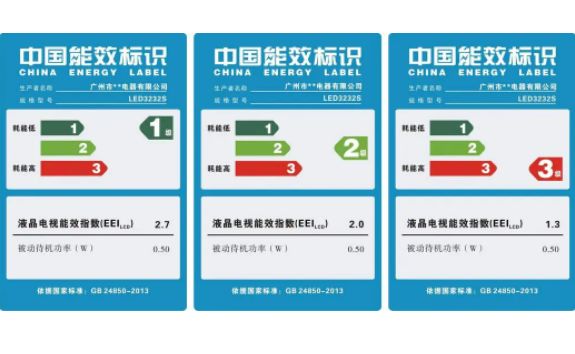 China Energy Efficiency Label Certification
 China Energy Conservation Certification
 China CQC Certification
 Tmall JD Quality Inspection Report
 China SRRC Certification
 Taiwan BSMI certification
 Taiwan NCC certification
 China CCC Compulsory Certification
Asia Certification
 Vietnam certification
 KC certification
 KUCAS Certification in Kuwait
 Singapore PSB certification
 Iraq COC Certification
 IMDA certification
 VCCI Certification in Japan
 JATE certification in Japan
 PSE certification
 BIS certification
 Japanese TELEC certification
European Certification
 RoHS certification
 GOST certification in Russia
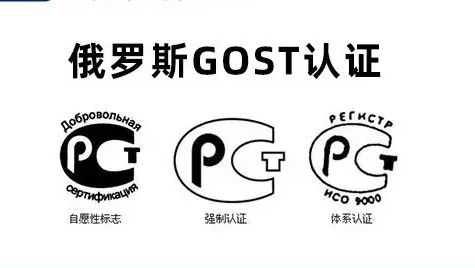 Russian EAC certification
 Northern Ireland UKNI logo
 Electrical ENEC certification
 European D-MARK certification
 Türkiye BTK certification
 TSE certification in Türkiye
 CE certification in Türkiye
 RED certification
 German TUV-SUD certification
 CE-ERP certification
 REACH certification
 German GS certification
 EU E-Mark certification
North American Certification
 Ecuador VOC certification
 Mexico NOM certification
 IRAM certification
 CPSC Certification in the United States
 CSA certification
 ASTM certification
 FDA certification
 CEC certification
 ETL certification
 ul certification
 IC certification
 Energy Star
 FCC Certification in the United States
 ASTM certification
Middle East Certification
 Israel SII certification
 Saudi SABER certification
 GCC certification for the seven Gulf countries
 Iran COI certification
 Qatar COC Certification
 Iraq COC Certification
 Saudi EER Energy Efficiency Certification
 Saudi SABER certification
 Algeria PCA certification
 PVOC certification
Australia Certification
 New Zealand IC-F testing
 VEET certification
 LCP certification
 GEMS certification
 RCM certification
 C-Tick certification
 SAA certification
Africa Certification
 Gabon COC certification
 Algeria COC certification

 Ethiopian VOC and COC certification
 Mauritius VOC certification
 Ghana COC certification
 COC certification in Burundi
 Zambia COC certification
 Botswana COC Certification
 Uganda PVOC certification
 SABS certification in South Africa
 South African LOA certification
 Zimbabwe CBCA Certification
 Nigeria SONCAP certification
 Kenya PVOC certification
 African COC certification
Other certifications
 WEEE
 Bluetooth BQB certification
 IECEE registration
 MHRA registration in the UK
TRAINING
 Management system training
 Laboratory technical training
 Laboratory Process Consulting
 Laboratory decoration construction
Wireless Communication
Electromagnetic compatibility
Automotive Electronics
Automotive Parts Inspection
Electronic appliances
Chemical Testing
Electronic Cigarette Testing
Reliability testing
Battery Testing
Lamp Inspection
Children's toy testing
China Certification
Asia Certification
European Certification
North American Certification
Middle East Certification
Australia Certification
Africa Certification
Other certifications
TRAINING

Services
返回Testing Services
- EU RED Network Security Standard EN 18031
- Wireless and communication detection
- Mobile communication product certification
- Bluetooth BQB Product Certification
- FM/AM Product Certification
- WiFi Product Certification
- Wireless charging product certification
- Interphone product certification
- Base station certification
- SAR testing
- Receiver Product Certification
- 5G NR Product Certification
- UWB Product Certification
- Internet of Things authentication
- Electrical performance testing
- EMS testing - radiation anti-interference testing system (including radar waves)
- EMS Testing - Electrostatic Discharge
- EMS Test - Transient Conducted Immunity Test
- EMS Testing - Portable Transmitter Immunity
- EMS Test - High Current Injection (BCI) Test
- EMS test - low-frequency magnetic field anti-interference test
- EMI Testing - Transient Conducted Emissions Testing System
- EMI testing - low-frequency magnetic field emission
- EMI Test - Radiation Emission Test
- EMI Test - Conducted Emissions Test
- Automotive Electronic Testing
- Automotive ELV&VOC
- Reliability testing
- Temperature shock test
- Vibration testing
- Temperature shock/cold and hot shock test
- Instrument panel/instrument panel three comprehensive vibration test
- Comprehensive vibration test of door inner panel III
- Sunvisor Three Comprehensive Vibration Test
- Spoiler Three Comprehensive Vibration Test
- Three comprehensive vibration tests of car front and rear bumpers
- Three comprehensive vibration tests for lamp housing/lampshade
- Comprehensive vibration test of outer circumference three
- Automotive metal material testing
- Performance testing of automotive lighting fixtures
- Rapid temperature change test
- Vibration
- Common issues with vibration testing
- Common issues with fatigue testing
- Common issues with high and low temperature testing
- Conducted Interference (CE) - Suzhou Lixun Standard
- Conducted Immunity Test (CS) - Suzhou LCS Standard
- Electromagnetic Radiation Tolerance Test (RS) - Suzhou LCS Standard
- Electrical Fast Pulse Withstand Test (EFT) - Suzhou LCS Standard
- Voltage flicker test - Suzhou LCS standard
- Introduction to PFAS Testing
- MOSH/MOAH Mineral Oil Testing Service
- MOSH/MOAH Mineral Oil Testing and Certification Report Service
- Automotive ELV&VOC
- Consumer Product Testing Services - WEEE Chapter
- Consumer Product Testing Services - CA 65
- Consumer Product Testing Services - SDS Section
- Consumer Product Testing Services - TSCA Section
- Consumer Product Testing Services - CPSIA Section
- Consumer Product Testing Services - POPs Section
- Consumer Product Testing Services - REACH Restricted Substances Section
- Consumer Product Testing Services - REACH SVHC Section
- Consumer Product Testing Services - RoHS Chapter
- Ecological textile testing
- Leather Footwear Inspection
- Food contact material testing
- Testing of toys and baby products
- Hazardous substance testing
- Other tests - pencil hardness test
- Other tests - Alcohol abrasion test
- Other tests -100 grid test
- Other tests - Paper tape wear test
- Other inspections - bending tests
- Other tests - tensile testing
- Other tests - Drum drop test
- Other tests - Voltage withstand test
- Mechanical testing - Packaging compression test
- Mechanical testing - Drop test
- Mechanical inspection - mechanical shock test
- Mechanical testing - Three comprehensive vibration tests
- Mechanical testing - Vibration testing
- Climate environment testing - Xenon lamp aging test
- Climatic environment testing - UV ultraviolet test
- Climate Environmental Testing - Low Pressure Test
- Climatic environment testing - IP level (waterproof and dustproof test)
- Climatic Environmental Testing - Salt Spray Test
- Climatic Environmental Testing - Walkthrough Temperature Test
- Climatic environment test - cold and hot shock test
- Climate environment testing - rapid temperature change test
- Climatic environmental testing - alternating damp heat test
- Climate environment testing - Temperature cycling test
- Climatic Environmental Testing - High Temperature Testing
- Climatic Environmental Testing - Low Temperature Testing
- Reliability testing
- Inspection of ship lighting fixtures
- COI Index Test for Medical Indoor Lighting
- Lamp safety inspection
- Luminaire energy efficiency testing
- EMC testing of lighting fixtures
- Integral Ball Laboratory
- Photobiology Experiment
- Light distribution test
- Lamp aging test
- Lamp IP waterproof
- Lamp performance testing
- Lamp reliability testing
Certification Services
Register for the record
Systems and Training Services
Laboratory design and construction
Contact Us

National 24-hour service hotline
400-116-2629
Group Headquarters
E-mail: webmaster@lcs-cert.com
Address: Shenzhen City, Baoan District, Shajing Street, Nga side of the school of Wei Juji Industrial Park, Building A 1 ~ 2 floor, Building C 3 floor
Luminaire energy efficiency testing
Lixun Testing specializes in global certification testing of lighting fixtures. We have a 5000m ² large-scale lighting testing laboratory base in Bao'an and Guangming districts of Shenzhen, equipped with industry standard lighting product safety certification experimental equipment, as well as LED lighting intensity distribution, color rendering, spectral efficiency, Energy Star and other light performance testing equipment. This includes a lighting safety laboratory, an electromagnetic compatibility (EMC) laboratory, a lighting energy efficiency laboratory, a light performance and distribution laboratory, and a chemistry laboratory. We can provide global certification and testing services for safety regulations, energy efficiency, electromagnetic compatibility, physical and chemical properties for a wide range of lighting manufacturers.
Energy efficiency testing project for lighting fixtures:
LM-79 integrating sphere project, electrical parameters, LM-80 (luminous flux, luminous efficiency), spatial photometric distribution (light distribution curve beam angle), spatial chromatic distribution, light source flicker test, light source startup rise time, TM-21 life calculation, TM-28 life calculation, EN62778, EN62471 optical radiation test, etc
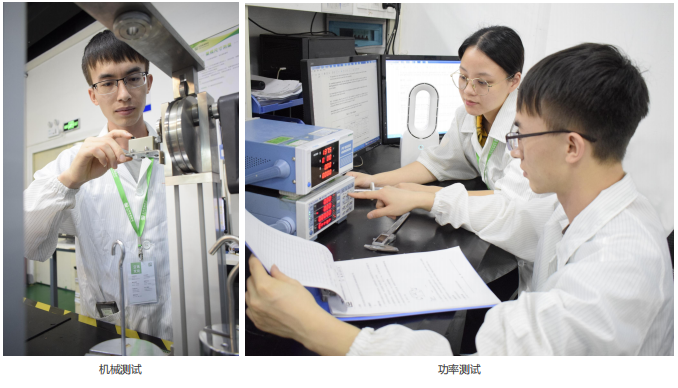
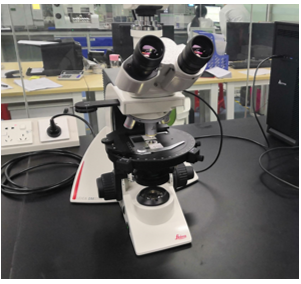
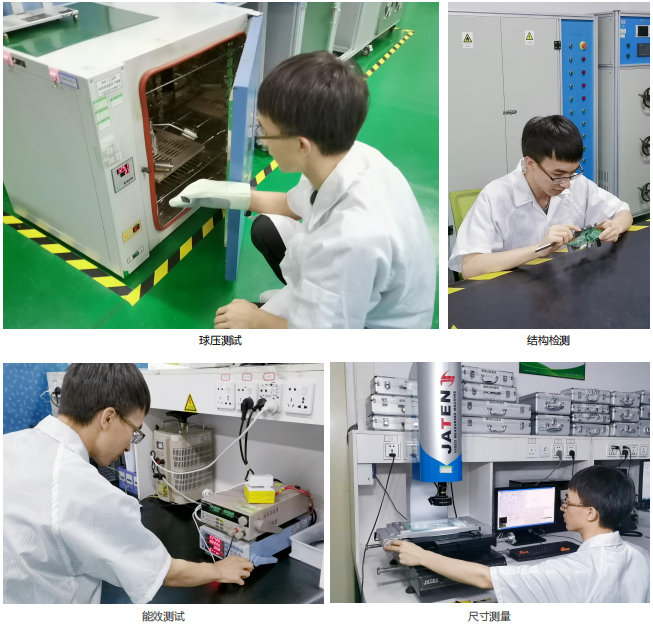
Lixun testing equipment

Lixun Service Product Category:
LED control device, LED module, LED bulb light, corn light, LED tube, fixed lighting fixtures (ceiling light, wall light, wall wash light, pendant light, fixed bracket light, mining light, etc.), embedded lighting fixtures (simple light, panel light, etc.), movable universal lighting fixtures, courtyard movable lighting fixtures, children's movable lighting fixtures, LED street lights, street lights, floodlights, floodlights, track lights, handheld lights, night lights, floor lights, light strings, LED replacement light sources, LED drivers, LED light strips, ballasts, advertising lights, mirror lights, etc
Main energy efficiency certification projects:
DLC certification in the United States, Energy Star certification in the United States, DOE certification in the United States, CEC certification in California, ERP certification in the European Union, CECP certification in China, GEMS certification in Australia, K-MEPS certification in South Korea, and Nrcan certification in Canada ...
DLC certification in the United States
Definition: The Design Lights Consortium (DLC) is a voluntary certification program jointly promoted by North American utility companies and energy efficiency agencies, designed specifically for commercial and industrial LED lighting products, filling the high-performance lighting field not covered by Energy Star.
Applicable products: Fixed installation lighting fixtures (road lights, high ceiling lights), professional lighting fixtures (wall washers, floodlights), LED tubes, and replacement lighting modules.
Management organization: DLC Alliance (a non-governmental organization supported by energy efficiency agencies such as NEEP).
Core requirements:
Through LM79 photometric and electrical testing
Meet performance thresholds such as light efficiency (lm/W), power factor (≥ 0.9), and color rendering index (CRI ≥ 80)
The product must be listed on the DLC official website in order to receive subsidies from the power company
Certification nature: Non mandatory, but a key entry threshold for high-end commercial projects in North America.
Energy Star of the United States
Definition: A voluntary energy-saving labeling program jointly launched by the US Environmental Protection Agency (EPA) and the Department of Energy (DOE), covering consumer electronics and household devices.
Applicable products:
Household lighting (bulbs, tube lights)
Home appliances (refrigerator, washing machine, air conditioner)
Office equipment (computers, printers, external power adapters)
Monitor, TV
Core requirements:
Set energy efficiency thresholds by product category (e.g. LED bulb light efficiency ≥ 75 lm/W)
Must pass EPA accredited laboratory testing
The product needs to be registered and listed on the ENERGY STAR official website
Certification nature: voluntary, but due to mandatory government procurement requirements (federal procurement must be Energy Star products), it is actually market mandatory.
DOE Energy Efficiency Certification in the United States
Definition: A mandatory energy efficiency compliance system implemented in accordance with 10 CFR 429 and 10 CFR 430 federal regulations, regulated by the United States Department of Energy (DOE).
Applicable products (updated in 2025):
External power supply (EPS), battery charger (BCS)
TV, refrigerator, air conditioner, washing machine, dishwasher
General Lighting Bulbs (GSLs)
Fan, boiler, pool heater
Core requirements:
Must pass DOE accredited laboratory testing
Starting from April 17, 2025, all GSLs products must submit certification reports in the DOE CCMS system
The external power supply must meet the Level 6 energy efficiency standard
Certification nature: Mandatory, non compliant products are prohibited from entering the US market.
California CEC Energy Efficiency Certification
Definition: The mandatory energy efficiency registration system implemented by the California Energy Commission (CEC) applies to electrical products sold in California.
Applicable products:
Power adapter, external power supply
Monitor, set-top box, television
Battery charging systems for mobile phones, laptops, and other devices
LED lighting fixtures, refrigerators, air conditioners
Core requirements:
Test according to IEC 62301 (no-load power consumption) and IEC 62087 (standby power consumption)
No load power consumption limit: ≤ 0.5W (2008 version standard)
The product needs to be registered on the CEC official website and obtain a registration number
Process: Sample testing → Report issuance → Online registration → Obtain registration number
Certification nature: Mandatory, unregistered products cannot be sold in California.
EU ERP certification
Definition: The eco design and energy efficiency labeling system implemented in accordance with Directive 2009/125/EC (Energy Related Products Directive) covers the entire product lifecycle.
Applicable products (updated in 2025):
Printer, game console, electric lift table, electric blinds
Simple/complex set-top boxes, beverage preparation machines, curling irons
Most household appliances except for washing machines and dishwashers (listed separately)
Core requirements:
Power consumption in shutdown mode: ≤ 0.5W (taking off and landing to 0.3W in 2027)
Standby power consumption: ≤ 0.5W; screen equipped devices ≤ 0.8W
Network standby (HiNA): ≤ 2.0W (non HiNA) or ≤ 8.0W
EU energy efficiency label (A-G level) must be affixed
Certification nature: Mandatory, requiring completion of ecological design compliance and CE mark affixation.
China CECP Certification (China Energy Efficiency Labeling)
Definition: The mandatory energy efficiency labeling system implemented in accordance with the Energy Conservation Law of the People's Republic of China is jointly managed by the National Development and Reform Commission and the State Administration for Market Regulation.
Applicable products (2025 catalog):
Household kitchen appliances (implemented from November 1, 2025)
Permanent magnet synchronous motor, air purifier (from January 1, 2026)
Microcomputer (Starting from February 1, 2026)
Gas stove (from March 1, 2026)
High voltage three-phase asynchronous motors, commercial refrigeration appliances (from April 1, 2026)
Core requirements:
China Energy Label must be affixed
Identification content: producer, model, energy efficiency level (1-5 levels), energy efficiency index
Products manufactured before 2026 can be extended to 2028 with new labeling
Certification nature: Mandatory, products without labeling cannot be sold.
Australian GEMS certification
Definition: Greenhouse and Energy Minimum Standards (GEMS) is a mandatory energy efficiency registration system in Australia and New Zealand, managed by the GEMS regulatory agency.
Applicable products:
Air conditioning, refrigerator, water heater, dryer, washing machine, dishwasher
Electric motors, external power sources, televisions, set-top boxes, computers, data center equipment
Core requirements:
The product must pass GEMS accredited laboratory testing
The applicant for registration must be a locally registered company in Australia
The product needs to be labeled with GEMS registration number and energy efficiency rating
Certification nature: Mandatory, in parallel with RCM security certification, jointly forming the basis for market access.
Korean K-MEPS certification
Definition: The Korea Minimum Energy Performance Standard (K-MEPS) is a mandatory energy efficiency certification implemented under the Energy Utilization Rationalization Act and enforced by the Korea Energy Management Corporation (KEMCO).
Applicable products (extended from 2025 to 2027):
January 1, 2025: Air purifier, dishwasher, portable air conditioner, straight LED light, water pump
July 1, 2025: Rice cookers, electric stoves, electric heaters
January 1, 2026: Clothing care machine, toilet, electric steam sauna room
Core requirements:
Energy efficiency levels 1-5 (1 is optimal)
The label must be in Korean, indicating annual energy consumption and CO ₂ emissions
LED lighting efficiency ≥ 90 lm/W, computer sleep power consumption ≤ 0.5W
Certification nature: Mandatory, to be completed simultaneously with KC safety certification.
NRCAN Energy Efficiency Certification in Canada
Definition: A mandatory energy efficiency system managed by Natural Resources Canada (NRCAN) in collaboration with ENERGY STAR Canada.
Applicable products:
Washing machine, dryer, dishwasher, refrigerator, ice maker
Air conditioning, three-phase induction motor, lighting fixtures, television
Gas water heater, fuel water heater, gas heater
Core requirements:
The product must comply with NRCAN energy efficiency standards (partially overlapping with ENERGY STAR)
Must be registered in the NRCAN database and obtain a certification number
Some products require energy efficiency labels (such as "EnerGuide") to be affixed
Certification nature: Mandatory, sales of unregistered products are prohibited.

Large-scale experimental base
Professional Lab
Analysis Method
Testing/year


 WeChat Inquiry


 Reservation


Contact Us
National 24-hour service hotline
Address:Juji Industrial Park, Xueziwei, Ngabian, Shajing Street, Baoan District, Shenzhen Building A 1~2F, Building C 3F

WeChat public number
Share industry dry goods

WeChat consultation
Please note consulting services

Follow Jitterbug

Mobile website
di complaint mailbox: customer.complaint@lcs-cert.com complaint telephone tel: 18126445450 certificate report verification of authenticity mailbox: verification@lcs-cert.com