

Wireless Communication
 EU RED Network Security Standard EN 18031
 Wireless and communication detection
 Mobile communication product certification
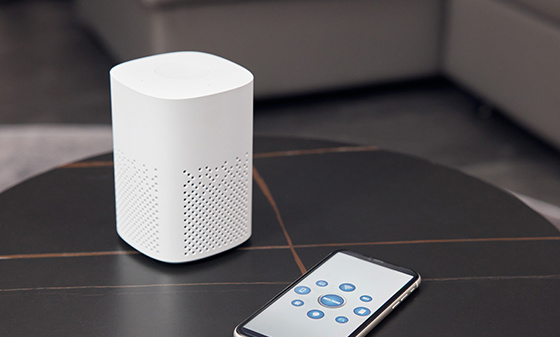 Bluetooth BQB Product Certification
 FM/AM Product Certification
 WiFi Product Certification
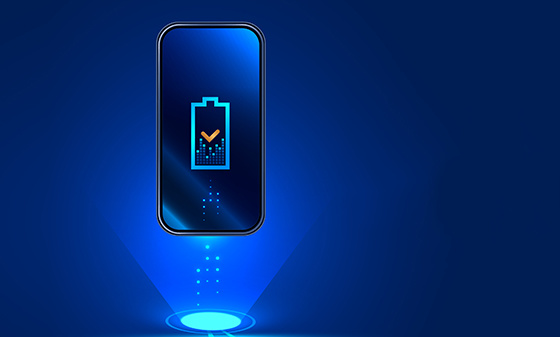 Wireless charging product certification
 Interphone product certification
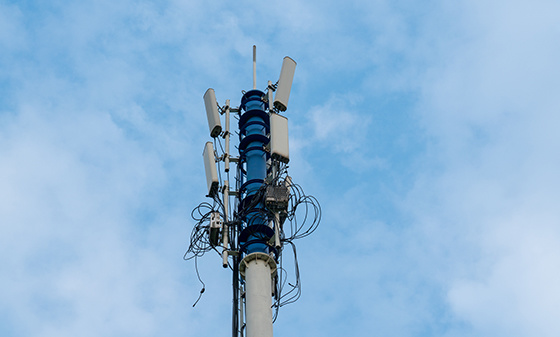 Base station certification
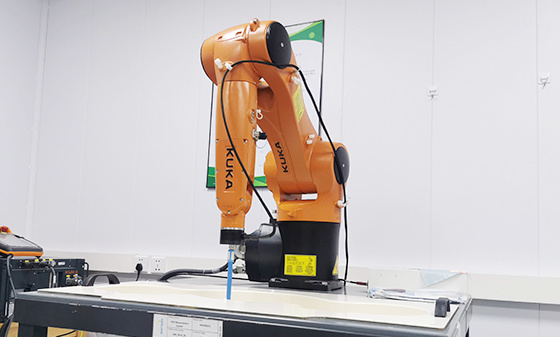 SAR testing
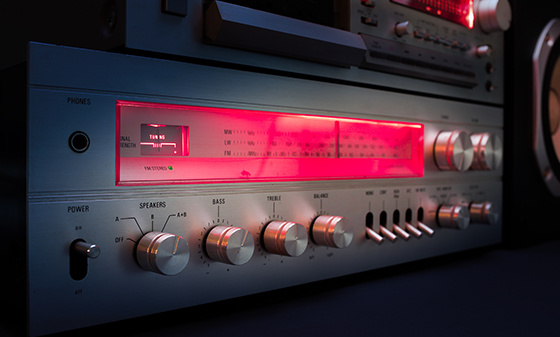 Receiver Product Certification
 5G NR Product Certification
 UWB Product Certification
 Internet of Things authentication
Electromagnetic compatibility
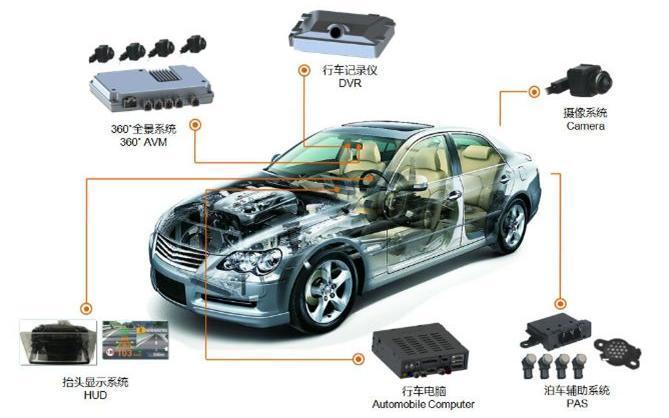 Automotive Electronics EMC Testing
 EMC rectification
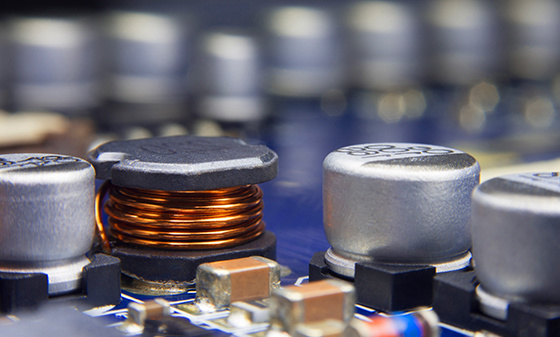 EMC
EMC
Automotive Electronics
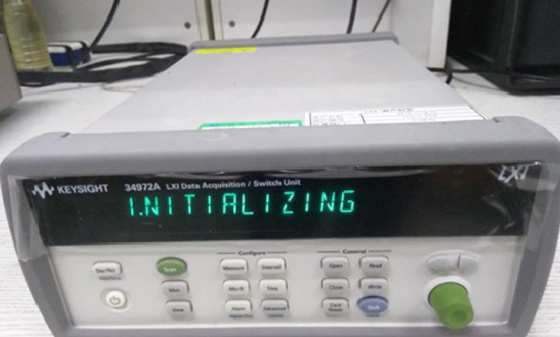 Electrical performance testing
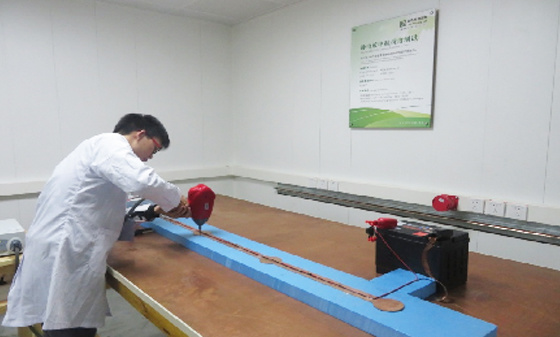 EMS testing - radiation anti-interference testing system (including radar waves)
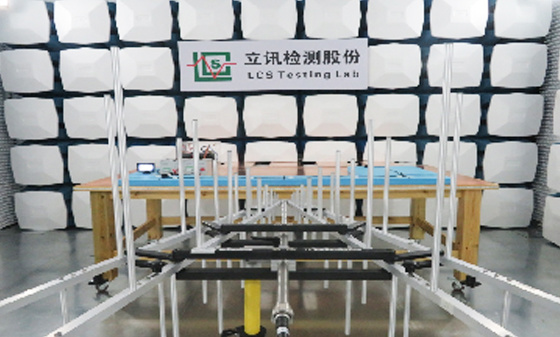 EMS Testing - Electrostatic Discharge
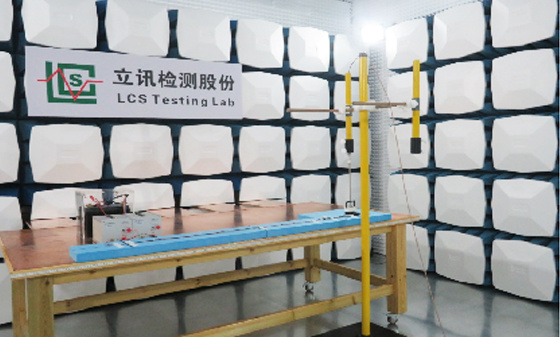 EMS Test - Transient Conducted Immunity Test
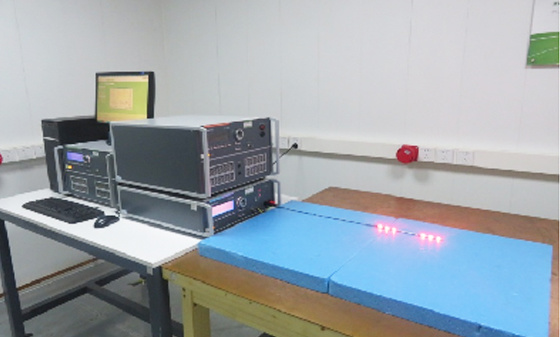 EMS Testing - Portable Transmitter Immunity
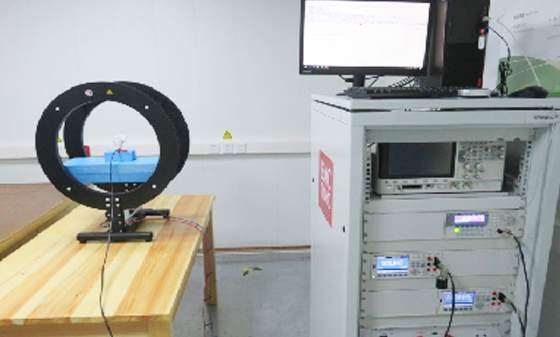 EMS Test - High Current Injection (BCI) Test
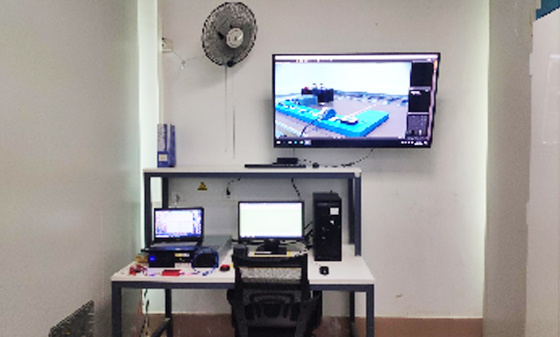 EMS test - low-frequency magnetic field anti-interference test
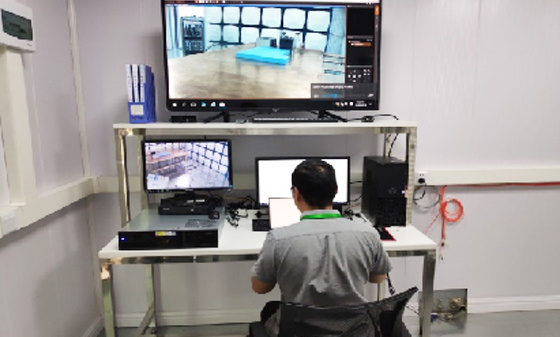 EMI Testing - Transient Conducted Emissions Testing System
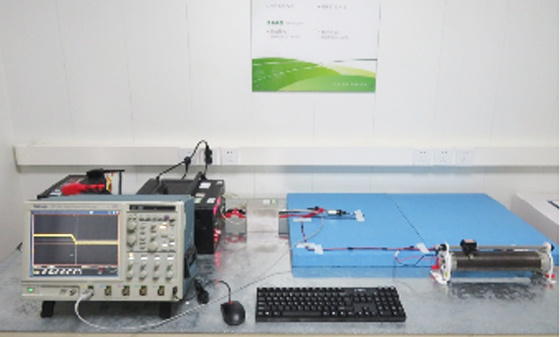 EMI testing - low-frequency magnetic field emission
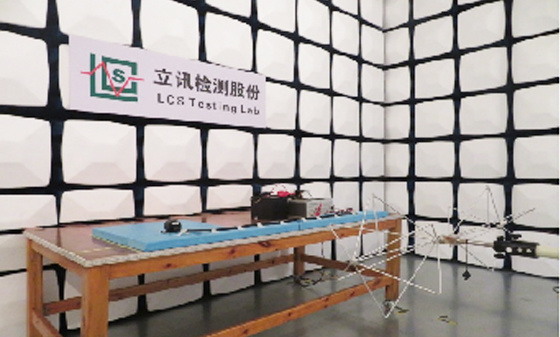 EMI Test - Radiation Emission Test
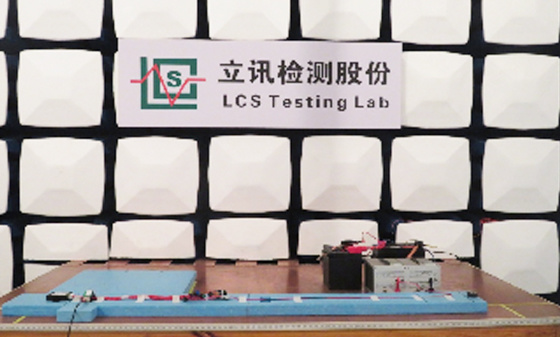 EMI Test - Conducted Emissions Test
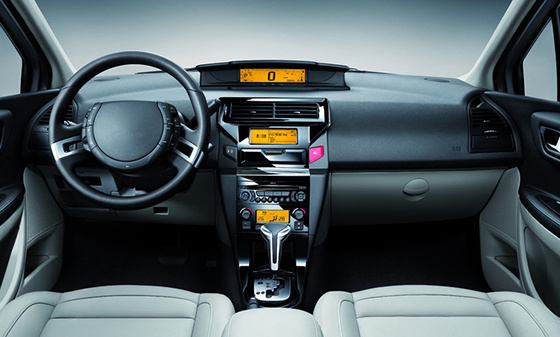 Automotive Electronic Testing
Automotive Parts Inspection
 Automotive ELV&VOC
 Reliability testing
 Temperature shock test
 Vibration testing
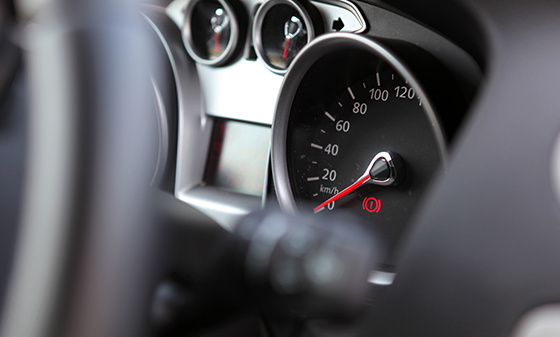 Instrument panel/instrument panel three comprehensive vibration test
 Comprehensive vibration test of door inner panel III
 Sunvisor Three Comprehensive Vibration Test
 Spoiler Three Comprehensive Vibration Test
 Three comprehensive vibration tests of car front and rear bumpers
 Three comprehensive vibration tests for lamp housing/lampshade
 Comprehensive vibration test of outer circumference three
 Automotive metal material testing
 Performance testing of automotive lighting fixtures
 Rapid temperature change test
 Vibration
 Common issues with vibration testing
 Common issues with fatigue testing
 Common issues with high and low temperature testing
 Conducted Interference (CE) - Suzhou Lixun Standard
 Electromagnetic Radiation Tolerance Test (RS) - Suzhou LCS Standard
 Electrical Fast Pulse Withstand Test (EFT) - Suzhou LCS Standard
 Voltage flicker test - Suzhou LCS standard
Electronic appliances
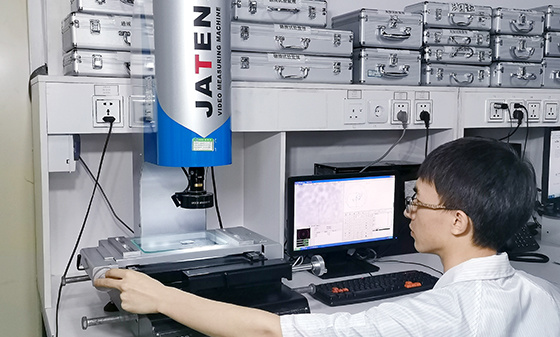 Household appliance product testing
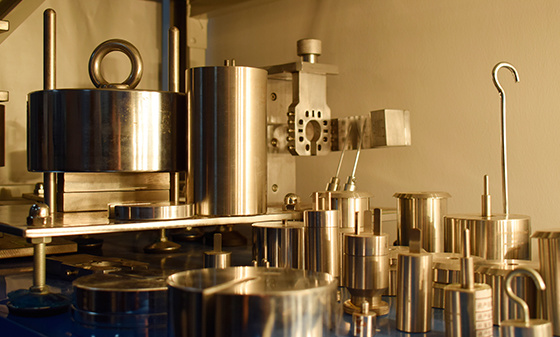 Electrical accessory product testing
 Household appliance testing
Chemical Testing
 Introduction to PFAS Testing
 MOSH/MOAH Mineral Oil Testing Service
 MOSH/MOAH Mineral Oil Testing and Certification Report Service
 Consumer Product Testing Services - WEEE Chapter
 Ecological textile testing
 Leather Footwear Inspection
 Food contact material testing
 Testing of toys and baby products
 Hazardous substance testing
Electronic Cigarette Testing
 Electronic cigarette detection
Reliability testing
 Other tests - pencil hardness test
 Mechanical testing - Packaging compression test
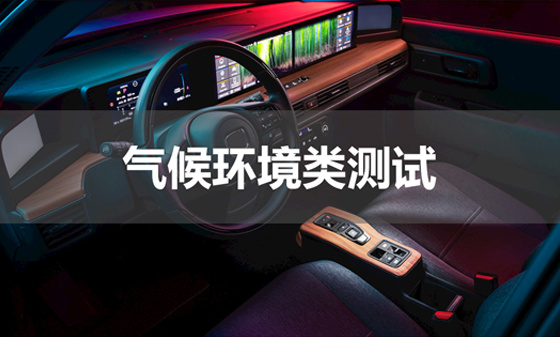 Climate environment testing - Xenon lamp aging test
Battery Testing
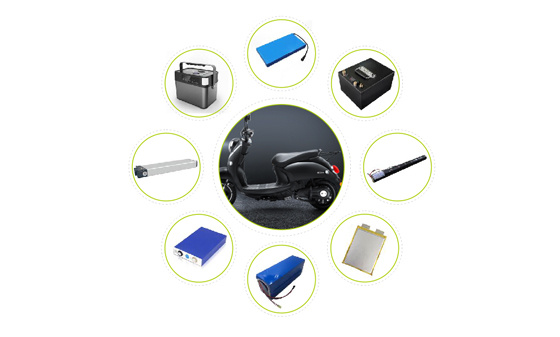 Power storage battery testing and certification
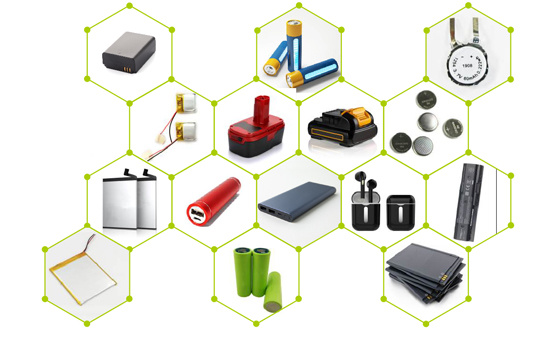 Consumer Electronics Battery Testing and Certification
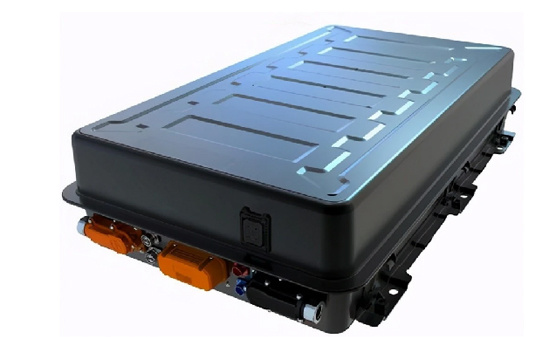 power battery
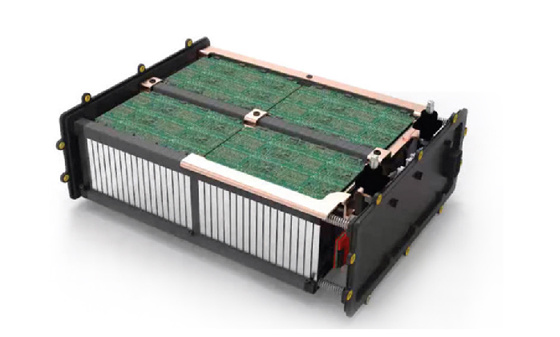 Light electric vehicle batteries
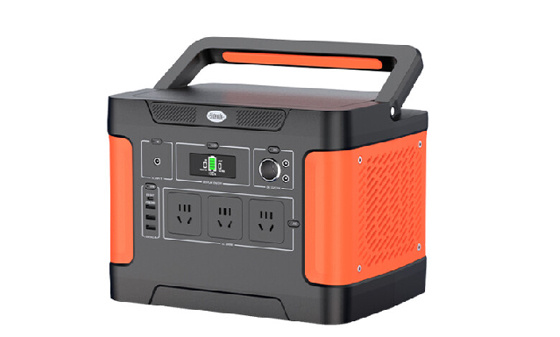 Energy storage battery
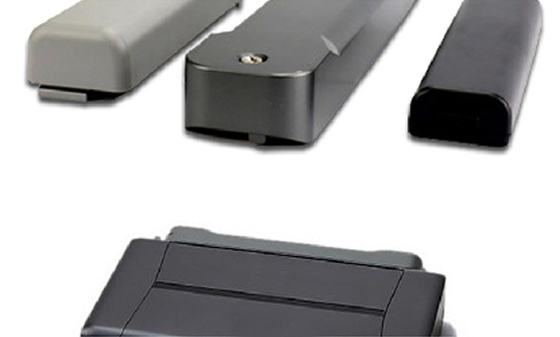 Portable battery
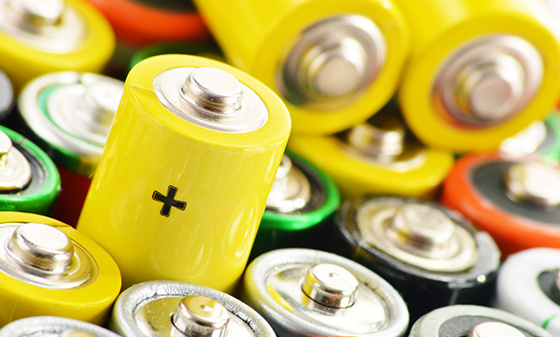 Battery testing
 battery test
Lamp Inspection
 Inspection of ship lighting fixtures
 COI Index Test for Medical Indoor Lighting
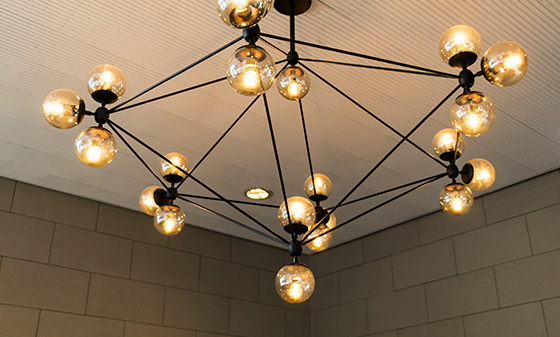 Lamp safety inspection
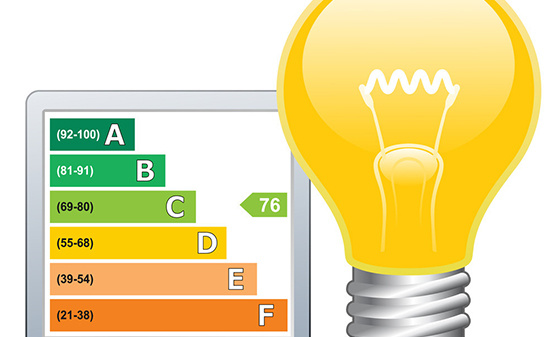 Luminaire energy efficiency testing
 EMC testing of lighting fixtures
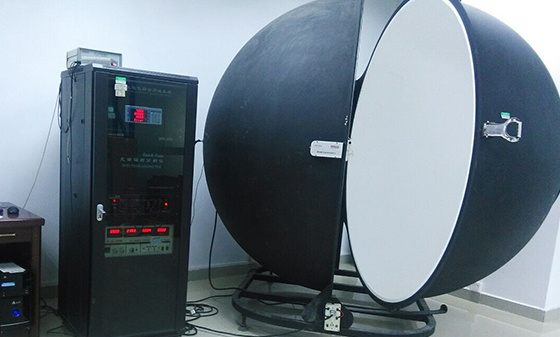 Integral Ball Laboratory
 Photobiology Experiment
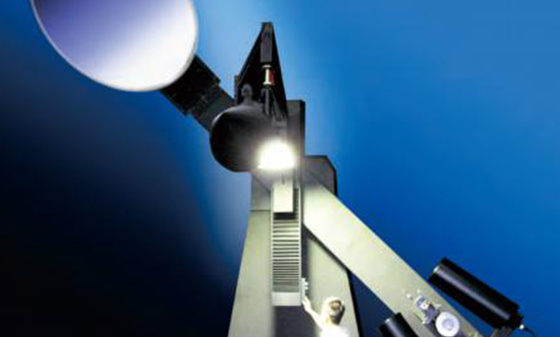 Light distribution test
 Lamp aging test
 Lamp IP waterproof
 Lamp performance testing
 Lamp reliability testing
Children's toy testing
 Testing standards for toy products
China Certification
 China's "national promotion" RoHS certification
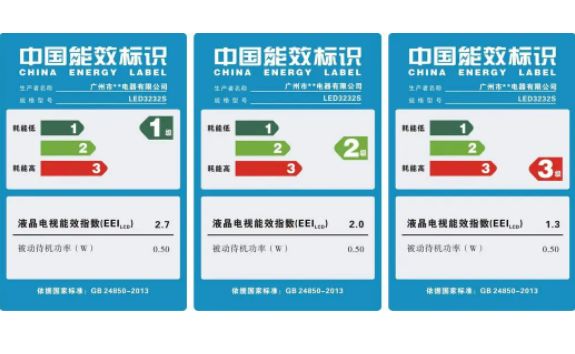 China Energy Efficiency Label Certification
 China Energy Conservation Certification
 China CQC Certification
 Tmall JD Quality Inspection Report
 China SRRC Certification
 Taiwan BSMI certification
 Taiwan NCC certification
 China CCC Compulsory Certification
Asia Certification
 Vietnam certification
 KC certification
 KUCAS Certification in Kuwait
 Singapore PSB certification
 Iraq COC Certification
 IMDA certification
 VCCI Certification in Japan
 JATE certification in Japan
 PSE certification
 BIS certification
 Japanese TELEC certification
European Certification
 RoHS certification
 GOST certification in Russia
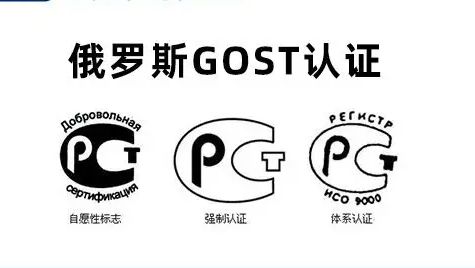 Russian EAC certification
 Northern Ireland UKNI logo
 Electrical ENEC certification
 European D-MARK certification
 Türkiye BTK certification
 TSE certification in Türkiye
 CE certification in Türkiye
 RED certification
 German TUV-SUD certification
 CE-ERP certification
 REACH certification
 German GS certification
 EU E-Mark certification
North American Certification
 Ecuador VOC certification
 Mexico NOM certification
 IRAM certification
 CPSC Certification in the United States
 CSA certification
 ASTM certification
 FDA certification
 CEC certification
 ETL certification
 ul certification
 IC certification
 Energy Star
 FCC Certification in the United States
 ASTM certification
Middle East Certification
 Israel SII certification
 Saudi SABER certification
 GCC certification for the seven Gulf countries
 Iran COI certification
 Qatar COC Certification
 Iraq COC Certification
 Saudi EER Energy Efficiency Certification
 Saudi SABER certification
 Algeria PCA certification
 PVOC certification
Australia Certification
 New Zealand IC-F testing
 VEET certification
 LCP certification
 GEMS certification
 RCM certification
 C-Tick certification
 SAA certification
Africa Certification
 Gabon COC certification
 Algeria COC certification

 Ethiopian VOC and COC certification
 Mauritius VOC certification
 Ghana COC certification
 COC certification in Burundi
 Zambia COC certification
 Botswana COC Certification
 Uganda PVOC certification
 SABS certification in South Africa
 South African LOA certification
 Zimbabwe CBCA Certification
 Nigeria SONCAP certification
 Kenya PVOC certification
 African COC certification
Other certifications
 WEEE
WEEE
 Bluetooth BQB certification
 IECEE registration
 MHRA registration in the UK
TRAINING
 Management system training
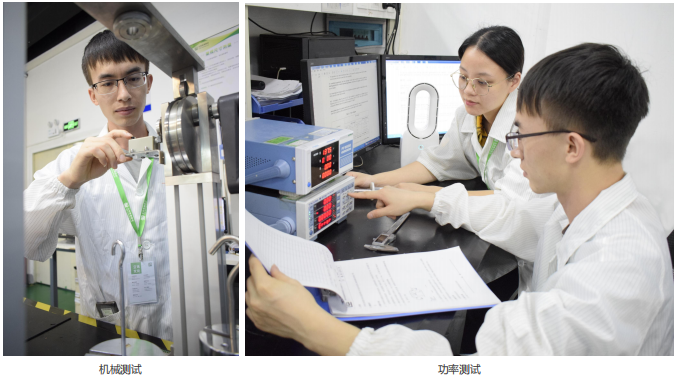 Laboratory technical training
 Laboratory Process Consulting
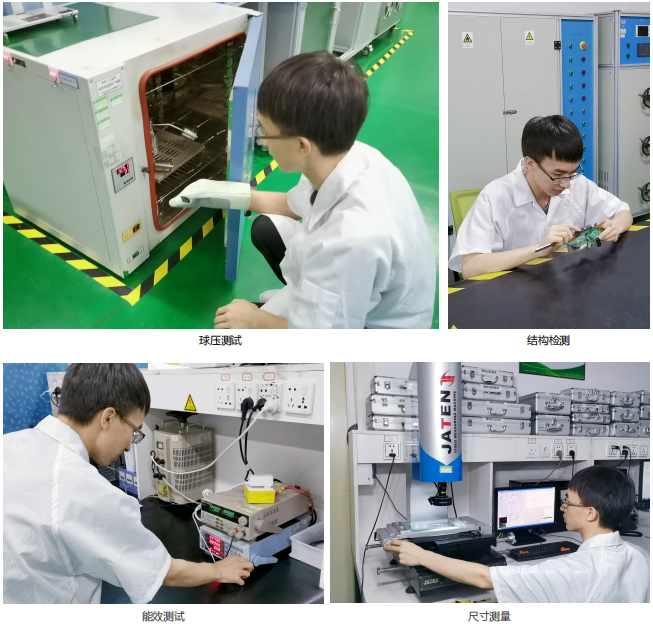 Laboratory decoration construction
Wireless Communication
Electromagnetic compatibility
Automotive Electronics
Automotive Parts Inspection
Electronic appliances
Chemical Testing
Electronic Cigarette Testing
Reliability testing
Battery Testing
Lamp Inspection
Children's toy testing
China Certification
Asia Certification
European Certification
North American Certification
Middle East Certification
Australia Certification
Africa Certification
Other certifications
TRAINING
Wireless Communication
Electromagnetic compatibility
Automotive Electronics
Automotive Parts Inspection
Electronic appliances
Chemical Testing
Electronic Cigarette Testing
Reliability testing
Battery Testing
Lamp Inspection
Children's toy testing
China Certification
Asia Certification
European Certification
North American Certification
Middle East Certification
Australia Certification
Africa Certification
Other certifications
TRAINING
Wireless Communication
Electromagnetic compatibility
Automotive Electronics
Automotive Parts Inspection
Electronic appliances
Chemical Testing
Electronic Cigarette Testing
Reliability testing
Battery Testing
Lamp Inspection
Children's toy testing
China Certification
Asia Certification
European Certification
North American Certification
Middle East Certification
Australia Certification
Africa Certification
Other certifications
TRAINING
Wireless Communication
Electromagnetic compatibility
Automotive Electronics
Automotive Parts Inspection
Electronic appliances
Chemical Testing
Electronic Cigarette Testing
Reliability testing
Battery Testing
Lamp Inspection
Children's toy testing
China Certification
Asia Certification
European Certification
North American Certification
Middle East Certification
Australia Certification
Africa Certification
Other certifications
TRAINING
Wireless Communication
Electromagnetic compatibility
Automotive Electronics
Automotive Parts Inspection
Electronic appliances
Chemical Testing
Electronic Cigarette Testing
Reliability testing
Battery Testing
Lamp Inspection
Children's toy testing
China Certification
Asia Certification
European Certification
North American Certification
Middle East Certification
Australia Certification
Africa Certification
Other certifications
TRAINING
Wireless Communication
Electromagnetic compatibility
Automotive Electronics
Automotive Parts Inspection
Electronic appliances
Chemical Testing
Electronic Cigarette Testing
Reliability testing
Battery Testing
Lamp Inspection
Children's toy testing
China Certification
Asia Certification
European Certification
North American Certification
Middle East Certification
Australia Certification
Africa Certification
Other certifications
TRAINING

What do robots need to prepare for going out to sea?
Author.
LCS
Source:
Post time:
2026-06-30
In 2026, China's robotics industry is accelerating its global expansion. Industrial robotic arms, collaborative robots AGV、 The category of commercial service robots continues to explode, with unprecedented overseas momentum.
But every time a company enters a new market, it faces a series of challenges:
Electrical safety: Is the insulation of the equipment sufficient? Is the leakage current within the safe threshold?
Electromagnetic Compatibility (EMC): Will the electromagnetic radiation from robots interfere with other equipment in the workshop? On the other hand, can one withstand external interference?
Wireless compliance: Does Wi Fi/Bluetooth/5G module have SRRC approval? Have you obtained the FCC ID? Has CE-RED passed?
Environmental reliability: Can the machine still operate normally after being frozen overnight at -40 ℃ and then placed in a 70 ℃ oven?
Chemical compliance: Are harmful substances in the casing, cables, and circuit boards compliant? The PFAS limit is getting tighter and tighter, are you ready?
Information network security: Will networked robots be remotely hacked? Is there encryption protection for user privacy data?
Mechanical safety: In the scenario of human-machine collaboration, does the collision force exceed the safety threshold that the human body can withstand?
If any link gets stuck, shipment delays, order defaults, or brand reputation damage - the cost is far higher than the testing itself.

Testing and Certification: Full coverage from components to the entire machine
Whole machine category
Industrial robotic arm: full range of multi axis heavy-duty and lightweight flexible types
Collaborative robot: human-machine safe interactive type, suitable for precision assembly and auxiliary operations
Mobile and special robots: AGV unmanned handling, inspection, warehousing sorting, medical assistance
Service and Humanoid Robots: Home/Commercial Service Robots, Frontier Humanoid Bionic Robots
core components
Power and control components: servo motor, drive power supply, high-precision motion controller and control system
Perception and sensing components: LiDAR, visual camera, environmental and force sensing sensor module
Communication and computing unit: wireless communication module, PCB motherboard, core processor, and supporting cables
Energy and structural components: key supporting components such as high rate lithium batteries, precision structural components, reducers, etc
Eight core testing capabilities, dismantling each item with a hard core
1. Electrical safety
The comprehensive electrical safety testing covering the entire robot and system includes core standards such as:
GB 11291.1/2- General Requirements for Safety of Industrial Robots
GB/T 5226.1&IEC 60204- General Safety Standards for Mechanical and Electrical Equipment
GB 31241&UN 38.3- Full process control of safe use and transportation of lithium batteries
The testing scope covers insulation withstand voltage, leakage current, grounding continuity, overcurrent/overvoltage/short circuit protection, verification of anti electric shock structures, battery temperature rise and flame retardant (V0 level) evaluation.
Core value: Avoiding the three fatal risks of line aging, battery fire, and electric leakage from a structural perspective.
2. Electromagnetic compatibility (EMC)
Robots work in complex electromagnetic environments such as factory workshops, laboratories, and hospitals, and their EMC performance directly determines whether the system can operate stably.
execution standard
GB/T 38326&38336- Electromagnetic Compatibility of Industrial Robots and Systems
CISPR 11、 32- Radio frequency interference limits for industrial/scientific/medical equipment
IEC 61000 series - International General EMC Basic Standards
Core testing projects
Electromagnetic emissions (EMI): Conducted disturbances, radiated disturbances, harmonic currents - ensuring robots do not pollute surrounding precision instruments and power grids
Electromagnetic Immunity (EMS): Electrostatic Discharge (ESD), Radio Frequency Radiation Immunity, Electric Fast Pulse Group, Surge - Ensure that external interference does not cause equipment crashes or signal frame loss
Three key protection scenarios
Avoiding PLC interference and ensuring stable collaboration of workshop industrial control systems
Escort 5G/WiFi wireless communication to prevent signal failure or interruption
Stable visual perception link to avoid camera signal distortion and frame loss
3. Wireless RF
The robot communication module is a high-risk area for compliance. LCS provides one-stop RF certification services for mainstream markets worldwide:
China SRRC Model Approval - According to the Radio Management Regulations of the People's Republic of China
FCC ID - Spectrum Compliance and Electromagnetic Compatibility Verification in the United States
EU CE-RED - covering health, safety, and electromagnetic radiation testing
Japan TELEC - Ministry of General Affairs Certification System, RF Equipment Regulatory Compliance
Test items: transmission power, frequency error, stray radiation, adjacent channel suppression, bandwidth occupation - comprehensively ensure the legal and compliant operation of wireless modules.
4. Environment and reliability
Robots are not provided in laboratories, but operate in real environments such as production lines, ports, and outdoors. The environmental reliability verification system of LCS covers:
High and low temperature cycling: extreme temperature difference cycling from -40 ℃ to 70 ℃ to verify electronic performance and structural stability
Damp heat aging: Long term cycling at 40 ℃/90% RH, simulating the humid environment in the south, evaluating the corrosion resistance of components
Salt spray corrosion: neutral salt spray 500/1000 hour durability verification, designed specifically for coastal, port and other scenarios
Vibration and Shock: Simulate long-distance transportation loading and unloading scenarios, rigorously evaluate structural strength through multi-directional vibration and shock
Dustproof and Waterproof (IP20-IP67): Covering all levels from cleanrooms to harsh outdoor conditions
Long term durability: 720 hours of continuous reciprocating motion test, simulating high-frequency operations to verify the lifespan of core components
5. Mechanical performance and structural safety
This is one of the most critical detection dimensions that distinguishes robots from ordinary electronic products.
GB/T 45509-2025- National Standard for Dynamic Stability: Anti Overturning and Anti Sliding Tests
GB/T 36008-2018- General Technical Requirements for Collaborative Robots: Safety Design, Performance Indicators, and Verification of Human Machine Collaboration
Special testing: repeated positioning accuracy, motion trajectory error analysis, dynamic stability and collision buffering, effectiveness verification of emergency stop devices, mechanical strength and fatigue testing, collision force limit of collaborative robots - strictly controlled within the human safety threshold.
6. Optics and Lidar Special Project
Analysis of Light Distribution Curve (IES): Evaluating the uniformity, effective illumination range, and brightness attenuation of visual fill lights
Photobiological Safety (IEC 62471) Verification: Screening for Blue Light Hazards and Retinal Heat Hazards to Ensure Long Term Use for Human Safety
Laser safety classification (Class 1- Class 4): Clarify radiation safety boundaries
Core performance testing: ranging accuracy, scanning angle coverage, and anti-interference ability against stray light
Extreme environment verification: Continuous monitoring data stability under high and low temperature cycling, wet and hot alternating conditions
7. Chemical Hazardous Substances
National RoHS promotion: strict control of six items including lead, mercury, cadmium, hexavalent chromium, PBB, and PBDE
VOC/TVOC release and odor level detection: suitable for indoor service robots and consumer electronics
EU RoHS&REACH dual compliance: covering substances of high concern for SVHC
PFAS perfluorinated/polyfluoroalkyl substance restriction testing: responding to global new environmental regulations
California Proposition 65: Screening for Carcinogenic/Reproductive Toxic Chemicals
8. Software and Information Network Security
According to GB/T 45502 "General Requirements for Information Security of Service Robots", a comprehensive information network security detection system is constructed:
Data security: encrypted transmission, privacy data protection, thorough destruction of sensitive data during device reset
Network Security: Remote Control Link Vulnerability Detection, Intrusion Prevention, Firmware Upgrade Integrity Verification and Signature Mechanism
System security: identity authentication strength, multi-level access control, operation log audit and retention
Covering all robot products with networking communication, data storage, and human-computer interaction functions.
Global Market Access: One Solution, Multi country Access

From pre testing → certification application → technical document preparation → audit progress follow-up, one-stop service process closed-loop delivery.
Related articles
New articles
Interpretation of LITE technology 9th issue
2026-09-28
Interpretation of LITE Technology 8th Issue
2026-09-24
Media Center
Latest News
Contact Us
National 24-hour service hotline
400-116-2629
Group Headquarters
E-mail: webmaster@lcs-cert.com
Address: Shenzhen City, Baoan District, Shajing Street, Nga side of the school of Wei Juji Industrial Park, Building A 1 ~ 2 floor, Building C 3 floor


 WeChat Inquiry


 Reservation


Contact Us
National 24-hour service hotline
Address:Juji Industrial Park, Xueziwei, Ngabian, Shajing Street, Baoan District, Shenzhen Building A 1~2F, Building C 3F

WeChat public number
Share industry dry goods

WeChat consultation
Please note consulting services

Follow Jitterbug

Mobile website
di complaint mailbox: customer.complaint@lcs-cert.com complaint telephone tel: 18126445450 certificate report verification of authenticity mailbox: verification@lcs-cert.com