

Wireless Communication
 EU RED Network Security Standard EN 18031
 Wireless and communication detection
 Mobile communication product certification
 Bluetooth BQB Product Certification
 FM/AM Product Certification
 WiFi Product Certification
 Wireless charging product certification
 Interphone product certification
 Base station certification
 SAR testing
 Receiver Product Certification
 5G NR Product Certification
 UWB Product Certification
 Internet of Things authentication
Electromagnetic compatibility
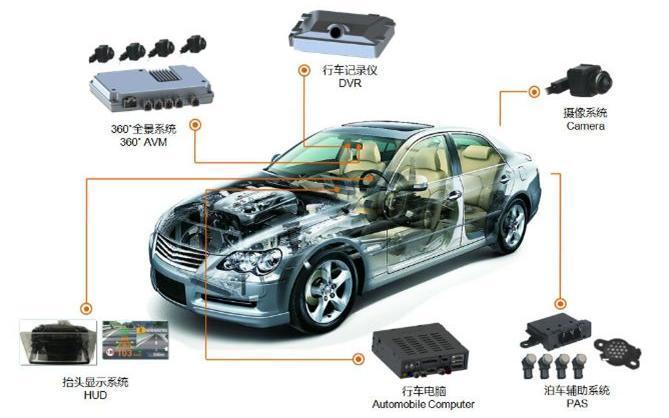 Automotive Electronics EMC Testing
 EMC rectification
 EMC
EMC
Automotive Electronics
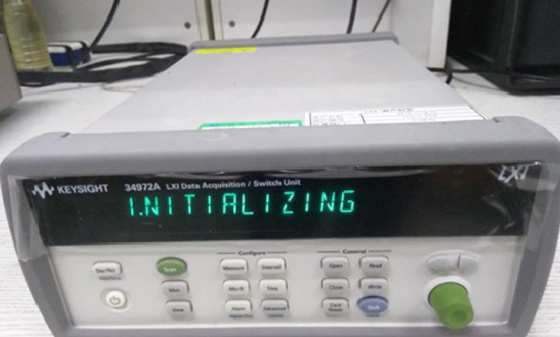 Electrical performance testing
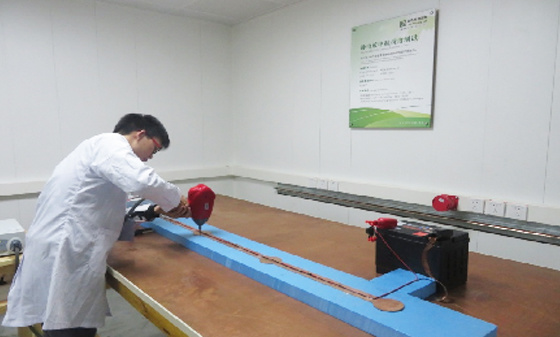 EMS testing - radiation anti-interference testing system (including radar waves)
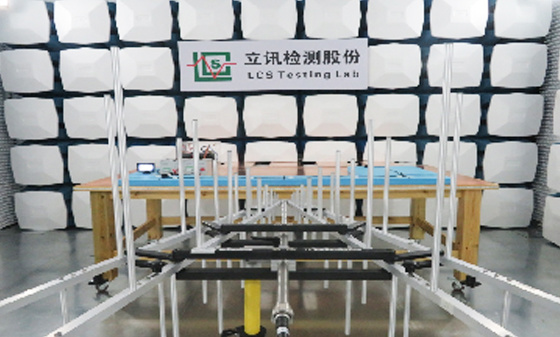 EMS Testing - Electrostatic Discharge
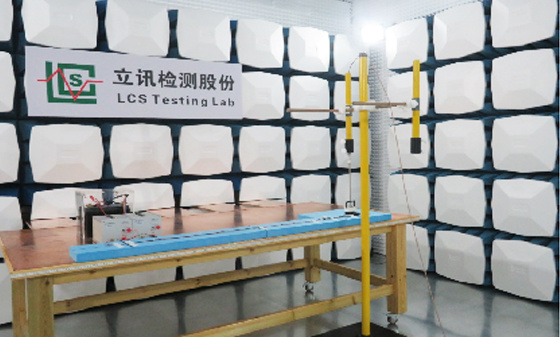 EMS Test - Transient Conducted Immunity Test
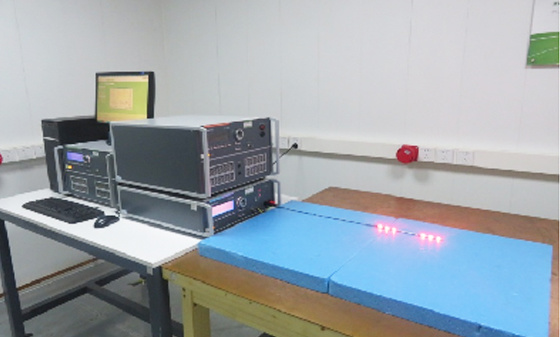 EMS Testing - Portable Transmitter Immunity
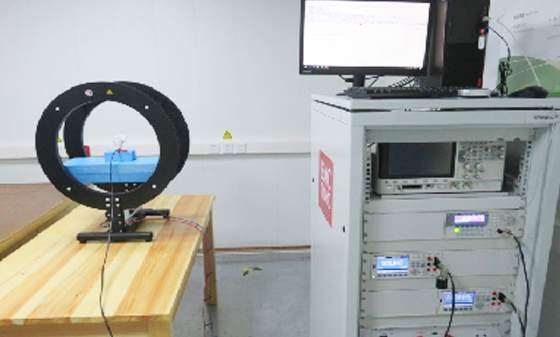 EMS Test - High Current Injection (BCI) Test
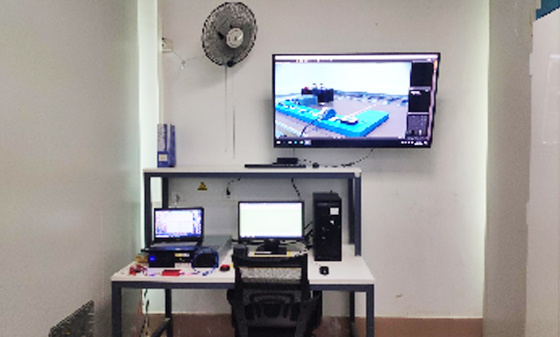 EMS test - low-frequency magnetic field anti-interference test
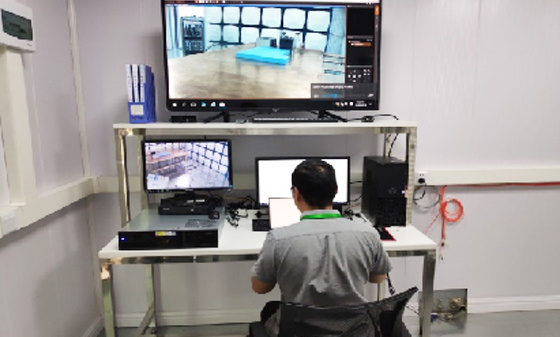 EMI Testing - Transient Conducted Emissions Testing System
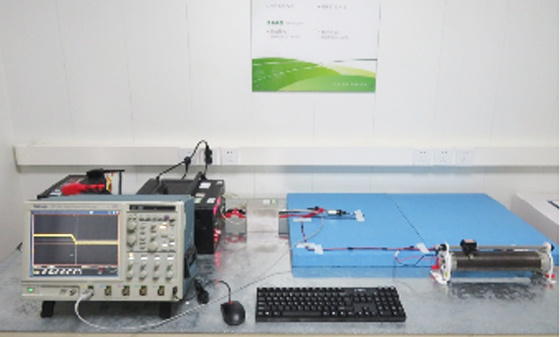 EMI testing - low-frequency magnetic field emission
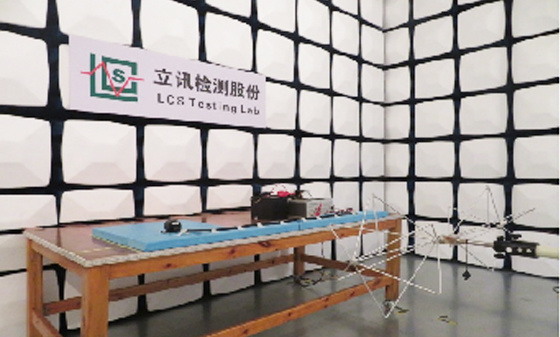 EMI Test - Radiation Emission Test
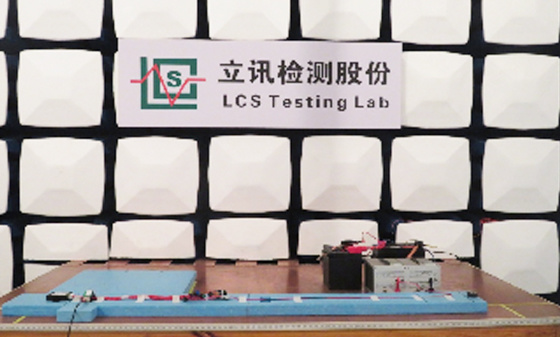 EMI Test - Conducted Emissions Test
 Automotive Electronic Testing
Automotive Parts Inspection
 Automotive ELV&VOC
 Reliability testing
 Temperature shock test
 Vibration testing
 Instrument panel/instrument panel three comprehensive vibration test
 Comprehensive vibration test of door inner panel III
 Sunvisor Three Comprehensive Vibration Test
 Spoiler Three Comprehensive Vibration Test
 Three comprehensive vibration tests of car front and rear bumpers
 Three comprehensive vibration tests for lamp housing/lampshade
 Comprehensive vibration test of outer circumference three
 Automotive metal material testing
 Performance testing of automotive lighting fixtures
 Rapid temperature change test
 Vibration
 Common issues with vibration testing
 Common issues with fatigue testing
 Common issues with high and low temperature testing
 Conducted Interference (CE) - Suzhou Lixun Standard
 Electromagnetic Radiation Tolerance Test (RS) - Suzhou LCS Standard
 Electrical Fast Pulse Withstand Test (EFT) - Suzhou LCS Standard
 Voltage flicker test - Suzhou LCS standard
Electronic appliances
 Household appliance product testing
 Electrical accessory product testing
 Household appliance testing
Chemical Testing
 Introduction to PFAS Testing
 MOSH/MOAH Mineral Oil Testing Service
 MOSH/MOAH Mineral Oil Testing and Certification Report Service
 Consumer Product Testing Services - WEEE Chapter
 Ecological textile testing
 Leather Footwear Inspection
 Food contact material testing
 Testing of toys and baby products
 Hazardous substance testing
Electronic Cigarette Testing
 Electronic cigarette detection
Reliability testing
 Other tests - pencil hardness test
 Mechanical testing - Packaging compression test
 Climate environment testing - Xenon lamp aging test
Battery Testing
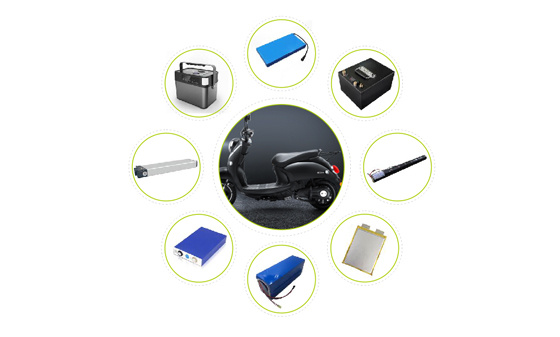 Power storage battery testing and certification
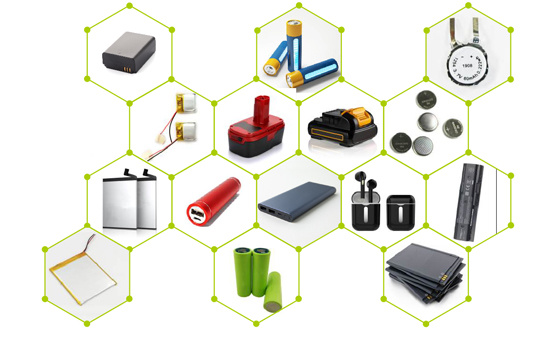 Consumer Electronics Battery Testing and Certification
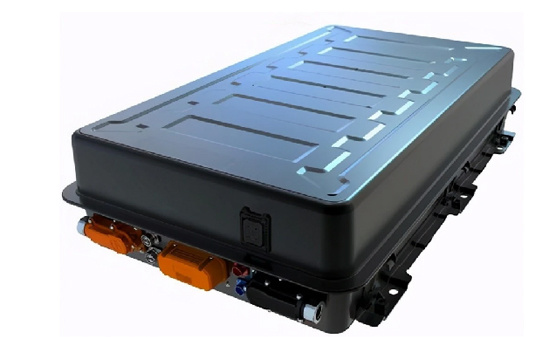 power battery
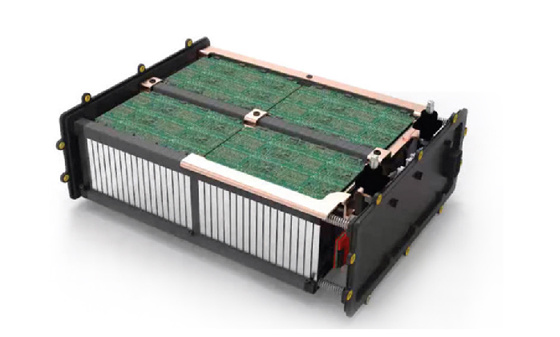 Light electric vehicle batteries
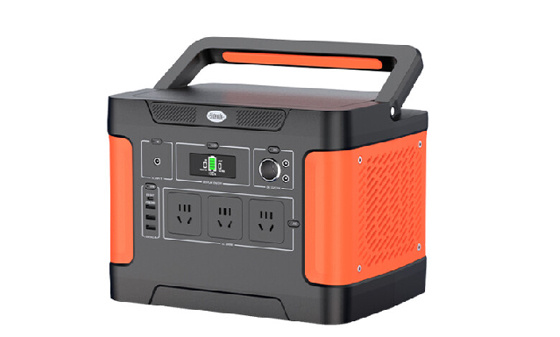 Energy storage battery
 Portable battery
 Battery testing
 battery test
Lamp Inspection
 Inspection of ship lighting fixtures
 COI Index Test for Medical Indoor Lighting
 Lamp safety inspection
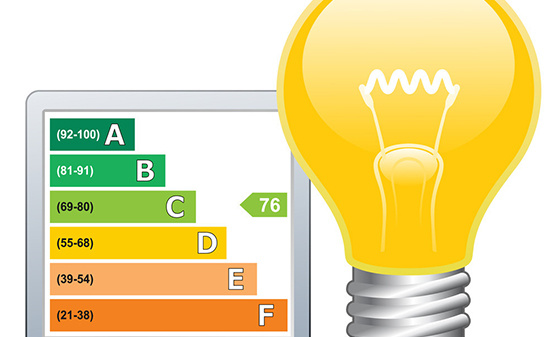 Luminaire energy efficiency testing
 EMC testing of lighting fixtures
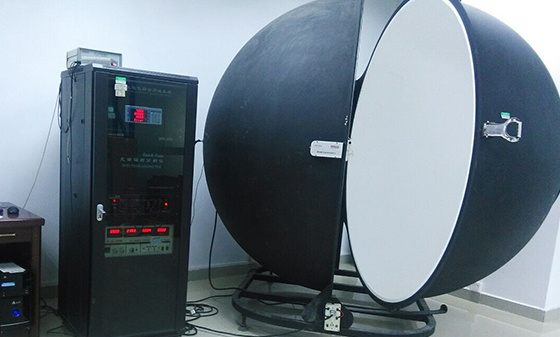 Integral Ball Laboratory
 Photobiology Experiment
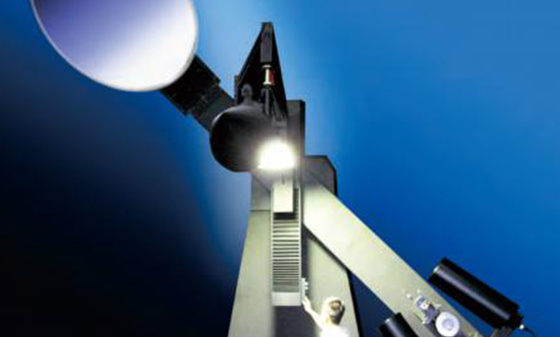 Light distribution test
 Lamp aging test
 Lamp IP waterproof
 Lamp performance testing
 Lamp reliability testing
Children's toy testing
 Testing standards for toy products
China Certification
 China's "national promotion" RoHS certification
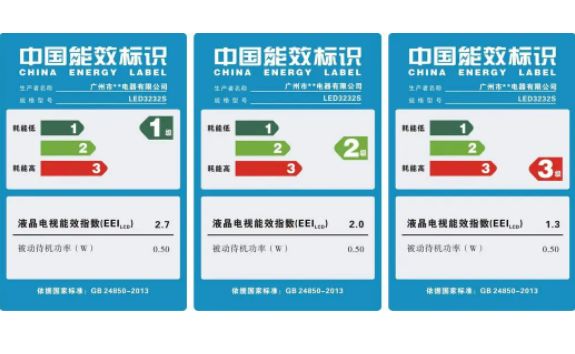 China Energy Efficiency Label Certification
 China Energy Conservation Certification
 China CQC Certification
 Tmall JD Quality Inspection Report
 China SRRC Certification
 Taiwan BSMI certification
 Taiwan NCC certification
 China CCC Compulsory Certification
Asia Certification
 Vietnam certification
 KC certification
 KUCAS Certification in Kuwait
 Singapore PSB certification
 Iraq COC Certification
 IMDA certification
 VCCI Certification in Japan
 JATE certification in Japan
 PSE certification
 BIS certification
 Japanese TELEC certification
European Certification
 RoHS certification
 GOST certification in Russia
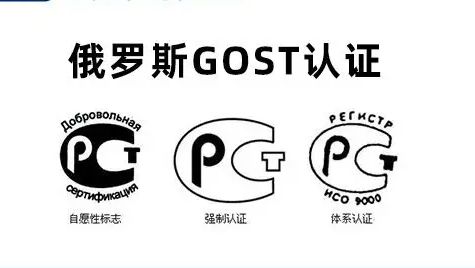 Russian EAC certification
 Northern Ireland UKNI logo
 Electrical ENEC certification
 European D-MARK certification
 Türkiye BTK certification
 TSE certification in Türkiye
 CE certification in Türkiye
 RED certification
 German TUV-SUD certification
 CE-ERP certification
 REACH certification
 German GS certification
 EU E-Mark certification
North American Certification
 Ecuador VOC certification
 Mexico NOM certification
 IRAM certification
 CPSC Certification in the United States
 CSA certification
 ASTM certification
 FDA certification
 CEC certification
 ETL certification
 ul certification
 IC certification
 Energy Star
 FCC Certification in the United States
 ASTM certification
Middle East Certification
 Israel SII certification
 Saudi SABER certification
 GCC certification for the seven Gulf countries
 Iran COI certification
 Qatar COC Certification
 Iraq COC Certification
 Saudi EER Energy Efficiency Certification
 Saudi SABER certification
 Algeria PCA certification
 PVOC certification
Australia Certification
 New Zealand IC-F testing
 VEET certification
 LCP certification
 GEMS certification
 RCM certification
 C-Tick certification
 SAA certification
Africa Certification
 Gabon COC certification
 Algeria COC certification

 Ethiopian VOC and COC certification
 Mauritius VOC certification
 Ghana COC certification
 COC certification in Burundi
 Zambia COC certification
 Botswana COC Certification
 Uganda PVOC certification
 SABS certification in South Africa
 South African LOA certification
 Zimbabwe CBCA Certification
 Nigeria SONCAP certification
 Kenya PVOC certification
 African COC certification
Other certifications
 WEEE
WEEE
 Bluetooth BQB certification
 IECEE registration
 MHRA registration in the UK
TRAINING
 Management system training
 Laboratory technical training
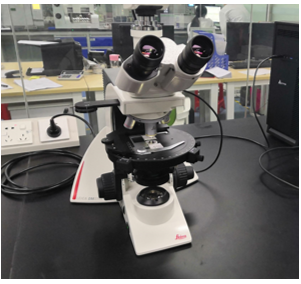 Laboratory Process Consulting
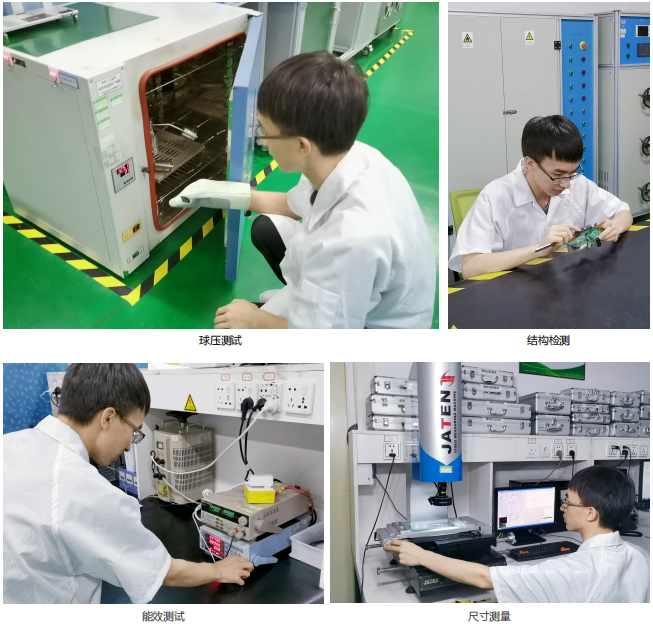 Laboratory decoration construction
Wireless Communication
Electromagnetic compatibility
Automotive Electronics
Automotive Parts Inspection
Electronic appliances
Chemical Testing
Electronic Cigarette Testing
Reliability testing
Battery Testing
Lamp Inspection
Children's toy testing
China Certification
Asia Certification
European Certification
North American Certification
Middle East Certification
Australia Certification
Africa Certification
Other certifications
TRAINING
Wireless Communication
Electromagnetic compatibility
Automotive Electronics
Automotive Parts Inspection
Electronic appliances
Chemical Testing
Electronic Cigarette Testing
Reliability testing
Battery Testing
Lamp Inspection
Children's toy testing
China Certification
Asia Certification
European Certification
North American Certification
Middle East Certification
Australia Certification
Africa Certification
Other certifications
TRAINING
Wireless Communication
Electromagnetic compatibility
Automotive Electronics
Automotive Parts Inspection
Electronic appliances
Chemical Testing
Electronic Cigarette Testing
Reliability testing
Battery Testing
Lamp Inspection
Children's toy testing
China Certification
Asia Certification
European Certification
North American Certification
Middle East Certification
Australia Certification
Africa Certification
Other certifications
TRAINING
Wireless Communication
Electromagnetic compatibility
Automotive Electronics
Automotive Parts Inspection
Electronic appliances
Chemical Testing
Electronic Cigarette Testing
Reliability testing
Battery Testing
Lamp Inspection
Children's toy testing
China Certification
Asia Certification
European Certification
North American Certification
Middle East Certification
Australia Certification
Africa Certification
Other certifications
TRAINING
Wireless Communication
Electromagnetic compatibility
Automotive Electronics
Automotive Parts Inspection
Electronic appliances
Chemical Testing
Electronic Cigarette Testing
Reliability testing
Battery Testing
Lamp Inspection
Children's toy testing
China Certification
Asia Certification
European Certification
North American Certification
Middle East Certification
Australia Certification
Africa Certification
Other certifications
TRAINING
Wireless Communication
Electromagnetic compatibility
Automotive Electronics
Automotive Parts Inspection
Electronic appliances
Chemical Testing
Electronic Cigarette Testing
Reliability testing
Battery Testing
Lamp Inspection
Children's toy testing
China Certification
Asia Certification
European Certification
North American Certification
Middle East Certification
Australia Certification
Africa Certification
Other certifications
TRAINING

Information | Introduction to Pre Market Application (PMTA) for Tobacco Products in the United States
Author.
LCS
Source:
Post time:
2024-04-09
Pre market tobacco application (PMTA1) refers to the requirement under section 910 (a) (2) of the Federal Food, Drug, and Cosmetic Act (FD&C Act) that new tobacco products (New Tobacco Products) that are intended to be legally sold in the United States after February 15, 2007 must submit an application to the US Food and Drug Administration (FDA) for review and approval.
Note:
1. PMTA is one of the three channels for applying for the listing of new tobacco products, the other two being SE (Substantial Equivalence) and EX REQ (Request Exemption from Demonstrating Substantial Equivalence). So far, all approved ENDS (Electronic Nicotine Delivery Systems, also known as Vapes) have been marketed through the PMTA pathway.
2. According to the Family Smoking Prevention and Tobacco Control Act of the United States, it grants the FDA the authority to manage tobacco products, allowing the FDA to approve or reject applications for risk improved tobacco products, and extends its tobacco product management authority to all products (including electronic cigarette ENDS) except those considered as accessories of tobacco products. This rule also authorizes the FDA to exercise discretion in the sale and distribution of tobacco products (MRTP) with unverified risk of improvement.
In order to make a decision and authorize listing, the FDA primarily considers the following four points (in accordance with Article 910 (c) (4)), among other things:
1) The risks and benefits for the entire population, including those who use the proposed new tobacco product and non users;
2) If the proposed new tobacco product is launched, will people currently using any tobacco product more or less stop using the products they are currently using;
3) If there are new tobacco products on the market, will people who currently do not use any tobacco products more or less start using tobacco products;
4) Methods, equipment, and control measures for manufacturing, processing, and packaging new tobacco products.
The Final PMTA Rules
In 2021, the FDA established the final PMTA rules, which are: Pre market Tobacco Product Applications and Recordkeeping Requirements.
1) This rule standardizes the content, format, and review formats required by PMTA.
2) In order for the FDA to complete the substantive review of PMTA, the application must include the information mentioned in the final rules.
3) The rule also requires manufacturers to maintain records to prove that their tobacco products are legally sold.
4) The final PMTA rules also include information on how to modify or withdraw applications, how the US Food and Drug Administration communicates with applicants, and the disclosure procedures of the US Food and Drug Administration.
Preparing and Submitting a PMTA
In October 2023, the Center for Tobacco Products (CTP) of the FDA released the 6th edition of the Electronic Submission File Formats and Specifications document, which provides detailed instructions on the requirements for electronic submissions, particularly demonstrating the heading of contents and hierarchy.
Electronic documents should include 7 templates:
1) Module 1: Administrative Information
2) Module 2: Summary
3) Module 3: Product Description and Manufacturing
4) Module 4: Non Clinical
5) Module 5: Clinical - Product Impact on Individual Health
6) Module 6: Clinical Product Impact on Population Health Module 7: Environmental Impact
Electronic submission tool: eSubmitter Software
Data submission platform: CTP Portal
The FDA has also prepared a wealth of information and resources to support applicants in preparing and submitting PMTA, such as:
1) Standard PMTA Preparation Process
2) Supplement and resubmit PMTA process
3) Preparation process for revision
4) Process for submitting PMTAs and revisions
5) Other resources to assist in preparing and submitting PMTA
PMTA Review Procedure
The PMTA review process can be roughly divided into 5 stages and 6 processes, as follows:

Stage 0: Pre submission Meetings (Process One)
A voluntary formal meeting between the applicant and the FDA (specifically staff from CTP's Office of Science) to discuss the PMTA of tobacco products to be submitted.
The FDA has strict requirements for meeting content. Before the meeting, all types of materials should be prepared in accordance with FDA requirements (official guidance documents:
Guidance for Industry and Investigators. The meeting format includes telephone conference, FDA office meeting, video conference or written reply. The duration of the meeting is usually one hour.
Process output file:
Meeting Granted Letter
Meeting denial letter
Meeting minutes letter (if meeting is granted and held)
Phase 1: Acceptance Review (Process 2)
To ensure that the product falls under the jurisdiction of CTP through initial review, and to confirm whether the requirements of the FD&C Act and the Review Procedure (a) of 21 CFR § 1114.27 have been met, in accordance with Article 910 of the FD&C Act: Application for Review of Certain Tobacco Products.
Process output file:
Acceptance letter
Refuse to accept (RTA) letter
Phase 2: Filing Review (Process 3)
This stage is to confirm whether the application contains sufficient information and has met the threshold for substantive review (samples are required at this stage). If any of the circumstances in Part (b) of the 21 CFR § 1114.27 review procedure, Filing Review in the Review procedure, occur, the FDA may refuse to file/file.
Process output file:
Filing letter
Refuse to file (RTF) letter Phase 3: Application Review and Action
A. Application Review (Process 4)
The FDA will evaluate the information and data in the application documents, and also refer to the Tobacco Product Scientific Advisory Committee
Opinion from Advisory Committee (TPSAC).
Process output file:
Deficiency letter: The FDA will issue supplementary requirements for the information submitted by the applicant to complete scientific review. And this
The letter will specify the deadline within which the applicant must respond.
Environmental information request letter: If the submitted information is scientific and complete, the FDA will issue a marketing granted order after scientific evaluation - however, the applicant needs to submit a report on environmental impacts before that.
B. Action/Decision (Process 5)
The FDA will make a ruling on the final direction of the product based on all information and processes.
Process output file:
Marketing Granted Order Letter (MGO)
Marketing denial order letter (MDO)
Stage 4: Postmarket Requirements (Process 6)
The FDA requires applicants to establish and maintain product data, and submit reports in accordance with FDA requirements to determine or assist in determining whether the FDA has reason to withdraw or temporarily suspend a marketing authorization order. The reporting requirements of 21 CFR § 1114.41 specify the specific requirements for the submitted report, such as clear organization, clear handwriting, and written in English.
If the file is translated from another language, the source file needs to be submitted together with the translated file, and a statement must be provided: the English version of the information is complete and accurate.
The submission also includes the qualification certificate of the translator.
The submitted reports are divided into two types:
Periodic reports
Serious and unexpected adverse experience reporting
Supplement:
The Submission Tracking Number (STN) refers to the code assigned by the system after the FDA receives information from the applicant, such as PMTA or supplementary PMTA, and is preliminarily reviewed by the system. Mainly used to identify any previously submitted information about tobacco products that matches the applicant. This process occurs around stage 0 (either before or after the meeting). Obtaining STN is just the beginning of PMTA.
Harmful or potentially harmful components (HPHCs) refer to any compound in tobacco products, tobacco smoke, or releases that: (1) is being or may be inhaled, ingested, or absorbed into the body, including as aerosols or any other release, and (2) causes or may cause direct or indirect harm to users or non users of tobacco products.
The FDA has developed a list of 93 HPHCs for tobacco products and tobacco smoke in accordance with the requirements of the FD&C Act. Regarding ENDS, in order to assist the FDA in assessing potential health risks and facilitate the FDA's assessment of whether new tobacco products are suitable for the Protection of Public Health (APPH), the FDA recommends that applicants submit at least 38 test data for electronic cigarette liquids and aerosols (36 substances plus the pH value of the cigarette liquid and Total Particle Matter (TPM) - the content of particulate matter in the smoke. Like the environmental monitoring quality indicators PM2.5 or PM10 content, TPM is one of the main quality indicators for measuring smoke in electronic smoke compounds.
Related articles
New articles
Media Center
Latest News
Contact Us
National 24-hour service hotline
400-116-2629
Group Headquarters
E-mail: webmaster@lcs-cert.com
Address: Shenzhen City, Baoan District, Shajing Street, Nga side of the school of Wei Juji Industrial Park, Building A 1 ~ 2 floor, Building C 3 floor


 WeChat Inquiry


 Reservation


Contact Us
National 24-hour service hotline
Address:Juji Industrial Park, Xueziwei, Ngabian, Shajing Street, Baoan District, Shenzhen Building A 1~2F, Building C 3F

WeChat public number
Share industry dry goods

WeChat consultation
Please note consulting services

Follow Jitterbug

Mobile website
di complaint mailbox: customer.complaint@lcs-cert.com complaint telephone tel: 18126445450 certificate report verification of authenticity mailbox: verification@lcs-cert.com