

Wireless Communication
 EU RED Network Security Standard EN 18031
 Wireless and communication detection
 Mobile communication product certification
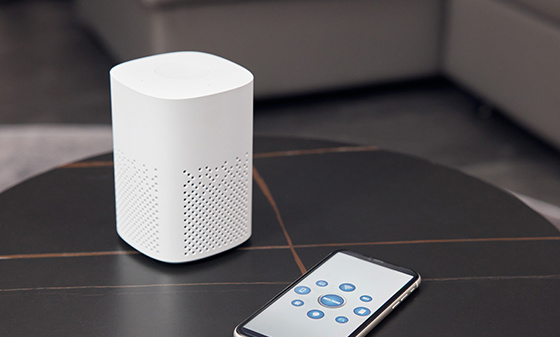 Bluetooth BQB Product Certification
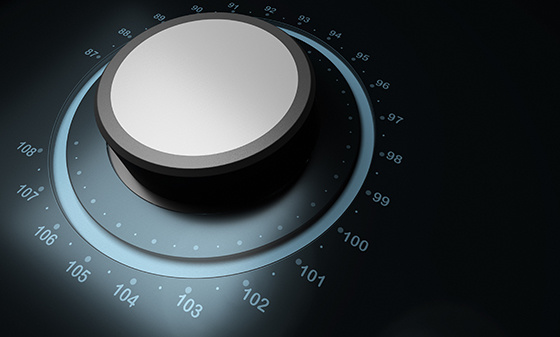 FM/AM Product Certification
 WiFi Product Certification
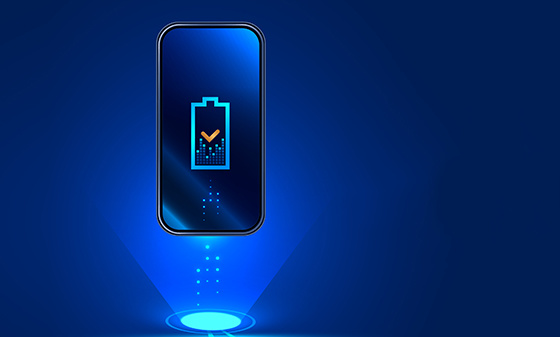 Wireless charging product certification
 Interphone product certification
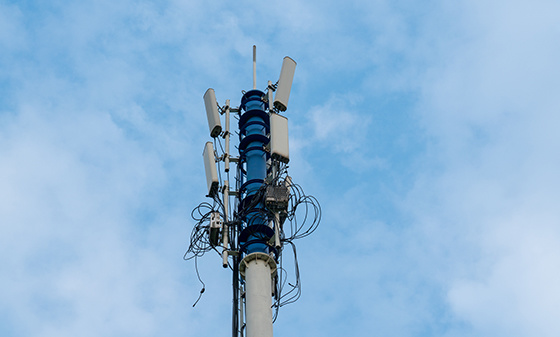 Base station certification
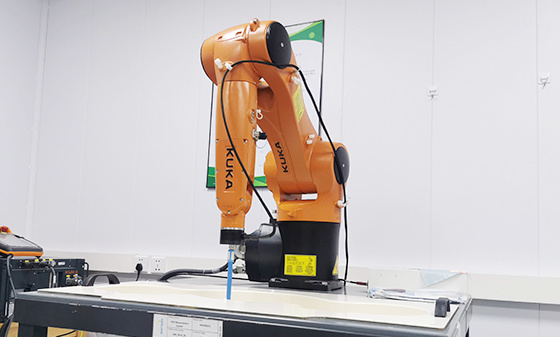 SAR testing
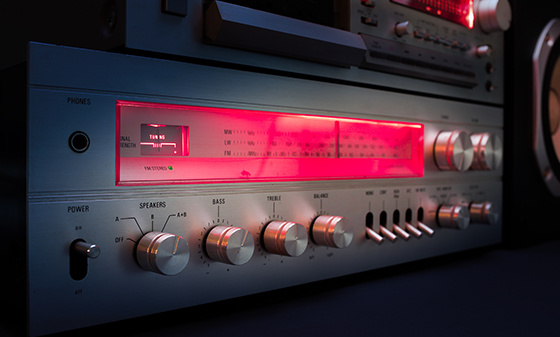 Receiver Product Certification
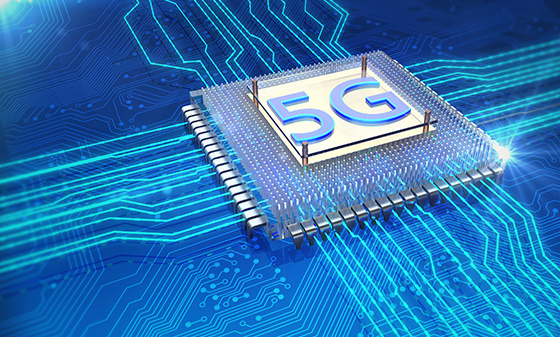 5G NR Product Certification
 UWB Product Certification
 Internet of Things authentication
Electromagnetic compatibility
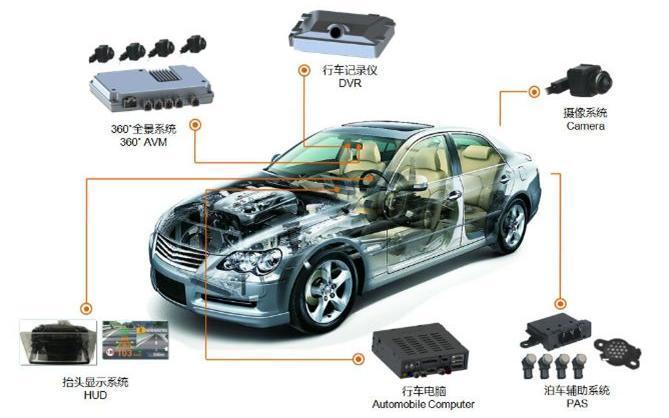 Automotive Electronics EMC Testing
 EMC rectification
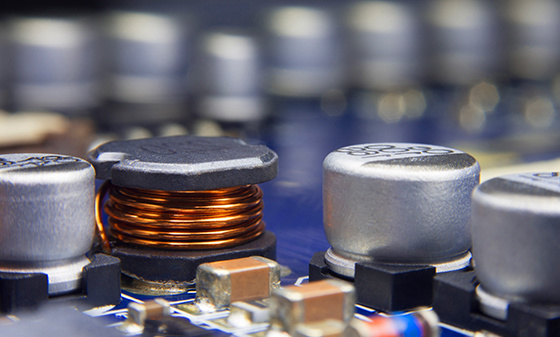 EMC
EMC
Automotive Electronics
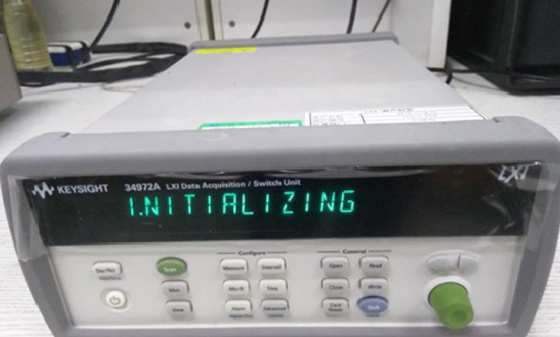 Electrical performance testing
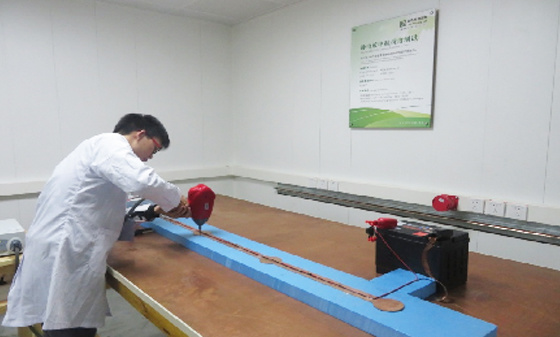 EMS testing - radiation anti-interference testing system (including radar waves)
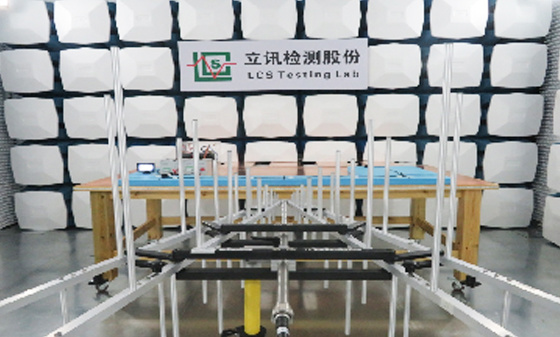 EMS Testing - Electrostatic Discharge
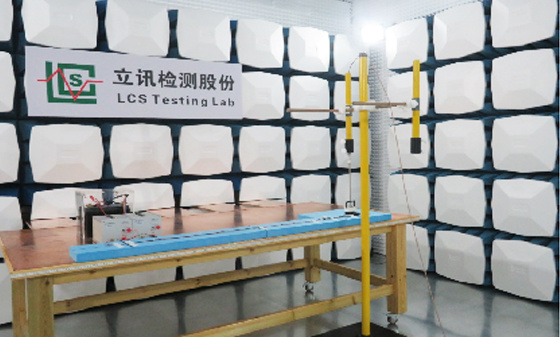 EMS Test - Transient Conducted Immunity Test
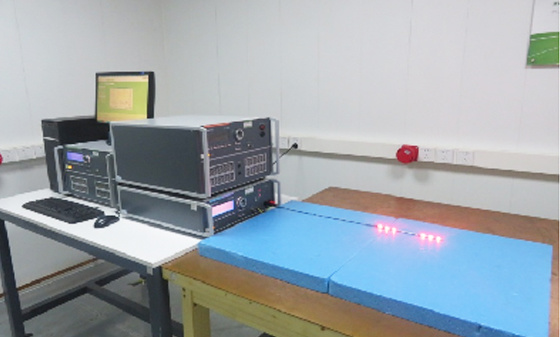 EMS Testing - Portable Transmitter Immunity
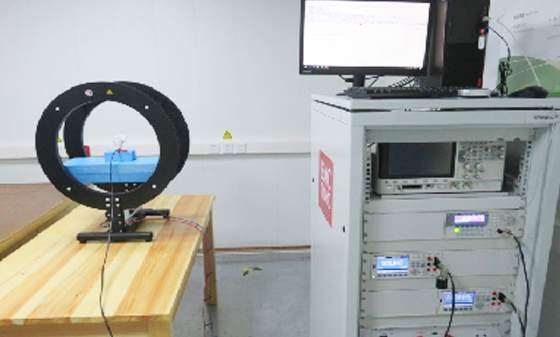 EMS Test - High Current Injection (BCI) Test
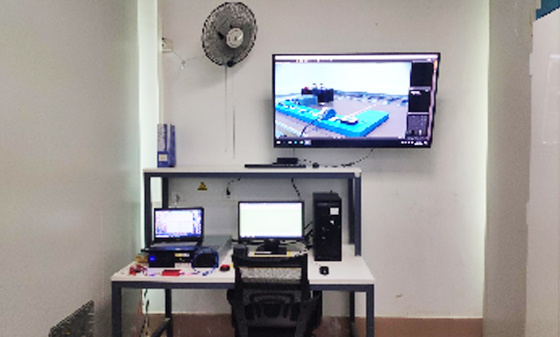 EMS test - low-frequency magnetic field anti-interference test
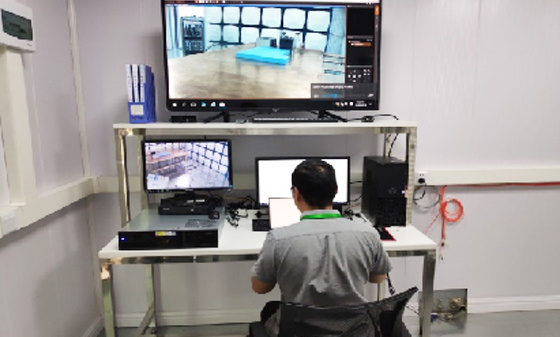 EMI Testing - Transient Conducted Emissions Testing System
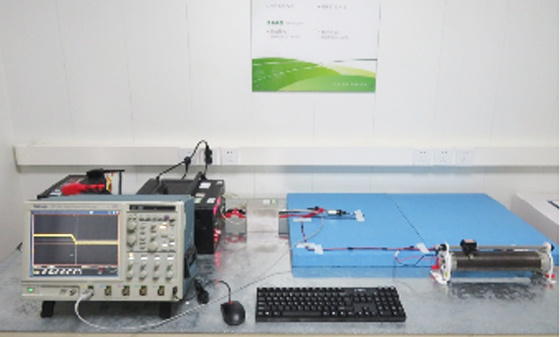 EMI testing - low-frequency magnetic field emission
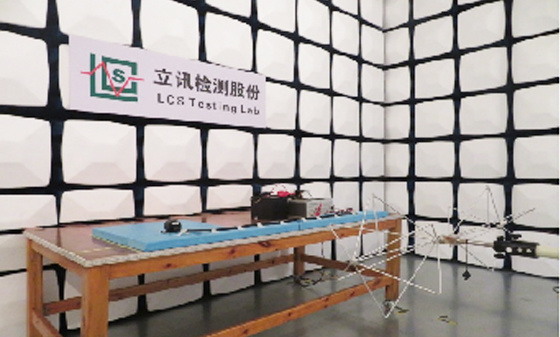 EMI Test - Radiation Emission Test
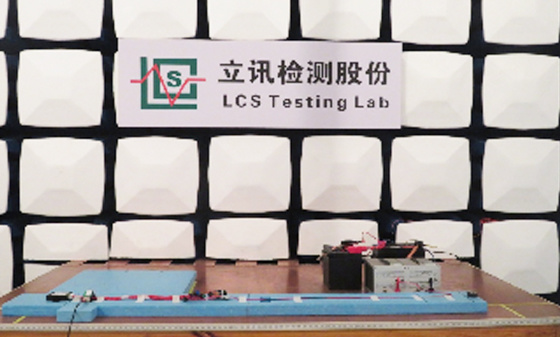 EMI Test - Conducted Emissions Test
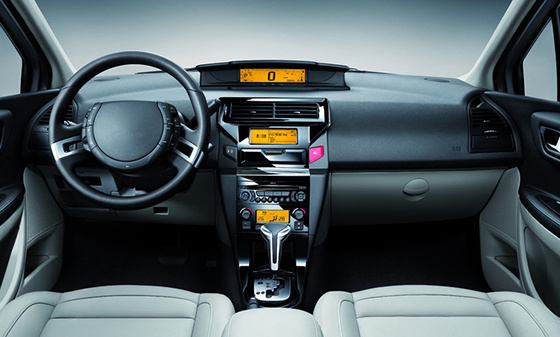 Automotive Electronic Testing
Automotive Parts Inspection
 Automotive ELV&VOC
 Reliability testing
 Temperature shock test
 Vibration testing
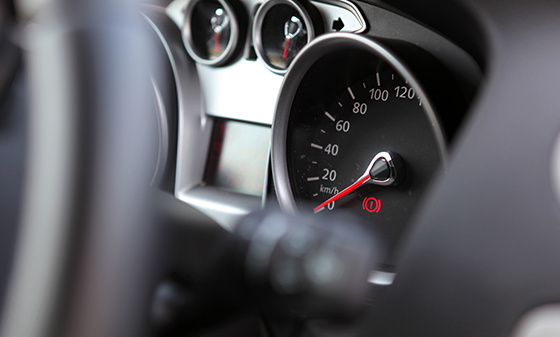 Instrument panel/instrument panel three comprehensive vibration test
 Comprehensive vibration test of door inner panel III
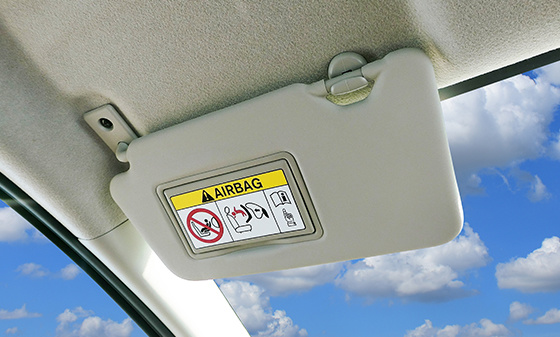 Sunvisor Three Comprehensive Vibration Test
 Spoiler Three Comprehensive Vibration Test
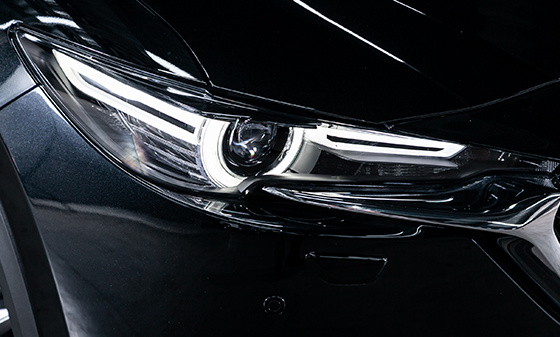 Three comprehensive vibration tests of car front and rear bumpers
 Three comprehensive vibration tests for lamp housing/lampshade
 Comprehensive vibration test of outer circumference three
 Automotive metal material testing
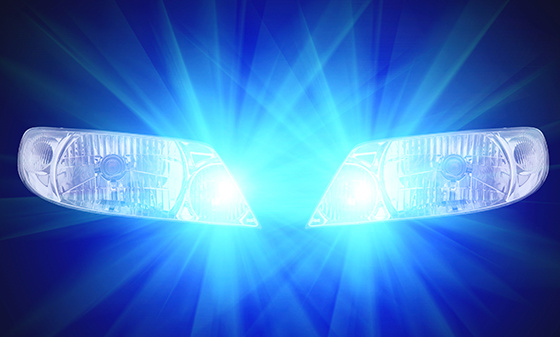 Performance testing of automotive lighting fixtures
 Rapid temperature change test
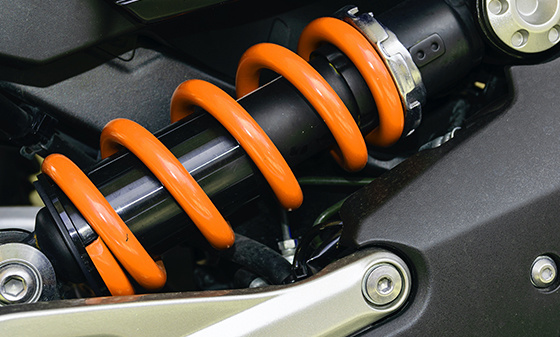 Vibration
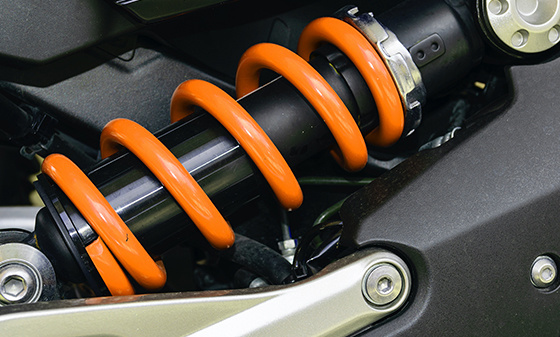 Common issues with vibration testing
 Common issues with fatigue testing
 Common issues with high and low temperature testing
 Conducted Interference (CE) - Suzhou Lixun Standard
 Electromagnetic Radiation Tolerance Test (RS) - Suzhou LCS Standard
 Electrical Fast Pulse Withstand Test (EFT) - Suzhou LCS Standard
 Voltage flicker test - Suzhou LCS standard
Electronic appliances
 Household appliance product testing
 Electrical accessory product testing
 Household appliance testing
Chemical Testing
 Introduction to PFAS Testing
 MOSH/MOAH Mineral Oil Testing Service
 MOSH/MOAH Mineral Oil Testing and Certification Report Service
 Consumer Product Testing Services - WEEE Chapter
 Ecological textile testing
 Leather Footwear Inspection
 Food contact material testing
 Testing of toys and baby products
 Hazardous substance testing
Electronic Cigarette Testing
 Electronic cigarette detection
Reliability testing
 Other tests - pencil hardness test
 Mechanical testing - Packaging compression test
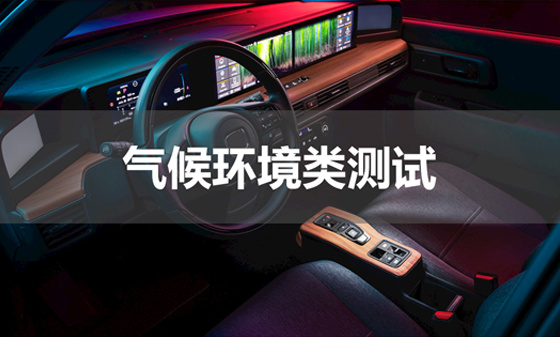 Climate environment testing - Xenon lamp aging test
Battery Testing
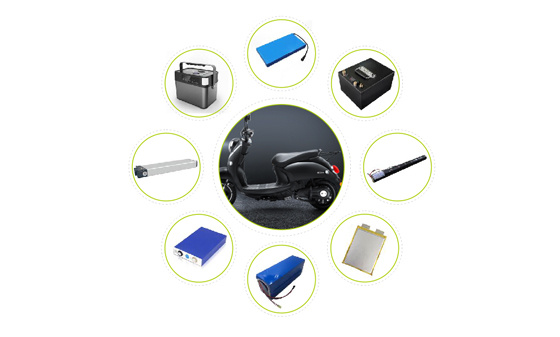 Power storage battery testing and certification
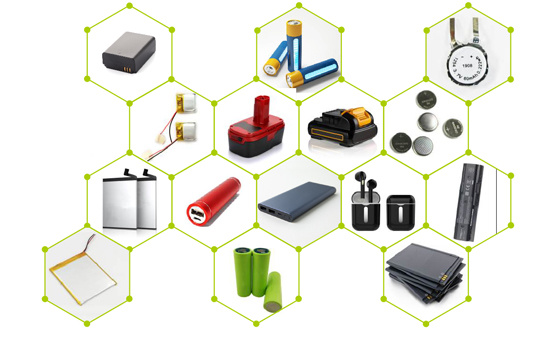 Consumer Electronics Battery Testing and Certification
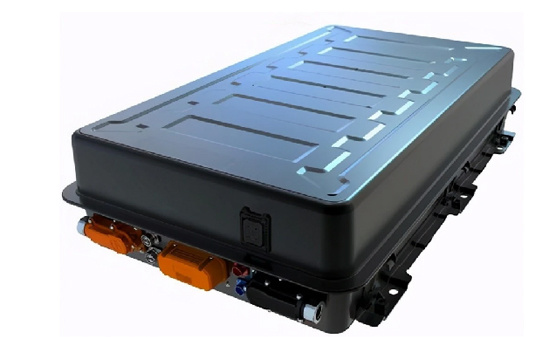 power battery
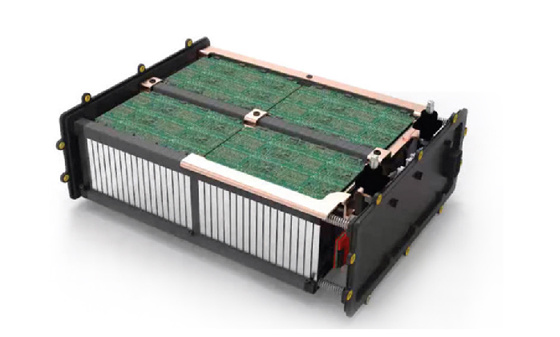 Light electric vehicle batteries
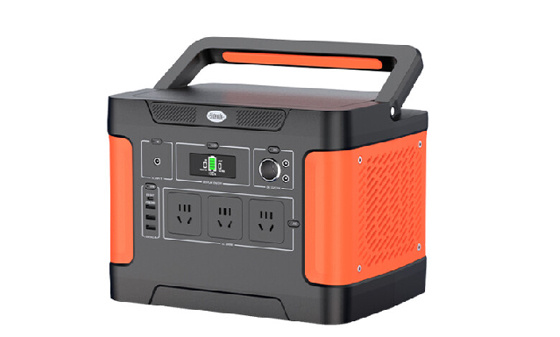 Energy storage battery
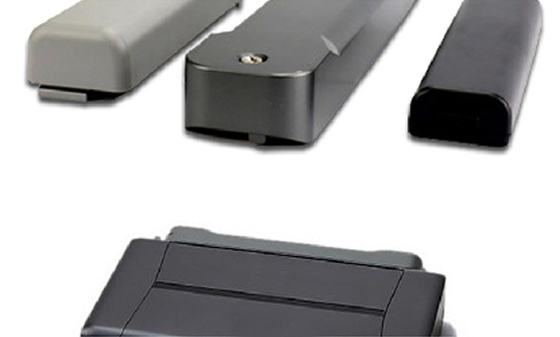 Portable battery
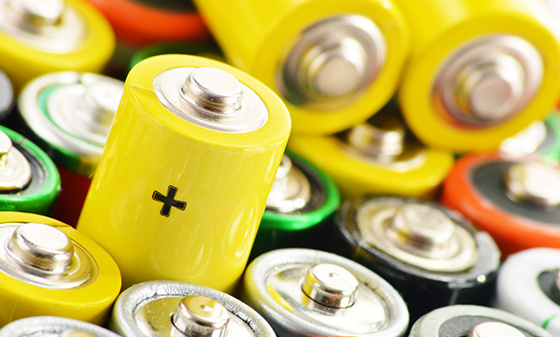 Battery testing
 battery test
Lamp Inspection
 Inspection of ship lighting fixtures
 COI Index Test for Medical Indoor Lighting
 Lamp safety inspection
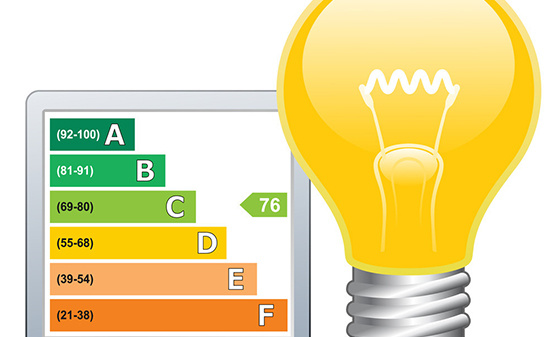 Luminaire energy efficiency testing
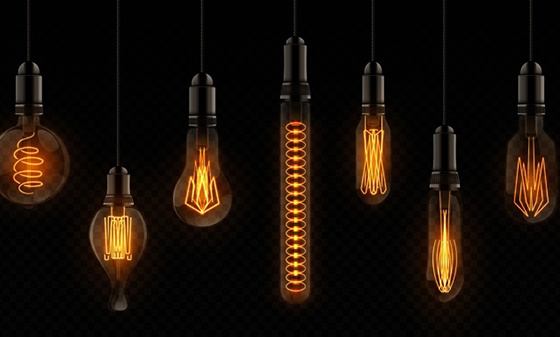 EMC testing of lighting fixtures
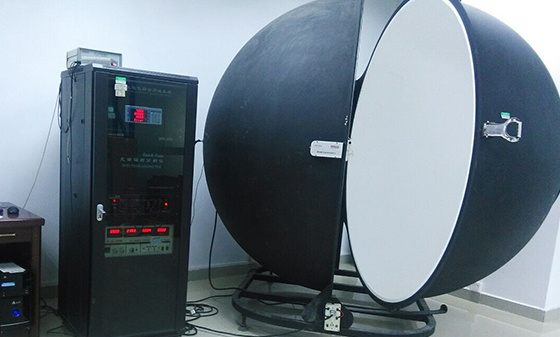 Integral Ball Laboratory
 Photobiology Experiment
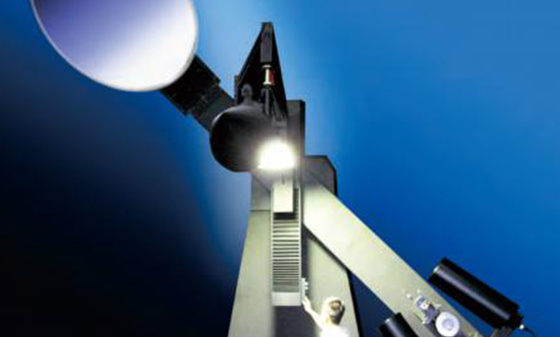 Light distribution test
 Lamp aging test
 Lamp IP waterproof
 Lamp performance testing
 Lamp reliability testing
Children's toy testing
 Testing standards for toy products
China Certification
 China's "national promotion" RoHS certification
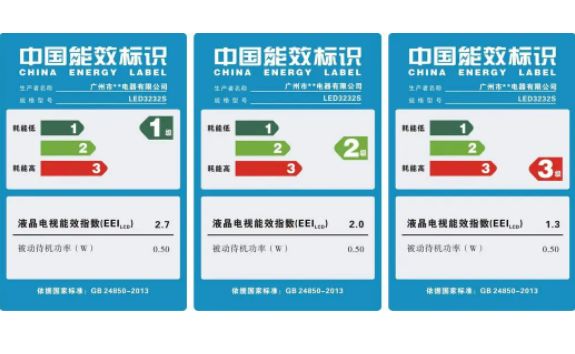 China Energy Efficiency Label Certification
 China Energy Conservation Certification
 China CQC Certification
 Tmall JD Quality Inspection Report
 China SRRC Certification
 Taiwan BSMI certification
 Taiwan NCC certification
 China CCC Compulsory Certification
Asia Certification
 Vietnam certification
 KC certification
 KUCAS Certification in Kuwait
 Singapore PSB certification
 Iraq COC Certification
 IMDA certification
 VCCI Certification in Japan
 JATE certification in Japan
 PSE certification
 BIS certification
 Japanese TELEC certification
European Certification
 RoHS certification
 GOST certification in Russia
 Russian EAC certification
 Northern Ireland UKNI logo
 Electrical ENEC certification
 European D-MARK certification
 Türkiye BTK certification
 TSE certification in Türkiye
 CE certification in Türkiye
 RED certification
 German TUV-SUD certification
 CE-ERP certification
 REACH certification
 German GS certification
 EU E-Mark certification
North American Certification
 Ecuador VOC certification
 Mexico NOM certification
 IRAM certification
 CPSC Certification in the United States
 CSA certification
 ASTM certification
 FDA certification
 CEC certification
 ETL certification
 ul certification
 IC certification
 Energy Star
 FCC Certification in the United States
 ASTM certification
Middle East Certification
 Israel SII certification
 Saudi SABER certification
 GCC certification for the seven Gulf countries
 Iran COI certification
 Qatar COC Certification
 Iraq COC Certification
 Saudi EER Energy Efficiency Certification
 Saudi SABER certification
 Algeria PCA certification
 PVOC certification
Australia Certification
 New Zealand IC-F testing
 VEET certification
 LCP certification
 GEMS certification
 RCM certification
 C-Tick certification
 SAA certification
Africa Certification
 Gabon COC certification
 Algeria COC certification

 Ethiopian VOC and COC certification
 Mauritius VOC certification
 Ghana COC certification
 COC certification in Burundi
 Zambia COC certification
 Botswana COC Certification
 Uganda PVOC certification
 SABS certification in South Africa
 South African LOA certification
 Zimbabwe CBCA Certification
 Nigeria SONCAP certification
 Kenya PVOC certification
 African COC certification
Other certifications
 WEEE
WEEE
 Bluetooth BQB certification
 IECEE registration
 MHRA registration in the UK
TRAINING
 Management system training
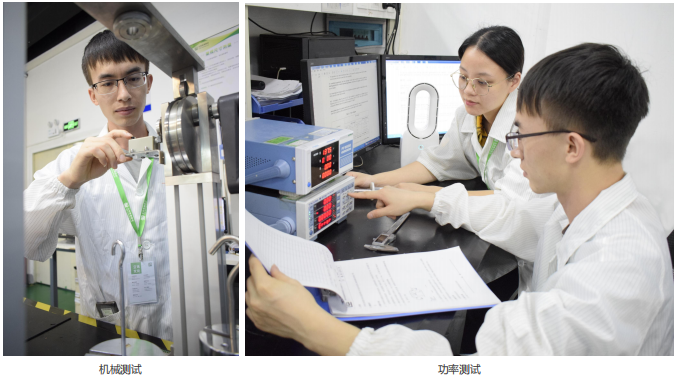 Laboratory technical training
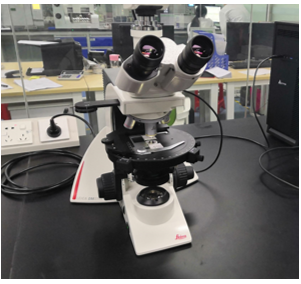 Laboratory Process Consulting
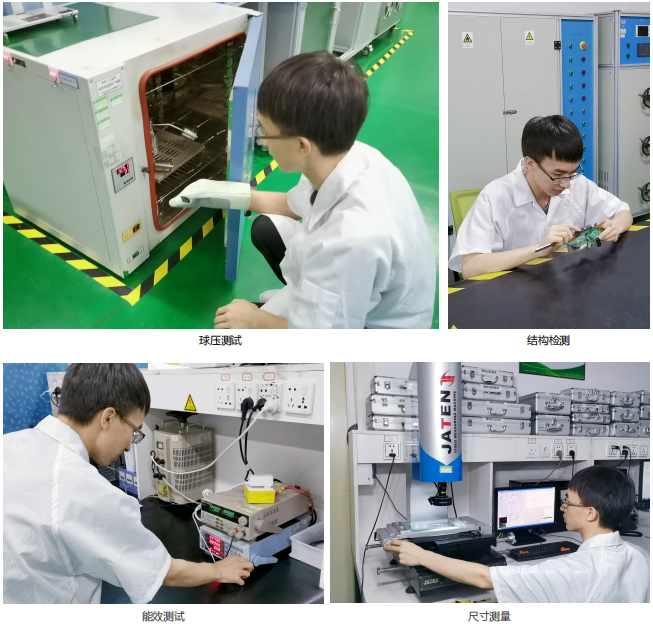 Laboratory decoration construction
Wireless Communication
Electromagnetic compatibility
Automotive Electronics
Automotive Parts Inspection
Electronic appliances
Chemical Testing
Electronic Cigarette Testing
Reliability testing
Battery Testing
Lamp Inspection
Children's toy testing
China Certification
Asia Certification
European Certification
North American Certification
Middle East Certification
Australia Certification
Africa Certification
Other certifications
TRAINING
Wireless Communication
Electromagnetic compatibility
Automotive Electronics
Automotive Parts Inspection
Electronic appliances
Chemical Testing
Electronic Cigarette Testing
Reliability testing
Battery Testing
Lamp Inspection
Children's toy testing
China Certification
Asia Certification
European Certification
North American Certification
Middle East Certification
Australia Certification
Africa Certification
Other certifications
TRAINING
Wireless Communication
Electromagnetic compatibility
Automotive Electronics
Automotive Parts Inspection
Electronic appliances
Chemical Testing
Electronic Cigarette Testing
Reliability testing
Battery Testing
Lamp Inspection
Children's toy testing
China Certification
Asia Certification
European Certification
North American Certification
Middle East Certification
Australia Certification
Africa Certification
Other certifications
TRAINING
Wireless Communication
Electromagnetic compatibility
Automotive Electronics
Automotive Parts Inspection
Electronic appliances
Chemical Testing
Electronic Cigarette Testing
Reliability testing
Battery Testing
Lamp Inspection
Children's toy testing
China Certification
Asia Certification
European Certification
North American Certification
Middle East Certification
Australia Certification
Africa Certification
Other certifications
TRAINING
Wireless Communication
Electromagnetic compatibility
Automotive Electronics
Automotive Parts Inspection
Electronic appliances
Chemical Testing
Electronic Cigarette Testing
Reliability testing
Battery Testing
Lamp Inspection
Children's toy testing
China Certification
Asia Certification
European Certification
North American Certification
Middle East Certification
Australia Certification
Africa Certification
Other certifications
TRAINING
Wireless Communication
Electromagnetic compatibility
Automotive Electronics
Automotive Parts Inspection
Electronic appliances
Chemical Testing
Electronic Cigarette Testing
Reliability testing
Battery Testing
Lamp Inspection
Children's toy testing
China Certification
Asia Certification
European Certification
North American Certification
Middle East Certification
Australia Certification
Africa Certification
Other certifications
TRAINING

One article on understanding the new version of the IEC standard system for charging piles | DC piles, interfaces, megawatt level charging, automatic connection updates
Author.
LCS
Source:
Post time:
2026-07-13
Recently, there is a clear direction of change in the IEC standard system related to charging stations: the certification focus is extending from the basic electrical safety of individual devices to the collaborative safety of the entire charging system.
In the past, enterprises paid more attention to traditional safety regulations such as insulation, voltage resistance, grounding, and temperature rise. Now, whether the interface is reliably connected, whether communication can trigger protection actions correctly, whether liquid cooling and temperature monitoring are effective, whether multiple gun outputs are isolated from each other, and whether automatic connection devices can safely exit in abnormal states are all entering the vision of standard and certification agencies. That is to say, the safety regulations for charging stations are shifting from "equipment qualification" to "system reliability".
It should be noted that IEC itself publishes international standards and does not automatically equate to the regulations of a particular country. Only when the target market incorporates IEC standards into certification, admission, bidding, or local regulatory requirements, will it become a condition that enterprises must meet. For enterprises preparing for CB certification, overseas certification, or multi country access, timely attention to IEC standard updates is actually a way to assess the risks of the next round of certification in advance.
Below, we will start with several noteworthy standard changes in recent times, to see which products they will affect, and what companies should prepare in advance before sending for testing.
1、 Core standard update for DC piles: IEC 61851-23:2023
The most noteworthy update for DC charging stations is IEC 61851-23:2023. This standard is applicable to DC EV power supply equipment for energy transmission between the power grid and electric vehicles. The maximum rated voltage on the power supply side can reach AC 1000 V or DC 1500 V, and the maximum rated voltage on the vehicle side can reach 1500 V. The new version replaces the original 2014 version and makes important adjustments to the standard structure, electrical safety requirements, compliance testing methods, as well as thermal management systems, bidirectional power transmission control, multi side B output devices, communication, and energy transmission processes.
This means that the safety assessment of DC piles can no longer be simply understood as "qualified input and output withstand voltage, qualified grounding continuity, and qualified temperature rise". The new standard regards DC piles as an energy transmission system and requires equipment to form a complete safety loop during the charging process.
The following types of products in particular need to be evaluated in advance for the impact of the new version:
-High power DC pile;
-DC piles with liquid cooled gun lines or thermal management systems;
-Multi gun, multi output or power distribution DC pile;
-Equipment with bidirectional power transmission design;
-The report has been completed according to the 2014 version and is ready to continue using it for new projects or certified products.
2、 Synchronous update of DC pile communication standard: IEC 61851-24:2023
DC charging is not simply about providing a DC voltage. Whether the vehicle is allowed to charge, how the output voltage and current change, and how to confirm the fault state are all related to communication control.
IEC 61851-24:2023 needs to be used in conjunction with IEC 61851-23 for digital communication between DC EV power supply equipment and electric vehicles, used to control DC conducted power transmission; The new version replaces the 2014 version and states that Annex A and Annex B have been updated according to IEC 61851-23:2023 and related standards.
The message conveyed by this update is very clear: the safety testing of DC piles will increasingly focus on the consistency between communication logic and safety actions.
3、 Connection device standard update: IEC 62196 interface series enters new version cycle
A considerable portion of the safety risks associated with charging stations will be concentrated at the interface locations. Whether the insertion is reliable, whether the locking is effective, whether the contact resistance is controlled, and whether the charging can be reduced or stopped in a timely manner when the temperature is abnormal, all of these issues need to be paid attention to and valued.
IEC 62196-1:2025 applies to EV plugs, sockets, vehicle connectors, vehicle sockets, and cable assemblies. The new fifth edition replaces the 2022 edition, with a rated range covering up to 690 V AC, 250 A, or 1500 V DC, 800 A, and new testing for locking and retaining devices, while considering the Type 4 attachment.
IEC 62196-3:2026 is designed for high-power DC interfaces and AC/DC combination interfaces, and is applicable to vehicle couplers used in circuits related to IEC 61851-1 and IEC 61851-23. The new version replaces the 2022 version, integrates IEC TS 62196-3-1 into a normative appendix, increases the rated values of various configurations, and references the newly added tests in IEC 62196-1:2025.
For complete machine enterprises, this part is most likely to become an "invisible pit" in certification. Many projects will recognize charging guns, sockets, and cable components as key components in the report, but the prerequisite for recognition is that the standard version, rated parameters, interface structure, locking structure, temperature rise coverage range, and actual installation method can all correspond to the charging equipment body. If the version of the critical component report is outdated, the entire project may face retesting.
4、 Special technical document for megawatt level DC charging: IEC TS 63379:2026
With the continuous development of high-power charging, the thermal issues of interfaces and cables are gradually gaining attention.
IEC TS 63379:2026 is applicable to vehicle connectors, vehicle sockets, and cable assemblies for megawatt level DC charging, with a rated operating voltage not exceeding AC 1500 V and a maximum rated current of 3000 A, and requires the use of temperature sensing or temperature transmission with temperature sensing.
Although these types of documents are currently more geared towards megawatt level charging, heavy-duty trucks, or specific high-power scenarios, they reflect a very important direction: in the future, the safety evaluation of high-power charging will no longer only focus on voltage and current values, but will be optimized towards a more comprehensive and complex direction.
5、 Automatic connection devices are now being considered under international standards
Automatic connection is also a line worth paying attention to recently.
IEC 61851-23-1:2026 is applicable to DC EV power supply equipment with automatic connection devices, covering the automatic connection devices of system B and system C in IEC 61851-23:2023. The document also states that RPT and BPT requirements are still being refined, while digital communication requirements are associated with ISO 15118-20:2022 and IEC 61851-24:2023.
The authentication focus of such devices will be more complex than traditional manual plug-in charging stations. In addition to electrical safety, it will also involve issues such as automatic coupler position recognition, connection reliability, abnormal disconnection, protection of moving parts, maintenance safety, and communication interlocking. For enterprises that layout unmanned charging, automatic docking charging, and commercial vehicle automatic energy replenishment scenarios, such standards need to be included in technical reserves in advance.
6、 The general principles of IEC 61851-1 still need to be tracked
IEC 61851-1:2017 remains one of the fundamental documents for the general requirements of EV power supply equipment. IEC released the errata document IEC 61851-1:2017/COR1:2023 in 2023, which shows a stable date of 2026 and is currently under development for subsequent versions.
Therefore, subsequent versions of IEC 61851-1 still need to be continuously tracked, especially regarding AC Mode 3 equipment, general requirements, control guidance, and interface safety related content.
7、 Domestic access is also changing synchronously: the 3C route cannot be ignored
If the product is aimed at the Chinese market, in addition to IEC updates, attention must also be paid to the domestic mandatory certification route. According to Announcement No. 50 of the State Administration for Market Regulation in 2024, starting from August 1, 2026, electric vehicle power supply equipment that has not obtained CCC certification and marked with certification marks shall not be allowed to leave the factory, sell, import or use in other business activities. CQC-C2501-2025 "Implementation Rules for Compulsory Product Certification of Electric Vehicle Power Supply Equipment" specifies the certification basis: both AC power supply equipment and DC power supply equipment involve GB 39752 and GB 44263, and are distinguished according to the requirements of the AC side, DC side, and vehicle side. GB 39752-2024 and GB 44263-2024 have been officially implemented synchronously since August 1, 2025.
8、 What should companies focus on checking now?
From the recently released certification information, it appears that the IEC standard update has begun to enter the actual certification process. The new standards for DC piles, interface connection devices, and high-power charging related technical documents have all begun to be widely adopted and put into formal use.
For enterprises, the focus should be on three things.
Firstly, confirm which standards and regulations the target market adopts, and whether it accepts CB reports or CB certificates as the basis for certificate transfer. Different countries may still increase local differences in requirements, and certification routes need to be planned in advance.
Secondly, pay attention to the version and coverage of the key component report. The components equipped with charging stations should not only depend on whether there is a report, but also pay attention to whether they are compatible with the standard version, rated parameters, and actual usage scenarios.
Thirdly, high-power DC charging equipment should pay special attention to thermal management and connection reliability. As the charging power increases, the temperature monitoring of the interface, liquid cooling system, power reduction, and abnormal shutdown logic will increasingly affect the certification evaluation.
Overall, the signal released by the recent IEC update is very clear: the certification of charging stations is shifting from single item testing to collaborative evaluation of overall safety, interface safety, communication control, and market access. For enterprises planning to go global, the earlier they complete the standard applicability assessment, the more controllable the subsequent certification risks will be. However, for enterprises planning to produce and sell domestically, they need to accelerate the completion of 3C certification.
Related articles
New articles
Interpretation of LITE technology 9th issue
2026-09-28
Interpretation of LITE Technology 8th Issue
2026-09-24
Media Center
Latest News
Contact Us
National 24-hour service hotline
400-116-2629
Group Headquarters
E-mail: webmaster@lcs-cert.com
Address: Shenzhen City, Baoan District, Shajing Street, Nga side of the school of Wei Juji Industrial Park, Building A 1 ~ 2 floor, Building C 3 floor


 WeChat Inquiry


 Reservation


Contact Us
National 24-hour service hotline
Address:Juji Industrial Park, Xueziwei, Ngabian, Shajing Street, Baoan District, Shenzhen Building A 1~2F, Building C 3F

WeChat public number
Share industry dry goods

WeChat consultation
Please note consulting services

Follow Jitterbug

Mobile website
di complaint mailbox: customer.complaint@lcs-cert.com complaint telephone tel: 18126445450 certificate report verification of authenticity mailbox: verification@lcs-cert.com