

Wireless Communication
 EU RED Network Security Standard EN 18031
 Wireless and communication detection
 Mobile communication product certification
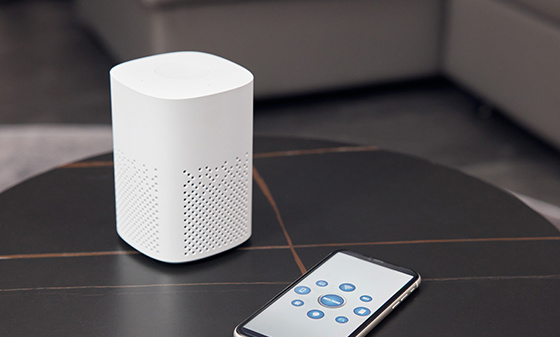 Bluetooth BQB Product Certification
 FM/AM Product Certification
 WiFi Product Certification
 Wireless charging product certification
 Interphone product certification
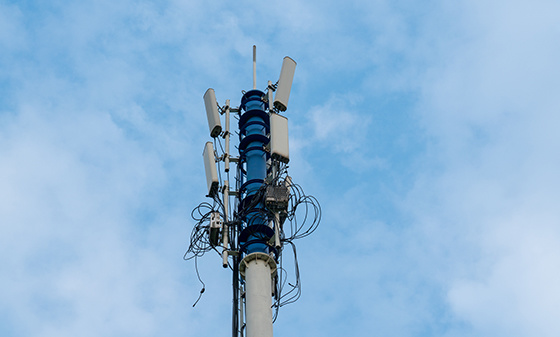 Base station certification
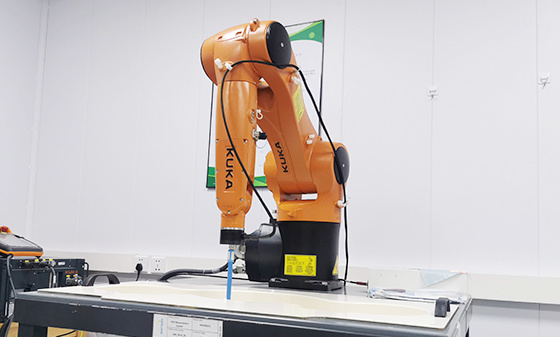 SAR testing
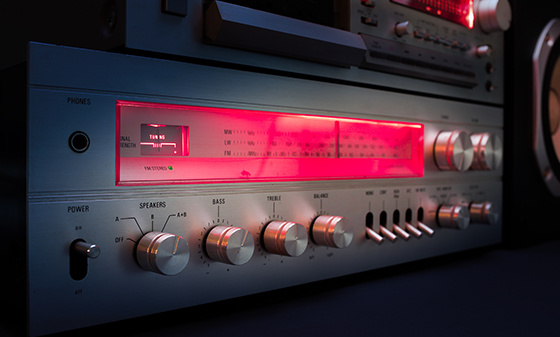 Receiver Product Certification
 5G NR Product Certification
 UWB Product Certification
 Internet of Things authentication
Electromagnetic compatibility
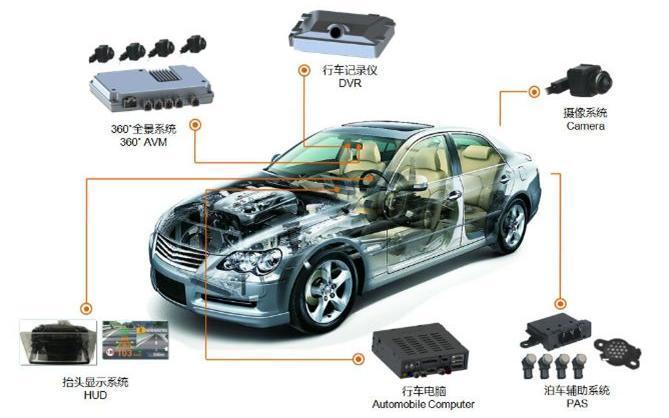 Automotive Electronics EMC Testing
 EMC rectification
 EMC
EMC
Automotive Electronics
 Electrical performance testing
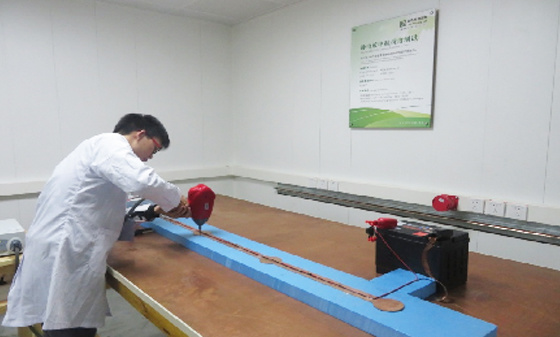 EMS testing - radiation anti-interference testing system (including radar waves)
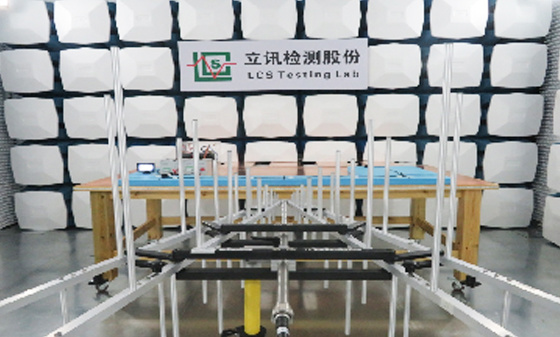 EMS Testing - Electrostatic Discharge
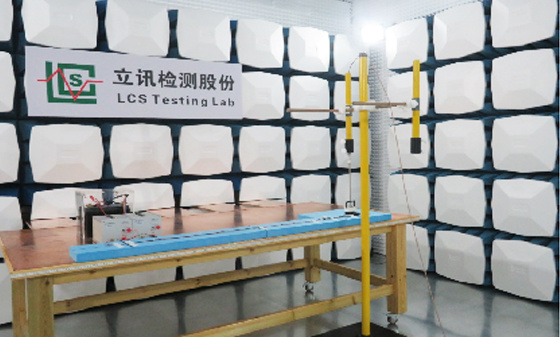 EMS Test - Transient Conducted Immunity Test
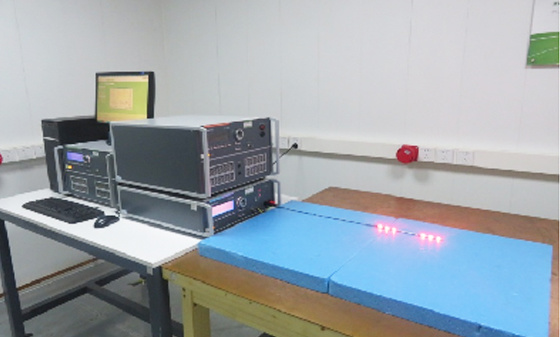 EMS Testing - Portable Transmitter Immunity
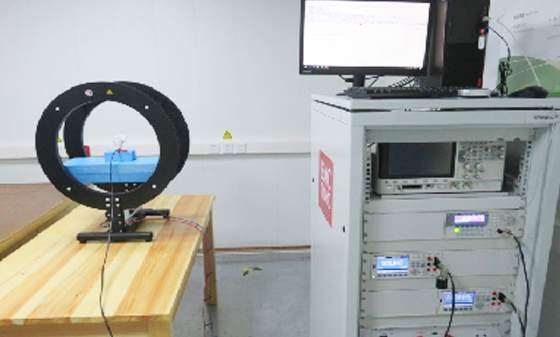 EMS Test - High Current Injection (BCI) Test
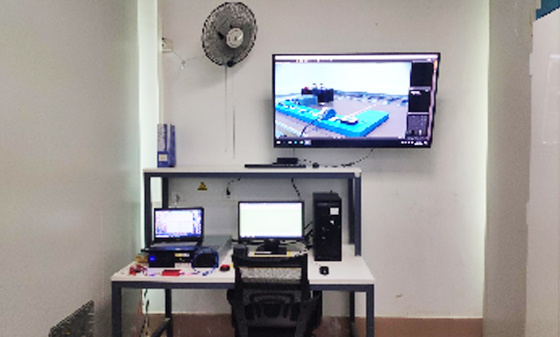 EMS test - low-frequency magnetic field anti-interference test
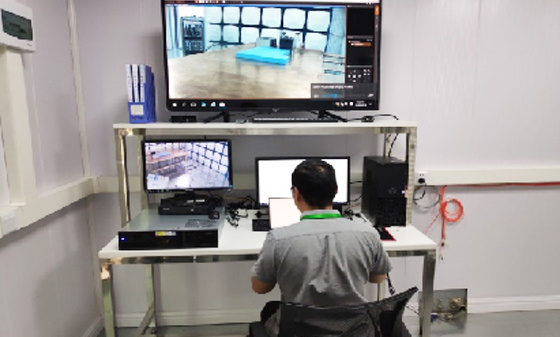 EMI Testing - Transient Conducted Emissions Testing System
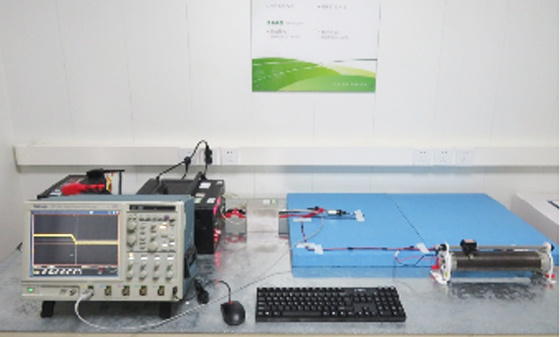 EMI testing - low-frequency magnetic field emission
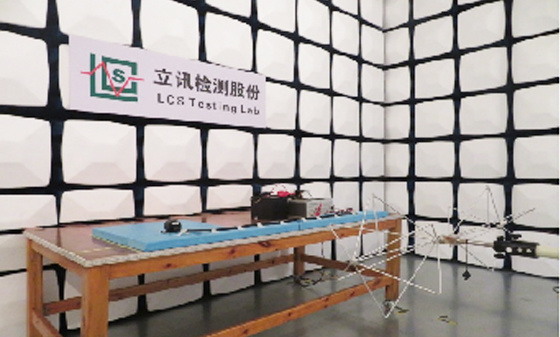 EMI Test - Radiation Emission Test
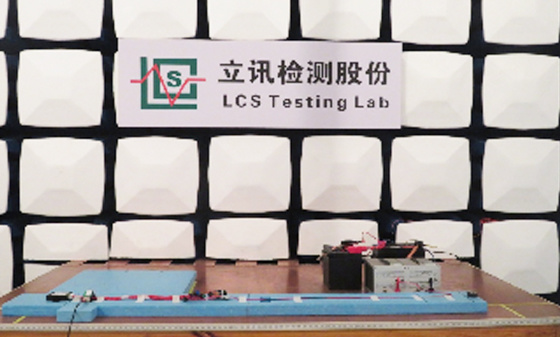 EMI Test - Conducted Emissions Test
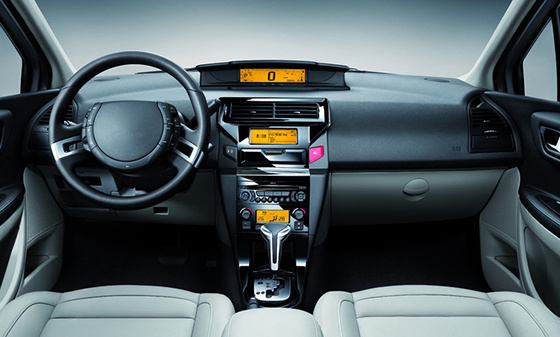 Automotive Electronic Testing
Automotive Parts Inspection
 Automotive ELV&VOC
 Reliability testing
 Temperature shock test
 Vibration testing
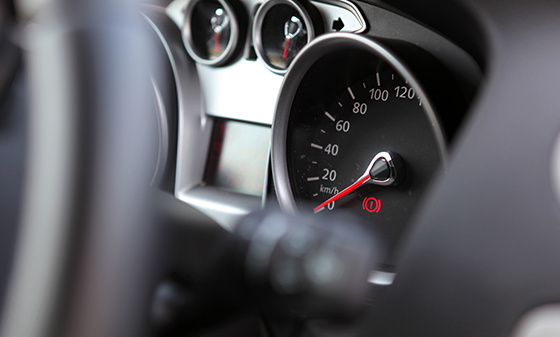 Instrument panel/instrument panel three comprehensive vibration test
 Comprehensive vibration test of door inner panel III
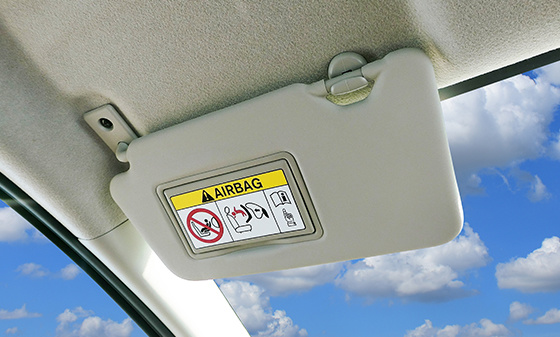 Sunvisor Three Comprehensive Vibration Test
 Spoiler Three Comprehensive Vibration Test
 Three comprehensive vibration tests of car front and rear bumpers
 Three comprehensive vibration tests for lamp housing/lampshade
 Comprehensive vibration test of outer circumference three
 Automotive metal material testing
 Performance testing of automotive lighting fixtures
 Rapid temperature change test
 Vibration
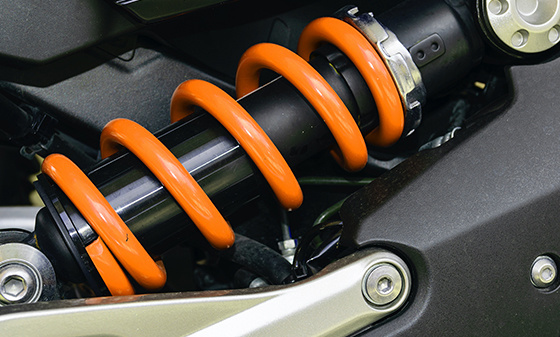 Common issues with vibration testing
 Common issues with fatigue testing
 Common issues with high and low temperature testing
 Conducted Interference (CE) - Suzhou Lixun Standard
 Electromagnetic Radiation Tolerance Test (RS) - Suzhou LCS Standard
 Electrical Fast Pulse Withstand Test (EFT) - Suzhou LCS Standard
 Voltage flicker test - Suzhou LCS standard
Electronic appliances
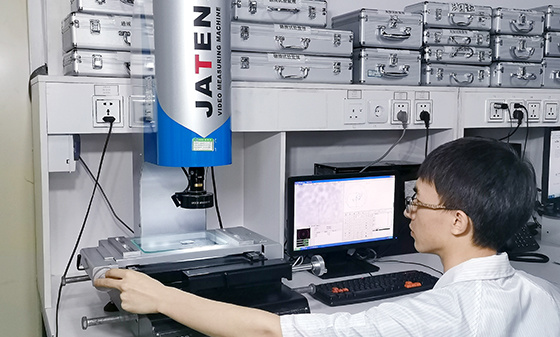 Household appliance product testing
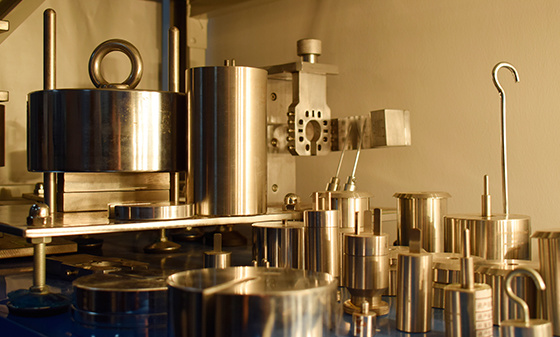 Electrical accessory product testing
 Household appliance testing
Chemical Testing
 Introduction to PFAS Testing
 MOSH/MOAH Mineral Oil Testing Service
 MOSH/MOAH Mineral Oil Testing and Certification Report Service
 Consumer Product Testing Services - WEEE Chapter
 Ecological textile testing
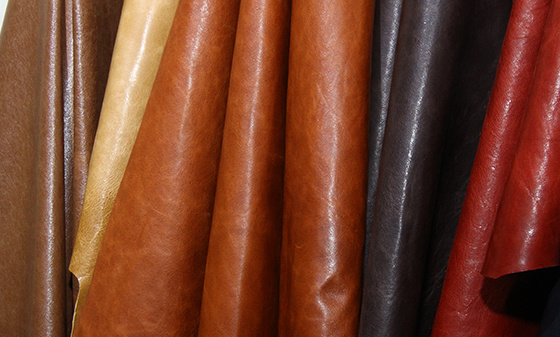 Leather Footwear Inspection
 Food contact material testing
 Testing of toys and baby products
 Hazardous substance testing
Electronic Cigarette Testing
 Electronic cigarette detection
Reliability testing
 Other tests - pencil hardness test
 Mechanical testing - Packaging compression test
 Climate environment testing - Xenon lamp aging test
Battery Testing
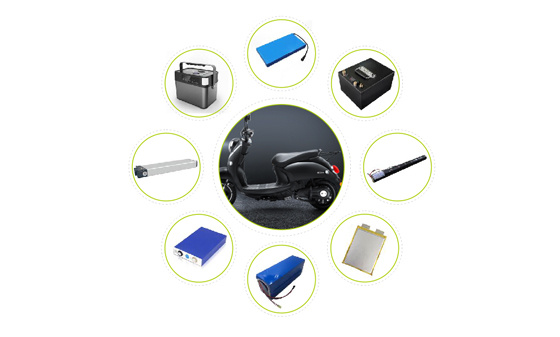 Power storage battery testing and certification
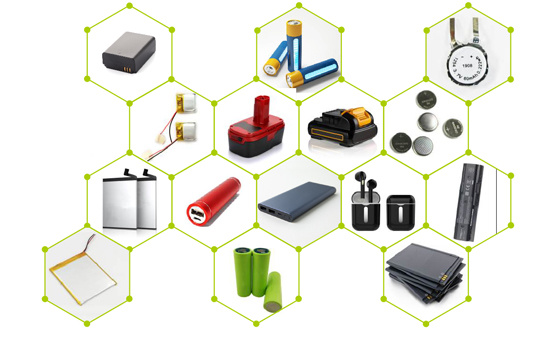 Consumer Electronics Battery Testing and Certification
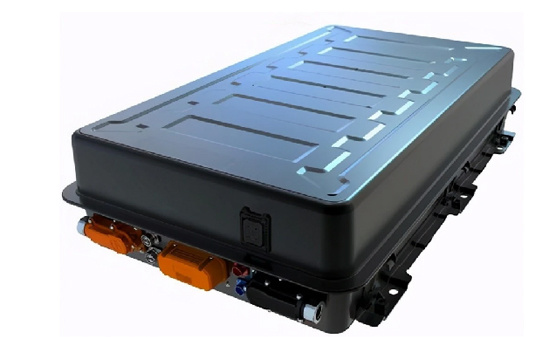 power battery
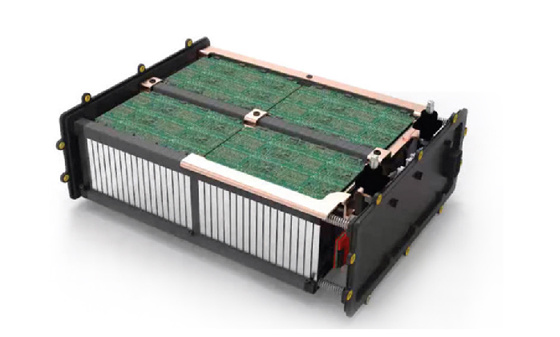 Light electric vehicle batteries
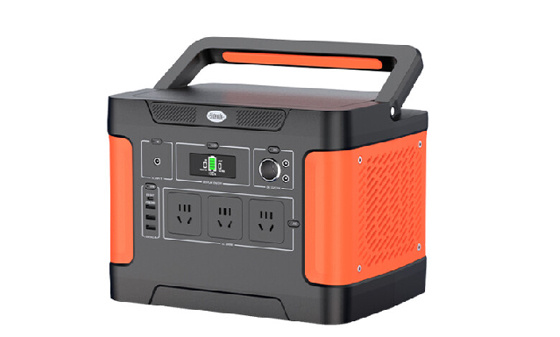 Energy storage battery
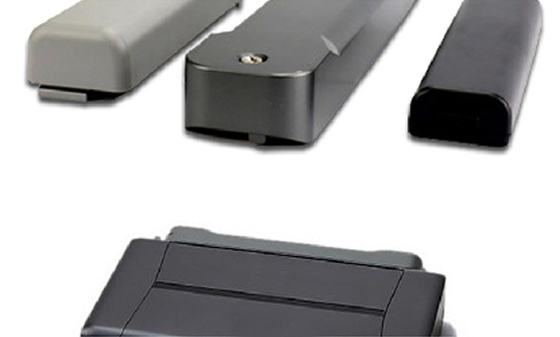 Portable battery
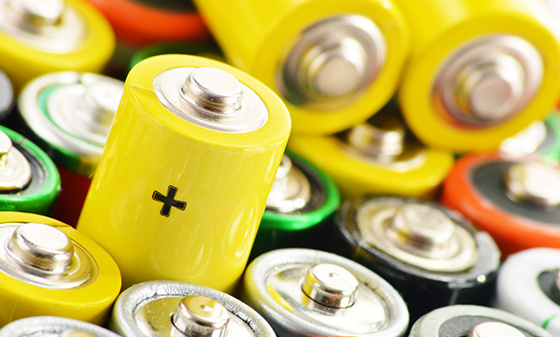 Battery testing
 battery test
Lamp Inspection
 Inspection of ship lighting fixtures
 COI Index Test for Medical Indoor Lighting
 Lamp safety inspection
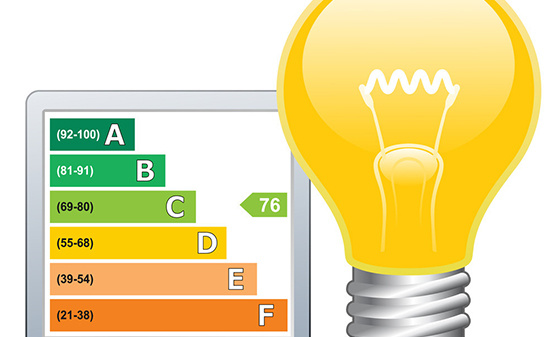 Luminaire energy efficiency testing
 EMC testing of lighting fixtures
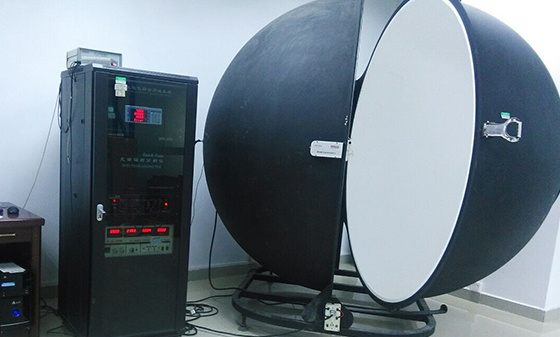 Integral Ball Laboratory
 Photobiology Experiment
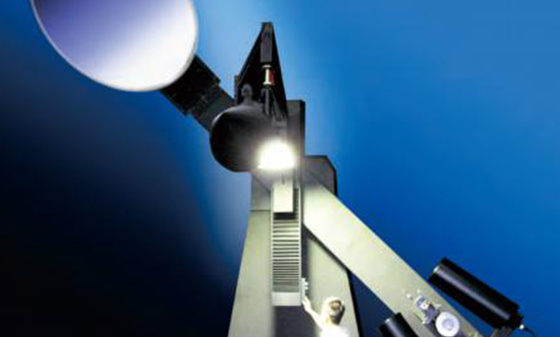 Light distribution test
 Lamp aging test
 Lamp IP waterproof
 Lamp performance testing
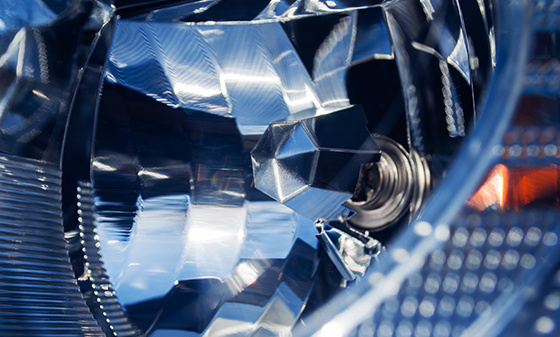 Lamp reliability testing
Children's toy testing
 Testing standards for toy products
China Certification
 China's "national promotion" RoHS certification
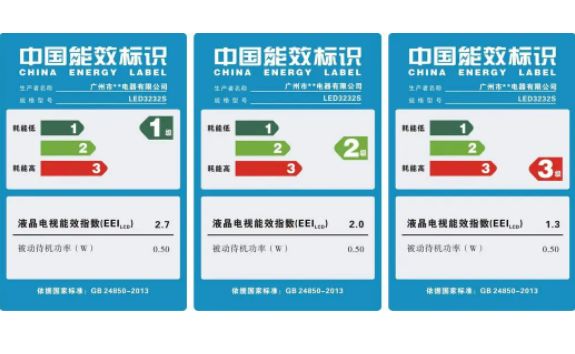 China Energy Efficiency Label Certification
 China Energy Conservation Certification
 China CQC Certification
 Tmall JD Quality Inspection Report
 China SRRC Certification
 Taiwan BSMI certification
 Taiwan NCC certification
 China CCC Compulsory Certification
Asia Certification
 Vietnam certification
 KC certification
 KUCAS Certification in Kuwait
 Singapore PSB certification
 Iraq COC Certification
 IMDA certification
 VCCI Certification in Japan
 JATE certification in Japan
 PSE certification
 BIS certification
 Japanese TELEC certification
European Certification
 RoHS certification
 GOST certification in Russia
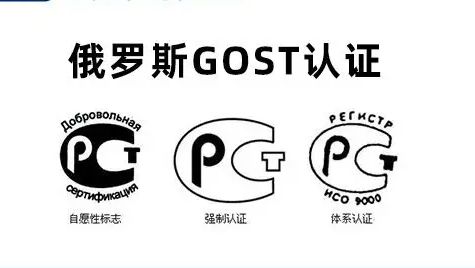 Russian EAC certification
 Northern Ireland UKNI logo
 Electrical ENEC certification
 European D-MARK certification
 Türkiye BTK certification
 TSE certification in Türkiye
 CE certification in Türkiye
 RED certification
 German TUV-SUD certification
 CE-ERP certification
 REACH certification
 German GS certification
 EU E-Mark certification
North American Certification
 Ecuador VOC certification
 Mexico NOM certification
 IRAM certification
 CPSC Certification in the United States
 CSA certification
 ASTM certification
 FDA certification
 CEC certification
 ETL certification
 ul certification
 IC certification
 Energy Star
 FCC Certification in the United States
 ASTM certification
Middle East Certification
 Israel SII certification
 Saudi SABER certification
 GCC certification for the seven Gulf countries
 Iran COI certification
 Qatar COC Certification
 Iraq COC Certification
 Saudi EER Energy Efficiency Certification
 Saudi SABER certification
 Algeria PCA certification
 PVOC certification
Australia Certification
 New Zealand IC-F testing
 VEET certification
 LCP certification
 GEMS certification
 RCM certification
 C-Tick certification
 SAA certification
Africa Certification
 Gabon COC certification
 Algeria COC certification

 Ethiopian VOC and COC certification
 Mauritius VOC certification
 Ghana COC certification
 COC certification in Burundi
 Zambia COC certification
 Botswana COC Certification
 Uganda PVOC certification
 SABS certification in South Africa
 South African LOA certification
 Zimbabwe CBCA Certification
 Nigeria SONCAP certification
 Kenya PVOC certification
 African COC certification
Other certifications
 WEEE
WEEE
 Bluetooth BQB certification
 IECEE registration
 MHRA registration in the UK
TRAINING
 Management system training
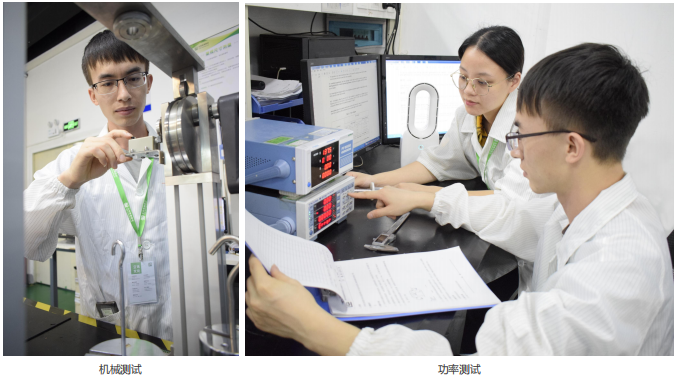 Laboratory technical training
 Laboratory Process Consulting
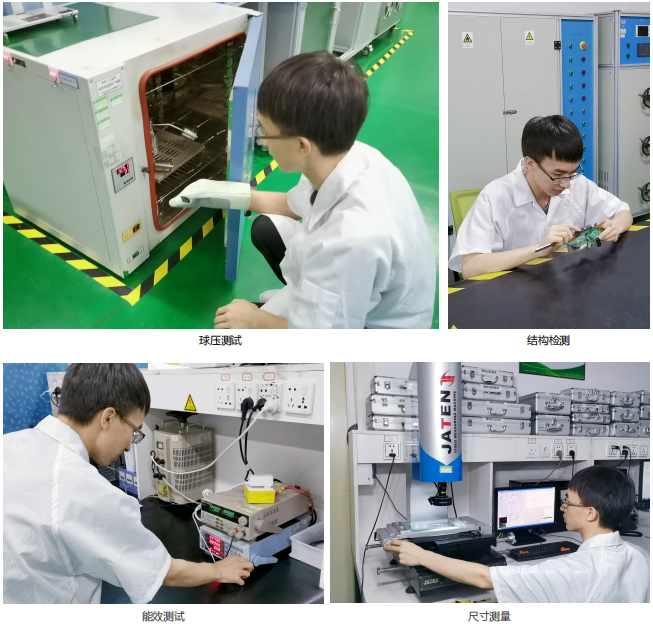 Laboratory decoration construction
Wireless Communication
Electromagnetic compatibility
Automotive Electronics
Automotive Parts Inspection
Electronic appliances
Chemical Testing
Electronic Cigarette Testing
Reliability testing
Battery Testing
Lamp Inspection
Children's toy testing
China Certification
Asia Certification
European Certification
North American Certification
Middle East Certification
Australia Certification
Africa Certification
Other certifications
TRAINING
Wireless Communication
Electromagnetic compatibility
Automotive Electronics
Automotive Parts Inspection
Electronic appliances
Chemical Testing
Electronic Cigarette Testing
Reliability testing
Battery Testing
Lamp Inspection
Children's toy testing
China Certification
Asia Certification
European Certification
North American Certification
Middle East Certification
Australia Certification
Africa Certification
Other certifications
TRAINING
Wireless Communication
Electromagnetic compatibility
Automotive Electronics
Automotive Parts Inspection
Electronic appliances
Chemical Testing
Electronic Cigarette Testing
Reliability testing
Battery Testing
Lamp Inspection
Children's toy testing
China Certification
Asia Certification
European Certification
North American Certification
Middle East Certification
Australia Certification
Africa Certification
Other certifications
TRAINING
Wireless Communication
Electromagnetic compatibility
Automotive Electronics
Automotive Parts Inspection
Electronic appliances
Chemical Testing
Electronic Cigarette Testing
Reliability testing
Battery Testing
Lamp Inspection
Children's toy testing
China Certification
Asia Certification
European Certification
North American Certification
Middle East Certification
Australia Certification
Africa Certification
Other certifications
TRAINING
Wireless Communication
Electromagnetic compatibility
Automotive Electronics
Automotive Parts Inspection
Electronic appliances
Chemical Testing
Electronic Cigarette Testing
Reliability testing
Battery Testing
Lamp Inspection
Children's toy testing
China Certification
Asia Certification
European Certification
North American Certification
Middle East Certification
Australia Certification
Africa Certification
Other certifications
TRAINING
Wireless Communication
Electromagnetic compatibility
Automotive Electronics
Automotive Parts Inspection
Electronic appliances
Chemical Testing
Electronic Cigarette Testing
Reliability testing
Battery Testing
Lamp Inspection
Children's toy testing
China Certification
Asia Certification
European Certification
North American Certification
Middle East Certification
Australia Certification
Africa Certification
Other certifications
TRAINING

Quick overview! Latest Developments in Global Market Access in October 2025
Author.
LCS
Source:
Post time:
2025-11-06
The European Union
The European Commission is promoting the implementation of the "universal charger" initiative and will revise the ecological design requirements for external power sources (EPS) on October 13, 2025, in order to enhance consumer convenience and resource and energy efficiency. The following is the translated version of the website's original text:
1. The EU sells over 400 million external power supplies (EPS) annually, and the European Commission has revised its eco design requirements to enhance consumer convenience, resource and energy efficiency. Manufacturers have a 3-year preparation period, and the new regulations cover EPS used to power or charge devices such as laptops and smartphones, requiring them to meet higher energy efficiency standards and improve interoperability (such as requiring all USB chargers in the EU market to have at least one USB Type-C port and use detachable cables, known as "universal chargers").
2. This measure will reduce energy consumption and environmental footprint related to the production and use of EPS, and is expected to save about 3% of EPS lifecycle energy consumption annually by 2035 (equivalent to the energy consumption of about 140000 electric vehicles per year), reduce 9% of related greenhouse gas emissions and 13% of related pollutant emissions, and reduce consumer spending by about 100 million euros per year.
3. Devices that comply with the new interoperability rules must be labeled with the EU "universal charger" logo to help consumers identify and match devices with chargers. The new regulations will also enable an additional 35% -40% of products in the EU EPS market to achieve interoperability on top of the existing approximately 50% interoperability EPS.
4. The new regulations will be published in the Official Journal of the European Union in the coming weeks, take effect in 20 days, and officially apply three years later (i.e. by the end of 2028). The EU Energy and Housing Affairs Commission stated that the universal charger initiative is consumer centric and can reduce energy waste and emissions, helping to achieve a future where technology balances the interests of the public and the planet.
For more content, please refer to the original link
1. Commission advances in the completion of the Common Charger initiative:
https://energy.ec.europa.eu/news/commission-advances-completion-common-charger-initiative-2025-10-13_en
2 Ecodesign requirements regulation for external power supplies and charging devices Ecological Design Requirements Specification for External Power Sources and Charging Equipment:
https://energy.ec.europa.eu/publications/ecodesign-requirements-regulation-external-power-supplies-and-charging-devices_en
United Arab Emirates
The UAE security standards must comply with IEC 62368-1:2018 or later versions. The previously recognized IEC 62368-1:2014 standard has been officially phased out and is no longer accepted. It is currently awaiting official announcement from MoIAT (Ministry of Industry and Advanced Technology).
India, India
On August 21, 2025, the registration department of the Bureau of Indian Standards (BIS) announced the implementation of the revised version of uninterruptible power supply (UPS) IS 16242 (Part 1): 2025/IEC 62040-1:2017, replacing IS 16242 (Part 1): 2014/IEC 62040-1:2008.
Standard update and implementation schedule:
Old version standard: IS 16242 (Part 1): 2014/IEC 62040-1:2008;
New standard: IS 16242 (Part 1): 2025/IEC 62040-1:2017;
The deadline for parallel operation is November 19, 2025, after which the old version of the standard will be officially revoked.
IS 16242 (Part 1): Major revisions for 2025:
The new standard introduces multiple technological improvements, including:
• Use IEC 62477-1:2012 as a reference document;
• Added definitions for mobile UPS terminology;
Modified the requirements for shell flammability, input current testing, capacitor discharge, and temperature rise;
• Added testing requirements for creepage distance, force testing, handle fixation, contact current, and hydrostatic pressure;
New clauses have been added for short-term withstand current, asynchronous load transfer, coolant loss, dry heat and wet heat testing.
Egypt, Egypt
On August 26, 2025, the Egyptian National Telecommunications Authority (NTRA) sent an email notification to its authorized laboratories, announcing that from today on, the laboratories will not be able to issue VOC certificates for cellular devices that support up to 3G technology. NTRA subsequently announced to manufacturers and importers on September 1, 2025 that relevant products will no longer receive model approval or import from October 1, 2025, but cellular devices that only support 2G can still receive model approval or import.
Ukraine, Ukraine
Ukraine has submitted a notice to the World Trade Organization for public consultation on the draft resolution of the Ukrainian Cabinet on the approval of technical regulations for the ecological design requirements of external power sources.
The draft resolution stipulates the approval of technical regulations on ecological design requirements for the market and/or use of external power sources. This technical regulation covers all environmental impacts throughout the entire lifecycle of external power sources, from concept, design, production, use to disposal. The implementation of this regulation aims to improve the energy efficiency and environmental performance of these products, and gradually phase out the products that have the greatest impact on the environment.
On August 13, 2025, the Ukrainian Cabinet issued Decree No. 976, revising the frequency allocation plan and incorporating the 5945-6425 MHz frequency band into low-power radio applications from September 1, 2025. The law specifies that this frequency band is subject to the ETSI EN 303 687 standard. Low power equipment (LPI) with a transmission power of 23dBm is only allowed for indoor use; For ultra-low power devices (VLPs) with a transmission power of 14dBm, they can be used indoors or outdoors.
Brazil, Brazil
On August 8, 2025, the Brazilian National Environmental Commission (CONAMA) conducted a public consultation on the proposed RoHS (Restriction of Hazardous Substances) regulation for electrical and electronic equipment. This regulation is inspired by the EU RoHS directive and aims to restrict the use of certain hazardous substances in various electronic products. The main requirements for hazardous substance restrictions are consistent with the current EU RoHS directive.
Australi, Australia
In August 2025, the Australian Bureau of Standards and the New Zealand Bureau of Standards jointly released the AS/NZS CISPR 15:2025 standard, which officially came into effect on August 17, 2025, marking an important step forward for both countries in the management of electromagnetic compatibility of lighting equipment. The new standard adopts and modifies the international standard CISPR 15:2018, establishing stricter and more comprehensive technical specifications for electromagnetic interference control in the lighting industry.
Compared with previous versions, the new standard introduces several important technological improvements, including the addition of radiation interference limit requirements in the frequency range of 300 megahertz to 1 gigahertz, modification of load terminal limits, and adoption of more technically neutral testing methods. These changes reflect the rapid development of lighting technology, especially the widespread application of LED lighting technology, as well as the continuous improvement of electromagnetic compatibility requirements.
China, China
China submits public consultation opinions to WTO on the minimum energy efficiency limit and energy efficiency level of LED products for indoor lighting.
This document specifies the energy efficiency levels, energy efficiency limits, and testing methods for LED products used in general indoor lighting, including LED tube lights, directional integrated LED lights, non directional self ballasted LED lights, LED ceiling lights, and double ended LED lights used for retrofitting straight tube fluorescent lamps. This document applies to LED tube lights, directional integrated LED lights, non directional self ballasted LED lights (including LED filament lights), LED ceiling lights, and double ended LED lights used for retrofitting straight tube fluorescent lamps with a rated power supply voltage not exceeding 250 V AC and a frequency of 50/60 Hz. This document does not apply to non directional self ballasted LED lights with additional optical lens design, LED tube lights and LED ceiling lights using self ballasted LED lights, indoor lighting LED products with additional non lighting related power consumption functions, or non white light or color adjustable LED lighting products.
Russia, Russia
The Russian Federal Agency for Technical Specifications and Metrology (Rosstandart) has officially approved and released a new standard for LED lighting fixtures - ГОСТ IEC 62717-2025 "Performance Requirements and Testing Methods for LED Modules for General Lighting". It will officially come into effect on October 1, 2026, and fully replace the current ГОスТパ 56230-2014.
This standard applies to LED modules used for general lighting, including:
LED module integrated with control device (driving power supply);
LED modules that do not have integrated control devices and require external separate control devices;
Requirements and methods for testing the performance of LED modules.
LED lighting equipment exported to member countries of the Eurasian Economic Union (EAEU), including Russia, Kazakhstan, Belarus, Armenia, and Kyrgyzstan, must comply with relevant technical regulations.
Uzbekistan Uzbekistan
In September 2025, Uzbekistan recently passed a new technical regulation (Resolution No. 517) aimed at limiting harmful substances in electrical and radio electronic products. This regulation will come into effect on February 15, 2026.
All electrical and radio electronic products covered must undergo mandatory qualification assessment before being put on the market. Products that meet these requirements must be labeled with a qualified mark.
According to Chapter 7 ("Transition Period") of the technical regulations, certificates obtained before the regulation comes into effect will continue to be valid until the end of their validity period.
Pakistan, Pakistan
On September 26, 2025, the Pakistan Telecommunications Authority (PTA) approved the use of Wi Fi 7 in the 6 GHz frequency band (5925-6425 MHz), with technical parameters consistent with the previously approved Wi Fi 6E.
Wi Fi 7 has faster speeds, lower latency, and higher reliability, supporting advanced applications including 8K video streaming, augmented/virtual reality (AR/VR), and industrial automation. This spectrum opening will help alleviate network congestion in existing frequency bands and improve connectivity quality for households, businesses, and public service sectors.
Moldova Moldova
On August 28, 2025, the National Electronic Communications and Information Technology Regulatory Authority of Moldova (ANRCETI) announced the suspension of services and will no longer accept new applications for conformity assessment. The suspension of services this time is made in accordance with the amendment to Law No. 235/2011 on certification, qualification assessment, and standardization activities. According to this amendment, products bearing the CE mark and accompanied by the EU Declaration of Conformity (DoC) can be imported into Moldova without additional approval.
Related articles
New articles
Media Center
Latest News
Contact Us
National 24-hour service hotline
400-116-2629
Group Headquarters
E-mail: webmaster@lcs-cert.com
Address: Shenzhen City, Baoan District, Shajing Street, Nga side of the school of Wei Juji Industrial Park, Building A 1 ~ 2 floor, Building C 3 floor


 WeChat Inquiry


 Reservation


Contact Us
National 24-hour service hotline
Address:Juji Industrial Park, Xueziwei, Ngabian, Shajing Street, Baoan District, Shenzhen Building A 1~2F, Building C 3F

WeChat public number
Share industry dry goods

WeChat consultation
Please note consulting services

Follow Jitterbug

Mobile website
di complaint mailbox: customer.complaint@lcs-cert.com complaint telephone tel: 18126445450 certificate report verification of authenticity mailbox: verification@lcs-cert.com