

Wireless Communication
 EU RED Network Security Standard EN 18031
 Wireless and communication detection
 Mobile communication product certification
 Bluetooth BQB Product Certification
 FM/AM Product Certification
 WiFi Product Certification
 Wireless charging product certification
 Interphone product certification
 Base station certification
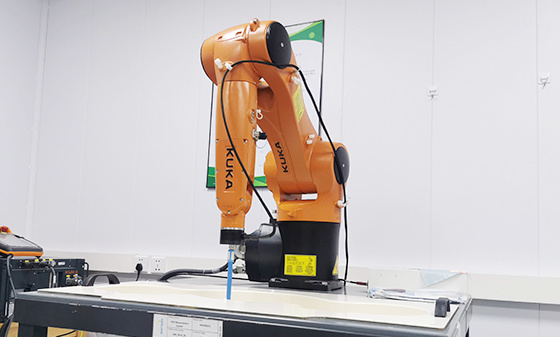 SAR testing
 Receiver Product Certification
 5G NR Product Certification
 UWB Product Certification
 Internet of Things authentication
Electromagnetic compatibility
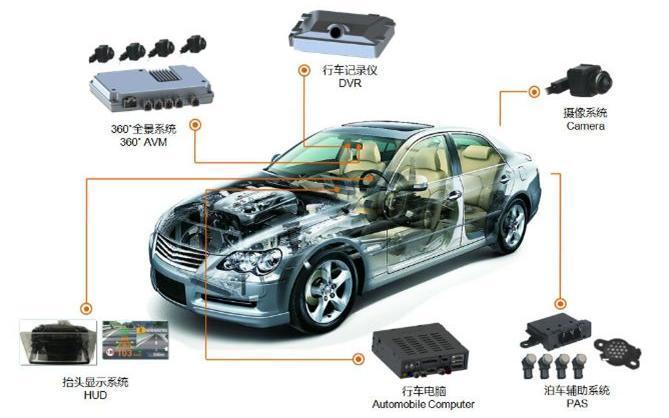 Automotive Electronics EMC Testing
 EMC rectification
 EMC
EMC
Automotive Electronics
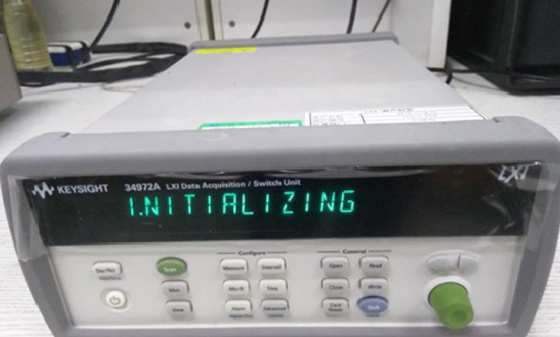 Electrical performance testing
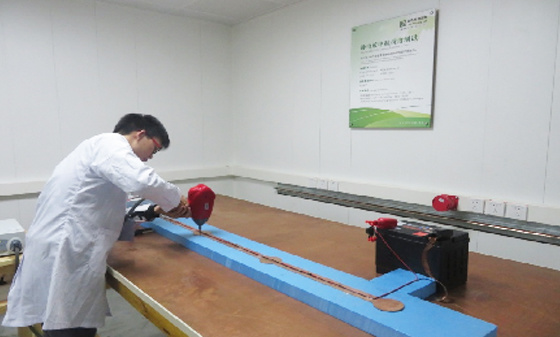 EMS testing - radiation anti-interference testing system (including radar waves)
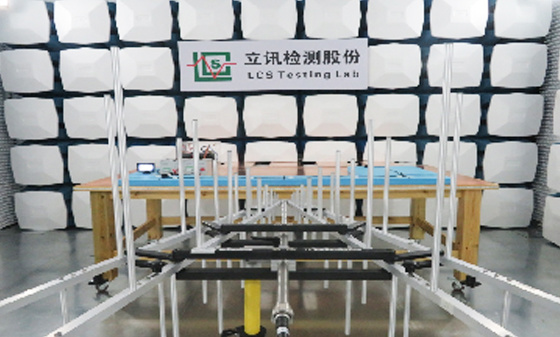 EMS Testing - Electrostatic Discharge
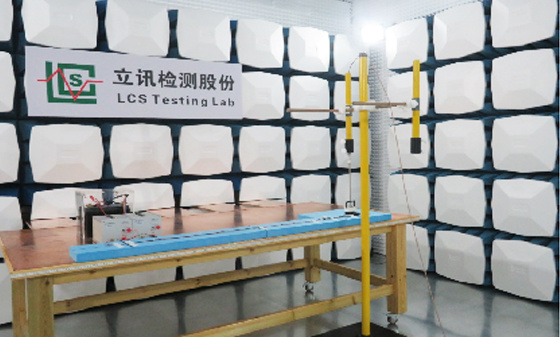 EMS Test - Transient Conducted Immunity Test
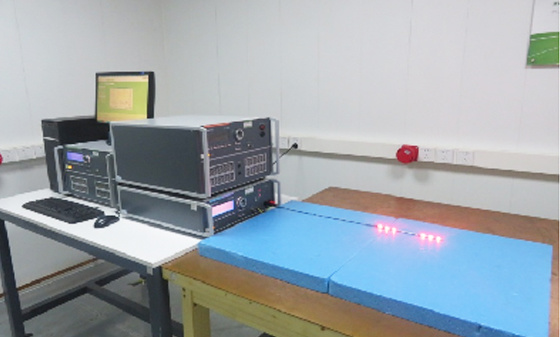 EMS Testing - Portable Transmitter Immunity
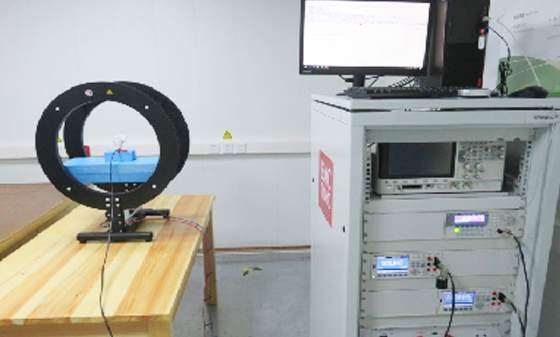 EMS Test - High Current Injection (BCI) Test
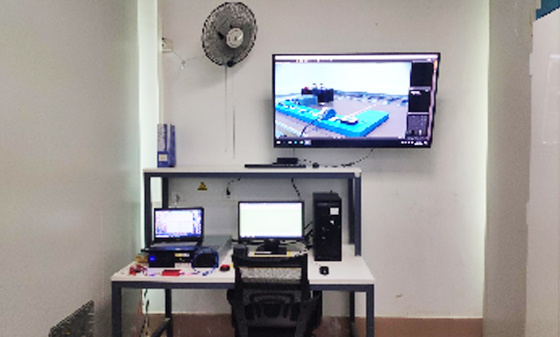 EMS test - low-frequency magnetic field anti-interference test
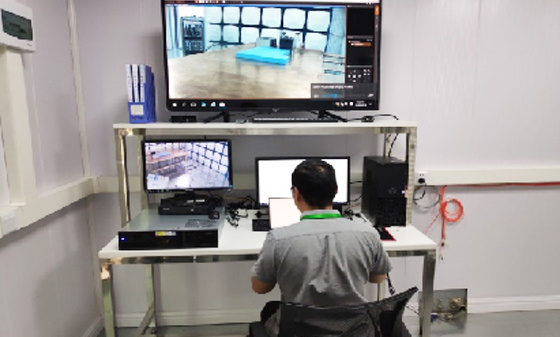 EMI Testing - Transient Conducted Emissions Testing System
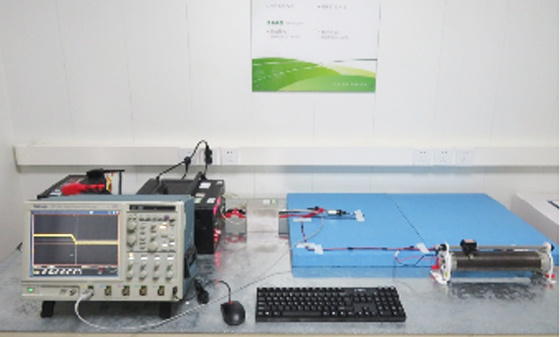 EMI testing - low-frequency magnetic field emission
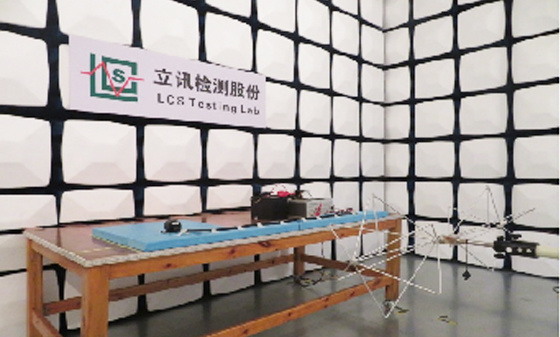 EMI Test - Radiation Emission Test
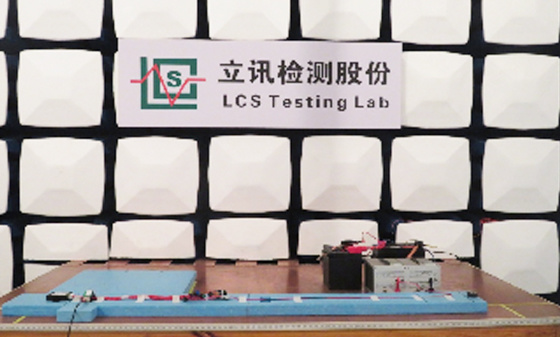 EMI Test - Conducted Emissions Test
 Automotive Electronic Testing
Automotive Parts Inspection
 Automotive ELV&VOC
 Reliability testing
 Temperature shock test
 Vibration testing
 Instrument panel/instrument panel three comprehensive vibration test
 Comprehensive vibration test of door inner panel III
 Sunvisor Three Comprehensive Vibration Test
 Spoiler Three Comprehensive Vibration Test
 Three comprehensive vibration tests of car front and rear bumpers
 Three comprehensive vibration tests for lamp housing/lampshade
 Comprehensive vibration test of outer circumference three
 Automotive metal material testing
 Performance testing of automotive lighting fixtures
 Rapid temperature change test
 Vibration
 Common issues with vibration testing
 Common issues with fatigue testing
 Common issues with high and low temperature testing
 Conducted Interference (CE) - Suzhou Lixun Standard
 Electromagnetic Radiation Tolerance Test (RS) - Suzhou LCS Standard
 Electrical Fast Pulse Withstand Test (EFT) - Suzhou LCS Standard
 Voltage flicker test - Suzhou LCS standard
Electronic appliances
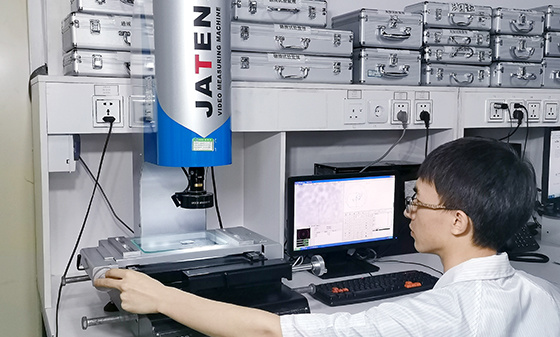 Household appliance product testing
 Electrical accessory product testing
 Household appliance testing
Chemical Testing
 Introduction to PFAS Testing
 MOSH/MOAH Mineral Oil Testing Service
 MOSH/MOAH Mineral Oil Testing and Certification Report Service
 Consumer Product Testing Services - WEEE Chapter
 Ecological textile testing
 Leather Footwear Inspection
 Food contact material testing
 Testing of toys and baby products
 Hazardous substance testing
Electronic Cigarette Testing
 Electronic cigarette detection
Reliability testing
 Other tests - pencil hardness test
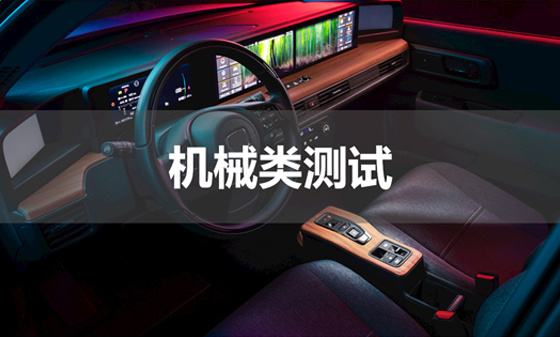 Mechanical testing - Packaging compression test
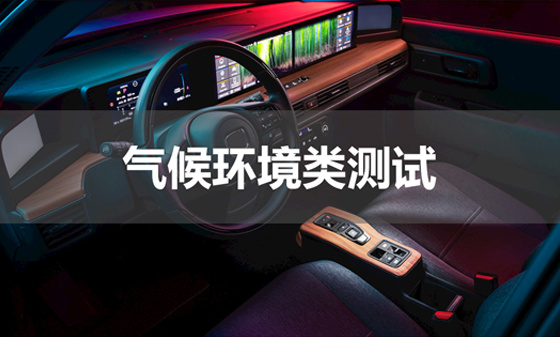 Climate environment testing - Xenon lamp aging test
Battery Testing
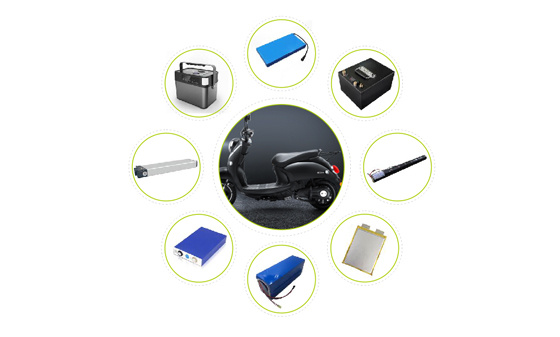 Power storage battery testing and certification
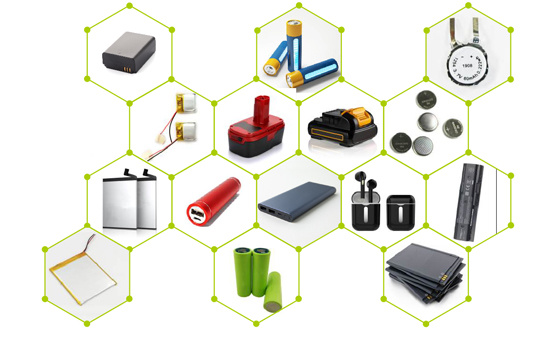 Consumer Electronics Battery Testing and Certification
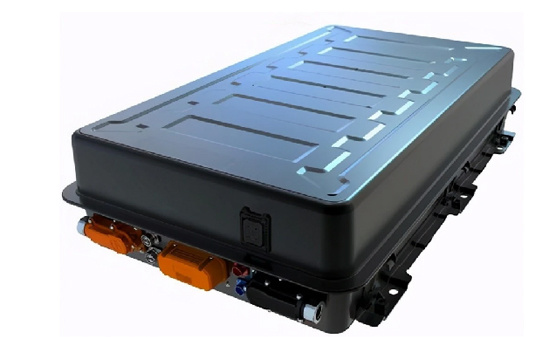 power battery
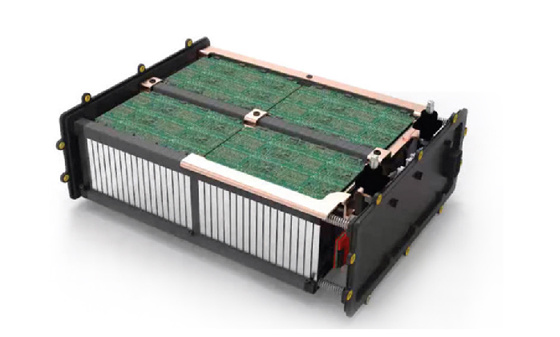 Light electric vehicle batteries
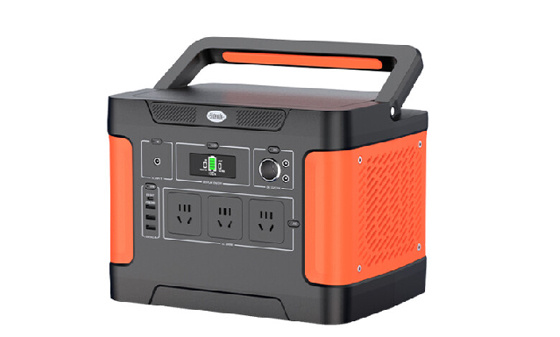 Energy storage battery
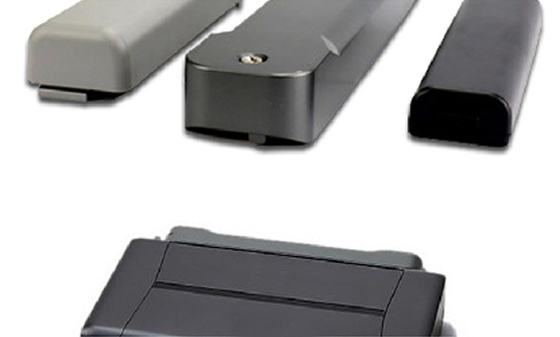 Portable battery
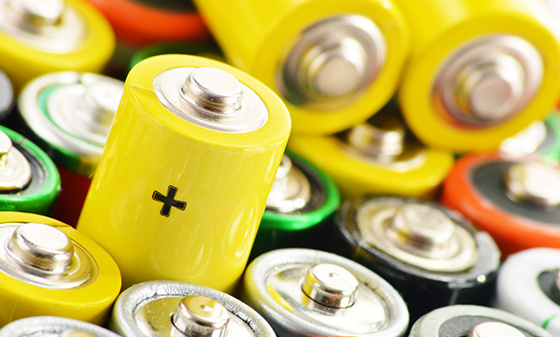 Battery testing
 battery test
Lamp Inspection
 Inspection of ship lighting fixtures
 COI Index Test for Medical Indoor Lighting
 Lamp safety inspection
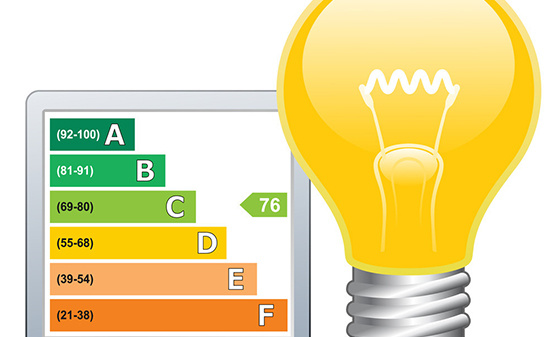 Luminaire energy efficiency testing
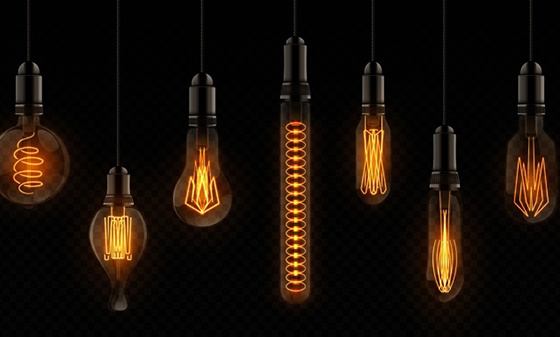 EMC testing of lighting fixtures
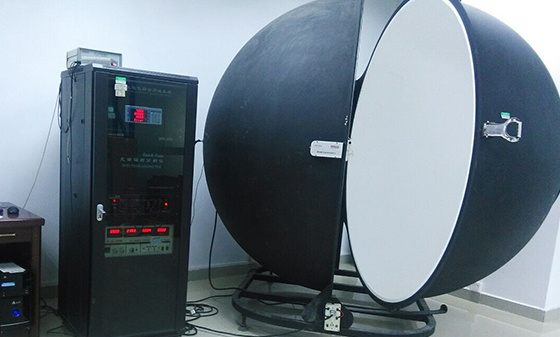 Integral Ball Laboratory
 Photobiology Experiment
 Light distribution test
 Lamp aging test
 Lamp IP waterproof
 Lamp performance testing
 Lamp reliability testing
Children's toy testing
 Testing standards for toy products
China Certification
 China's "national promotion" RoHS certification
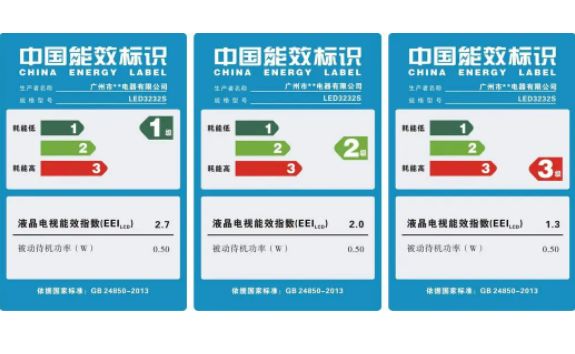 China Energy Efficiency Label Certification
 China Energy Conservation Certification
 China CQC Certification
 Tmall JD Quality Inspection Report
 China SRRC Certification
 Taiwan BSMI certification
 Taiwan NCC certification
 China CCC Compulsory Certification
Asia Certification
 Vietnam certification
 KC certification
 KUCAS Certification in Kuwait
 Singapore PSB certification
 Iraq COC Certification
 IMDA certification
 VCCI Certification in Japan
 JATE certification in Japan
 PSE certification
 BIS certification
 Japanese TELEC certification
European Certification
 RoHS certification
 GOST certification in Russia
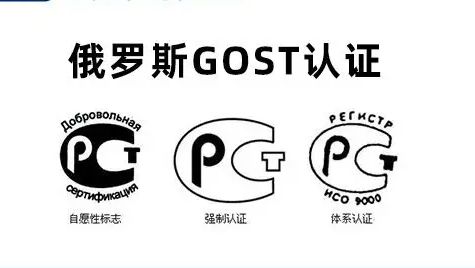 Russian EAC certification
 Northern Ireland UKNI logo
 Electrical ENEC certification
 European D-MARK certification
 Türkiye BTK certification
 TSE certification in Türkiye
 CE certification in Türkiye
 RED certification
 German TUV-SUD certification
 CE-ERP certification
 REACH certification
 German GS certification
 EU E-Mark certification
North American Certification
 Ecuador VOC certification
 Mexico NOM certification
 IRAM certification
 CPSC Certification in the United States
 CSA certification
 ASTM certification
 FDA certification
 CEC certification
 ETL certification
 ul certification
 IC certification
 Energy Star
 FCC Certification in the United States
 ASTM certification
Middle East Certification
 Israel SII certification
 Saudi SABER certification
 GCC certification for the seven Gulf countries
 Iran COI certification
 Qatar COC Certification
 Iraq COC Certification
 Saudi EER Energy Efficiency Certification
 Saudi SABER certification
 Algeria PCA certification
 PVOC certification
Australia Certification
 New Zealand IC-F testing
 VEET certification
 LCP certification
 GEMS certification
 RCM certification
 C-Tick certification
 SAA certification
Africa Certification
 Gabon COC certification
 Algeria COC certification

 Ethiopian VOC and COC certification
 Mauritius VOC certification
 Ghana COC certification
 COC certification in Burundi
 Zambia COC certification
 Botswana COC Certification
 Uganda PVOC certification
 SABS certification in South Africa
 South African LOA certification
 Zimbabwe CBCA Certification
 Nigeria SONCAP certification
 Kenya PVOC certification
 African COC certification
Other certifications
 WEEE
WEEE
 Bluetooth BQB certification
 IECEE registration
 MHRA registration in the UK
TRAINING
 Management system training
 Laboratory technical training
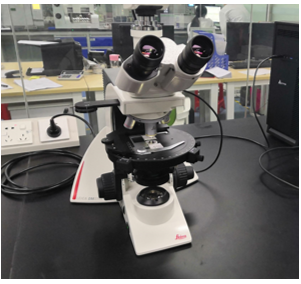 Laboratory Process Consulting
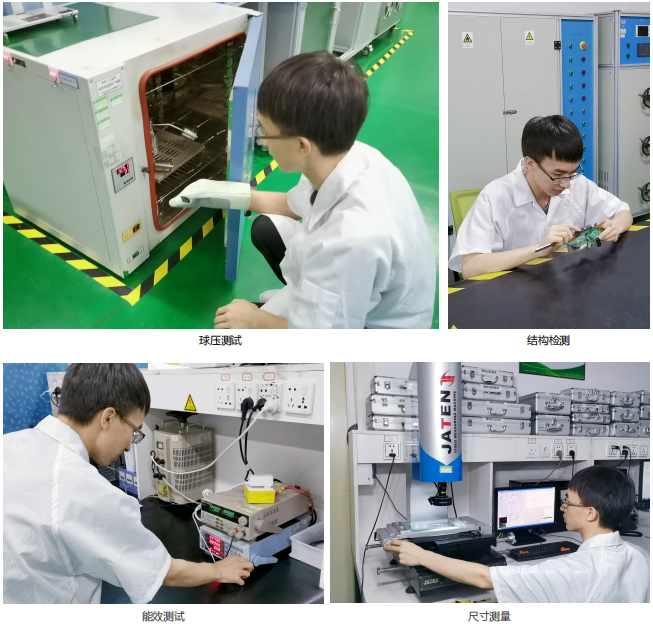 Laboratory decoration construction
Wireless Communication
Electromagnetic compatibility
Automotive Electronics
Automotive Parts Inspection
Electronic appliances
Chemical Testing
Electronic Cigarette Testing
Reliability testing
Battery Testing
Lamp Inspection
Children's toy testing
China Certification
Asia Certification
European Certification
North American Certification
Middle East Certification
Australia Certification
Africa Certification
Other certifications
TRAINING
Wireless Communication
Electromagnetic compatibility
Automotive Electronics
Automotive Parts Inspection
Electronic appliances
Chemical Testing
Electronic Cigarette Testing
Reliability testing
Battery Testing
Lamp Inspection
Children's toy testing
China Certification
Asia Certification
European Certification
North American Certification
Middle East Certification
Australia Certification
Africa Certification
Other certifications
TRAINING
Wireless Communication
Electromagnetic compatibility
Automotive Electronics
Automotive Parts Inspection
Electronic appliances
Chemical Testing
Electronic Cigarette Testing
Reliability testing
Battery Testing
Lamp Inspection
Children's toy testing
China Certification
Asia Certification
European Certification
North American Certification
Middle East Certification
Australia Certification
Africa Certification
Other certifications
TRAINING
Wireless Communication
Electromagnetic compatibility
Automotive Electronics
Automotive Parts Inspection
Electronic appliances
Chemical Testing
Electronic Cigarette Testing
Reliability testing
Battery Testing
Lamp Inspection
Children's toy testing
China Certification
Asia Certification
European Certification
North American Certification
Middle East Certification
Australia Certification
Africa Certification
Other certifications
TRAINING
Wireless Communication
Electromagnetic compatibility
Automotive Electronics
Automotive Parts Inspection
Electronic appliances
Chemical Testing
Electronic Cigarette Testing
Reliability testing
Battery Testing
Lamp Inspection
Children's toy testing
China Certification
Asia Certification
European Certification
North American Certification
Middle East Certification
Australia Certification
Africa Certification
Other certifications
TRAINING
Wireless Communication
Electromagnetic compatibility
Automotive Electronics
Automotive Parts Inspection
Electronic appliances
Chemical Testing
Electronic Cigarette Testing
Reliability testing
Battery Testing
Lamp Inspection
Children's toy testing
China Certification
Asia Certification
European Certification
North American Certification
Middle East Certification
Australia Certification
Africa Certification
Other certifications
TRAINING

Major adjustments to EU battery regulations: due diligence obligations proposed to be extended for two years
Author.
LCS
Source:
Post time:
2025-07-22
1. Refer to the official industry related Chinese documents of the European Union for translation
The blueprint and due diligence core of the EU Battery and Waste Battery Regulation
The EU Battery and Waste Battery Regulation was passed on July 12, 2023 and announced on July 28 of the same year, and is an important component of the European Green Deal.
Its main objectives are twofold
1) One is to promote the effective operation of the internal market while preventing and reducing the negative impact of batteries on the environment.
2) The second is to protect the environment and human health by preventing and reducing the negative impacts caused by the generation and management of waste batteries.
This regulation imposes multiple obligations on economic practitioners, among which the relevant provisions on battery due diligence are particularly noteworthy. These regulations require economic practitioners who place batteries on the market or put them into use to conduct due diligence on their supply chain, especially for several key raw materials used in battery manufacturing: cobalt, natural graphite, lithium, and nickel.
According to the original regulations, the applicable start date for these due diligence obligations is set to August 18, 2025.
Reason analysis for postponement
The European Commission elaborated on the reasons for postponing the application date in its explanatory memorandum (EXPLANATION Memorandum) proposal. These reasons fully reflect the complex situation faced by the current battery industry and the practical difficulties in building a regulatory system.
1. The constantly changing geopolitical landscape and deep challenges of supply chain (a shifting geopolitical landscape and supply chain challenges)
The proposal points out that the supply chain of battery raw materials is deeply affected by changes in the geopolitical landscape, bringing many challenges to the industry, especially in the procurement of raw materials. The sorting and adjustment of the global supply chain is not an overnight effort, and battery manufacturers urgently need time to carefully analyze and adjust their supply chain strategies when necessary.
2. Delay in Third Party Verification System Construction
The due diligence obligation for batteries includes a key requirement that the due diligence policy of economic practitioners needs to be verified by designated institutions through third-party verification by notified bodies. However,
a) The progress of the selection and certification of designated institutions related to the battery due diligence policy is slower than expected.
b) As of now, only about half of the member states have appointed notification bodies responsible for assessing, notifying, and monitoring conformity assessment bodies.
c) The lack of certification standards is also one of the bottlenecks. The proposal mentions that such applications typically require certification, but the European co operation for Accreditation association has not yet been able to establish corresponding standards for battery due diligence certification bodies. The association believes that the establishment of relevant standards should rely on schemes approved by the European Commission (such as through standardization requests, requiring European standard setting bodies to develop and publish specific European standards to support EU policy legislation).
3. The development and recognition of due diligence schemes require time
The due diligence program developed by industry associations and groups of interested organizations is expected to play an important role in the implementation of battery due diligence obligations. However, the reality is that the scheme for battery raw materials still needs to be further developed and implemented, and then approved through the scheme approval process under Regulation (EU) 2023/1542. It should be pointed out that even in the field of the EU Conflict Minerals Regulation (EU) 2017/821, which has precedents to follow (with scheme provisions similar to those of Regulation (EU) 2023/1542), although several schemes are undergoing accreditation evaluation, none have been officially recognized to date (for which several schemes are being assessed for recognition, but no scheme has been recognized to date), indicating the difficulty of progress..
4. Need for Consistency with the Corporate Sustainability Due Diligence Directive (CSDDD)
After the battery regulation, the European Union has also passed the Directive (EU) 2024/1760 on Due Diligence for Corporate Sustainability (CSDDD). Article 94 (4) of the Battery Regulation requires the Committee to evaluate whether it is necessary to revise the due diligence obligations for batteries based on the adoption of the CSDDD directive one year after its adoption. However, it is also acknowledged that if the adjustment of the application date allows for this, the simultaneous development of a set of guidelines for these two legislations will help improve coordination at the implementation level. According to Article 48 (5) of the Battery Regulations, the committee will issue guidelines on the application of due diligence requirements for batteries. Meanwhile, according to Article 19 (2) (a) of CSDDD, the committee will provide guidelines and best practices on how to conduct due diligence. For companies in the battery supply chain, consistency between Regulation (EU) 2023/1542 and Directive (EU) 2024/1760 is crucial. Therefore, coordinating the release dates of these two sets of guidelines is particularly crucial.
Core change of proposal: Clear timeline adjustment
Based on the above multiple factors, the European Commission believes that the application date of the due diligence obligation for batteries as stipulated in Article 48 (1) of Regulation (EU) 2023/1542 should be postponed by two years, in order to enable economic practitioners who place batteries in the EU market to be more fully prepared with the help of the guidelines and to address difficulties in the availability of designated institutions.
The specific revisions proposed to Article 48 of Regulation (EU) 2023/1542 are as follows:
1. Change in the starting date of the due diligence obligation for batteries: In paragraph 1, replace 'August 18, 2025' with 'August 18, 2027' (in paragraph 1, '18 August 2025' is replaced by '18 August 2027').
2. Date change for the release of relevant guidelines by the committee: In paragraph 5, replace 'February 18, 2025' with 'July 26, 2026' (in paragraph 5, 18 February 2025 'is replaced by' 26 July 2026 ').
The proposal clearly states that its purpose is not to amend any substantive provisions of Regulation (EU) 2023/1542, but only to provide more adequate preparation time for economic practitioners to place batteries in the EU market and alleviate the dilemma of insufficient number of designated institutions.
The Deep Complexity and Future Trends of the Battery Industry
The proposal to extend the due diligence obligation for EU battery regulations is not only a response to current challenges, but also reflects the deep complexity and future trends in the development of the global battery industry
1. The extreme fragility of the supply chain and the urgency of reshaping it
The battery industry is highly dependent on global raw material supply, especially cobalt, lithium, nickel, and natural graphite. The geographical distribution of these resources is concentrated and easily influenced by geopolitics, trade protectionism, policy changes in mining countries, and even environmental and social events. The repeated mention of changes in the geopolitical landscape and challenges in raw material procurement in the proposal is a direct reflection of this. Enterprises must invest significant efforts in supply chain penetration review, risk assessment, diversified layout, and alternative material research and development to enhance the resilience of the supply chain.
2. Regulatory overlay effect and refined requirements for compliance management
Battery companies are facing an increasingly complex regulatory environment. In addition to the EU Battery Regulation on product lifecycle management, there are also horizontal corporate responsibility regulations such as CSDDD. There is a certain interactive relationship between these two. The proposal clearly states that CSDDD was adopted after the battery regulations were passed. And when the provisions of CSDDD conflict with another EU regulation that pursues the same goal and has broader or more specific terms, the provisions of the latter regarding these specific obligations should take precedence. For the battery industry, the more specific requirements of the battery due diligence policy in Regulation (EU) 2023/1542 fall into this category. Therefore, for practitioners in the battery supply chain, where the due diligence policy provisions in Regulation (EU) 2023/1542 are more extensive or specific, they should follow that regulation, rather than similar provisions in Directive (EU) 2024/1760 for specific supply chain stages and minerals. This places extremely high professional demands on the legal and compliance teams of the enterprise.
3. The long-term and arduous nature of supporting system construction
The effective implementation of a regulation relies on a sound supporting system. The due diligence obligation of battery regulations particularly relies on qualified third-party certification bodies and recognized industry due diligence programs. As revealed in the proposal, there are many obstacles and slow progress in the designation of certification bodies, the introduction of unified certification standards, and the development and approval of industry solutions. This reminds us that the construction of a regulatory framework is not only the completion of legislative texts, but also a systematic project involving collaborative efforts and continuous investment from multiple parties (member states, certification bodies, industry associations, European Commission).
4. The long-term trend of sustainable development as the core competitiveness of the industry remains unchanged
Despite facing short-term challenges leading to delays in some provisions, the determination and direction of the EU to promote the transformation of the battery industry towards green and sustainable development are clear and firm. The adoption of Regulation (EU) 2023/1542 is an integral part of the European Green Deal and is coherent with its overall objectives and all initiatives developed under it. Responsible raw material procurement, transparent supply chain management, improving the environmental performance of batteries, and promoting the recycling and reuse of waste batteries are not only regulatory requirements, but also key factors for battery companies to win market trust and competitive advantage in the future. Delay provides valuable breathing space and preparation time for businesses, but it is by no means an excuse to evade responsibility.
Legal Basis and Legislative Considerations
The proposal also briefly explains its legal basis. The reason for choosing Article 114 of the Treaty on the Functioning of the European Union (TFEU) as the legal basis is that due diligence obligations aim to prevent and reduce adverse impacts of batteries on the environment, and ensure a sustainable battery value chain. This will help ensure the transition to a circular economy and the long-term competitiveness of the EU, and contribute to the efficient functioning of the internal market.). In terms of the principle of subsidiarity, the proposal suggests that, given the need to amend EU regulations, its objectives cannot be achieved solely by member states. In terms of the principle of proportionality, the proposal believes that it does not exceed the scope necessary to achieve the objectives of the treaty, especially the smooth operation of the internal market. The reason for choosing Regulation as the form of legal document is that it directly revises existing regulations.
summarize
The European Commission's proposal to postpone the effective date of due diligence obligations for batteries is based on careful consideration of multiple practical factors such as current geopolitics, supply chain restructuring, lagging certification system construction, and coordination with other important directives. This provides valuable two-year buffer period for stakeholders in the global battery industry chain, especially economic practitioners, to better understand regulatory requirements, adjust supply chain strategies, establish internal management systems, and wait for the maturity of relevant guidelines and certification systems.
However, the delay does not mean a relaxation of supervision. The sustainable development trend of the battery industry is irreversible. All stakeholders should take advantage of this window period to actively prepare and strengthen their performance in environmental, social, and governance (ESG) aspects, ensuring that they can respond calmly when the new effective date arrives. The European Commission will also accelerate the development of supporting guidelines and the improvement of certification systems during this period. This proposal will be reviewed by the European Parliament and the Council through the ordinary legislative process, and is expected to come into effect as an urgent matter on the second day after its publication in the Official Journal of the European Union. It should be applied from August 18, 2025, in order to provide legal certainty regarding the application of due diligence obligations under Regulation (EU) 2023/1542. Participants in the global battery industry need to closely monitor the progress of subsequent legislation and be proactive in order to navigate the increasingly strict global trend of sustainable development and fly against the current.
Related articles
New articles
Media Center
Latest News
Contact Us
National 24-hour service hotline
400-116-2629
Group Headquarters
E-mail: webmaster@lcs-cert.com
Address: Shenzhen City, Baoan District, Shajing Street, Nga side of the school of Wei Juji Industrial Park, Building A 1 ~ 2 floor, Building C 3 floor


 WeChat Inquiry


 Reservation


Contact Us
National 24-hour service hotline
Address:Juji Industrial Park, Xueziwei, Ngabian, Shajing Street, Baoan District, Shenzhen Building A 1~2F, Building C 3F

WeChat public number
Share industry dry goods

WeChat consultation
Please note consulting services

Follow Jitterbug

Mobile website
di complaint mailbox: customer.complaint@lcs-cert.com complaint telephone tel: 18126445450 certificate report verification of authenticity mailbox: verification@lcs-cert.com