

Wireless Communication
 EU RED Network Security Standard EN 18031
 Wireless and communication detection
 Mobile communication product certification
 Bluetooth BQB Product Certification
 FM/AM Product Certification
 WiFi Product Certification
 Wireless charging product certification
 Interphone product certification
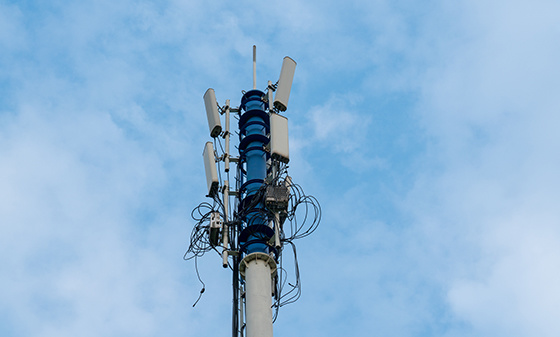 Base station certification
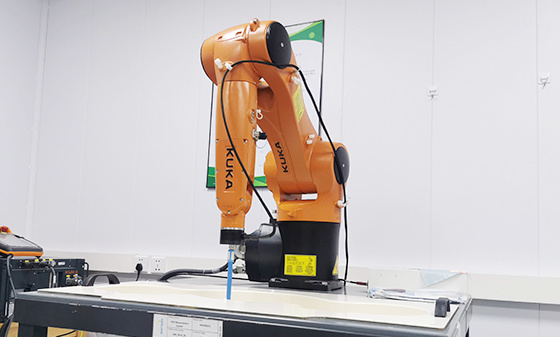 SAR testing
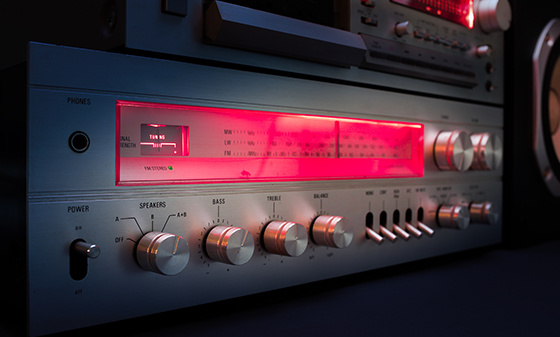 Receiver Product Certification
 5G NR Product Certification
 UWB Product Certification
 Internet of Things authentication
Electromagnetic compatibility
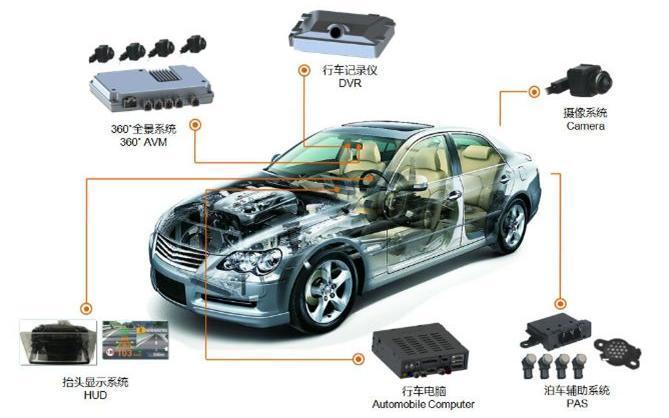 Automotive Electronics EMC Testing
 EMC rectification
 EMC
EMC
Automotive Electronics
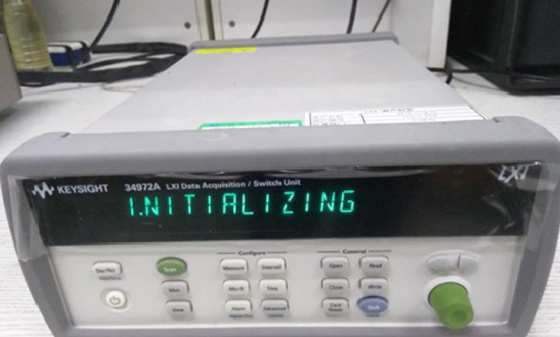 Electrical performance testing
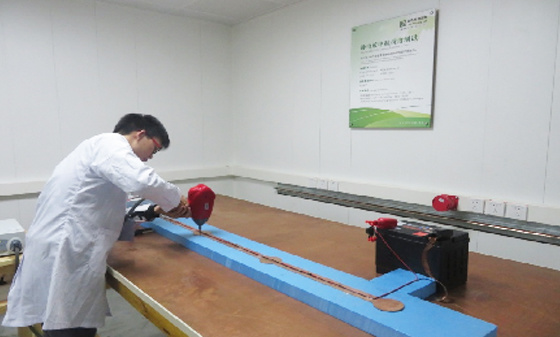 EMS testing - radiation anti-interference testing system (including radar waves)
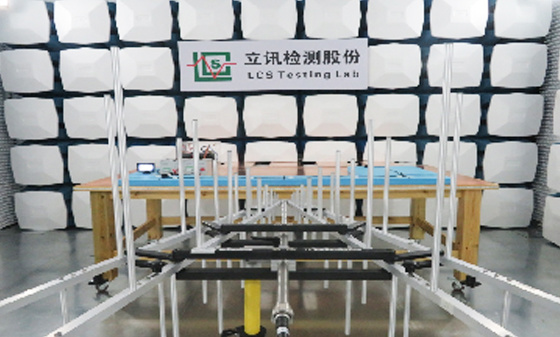 EMS Testing - Electrostatic Discharge
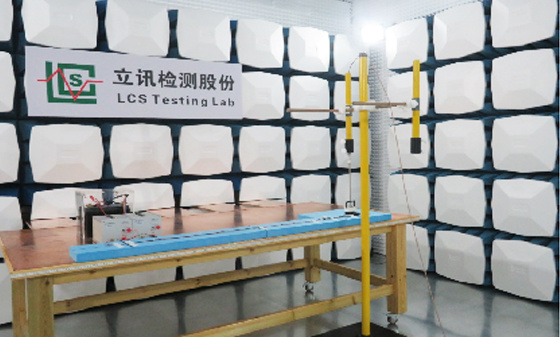 EMS Test - Transient Conducted Immunity Test
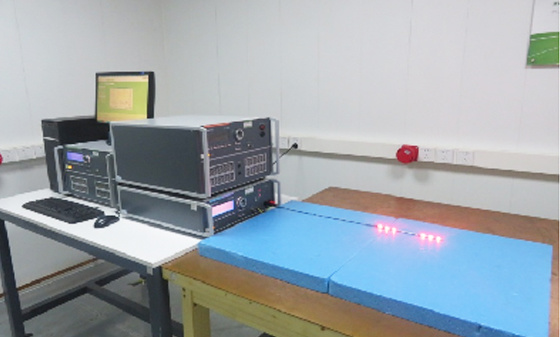 EMS Testing - Portable Transmitter Immunity
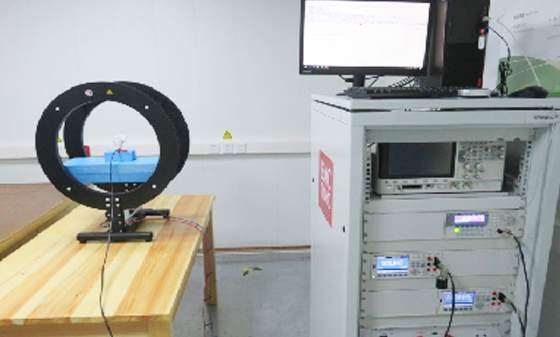 EMS Test - High Current Injection (BCI) Test
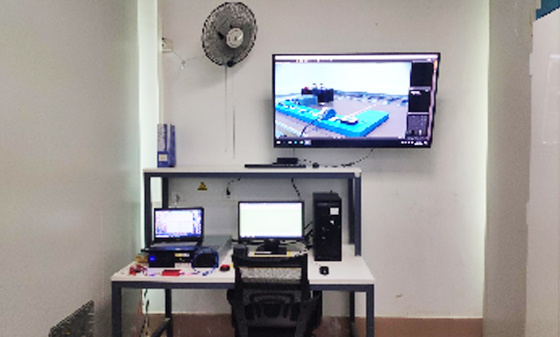 EMS test - low-frequency magnetic field anti-interference test
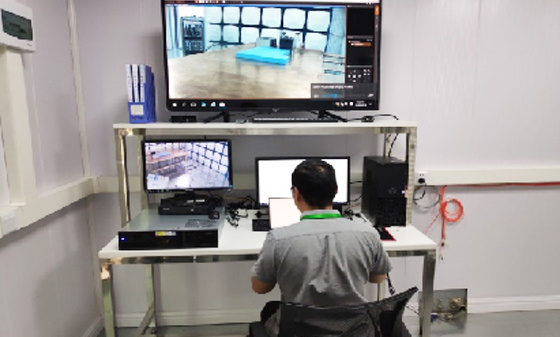 EMI Testing - Transient Conducted Emissions Testing System
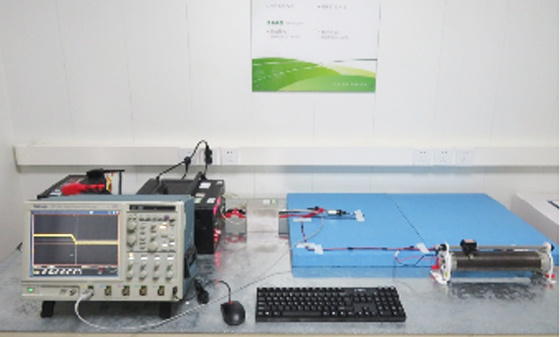 EMI testing - low-frequency magnetic field emission
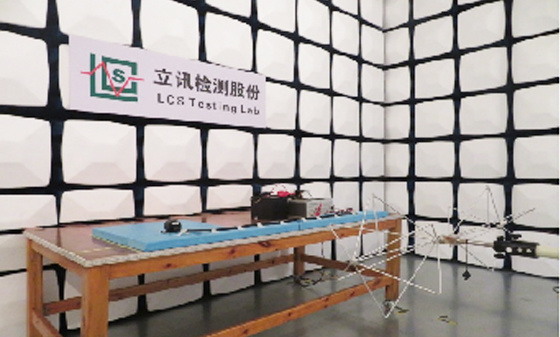 EMI Test - Radiation Emission Test
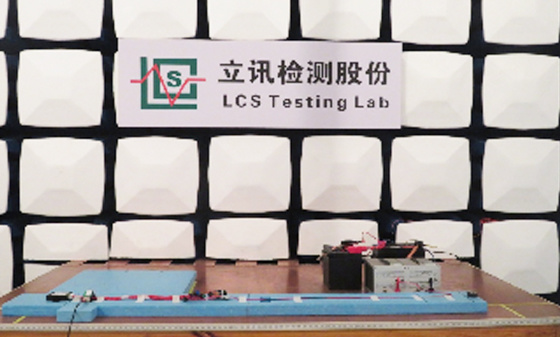 EMI Test - Conducted Emissions Test
 Automotive Electronic Testing
Automotive Parts Inspection
 Automotive ELV&VOC
 Reliability testing
 Temperature shock test
 Vibration testing
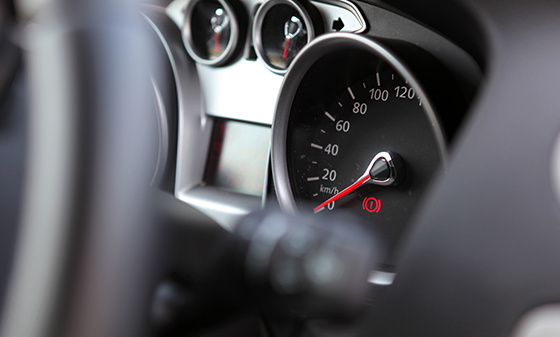 Instrument panel/instrument panel three comprehensive vibration test
 Comprehensive vibration test of door inner panel III
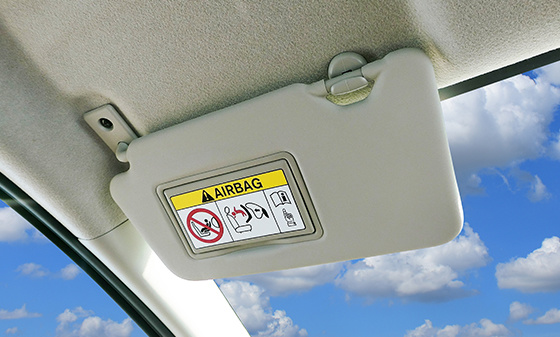 Sunvisor Three Comprehensive Vibration Test
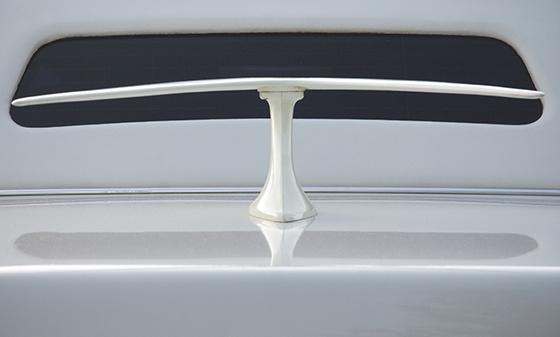 Spoiler Three Comprehensive Vibration Test
 Three comprehensive vibration tests of car front and rear bumpers
 Three comprehensive vibration tests for lamp housing/lampshade
 Comprehensive vibration test of outer circumference three
 Automotive metal material testing
 Performance testing of automotive lighting fixtures
 Rapid temperature change test
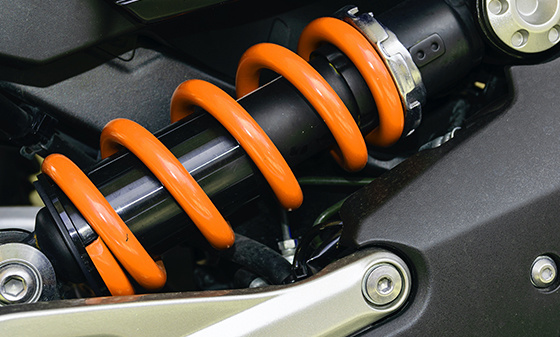 Vibration
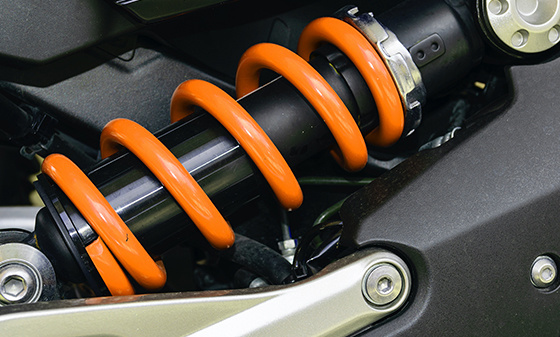 Common issues with vibration testing
 Common issues with fatigue testing
 Common issues with high and low temperature testing
 Conducted Interference (CE) - Suzhou Lixun Standard
 Electromagnetic Radiation Tolerance Test (RS) - Suzhou LCS Standard
 Electrical Fast Pulse Withstand Test (EFT) - Suzhou LCS Standard
 Voltage flicker test - Suzhou LCS standard
Electronic appliances
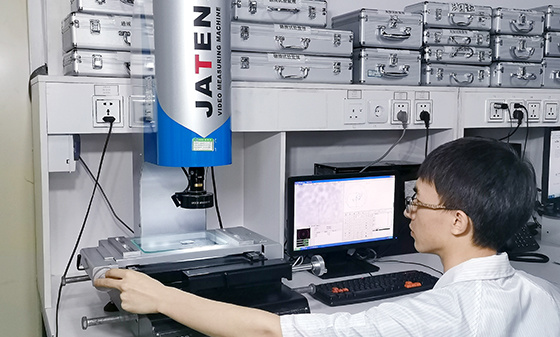 Household appliance product testing
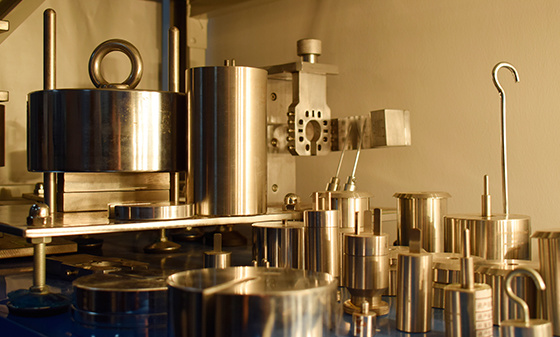 Electrical accessory product testing
 Household appliance testing
Chemical Testing
 Introduction to PFAS Testing
 MOSH/MOAH Mineral Oil Testing Service
 MOSH/MOAH Mineral Oil Testing and Certification Report Service
 Consumer Product Testing Services - WEEE Chapter
 Ecological textile testing
 Leather Footwear Inspection
 Food contact material testing
 Testing of toys and baby products
 Hazardous substance testing
Electronic Cigarette Testing
 Electronic cigarette detection
Reliability testing
 Other tests - pencil hardness test
 Mechanical testing - Packaging compression test
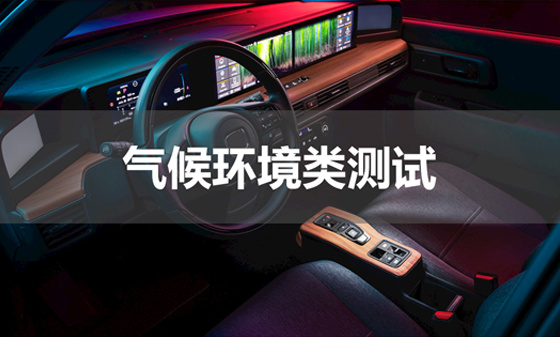 Climate environment testing - Xenon lamp aging test
Battery Testing
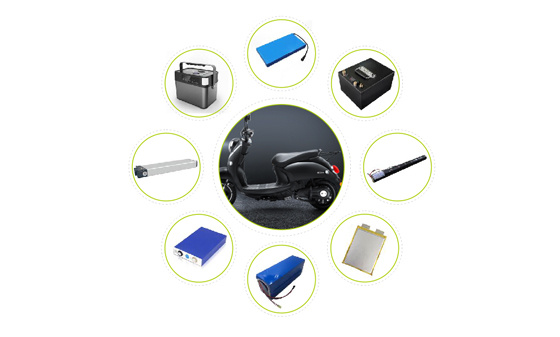 Power storage battery testing and certification
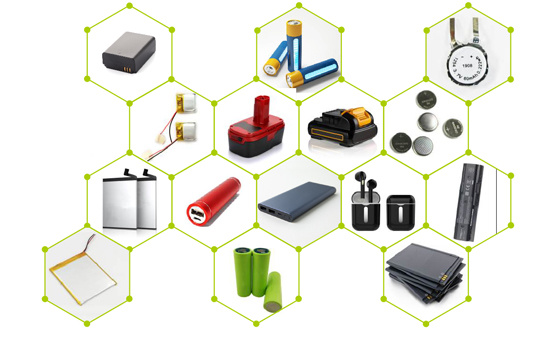 Consumer Electronics Battery Testing and Certification
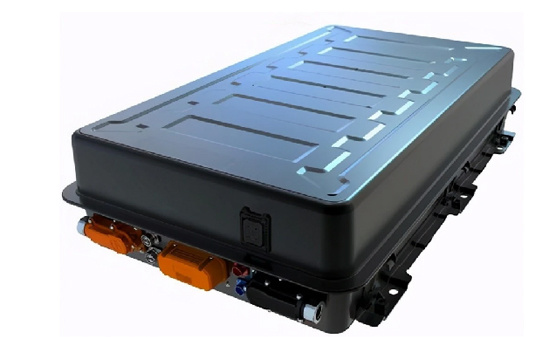 power battery
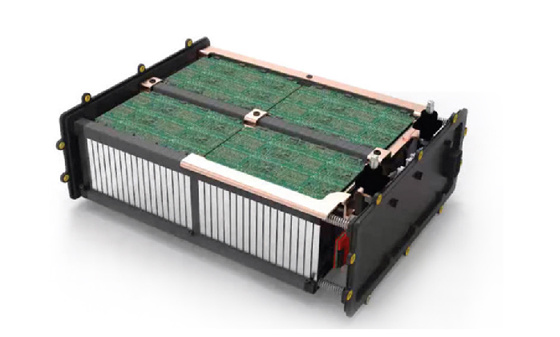 Light electric vehicle batteries
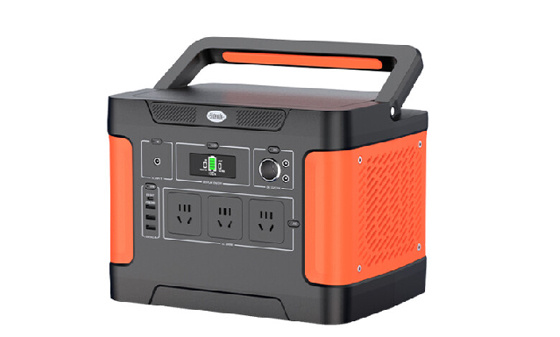 Energy storage battery
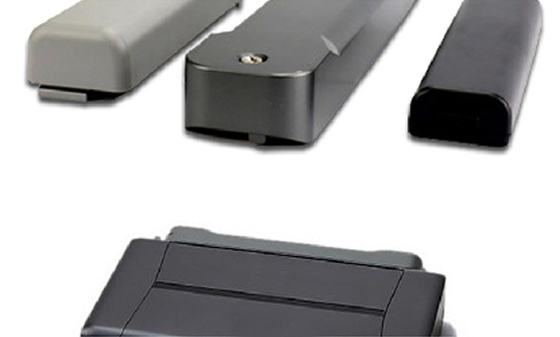 Portable battery
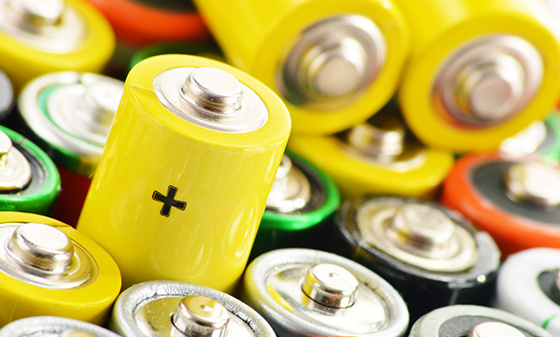 Battery testing
 battery test
Lamp Inspection
 Inspection of ship lighting fixtures
 COI Index Test for Medical Indoor Lighting
 Lamp safety inspection
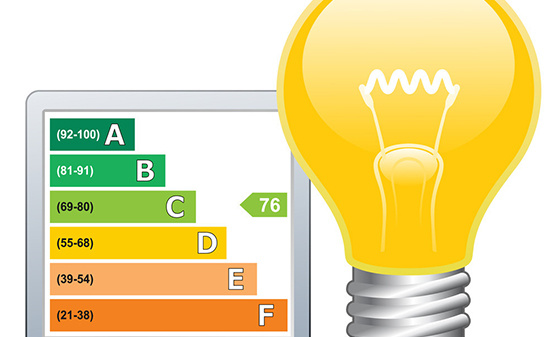 Luminaire energy efficiency testing
 EMC testing of lighting fixtures
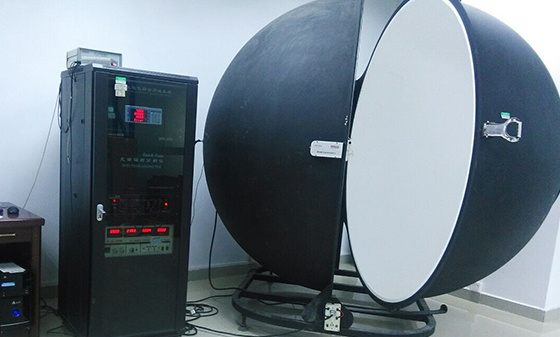 Integral Ball Laboratory
 Photobiology Experiment
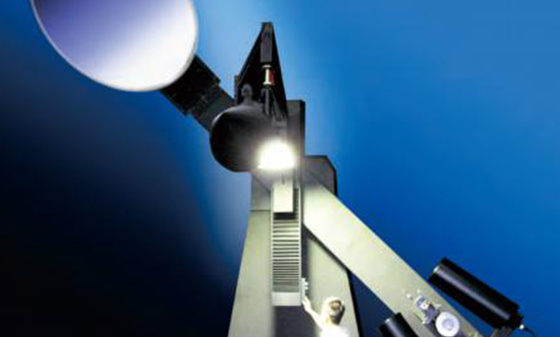 Light distribution test
 Lamp aging test
 Lamp IP waterproof
 Lamp performance testing
 Lamp reliability testing
Children's toy testing
 Testing standards for toy products
China Certification
 China's "national promotion" RoHS certification
 China Energy Efficiency Label Certification
 China Energy Conservation Certification
 China CQC Certification
 Tmall JD Quality Inspection Report
 China SRRC Certification
 Taiwan BSMI certification
 Taiwan NCC certification
 China CCC Compulsory Certification
Asia Certification
 Vietnam certification
 KC certification
 KUCAS Certification in Kuwait
 Singapore PSB certification
 Iraq COC Certification
 IMDA certification
 VCCI Certification in Japan
 JATE certification in Japan
 PSE certification
 BIS certification
 Japanese TELEC certification
European Certification
 RoHS certification
 GOST certification in Russia
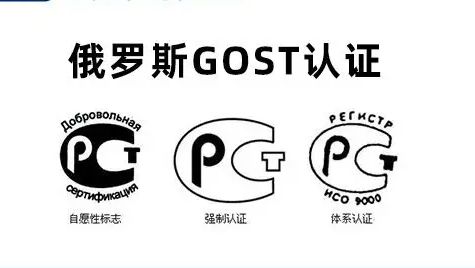 Russian EAC certification
 Northern Ireland UKNI logo
 Electrical ENEC certification
 European D-MARK certification
 Türkiye BTK certification
 TSE certification in Türkiye
 CE certification in Türkiye
 RED certification
 German TUV-SUD certification
 CE-ERP certification
 REACH certification
 German GS certification
 EU E-Mark certification
North American Certification
 Ecuador VOC certification
 Mexico NOM certification
 IRAM certification
 CPSC Certification in the United States
 CSA certification
 ASTM certification
 FDA certification
 CEC certification
 ETL certification
 ul certification
 IC certification
 Energy Star
 FCC Certification in the United States
 ASTM certification
Middle East Certification
 Israel SII certification
 Saudi SABER certification
 GCC certification for the seven Gulf countries
 Iran COI certification
 Qatar COC Certification
 Iraq COC Certification
 Saudi EER Energy Efficiency Certification
 Saudi SABER certification
 Algeria PCA certification
 PVOC certification
Australia Certification
 New Zealand IC-F testing
 VEET certification
 LCP certification
 GEMS certification
 RCM certification
 C-Tick certification
 SAA certification
Africa Certification
 Gabon COC certification
 Algeria COC certification

 Ethiopian VOC and COC certification
 Mauritius VOC certification
 Ghana COC certification
 COC certification in Burundi
 Zambia COC certification
 Botswana COC Certification
 Uganda PVOC certification
 SABS certification in South Africa
 South African LOA certification
 Zimbabwe CBCA Certification
 Nigeria SONCAP certification
 Kenya PVOC certification
 African COC certification
Other certifications
 WEEE
WEEE
 Bluetooth BQB certification
 IECEE registration
 MHRA registration in the UK
TRAINING
 Management system training
 Laboratory technical training
 Laboratory Process Consulting
 Laboratory decoration construction
Wireless Communication
Electromagnetic compatibility
Automotive Electronics
Automotive Parts Inspection
Electronic appliances
Chemical Testing
Electronic Cigarette Testing
Reliability testing
Battery Testing
Lamp Inspection
Children's toy testing
China Certification
Asia Certification
European Certification
North American Certification
Middle East Certification
Australia Certification
Africa Certification
Other certifications
TRAINING
Wireless Communication
Electromagnetic compatibility
Automotive Electronics
Automotive Parts Inspection
Electronic appliances
Chemical Testing
Electronic Cigarette Testing
Reliability testing
Battery Testing
Lamp Inspection
Children's toy testing
China Certification
Asia Certification
European Certification
North American Certification
Middle East Certification
Australia Certification
Africa Certification
Other certifications
TRAINING
Wireless Communication
Electromagnetic compatibility
Automotive Electronics
Automotive Parts Inspection
Electronic appliances
Chemical Testing
Electronic Cigarette Testing
Reliability testing
Battery Testing
Lamp Inspection
Children's toy testing
China Certification
Asia Certification
European Certification
North American Certification
Middle East Certification
Australia Certification
Africa Certification
Other certifications
TRAINING
Wireless Communication
Electromagnetic compatibility
Automotive Electronics
Automotive Parts Inspection
Electronic appliances
Chemical Testing
Electronic Cigarette Testing
Reliability testing
Battery Testing
Lamp Inspection
Children's toy testing
China Certification
Asia Certification
European Certification
North American Certification
Middle East Certification
Australia Certification
Africa Certification
Other certifications
TRAINING
Wireless Communication
Electromagnetic compatibility
Automotive Electronics
Automotive Parts Inspection
Electronic appliances
Chemical Testing
Electronic Cigarette Testing
Reliability testing
Battery Testing
Lamp Inspection
Children's toy testing
China Certification
Asia Certification
European Certification
North American Certification
Middle East Certification
Australia Certification
Africa Certification
Other certifications
TRAINING
Wireless Communication
Electromagnetic compatibility
Automotive Electronics
Automotive Parts Inspection
Electronic appliances
Chemical Testing
Electronic Cigarette Testing
Reliability testing
Battery Testing
Lamp Inspection
Children's toy testing
China Certification
Asia Certification
European Certification
North American Certification
Middle East Certification
Australia Certification
Africa Certification
Other certifications
TRAINING

The Hong Kong Convention is about to come into effect, and the shipping industry needs to pay close attention to key issues
Author.
LCS
Source:
Post time:
2025-02-11
The 2009 Hong Kong International Convention for the Safe and Environmentally Sound Recycling of Ships (referred to as the "Hong Kong Convention") will come into effect on June 26, 2025. The Convention applies to ships of 500 gross tons or more sailing internationally under the flag of a contracting state, as well as shipbreaking yards operating within the jurisdiction of a contracting state.
Background of Convention Implementation
In March 2000, the 44th MEPC conference first proposed the role of IMO in ship recycling, a term used to refer to the scrapping of ships. Subsequently, a communication group was established to study this issue and provide information on current ship recycling practices and recommendations on the role of IMO.
In November December 2005, the International Maritime Organization (IMO) Assembly subsequently agreed that the IMO should develop a new legally binding instrument for ship recycling. Subsequently, over a period of three and a half years, member states of the International Maritime Organization (IMO) and relevant non-governmental organizations, in collaboration with the International Labour Organization and contracting parties to the Basel Convention, formulated the text of the Hong Kong Convention. Finally, the Hong Kong Convention was adopted at a diplomatic conference held in Hong Kong, China in May 2009.
Since the adoption of the Hong Kong Convention, the Marine Environment Protection Committee (MEPC) of the International Maritime Organization has developed and adopted the following guidelines to assist countries in implementing and enforcing the technical standards of the Convention:
Guidelines for the Development of Ship Dismantling Plans in 2011, Resolution passed by MEPC. 196 (62);
The 2012 Safe and Harmless Ship Recycling Guidelines MEPC.210 (63) adopted by the resolution;
MEPC.211 (63) of the 2012 Resolution on Authorization Guidelines for Ship Dismantling Facilities;
MEPC.222 (64) of the Hong Kong Convention Ship Inspection and Certification Guidelines, adopted in 2012; and
The Hong Kong Convention Ship Inspection Guidelines MEPC.223 (64) passed in 2012;
Guidelines for the Development of Hazardous Materials List in 2023, approved by Resolution MEPC.379 (80).
General requirements of the convention
All vessels suspended in EU member states shall be subject to this inspection system and shall be accompanied by a "Certificate of International Hazardous Substance List" or a "Certificate of Compliance with Hazardous Substance List" issued by the competent authority or its authorized registration agency, supplemented by Part I of the Hazardous Substance List (IHM). All third country vessels docking at ports or anchorages of EU member states shall carry a compliance certificate issued by the competent authority of that third country or an agency authorized by the competent authority, supplemented by Part I of the Hazardous Substances List (IHM).
Meaning of the Convention
The purpose of the Hong Kong Convention is to ensure that ships, after reaching their useful life, do not pose any unnecessary risks to human health, safety, and the environment during safe recovery. It adheres to the concept of "cradle to grave" and addresses all environmental and safety issues related to ship recycling, including responsible management and disposal of waste streams in a safe and environmentally sound manner. The Convention places responsibility and obligations on all relevant parties - shipowners, shipyards, ship recycling facilities, flag states, port states, and recycling states. After the Hong Kong Convention comes into effect, ships sent for recycling will be required to carry a list of dangerous goods. Ship recycling facilities authorized by the competent authorities will be required to provide a ship recycling plan, specifically for each vessel to be recycled. In addition, governments of various countries will be responsible for ensuring that recycling facilities within their jurisdiction comply with the provisions of the Convention.
Key issues that all parties involved in the ship need to pay close attention to
(1) Hazardous substance control should prohibit and/or restrict the installation or use of hazardous substances listed in Appendix 1 of the Convention (including asbestos, polychlorinated biphenyls, ozone depleting substances, and harmful anti fouling systems) on ships.
⑵ Hazardous Substance List (IHM).
① The list of hazardous substances should be verified by the competent authority or any individual or organization authorized by it. The list of hazardous substances includes three parts: hazardous substances contained in ship structures and equipment (Part I), waste generated from operations (Part II), and materials (Part III).
② Starting from June 26, 2025, a list of hazardous substances should be stored on each new ship. The list should include the hazardous substances, their locations, and approximate quantities contained in the ship structures and equipment described in Appendix 1 and 2 of this Convention as Part I of the list.
③ Existing ships should develop a list of hazardous substances as soon as possible, no later than June 25, 2030, or before preparing for dismantling (whichever is earlier).
④ Before dismantling the ship, the list of hazardous substances should include not only the appropriately maintained and updated Part I, but also Part II - Waste generated from operations and Part III - Materials, and should be verified by the competent authority or any authorized individual or organization in accordance with the guidelines developed by this organization.
Ships subject to this Convention shall undergo the following inspections for inspection and certification:
① Initial inspection: conducted before the vessel is put into operation or before the issuance of the International Hazardous Substances List Certificate. This inspection shall verify that Part I of the list of hazardous substances complies with the requirements of this Convention.
② Renewal inspection: conducted within the time limit specified by the competent authority but not exceeding 5 years. This inspection shall verify that Part I of the list of hazardous substances complies with the requirements of this Convention.
③ Additional Inspection: Upon request from the shipowner, overall or partial additional inspections may be conducted based on the situation after changes, replacements, or major repairs have been made to the structure, equipment, systems, accessories, layout, and materials. The inspection shall verify that the vessel still complies with the requirements of this Convention after any such changes, replacements or major repairs, and that Part I of the list has been amended as necessary.
④ Final inspection: conducted before the retirement of the vessel and the commencement of dismantling, to verify that the hazardous substance list, dismantling plan, and dismantling yard comply with the requirements of this Convention. After passing the inspection, the International Certificate of Suitability for Ship Dismantling will be issued.
Other precautions:
The development of the Ship Hazardous Substance List (IHM) can refer to the International Maritime Organization's (IMO) Guidelines for the Compilation of Hazardous Substance Lists in 2023 (MEPC. 379 (80) Resolution). The MEPC.379 (80) resolution includes guidance on anti fouling bottom systems containing sibutrinib, replacing the MEPC.269 (68) resolution passed by IMO in 2015.
The development of Ship Dismantling Plans (SRP) can refer to the IMO's "Guidelines for the Development of Ship Dismantling Plans in 2011" (MEPC. 196 (62) Resolution).
The development of Ship Recycling Plant Plan (SRFP) can refer to the IMO's "2012 Guidelines for Safe and Environmentally Sound Ship Recycling" (MEPC. 210 (63) Resolution).
Lixun Testing can provide IHM testing, ACMS removal and disposal, IHM maintenance and other services for major shipyards, ship equipment manufacturers, ship owners and ship management companies across the country, providing customers with accurate testing reports.
As a third-party IHM sampling, testing, and certification organization for hazardous substances recognized by various classification societies, Lixun Testing's team can provide you with a comprehensive solution for "green ships", ensuring that your ship meets the green and environmental protection requirements of international conventions.
Related articles
New articles
Media Center
Latest News
Contact Us
National 24-hour service hotline
400-116-2629
Group Headquarters
E-mail: webmaster@lcs-cert.com
Address: Shenzhen City, Baoan District, Shajing Street, Nga side of the school of Wei Juji Industrial Park, Building A 1 ~ 2 floor, Building C 3 floor


 WeChat Inquiry


 Reservation


Contact Us
National 24-hour service hotline
Address:Juji Industrial Park, Xueziwei, Ngabian, Shajing Street, Baoan District, Shenzhen Building A 1~2F, Building C 3F

WeChat public number
Share industry dry goods

WeChat consultation
Please note consulting services

Follow Jitterbug

Mobile website
di complaint mailbox: customer.complaint@lcs-cert.com complaint telephone tel: 18126445450 certificate report verification of authenticity mailbox: verification@lcs-cert.com