

Wireless Communication
 EU RED Network Security Standard EN 18031
 Wireless and communication detection
 Mobile communication product certification
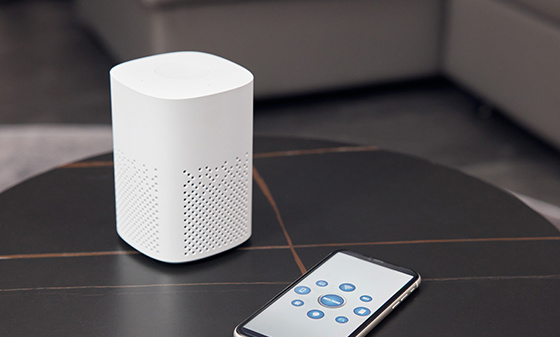 Bluetooth BQB Product Certification
 FM/AM Product Certification
 WiFi Product Certification
 Wireless charging product certification
 Interphone product certification
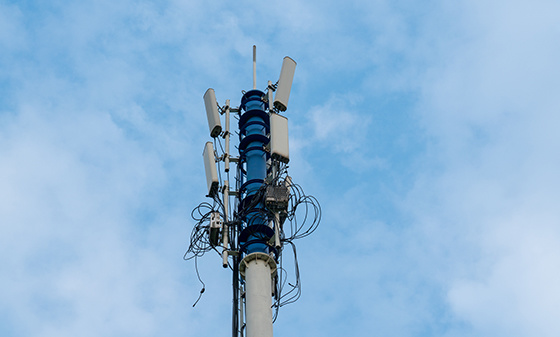 Base station certification
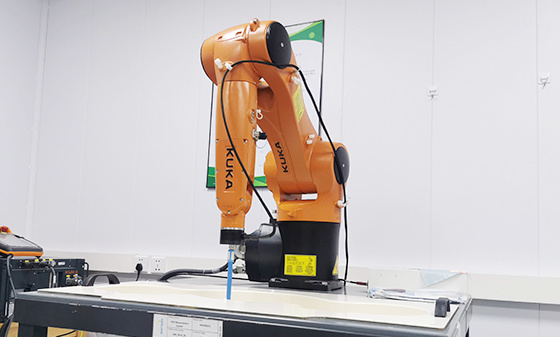 SAR testing
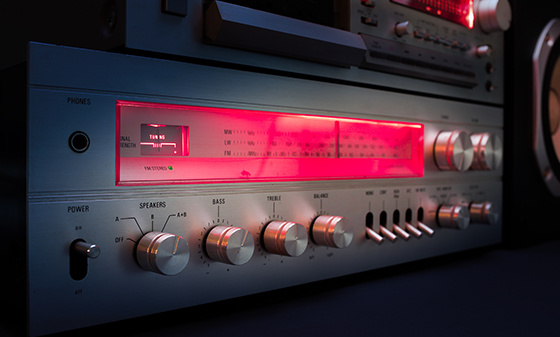 Receiver Product Certification
 5G NR Product Certification
 UWB Product Certification
 Internet of Things authentication
Electromagnetic compatibility
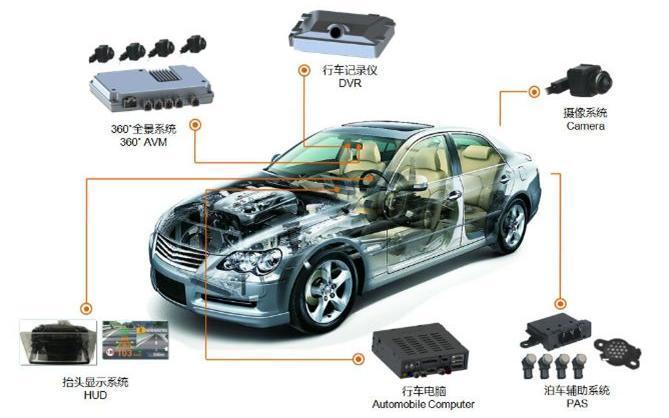 Automotive Electronics EMC Testing
 EMC rectification
 EMC
EMC
Automotive Electronics
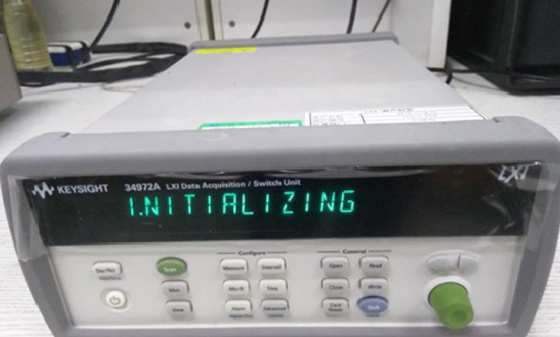 Electrical performance testing
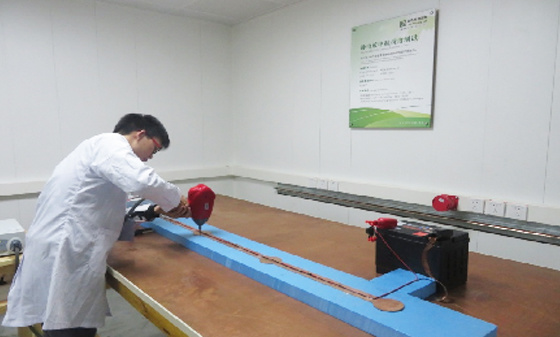 EMS testing - radiation anti-interference testing system (including radar waves)
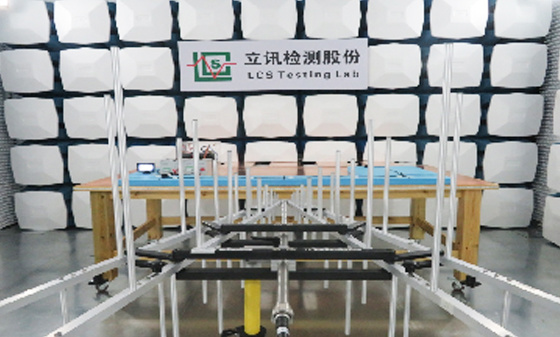 EMS Testing - Electrostatic Discharge
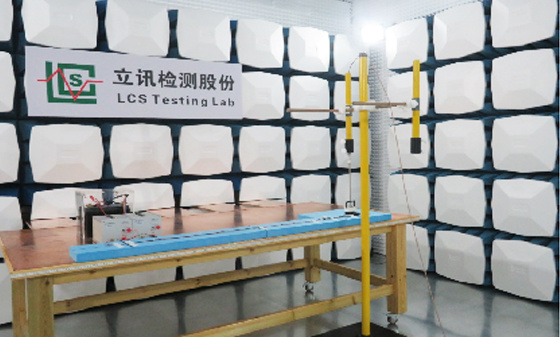 EMS Test - Transient Conducted Immunity Test
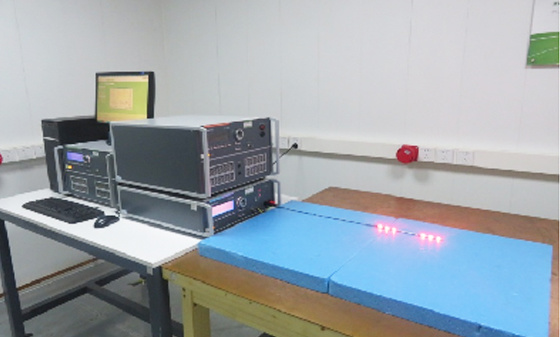 EMS Testing - Portable Transmitter Immunity
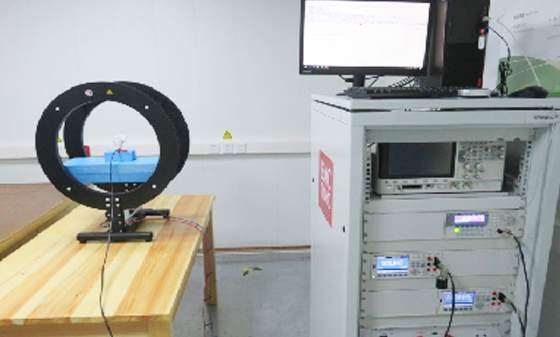 EMS Test - High Current Injection (BCI) Test
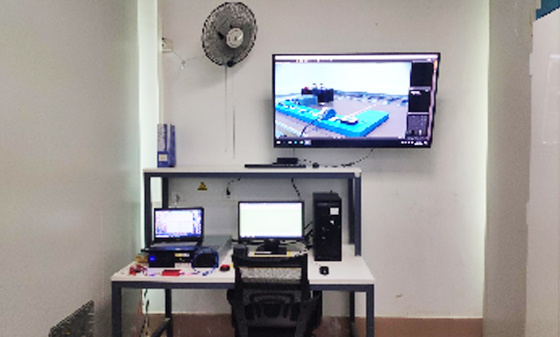 EMS test - low-frequency magnetic field anti-interference test
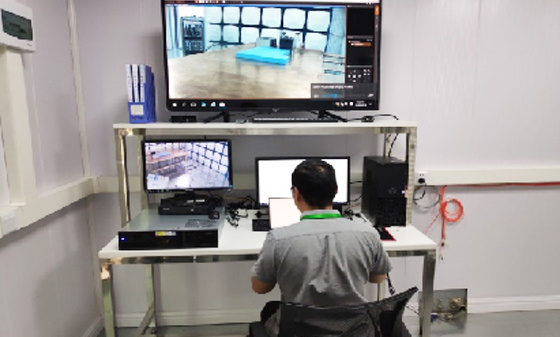 EMI Testing - Transient Conducted Emissions Testing System
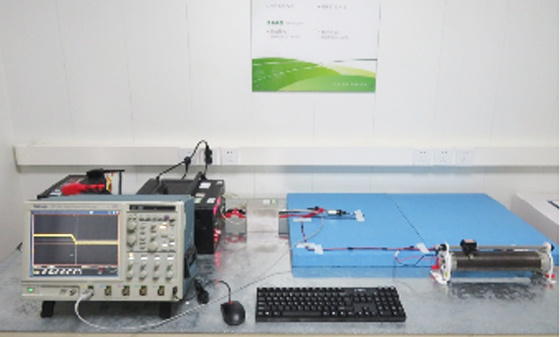 EMI testing - low-frequency magnetic field emission
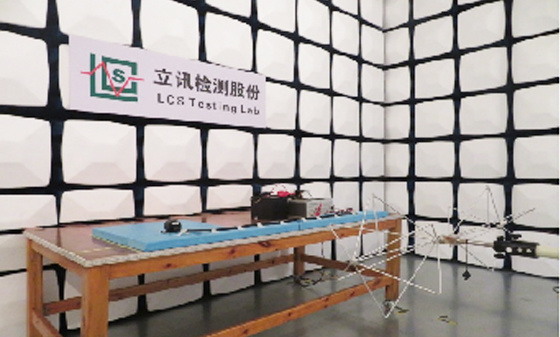 EMI Test - Radiation Emission Test
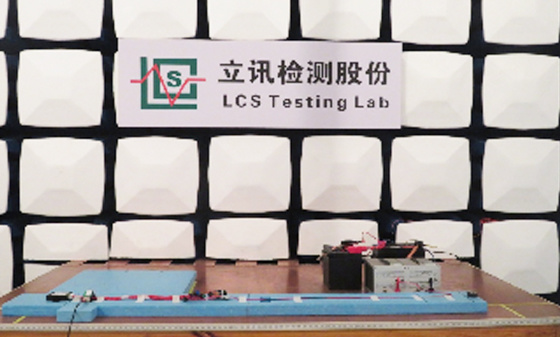 EMI Test - Conducted Emissions Test
 Automotive Electronic Testing
Automotive Parts Inspection
 Automotive ELV&VOC
 Reliability testing
 Temperature shock test
 Vibration testing
 Instrument panel/instrument panel three comprehensive vibration test
 Comprehensive vibration test of door inner panel III
 Sunvisor Three Comprehensive Vibration Test
 Spoiler Three Comprehensive Vibration Test
 Three comprehensive vibration tests of car front and rear bumpers
 Three comprehensive vibration tests for lamp housing/lampshade
 Comprehensive vibration test of outer circumference three
 Automotive metal material testing
 Performance testing of automotive lighting fixtures
 Rapid temperature change test
 Vibration
 Common issues with vibration testing
 Common issues with fatigue testing
 Common issues with high and low temperature testing
 Conducted Interference (CE) - Suzhou Lixun Standard
 Electromagnetic Radiation Tolerance Test (RS) - Suzhou LCS Standard
 Electrical Fast Pulse Withstand Test (EFT) - Suzhou LCS Standard
 Voltage flicker test - Suzhou LCS standard
Electronic appliances
 Household appliance product testing
 Electrical accessory product testing
 Household appliance testing
Chemical Testing
 Introduction to PFAS Testing
 MOSH/MOAH Mineral Oil Testing Service
 MOSH/MOAH Mineral Oil Testing and Certification Report Service
 Consumer Product Testing Services - WEEE Chapter
 Ecological textile testing
 Leather Footwear Inspection
 Food contact material testing
 Testing of toys and baby products
 Hazardous substance testing
Electronic Cigarette Testing
 Electronic cigarette detection
Reliability testing
 Other tests - pencil hardness test
 Mechanical testing - Packaging compression test
 Climate environment testing - Xenon lamp aging test
Battery Testing
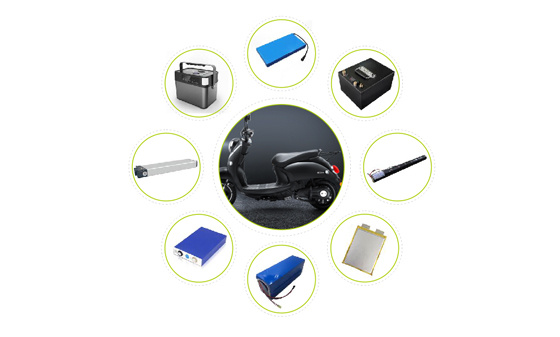 Power storage battery testing and certification
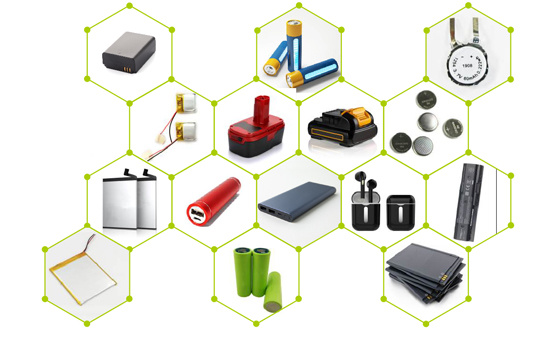 Consumer Electronics Battery Testing and Certification
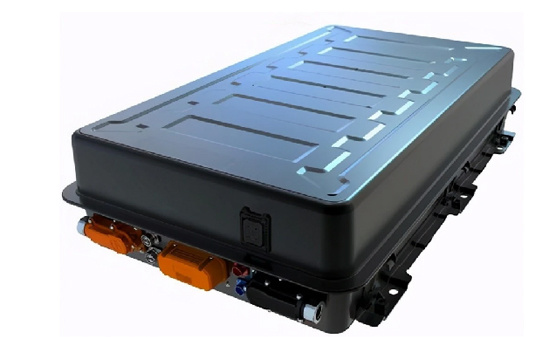 power battery
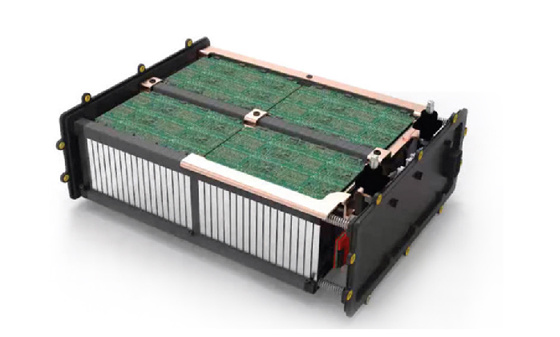 Light electric vehicle batteries
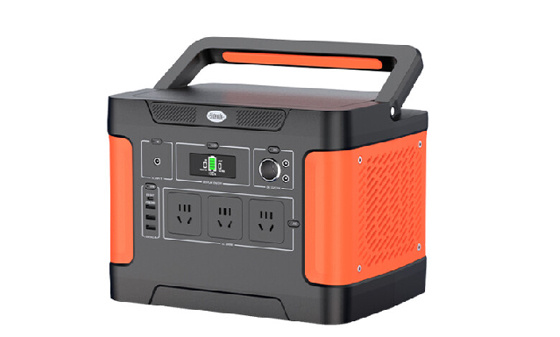 Energy storage battery
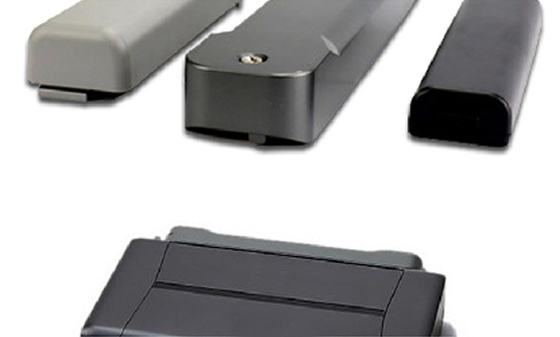 Portable battery
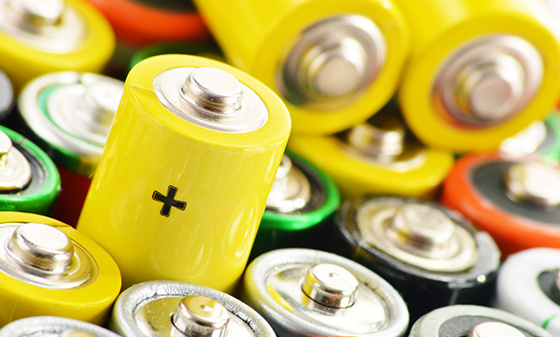 Battery testing
 battery test
Lamp Inspection
 Inspection of ship lighting fixtures
 COI Index Test for Medical Indoor Lighting
 Lamp safety inspection
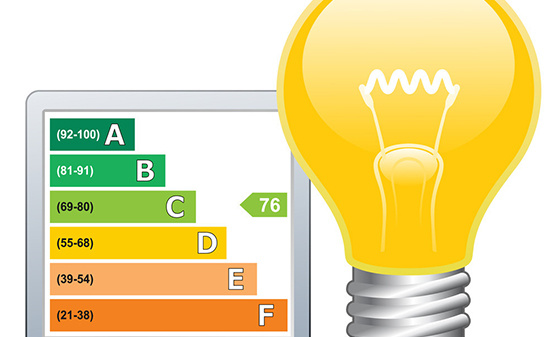 Luminaire energy efficiency testing
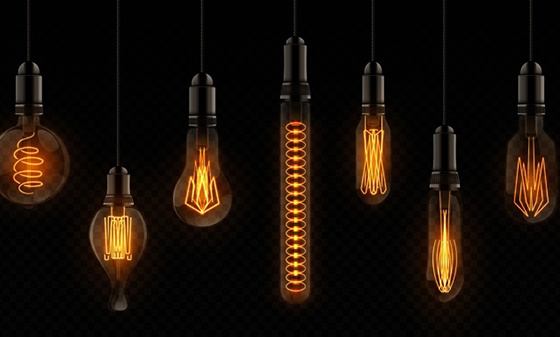 EMC testing of lighting fixtures
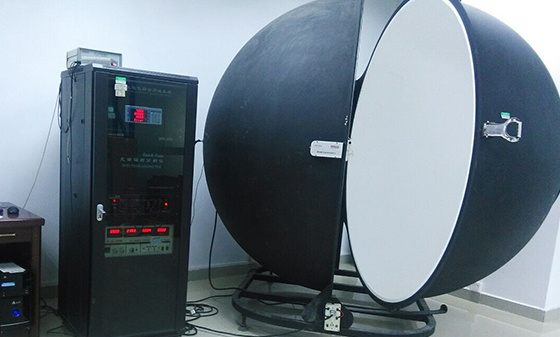 Integral Ball Laboratory
 Photobiology Experiment
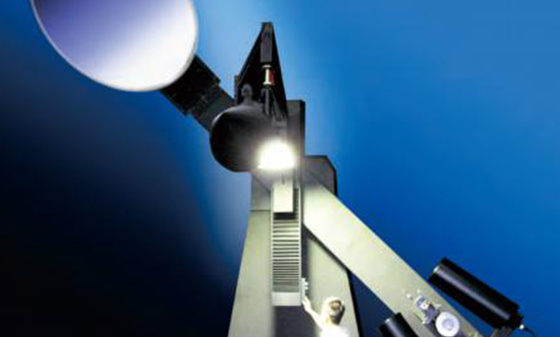 Light distribution test
 Lamp aging test
 Lamp IP waterproof
 Lamp performance testing
 Lamp reliability testing
Children's toy testing
 Testing standards for toy products
China Certification
 China's "national promotion" RoHS certification
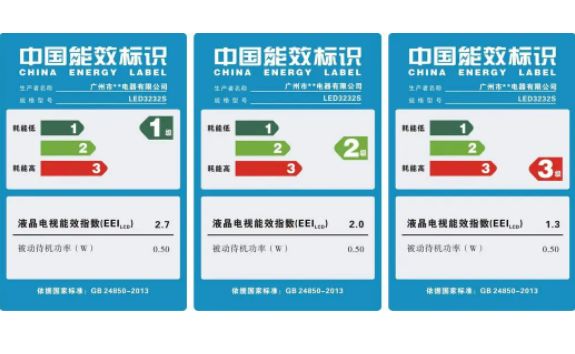 China Energy Efficiency Label Certification
 China Energy Conservation Certification
 China CQC Certification
 Tmall JD Quality Inspection Report
 China SRRC Certification
 Taiwan BSMI certification
 Taiwan NCC certification
 China CCC Compulsory Certification
Asia Certification
 Vietnam certification
 KC certification
 KUCAS Certification in Kuwait
 Singapore PSB certification
 Iraq COC Certification
 IMDA certification
 VCCI Certification in Japan
 JATE certification in Japan
 PSE certification
 BIS certification
 Japanese TELEC certification
European Certification
 RoHS certification
 GOST certification in Russia
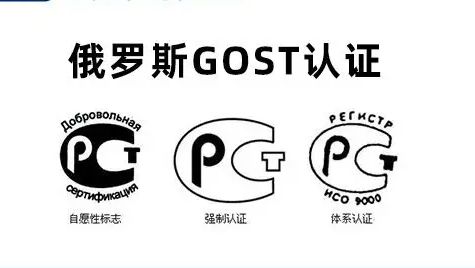 Russian EAC certification
 Northern Ireland UKNI logo
 Electrical ENEC certification
 European D-MARK certification
 Türkiye BTK certification
 TSE certification in Türkiye
 CE certification in Türkiye
 RED certification
 German TUV-SUD certification
 CE-ERP certification
 REACH certification
 German GS certification
 EU E-Mark certification
North American Certification
 Ecuador VOC certification
 Mexico NOM certification
 IRAM certification
 CPSC Certification in the United States
 CSA certification
 ASTM certification
 FDA certification
 CEC certification
 ETL certification
 ul certification
 IC certification
 Energy Star
 FCC Certification in the United States
 ASTM certification
Middle East Certification
 Israel SII certification
 Saudi SABER certification
 GCC certification for the seven Gulf countries
 Iran COI certification
 Qatar COC Certification
 Iraq COC Certification
 Saudi EER Energy Efficiency Certification
 Saudi SABER certification
 Algeria PCA certification
 PVOC certification
Australia Certification
 New Zealand IC-F testing
 VEET certification
 LCP certification
 GEMS certification
 RCM certification
 C-Tick certification
 SAA certification
Africa Certification
 Gabon COC certification
 Algeria COC certification

 Ethiopian VOC and COC certification
 Mauritius VOC certification
 Ghana COC certification
 COC certification in Burundi
 Zambia COC certification
 Botswana COC Certification
 Uganda PVOC certification
 SABS certification in South Africa
 South African LOA certification
 Zimbabwe CBCA Certification
 Nigeria SONCAP certification
 Kenya PVOC certification
 African COC certification
Other certifications
 WEEE
WEEE
 Bluetooth BQB certification
 IECEE registration
 MHRA registration in the UK
TRAINING
 Management system training
 Laboratory technical training
 Laboratory Process Consulting
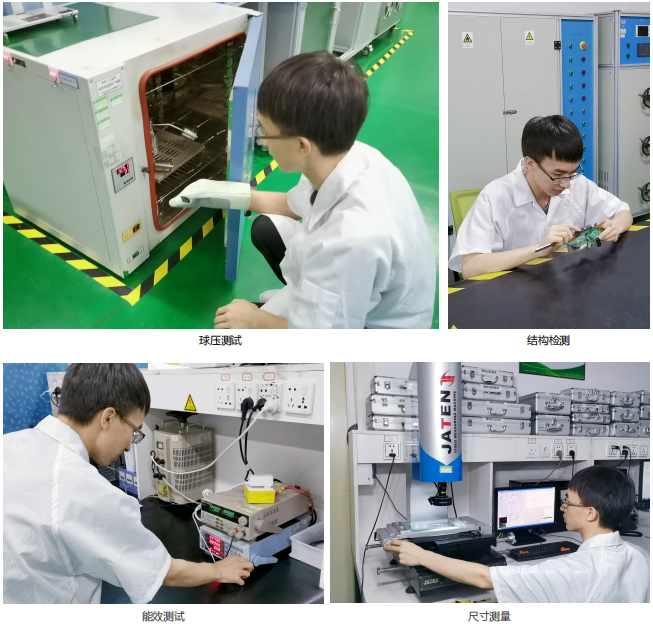 Laboratory decoration construction
Wireless Communication
Electromagnetic compatibility
Automotive Electronics
Automotive Parts Inspection
Electronic appliances
Chemical Testing
Electronic Cigarette Testing
Reliability testing
Battery Testing
Lamp Inspection
Children's toy testing
China Certification
Asia Certification
European Certification
North American Certification
Middle East Certification
Australia Certification
Africa Certification
Other certifications
TRAINING
Wireless Communication
Electromagnetic compatibility
Automotive Electronics
Automotive Parts Inspection
Electronic appliances
Chemical Testing
Electronic Cigarette Testing
Reliability testing
Battery Testing
Lamp Inspection
Children's toy testing
China Certification
Asia Certification
European Certification
North American Certification
Middle East Certification
Australia Certification
Africa Certification
Other certifications
TRAINING
Wireless Communication
Electromagnetic compatibility
Automotive Electronics
Automotive Parts Inspection
Electronic appliances
Chemical Testing
Electronic Cigarette Testing
Reliability testing
Battery Testing
Lamp Inspection
Children's toy testing
China Certification
Asia Certification
European Certification
North American Certification
Middle East Certification
Australia Certification
Africa Certification
Other certifications
TRAINING
Wireless Communication
Electromagnetic compatibility
Automotive Electronics
Automotive Parts Inspection
Electronic appliances
Chemical Testing
Electronic Cigarette Testing
Reliability testing
Battery Testing
Lamp Inspection
Children's toy testing
China Certification
Asia Certification
European Certification
North American Certification
Middle East Certification
Australia Certification
Africa Certification
Other certifications
TRAINING
Wireless Communication
Electromagnetic compatibility
Automotive Electronics
Automotive Parts Inspection
Electronic appliances
Chemical Testing
Electronic Cigarette Testing
Reliability testing
Battery Testing
Lamp Inspection
Children's toy testing
China Certification
Asia Certification
European Certification
North American Certification
Middle East Certification
Australia Certification
Africa Certification
Other certifications
TRAINING
Wireless Communication
Electromagnetic compatibility
Automotive Electronics
Automotive Parts Inspection
Electronic appliances
Chemical Testing
Electronic Cigarette Testing
Reliability testing
Battery Testing
Lamp Inspection
Children's toy testing
China Certification
Asia Certification
European Certification
North American Certification
Middle East Certification
Australia Certification
Africa Certification
Other certifications
TRAINING

Some instructions on the EU CE marking
Author.
LCS
Source:
Post time:
2024-12-06
I have been asked multiple times in my work what tests need to be arranged if a product is to undergo CE testing. We have also seen the issue of products carrying the CE mark indiscriminately. Most of the reasons are due to a lack of understanding of the connotation of CE.
CE stands for Conformit é Europ é ene in French, meaning "European Conformity". It means declaring that products sold in the extended single market of the European Economic Area (EEA) have been evaluated and meet high safety, health, and environmental requirements, health, and environmental protection requirements)。
Many products require the CE mark to be sold in the European Union. Not all products are required to bear the CE mark. Only products covered by most New Approach Directions are required to bear the CE mark. Other products are prohibited from bearing the CE mark.
Please note that the CE mark does not indicate that the product has obtained safety certification from the European Union or other institutions, nor does it indicate the origin of the product.
Note 1: The European Economic Area refers to the region that includes the 27 member states of the European Union and the three countries of Iceland, Liechtenstein, and Norway in the European Free Trade Association (EFTA), totaling 30 countries. Switzerland in EFTA is not an EEA country. After Brexit in 2021, the UK is no longer an EEA country.
Note 2: Establishing a borderless single internal market is one of the goals of the European Union, aiming to achieve the unification of product safety regulations and the free circulation of safe products in the single market.
Responsibility for carrying the CE mark
The EU categorizes economic operators into five types, namely:
Manufacturer
Authorized representative
Importer
Distributors, and
Fulfillment Service Providers
According to EU regulations, whoever brings products into EU territory is directly responsible for product safety. Among all operators, the manufacturer bears full responsibility for product safety. The authorized representative carries out designated tasks through the manufacturer's written mandate, while others such as importers, distributors, and service providers have regulatory responsibilities for product safety. Only after completing a series of conformity assessments (i.e. confirming compliance with all applicable regulations), can manufacturers or their authorized representatives carry the CE mark for applicable products.
Note 1: If importers or distributors sell goods in their own name, they take over the responsibility of the manufacturer. At this point, they will bear legal responsibility when affixing the CE mark.
Steps for carrying CE with the product
Carrying the CE mark on a product means that the manufacturer claims to meet the high safety, health, and environmental requirements of the European Union. To meet these requirements, manufacturers need to:
➤ 1) Determine applicable directives/regulations and harmonized standards
These applicable directives or regulations should be based on the requirements of the New Method Directive and the New Legislative Framework, or written based on their provisions.
Since the introduction of the New Method Directive in 1985, over the next two decades of implementation, issues such as insufficient market supervision capabilities, varying levels of legislative and enforcement efforts among member countries, uneven capabilities of public announcement agencies, and inconsistencies and complexities in the legislative system have gradually emerged. The European Union has successively introduced Regulation (EC) No 765/2008 (Regulation (EU) 2019/1020 revised Regulation (EC) No 765/2008) and Decision 768/2008/EC as the basis for the new legislative framework in 2008.
➤ 2) Verify product specific requirements
The same product may be subject to regulations or directives covered by multiple new method directives. In addition, other EU legislation (such as horizontal legislation on chemicals or the environment) also needs to be met.
Note 1: Although CE marking can be carried after meeting the applicable regulations of CE, in reality, based on the requirements of GPSR, all products put into the EEA market must be safe. Therefore, for regulations that are not under the CE framework, such as REACH, CLP, POP, etc. When these requirements apply, products carrying CE must also comply.
Note 2: Coordinated standards refer to voluntary European standards initiated by the European Commission and drafted by CEN, CENELEC or ETSI in accordance with the requirements of corresponding directives, regulations or authorization acts.
➤ 3) Confirm whether the product can be self evaluated or must be introduced into a notified body, also known as a notified body
In general, for products with low risk, manufacturers can check the safety of the products themselves; For products with higher risks, manufacturers cannot independently check their safety. In this case, independent organizations (especially designated institutions designated by national authorities) must conduct safety inspections and evaluations before manufacturers can affix the CE mark on their products.
➤ 4) Test the product and check its compliance
If the product is suitable for self inspection by the manufacturer, the manufacturer needs sufficient evidence to prove that the product meets the relevant requirements. Of course, when manufacturers do not have testing capabilities, they can seek general third-party organizations to assess specific issues or aspects. At this point, the quality management system documents and general third-party testing reports can serve as proof documents for the product's "conformity assessment". However, in more cases, such as when product risks are high or there is a lack of corresponding coordination standards or insufficient confidence in the product, the introduction of designated institutions can be used to verify whether quality management and product design meet the "basic requirements". The designated organization will issue a CoC certificate after verifying product compliance.
➤ 5) Organize a technical documentation that records compliance
Manufacturers must establish technical documentation before submitting applications to designated institutions, or at the latest when launching the first device of the corresponding type on the market. Technical documents must be able to evaluate whether the equipment meets legal requirements.
Note 1: Manufacturers or their authorized representatives established in the European Union must keep copies of technical documents within the period specified by applicable regulations or directives. (Usually 10 years)
➤ 6) Attach the CE mark and draft and sign the EU Declaration of Conformity (EU DoC)
The CE mark must be clearly visible, recognizable, and indelible.
The CE mark must consist of the two letters "CE", with the vertical length of the two letters being the same and not less than 5 millimeters (unless otherwise specified in the relevant product requirements).

If it is necessary to reduce or enlarge the CE mark on the product, the two letter ratio should be followed. As long as the first letter is still visible, the CE mark can take different forms (such as colored, solid, or hollow).
The CE mark should be affixed first to the product itself, and should not be affixed to the packaging (if any) or any accompanying documents due to subjective factors such as aesthetic impact. It can only be affixed to the product that does not meet the conditions for affixing due to its size, shape, or features.
Manufacturers must draft an EU declaration of conformity to declare their sole responsibility for compliance with relevant regulations or directives. The DoC must include detailed information of the manufacturer, such as name and address, basic characteristics of the product, identification number of the designated organization if applicable, and a legally binding signature representing the organization.
Directive, regulation, and authorization acts that are coordinated with the CE mark
The list is as follows:
1.Toy Safety - Directive 2009/48/EU
2.Transportable pressure equipment - Directive 2010/35/EU
3.Restriction of Hazardous Substances in Electrical and Electronic Equipment - Directive 2011/65/EU
4.Construction products - Regulation (EU) No 305/2011
5.Pyrotechnic Articles - Directive 2013/29/EU
6.Recreational craft and personal watercraft - Directive 2013/53/EU
7.Civil Explosives - Directive 2014/28/EU
8.Simple Pressure Vessels - Directive 2014/29/EU
9.Electromagnetic Compatibility - Directive 2014/30/EU
10.Non-automatic Weighing Instruments - Directive 2014/31/EU
11.Measuring Instruments - Directive 2014/32/EU
12.Lifts - Directive 2014/33/EU
13.ATEX - Directive 2014/34/EU
14.Radio equipment - Directive 2014/53/EU
15.Low Voltage - Directive 2014/35/EU
16.Pressure equipment - Directive 2014/68/EU
17.Marine Equipment - Directive 2014/90/EU
18.Cableway installations - Regulation (EU) 2016/424
19.Personal protective equipment - Regulation (EU) 2016/425
20.Gas appliances - Regulation (EU) 2016/426
21.Medical devices - Regulation (EU) 2017/745
22.In vitro diagnostic medical devices - Regulation (EU) 2017/746
23.EU fertilising products – Regulation (EU) 2019/1009
24.Drones - Commission Delegated Regulation (EU) 2019/945 on unmanned aircraft systems and on third-country operators of unmanned aircraft systems
25.Batteries - Regulation (EU) 2023/1542
26.Machinery - Regulation (EU) 2023/1230
27.Ecodesign requirements for sustainable products - Regulation (EU) 2024/1781
Only products that are applicable to one or more of the above directives, regulations, and authorization acts and have been proven to meet their applicable requirements are allowed to carry the CE mark.
Note 1: Taking electronic cigarettes as an example, electronic cigarette equipment must meet the requirements of RoHS, EMC, and LVD (if equipped with mains power - charging equipment exceeding 50V), and can carry the CE mark after meeting the relevant requirements. But if it is only a single supplementary container (not sold together with the equipment packaging), it is generally not allowed to carry the CE mark because there are no applicable directives, regulations, and authorization laws.
Note 2: There is no RoHS compliance mark in the regulatory sense, and it is not necessary to carry such a mark after meeting RoHS requirements. Also, because the RoHS directive is an inherent requirement under the CE framework, it is a CE requirement for electronic products to meet RoHS requirements. Carrying CE is also a synchronous declaration by manufacturers that their electronic products comply with RoHS requirements.
Validity period of CE mark
The CE mark has no expiration date. However, the DoC required for CE marking must be kept up-to-date. If any elements of DoC change, the declared version must be updated. Changes may occur due to modifications or updates of laws and regulations, changes in products, or changes in the contact information of manufacturers or authorized representatives.
Related articles
New articles
Media Center
Latest News
Contact Us
National 24-hour service hotline
400-116-2629
Group Headquarters
E-mail: webmaster@lcs-cert.com
Address: Shenzhen City, Baoan District, Shajing Street, Nga side of the school of Wei Juji Industrial Park, Building A 1 ~ 2 floor, Building C 3 floor


 WeChat Inquiry


 Reservation


Contact Us
National 24-hour service hotline
Address:Juji Industrial Park, Xueziwei, Ngabian, Shajing Street, Baoan District, Shenzhen Building A 1~2F, Building C 3F

WeChat public number
Share industry dry goods

WeChat consultation
Please note consulting services

Follow Jitterbug

Mobile website
di complaint mailbox: customer.complaint@lcs-cert.com complaint telephone tel: 18126445450 certificate report verification of authenticity mailbox: verification@lcs-cert.com