

Wireless Communication
 EU RED Network Security Standard EN 18031
 Wireless and communication detection
 Mobile communication product certification
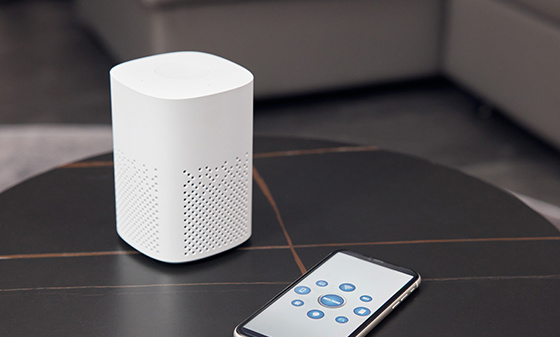 Bluetooth BQB Product Certification
 FM/AM Product Certification
 WiFi Product Certification
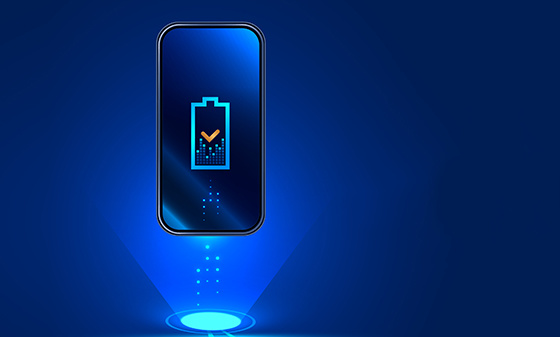 Wireless charging product certification
 Interphone product certification
 Base station certification
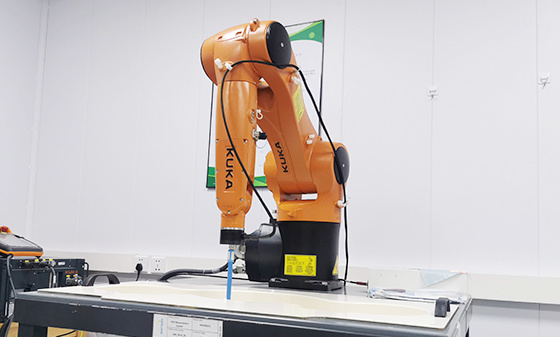 SAR testing
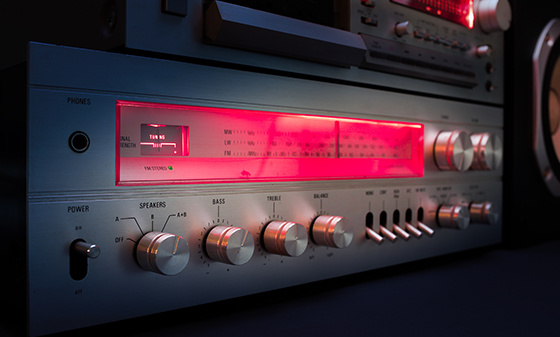 Receiver Product Certification
 5G NR Product Certification
 UWB Product Certification
 Internet of Things authentication
Electromagnetic compatibility
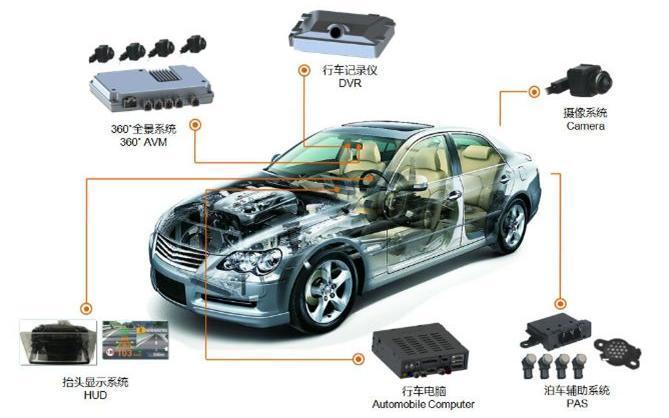 Automotive Electronics EMC Testing
 EMC rectification
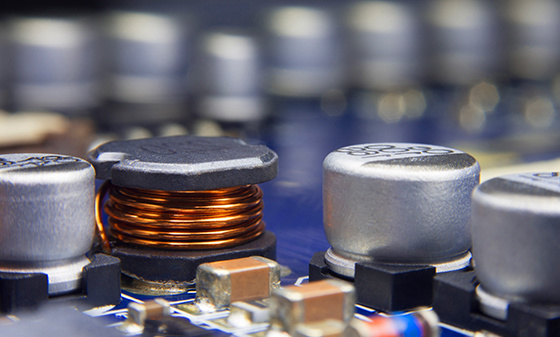 EMC
EMC
Automotive Electronics
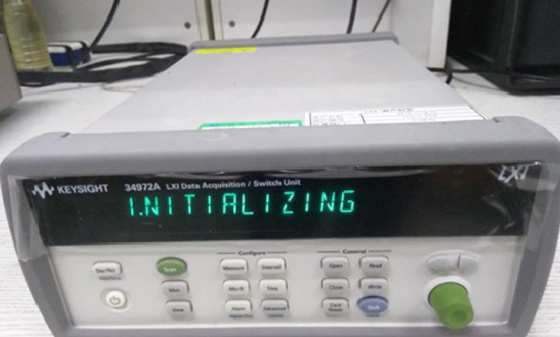 Electrical performance testing
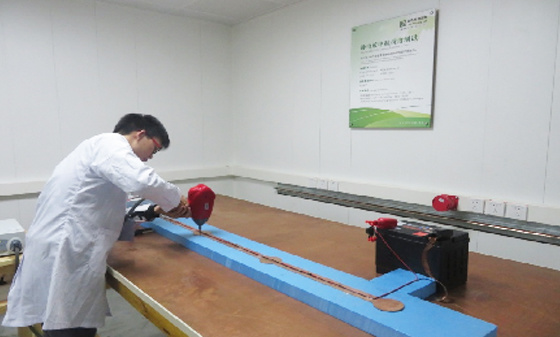 EMS testing - radiation anti-interference testing system (including radar waves)
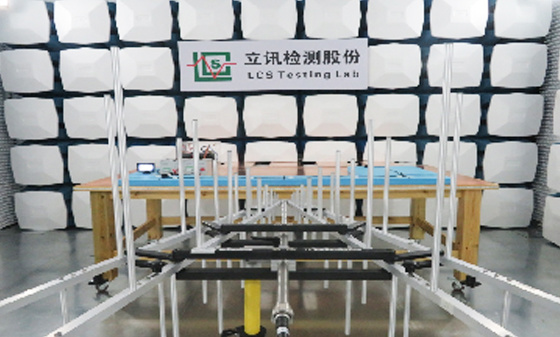 EMS Testing - Electrostatic Discharge
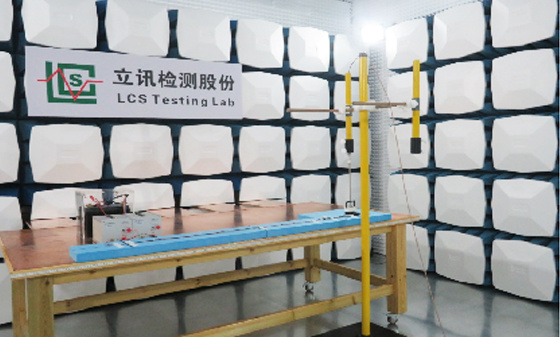 EMS Test - Transient Conducted Immunity Test
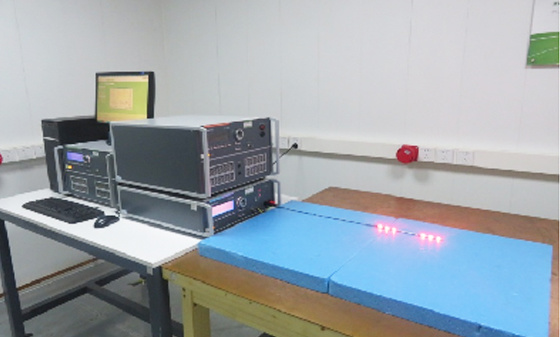 EMS Testing - Portable Transmitter Immunity
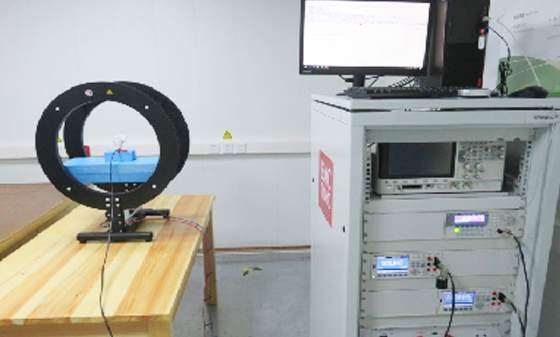 EMS Test - High Current Injection (BCI) Test
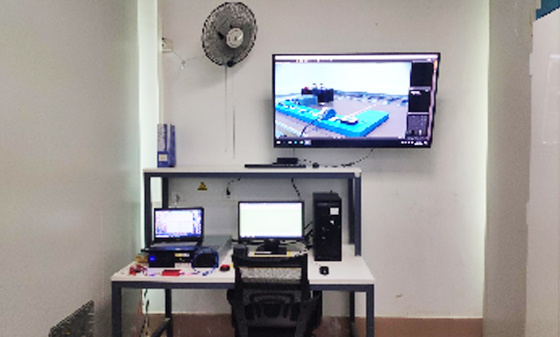 EMS test - low-frequency magnetic field anti-interference test
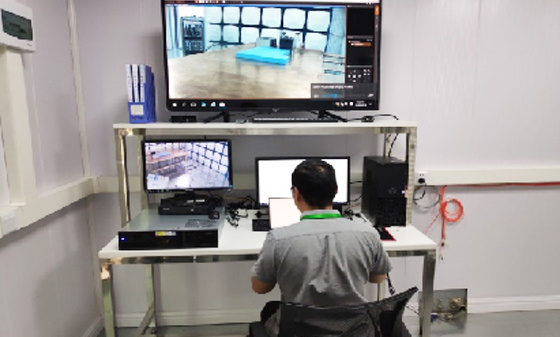 EMI Testing - Transient Conducted Emissions Testing System
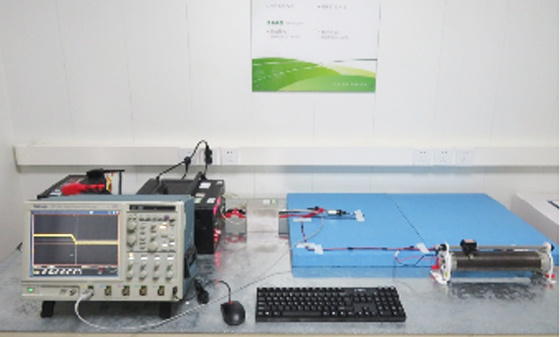 EMI testing - low-frequency magnetic field emission
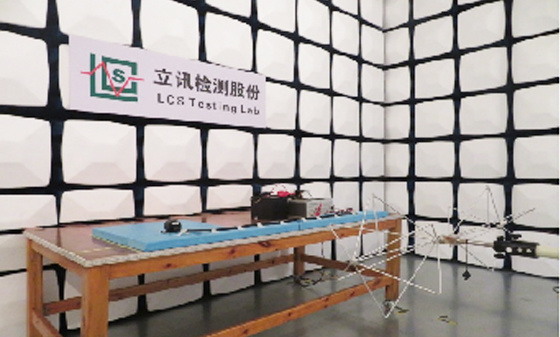 EMI Test - Radiation Emission Test
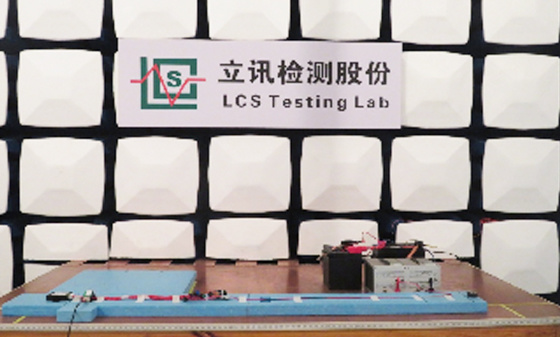 EMI Test - Conducted Emissions Test
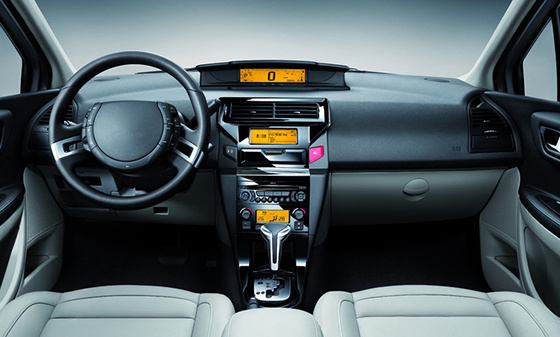 Automotive Electronic Testing
Automotive Parts Inspection
 Automotive ELV&VOC
 Reliability testing
 Temperature shock test
 Vibration testing
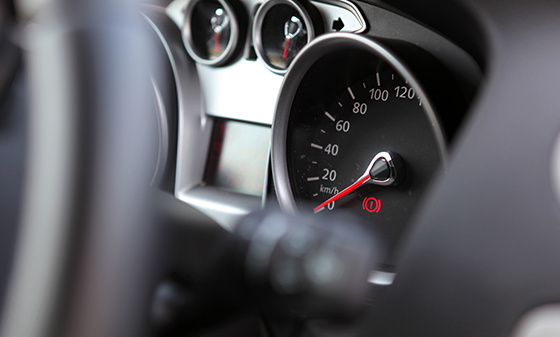 Instrument panel/instrument panel three comprehensive vibration test
 Comprehensive vibration test of door inner panel III
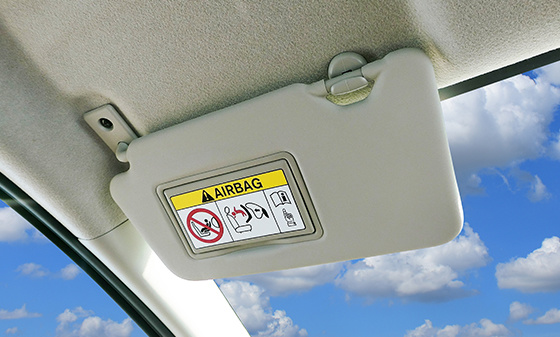 Sunvisor Three Comprehensive Vibration Test
 Spoiler Three Comprehensive Vibration Test
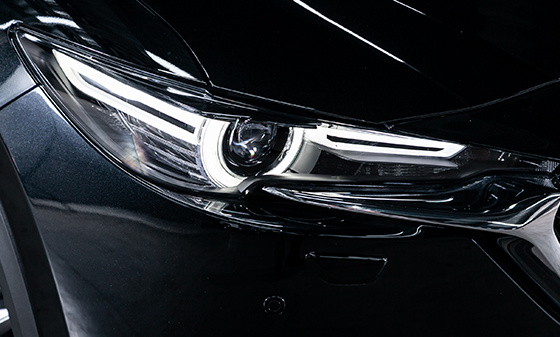 Three comprehensive vibration tests of car front and rear bumpers
 Three comprehensive vibration tests for lamp housing/lampshade
 Comprehensive vibration test of outer circumference three
 Automotive metal material testing
 Performance testing of automotive lighting fixtures
 Rapid temperature change test
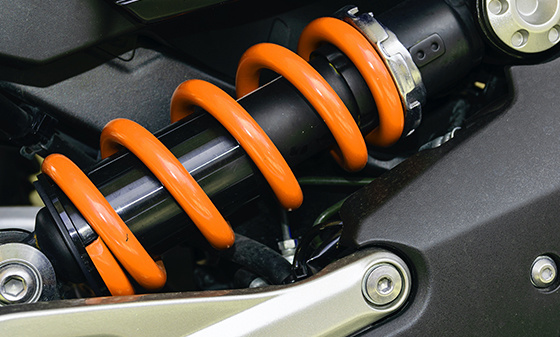 Vibration
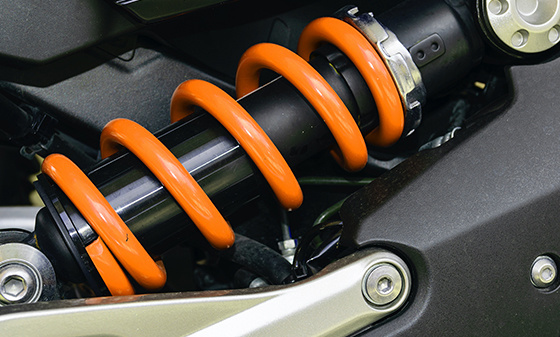 Common issues with vibration testing
 Common issues with fatigue testing
 Common issues with high and low temperature testing
 Conducted Interference (CE) - Suzhou Lixun Standard
 Electromagnetic Radiation Tolerance Test (RS) - Suzhou LCS Standard
 Electrical Fast Pulse Withstand Test (EFT) - Suzhou LCS Standard
 Voltage flicker test - Suzhou LCS standard
Electronic appliances
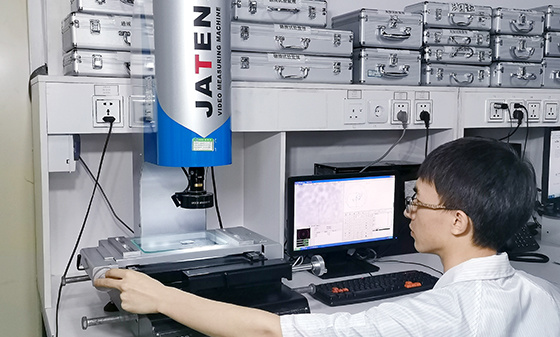 Household appliance product testing
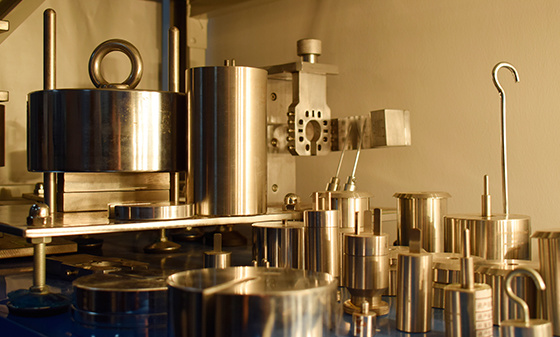 Electrical accessory product testing
 Household appliance testing
Chemical Testing
 Introduction to PFAS Testing
 MOSH/MOAH Mineral Oil Testing Service
 MOSH/MOAH Mineral Oil Testing and Certification Report Service
 Consumer Product Testing Services - WEEE Chapter
 Ecological textile testing
 Leather Footwear Inspection
 Food contact material testing
 Testing of toys and baby products
 Hazardous substance testing
Electronic Cigarette Testing
 Electronic cigarette detection
Reliability testing
 Other tests - pencil hardness test
 Mechanical testing - Packaging compression test
 Climate environment testing - Xenon lamp aging test
Battery Testing
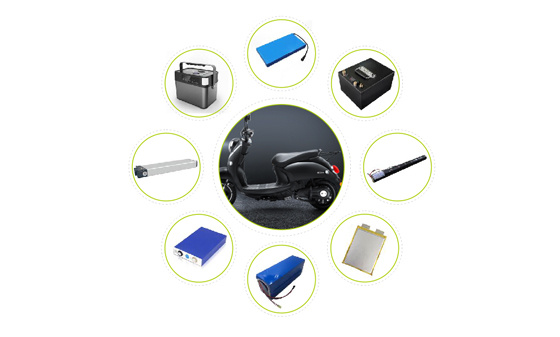 Power storage battery testing and certification
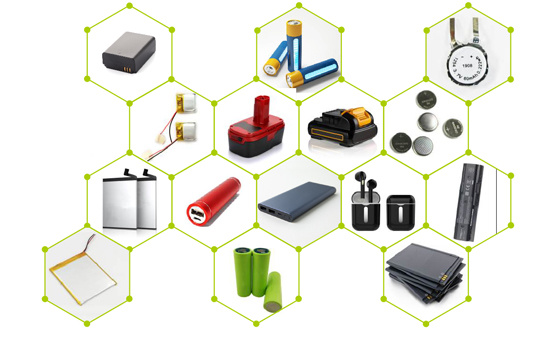 Consumer Electronics Battery Testing and Certification
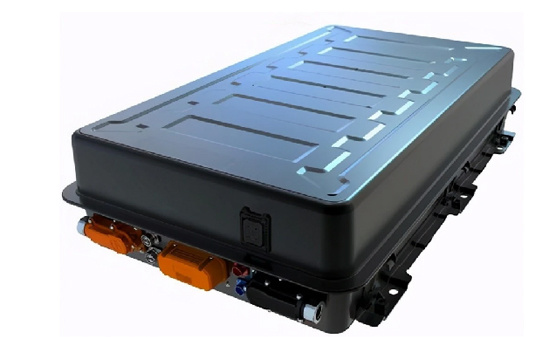 power battery
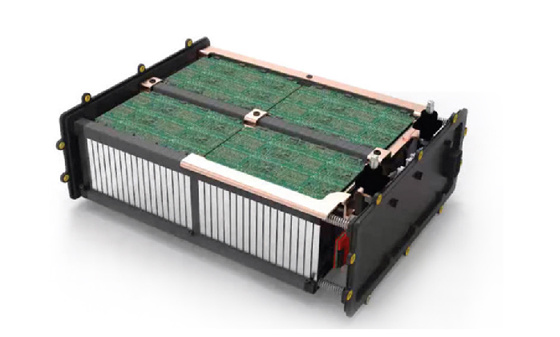 Light electric vehicle batteries
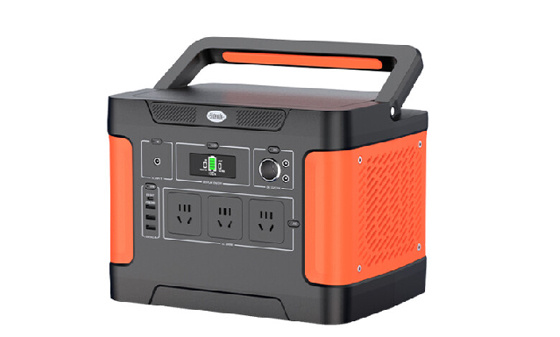 Energy storage battery
 Portable battery
 Battery testing
 battery test
Lamp Inspection
 Inspection of ship lighting fixtures
 COI Index Test for Medical Indoor Lighting
 Lamp safety inspection
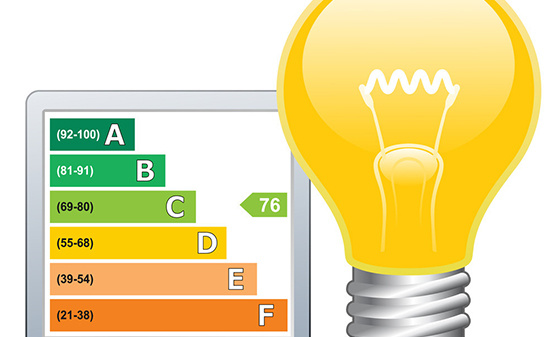 Luminaire energy efficiency testing
 EMC testing of lighting fixtures
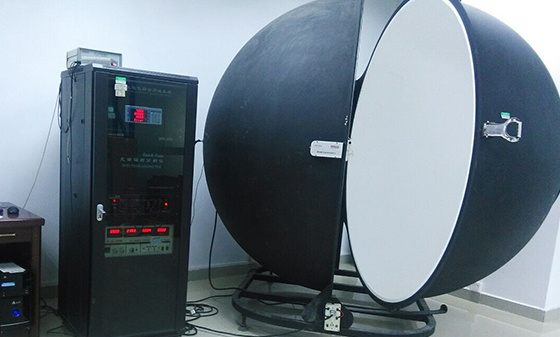 Integral Ball Laboratory
 Photobiology Experiment
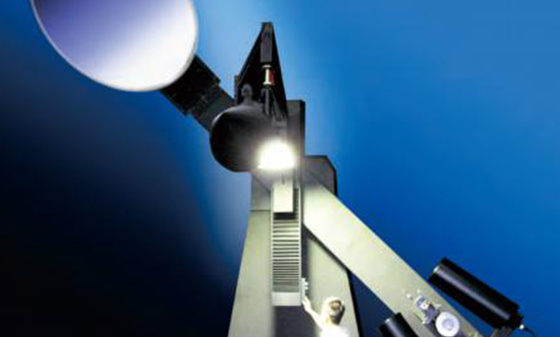 Light distribution test
 Lamp aging test
 Lamp IP waterproof
 Lamp performance testing
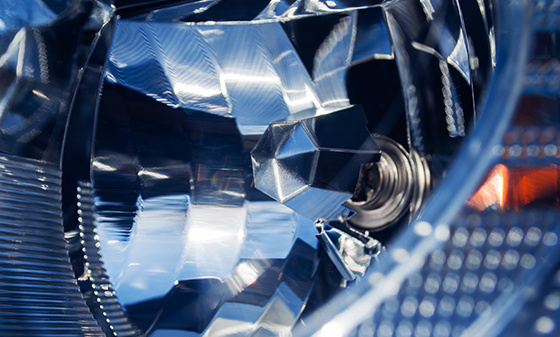 Lamp reliability testing
Children's toy testing
 Testing standards for toy products
China Certification
 China's "national promotion" RoHS certification
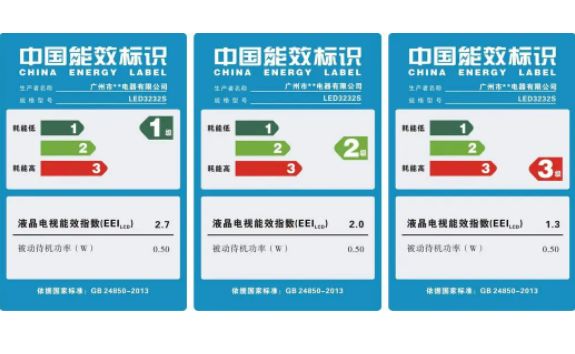 China Energy Efficiency Label Certification
 China Energy Conservation Certification
 China CQC Certification
 Tmall JD Quality Inspection Report
 China SRRC Certification
 Taiwan BSMI certification
 Taiwan NCC certification
 China CCC Compulsory Certification
Asia Certification
 Vietnam certification
 KC certification
 KUCAS Certification in Kuwait
 Singapore PSB certification
 Iraq COC Certification
 IMDA certification
 VCCI Certification in Japan
 JATE certification in Japan
 PSE certification
 BIS certification
 Japanese TELEC certification
European Certification
 RoHS certification
 GOST certification in Russia
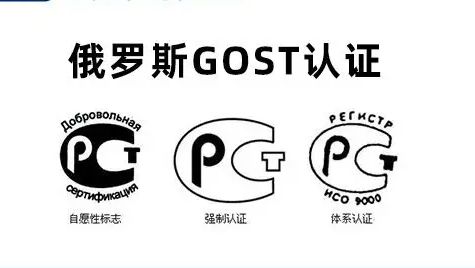 Russian EAC certification
 Northern Ireland UKNI logo
 Electrical ENEC certification
 European D-MARK certification
 Türkiye BTK certification
 TSE certification in Türkiye
 CE certification in Türkiye
 RED certification
 German TUV-SUD certification
 CE-ERP certification
 REACH certification
 German GS certification
 EU E-Mark certification
North American Certification
 Ecuador VOC certification
 Mexico NOM certification
 IRAM certification
 CPSC Certification in the United States
 CSA certification
 ASTM certification
 FDA certification
 CEC certification
 ETL certification
 ul certification
 IC certification
 Energy Star
 FCC Certification in the United States
 ASTM certification
Middle East Certification
 Israel SII certification
 Saudi SABER certification
 GCC certification for the seven Gulf countries
 Iran COI certification
 Qatar COC Certification
 Iraq COC Certification
 Saudi EER Energy Efficiency Certification
 Saudi SABER certification
 Algeria PCA certification
 PVOC certification
Australia Certification
 New Zealand IC-F testing
 VEET certification
 LCP certification
 GEMS certification
 RCM certification
 C-Tick certification
 SAA certification
Africa Certification
 Gabon COC certification
 Algeria COC certification

 Ethiopian VOC and COC certification
 Mauritius VOC certification
 Ghana COC certification
 COC certification in Burundi
 Zambia COC certification
 Botswana COC Certification
 Uganda PVOC certification
 SABS certification in South Africa
 South African LOA certification
 Zimbabwe CBCA Certification
 Nigeria SONCAP certification
 Kenya PVOC certification
 African COC certification
Other certifications
 WEEE
WEEE
 Bluetooth BQB certification
 IECEE registration
 MHRA registration in the UK
TRAINING
 Management system training
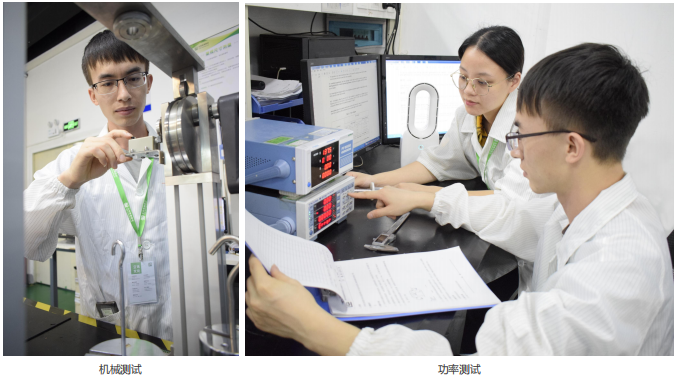 Laboratory technical training
 Laboratory Process Consulting
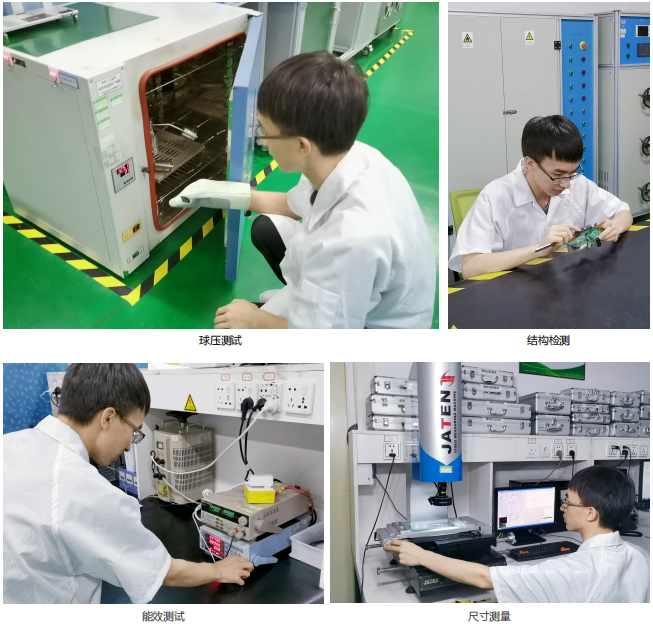 Laboratory decoration construction
Wireless Communication
Electromagnetic compatibility
Automotive Electronics
Automotive Parts Inspection
Electronic appliances
Chemical Testing
Electronic Cigarette Testing
Reliability testing
Battery Testing
Lamp Inspection
Children's toy testing
China Certification
Asia Certification
European Certification
North American Certification
Middle East Certification
Australia Certification
Africa Certification
Other certifications
TRAINING
Wireless Communication
Electromagnetic compatibility
Automotive Electronics
Automotive Parts Inspection
Electronic appliances
Chemical Testing
Electronic Cigarette Testing
Reliability testing
Battery Testing
Lamp Inspection
Children's toy testing
China Certification
Asia Certification
European Certification
North American Certification
Middle East Certification
Australia Certification
Africa Certification
Other certifications
TRAINING
Wireless Communication
Electromagnetic compatibility
Automotive Electronics
Automotive Parts Inspection
Electronic appliances
Chemical Testing
Electronic Cigarette Testing
Reliability testing
Battery Testing
Lamp Inspection
Children's toy testing
China Certification
Asia Certification
European Certification
North American Certification
Middle East Certification
Australia Certification
Africa Certification
Other certifications
TRAINING
Wireless Communication
Electromagnetic compatibility
Automotive Electronics
Automotive Parts Inspection
Electronic appliances
Chemical Testing
Electronic Cigarette Testing
Reliability testing
Battery Testing
Lamp Inspection
Children's toy testing
China Certification
Asia Certification
European Certification
North American Certification
Middle East Certification
Australia Certification
Africa Certification
Other certifications
TRAINING
Wireless Communication
Electromagnetic compatibility
Automotive Electronics
Automotive Parts Inspection
Electronic appliances
Chemical Testing
Electronic Cigarette Testing
Reliability testing
Battery Testing
Lamp Inspection
Children's toy testing
China Certification
Asia Certification
European Certification
North American Certification
Middle East Certification
Australia Certification
Africa Certification
Other certifications
TRAINING
Wireless Communication
Electromagnetic compatibility
Automotive Electronics
Automotive Parts Inspection
Electronic appliances
Chemical Testing
Electronic Cigarette Testing
Reliability testing
Battery Testing
Lamp Inspection
Children's toy testing
China Certification
Asia Certification
European Certification
North American Certification
Middle East Certification
Australia Certification
Africa Certification
Other certifications
TRAINING

Heavy new regulations | EN71-1:2026 officially released! EU toy machinery safety requirements have been fully upgraded, export enterprises should quickly read the compliance guidelines
Author.
LCS
Source:
Post time:
2026-03-10
For toy companies deeply involved in the EU market, a key compliance milestone will be reached at the beginning of 2026- EN71-1:2026 "Toy Safety Part 1: Mechanical and Physical Properties" was officially released by the European Committee for Standardization (CEN) on January 28, which will fully replace the old version EN71-1:2014+A1:2018 and become the core mandatory standard for EU toy market access.
This standard update directly targets safety vulnerabilities in emerging toy categories, tightens multiple key requirements, and fills regulatory gaps in categories such as simulated food toys and balance bikes. From the release of the standard to its formal mandatory implementation, there is only over a year left for companies to adjust, test, and iterate their products. By July 31, 2027, the old version will be completely abolished, and products that do not meet the standards will be directly rejected from the EU market.
Whether you are a toy manufacturing enterprise, foreign trade service provider, or testing institution, you need to take immediate action, understand the key points of the new regulations, and make compliance arrangements. This article breaks down the core changes, implementation timeline, and practical response guidelines of the new version of EN71-1 for you. It is recommended to bookmark and share for everyone to learn!
1、 Focus on the core timeline and accurately control the pace of compliance
The new version of EN71-1 has clear phased implementation requirements, and enterprises need to strictly benchmark time nodes to avoid compliance gaps and missed adjustment window periods:
✅ Effective from January 28, 2026, the new regulations will be officially released and can be implemented in accordance with them from today onwards
✅ Member State Conversion: By July 31, 2026, all CEN member states shall complete the conversion of their national standards and achieve unified implementation within the region
✅ Old version abolished: On July 31, 2027, EN71-1:2014+A1:2018 officially expired, and the new version became the only mandatory standard in the EU market
✅ Official Gazette: It is expected to be officially included in the Official Journal of the European Union (OJEU) in early 2027, becoming a coordinated standard for the EU Toy Safety Directive 2009/48/EC
Key Reminder: During the transition period, new and old standards can be implemented in parallel. However, after July 31, 2027, customs and testing agencies will conduct comprehensive audits according to the new standards, and products that do not meet the standards will be prohibited from entering the market!
2、 8 major core technology changes, targeting high-risk categories and execution pain
The core of this revision of the new standard is to refine the terms, supplement testing methods, and fill regulatory gaps. In response to the ambiguous areas in previous implementation and the high incidence of child injury in toy categories, a comprehensive safety upgrade has been carried out. Among them, 8 major changes are directly related to product compliance and require special attention!
1. Add a special control for "simulated food toys" to eliminate the risk of choking caused by accidental ingestion
This is the core new content of the new standard! For toys such as highly simulated cakes, candies, and mini kitchen utensils that are easily ingested by young children, exclusive clauses have been added for the first time, explicitly requiring that such toys or touchable parts must not be small parts and must pass a special test for suffocation risk to avoid the risk of ingestion from the source.
At the same time, a technical guideline CEN/TR 18240 was released to clearly define the criteria for determining "highly simulated food" and solve the problem of no clear regulations in the past.
2. Comprehensive revision of riding toys, adding special requirements for multiple categories
Riding toys are a high-risk category for children's toy injuries. The new version breaks the previous general requirements and formulates exclusive standards according to the category, filling multiple gaps:
➤ Added toy balance car
➤ Added single track/multi track riding toys and non wheeled riding toys
➤ Optimize requirements for scooters/toy bicycles: Add wheel to body clearance (anti pinch) and handle pole end impact/torque testing for scooters; Bicycle upgrade brake performance test, adding tests for stable wheel distance and bracket strength.
3. The expansion material requires further tightening, and a 20mm hole gauge test has been added
The new version significantly tightens safety limits for internet famous expansion toys such as crystal clay and expansion beads, introducing a hole gauge test with a diameter of 20.0mm, requiring the material to fully pass the hole gauge after absorbing water and expanding. At the same time, a compliance determination method based on the American ASTM F963 standard has been added to fundamentally reduce the risk of respiratory tract blockage in children after ingestion.
4. Optimization testing of catapult toys, tailored to actual usage scenarios
Targeted adjustments to the kinetic energy, speed, and safety requirements of catapult toys:
➤ For energy storage catapult toys
➤ Clearly identify non energy storage catapult toys
5. Complete terminology definitions and add multiple category specific definitions
In response to the problems of vague terminology and unclear category definition in previous standards, new definitions have been added for overflow, latex balloons, reference boxes, soft materials, toy boxes, etc. At the same time, sub definitions for balance bikes, single track/multi track riding toys, etc. have been added under the riding toy category to make standard interpretation and laboratory execution more unified and reduce disputes.
6. Toys for children under 3 years old, multiple testing requirements upgraded
The safety requirements for toys for young children are further refined, with a focus on optimizing three major aspects:
➤ Small parts testing: adding sand for sand pits
➤ Abuse testing: Update the tensile testing method for cardboard components, clarify that wooden components bonded with glue need to undergo immersion testing to verify structural stability;
➤ Neck strap requirement: After the separation structure test, the strap must be able to reconnect to avoid the risk of accidental ingestion caused by component detachment.
7. Closed/accessible toys, updated ventilation and opening force requirements
Update the layout, size requirements, and testing methods of multiple ventilation openings for children's accessible toy houses, enclosed toys, etc., and provide accompanying illustrations to ensure ventilation; Simultaneously optimize the testing method for the opening force of toy closures, balancing safety and child operability.
8. Warning and usage instructions, standardized layout and icon usage
Unified warning language execution standards to avoid compliance issues caused by non-standard labeling:
➤ Clarify the layout order of age warning icons and 'Warning'
➤ New requirement for riding toys: EN ISO 7010 special icon must be labeled with "protective equipment to be worn"
➤ Integrate warning messages for load-bearing toys to make labeling more concise, clear, and easy for consumers to identify.
In addition, the new version has also made detailed optimizations to the yo yo test: in the elasticity coefficient K test, if the tether breaks, it is directly judged as meeting the requirements, simplifying the test judgment logic.
3、 Must see for businesses! Four step compliance guide for transition period, key to avoiding pitfalls
The implementation of the new version of EN71-1 is not only a compliance challenge for enterprises, but also an opportunity to upgrade product quality and enhance competitiveness in the EU market. Based on standard requirements and industry practical experience, it is recommended that enterprises start from the following four aspects to quickly complete adaptation and avoid pitfalls:
Step 1: Conduct a comprehensive investigation of the product line and identify high-risk categories
Immediately sort out all toy products exported to the European Union, with a focus on labeling the categories most affected by the new regulations, such as simulated food toys, riding toys (especially balance bikes), inflatable toys, catapult toys, and toys for children under 3 years old. Compare the product design and material selection with the new regulations one by one to determine if they meet the requirements, and establish a problem log.
Step 2: Update the testing system and synchronize quality control standards
Quickly connect with third-party testing institutions with EU qualifications, update internal testing methods and equipment:
➤ New testing items: Balance car brake test, 20mm expansion material hole gauge test, verification of protective equipment labeling for riding toys, etc;
➤ Optimize existing testing: complete dual state small part testing of inflatable toys and immersion testing of wooden components according to new regulations;
➤ Strengthen quality control in the production process: focus on controlling key indicators such as seam tension of soft filled toys and structural strength of riding toys.
Step 3: Collaborate with the supply chain to ensure upstream material compliance
Synchronize with the new standard requirements for upstream raw material suppliers, focusing on key materials such as expansion materials, plastic parts, and textile materials, requiring them to provide material testing certificates that comply with EN71-1:2026, in order to avoid product risks caused by material non-compliance from the source, and if necessary, re screen qualified suppliers.
Step 4: Digesting old version inventory and initiating product iteration
Utilize the remaining transition period to develop an inventory digestion plan and prioritize the clearance of old compliant products; At the same time, organize R&D and design teams to initiate product iteration, optimize product structure in response to new regulations (such as increasing the size of simulated food toys and adding protective equipment labels to riding toys), and ensure that all products exported to the EU meet the requirements of the new standards by July 2027.
4、 Three common misconceptions, don't step on them!
Many companies have misunderstandings about the transition period and new regulations, which can easily lead to compliance errors. The following three misconceptions must be avoided:
❌ Misconception 1: During the transition period, you can continue to produce according to the old version without rushing to adjust
The transition period is only a parallel period between the old and new standards. After July 31, 2027, the old version will completely become invalid. Products that are not upgraded according to the new version will be rejected by EU customs and may face recall risks. The earlier the adjustment is made, the more proactive it will be.
❌ Misconception 2: Simulated food toys only need to meet the requirements of old version small parts, without additional testing
The new version has included simulated food toys in special control, with clear criteria and testing requirements. Even if they meet the old version standards, failure to pass the new special testing is still considered non compliant.
❌ Misconception 3: Balance bikes can use the general requirements of old version riding toys
The new version has established exclusive terms for toy balance bikes, with clear indicators for front wheel diameter, braking performance, etc. It cannot continue to use the general requirements for riding toys and requires separate testing and certification.
EN71-1, as the core standard for toy safety in the European Union, has a direct impact on the global toy export landscape with each update. The release of EN71-1:2026 reflects the EU's higher requirements for the physical safety of toy machinery, and also forces companies to improve product quality and safety design capabilities.
For Chinese toy export enterprises, understanding the new regulations in advance and completing compliance adaptation is not only a necessary measure to avoid market risks, but also a key to seizing the high-end toy market in the EU and building brand competitiveness. It is recommended that enterprises organize their technical, production, and foreign trade teams to conduct special learning on new regulations as soon as possible, develop detailed compliance plans based on their own product lines, and if necessary, entrust professional institutions to conduct full process testing and verification to ensure the smooth entry of products into the EU market.
Related articles
New articles
Media Center
Latest News
Contact Us
National 24-hour service hotline
400-116-2629
Group Headquarters
E-mail: webmaster@lcs-cert.com
Address: Shenzhen City, Baoan District, Shajing Street, Nga side of the school of Wei Juji Industrial Park, Building A 1 ~ 2 floor, Building C 3 floor


 WeChat Inquiry


 Reservation


Contact Us
National 24-hour service hotline
Address:Juji Industrial Park, Xueziwei, Ngabian, Shajing Street, Baoan District, Shenzhen Building A 1~2F, Building C 3F

WeChat public number
Share industry dry goods

WeChat consultation
Please note consulting services

Follow Jitterbug

Mobile website
di complaint mailbox: customer.complaint@lcs-cert.com complaint telephone tel: 18126445450 certificate report verification of authenticity mailbox: verification@lcs-cert.com