

Wireless Communication
 EU RED Network Security Standard EN 18031
 Wireless and communication detection
 Mobile communication product certification
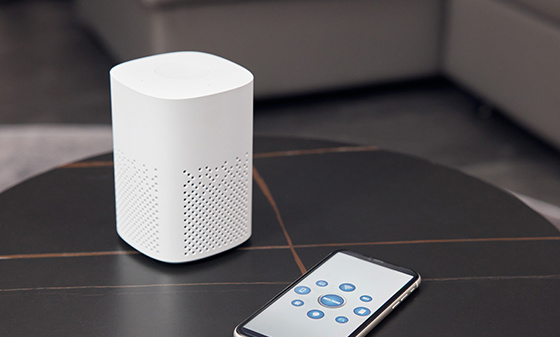 Bluetooth BQB Product Certification
 FM/AM Product Certification
 WiFi Product Certification
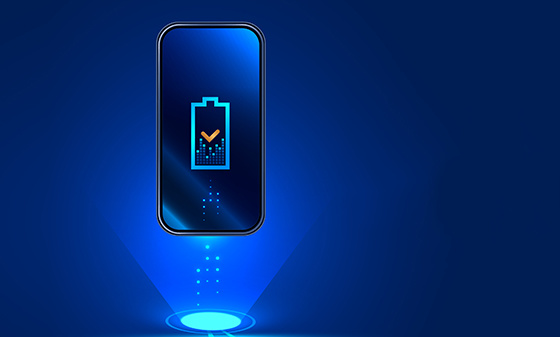 Wireless charging product certification
 Interphone product certification
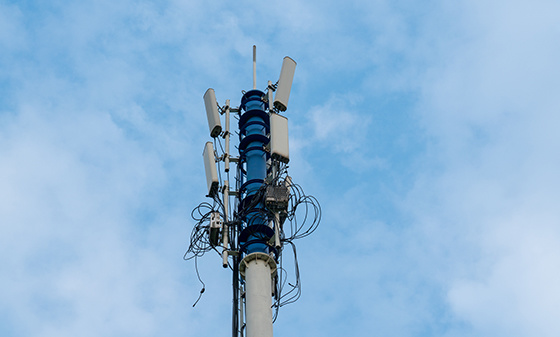 Base station certification
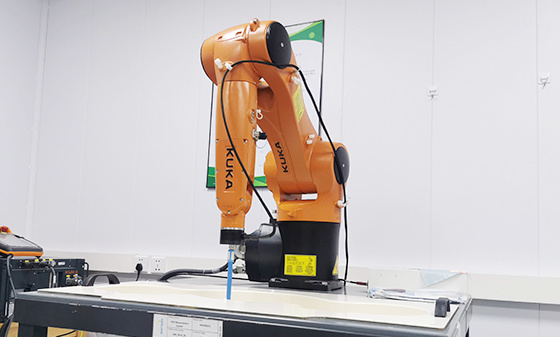 SAR testing
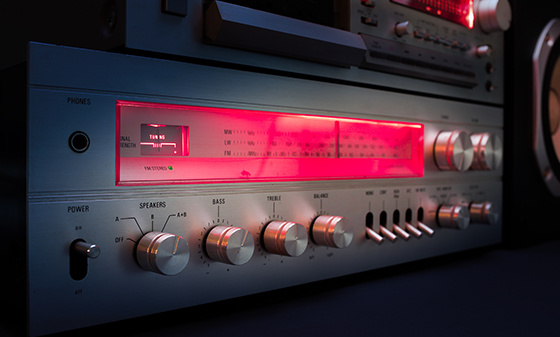 Receiver Product Certification
 5G NR Product Certification
 UWB Product Certification
 Internet of Things authentication
Electromagnetic compatibility
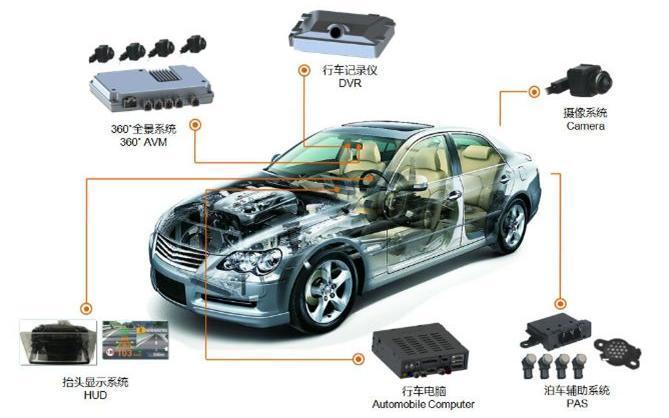 Automotive Electronics EMC Testing
 EMC rectification
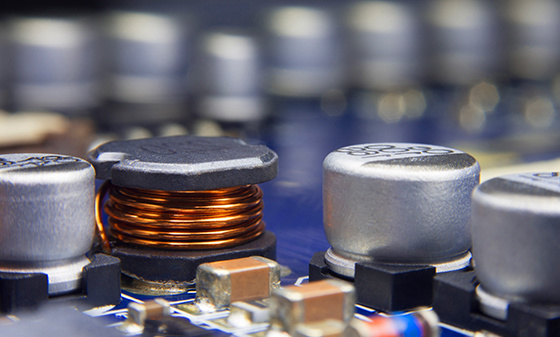 EMC
EMC
Automotive Electronics
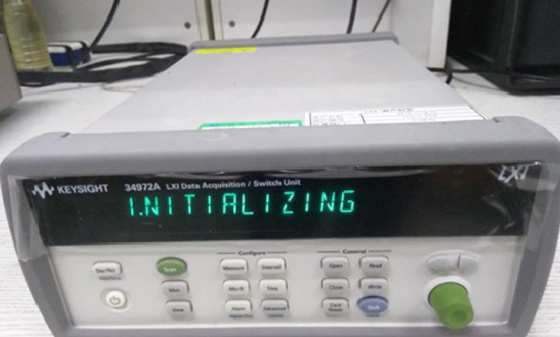 Electrical performance testing
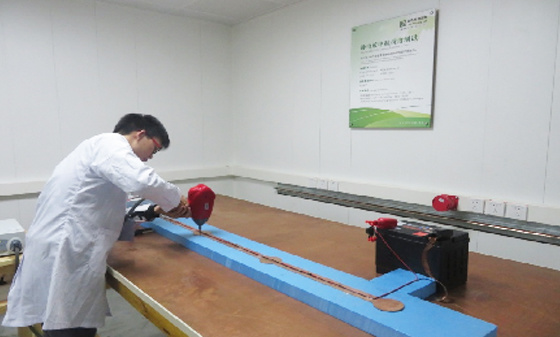 EMS testing - radiation anti-interference testing system (including radar waves)
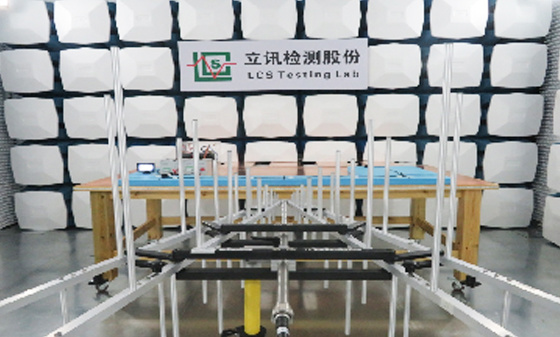 EMS Testing - Electrostatic Discharge
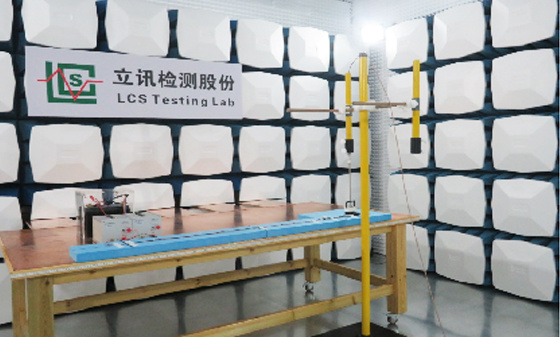 EMS Test - Transient Conducted Immunity Test
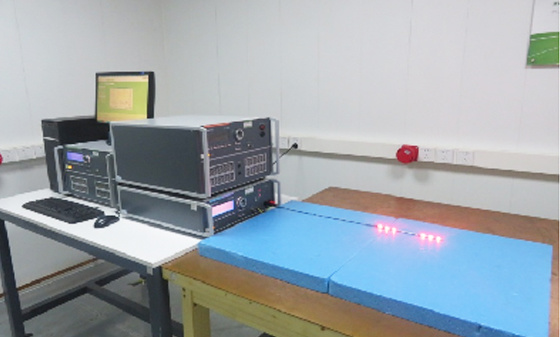 EMS Testing - Portable Transmitter Immunity
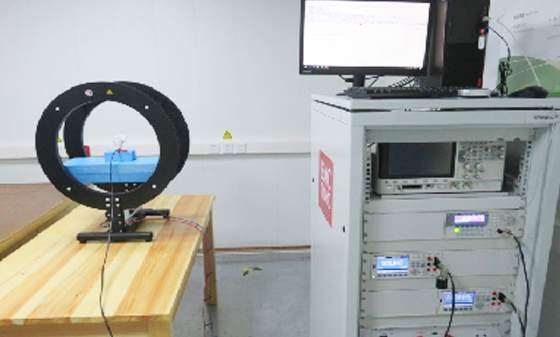 EMS Test - High Current Injection (BCI) Test
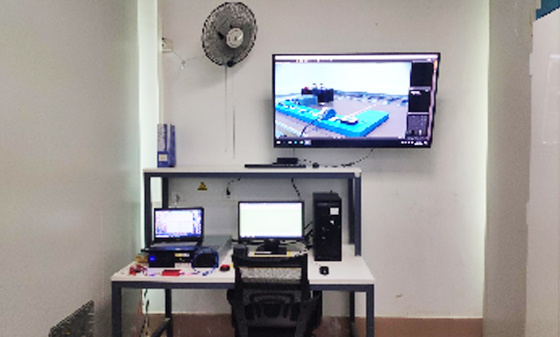 EMS test - low-frequency magnetic field anti-interference test
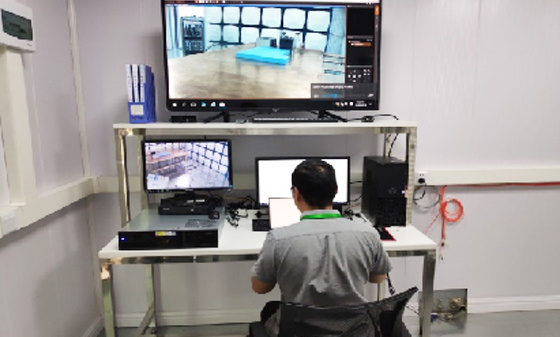 EMI Testing - Transient Conducted Emissions Testing System
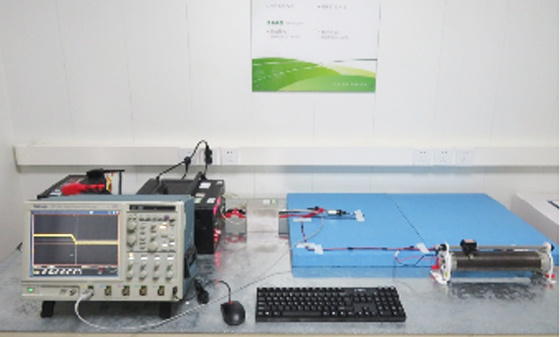 EMI testing - low-frequency magnetic field emission
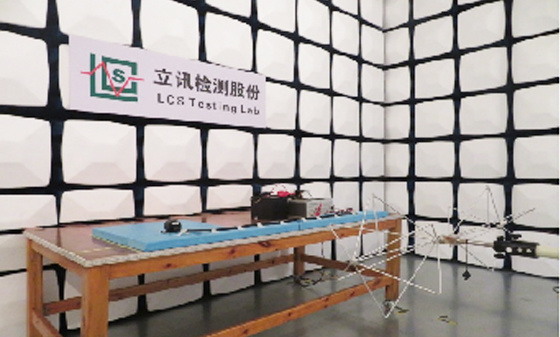 EMI Test - Radiation Emission Test
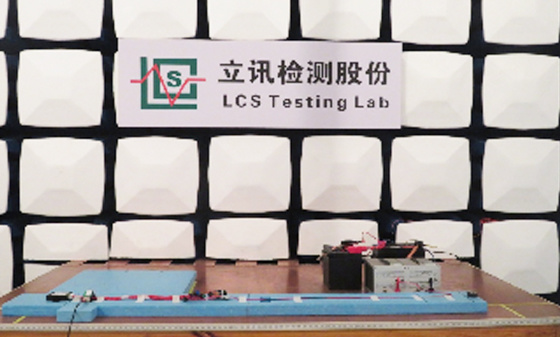 EMI Test - Conducted Emissions Test
 Automotive Electronic Testing
Automotive Parts Inspection
 Automotive ELV&VOC
 Reliability testing
 Temperature shock test
 Vibration testing
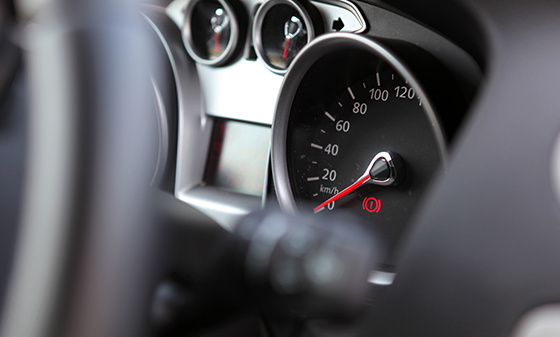 Instrument panel/instrument panel three comprehensive vibration test
 Comprehensive vibration test of door inner panel III
 Sunvisor Three Comprehensive Vibration Test
 Spoiler Three Comprehensive Vibration Test
 Three comprehensive vibration tests of car front and rear bumpers
 Three comprehensive vibration tests for lamp housing/lampshade
 Comprehensive vibration test of outer circumference three
 Automotive metal material testing
 Performance testing of automotive lighting fixtures
 Rapid temperature change test
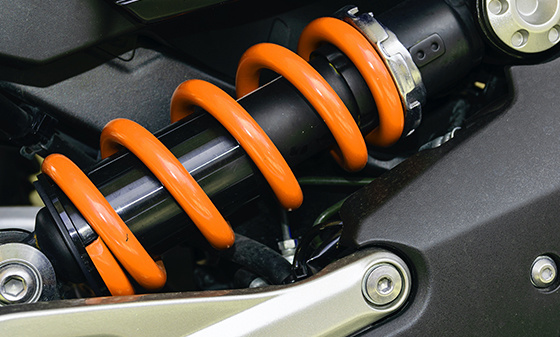 Vibration
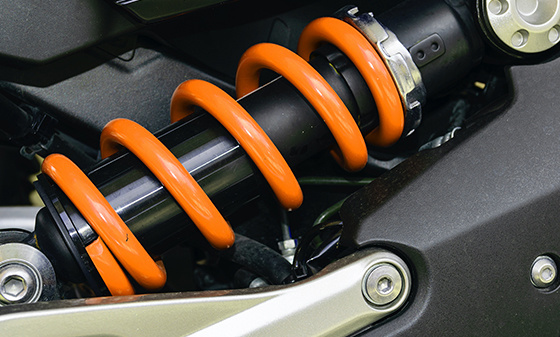 Common issues with vibration testing
 Common issues with fatigue testing
 Common issues with high and low temperature testing
 Conducted Interference (CE) - Suzhou Lixun Standard
 Electromagnetic Radiation Tolerance Test (RS) - Suzhou LCS Standard
 Electrical Fast Pulse Withstand Test (EFT) - Suzhou LCS Standard
 Voltage flicker test - Suzhou LCS standard
Electronic appliances
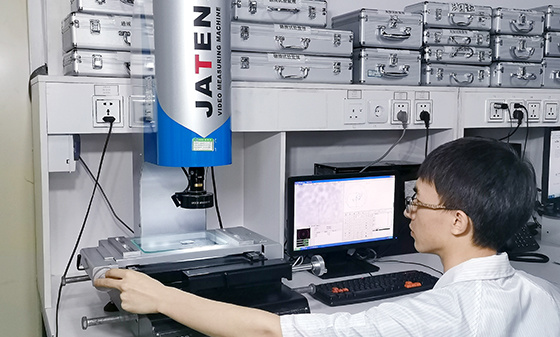 Household appliance product testing
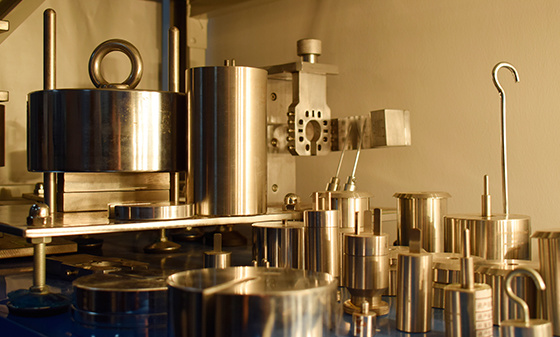 Electrical accessory product testing
 Household appliance testing
Chemical Testing
 Introduction to PFAS Testing
 MOSH/MOAH Mineral Oil Testing Service
 MOSH/MOAH Mineral Oil Testing and Certification Report Service
 Consumer Product Testing Services - WEEE Chapter
 Ecological textile testing
 Leather Footwear Inspection
 Food contact material testing
 Testing of toys and baby products
 Hazardous substance testing
Electronic Cigarette Testing
 Electronic cigarette detection
Reliability testing
 Other tests - pencil hardness test
 Mechanical testing - Packaging compression test
 Climate environment testing - Xenon lamp aging test
Battery Testing
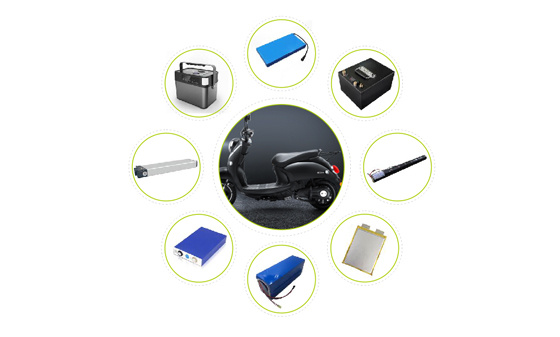 Power storage battery testing and certification
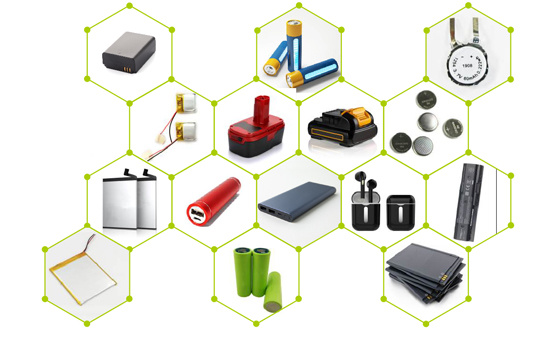 Consumer Electronics Battery Testing and Certification
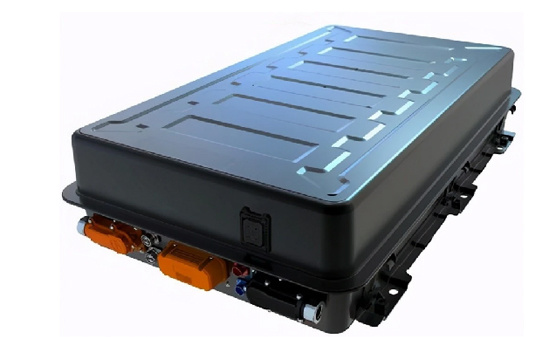 power battery
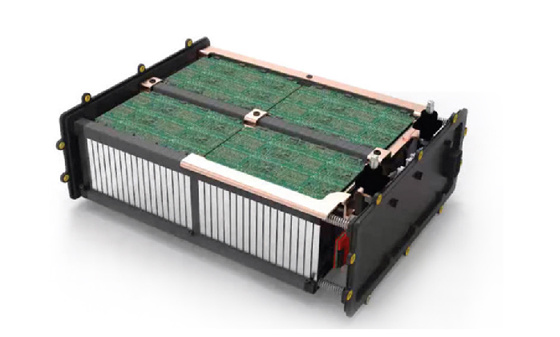 Light electric vehicle batteries
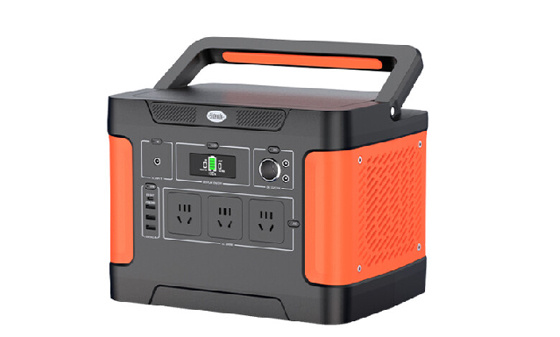 Energy storage battery
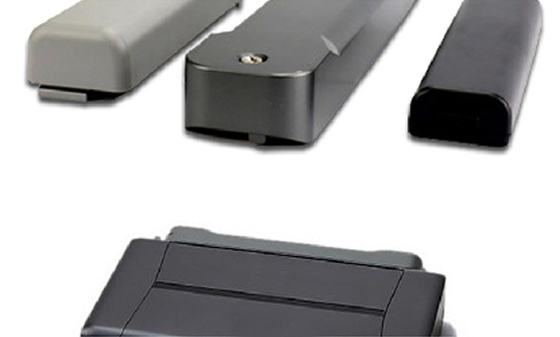 Portable battery
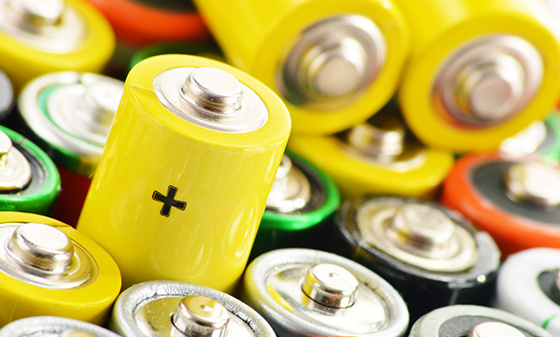 Battery testing
 battery test
Lamp Inspection
 Inspection of ship lighting fixtures
 COI Index Test for Medical Indoor Lighting
 Lamp safety inspection
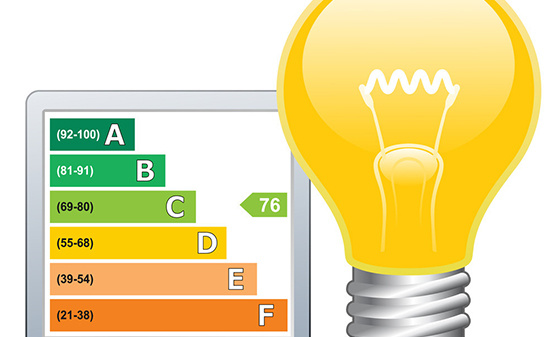 Luminaire energy efficiency testing
 EMC testing of lighting fixtures
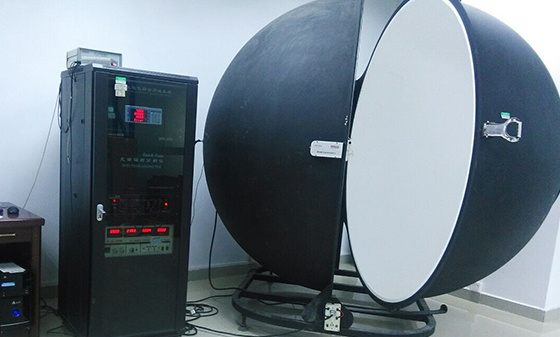 Integral Ball Laboratory
 Photobiology Experiment
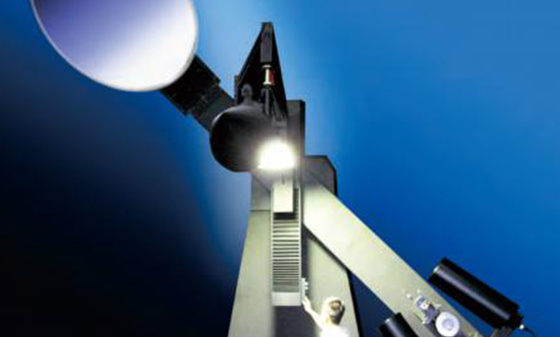 Light distribution test
 Lamp aging test
 Lamp IP waterproof
 Lamp performance testing
 Lamp reliability testing
Children's toy testing
 Testing standards for toy products
China Certification
 China's "national promotion" RoHS certification
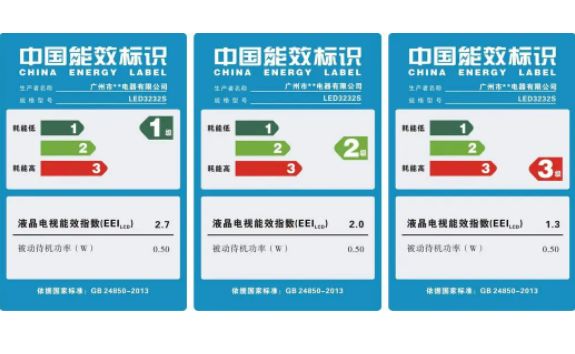 China Energy Efficiency Label Certification
 China Energy Conservation Certification
 China CQC Certification
 Tmall JD Quality Inspection Report
 China SRRC Certification
 Taiwan BSMI certification
 Taiwan NCC certification
 China CCC Compulsory Certification
Asia Certification
 Vietnam certification
 KC certification
 KUCAS Certification in Kuwait
 Singapore PSB certification
 Iraq COC Certification
 IMDA certification
 VCCI Certification in Japan
 JATE certification in Japan
 PSE certification
 BIS certification
 Japanese TELEC certification
European Certification
 RoHS certification
 GOST certification in Russia
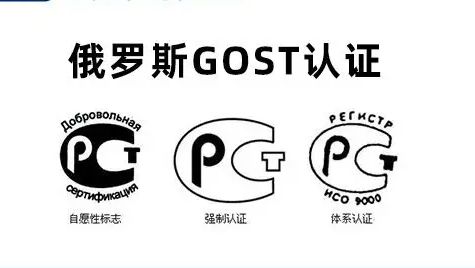 Russian EAC certification
 Northern Ireland UKNI logo
 Electrical ENEC certification
 European D-MARK certification
 Türkiye BTK certification
 TSE certification in Türkiye
 CE certification in Türkiye
 RED certification
 German TUV-SUD certification
 CE-ERP certification
 REACH certification
 German GS certification
 EU E-Mark certification
North American Certification
 Ecuador VOC certification
 Mexico NOM certification
 IRAM certification
 CPSC Certification in the United States
 CSA certification
 ASTM certification
 FDA certification
 CEC certification
 ETL certification
 ul certification
 IC certification
 Energy Star
 FCC Certification in the United States
 ASTM certification
Middle East Certification
 Israel SII certification
 Saudi SABER certification
 GCC certification for the seven Gulf countries
 Iran COI certification
 Qatar COC Certification
 Iraq COC Certification
 Saudi EER Energy Efficiency Certification
 Saudi SABER certification
 Algeria PCA certification
 PVOC certification
Australia Certification
 New Zealand IC-F testing
 VEET certification
 LCP certification
 GEMS certification
 RCM certification
 C-Tick certification
 SAA certification
Africa Certification
 Gabon COC certification
 Algeria COC certification

 Ethiopian VOC and COC certification
 Mauritius VOC certification
 Ghana COC certification
 COC certification in Burundi
 Zambia COC certification
 Botswana COC Certification
 Uganda PVOC certification
 SABS certification in South Africa
 South African LOA certification
 Zimbabwe CBCA Certification
 Nigeria SONCAP certification
 Kenya PVOC certification
 African COC certification
Other certifications
 WEEE
WEEE
 Bluetooth BQB certification
 IECEE registration
 MHRA registration in the UK
TRAINING
 Management system training
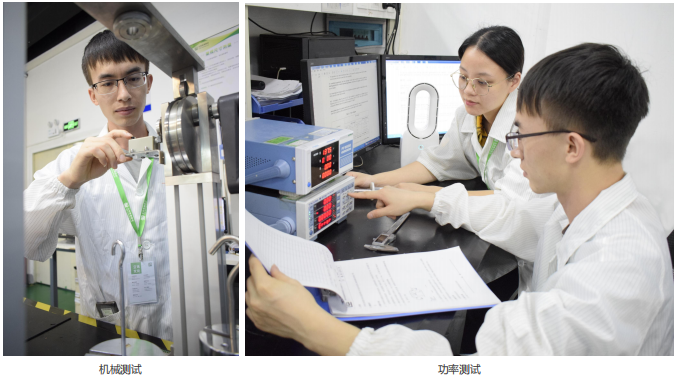 Laboratory technical training
 Laboratory Process Consulting
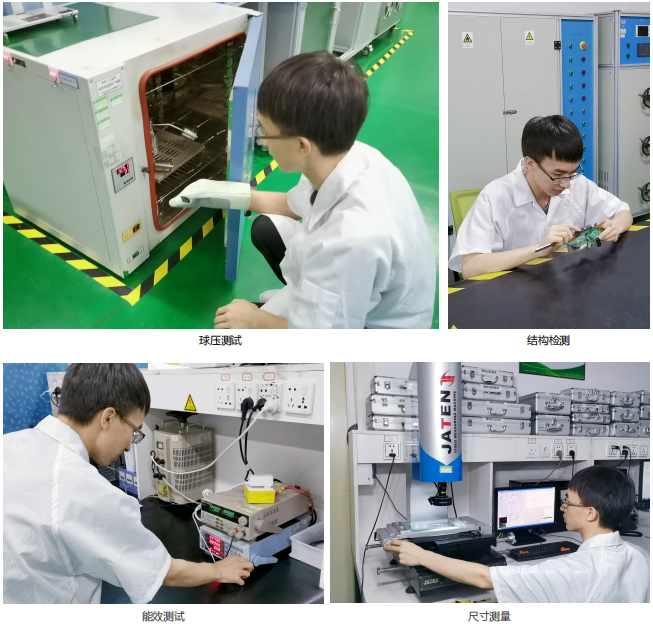 Laboratory decoration construction
Wireless Communication
Electromagnetic compatibility
Automotive Electronics
Automotive Parts Inspection
Electronic appliances
Chemical Testing
Electronic Cigarette Testing
Reliability testing
Battery Testing
Lamp Inspection
Children's toy testing
China Certification
Asia Certification
European Certification
North American Certification
Middle East Certification
Australia Certification
Africa Certification
Other certifications
TRAINING
Wireless Communication
Electromagnetic compatibility
Automotive Electronics
Automotive Parts Inspection
Electronic appliances
Chemical Testing
Electronic Cigarette Testing
Reliability testing
Battery Testing
Lamp Inspection
Children's toy testing
China Certification
Asia Certification
European Certification
North American Certification
Middle East Certification
Australia Certification
Africa Certification
Other certifications
TRAINING
Wireless Communication
Electromagnetic compatibility
Automotive Electronics
Automotive Parts Inspection
Electronic appliances
Chemical Testing
Electronic Cigarette Testing
Reliability testing
Battery Testing
Lamp Inspection
Children's toy testing
China Certification
Asia Certification
European Certification
North American Certification
Middle East Certification
Australia Certification
Africa Certification
Other certifications
TRAINING
Wireless Communication
Electromagnetic compatibility
Automotive Electronics
Automotive Parts Inspection
Electronic appliances
Chemical Testing
Electronic Cigarette Testing
Reliability testing
Battery Testing
Lamp Inspection
Children's toy testing
China Certification
Asia Certification
European Certification
North American Certification
Middle East Certification
Australia Certification
Africa Certification
Other certifications
TRAINING
Wireless Communication
Electromagnetic compatibility
Automotive Electronics
Automotive Parts Inspection
Electronic appliances
Chemical Testing
Electronic Cigarette Testing
Reliability testing
Battery Testing
Lamp Inspection
Children's toy testing
China Certification
Asia Certification
European Certification
North American Certification
Middle East Certification
Australia Certification
Africa Certification
Other certifications
TRAINING
Wireless Communication
Electromagnetic compatibility
Automotive Electronics
Automotive Parts Inspection
Electronic appliances
Chemical Testing
Electronic Cigarette Testing
Reliability testing
Battery Testing
Lamp Inspection
Children's toy testing
China Certification
Asia Certification
European Certification
North American Certification
Middle East Certification
Australia Certification
Africa Certification
Other certifications
TRAINING

[EMC Standard] In-depth Analysis of IEC 61000-4-2:2025
Author.
LCS
Source:
Post time:
2026-03-03
This article focuses on the IEC 61000-4-2:2025 standard, and will provide an in-depth analysis of its main differences from previous versions, as well as the purposes behind these changes;
Standard version number change:

Calibration requirements for the discharge generator in the 2025 version
- Increase the number of current waveform measurement points by Ip2 (maximum peak value between 10ns and 40ns)

-Calibration of electrostatic gun
The arrangement for electrostatic gun calibration has been added to the main text of Section 6.3.
2. A 1.2*1.5m grounding reference panel has been added below the electrostatic gun, and the height requirement (1m) between the current target and the grounding reference plane has also been increased.

Output voltage range of electrostatic gun
1. The output voltage range of the high-voltage power supply spans a wide range, with a minimum output voltage of less than 100V and a maximum output voltage of greater than 30KV.
2. Voltage accuracy of ±5% for both high and low voltages.
3. It increases the cost of the high-voltage power supply. For users, it also increases the equipment investment cost.
Test setup
1. It is explicitly required that any external power supply for the electrostatic discharge generator should be placed on the RGP.
2. The distance between the discharge return cable and other conductive components in the test configuration must not be less than 0.1 meters (changed from 0.2 meters).
3. The connection with RGP and all lapping should have low impedance (newly added, e.g. ≤0.1 ohm), which can be achieved by using mechanical clamping devices.
4. Increase the error range of the bleeder resistor to (470±10) KΩ, and specify the position of the resistor (no more than 10 cm from either end of the cable).
Note 2: Unless otherwise decided by the product committee, electrostatic discharge (ESD) testing is generally not conducted for equipment installed on the ceiling, as users will not come into contact with such equipment after installation.
Desktop test setup
New addition 1: The maximum length of the discharge resistor cable should be 1.5 meters.
New addition 2: The device under test and its cables should be separated from the HCP using an insulating material with a thickness of (0.5 ± 0.05) mm.
Addition 3: The VCP is a square with a side length of (0.5 ± 0.005) m, placed on a non-conductive support; and it maintains a distance of (0.1 ± 0.01) m from the side of the equipment under test (EUT). The maximum length of the VCP discharge resistor cable assembly should be 3 meters, and it must not be bundled.

Appendix A (Informative) Explanatory Notes
Appendix H (Normative) Upgrade Strategy [New] Primarily addresses discrepancies in test results and adds operational instructions.
Due to the inherent complexity of the electrostatic discharge (ESD) phenomenon and the unavoidable inherent biases in testing equipment, the performance of the equipment under test (EUT) often exhibits various variations when subjected to discharge testing. These variations typically stem from incorrect test level differences or different types of errors exhibited by the EUT during the testing process. Depending on the test level stages where these performance variations occur, the results may significantly impact the determination of whether the EUT passes or fails the test.
If the equipment under test (EUT) exhibits differences in performance, the following steps can be followed to accurately identify the root cause of these differences:
a) Comprehensive verification of test setup: Conduct a detailed inspection of all test details, including the specific location of each cable and the status of the tested equipment itself, such as whether the lid is closed and the door is open or closed.
b) Strictly verify the testing procedure: This includes clarifying the operating mode of the equipment under test (EUT), confirming the placement and layout of auxiliary equipment, assessing whether the operator's position meets the specifications, checking whether the software is operating normally, and reviewing whether the entire process of applying discharge operations to the EUT is compliant.
c) Rigorous verification to determine whether the differences in test results are caused by the use of different generators: For safety-related functions, the product committee can decide whether to adopt an upgrade strategy based on the actual situation, or choose to implement a more stringent upgrade strategy.
Upgrade strategy: When all test conditions, including the electrostatic discharge generator, remain consistent, if there are differences in the performance of the equipment under test (EUT), the following upgrade strategy should be applied to determine whether the EUT meets the requirements. This strategy is applicable to each test point where the EUT performance exceeds the specified requirements when a set of discharges is applied.
The initial test has been conducted in an orderly manner according to the established test level as per clause 8.3.2. If the performance of the equipment under test (EUT) exceeds the specified requirements more than once during the test, then the test result exceeds the acceptable performance threshold preset by the product committee. If the EUT performance exceeds the specified requirements only once in the initial discharge test set, further testing should be conducted according to step 2) below.
The second test shall be conducted at this test point, with the number of discharges increased to twice the specified test requirements. If, during this test, the performance of the equipment under test (EUT) exceeds the specified requirements more than once, the test result exceeds the acceptable performance threshold set by the product committee. If, during the initial discharge process, the performance of the EUT exceeds the specified requirements only once, further testing shall be conducted according to step 3) below.
The third test shall be conducted at this test point, with the same number of discharges as in step 2), strictly adhering to the specified test level. If the performance of the EUT (Equipment Under Test) does not exceed the specified performance requirements, then the test result falls within the acceptable performance threshold range set by the product committee. If the performance of the EUT exceeds the specified performance requirements, then the test result is outside the acceptable performance threshold range set by the product committee.
Appendix J (Informative) Wearable Devices [New]
For the additional electrostatic discharge (ESD) testing of wearable devices, the recommended storage capacitance and discharge resistance are 200pF and 50Ω, respectively. The electrostatic discharge is applied to the conductive parts of the wearable device in contact discharge mode, aiming to reproduce the most severe discharge current conditions that can be generated by a wearable device worn at the waist

Appendix K (Informative) Evaluation of Test Results [New]
A) "Normal" operation
The condition typically considered as "normal" operation refers to the product functioning in accordance with the specifications and tolerances outlined in the product documentation. Electrostatic discharge (ESD) often leads to performance degradation, thereby affecting the normal operation of the EUT. Hence, when evaluating test results, the product committee may opt for performance criterion B.
B) Acceptable performance degradation
During electrostatic discharge (ESD) testing, a certain degree of performance degradation (i.e., exceeding specifications) is permissible, provided that the device can recover to its normal operating state upon completion of the test. Such situations are generally acceptable. When determining the acceptable threshold for performance degradation, the product committee should fully consider the reasonable expectations of users during normal use of the device. For instance, during electrostatic discharge testing, if the device becomes unusable or loses all functionality, this is generally unacceptable. Here are some specific examples:
Display screen: Display screens are generally encapsulated with non-conductive materials, so they require air discharge testing. Electrostatic discharge air discharge testing may cause a significant decrease in display brightness or jitter. At this time, a threshold can be set to judge, which allows the display brightness to decrease to a certain extent, while the jitter is within an acceptable range, and important information displayed can still be clearly recognized. For example, if a "black screen" occurs, it may exceed the acceptable threshold.
Digital circuits: Electrostatic discharge (ESD) testing may cause interruptions in synchronous circuits. To address this, a threshold can be set: after an ESD event occurs, when "normal" data transmission can be restored, the error rate of affected data transmission should be within a certain range. For example, the error rate can be specified as not exceeding a specific value. If it exceeds this value, it indicates that it is beyond the acceptable range.
C) Operation interruption and equipment recovery
This situation is generally recognized as follows: during an operation interruption, the equipment will not be damaged, and operators are allowed to intervene when necessary to restore operation. However, this performance standard is generally not applicable to evaluating ESD test results.
Related articles
New articles
Interpretation of LITE technology 9th issue
2026-09-28
Interpretation of LITE Technology 8th Issue
2026-09-24
Media Center
Latest News
Contact Us
National 24-hour service hotline
400-116-2629
Group Headquarters
E-mail: webmaster@lcs-cert.com
Address: Shenzhen City, Baoan District, Shajing Street, Nga side of the school of Wei Juji Industrial Park, Building A 1 ~ 2 floor, Building C 3 floor


 WeChat Inquiry


 Reservation


Contact Us
National 24-hour service hotline
Address:Juji Industrial Park, Xueziwei, Ngabian, Shajing Street, Baoan District, Shenzhen Building A 1~2F, Building C 3F

WeChat public number
Share industry dry goods

WeChat consultation
Please note consulting services

Follow Jitterbug

Mobile website
di complaint mailbox: customer.complaint@lcs-cert.com complaint telephone tel: 18126445450 certificate report verification of authenticity mailbox: verification@lcs-cert.com