

Wireless Communication
 EU RED Network Security Standard EN 18031
 Wireless and communication detection
 Mobile communication product certification
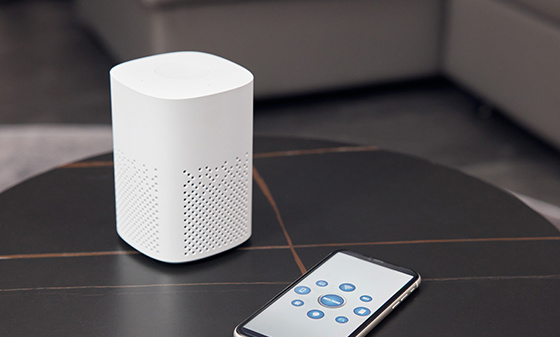 Bluetooth BQB Product Certification
 FM/AM Product Certification
 WiFi Product Certification
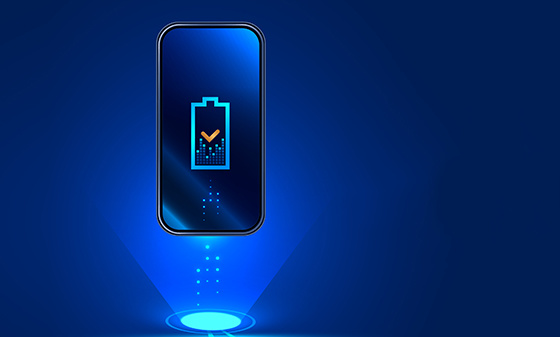 Wireless charging product certification
 Interphone product certification
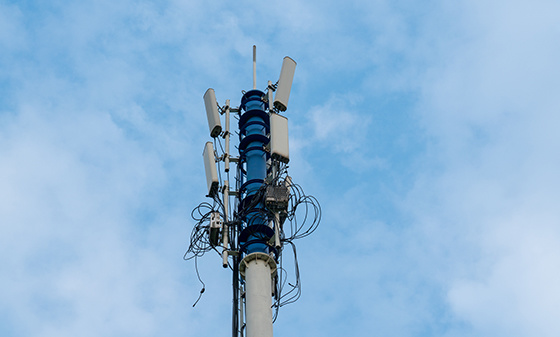 Base station certification
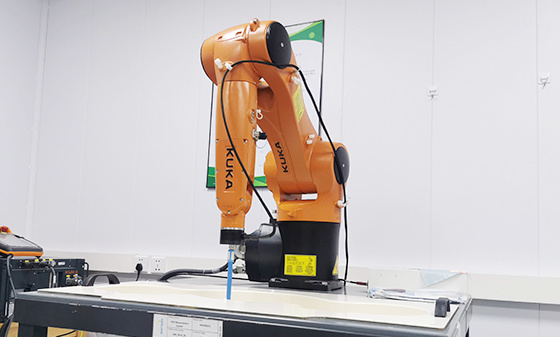 SAR testing
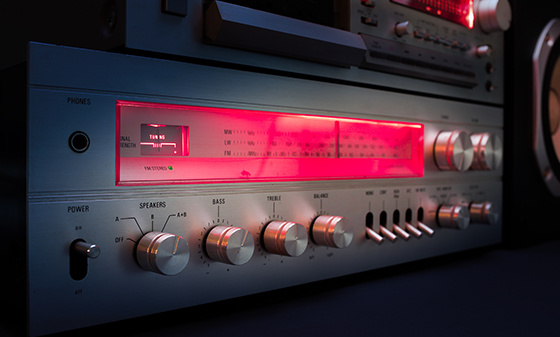 Receiver Product Certification
 5G NR Product Certification
 UWB Product Certification
 Internet of Things authentication
Electromagnetic compatibility
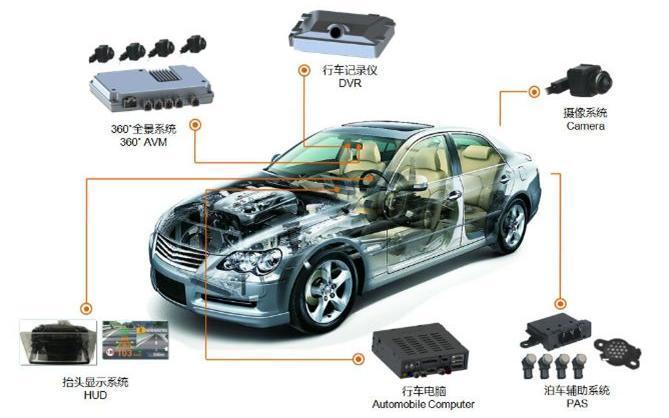 Automotive Electronics EMC Testing
 EMC rectification
 EMC
EMC
Automotive Electronics
 Electrical performance testing
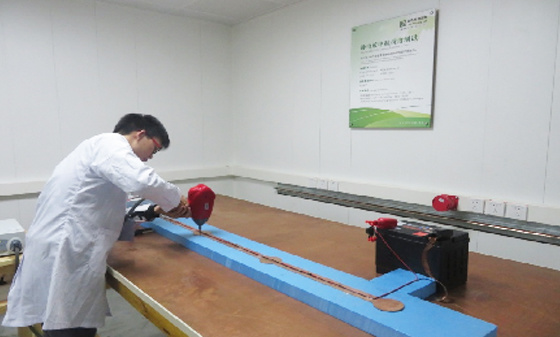 EMS testing - radiation anti-interference testing system (including radar waves)
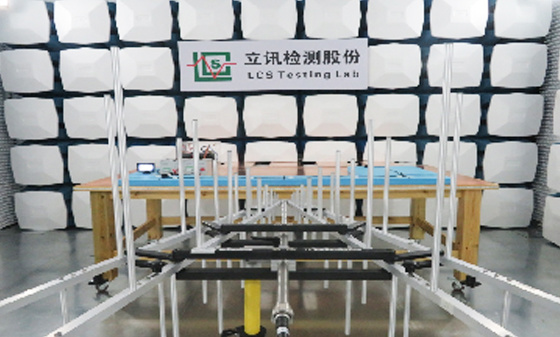 EMS Testing - Electrostatic Discharge
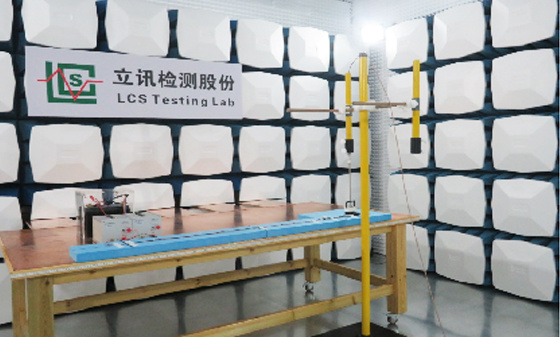 EMS Test - Transient Conducted Immunity Test
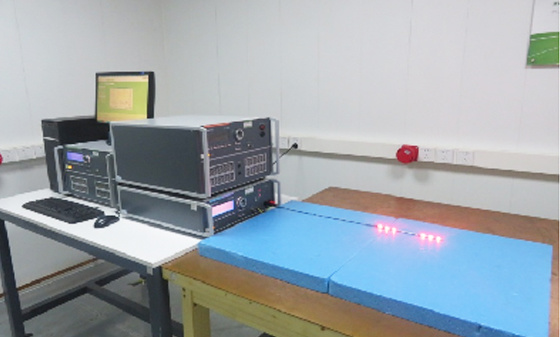 EMS Testing - Portable Transmitter Immunity
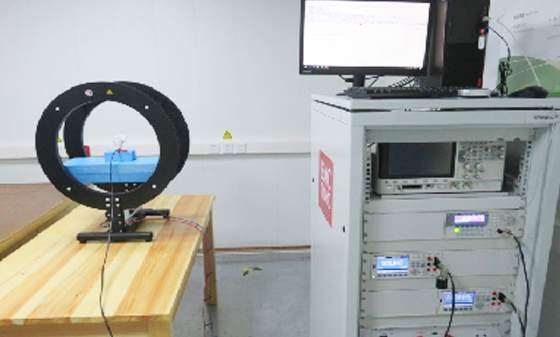 EMS Test - High Current Injection (BCI) Test
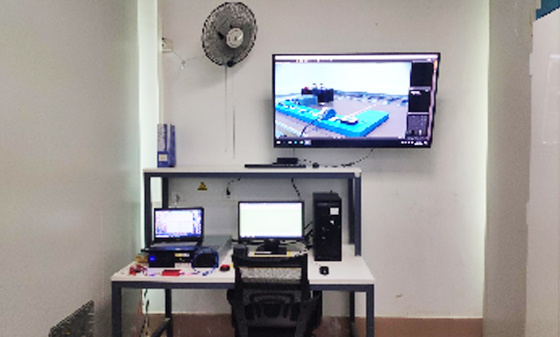 EMS test - low-frequency magnetic field anti-interference test
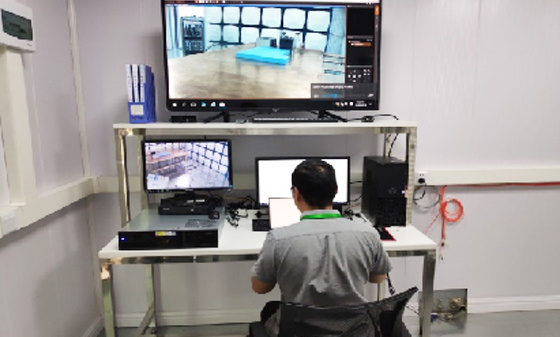 EMI Testing - Transient Conducted Emissions Testing System
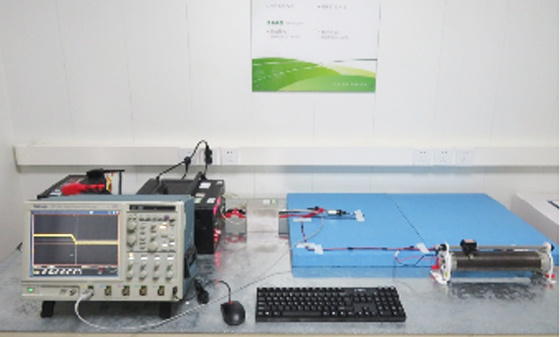 EMI testing - low-frequency magnetic field emission
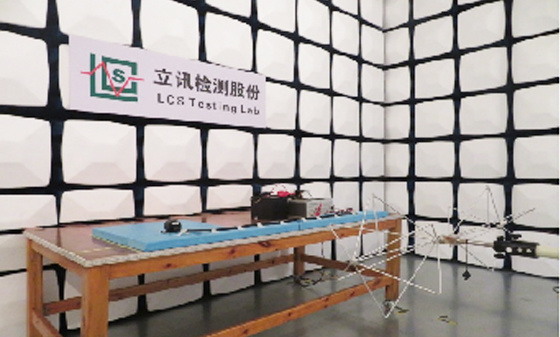 EMI Test - Radiation Emission Test
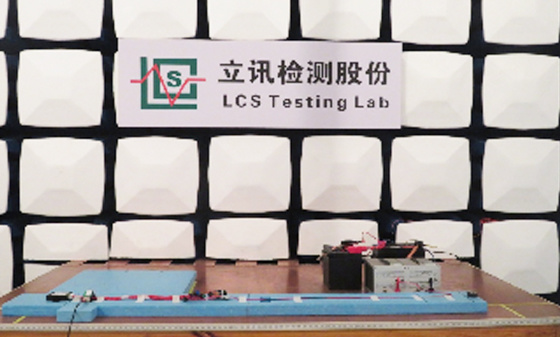 EMI Test - Conducted Emissions Test
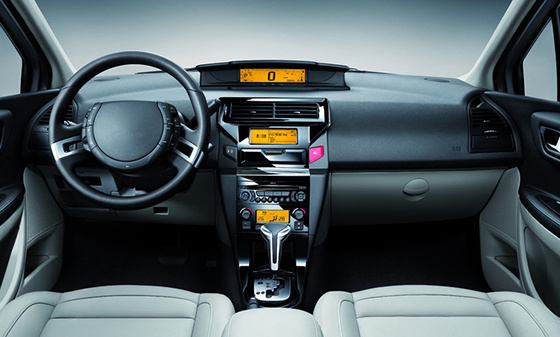 Automotive Electronic Testing
Automotive Parts Inspection
 Automotive ELV&VOC
 Reliability testing
 Temperature shock test
 Vibration testing
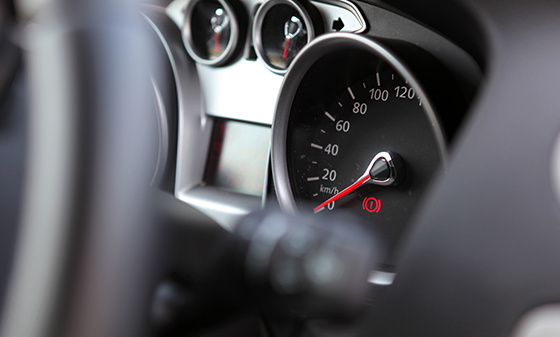 Instrument panel/instrument panel three comprehensive vibration test
 Comprehensive vibration test of door inner panel III
 Sunvisor Three Comprehensive Vibration Test
 Spoiler Three Comprehensive Vibration Test
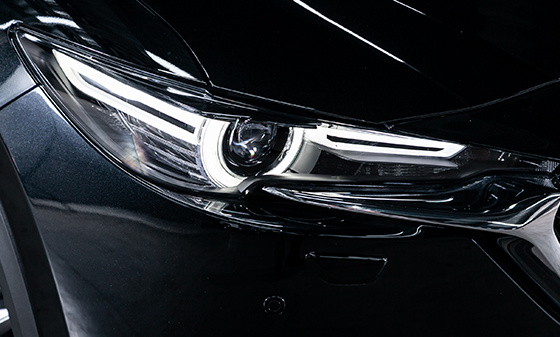 Three comprehensive vibration tests of car front and rear bumpers
 Three comprehensive vibration tests for lamp housing/lampshade
 Comprehensive vibration test of outer circumference three
 Automotive metal material testing
 Performance testing of automotive lighting fixtures
 Rapid temperature change test
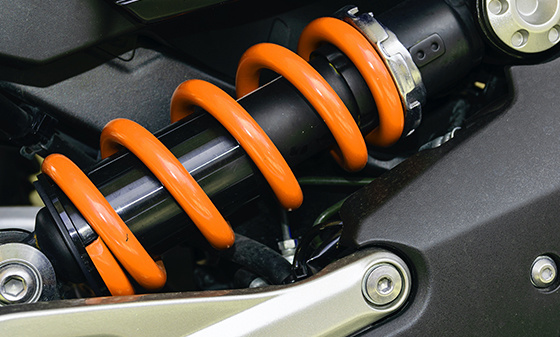 Vibration
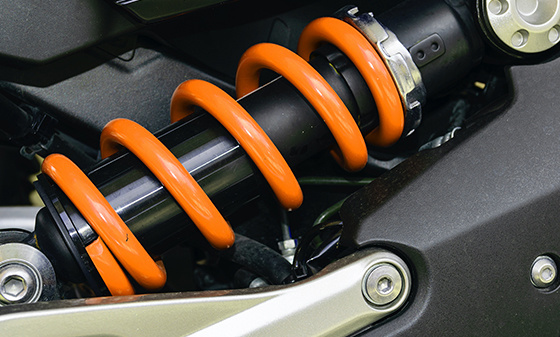 Common issues with vibration testing
 Common issues with fatigue testing
 Common issues with high and low temperature testing
 Conducted Interference (CE) - Suzhou Lixun Standard
 Electromagnetic Radiation Tolerance Test (RS) - Suzhou LCS Standard
 Electrical Fast Pulse Withstand Test (EFT) - Suzhou LCS Standard
 Voltage flicker test - Suzhou LCS standard
Electronic appliances
 Household appliance product testing
 Electrical accessory product testing
 Household appliance testing
Chemical Testing
 Introduction to PFAS Testing
 MOSH/MOAH Mineral Oil Testing Service
 MOSH/MOAH Mineral Oil Testing and Certification Report Service
 Consumer Product Testing Services - WEEE Chapter
 Ecological textile testing
 Leather Footwear Inspection
 Food contact material testing
 Testing of toys and baby products
 Hazardous substance testing
Electronic Cigarette Testing
 Electronic cigarette detection
Reliability testing
 Other tests - pencil hardness test
 Mechanical testing - Packaging compression test
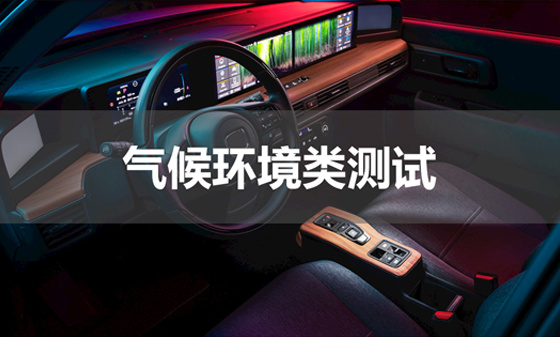 Climate environment testing - Xenon lamp aging test
Battery Testing
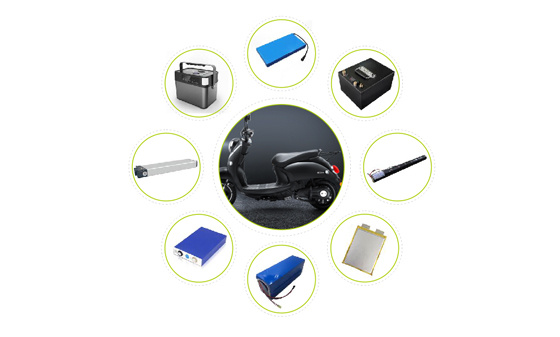 Power storage battery testing and certification
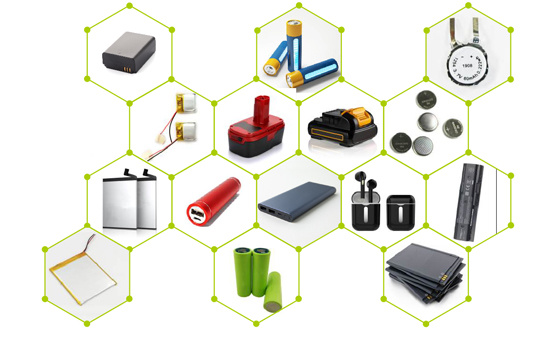 Consumer Electronics Battery Testing and Certification
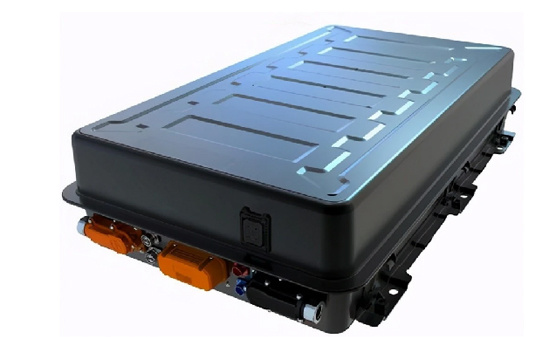 power battery
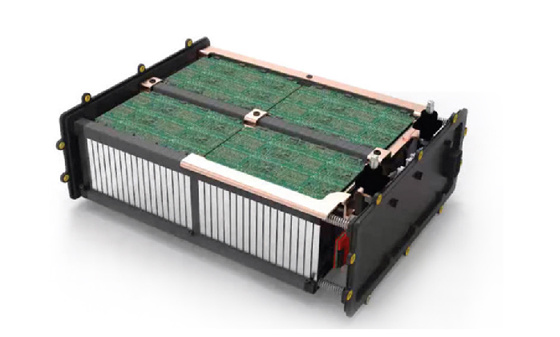 Light electric vehicle batteries
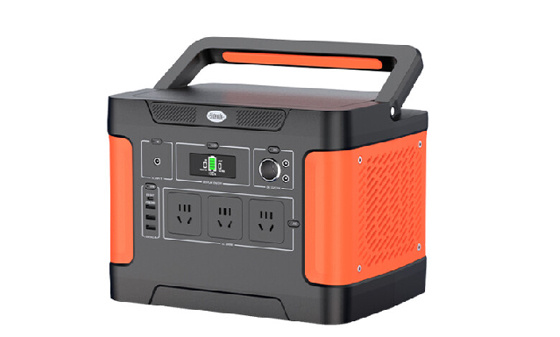 Energy storage battery
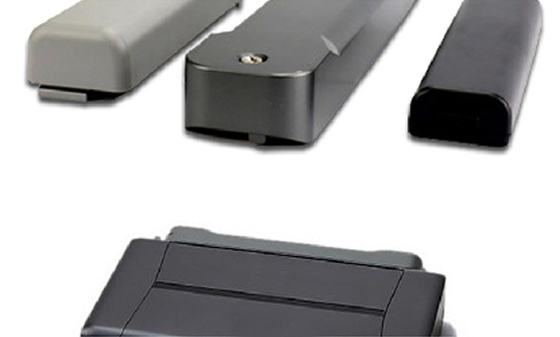 Portable battery
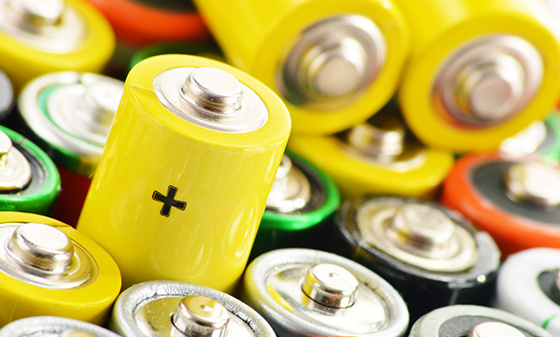 Battery testing
 battery test
Lamp Inspection
 Inspection of ship lighting fixtures
 COI Index Test for Medical Indoor Lighting
 Lamp safety inspection
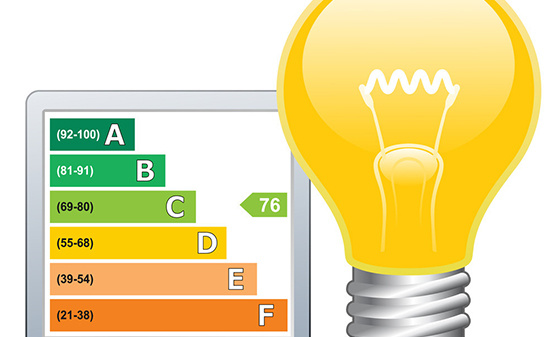 Luminaire energy efficiency testing
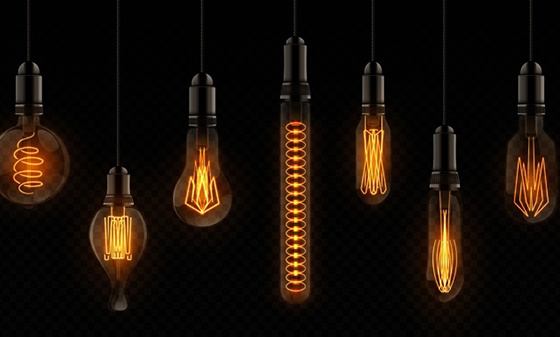 EMC testing of lighting fixtures
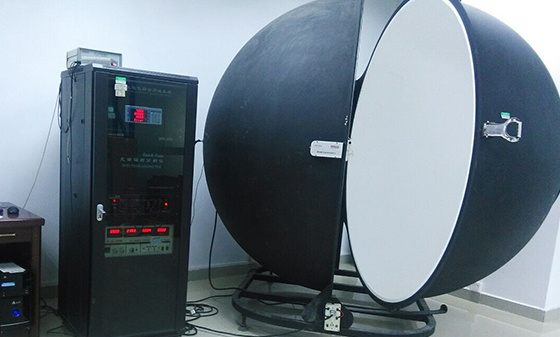 Integral Ball Laboratory
 Photobiology Experiment
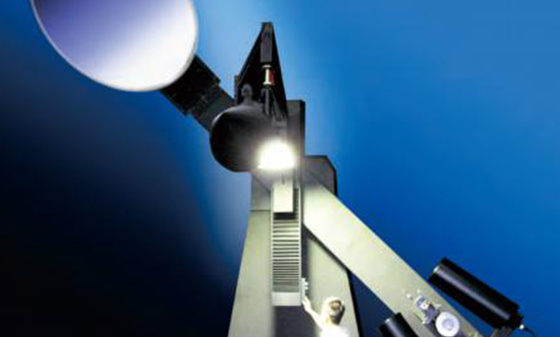 Light distribution test
 Lamp aging test
 Lamp IP waterproof
 Lamp performance testing
 Lamp reliability testing
Children's toy testing
 Testing standards for toy products
China Certification
 China's "national promotion" RoHS certification
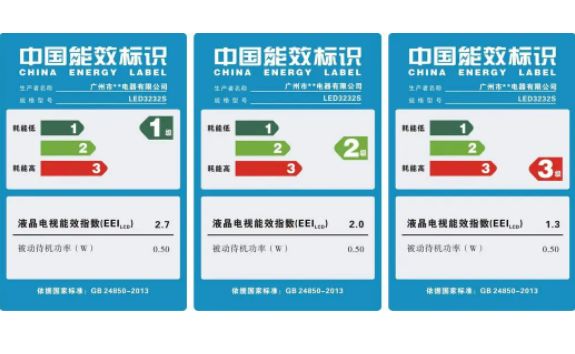 China Energy Efficiency Label Certification
 China Energy Conservation Certification
 China CQC Certification
 Tmall JD Quality Inspection Report
 China SRRC Certification
 Taiwan BSMI certification
 Taiwan NCC certification
 China CCC Compulsory Certification
Asia Certification
 Vietnam certification
 KC certification
 KUCAS Certification in Kuwait
 Singapore PSB certification
 Iraq COC Certification
 IMDA certification
 VCCI Certification in Japan
 JATE certification in Japan
 PSE certification
 BIS certification
 Japanese TELEC certification
European Certification
 RoHS certification
 GOST certification in Russia
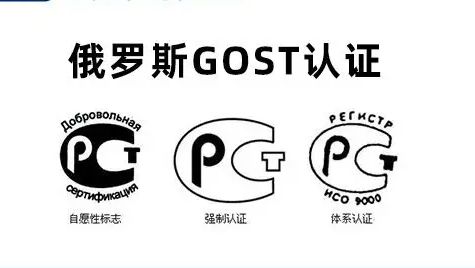 Russian EAC certification
 Northern Ireland UKNI logo
 Electrical ENEC certification
 European D-MARK certification
 Türkiye BTK certification
 TSE certification in Türkiye
 CE certification in Türkiye
 RED certification
 German TUV-SUD certification
 CE-ERP certification
 REACH certification
 German GS certification
 EU E-Mark certification
North American Certification
 Ecuador VOC certification
 Mexico NOM certification
 IRAM certification
 CPSC Certification in the United States
 CSA certification
 ASTM certification
 FDA certification
 CEC certification
 ETL certification
 ul certification
 IC certification
 Energy Star
 FCC Certification in the United States
 ASTM certification
Middle East Certification
 Israel SII certification
 Saudi SABER certification
 GCC certification for the seven Gulf countries
 Iran COI certification
 Qatar COC Certification
 Iraq COC Certification
 Saudi EER Energy Efficiency Certification
 Saudi SABER certification
 Algeria PCA certification
 PVOC certification
Australia Certification
 New Zealand IC-F testing
 VEET certification
 LCP certification
 GEMS certification
 RCM certification
 C-Tick certification
 SAA certification
Africa Certification
 Gabon COC certification
 Algeria COC certification

 Ethiopian VOC and COC certification
 Mauritius VOC certification
 Ghana COC certification
 COC certification in Burundi
 Zambia COC certification
 Botswana COC Certification
 Uganda PVOC certification
 SABS certification in South Africa
 South African LOA certification
 Zimbabwe CBCA Certification
 Nigeria SONCAP certification
 Kenya PVOC certification
 African COC certification
Other certifications
 WEEE
WEEE
 Bluetooth BQB certification
 IECEE registration
 MHRA registration in the UK
TRAINING
 Management system training
 Laboratory technical training
 Laboratory Process Consulting
 Laboratory decoration construction
Wireless Communication
Electromagnetic compatibility
Automotive Electronics
Automotive Parts Inspection
Electronic appliances
Chemical Testing
Electronic Cigarette Testing
Reliability testing
Battery Testing
Lamp Inspection
Children's toy testing
China Certification
Asia Certification
European Certification
North American Certification
Middle East Certification
Australia Certification
Africa Certification
Other certifications
TRAINING
Wireless Communication
Electromagnetic compatibility
Automotive Electronics
Automotive Parts Inspection
Electronic appliances
Chemical Testing
Electronic Cigarette Testing
Reliability testing
Battery Testing
Lamp Inspection
Children's toy testing
China Certification
Asia Certification
European Certification
North American Certification
Middle East Certification
Australia Certification
Africa Certification
Other certifications
TRAINING
Wireless Communication
Electromagnetic compatibility
Automotive Electronics
Automotive Parts Inspection
Electronic appliances
Chemical Testing
Electronic Cigarette Testing
Reliability testing
Battery Testing
Lamp Inspection
Children's toy testing
China Certification
Asia Certification
European Certification
North American Certification
Middle East Certification
Australia Certification
Africa Certification
Other certifications
TRAINING
Wireless Communication
Electromagnetic compatibility
Automotive Electronics
Automotive Parts Inspection
Electronic appliances
Chemical Testing
Electronic Cigarette Testing
Reliability testing
Battery Testing
Lamp Inspection
Children's toy testing
China Certification
Asia Certification
European Certification
North American Certification
Middle East Certification
Australia Certification
Africa Certification
Other certifications
TRAINING
Wireless Communication
Electromagnetic compatibility
Automotive Electronics
Automotive Parts Inspection
Electronic appliances
Chemical Testing
Electronic Cigarette Testing
Reliability testing
Battery Testing
Lamp Inspection
Children's toy testing
China Certification
Asia Certification
European Certification
North American Certification
Middle East Certification
Australia Certification
Africa Certification
Other certifications
TRAINING
Wireless Communication
Electromagnetic compatibility
Automotive Electronics
Automotive Parts Inspection
Electronic appliances
Chemical Testing
Electronic Cigarette Testing
Reliability testing
Battery Testing
Lamp Inspection
Children's toy testing
China Certification
Asia Certification
European Certification
North American Certification
Middle East Certification
Australia Certification
Africa Certification
Other certifications
TRAINING

From Belgium to the European Union: Impact and Compliance Suggestions of Belgium's Electronic Cigarette Regulations
Author.
LCS
Source:
Post time:
2025-07-21
background
On April 24th, the Federal Overheidsdienst Volksgezondheid, Veilighid van de Voeds elketen en Leefmilieu, Dienst Inspectie Consumpitiegoederen, under the Belgian Federal Ministry of Public Health, Food Supply Chain Safety and Environmental Public Services, issued guidance on electronic cigarettes by mail in accordance with the Royal Decree of October 28, 2016, which mainly translated from the Tobacco Product Directive (TPD) of the European Union, Article 20 of Directive 2014/40/EU. (Informative) new regulations.
Core content of the new regulations
Clarify the boundaries between liquid storage containers/cartridges and refill containers for electronic cigarettes, and prohibit the design of multiple cartridges with attractive features.
The new regulations have been confirmed through communication with the European Commission to have legitimacy and authority at the EU level, and may affect the regulatory policies of the entire EU.
The specific points covered by the new regulations are as follows:
1、 Refine the definition of liquid storage containers/cartridges and replenishment containers for electronic cigarettes
Liquid reservoirs that remain attached, or that can remain attached to an electronic cigarette during its use by the consumer are to be considered as cartridges whose volume cannot exceed 2 ml. In other words, no system can allow the refill bottle to remain attached to the electronic cigarette during its consumption by the consumer.
Reference translation:
A liquid container that remains connected or can remain connected to an electronic cigarette during use should be considered as a cartridge, and its capacity should not exceed 2 milliliters. In other words, no system can allow the refill container to remain connected when consumers use electronic cigarettes.
explain:
This supplementary explanation is based on the definition of electronic cigarettes (which states that the cartridge - whether refillable or not - can be a component of an electronic cigarette, but the oil bottle is not). In other words, storage containers that can be used in conjunction with electronic cigarettes (including from a design perspective) should meet the 2mL limit; A refilling container is a separate product from the definition of an electronic cigarette, used only for refilling and cannot be used as a component of an electronic cigarette. After refilling, it should be disconnected - if it is designed to be connected to the electronic cigarette during use or can be connected, it will change the identity of the product from an "independent" refilling container to a liquid storage container for the electronic cigarette, thereby causing compliance issues.
2、 Prohibit attractive features
The services of the FPS Public Health also specify that electronic cigarettes with multiple 2 ml tanks, or that can be loaded by several cartridges or allow the storage of multiple cartridges, are now considered to be electronic cigarettes with an attractive feature. This is prohibited based on Article 4 § 2 of the aforementioned Royal Decree of October 28, 2016, which states that “it is prohibited to market electronic cigarettes with attractive features not useful for the operation of the device”.
Reference translation:
The service department of FPS Public Health Department also explicitly stated that electronic cigarettes with multiple 2ml e-liquid storage compartments, or the ability to upload multiple cartridges (editor's note: the device can integrate multiple cartridges and can be used simultaneously with more than one cartridge), or electronic cigarettes that allow the carrying of multiple cartridges (editor's note: the device can integrate multiple cartridges, but only one can be used at a time), are now considered to have attractive characteristics. According to Article 4, Paragraph 2 of the Royal Decree of October 28, 2016, this is prohibited, which states that "the sale of electronic cigarettes with attractive features that are useless for their device operation is prohibited".
explain:
Although Belgium's national level explanation of multi smoke bombs starts from the "attractive characteristics", it directly explains from the definition with Spain, and the Czech Republic and Malta believe that this design carries the risk of accidental consumption of a high dose of nicotine, both of which reject the design of multi smoke bombs (refer to tweet: inventory of electronic cigarette related content in EU safety gates).
Background and significance of communication with the European Commission
The decision of Belgian FPS to further explain the product definition is based on communication with the services of the European Commission. That is to say, these decisions were approved by the European Commission, which also reflects the Commission's position. This not only provides legitimacy and authority for the new regulations in Belgium, but also provides direction for the European Commission to ensure consistency in the implementation of the Tobacco Products Directive among member states (including the results of this communication with Belgium), and to avoid regulatory loopholes or market distortions in the future.
Based on the EU political system framework and the inherent requirements of the single market, it can be inferred that this new regulation not only affects the local market in Belgium, but may also have a profound impact on the unity of EU legislation and policies of other member states.
The impact on EU legislation
Although EU member states are responsible for enforcing EU laws domestically, the European Commission plays a crucial role in ensuring that these laws are uniformly and correctly enforced throughout the EU through its supervisory and enforcement powers.
The new regulations in Belgium may prompt a re examination of the regulatory framework for electronic cigarettes at the EU level, and may even push for further refinement of legislation related to electronic cigarettes at the EU level. Currently, TPD is considered to have ambiguous applicability on new products such as attached supplementary containers. The case of Belgium also highlights the challenge of technological innovation to existing regulations, which will prompt DG SANTE or other departments to initiate technical assessments to explore the need for updating directives or issuing technical standards. For example, clarify the criteria for distinguishing between "liquid storage containers/cartridges" and "supplementary containers" for electronic cigarettes, and establish more specific prohibitions on the design of multiple cartridges. This will help unify market rules - although it may cause industry resistance, especially from manufacturers who want to preserve design flexibility.
Policy predictions from other member countries
Overall, there are objective differences in market maturity, consumer habits, and industry pressures among member countries, as well as differences in their understanding of the tax dependence on tobacco/e-liquid substitution compensation and the use of electronic cigarettes as a substitute for traditional tobacco harm reduction. Regulatory enforcement efforts and speed may also vary. However, improving the rules of the single market and reducing compliance costs in cross-border trade are the core of the work of the European Commission, especially the Directorate General for Internal Market, Industry, Entrepreneurship and SMEs. Under the binding force of EU law and the coordinating role of the Commission, especially if the EU issues supplementary guidelines, it is expected that most member states will gradually adopt similar interpretations in the next 1-2 years.
Suggestions for stakeholders
As the world's largest producer of electronic cigarettes, China faces both challenges and opportunities brought about by Belgium's new regulations and potential EU policy changes. Suggestions for all stakeholders:
1) Adjust product design: Launch research and development in a timely manner to design electronic cigarette liquid storage containers/cartridges that meet the 2mL limit, as well as separable 10mL replenishment containers that meet the requirements. Ensure that the product is detached from the electronic cigarette after filling to avoid being classified as an electronic cigarette storage container/cartridge. Especially, modular design can be developed to adapt to the regulatory requirements of different member countries.
2) Value compliance: closely monitor updates to the EU Common Entry Gate (EU-CEG) to ensure that product notification documents accurately reflect new regulatory requirements.
3) Strengthen inventory management: Work with members of the EU supply chain to accelerate the clearance of existing 10mL connected replenishment containers during the transition period permitted by Belgium (until December 31, 2025- Belgium provides a transition period for products that do not comply with the new regulations, after which the Belgian Consumer Goods Inspection Agency will take all necessary measures to remove "illegal" products). Meanwhile, avoid mass production of products that do not comply with the new regulations.
4) Participate in policy lobbying and adjust market strategies: Through industry associations or EU agents, engage in dialogue with EU and member state regulatory agencies to strive for more flexible transition arrangements. Increase market investment in member countries with relatively loose regulations, such as Eastern Europe, as a short-term buffer.
5) Long term plan: Invest in the research and development of low nicotine or nicotine free products to cater to the public health trends in the European Union. Explore cooperation with local enterprises in the European Union to enhance market adaptability and brand trust.
summarize
The new regulations for electronic cigarettes in Belgium have strengthened the strict implementation of TPD through communication with the European Commission, which may promote the refinement of legislation at the EU level and encourage other member states to adopt similar interpretations. However, considering the different levels of development among member countries, the follow-up speed of different member countries may vary due to market factors. Chinese e-cigarette manufacturers should quickly adjust product design, optimize inventory management, and respond to regulatory tightening in the EU market through a combination of compliance and lobbying. Closely monitoring the follow-up actions of the European Commission will be the key to seizing market opportunities.
Related articles
New articles
Media Center
Latest News
Contact Us
National 24-hour service hotline
400-116-2629
Group Headquarters
E-mail: webmaster@lcs-cert.com
Address: Shenzhen City, Baoan District, Shajing Street, Nga side of the school of Wei Juji Industrial Park, Building A 1 ~ 2 floor, Building C 3 floor


 WeChat Inquiry


 Reservation


Contact Us
National 24-hour service hotline
Address:Juji Industrial Park, Xueziwei, Ngabian, Shajing Street, Baoan District, Shenzhen Building A 1~2F, Building C 3F

WeChat public number
Share industry dry goods

WeChat consultation
Please note consulting services

Follow Jitterbug

Mobile website
di complaint mailbox: customer.complaint@lcs-cert.com complaint telephone tel: 18126445450 certificate report verification of authenticity mailbox: verification@lcs-cert.com