

Wireless Communication
 EU RED Network Security Standard EN 18031
 Wireless and communication detection
 Mobile communication product certification
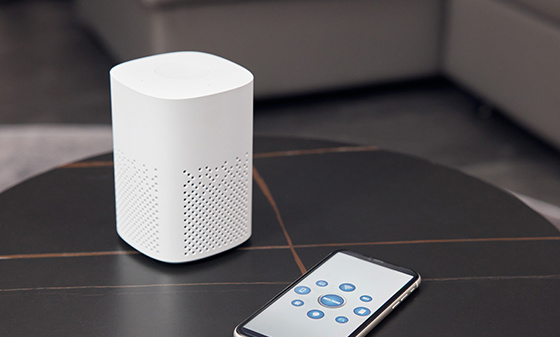 Bluetooth BQB Product Certification
 FM/AM Product Certification
 WiFi Product Certification
 Wireless charging product certification
 Interphone product certification
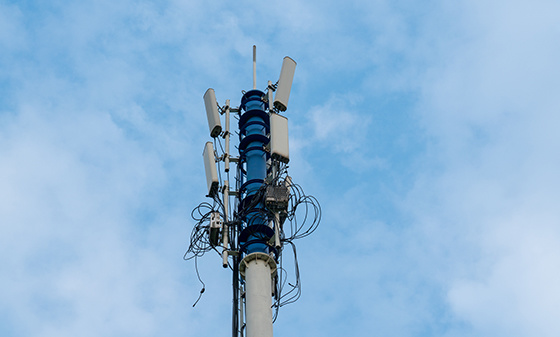 Base station certification
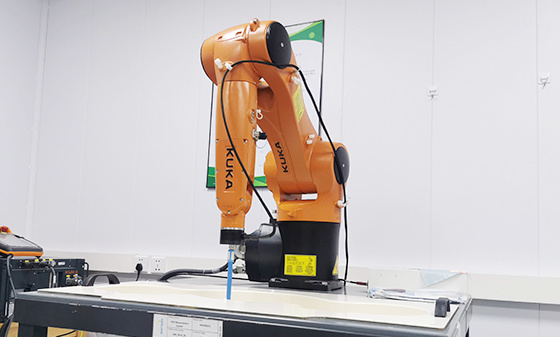 SAR testing
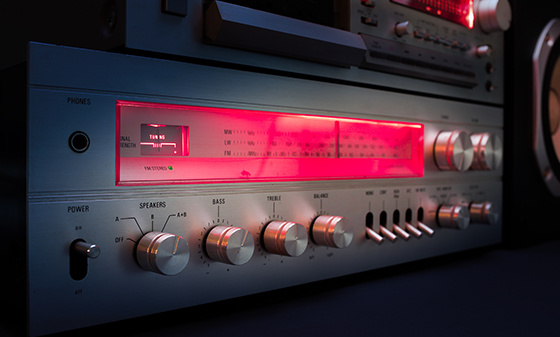 Receiver Product Certification
 5G NR Product Certification
 UWB Product Certification
 Internet of Things authentication
Electromagnetic compatibility
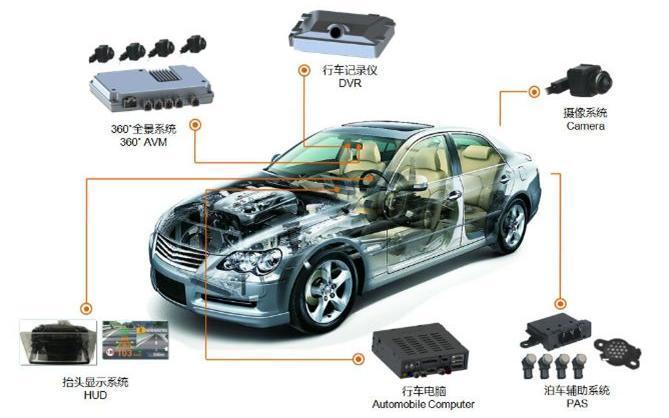 Automotive Electronics EMC Testing
 EMC rectification
 EMC
EMC
Automotive Electronics
 Electrical performance testing
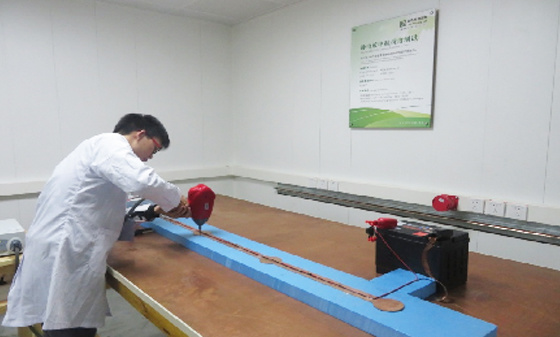 EMS testing - radiation anti-interference testing system (including radar waves)
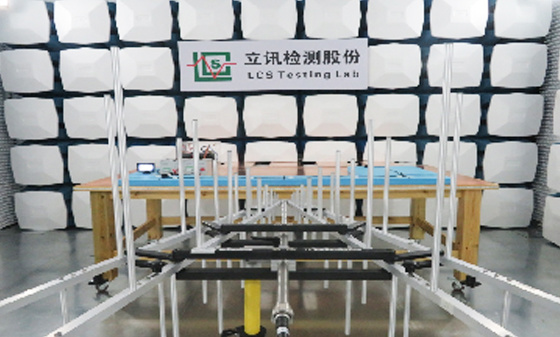 EMS Testing - Electrostatic Discharge
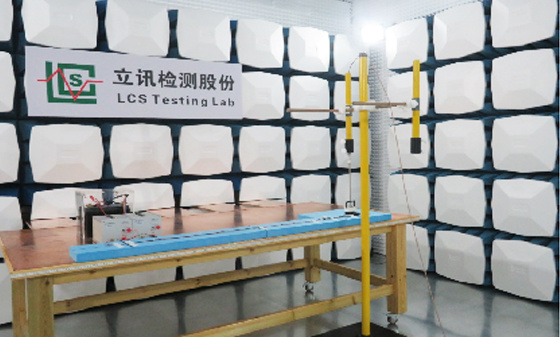 EMS Test - Transient Conducted Immunity Test
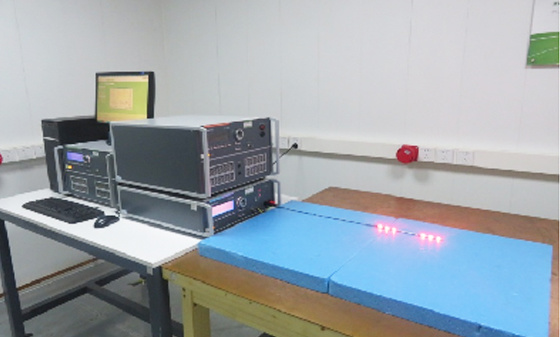 EMS Testing - Portable Transmitter Immunity
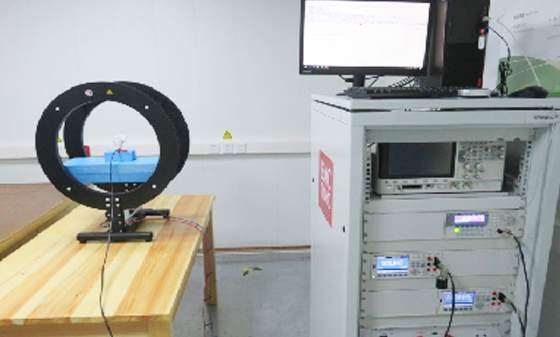 EMS Test - High Current Injection (BCI) Test
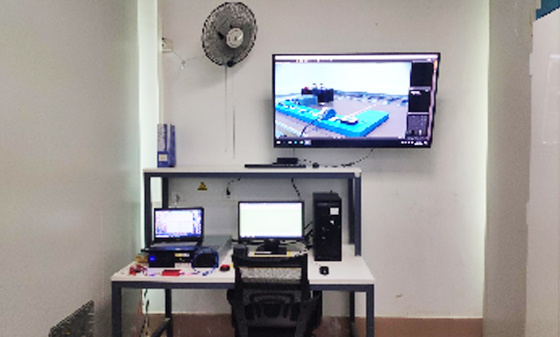 EMS test - low-frequency magnetic field anti-interference test
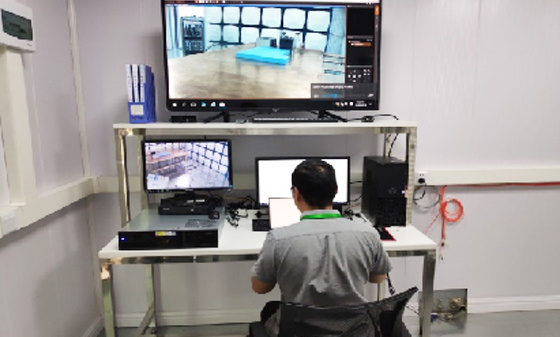 EMI Testing - Transient Conducted Emissions Testing System
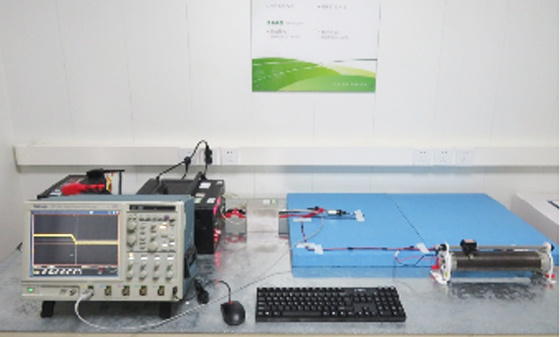 EMI testing - low-frequency magnetic field emission
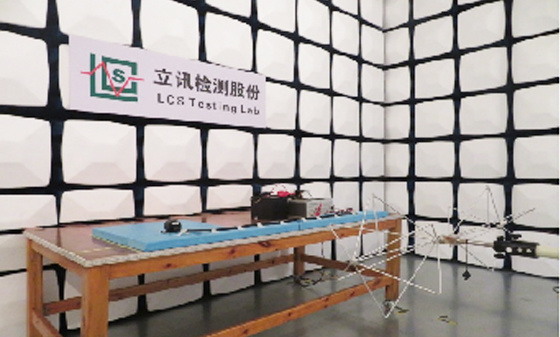 EMI Test - Radiation Emission Test
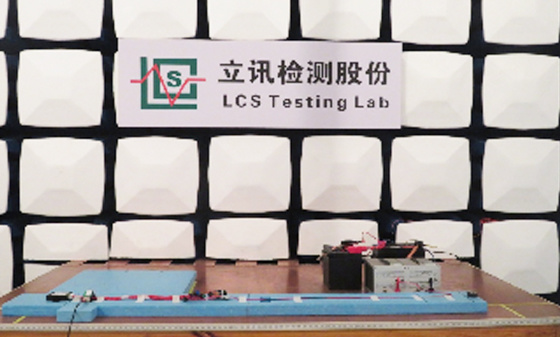 EMI Test - Conducted Emissions Test
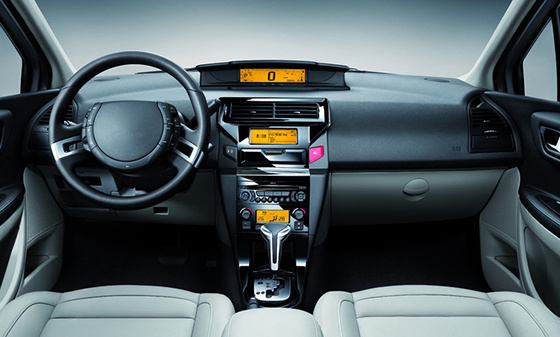 Automotive Electronic Testing
Automotive Parts Inspection
 Automotive ELV&VOC
 Reliability testing
 Temperature shock test
 Vibration testing
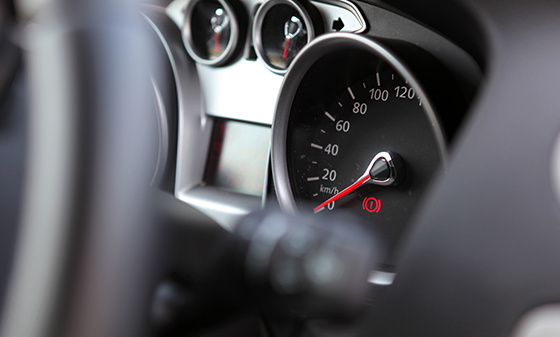 Instrument panel/instrument panel three comprehensive vibration test
 Comprehensive vibration test of door inner panel III
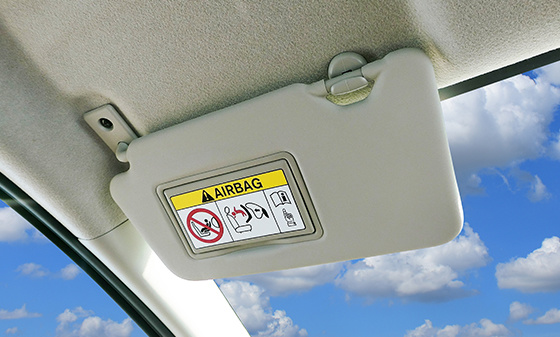 Sunvisor Three Comprehensive Vibration Test
 Spoiler Three Comprehensive Vibration Test
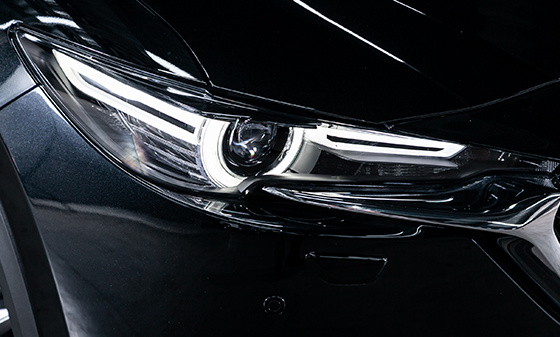 Three comprehensive vibration tests of car front and rear bumpers
 Three comprehensive vibration tests for lamp housing/lampshade
 Comprehensive vibration test of outer circumference three
 Automotive metal material testing
 Performance testing of automotive lighting fixtures
 Rapid temperature change test
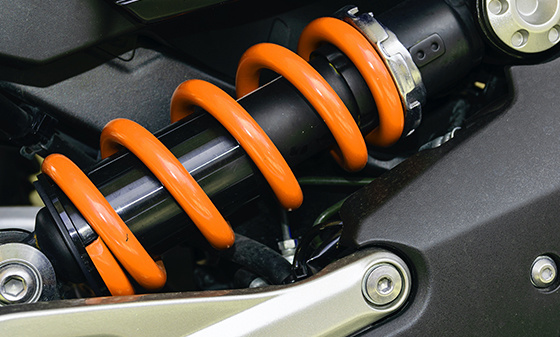 Vibration
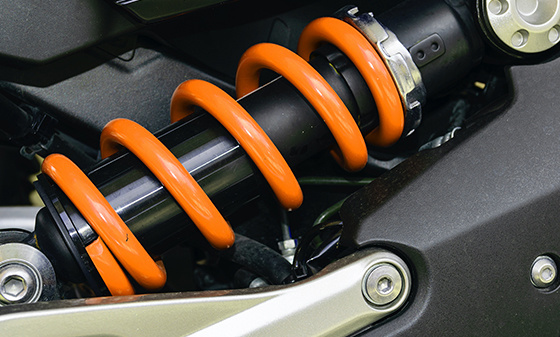 Common issues with vibration testing
 Common issues with fatigue testing
 Common issues with high and low temperature testing
 Conducted Interference (CE) - Suzhou Lixun Standard
 Electromagnetic Radiation Tolerance Test (RS) - Suzhou LCS Standard
 Electrical Fast Pulse Withstand Test (EFT) - Suzhou LCS Standard
 Voltage flicker test - Suzhou LCS standard
Electronic appliances
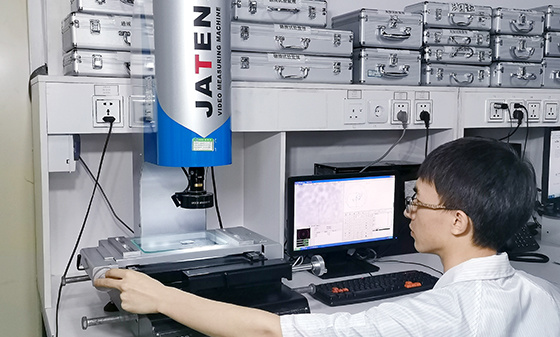 Household appliance product testing
 Electrical accessory product testing
 Household appliance testing
Chemical Testing
 Introduction to PFAS Testing
 MOSH/MOAH Mineral Oil Testing Service
 MOSH/MOAH Mineral Oil Testing and Certification Report Service
 Consumer Product Testing Services - WEEE Chapter
 Ecological textile testing
 Leather Footwear Inspection
 Food contact material testing
 Testing of toys and baby products
 Hazardous substance testing
Electronic Cigarette Testing
 Electronic cigarette detection
Reliability testing
 Other tests - pencil hardness test
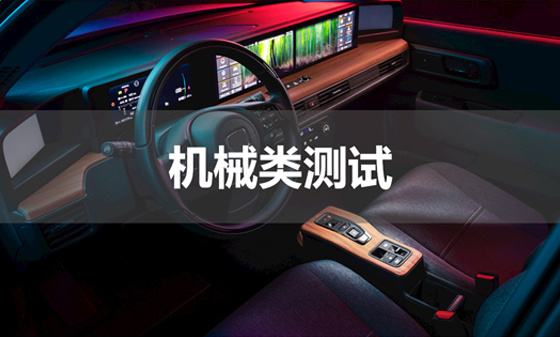 Mechanical testing - Packaging compression test
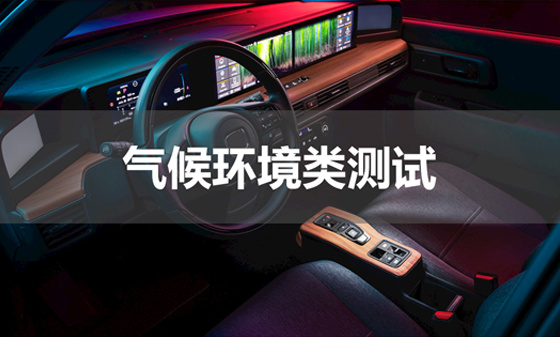 Climate environment testing - Xenon lamp aging test
Battery Testing
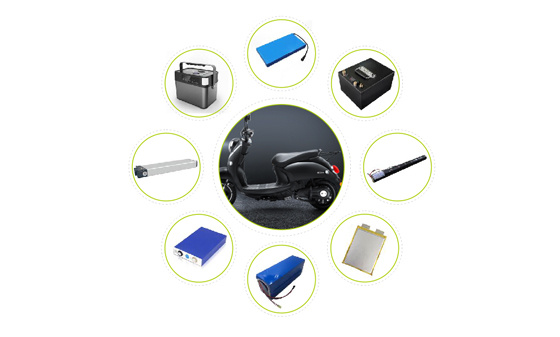 Power storage battery testing and certification
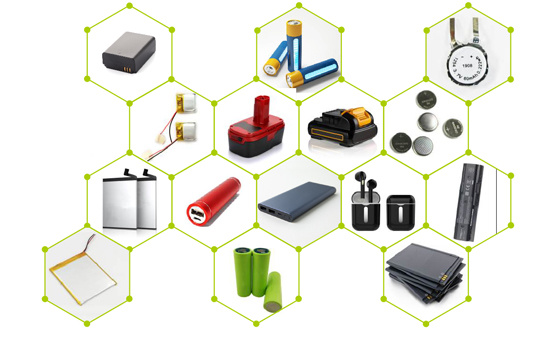 Consumer Electronics Battery Testing and Certification
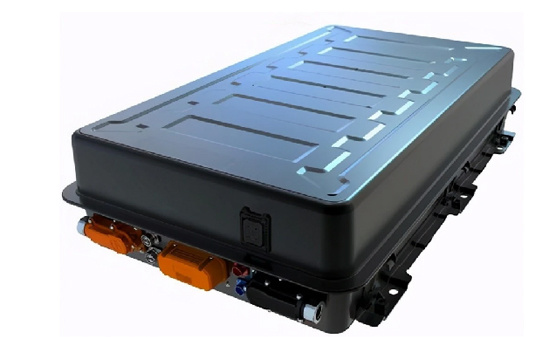 power battery
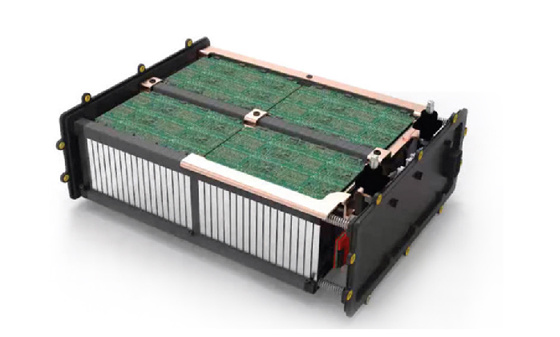 Light electric vehicle batteries
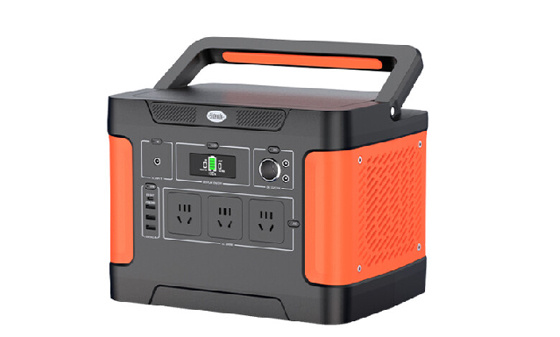 Energy storage battery
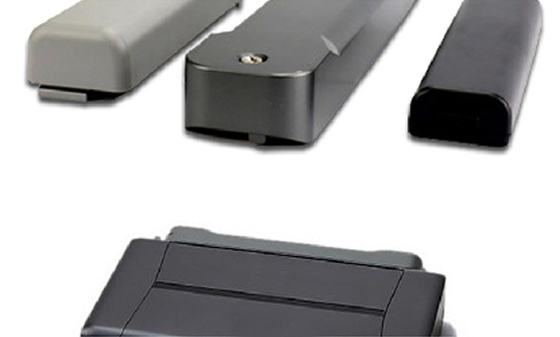 Portable battery
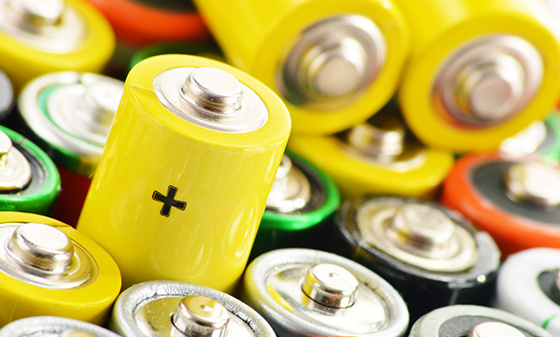 Battery testing
 battery test
Lamp Inspection
 Inspection of ship lighting fixtures
 COI Index Test for Medical Indoor Lighting
 Lamp safety inspection
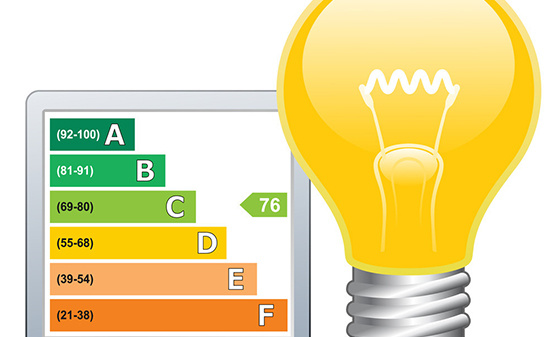 Luminaire energy efficiency testing
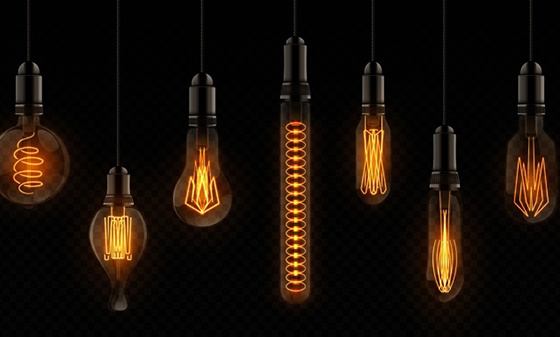 EMC testing of lighting fixtures
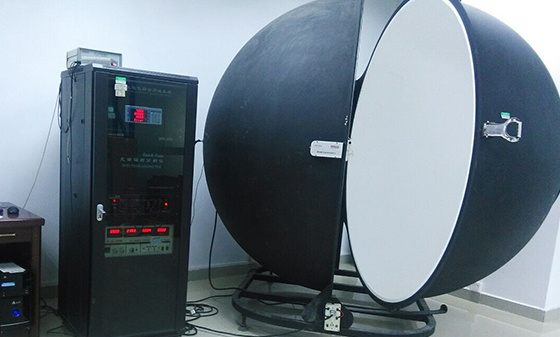 Integral Ball Laboratory
 Photobiology Experiment
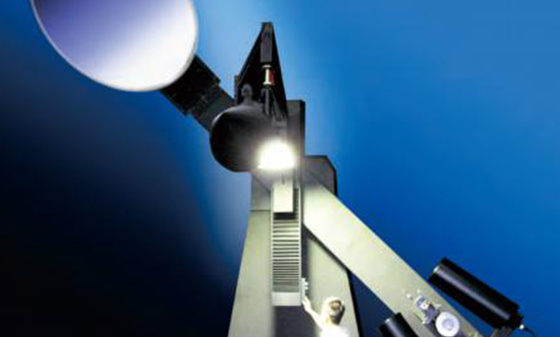 Light distribution test
 Lamp aging test
 Lamp IP waterproof
 Lamp performance testing
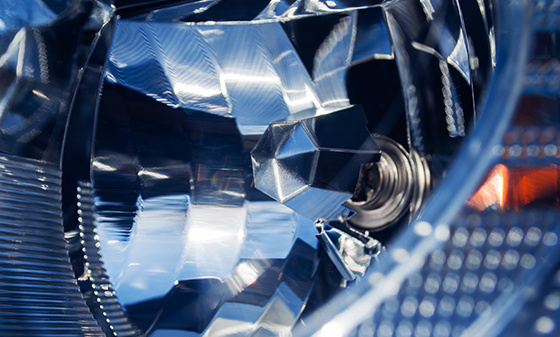 Lamp reliability testing
Children's toy testing
 Testing standards for toy products
China Certification
 China's "national promotion" RoHS certification
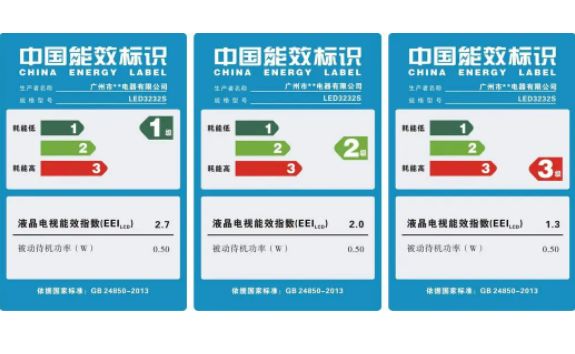 China Energy Efficiency Label Certification
 China Energy Conservation Certification
 China CQC Certification
 Tmall JD Quality Inspection Report
 China SRRC Certification
 Taiwan BSMI certification
 Taiwan NCC certification
 China CCC Compulsory Certification
Asia Certification
 Vietnam certification
 KC certification
 KUCAS Certification in Kuwait
 Singapore PSB certification
 Iraq COC Certification
 IMDA certification
 VCCI Certification in Japan
 JATE certification in Japan
 PSE certification
 BIS certification
 Japanese TELEC certification
European Certification
 RoHS certification
 GOST certification in Russia
 Russian EAC certification
 Northern Ireland UKNI logo
 Electrical ENEC certification
 European D-MARK certification
 Türkiye BTK certification
 TSE certification in Türkiye
 CE certification in Türkiye
 RED certification
 German TUV-SUD certification
 CE-ERP certification
 REACH certification
 German GS certification
 EU E-Mark certification
North American Certification
 Ecuador VOC certification
 Mexico NOM certification
 IRAM certification
 CPSC Certification in the United States
 CSA certification
 ASTM certification
 FDA certification
 CEC certification
 ETL certification
 ul certification
 IC certification
 Energy Star
 FCC Certification in the United States
 ASTM certification
Middle East Certification
 Israel SII certification
 Saudi SABER certification
 GCC certification for the seven Gulf countries
 Iran COI certification
 Qatar COC Certification
 Iraq COC Certification
 Saudi EER Energy Efficiency Certification
 Saudi SABER certification
 Algeria PCA certification
 PVOC certification
Australia Certification
 New Zealand IC-F testing
 VEET certification
 LCP certification
 GEMS certification
 RCM certification
 C-Tick certification
 SAA certification
Africa Certification
 Gabon COC certification
 Algeria COC certification

 Ethiopian VOC and COC certification
 Mauritius VOC certification
 Ghana COC certification
 COC certification in Burundi
 Zambia COC certification
 Botswana COC Certification
 Uganda PVOC certification
 SABS certification in South Africa
 South African LOA certification
 Zimbabwe CBCA Certification
 Nigeria SONCAP certification
 Kenya PVOC certification
 African COC certification
Other certifications
 WEEE
WEEE
 Bluetooth BQB certification
 IECEE registration
 MHRA registration in the UK
TRAINING
 Management system training
 Laboratory technical training
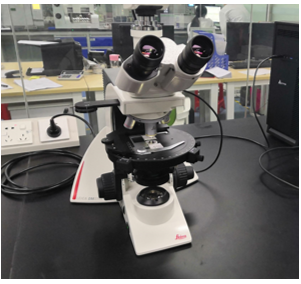 Laboratory Process Consulting
 Laboratory decoration construction
Wireless Communication
Electromagnetic compatibility
Automotive Electronics
Automotive Parts Inspection
Electronic appliances
Chemical Testing
Electronic Cigarette Testing
Reliability testing
Battery Testing
Lamp Inspection
Children's toy testing
China Certification
Asia Certification
European Certification
North American Certification
Middle East Certification
Australia Certification
Africa Certification
Other certifications
TRAINING
Wireless Communication
Electromagnetic compatibility
Automotive Electronics
Automotive Parts Inspection
Electronic appliances
Chemical Testing
Electronic Cigarette Testing
Reliability testing
Battery Testing
Lamp Inspection
Children's toy testing
China Certification
Asia Certification
European Certification
North American Certification
Middle East Certification
Australia Certification
Africa Certification
Other certifications
TRAINING
Wireless Communication
Electromagnetic compatibility
Automotive Electronics
Automotive Parts Inspection
Electronic appliances
Chemical Testing
Electronic Cigarette Testing
Reliability testing
Battery Testing
Lamp Inspection
Children's toy testing
China Certification
Asia Certification
European Certification
North American Certification
Middle East Certification
Australia Certification
Africa Certification
Other certifications
TRAINING
Wireless Communication
Electromagnetic compatibility
Automotive Electronics
Automotive Parts Inspection
Electronic appliances
Chemical Testing
Electronic Cigarette Testing
Reliability testing
Battery Testing
Lamp Inspection
Children's toy testing
China Certification
Asia Certification
European Certification
North American Certification
Middle East Certification
Australia Certification
Africa Certification
Other certifications
TRAINING
Wireless Communication
Electromagnetic compatibility
Automotive Electronics
Automotive Parts Inspection
Electronic appliances
Chemical Testing
Electronic Cigarette Testing
Reliability testing
Battery Testing
Lamp Inspection
Children's toy testing
China Certification
Asia Certification
European Certification
North American Certification
Middle East Certification
Australia Certification
Africa Certification
Other certifications
TRAINING
Wireless Communication
Electromagnetic compatibility
Automotive Electronics
Automotive Parts Inspection
Electronic appliances
Chemical Testing
Electronic Cigarette Testing
Reliability testing
Battery Testing
Lamp Inspection
Children's toy testing
China Certification
Asia Certification
European Certification
North American Certification
Middle East Certification
Australia Certification
Africa Certification
Other certifications
TRAINING

EU Legal Explanation (II)
Author.
LCS
Source:
Post time:
2024-10-14
Types of EU legal acts
EU treaties
The treaty sets out the objectives of the European Union, the rules of EU institutions, decision-making methods, and the relationship between the EU and its member states. The EU treaties are periodically revised to reform EU institutions and give them new areas of responsibility. They have also been revised to allow new EU countries to join the EU.
These treaties are negotiated and agreed upon by all EU countries, then approved by their parliaments, and sometimes subject to a national referendum.
Regulations
Regulation is a legal act that automatically applies uniformly to all EU countries once it comes into effect, without the need to translate it into national law. They are binding on all EU countries.
Note 1: For example, EU REACH: Regulation (EC) No 1907/2006; EU CLP: Regulation (EC) No 1272/2008; EU POPs: Regulation (EU) 2019/1021, etc., are EU level legislation and directly apply to all member states.
Note 2: Electronic cigarette liquids need to meet CLP requirements in the European Union due to their toxicity risks. So the Poison Center Notification (PCN), including the Unique Formula Identifier (UFI), is a unified requirement at the EU level that all member states need to implement uniformly, as well as tactile warning labels.
Note 3: Legislation, judiciary, and law enforcement are integrated into one entity. However, in fact, based on various objective factors, legislation often lags behind market development, while law enforcement is cyclical and to some extent weaker than legislative requirements. On the one hand, the judiciary obtains market feedback from law enforcement, and on the other hand, the results of the judiciary are also one of the sources of legislation.
Instructions
The directive requires EU countries to achieve certain results, but allows them to freely choose how to achieve them. EU countries must take measures to incorporate it into national law (transpose instead of cover, in other words, not change its content. Taking TPD as an example, member state transposed regulations cannot conflict with TPD in any way) in order to achieve the goals set by the directive. National authorities must inform the European Commission of these measures.
The directive must be translated into national law within the deadline specified at the time of its adoption (usually within 2 years). If a country does not translate the directive into national law, the Commission may initiate infringement proceedings (i.e., under EU treaties, the Commission may take legal action against EU countries that do not comply with EU law).
Note 1: Regarding the requirements related to electronic cigarettes, some member states of the EU TPD must implement them uniformly. For example, nicotine concentration of 20mg/mL, 2mL of smoke cartridges used in conjunction with devices, 10mL of oil bottles, etc., these requirements are unified within the European Union. However, the TPD does not specify certain aspects, such as taxes, notification fees, and the nature of penalties, which each member state can decide on its own and only take effect within its own country. Due to the fact that the UK has already left the EU, it has obtained independent interpretation rights for TRPR and does not necessarily require consistency with TPD. This is also the reason why 2+10 has been relatively hot in the UK market recently but has repeatedly encountered obstacles in the EU
Note 2: Although the UK has already left the EU and gained independent interpretation power. But it is a fact that TRPR originated from TPD, and many of its terms are still in line. The author believes that the rationality of 2+10 is questionable both in terms of regulatory provisions and legislative purposes. Moreover, because the implementation and supervision of TRPR in the UK are the result of the joint efforts of multiple departments, MHRA only has the authority to review the content of notices, which is only a part of product compliance content.
So declaring qualified does not mean that the product is completely qualified, and MHRA does not endorse product safety.
Decisions made
Decision is a binding legal act that can be universally applicable or have specific objects.
Decisions can be legislative bills or non legislative bills.
The resolution passed jointly by the following persons shall be a legislative act:
• Submit to the European Parliament and the Council through the ordinary legislative process, or
The European Parliament, with the participation of the Council, or
According to the special legislative procedure, with the participation of the European Parliament and the European Council
Resolutions are usually non legislative acts, generally but not exclusively taken by the European Commission based on authorization (delegated acts) or the implementation of legislation (implementation plans).
Suggested Recommendations
The suggestion is not binding. Suggest allowing EU institutions to express their views and propose action plans, but without imposing any legal obligations on the recipients. Although recommendations do not have legal consequences, they may provide guidance for the interpretation or content of EU law.
Opinions
Opinions are not binding. Opinion "is a means for EU institutions to issue statements, but does not impose any legal obligations on the subject of the opinion.
Note 1: Although suggestions and opinions do not have legal binding force. But it is often adopted to promote the development of matters in the direction expected by the "official".
Delegated Acts
The authorization bill is a legally binding act. But authorization bills are generally non legislative bills passed by the European Commission, used to modify or supplement non essential elements in legislation.
The power of the committee to pass authorization bills is subject to strict conditions:
The basic act must specify the purpose, content, scope, and duration of authorization (such as specifying which parts of the toy directive can be modified, etc.);
The actual authorization bill passed based on this authorization cannot change the basic content of the basic bill (i.e. the main content committee does not have the ability to modify it independently, and if necessary, it still needs to be discussed or approved by the European Parliament and the Council of the European Union);
The authorization bill can only have universal applicability (i.e. cannot solve individual situations).
The committee will consult experts from EU member states before passing the authorization bill. In addition, the European Parliament or the Council of the European Union may revoke the authorization of the Commission, and if the Parliament and the Council have objections to modifications or supplements, they may also initiate inquiries in accordance with the procedure. In addition, the authorization bill passed by the committee can only take effect within the time limit specified in the basic bill, usually 2 months, and without objection from the council or parliament.
Authorization bills are usually used when legislative bills (including their annexes) must be periodically adjusted to take into account technological and scientific progress.
Implementing Acts
The implementation bill is a legally binding bill, but it is also a non legislative bill that can be applied separately or universally. It enables the committee to establish conditions under the supervision of a committee composed of representatives from EU countries, ensuring the uniform application of EU law.
Note 1: For example, in order to promote the implementation of TPD electronic cigarette related provisions, the committee has passed two implementation bills
General format for electronic cigarettes and supplementary containers notification issued by Commission Implementing Decision (EU) 2015/2183
Commission Implementing Decision (EU) 2016/586 released technical standards for electronic cigarette filling mechanisms
Related articles
New articles
Media Center
Latest News
Contact Us
National 24-hour service hotline
400-116-2629
Group Headquarters
E-mail: webmaster@lcs-cert.com
Address: Shenzhen City, Baoan District, Shajing Street, Nga side of the school of Wei Juji Industrial Park, Building A 1 ~ 2 floor, Building C 3 floor


 WeChat Inquiry


 Reservation


Contact Us
National 24-hour service hotline
Address:Juji Industrial Park, Xueziwei, Ngabian, Shajing Street, Baoan District, Shenzhen Building A 1~2F, Building C 3F

WeChat public number
Share industry dry goods

WeChat consultation
Please note consulting services

Follow Jitterbug

Mobile website
di complaint mailbox: customer.complaint@lcs-cert.com complaint telephone tel: 18126445450 certificate report verification of authenticity mailbox: verification@lcs-cert.com