

Wireless Communication
 EU RED Network Security Standard EN 18031
 Wireless and communication detection
 Mobile communication product certification
 Bluetooth BQB Product Certification
 FM/AM Product Certification
 WiFi Product Certification
 Wireless charging product certification
 Interphone product certification
 Base station certification
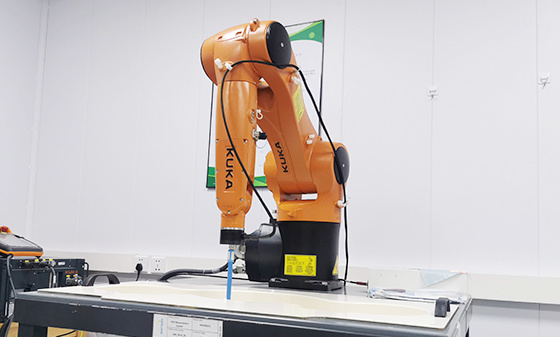 SAR testing
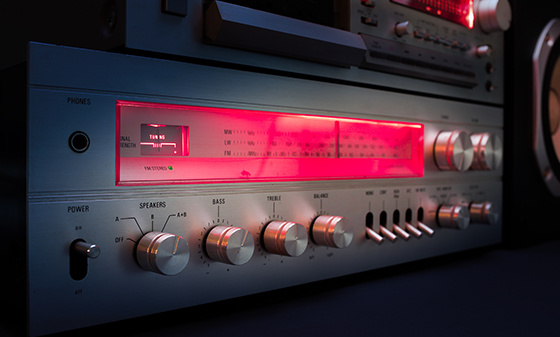 Receiver Product Certification
 5G NR Product Certification
 UWB Product Certification
 Internet of Things authentication
Electromagnetic compatibility
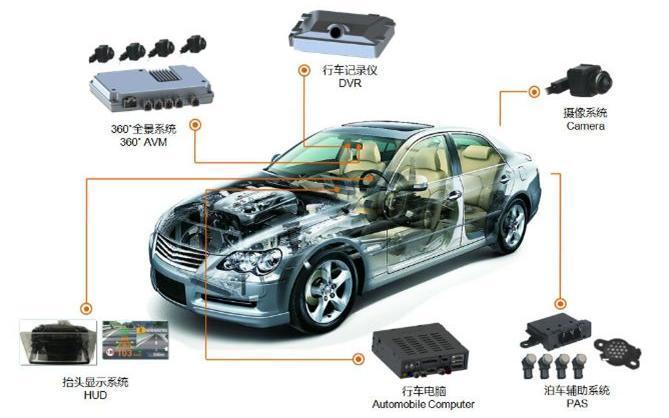 Automotive Electronics EMC Testing
 EMC rectification
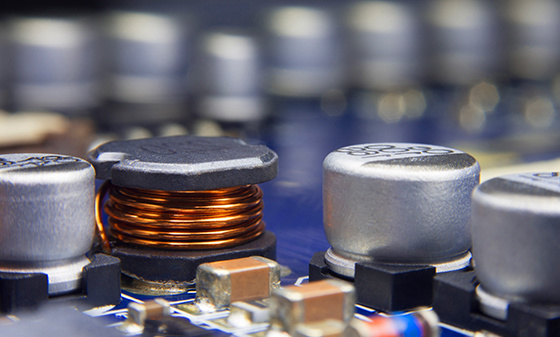 EMC
EMC
Automotive Electronics
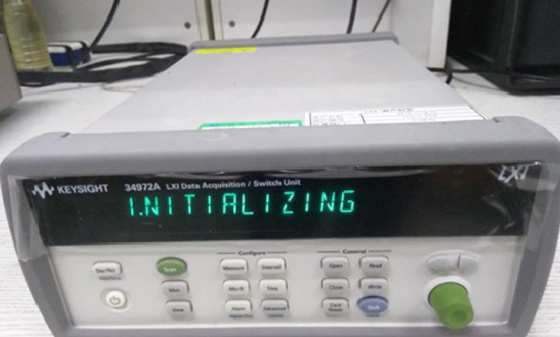 Electrical performance testing
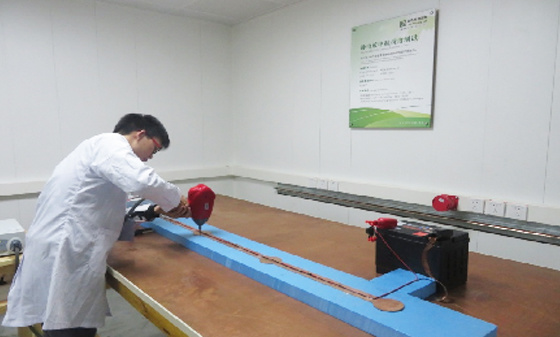 EMS testing - radiation anti-interference testing system (including radar waves)
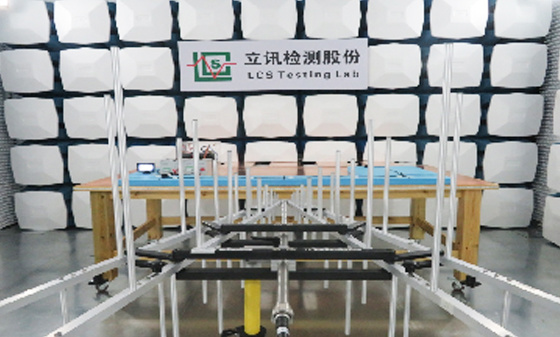 EMS Testing - Electrostatic Discharge
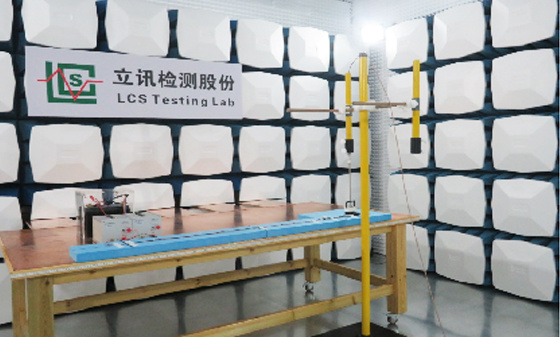 EMS Test - Transient Conducted Immunity Test
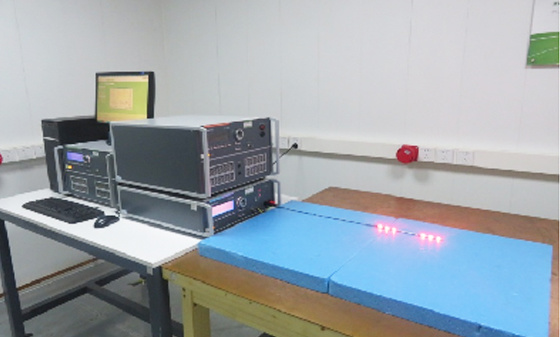 EMS Testing - Portable Transmitter Immunity
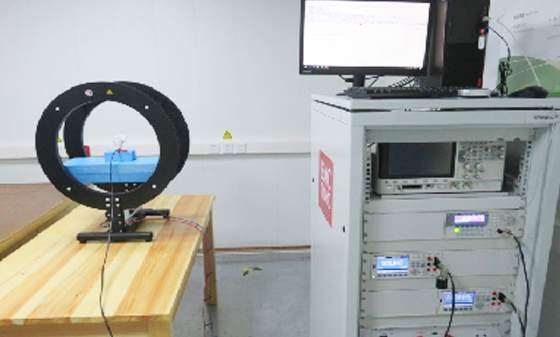 EMS Test - High Current Injection (BCI) Test
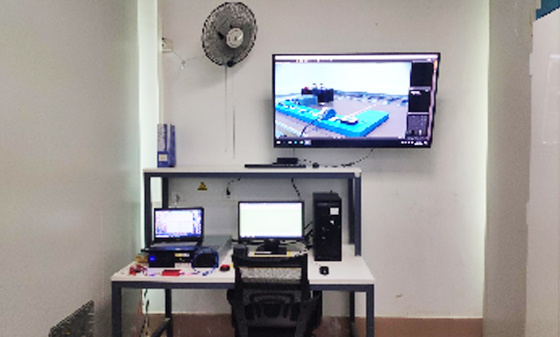 EMS test - low-frequency magnetic field anti-interference test
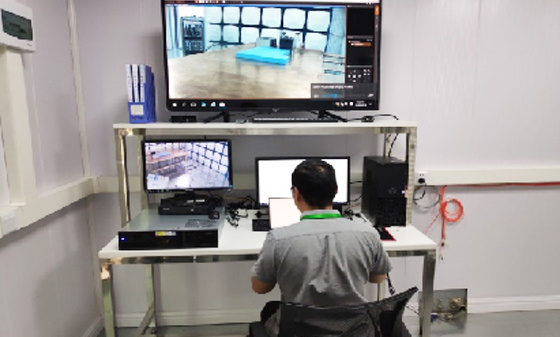 EMI Testing - Transient Conducted Emissions Testing System
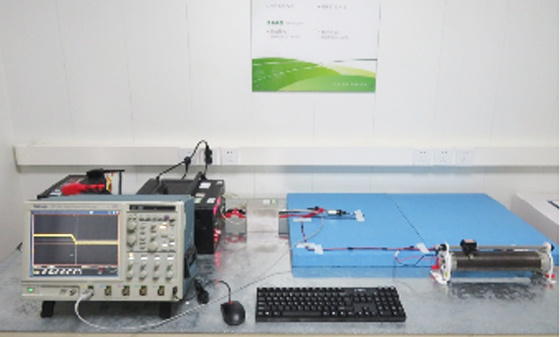 EMI testing - low-frequency magnetic field emission
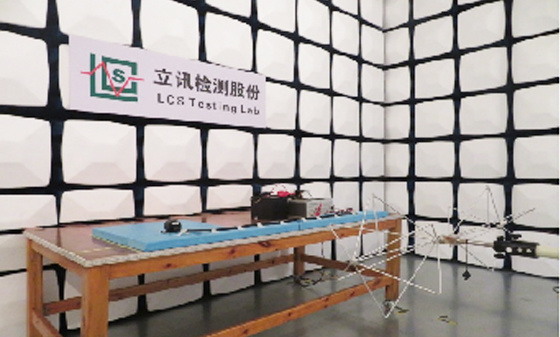 EMI Test - Radiation Emission Test
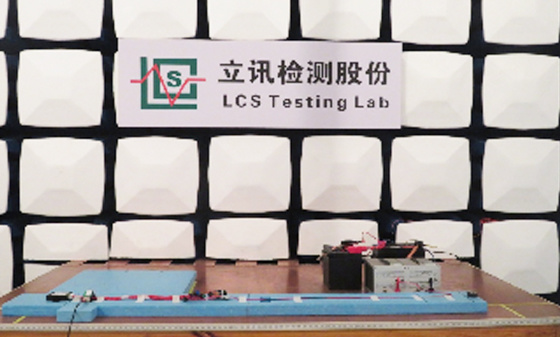 EMI Test - Conducted Emissions Test
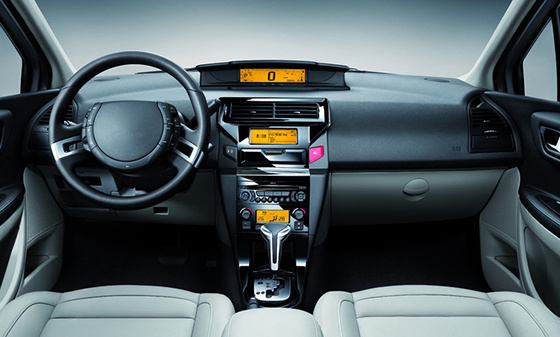 Automotive Electronic Testing
Automotive Parts Inspection
 Automotive ELV&VOC
 Reliability testing
 Temperature shock test
 Vibration testing
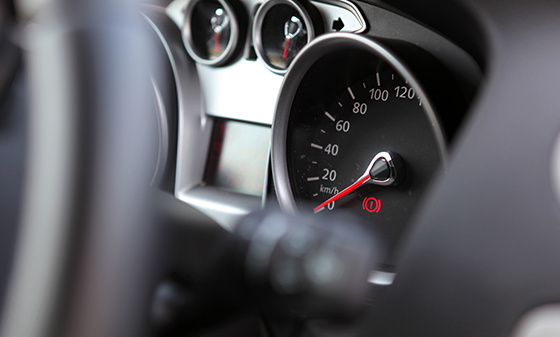 Instrument panel/instrument panel three comprehensive vibration test
 Comprehensive vibration test of door inner panel III
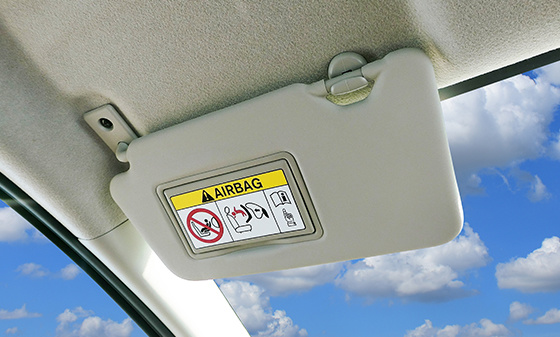 Sunvisor Three Comprehensive Vibration Test
 Spoiler Three Comprehensive Vibration Test
 Three comprehensive vibration tests of car front and rear bumpers
 Three comprehensive vibration tests for lamp housing/lampshade
 Comprehensive vibration test of outer circumference three
 Automotive metal material testing
 Performance testing of automotive lighting fixtures
 Rapid temperature change test
 Vibration
 Common issues with vibration testing
 Common issues with fatigue testing
 Common issues with high and low temperature testing
 Conducted Interference (CE) - Suzhou Lixun Standard
 Electromagnetic Radiation Tolerance Test (RS) - Suzhou LCS Standard
 Electrical Fast Pulse Withstand Test (EFT) - Suzhou LCS Standard
 Voltage flicker test - Suzhou LCS standard
Electronic appliances
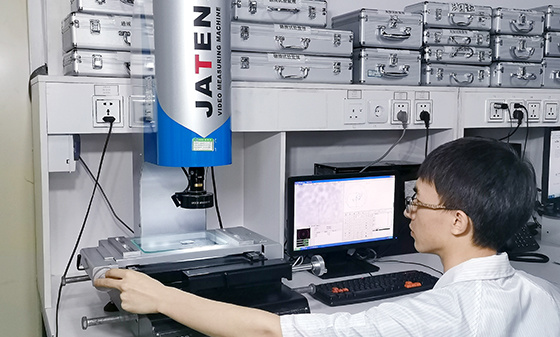 Household appliance product testing
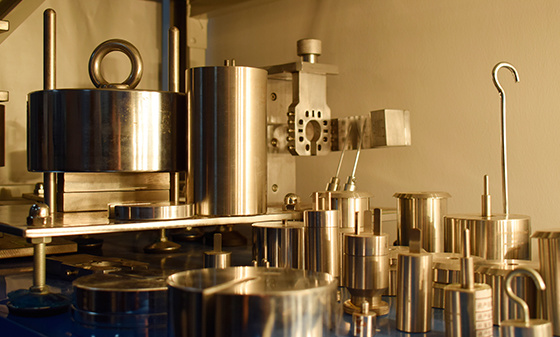 Electrical accessory product testing
 Household appliance testing
Chemical Testing
 Introduction to PFAS Testing
 MOSH/MOAH Mineral Oil Testing Service
 MOSH/MOAH Mineral Oil Testing and Certification Report Service
 Consumer Product Testing Services - WEEE Chapter
 Ecological textile testing
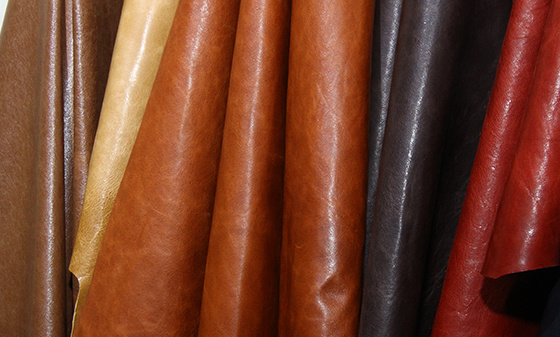 Leather Footwear Inspection
 Food contact material testing
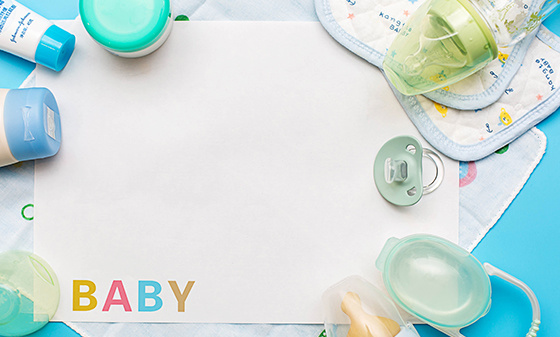 Testing of toys and baby products
 Hazardous substance testing
Electronic Cigarette Testing
 Electronic cigarette detection
Reliability testing
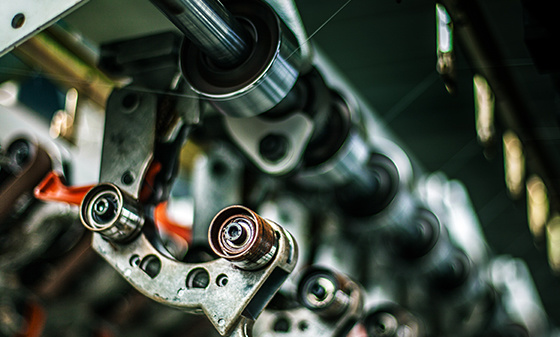 Other tests - pencil hardness test
 Mechanical testing - Packaging compression test
 Climate environment testing - Xenon lamp aging test
Battery Testing
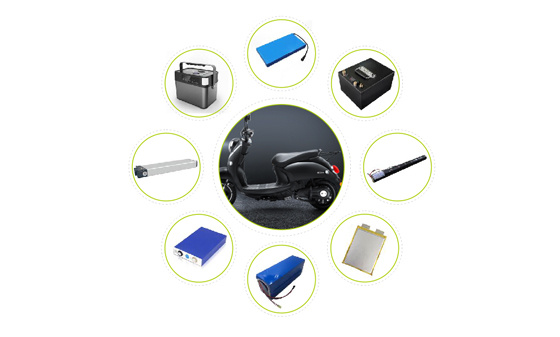 Power storage battery testing and certification
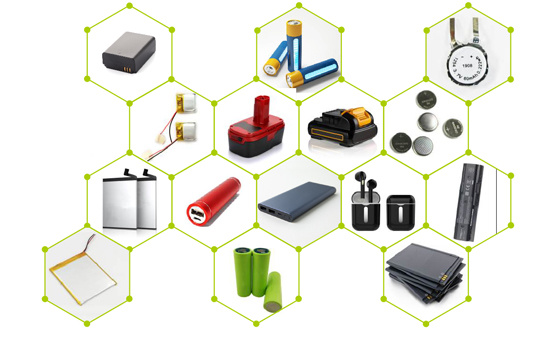 Consumer Electronics Battery Testing and Certification
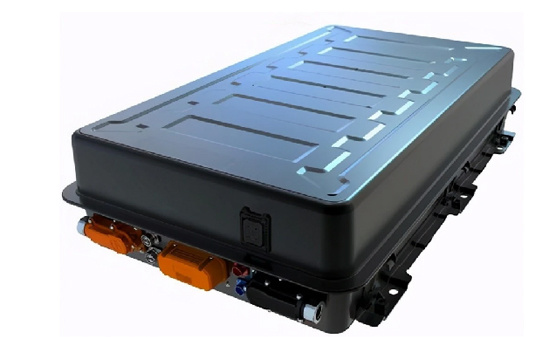 power battery
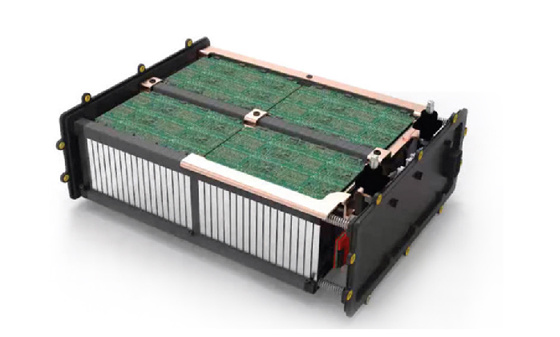 Light electric vehicle batteries
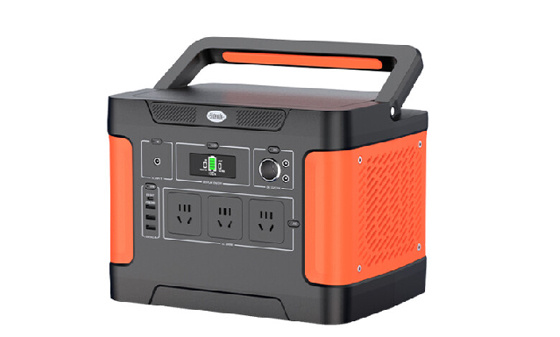 Energy storage battery
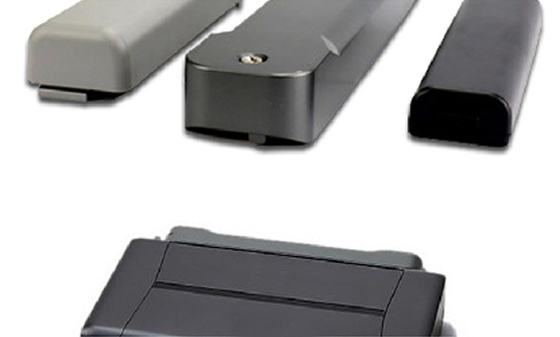 Portable battery
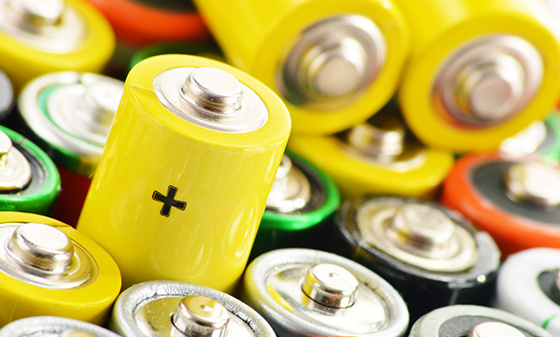 Battery testing
 battery test
Lamp Inspection
 Inspection of ship lighting fixtures
 COI Index Test for Medical Indoor Lighting
 Lamp safety inspection
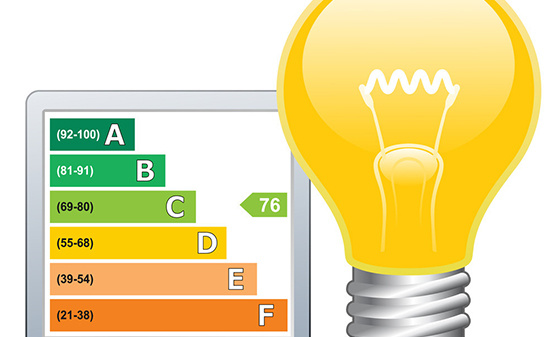 Luminaire energy efficiency testing
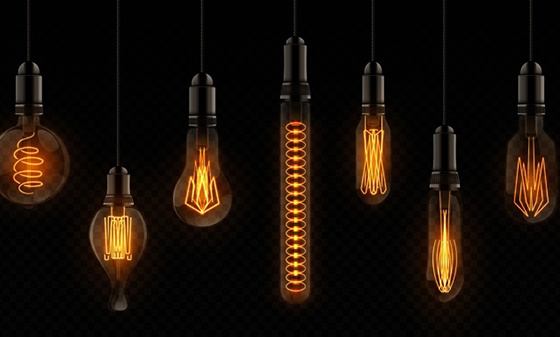 EMC testing of lighting fixtures
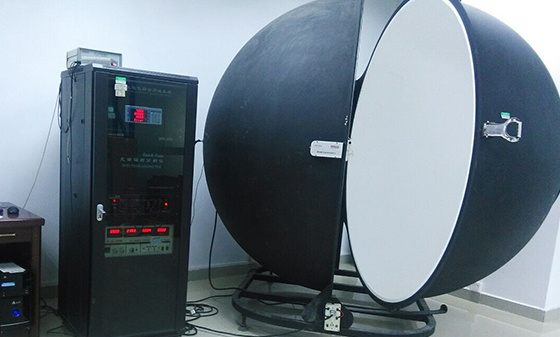 Integral Ball Laboratory
 Photobiology Experiment
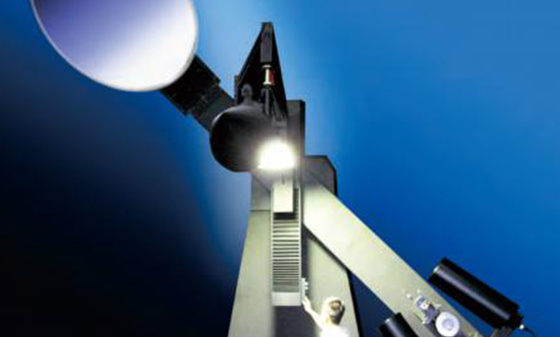 Light distribution test
 Lamp aging test
 Lamp IP waterproof
 Lamp performance testing
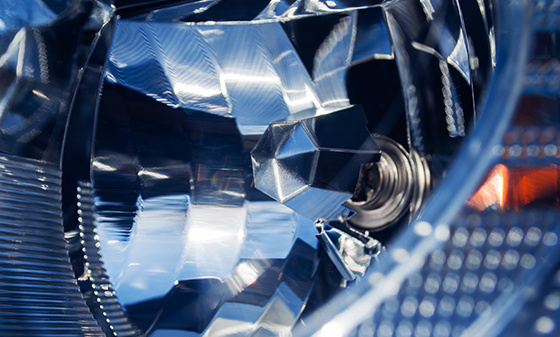 Lamp reliability testing
Children's toy testing
 Testing standards for toy products
China Certification
 China's "national promotion" RoHS certification
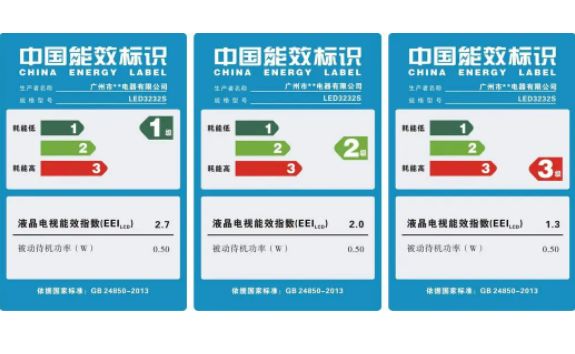 China Energy Efficiency Label Certification
 China Energy Conservation Certification
 China CQC Certification
 Tmall JD Quality Inspection Report
 China SRRC Certification
 Taiwan BSMI certification
 Taiwan NCC certification
 China CCC Compulsory Certification
Asia Certification
 Vietnam certification
 KC certification
 KUCAS Certification in Kuwait
 Singapore PSB certification
 Iraq COC Certification
 IMDA certification
 VCCI Certification in Japan
 JATE certification in Japan
 PSE certification
 BIS certification
 Japanese TELEC certification
European Certification
 RoHS certification
 GOST certification in Russia
 Russian EAC certification
 Northern Ireland UKNI logo
 Electrical ENEC certification
 European D-MARK certification
 Türkiye BTK certification
 TSE certification in Türkiye
 CE certification in Türkiye
 RED certification
 German TUV-SUD certification
 CE-ERP certification
 REACH certification
 German GS certification
 EU E-Mark certification
North American Certification
 Ecuador VOC certification
 Mexico NOM certification
 IRAM certification
 CPSC Certification in the United States
 CSA certification
 ASTM certification
 FDA certification
 CEC certification
 ETL certification
 ul certification
 IC certification
 Energy Star
 FCC Certification in the United States
 ASTM certification
Middle East Certification
 Israel SII certification
 Saudi SABER certification
 GCC certification for the seven Gulf countries
 Iran COI certification
 Qatar COC Certification
 Iraq COC Certification
 Saudi EER Energy Efficiency Certification
 Saudi SABER certification
 Algeria PCA certification
 PVOC certification
Australia Certification
 New Zealand IC-F testing
 VEET certification
 LCP certification
 GEMS certification
 RCM certification
 C-Tick certification
 SAA certification
Africa Certification
 Gabon COC certification
 Algeria COC certification

 Ethiopian VOC and COC certification
 Mauritius VOC certification
 Ghana COC certification
 COC certification in Burundi
 Zambia COC certification
 Botswana COC Certification
 Uganda PVOC certification
 SABS certification in South Africa
 South African LOA certification
 Zimbabwe CBCA Certification
 Nigeria SONCAP certification
 Kenya PVOC certification
 African COC certification
Other certifications
 WEEE
WEEE
 Bluetooth BQB certification
 IECEE registration
 MHRA registration in the UK
TRAINING
 Management system training
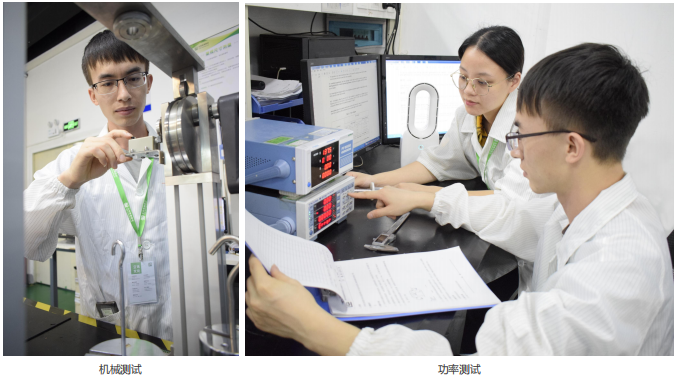 Laboratory technical training
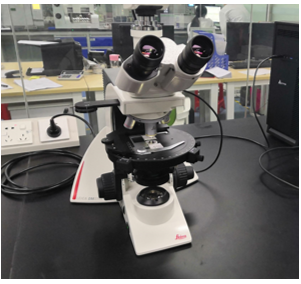 Laboratory Process Consulting
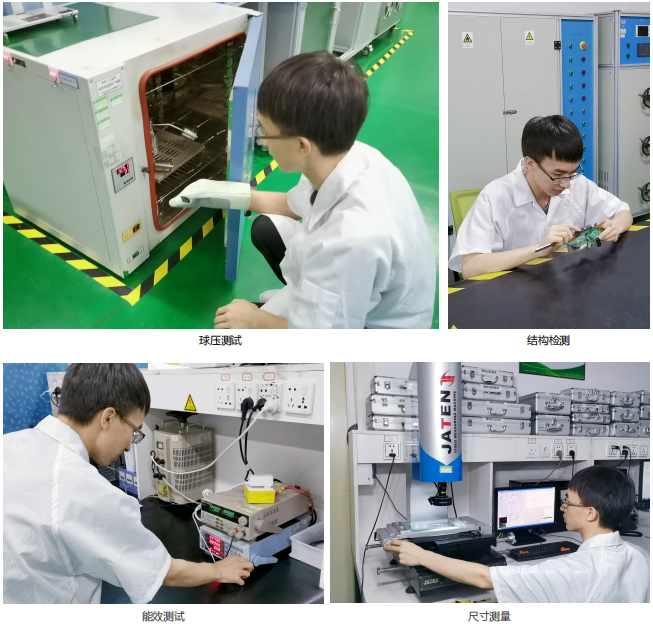 Laboratory decoration construction
Wireless Communication
Electromagnetic compatibility
Automotive Electronics
Automotive Parts Inspection
Electronic appliances
Chemical Testing
Electronic Cigarette Testing
Reliability testing
Battery Testing
Lamp Inspection
Children's toy testing
China Certification
Asia Certification
European Certification
North American Certification
Middle East Certification
Australia Certification
Africa Certification
Other certifications
TRAINING
Wireless Communication
Electromagnetic compatibility
Automotive Electronics
Automotive Parts Inspection
Electronic appliances
Chemical Testing
Electronic Cigarette Testing
Reliability testing
Battery Testing
Lamp Inspection
Children's toy testing
China Certification
Asia Certification
European Certification
North American Certification
Middle East Certification
Australia Certification
Africa Certification
Other certifications
TRAINING
Wireless Communication
Electromagnetic compatibility
Automotive Electronics
Automotive Parts Inspection
Electronic appliances
Chemical Testing
Electronic Cigarette Testing
Reliability testing
Battery Testing
Lamp Inspection
Children's toy testing
China Certification
Asia Certification
European Certification
North American Certification
Middle East Certification
Australia Certification
Africa Certification
Other certifications
TRAINING
Wireless Communication
Electromagnetic compatibility
Automotive Electronics
Automotive Parts Inspection
Electronic appliances
Chemical Testing
Electronic Cigarette Testing
Reliability testing
Battery Testing
Lamp Inspection
Children's toy testing
China Certification
Asia Certification
European Certification
North American Certification
Middle East Certification
Australia Certification
Africa Certification
Other certifications
TRAINING
Wireless Communication
Electromagnetic compatibility
Automotive Electronics
Automotive Parts Inspection
Electronic appliances
Chemical Testing
Electronic Cigarette Testing
Reliability testing
Battery Testing
Lamp Inspection
Children's toy testing
China Certification
Asia Certification
European Certification
North American Certification
Middle East Certification
Australia Certification
Africa Certification
Other certifications
TRAINING
Wireless Communication
Electromagnetic compatibility
Automotive Electronics
Automotive Parts Inspection
Electronic appliances
Chemical Testing
Electronic Cigarette Testing
Reliability testing
Battery Testing
Lamp Inspection
Children's toy testing
China Certification
Asia Certification
European Certification
North American Certification
Middle East Certification
Australia Certification
Africa Certification
Other certifications
TRAINING

Information | Introduction to the Update of American Toy Safety Specification ASTM F963-23
Author.
LCS
Source:
Post time:
2023-10-31
On October 13, 2023, the American Society for Testing and Materials (ASTM) released the Voluntary Consumer Safety Specification ASTM F963-23 for toy product safety in the United States. The current mandatory version is ASTM F963-17.
According to Section 106 of the Consumer Product Safety Improvement Act (CPSIA) (SEC. 106.), the mandatory toy safety standards (g) require that the revised standards be implemented by the Consumer Product Safety Commission in accordance with the requirements of the Consumer Product Safety Act (15 U.S. Code 2058- Procedure for Consumer Product Safety Rules). If the committee does not indicate to ASTM International that the proposed modifications do not enhance the safety of consumer goods covered by the standard within 90 days of receiving the notice (the new version of the regulation has been changed to within 60 days), it will take effect 180 days after the revision date of the ASTM International Notification Committee. If the committee approves the Federal Register's notice to ASTM International regarding the proposed modification of the standard, the existing standard will continue to be considered a consumer product safety regulation and not a modification proposal.
The regulation is currently in the committee's review stage. However, the product is exported to relevant toy companies in the United States, as well as merchants on certain platforms such as Meiya, who should pay sufficient attention to the update of toy specifications in order to make timely responses.
The main new specifications for this update have been compiled in Annex 14, as follows:
1、 Heavy Elements in Toy Base Materials
The revision of this section aims to reflect the decision reached at the F15.22 meeting in May 2020 and to add other decisions made by the Consumer Product Safety Commission (CPSC) since the 2017 revision of ASTM F963, that specific materials are exempt from routine testing and certification requirements for heavy elements due to (not exceeding) limits. And in order to make the description clearer and more reasonable, the structure or layout of some small paragraphs has been adjusted.
2、 Cleanliness of process water
The revision here is to provide more testing flexibility without affecting security; The latest revised version of USP can be used to replace Volume 35.
3、 Phthalate salt
The revision here is to reflect current regulations and practices - as the requirements for phthalates in previous versions were already outdated. After this revision, it will be consistent with the current federal phthalate requirements of the United States (16 CFR 1307), the current testing methods of the Consumer Product Safety Commission of the United States, and the issued requirements for whether specific materials require third-party testing.
Supplementary note: Although ringbells, gummies, and pacifiers are clearly listed as product types that require compliance with F963 requirements (with detailed requirements in paragraphs 4.20, 4.22, and 4.23, respectively), there is controversy over defining these three types of products as toys to meet phthalate requirements. However, regardless of the final discussion or subsequent revision results (such as stripping these three types of products from F963 requirements), Because the scope of application of 16 CFR 1307 includes both children's toys and child care articles, even if ringing bells, gums, and pacifiers are not used as toys but as child care products, this requirement still needs to be met.
4、 Acoustics
This update has revised the definitions of certain sound toys to help distinguish between:
1) Revised the definitions of push or pull toys (formerly known as push/pull toys) and tabletop, floor, or crib toys to make them easier to distinguish;
2) Toys intended for use by children under 14 years old must meet sound requirements before and after use and abuse testing. For toys used by children aged 8 to 14 years old, the use and abuse testing requirements for children aged 36 to 96 months are applicable.
5、 Battery
The F963 requirement for battery accessibility aims to limit children's access to batteries and provide effective protection for children's toys. This has also become a model for legislation in other product categories (such as the recently finalized Reese's Law for button batteries). And this revision has put forward higher requirements for battery accessibility:
1) Reformat, renumber, and rephrase the requirements for battery accessibility to clarify the requirements;
2) Revise the definition of tools (used for disassembling or assembling toys or their parts) - replace them with common household tools and add examples to make the definition of "tools" used clearer.
3) In addition, some substantive (change) requirements have been added;
a) Added requirements for extended use and abuse testing for toys aged 96 months and above
b) The fastening screws of the battery cover must not fall off after abuse testing;
c) Allow the use of other equivalent battery box locking devices as a safe alternative. If professional or customized tools are required to open the battery compartment, corresponding instructions should be provided in the accompanying manual: remind consumers to keep this tool for future use, indicate that it should be stored out of reach of children, and indicate that this tool is not a toy.
6、 Expansive material
1) This revision aims to address items that have had similar risks since the inclusion of this requirement (referring to intestinal obstruction in children due to the expansion of ingested materials) but are not within the initial scope of requirements. Specifically, it aims to expand the scope of application from small component samples to include non small component items that present similar risks.
2) In order to increase clarity, the language has been revised and errors in the two tolerances and significant digits in the schematic diagram of the expansion toy testing module have been corrected to avoid bias in the judgment of the results caused by this error when at the extreme value of the tolerance.
7、 Label requirements
Added requirement for tracking label. Tracking labels must comply with the relevant requirements of the Consumer Product Safety Act (CPSA) - this requirement was originally derived from Section 103 of the Consumer Product Safety Improvement Act of 2008.
8、 Drop test
This revision mainly updates the reference files for tiles used in the drop test. The previous reference document, Federal Specification SS-T-312B, has been withdrawn and replaced by ASTM F1066-04.
9、 Ejection toys
The main revision of this section is to delete some annotations. The reason for this is that maintaining the required conditions for testing requires a dedicated environment (note: it can ensure accurate test results and good consistency between laboratories. However, there will be additional costs), but any other instruments or meters used to perform any testing required by F963 do not have specified storage conditions (note: there may be deviations here, but there are no limited requirements. Overall, deviation in test results may still exist). On the other hand, neither the EU standard EN71-1 for the coordination of mechanical and physical requirements for toys nor the International Toy Standard ISO 8124-1 for mechanical and physical requirements do not require this storage condition. So in order to ensure the consistency of the requirements in these three standards (note: because the starting point of protection is consistent), this update has removed the relevant remarks, and it is expected that it will not have any impact on the safety of toys.
10、 Bow and Arrow Testing
This update mainly adjusts the order of some clauses to make them more logical.
On October 18, 2023, the Secretariat of the National Food Safety Standards Review Committee issued a letter soliciting opinions on 11 national food safety standards (draft for soliciting opinions), including the "National Food Safety Standard for Tumor Total Nutritional Formula Food", which focuses on food related products, The two food contact material standards, "National Food Safety Standard General Safety Requirements for Food Contact Materials and Products" and "National Food Safety Standard Silicone Rubber Materials and Products for Food Contact", were publicly solicited for opinions.
Related articles
New articles
Media Center
Latest News
Contact Us
National 24-hour service hotline
400-116-2629
Group Headquarters
E-mail: webmaster@lcs-cert.com
Address: Shenzhen City, Baoan District, Shajing Street, Nga side of the school of Wei Juji Industrial Park, Building A 1 ~ 2 floor, Building C 3 floor


 WeChat Inquiry


 Reservation


Contact Us
National 24-hour service hotline
Address:Juji Industrial Park, Xueziwei, Ngabian, Shajing Street, Baoan District, Shenzhen Building A 1~2F, Building C 3F

WeChat public number
Share industry dry goods

WeChat consultation
Please note consulting services

Follow Jitterbug

Mobile website
di complaint mailbox: customer.complaint@lcs-cert.com complaint telephone tel: 18126445450 certificate report verification of authenticity mailbox: verification@lcs-cert.com