

Wireless Communication
 EU RED Network Security Standard EN 18031
 Wireless and communication detection
 Mobile communication product certification
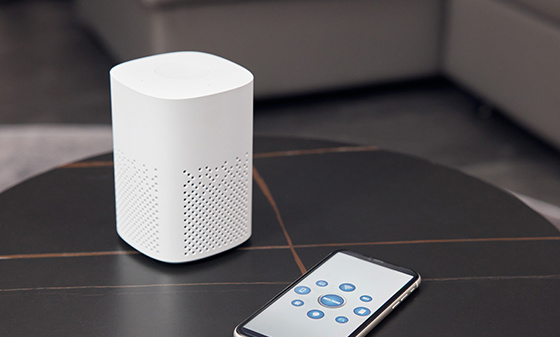 Bluetooth BQB Product Certification
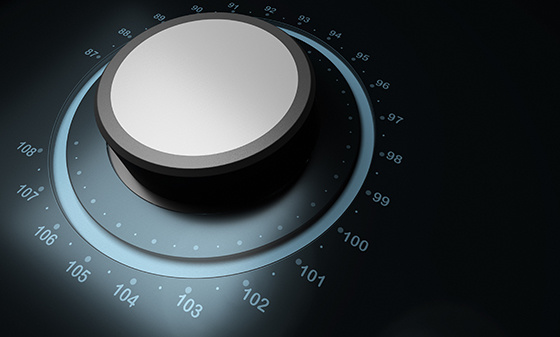 FM/AM Product Certification
 WiFi Product Certification
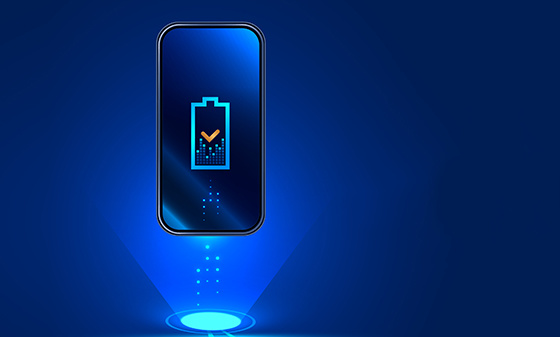 Wireless charging product certification
 Interphone product certification
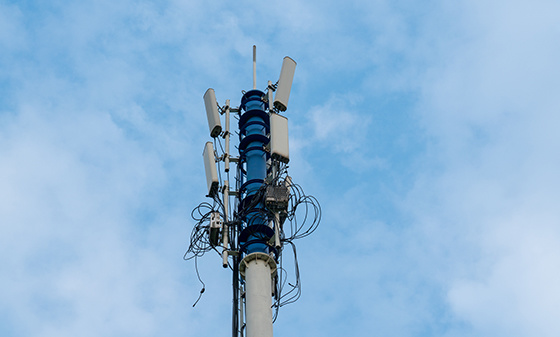 Base station certification
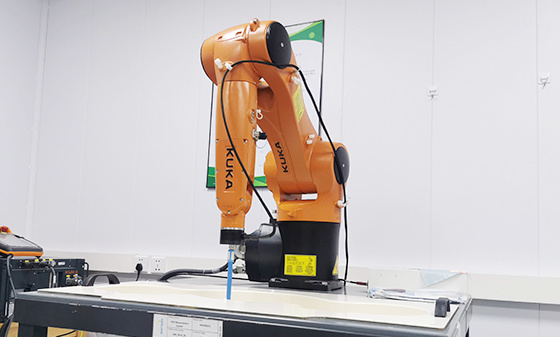 SAR testing
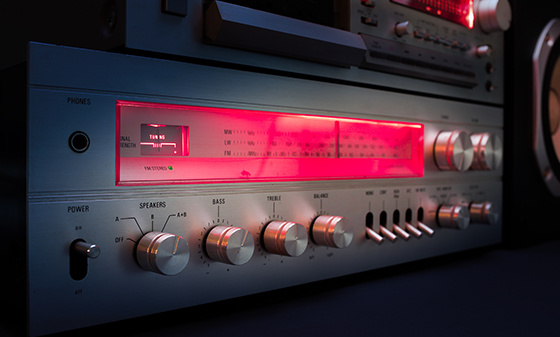 Receiver Product Certification
 5G NR Product Certification
 UWB Product Certification
 Internet of Things authentication
Electromagnetic compatibility
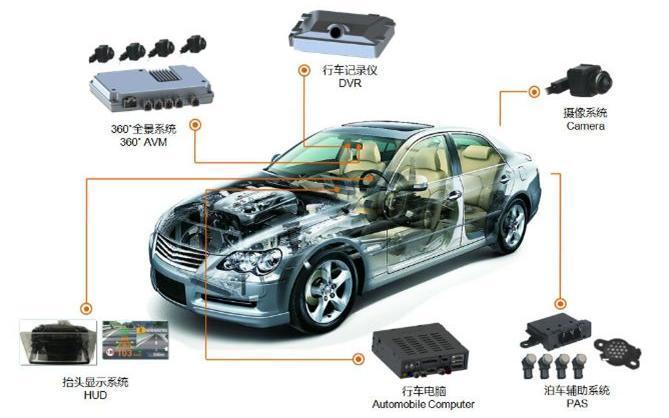 Automotive Electronics EMC Testing
 EMC rectification
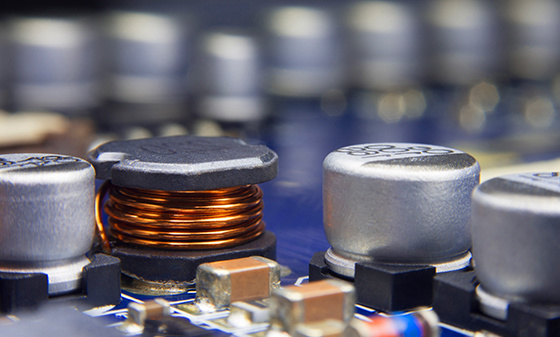 EMC
EMC
Automotive Electronics
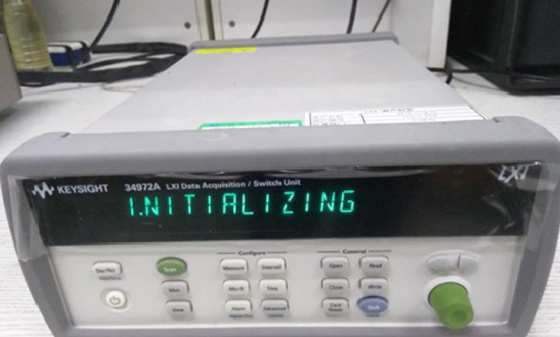 Electrical performance testing
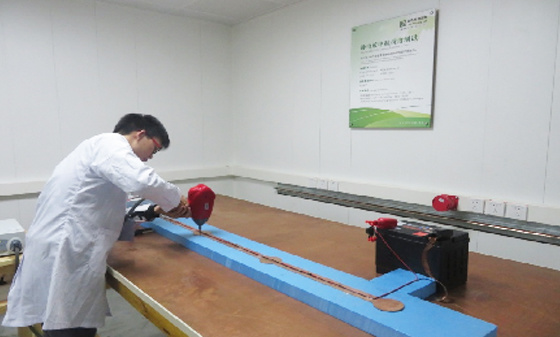 EMS testing - radiation anti-interference testing system (including radar waves)
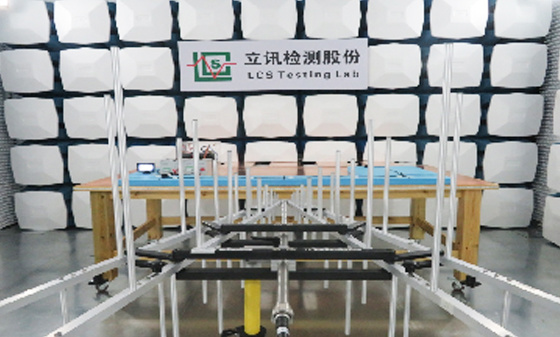 EMS Testing - Electrostatic Discharge
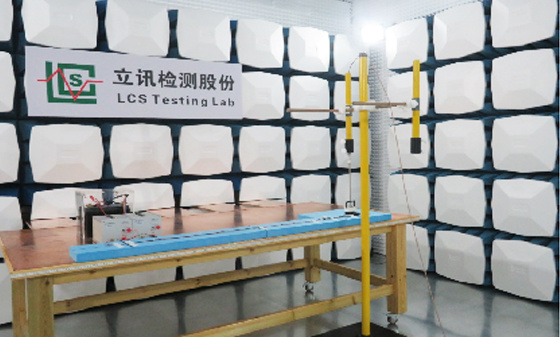 EMS Test - Transient Conducted Immunity Test
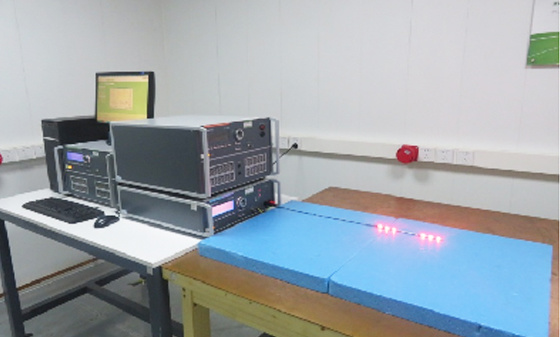 EMS Testing - Portable Transmitter Immunity
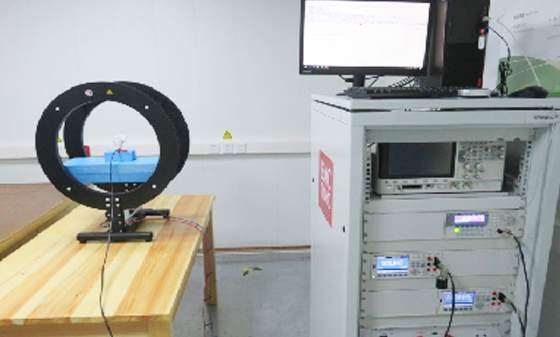 EMS Test - High Current Injection (BCI) Test
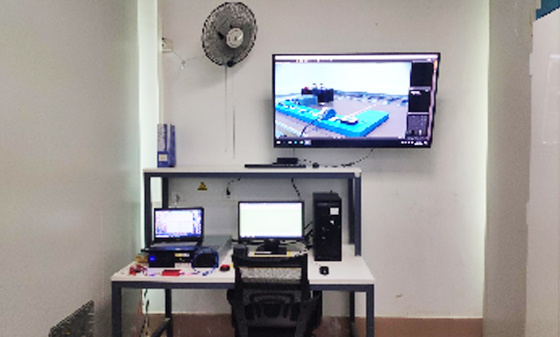 EMS test - low-frequency magnetic field anti-interference test
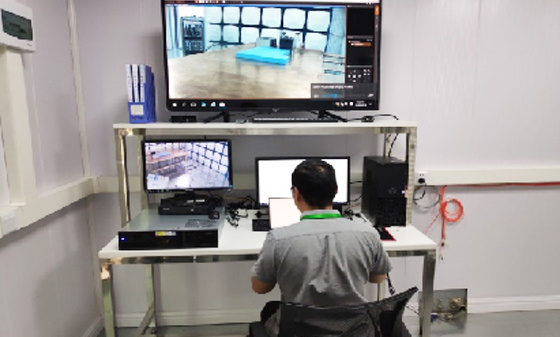 EMI Testing - Transient Conducted Emissions Testing System
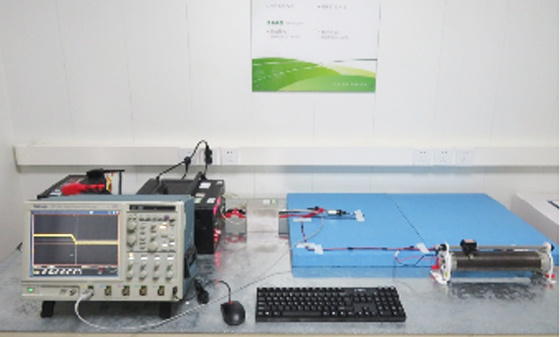 EMI testing - low-frequency magnetic field emission
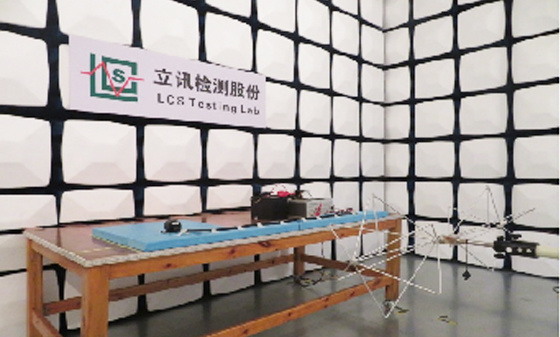 EMI Test - Radiation Emission Test
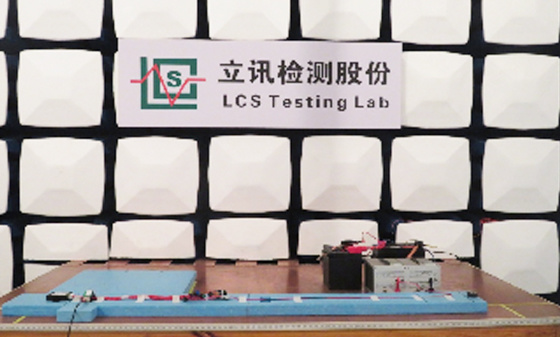 EMI Test - Conducted Emissions Test
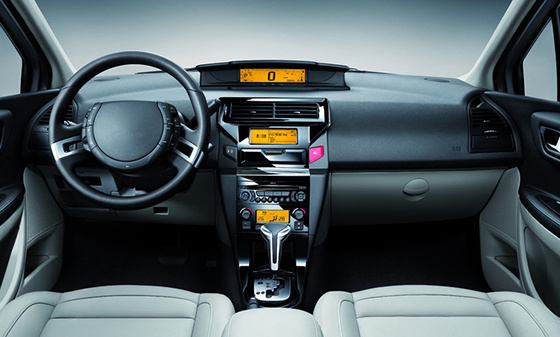 Automotive Electronic Testing
Automotive Parts Inspection
 Automotive ELV&VOC
 Reliability testing
 Temperature shock test
 Vibration testing
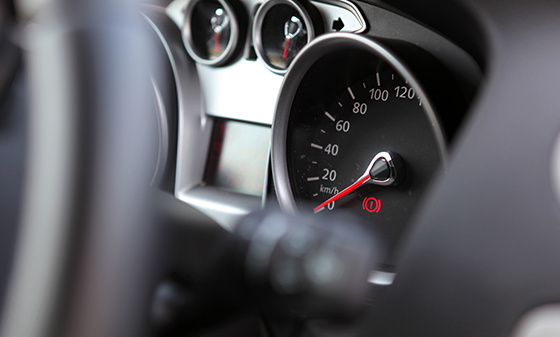 Instrument panel/instrument panel three comprehensive vibration test
 Comprehensive vibration test of door inner panel III
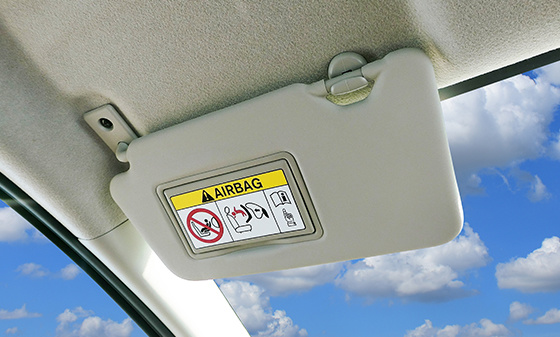 Sunvisor Three Comprehensive Vibration Test
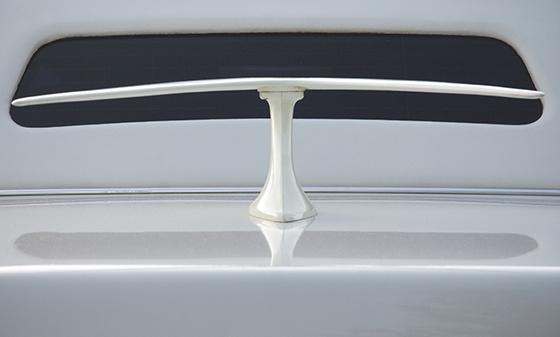 Spoiler Three Comprehensive Vibration Test
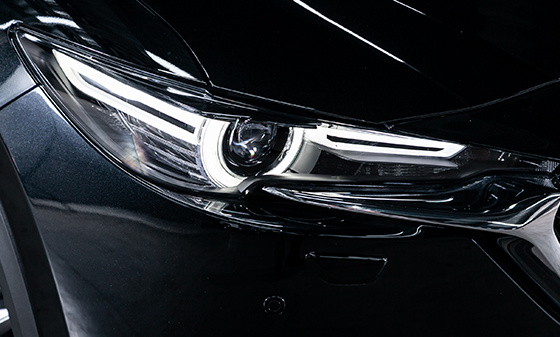 Three comprehensive vibration tests of car front and rear bumpers
 Three comprehensive vibration tests for lamp housing/lampshade
 Comprehensive vibration test of outer circumference three
 Automotive metal material testing
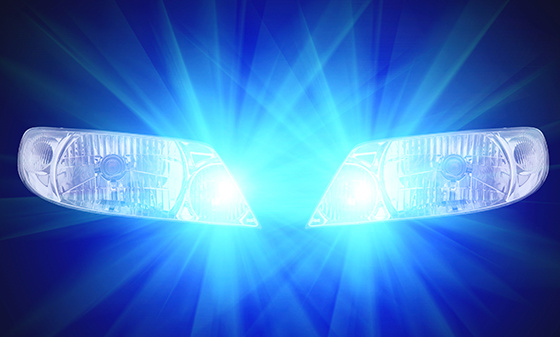 Performance testing of automotive lighting fixtures
 Rapid temperature change test
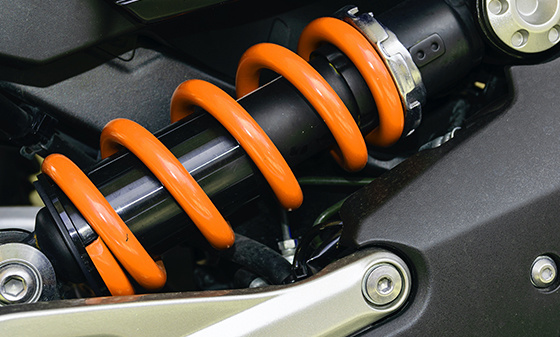 Vibration
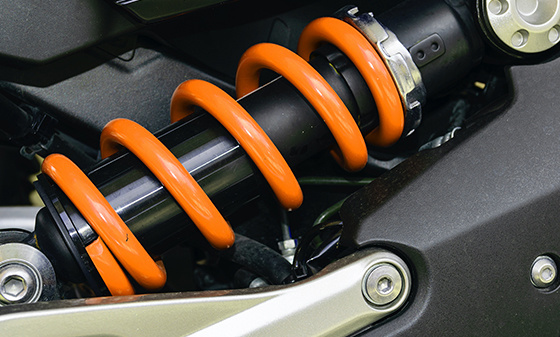 Common issues with vibration testing
 Common issues with fatigue testing
 Common issues with high and low temperature testing
 Conducted Interference (CE) - Suzhou Lixun Standard
 Electromagnetic Radiation Tolerance Test (RS) - Suzhou LCS Standard
 Electrical Fast Pulse Withstand Test (EFT) - Suzhou LCS Standard
 Voltage flicker test - Suzhou LCS standard
Electronic appliances
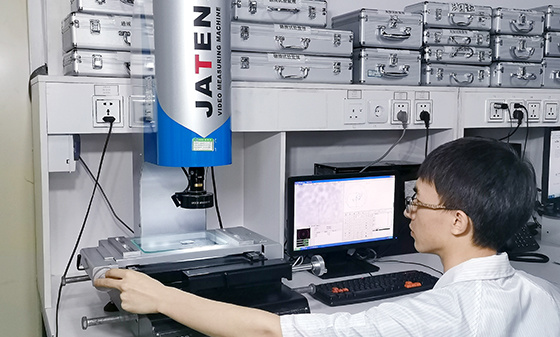 Household appliance product testing
 Electrical accessory product testing
 Household appliance testing
Chemical Testing
 Introduction to PFAS Testing
 MOSH/MOAH Mineral Oil Testing Service
 MOSH/MOAH Mineral Oil Testing and Certification Report Service
 Consumer Product Testing Services - WEEE Chapter
 Ecological textile testing
 Leather Footwear Inspection
 Food contact material testing
 Testing of toys and baby products
 Hazardous substance testing
Electronic Cigarette Testing
 Electronic cigarette detection
Reliability testing
 Other tests - pencil hardness test
 Mechanical testing - Packaging compression test
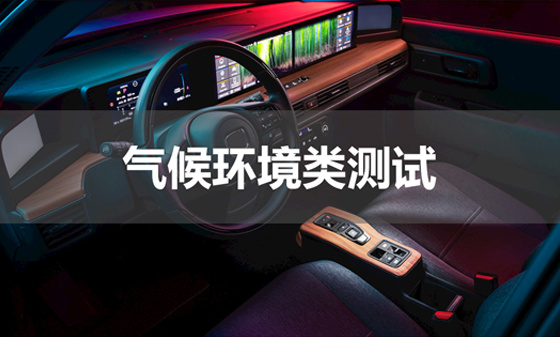 Climate environment testing - Xenon lamp aging test
Battery Testing
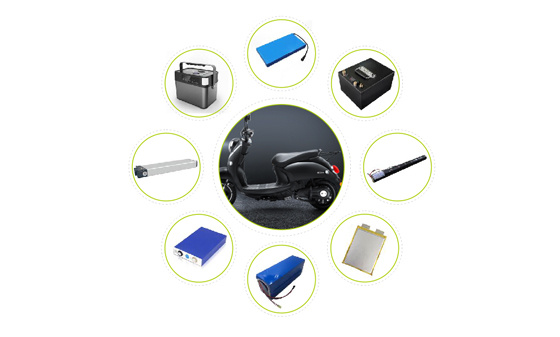 Power storage battery testing and certification
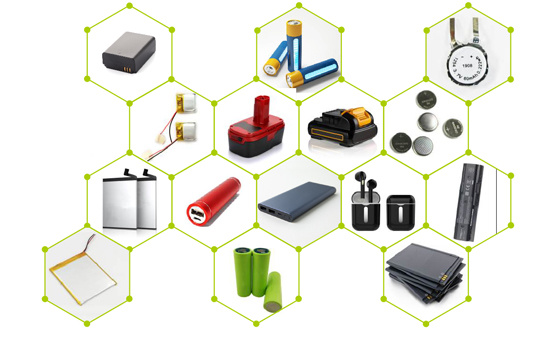 Consumer Electronics Battery Testing and Certification
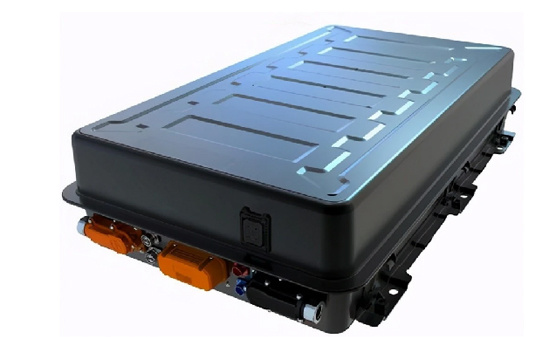 power battery
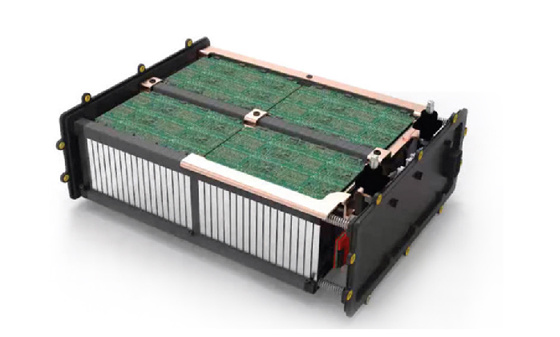 Light electric vehicle batteries
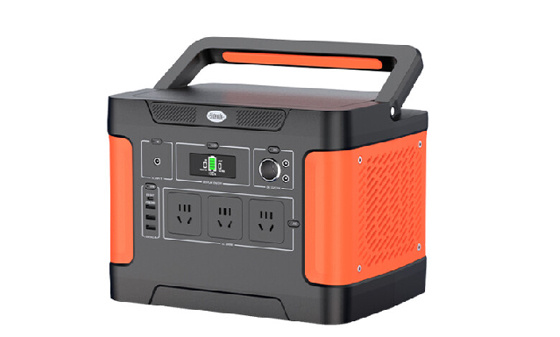 Energy storage battery
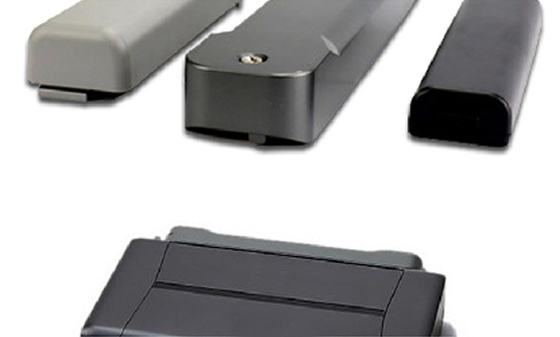 Portable battery
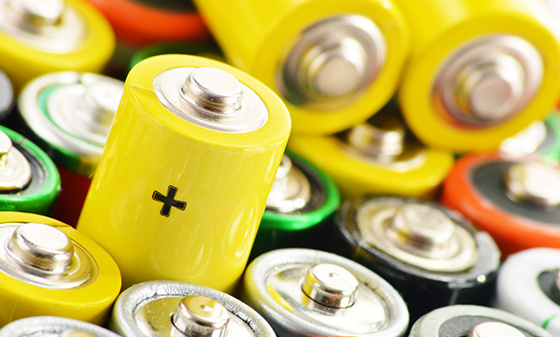 Battery testing
 battery test
Lamp Inspection
 Inspection of ship lighting fixtures
 COI Index Test for Medical Indoor Lighting
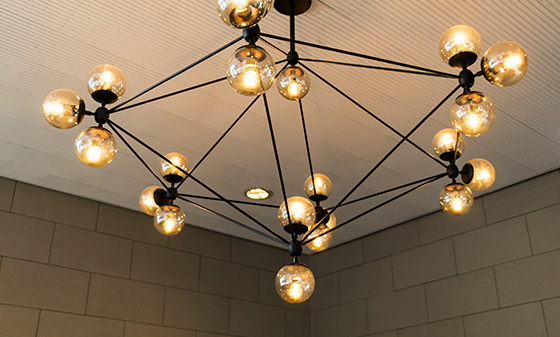 Lamp safety inspection
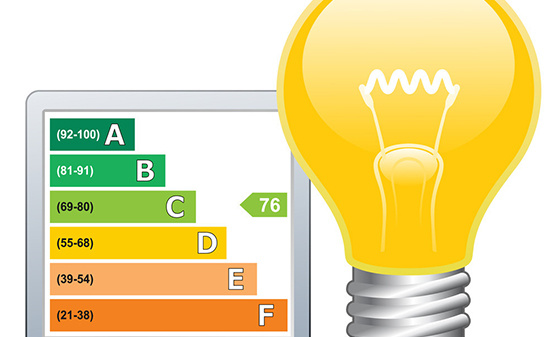 Luminaire energy efficiency testing
 EMC testing of lighting fixtures
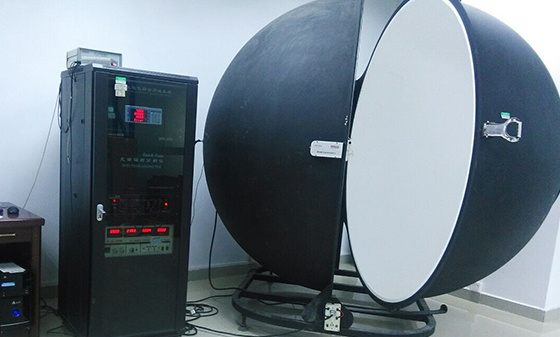 Integral Ball Laboratory
 Photobiology Experiment
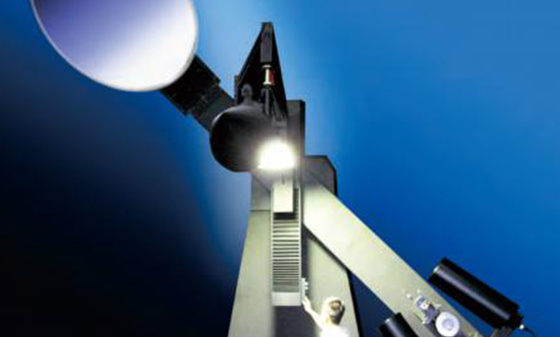 Light distribution test
 Lamp aging test
 Lamp IP waterproof
 Lamp performance testing
 Lamp reliability testing
Children's toy testing
 Testing standards for toy products
China Certification
 China's "national promotion" RoHS certification
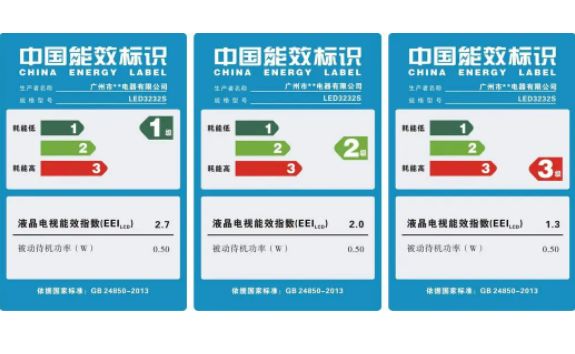 China Energy Efficiency Label Certification
 China Energy Conservation Certification
 China CQC Certification
 Tmall JD Quality Inspection Report
 China SRRC Certification
 Taiwan BSMI certification
 Taiwan NCC certification
 China CCC Compulsory Certification
Asia Certification
 Vietnam certification
 KC certification
 KUCAS Certification in Kuwait
 Singapore PSB certification
 Iraq COC Certification
 IMDA certification
 VCCI Certification in Japan
 JATE certification in Japan
 PSE certification
 BIS certification
 Japanese TELEC certification
European Certification
 RoHS certification
 GOST certification in Russia
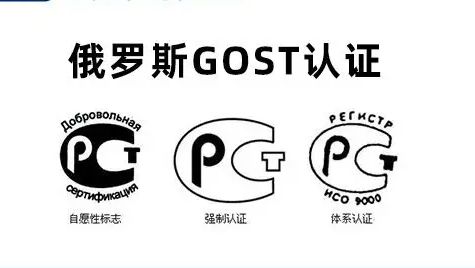 Russian EAC certification
 Northern Ireland UKNI logo
 Electrical ENEC certification
 European D-MARK certification
 Türkiye BTK certification
 TSE certification in Türkiye
 CE certification in Türkiye
 RED certification
 German TUV-SUD certification
 CE-ERP certification
 REACH certification
 German GS certification
 EU E-Mark certification
North American Certification
 Ecuador VOC certification
 Mexico NOM certification
 IRAM certification
 CPSC Certification in the United States
 CSA certification
 ASTM certification
 FDA certification
 CEC certification
 ETL certification
 ul certification
 IC certification
 Energy Star
 FCC Certification in the United States
 ASTM certification
Middle East Certification
 Israel SII certification
 Saudi SABER certification
 GCC certification for the seven Gulf countries
 Iran COI certification
 Qatar COC Certification
 Iraq COC Certification
 Saudi EER Energy Efficiency Certification
 Saudi SABER certification
 Algeria PCA certification
 PVOC certification
Australia Certification
 New Zealand IC-F testing
 VEET certification
 LCP certification
 GEMS certification
 RCM certification
 C-Tick certification
 SAA certification
Africa Certification
 Gabon COC certification
 Algeria COC certification

 Ethiopian VOC and COC certification
 Mauritius VOC certification
 Ghana COC certification
 COC certification in Burundi
 Zambia COC certification
 Botswana COC Certification
 Uganda PVOC certification
 SABS certification in South Africa
 South African LOA certification
 Zimbabwe CBCA Certification
 Nigeria SONCAP certification
 Kenya PVOC certification
 African COC certification
Other certifications
 WEEE
WEEE
 Bluetooth BQB certification
 IECEE registration
 MHRA registration in the UK
TRAINING
 Management system training
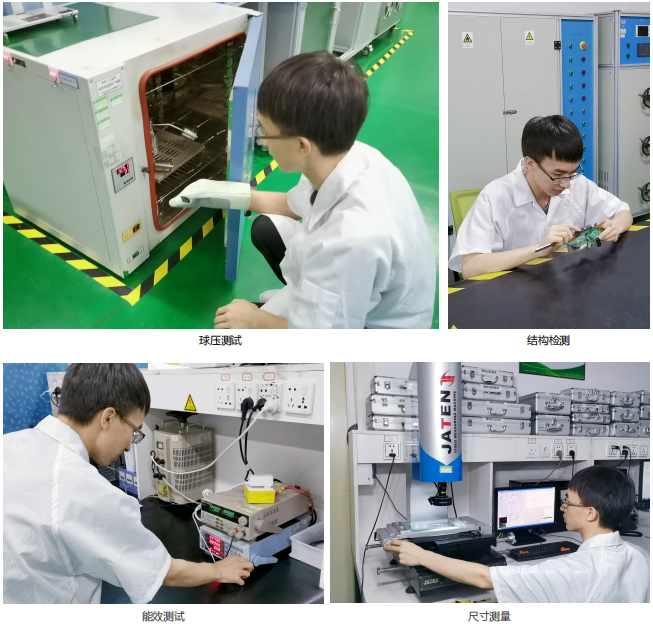
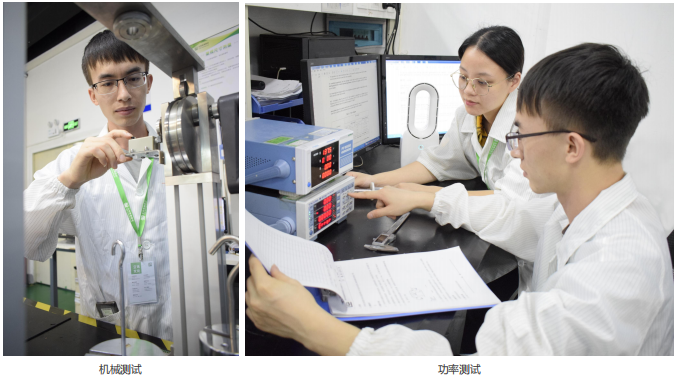 Laboratory technical training
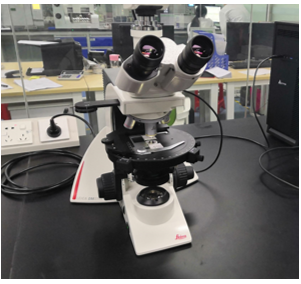 Laboratory Process Consulting
 Laboratory decoration construction
Wireless Communication
Electromagnetic compatibility
Automotive Electronics
Automotive Parts Inspection
Electronic appliances
Chemical Testing
Electronic Cigarette Testing
Reliability testing
Battery Testing
Lamp Inspection
Children's toy testing
China Certification
Asia Certification
European Certification
North American Certification
Middle East Certification
Australia Certification
Africa Certification
Other certifications
TRAINING
Wireless Communication
Electromagnetic compatibility
Automotive Electronics
Automotive Parts Inspection
Electronic appliances
Chemical Testing
Electronic Cigarette Testing
Reliability testing
Battery Testing
Lamp Inspection
Children's toy testing
China Certification
Asia Certification
European Certification
North American Certification
Middle East Certification
Australia Certification
Africa Certification
Other certifications
TRAINING
Wireless Communication
Electromagnetic compatibility
Automotive Electronics
Automotive Parts Inspection
Electronic appliances
Chemical Testing
Electronic Cigarette Testing
Reliability testing
Battery Testing
Lamp Inspection
Children's toy testing
China Certification
Asia Certification
European Certification
North American Certification
Middle East Certification
Australia Certification
Africa Certification
Other certifications
TRAINING
Wireless Communication
Electromagnetic compatibility
Automotive Electronics
Automotive Parts Inspection
Electronic appliances
Chemical Testing
Electronic Cigarette Testing
Reliability testing
Battery Testing
Lamp Inspection
Children's toy testing
China Certification
Asia Certification
European Certification
North American Certification
Middle East Certification
Australia Certification
Africa Certification
Other certifications
TRAINING
Wireless Communication
Electromagnetic compatibility
Automotive Electronics
Automotive Parts Inspection
Electronic appliances
Chemical Testing
Electronic Cigarette Testing
Reliability testing
Battery Testing
Lamp Inspection
Children's toy testing
China Certification
Asia Certification
European Certification
North American Certification
Middle East Certification
Australia Certification
Africa Certification
Other certifications
TRAINING
Wireless Communication
Electromagnetic compatibility
Automotive Electronics
Automotive Parts Inspection
Electronic appliances
Chemical Testing
Electronic Cigarette Testing
Reliability testing
Battery Testing
Lamp Inspection
Children's toy testing
China Certification
Asia Certification
European Certification
North American Certification
Middle East Certification
Australia Certification
Africa Certification
Other certifications
TRAINING

Services
返回Testing Services
Certification Services
- China's "national promotion" RoHS certification
- China Energy Efficiency Label Certification
- China Energy Conservation Certification
- China CQC Certification
- Tmall JD Quality Inspection Report
- China SRRC Certification
- Taiwan BSMI certification
- Taiwan NCC certification
- China CCC Compulsory Certification
- RoHS certification
- GOST certification in Russia
- Russian EAC certification
- Northern Ireland UKNI logo
- Electrical ENEC certification
- European D-MARK certification
- Türkiye BTK certification
- TSE certification in Türkiye
- CE certification in Türkiye
- RED certification
- German TUV-SUD certification
- CE-ERP certification
- REACH certification
- German GS certification
- EU E-Mark certification
- Ecuador VOC certification
- Mexico NOM certification
- IRAM certification
- CPSC Certification in the United States
- CSA certification
- ASTM certification
- FDA certification
- CEC certification
- ETL certification
- ul certification
- IC certification
- Energy Star
- FCC Certification in the United States
- UL, ETL, CSA, MET, TUV certification in the United States
- ASTM certification
- Israel SII certification
- Saudi SABER certification
- GCC certification for the seven Gulf countries
- Iran COI certification
- Qatar COC Certification
- Iraq COC Certification
- Saudi EER Energy Efficiency Certification
- Saudi SASO Energy Efficiency Certification
- Saudi SABER certification
- Saudi EER Energy Efficiency Certification
- Algeria PCA certification
- PVOC certification
- Gabon COC certification
- Algeria COC certification
- Ethiopian VOC and COC certification
- Mauritius VOC certification
- Ghana COC certification
- COC certification in Burundi
- Zambia COC certification
- Botswana COC Certification
- Uganda PVOC certification
- SABS certification in South Africa
- South African LOA certification
- Zimbabwe CBCA Certification
- Nigeria SONCAP certification
- Kenya PVOC certification
- African COC certification
Register for the record
Systems and Training Services
Laboratory design and construction
Contact Us
National 24-hour service hotline
400-116-2629
Group Headquarters
E-mail: webmaster@lcs-cert.com
Address: Shenzhen City, Baoan District, Shajing Street, Nga side of the school of Wei Juji Industrial Park, Building A 1 ~ 2 floor, Building C 3 floor
CB certification
(1) Introduction to CB certification
The IECEE CB system is the first truly international system for mutual recognition of safety test reports for electrical products. A multilateral agreement is formed between the national certification bodies (NCBs) of each country, and manufacturers can obtain national certifications from other member countries of the CB system with a CB test certificate issued by an NCB.
The CB system is based on international IEC standards. If the national standards of some member states are not yet fully consistent with IEC standards, national differences are also allowed, but should be published to other members. The CB system uses CB test certificates to confirm that product samples have successfully passed the appropriate tests and comply with the relevant IEC requirements and the requirements of the relevant member states.
The main goal of the CB system is to promote international trade, and its means is to bring manufacturers closer to the ideal goal of "one test, many applications" by promoting the harmonization of national standards and international standards and the cooperation of product certification bodies.
Originally, the CB system was initiated by CEE (formerly the European "National Committee for Conformity Testing of Electrical Equipment") and merged into the IEC in 1985, IECEE stands for "The IEC System for Conformity Testing and Certification of Electrical Equipment" – "International Electrotechnical Commission Conformity Testing and Certification Organization for Electrical Products". The official name of the CB system is "Scheme of the IECEE for Mutual Recognition of Test Certificates for Electrical Equipment" – "IECEE Mutual Recognition System for Test Certificates for Electrical Products". The abbreviated name of the CB System means "Certification Bodies' Scheme" – "Certification Body System".
A National Certification Body (NCB) is a certification body that issues nationally recognized certificates of conformity to electrical products. To become a member of the CB system, NCB's internal quality systems and technical capabilities must meet specific requirements. An NCB can be divided into an accredited NCB or a certified/accredited NCB according to its qualifications.
An NCB recognizes CB test certificates and CB test reports issued by other issuing NCBs and uses this as the basis for issuing its own national certificates and marks within the scope of specific product areas and standards.
Accreditation NCB does not automatically have the authority to issue CB Test Certificates.
In addition to exercising the function of accrediting NCB, the issuing NCB has the right to issue CB test certificates within the scope of the standards for which it is registered.
The scope of accreditation of the Certification/Accreditation NCB can be greater than the scope of its certification. The certification and accreditation scope are published on the website and the relevant CB Laboratory (CBTL) is a laboratory accepted by the CB system that tests one or more product categories and issues CB test reports under the responsibility of a specific NCB. A CB laboratory can be associated with different NCBs in a CB system, but when it works with multiple NCBs, testing for a certain product category (e.g. OFF) can only be performed in collaboration with one NCB.
The products covered by the CB system are products within the scope of IEC standards recognized by the IECEE system. When more than three Member States declare that they want and support a standard to join the CB system, the new IEC standard will be adopted by the CB system. IEC standards currently in use are published in the CB Gazette and on the IECEE website.
Electromagnetic compatibility (EMC) is not currently included in the CB system unless specifically required by the IEC standard used. However, the CB system has begun surveying its members about their willingness to take EMC measurements in conjunction with safety testing. The results of this survey will be published in the CB Gazette on this topic.
(2) Apply for CB certificate
1. Regarding the application for CB test certificate, the following points should be noted:
1) An application for a CB test certificate can be submitted by the applicant to any "Certified/Recognized" NCB covering the scope of the product.
2) The applicant can be either a manufacturer or an entity authorized to represent the manufacturer.
3) The application may include one or more factories producing products in one or more countries.
4) Applicants/manufacturers/factories located in countries without IECEE member institutions are required to pay an additional fee, CHF 150, for each CB test certificate to compensate for the running costs of the system. This fee is charged by the NCB that accepts the CB test certificate application and will be credited to the IECEE's account.
5) The applicant may request NCB to test the product according to the national differences in the country where the product is sold.
2. Manufacturers to obtain product certification for the target market include the following procedures:
1) Application submitted to the NCB of the target country;
2) CB test certificate;
3) CB test report (can include national differences);
4) Provide product samples to the target market when requested by NCB. The purpose of the sample requirement is to confirm that the product is consistent with the product originally certified by NCB testing and that national differences have been covered.
(3) CB test certificate and CB test report
A CB test certificate is a formal CB system document issued by an authorized NCB whose purpose is to inform other NCBs that samples of tested products are found to meet the requirements in force. CB test certificates should not be used for advertising, but existing CB certificates are allowed as reference materials.
The CB report is a standardized report that lists the requirements of the relevant IEC standards in the form of an item-by-article list. The report provides the results of all required tests, measurements, verifications, inspections and evaluations, which should be clear and unambiguous. The report also includes photos, circuit diagrams, pictures, and product descriptions. According to the rules of the CB system, the CB test report is only valid if it is provided with the CB test certificate. If an NCB has the necessary test equipment and technical capabilities, it can test and evaluate products according to the national differences of other countries. These additional tests are attached to the CB test report as an attachment and are usually recognized by other accredited NCBs.
A national difference is a difference between a country's standards and the corresponding international standards. National differences in all countries participating in the CB system are submitted to the IECEE Secretariat and published in the CB Bulletin.
The CB system is managed by the Certification Administration (CMC) and reports to the Conformity Assessment Board (CAB) of the International Electrotechnical Commission (IEC). The CAB approved CMC's recommendations on changes to CB system principles, official appointments, finances and IECEE policies. The CMC's role is to operate, develop and improve the CB system in accordance with the principles of the CB system, decide on acceptance, rejection and suspension of membership, and decide on new product categories and standards of the CB system.
The members of the CMC are composed of representatives from Member States, including NCB representatives, CMC executives (chair, vice-chair, secretary and treasurer), chair and secretary of the Testing Laboratory Committee (CTL), representatives of IEC advisory committees (e.g. ACOS), safety advisory committees, and the secretary general of the IEC.
The Testing Laboratory Committee (CTL) is made up of representatives from NCB and CB laboratories. CTL handles the test procedures and explains the technical requirements, test conditions, test equipment, and comparison tests. Its main objective is to enhance technical credibility and consistency, which are the rules and procedures required for mutual recognition of test results within the CB
System The rules and procedures of the CB System are published in the following IEC publications:
IECEE 01 (Basic Rules and Procedures of IECEE)
IECEE 02 (Rules and Procedures of the CB System)
IECEE 01 describes the organization, membership, Certification Management Committee (CMC), Testing Laboratory Committee (CTL), Appeals Committee, functions and responsibilities of these committees and their officers, and the overall management of IECEE.
IECEE 02 describes the role of the CB system, the basis for recognizing the standards of NCB and CB laboratories and expanding their scope, the procedures for issuing and processing CB test certificates, and the requirements for the use of manufacturers' test facilities.
The CB Bulletin provides basic information about the CB System and is the main tool for users of the CB System. The IECEE Secretariat regularly publishes the CB Bulletin. The bulletin contains the following information:
1) Standards used within the CB system;
2) Statistics of CB test certificates issued in the previous year;
3) Information on member NCBs, including product categories and criteria for which they issue/recognize CB certificates;
4) National differences in each member country for each standard;
5) The name and address of the test equipment supplier required by the IEC standard.
6) Some of the information previously published in the CB Gazette is now available on the CB System's website (www.iecee.org).
The CB system can bring benefits to manufacturers who export their products to CB system member countries.
These manufacturers can:
- Select a suitable NCB for cooperation;
- All product tests are done by the same NCB, including testing for differences in target market countries;
- Use the CB test report and certificate issued by NCB, and obtain national certification from other countries through NCB, a member of other countries. Although countries that recognize the CB certificate will require the manufacturer to submit an application, and may also require the submission of samples, no additional testing is usually required, or only a small amount of testing, and the processing of the application is mostly some administrative work. Therefore, these certification applications based on CB test certificates and CB test reports will be prioritized over other certification applications, and the application cycle and application fees will be reduced.
(4) Member States of the current CB system (43 in total)
Argentina, Austria, Australia, Belarus, Belgium, Brazil, Canada, China, Czech Republic, Germany, Denmark, Spain, Finland, France, United Kingdom, Greece, Hungary, India, Ireland, Israel, Italy, Japan, South Korea, Mexico, Netherlands, New Zealand, Norway, Poland, Portugal, Russia, Romania, Singapore, Slovakia, Slovenia, South Africa, Turkey, Ukraine, United States, Yugoslavia, Switzerland, Malaysia, Sweden, Thailand
(5) CB certification data requirements
1) Instruction manual
2) Route diagram
3) PCB front and back silk screen diagram
4) Parts table
5) List of key components and related certificates & specifications
6) PCB LAYOUT图
7) Labels


 WeChat Inquiry


 Reservation


Contact Us
National 24-hour service hotline
Address:Juji Industrial Park, Xueziwei, Ngabian, Shajing Street, Baoan District, Shenzhen Building A 1~2F, Building C 3F

WeChat public number
Share industry dry goods

WeChat consultation
Please note consulting services

Follow Jitterbug

Mobile website
di complaint mailbox: customer.complaint@lcs-cert.com complaint telephone tel: 18126445450 certificate report verification of authenticity mailbox: verification@lcs-cert.com