

Wireless Communication
 EU RED Network Security Standard EN 18031
 Wireless and communication detection
 Mobile communication product certification
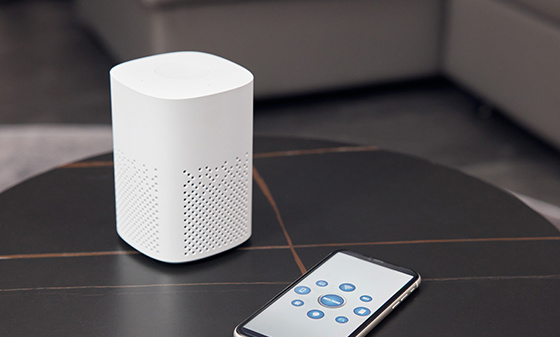 Bluetooth BQB Product Certification
 FM/AM Product Certification
 WiFi Product Certification
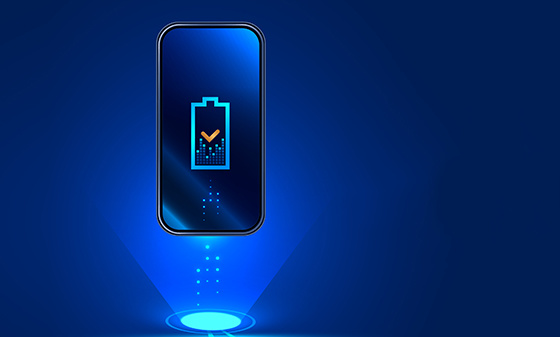 Wireless charging product certification
 Interphone product certification
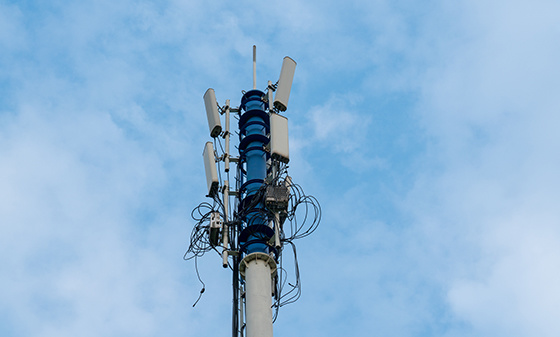 Base station certification
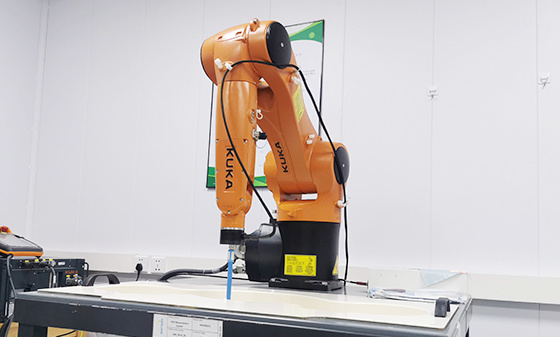 SAR testing
 Receiver Product Certification
 5G NR Product Certification
 UWB Product Certification
 Internet of Things authentication
Electromagnetic compatibility
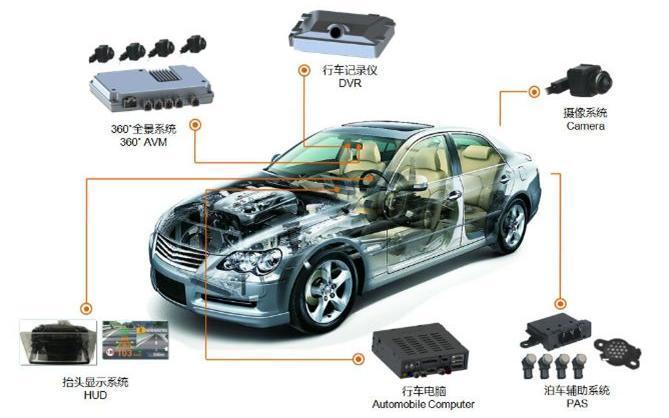 Automotive Electronics EMC Testing
 EMC rectification
 EMC
EMC
Automotive Electronics
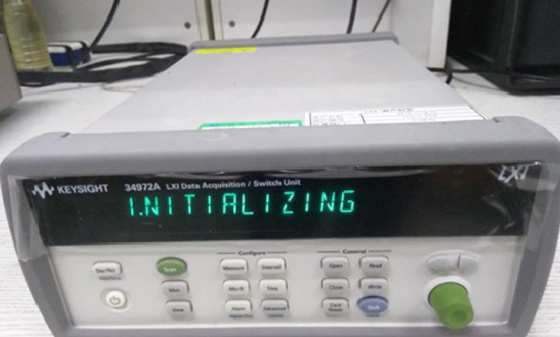 Electrical performance testing
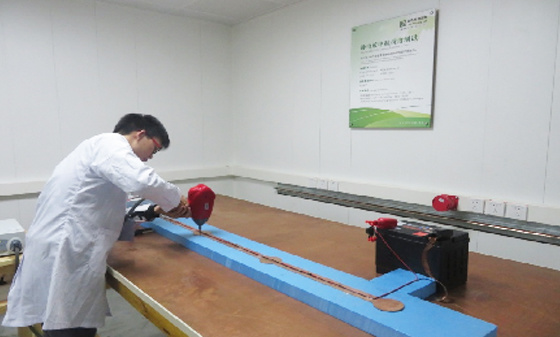 EMS testing - radiation anti-interference testing system (including radar waves)
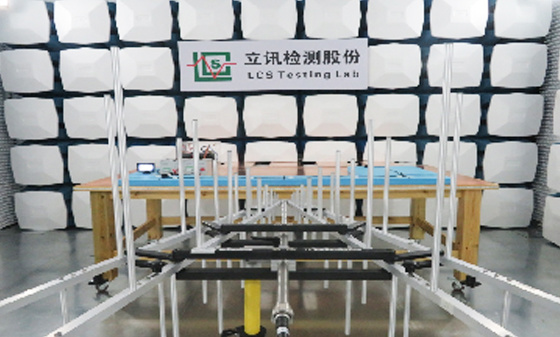 EMS Testing - Electrostatic Discharge
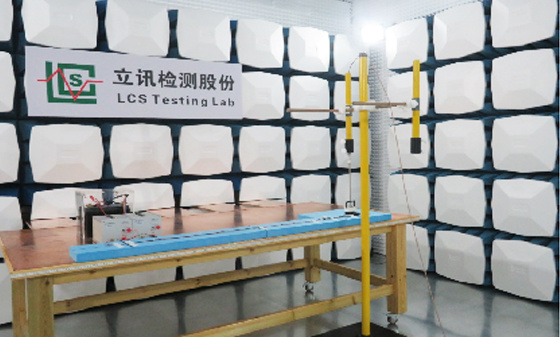 EMS Test - Transient Conducted Immunity Test
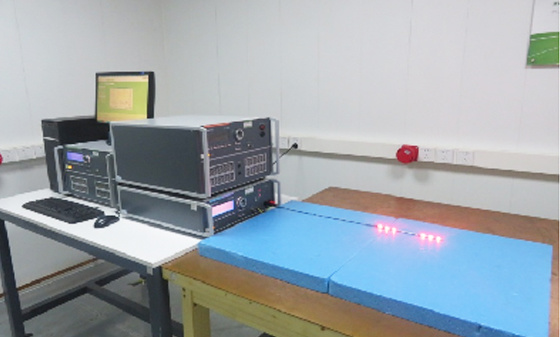 EMS Testing - Portable Transmitter Immunity
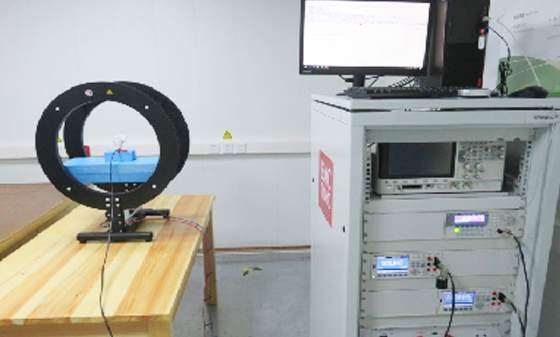 EMS Test - High Current Injection (BCI) Test
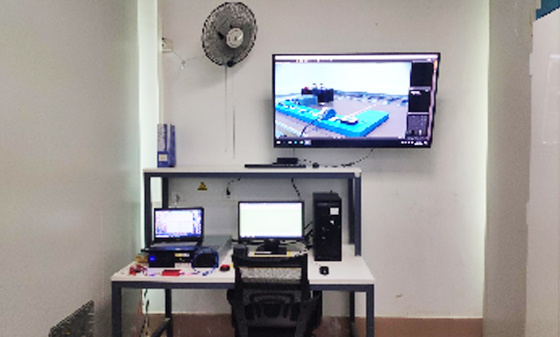 EMS test - low-frequency magnetic field anti-interference test
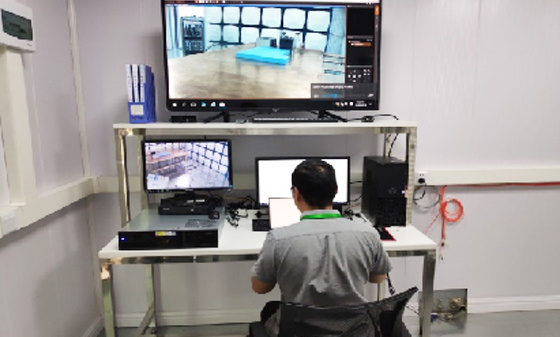 EMI Testing - Transient Conducted Emissions Testing System
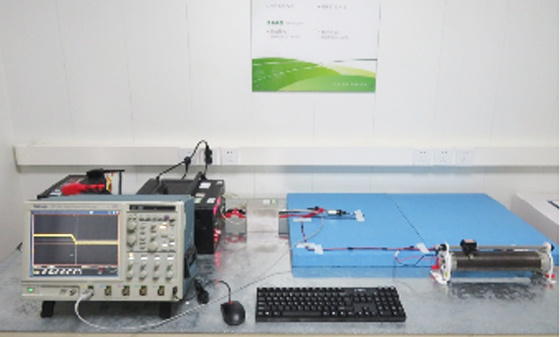 EMI testing - low-frequency magnetic field emission
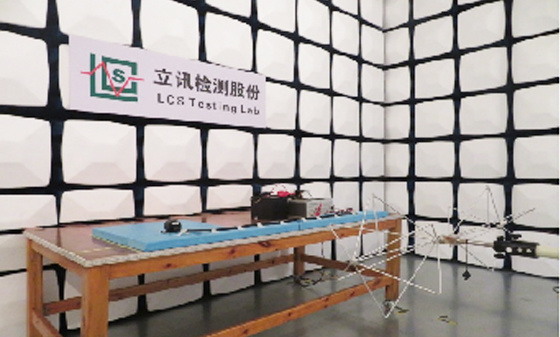 EMI Test - Radiation Emission Test
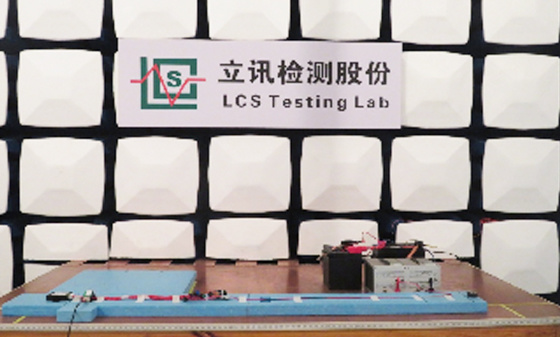 EMI Test - Conducted Emissions Test
 Automotive Electronic Testing
Automotive Parts Inspection
 Automotive ELV&VOC
 Reliability testing
 Temperature shock test
 Vibration testing
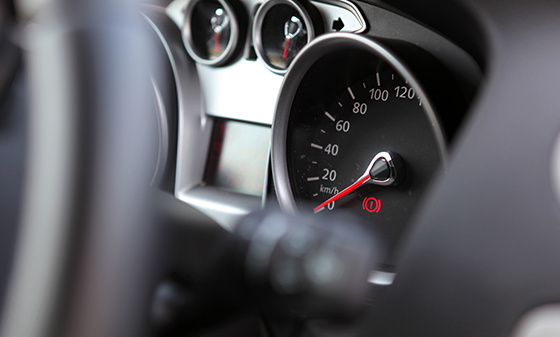 Instrument panel/instrument panel three comprehensive vibration test
 Comprehensive vibration test of door inner panel III
 Sunvisor Three Comprehensive Vibration Test
 Spoiler Three Comprehensive Vibration Test
 Three comprehensive vibration tests of car front and rear bumpers
 Three comprehensive vibration tests for lamp housing/lampshade
 Comprehensive vibration test of outer circumference three
 Automotive metal material testing
 Performance testing of automotive lighting fixtures
 Rapid temperature change test
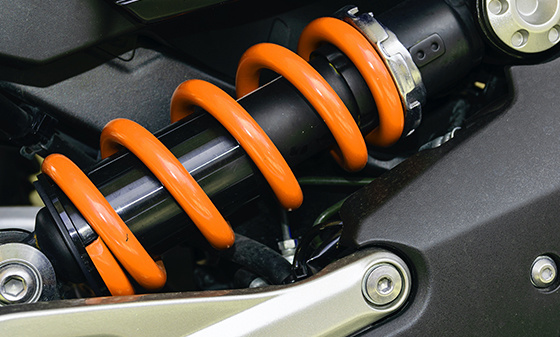 Vibration
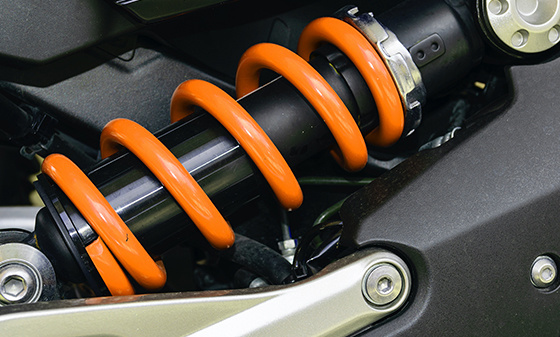 Common issues with vibration testing
 Common issues with fatigue testing
 Common issues with high and low temperature testing
 Conducted Interference (CE) - Suzhou Lixun Standard
 Electromagnetic Radiation Tolerance Test (RS) - Suzhou LCS Standard
 Electrical Fast Pulse Withstand Test (EFT) - Suzhou LCS Standard
 Voltage flicker test - Suzhou LCS standard
Electronic appliances
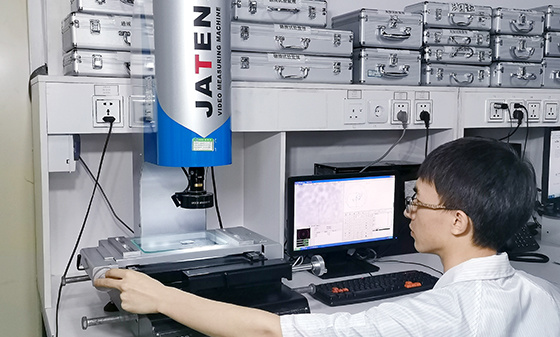 Household appliance product testing
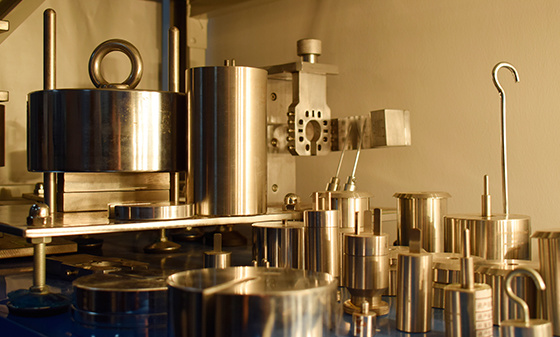 Electrical accessory product testing
 Household appliance testing
Chemical Testing
 Introduction to PFAS Testing
 MOSH/MOAH Mineral Oil Testing Service
 MOSH/MOAH Mineral Oil Testing and Certification Report Service
 Consumer Product Testing Services - WEEE Chapter
 Ecological textile testing
 Leather Footwear Inspection
 Food contact material testing
 Testing of toys and baby products
 Hazardous substance testing
Electronic Cigarette Testing
 Electronic cigarette detection
Reliability testing
 Other tests - pencil hardness test
 Mechanical testing - Packaging compression test
 Climate environment testing - Xenon lamp aging test
Battery Testing
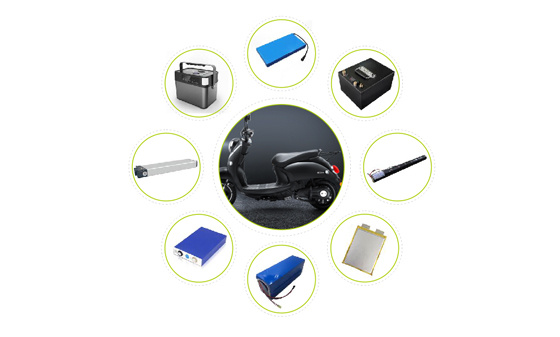 Power storage battery testing and certification
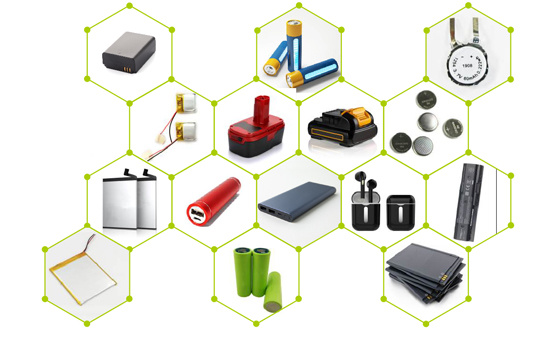 Consumer Electronics Battery Testing and Certification
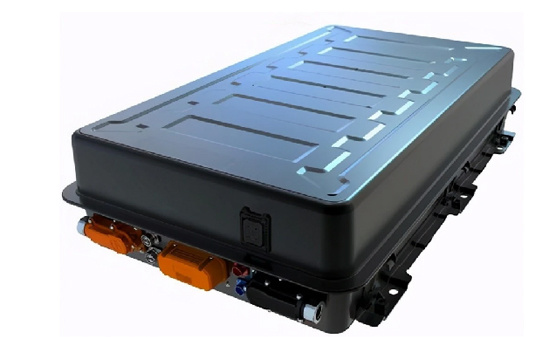 power battery
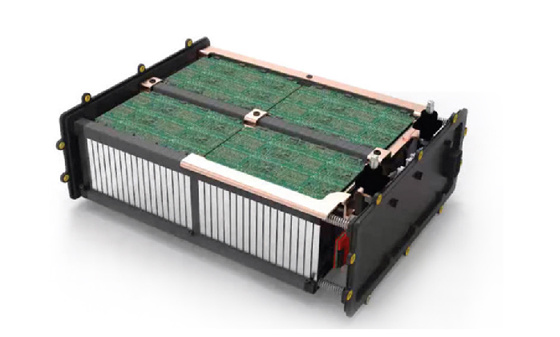 Light electric vehicle batteries
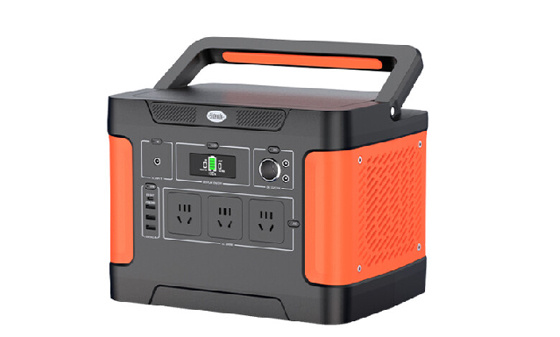 Energy storage battery
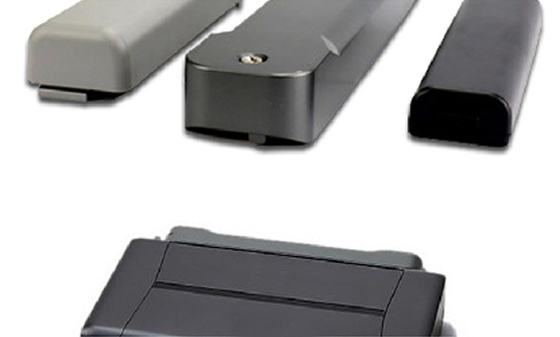 Portable battery
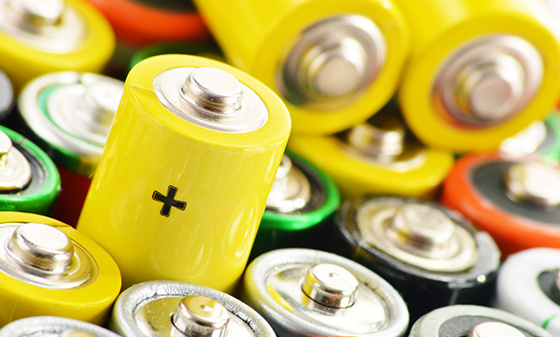 Battery testing
 battery test
Lamp Inspection
 Inspection of ship lighting fixtures
 COI Index Test for Medical Indoor Lighting
 Lamp safety inspection
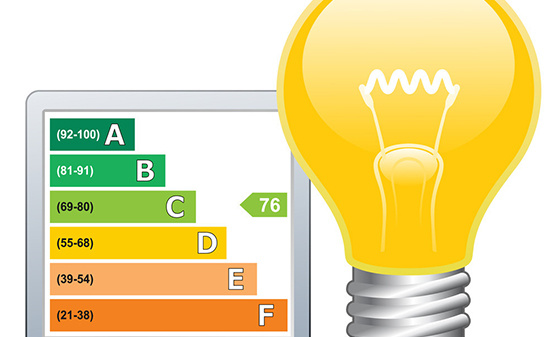 Luminaire energy efficiency testing
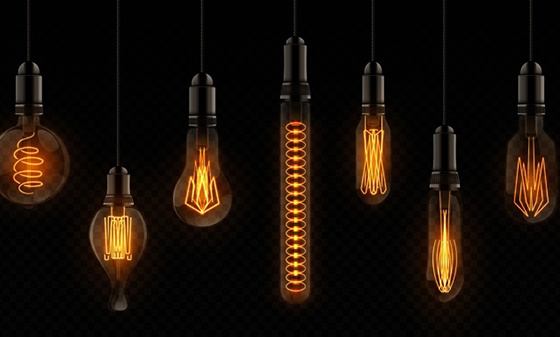 EMC testing of lighting fixtures
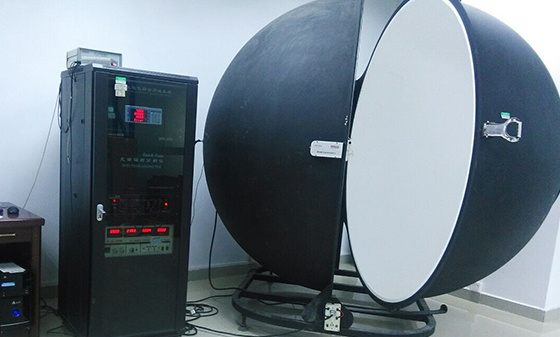 Integral Ball Laboratory
 Photobiology Experiment
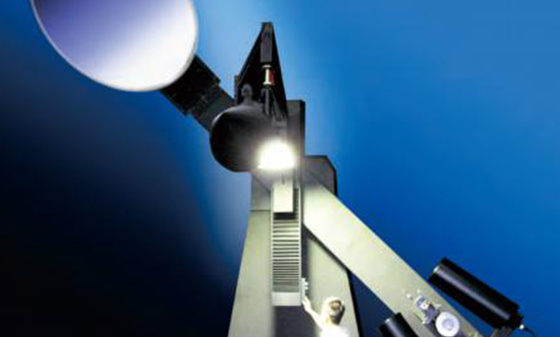 Light distribution test
 Lamp aging test
 Lamp IP waterproof
 Lamp performance testing
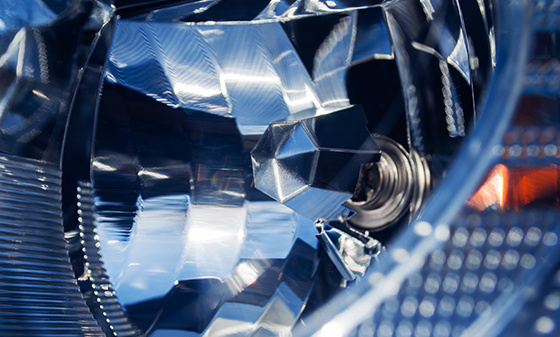 Lamp reliability testing
Children's toy testing
 Testing standards for toy products
China Certification
 China's "national promotion" RoHS certification
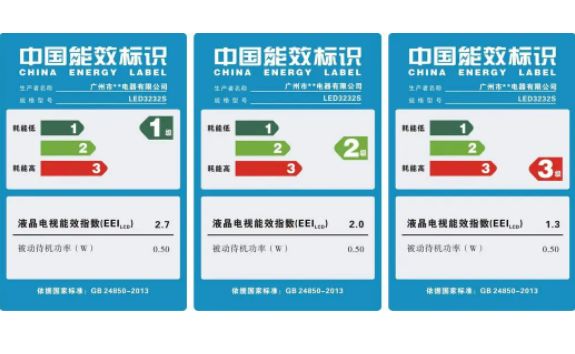 China Energy Efficiency Label Certification
 China Energy Conservation Certification
 China CQC Certification
 Tmall JD Quality Inspection Report
 China SRRC Certification
 Taiwan BSMI certification
 Taiwan NCC certification
 China CCC Compulsory Certification
Asia Certification
 Vietnam certification
 KC certification
 KUCAS Certification in Kuwait
 Singapore PSB certification
 Iraq COC Certification
 IMDA certification
 VCCI Certification in Japan
 JATE certification in Japan
 PSE certification
 BIS certification
 Japanese TELEC certification
European Certification
 RoHS certification
 GOST certification in Russia
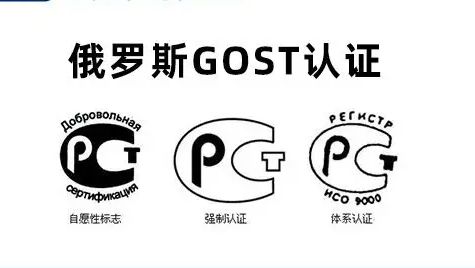 Russian EAC certification
 Northern Ireland UKNI logo
 Electrical ENEC certification
 European D-MARK certification
 Türkiye BTK certification
 TSE certification in Türkiye
 CE certification in Türkiye
 RED certification
 German TUV-SUD certification
 CE-ERP certification
 REACH certification
 German GS certification
 EU E-Mark certification
North American Certification
 Ecuador VOC certification
 Mexico NOM certification
 IRAM certification
 CPSC Certification in the United States
 CSA certification
 ASTM certification
 FDA certification
 CEC certification
 ETL certification
 ul certification
 IC certification
 Energy Star
 FCC Certification in the United States
 ASTM certification
Middle East Certification
 Israel SII certification
 Saudi SABER certification
 GCC certification for the seven Gulf countries
 Iran COI certification
 Qatar COC Certification
 Iraq COC Certification
 Saudi EER Energy Efficiency Certification
 Saudi SABER certification
 Algeria PCA certification
 PVOC certification
Australia Certification
 New Zealand IC-F testing
 VEET certification
 LCP certification
 GEMS certification
 RCM certification
 C-Tick certification
 SAA certification
Africa Certification
 Gabon COC certification
 Algeria COC certification

 Ethiopian VOC and COC certification
 Mauritius VOC certification
 Ghana COC certification
 COC certification in Burundi
 Zambia COC certification
 Botswana COC Certification
 Uganda PVOC certification
 SABS certification in South Africa
 South African LOA certification
 Zimbabwe CBCA Certification
 Nigeria SONCAP certification
 Kenya PVOC certification
 African COC certification
Other certifications
 WEEE
WEEE
 Bluetooth BQB certification
 IECEE registration
 MHRA registration in the UK
TRAINING
 Management system training
 Laboratory technical training
 Laboratory Process Consulting
 Laboratory decoration construction
Wireless Communication
Electromagnetic compatibility
Automotive Electronics
Automotive Parts Inspection
Electronic appliances
Chemical Testing
Electronic Cigarette Testing
Reliability testing
Battery Testing
Lamp Inspection
Children's toy testing
China Certification
Asia Certification
European Certification
North American Certification
Middle East Certification
Australia Certification
Africa Certification
Other certifications
TRAINING
Wireless Communication
Electromagnetic compatibility
Automotive Electronics
Automotive Parts Inspection
Electronic appliances
Chemical Testing
Electronic Cigarette Testing
Reliability testing
Battery Testing
Lamp Inspection
Children's toy testing
China Certification
Asia Certification
European Certification
North American Certification
Middle East Certification
Australia Certification
Africa Certification
Other certifications
TRAINING
Wireless Communication
Electromagnetic compatibility
Automotive Electronics
Automotive Parts Inspection
Electronic appliances
Chemical Testing
Electronic Cigarette Testing
Reliability testing
Battery Testing
Lamp Inspection
Children's toy testing
China Certification
Asia Certification
European Certification
North American Certification
Middle East Certification
Australia Certification
Africa Certification
Other certifications
TRAINING
Wireless Communication
Electromagnetic compatibility
Automotive Electronics
Automotive Parts Inspection
Electronic appliances
Chemical Testing
Electronic Cigarette Testing
Reliability testing
Battery Testing
Lamp Inspection
Children's toy testing
China Certification
Asia Certification
European Certification
North American Certification
Middle East Certification
Australia Certification
Africa Certification
Other certifications
TRAINING
Wireless Communication
Electromagnetic compatibility
Automotive Electronics
Automotive Parts Inspection
Electronic appliances
Chemical Testing
Electronic Cigarette Testing
Reliability testing
Battery Testing
Lamp Inspection
Children's toy testing
China Certification
Asia Certification
European Certification
North American Certification
Middle East Certification
Australia Certification
Africa Certification
Other certifications
TRAINING
Wireless Communication
Electromagnetic compatibility
Automotive Electronics
Automotive Parts Inspection
Electronic appliances
Chemical Testing
Electronic Cigarette Testing
Reliability testing
Battery Testing
Lamp Inspection
Children's toy testing
China Certification
Asia Certification
European Certification
North American Certification
Middle East Certification
Australia Certification
Africa Certification
Other certifications
TRAINING

EMI Rectification Plan | Several Methods for Electromagnetic Compatibility Rectification
Author.
LCS
Source:
Post time:
2023-09-27
Firstly, it is necessary to diagnose the product based on the actual situation, analyze the sources of interference and the ways and means of mutual interference. Based on the analysis results, targeted rectification will be carried out, and the following points are for reference only.
1. To weaken the interference source, based on identifying the interference source, the allowable range of interference sources should be weakened. The method for weakening the interference source is related to the following aspects:
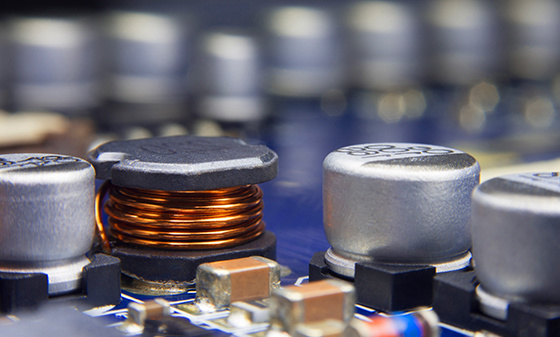
a. Add a decoupling capacitor between the VCC and GND of the IC, with a capacity of 0.1 μ F~1 μ Pay attention to the lead of the capacitor during installation, making it as short as possible.
b. Whether the filtering, protection, and isolation devices of interface signals are placed close to the interface connector, with protection first and filtering later; Is the power module, filter, and power protection device placed close to the entrance of the power supply, ensuring that the input line of the power supply is as short as possible, the input and output of the power supply are separated, and the wiring is not crossed with each other.
c. Are strong radiation devices or sensitive devices such as crystals, crystal oscillators, relays, and switching power supplies far away from single board handles, connectors, input/output terminals, and PCB edges.
d. Is the filter capacitor placed close to the power pins of the IC, with appropriate position and quantity.
e. Check if the clock circuit is close to the load and placed evenly.
f. Whether there are no other signal lines running offline from the input line of the power filter, and whether the input and output signal lines of the filter and other devices are not parallel or crossed with each other.
2. The classification and organization of wires and cables in electronic equipment, inter line coupling is an important way and also an important cause of interference. Due to frequency factors, it can be roughly divided into high-frequency coupling and low-frequency coupling. Due to different coupling methods, there are also differences in their rectification methods:
(1) Low frequency coupling: When the length of the guide line is equal to or less than 1/16 of the wavelength, low frequency coupling can be divided into electric and magnetic field coupling. The physical model of electric field coupling is capacitive coupling. Therefore, the main purpose of rectification is to reduce the distributed coupling capacitance or the coupling amount. The following methods can be used:
a. Increasing circuit spacing is the most effective way to reduce distributed capacitance.
b. Add a high conductivity shielding cover and make the shielding cover grounded at a single point to effectively suppress low-frequency electric field interference.
c. Adding a filter can reduce the coupling between two circuits.
d. Reduce input impedance, for example, CMOS circuits have high input impedance and are extremely sensitive to electric field interference. It is possible to connect a capacitor or a resistor with a lower resistance value to the input end within the allowable range. The physical model of magnetic field coupling is inductive coupling, which is mainly coupled through the distributed mutual inductance between lines. Therefore, the main method for rectification is to destroy or reduce its coupling amount, and the following methods can be generally adopted:
-When adding a filter, pay attention to the input/output impedance and frequency response of the filter.
-Reduce the loop area between the sensitive circuit and the source circuit, that is, try to make the signal line or current carrying line close to or twisted together with its return line as much as possible.
-Increase the distance between two circuits to reduce mutual inductance between lines and reduce coupling.
-If possible, try to reduce the coupling between the sensitive circuit and the source circuit by making the plane orthogonal or nearly orthogonal.
-Using high permeability magnetic materials to wrap sensitive wires can effectively solve the problem of magnetic field interference. It is worth noting that a closed magnetic circuit should be formed, and reducing the magnetic resistance of the magnetic circuit will be more effective.
(2) High frequency coupling: Refers to the increase in coupling due to the presence of standing waves of voltage and current in a circuit for wiring longer than 1/4 wavelength. The following methods can be used to solve this problem:
a. Try to shorten the grounding wire as much as possible and use surface contact with the casing grounding as much as possible.
b. Reorganize the input and output lines of the filter to prevent coupling between input and output lines, ensuring that the filtering effect of the filter remains unchanged.
c. The shielding layer of the shielded cable adopts multi-point grounding.
d. Connect the suspended pin of the connector to the ground potential to prevent its antenna effect.
3. The ideal ground wire for improving the ground wire system is a physical entity with zero impedance and zero potential. It is not only the reference point of the signal, but also does not generate voltage drop when current flows through it.
In specific electrical and electronic equipment, this ideal ground wire does not exist, and voltage drop will inevitably occur when current flows through the ground wire. Based on this, the formation mechanism of interference in the ground wire can be summarized as the following two points: first, reducing the low impedance and power supply feeder impedance. Secondly, choose the correct grounding method and barrier grounding loop, which can be divided into floating grounding, single point grounding, multi-point grounding, and mixed grounding according to the grounding method. If the interference of sensitive lines mainly comes from external space or system shells, floating ground can be used to solve this problem. However, floating ground equipment is prone to electrostatic accumulation, and when the charge reaches a certain level, electrostatic discharge will occur. Therefore, floating ground is not suitable for general electronic equipment. Single point grounding is suitable for low-frequency circuits. To prevent power frequency currents and other stray currents from generating ground potential differences between points on the signal ground wire, the signal ground wire is isolated from the power supply and safety ground wire and connected at a single point at the ground connection of the power supply wire.
4. Shielding and shielding is one of the important measures to improve the electromagnetic compatibility performance of electronic systems and equipment, which can effectively suppress various electromagnetic interference propagated through space. Shielding can be divided into magnetic field shielding, electric field shielding, and electromagnetic shielding according to its mechanism. The following points should be noted for electric field shielding:
a. Choose materials with high conductivity and have good grounding.
Choose the correct grounding point and reasonable shape, preferably with the shield directly grounded. Magnetic field shielding usually only refers to the shielding of direct current or very low frequency magnetic fields, and its shielding effectiveness is far inferior to electric field shielding and electromagnetic shielding. Magnetic shielding is often the focus of engineering. When magnetic shielding:
a. Choose ferromagnetic materials.
b. The magnetic shield should be kept away from magnetic components to prevent magnetic short circuits.
c. Double or even triple shielding can be used.
d. Pay attention to the direction of the opening on the upper side of the shielding body, and try to make the long side of the slot parallel to the magnetic flux flow direction as much as possible to minimize the increase in magnetic circuit length. Generally speaking, magnetic shielding does not need to be grounded, but to prevent electric field induction, grounding is better. When an electromagnetic field passes through a metal or a barrier that has a attenuation effect on the electromagnetic field, it will experience a certain degree of attenuation, resulting in a shielding effect on the electromagnetic field. In the actual rectification process, the selection of shielding and the shape, size, and grounding method of the shielding body depends on the specific needs.
5. Change the wiring structure of the circuit board
Some frequency points are determined by the distribution parameters of the wiring on the circuit board, and the aforementioned method is not very useful. This type of rectification changes the circuit parameter structure by adding small inductors, capacitors, and magnetic beads in the wiring to move it to frequency points with higher limit requirements. To fundamentally solve the impact of such interference, rewiring is necessary.
Summary
In short, the previous methods have benefits for improving electromagnetic compatibility, but the most widely used methods are the methods of changing the structure of ground wires and sorting wires and cables. These methods not only save costs, but also are the most effective rectification methods. Although shielding may increase costs, its shielding effectiveness is sometimes incomparable to other methods. Therefore, in actual rectification, the main method should be to change the structure of the ground wire, classify and organize wires and cables, and shield them, supplemented by other methods.
Related articles
New articles
Media Center
Latest News
Contact Us
National 24-hour service hotline
400-116-2629
Group Headquarters
E-mail: webmaster@lcs-cert.com
Address: Shenzhen City, Baoan District, Shajing Street, Nga side of the school of Wei Juji Industrial Park, Building A 1 ~ 2 floor, Building C 3 floor


 WeChat Inquiry


 Reservation


Contact Us
National 24-hour service hotline
Address:Juji Industrial Park, Xueziwei, Ngabian, Shajing Street, Baoan District, Shenzhen Building A 1~2F, Building C 3F

WeChat public number
Share industry dry goods

WeChat consultation
Please note consulting services

Follow Jitterbug

Mobile website
di complaint mailbox: customer.complaint@lcs-cert.com complaint telephone tel: 18126445450 certificate report verification of authenticity mailbox: verification@lcs-cert.com