

Wireless Communication
 Wireless and communication detection
 Mobile communication product certification
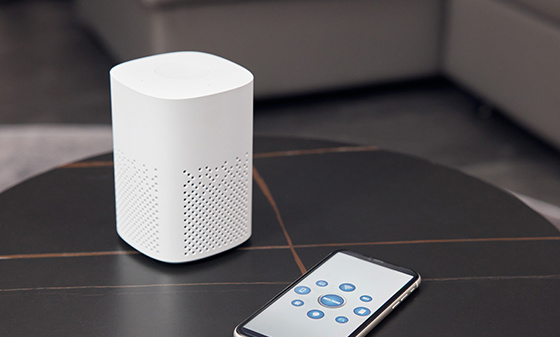 Bluetooth BQB Product Certification
 FM/AM Product Certification
 WiFi Product Certification
 Wireless charging product certification
 Interphone product certification
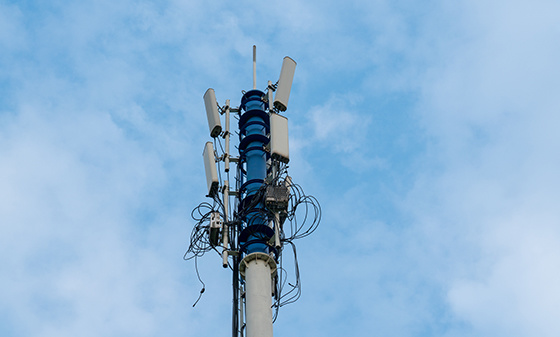 Base station certification
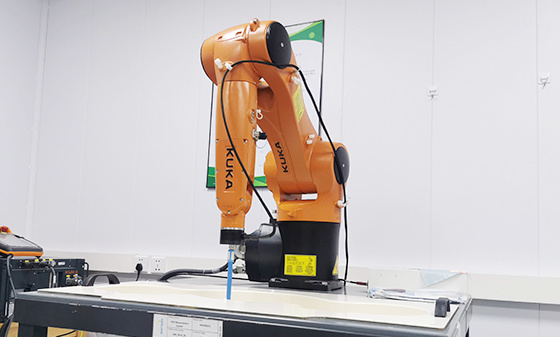 SAR testing
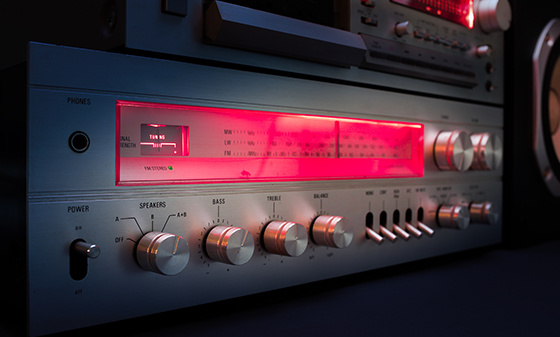 Receiver Product Certification
 5G NR Product Certification
 UWB Product Certification
 Internet of Things authentication
Electromagnetic compatibility
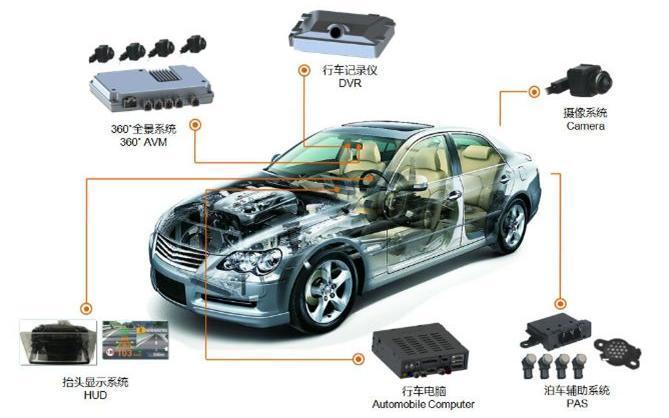 Automotive Electronics EMC Testing
 EMC rectification
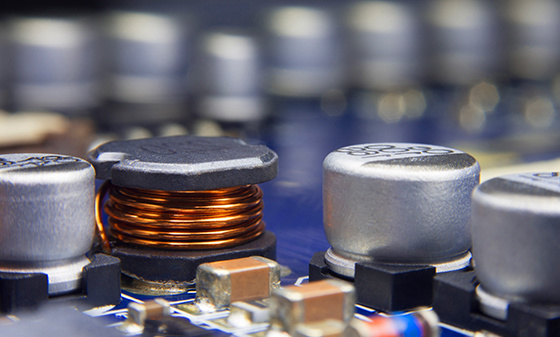 EMC
EMC
Automotive Electronics
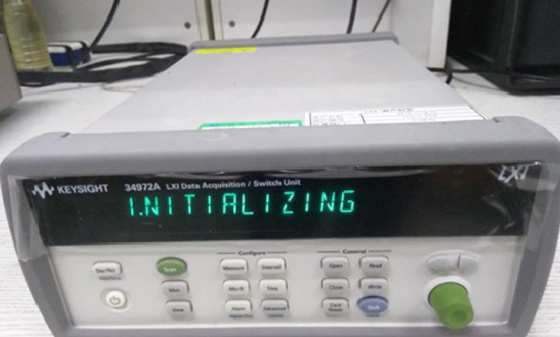 Electrical performance testing
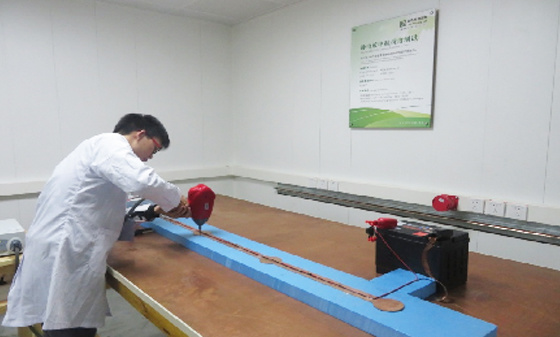 EMS testing - radiation anti-interference testing system (including radar waves)
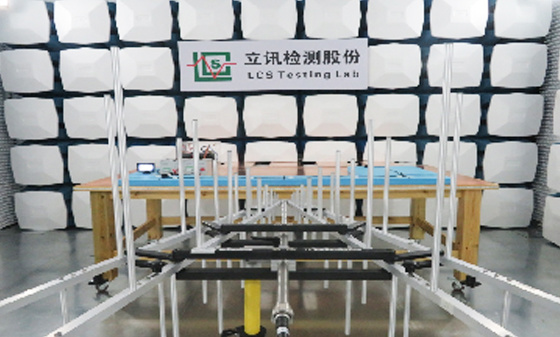 EMS Testing - Electrostatic Discharge
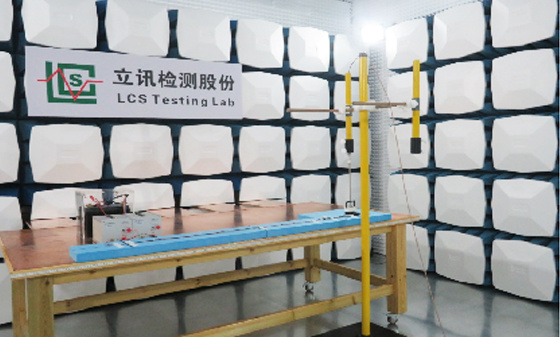 EMS Test - Transient Conducted Immunity Test
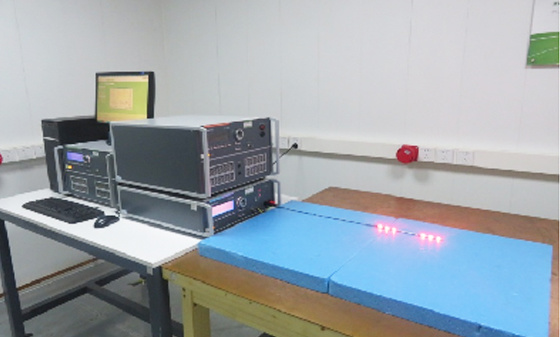 EMS Testing - Portable Transmitter Immunity
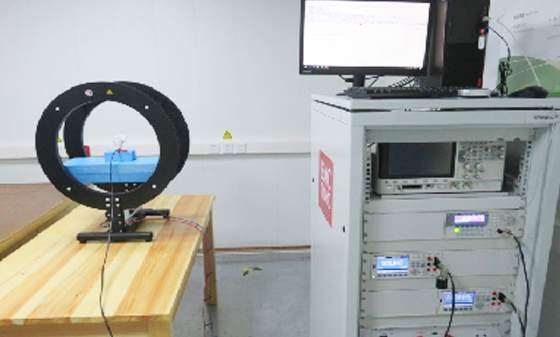 EMS Test - High Current Injection (BCI) Test
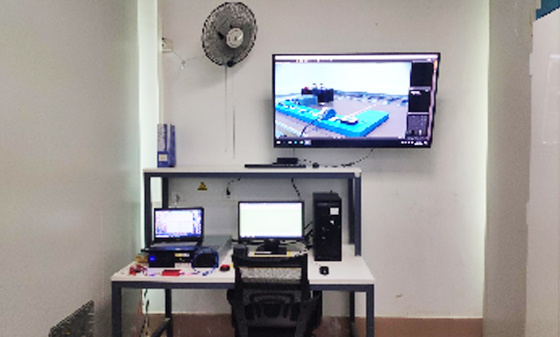 EMS test - low-frequency magnetic field anti-interference test
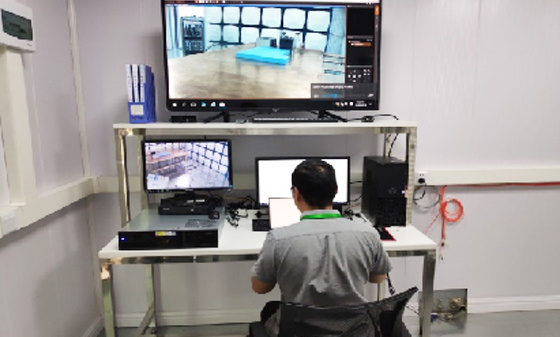 EMI Testing - Transient Conducted Emissions Testing System
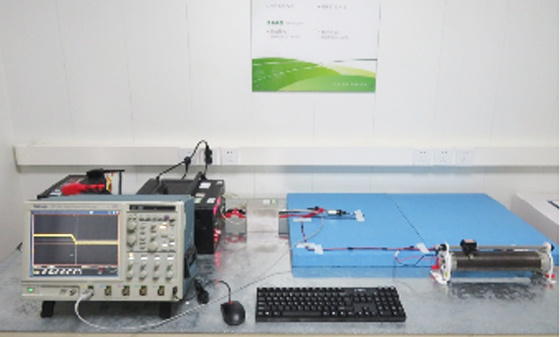 EMI testing - low-frequency magnetic field emission
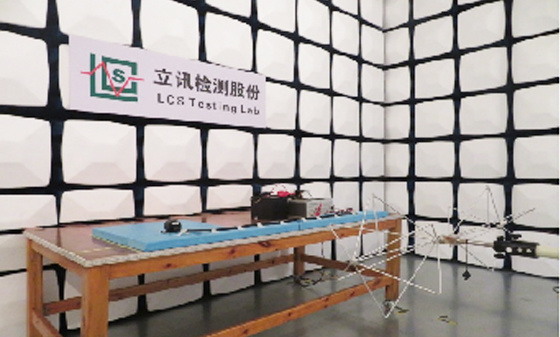 EMI Test - Radiation Emission Test
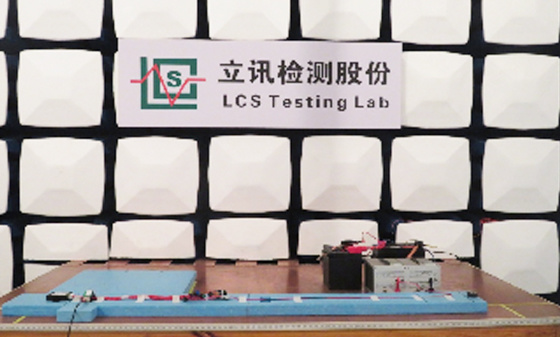 EMI Test - Conducted Emissions Test
 Automotive Electronic Testing
Automotive Parts Inspection
 Automotive ELV&VOC
 Reliability testing
 Temperature shock test
 Vibration testing
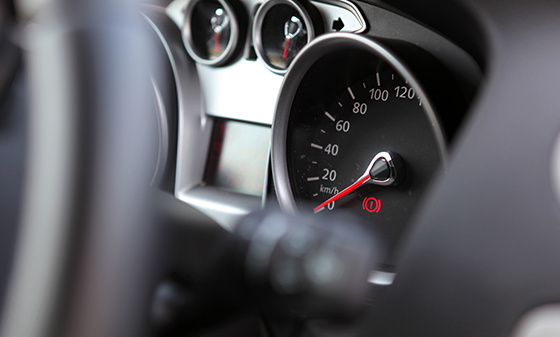 Instrument panel/instrument panel three comprehensive vibration test
 Comprehensive vibration test of door inner panel III
 Sunvisor Three Comprehensive Vibration Test
 Spoiler Three Comprehensive Vibration Test
 Three comprehensive vibration tests of car front and rear bumpers
 Three comprehensive vibration tests for lamp housing/lampshade
 Comprehensive vibration test of outer circumference three
 Automotive metal material testing
 Performance testing of automotive lighting fixtures
 Rapid temperature change test
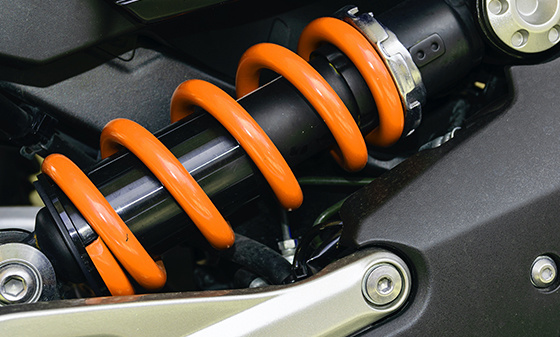 Vibration
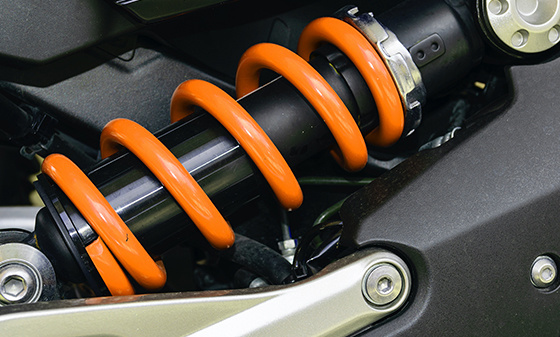 Common issues with vibration testing
 Common issues with fatigue testing
 Common issues with high and low temperature testing
 Conducted Interference (CE) - Suzhou Lixun Standard
 Electromagnetic Radiation Tolerance Test (RS) - Suzhou LCS Standard
 Electrical Fast Pulse Withstand Test (EFT) - Suzhou LCS Standard
 Voltage flicker test - Suzhou LCS standard
Electronic appliances
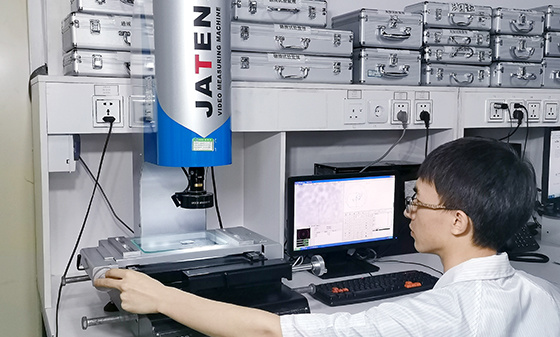 Household appliance product testing
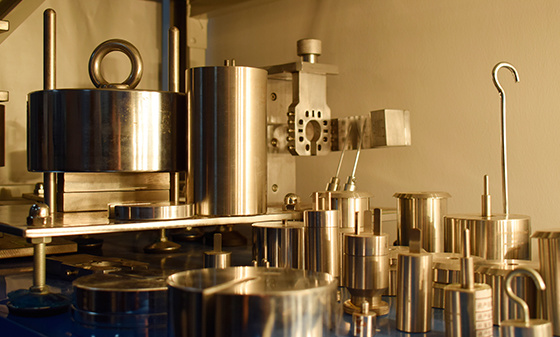 Electrical accessory product testing
 Household appliance testing
Chemical Testing
 Consumer Product Testing Services - WEEE Chapter
 Ecological textile testing
 Leather Footwear Inspection
 Food contact material testing
 Testing of toys and baby products
 Hazardous substance testing
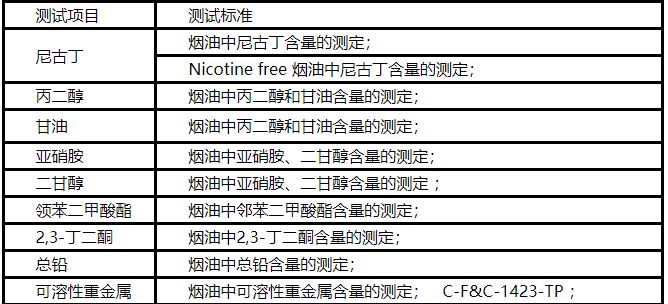
Electronic Cigarette Testing
 Electronic cigarette detection
Reliability testing
 Other tests - pencil hardness test
 Mechanical testing - Packaging compression test
 Climate environment testing - Xenon lamp aging test
Environmental Testing
 Water Quality Testing
 environment detection
Battery Testing
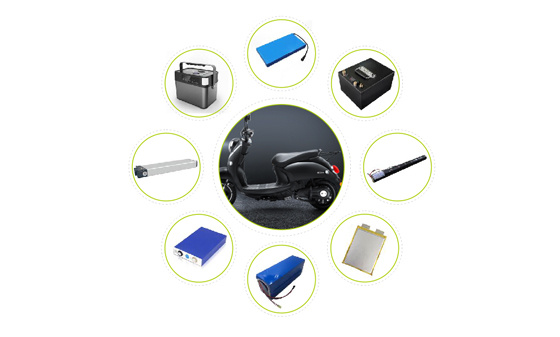 Power storage battery testing and certification
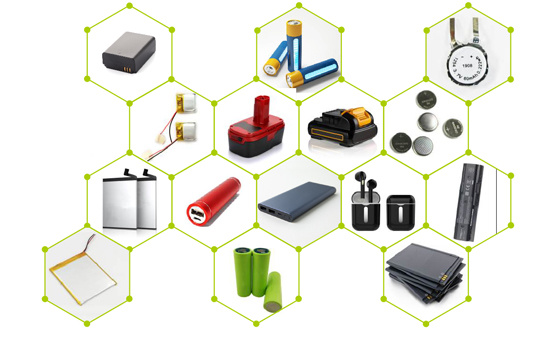 Consumer Electronics Battery Testing and Certification
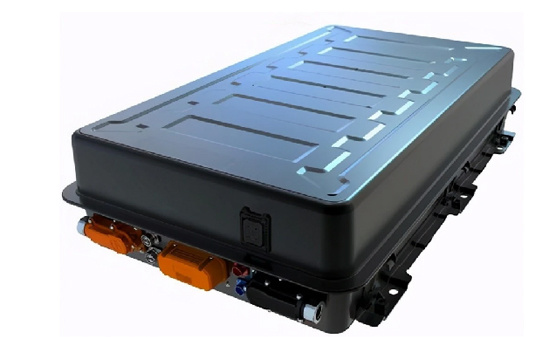 Battery
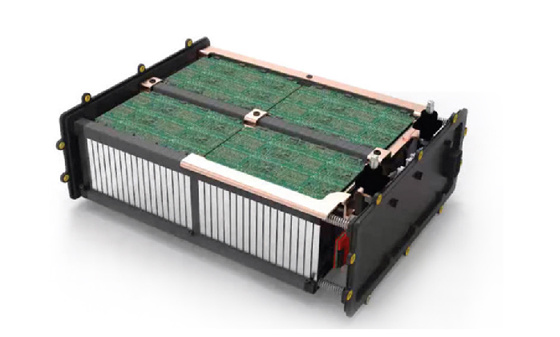 Light electric vehicle batteries
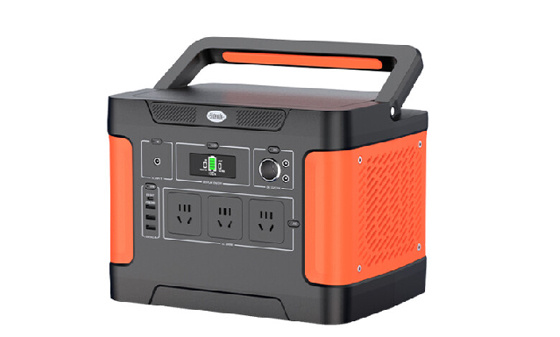 Energy storage battery
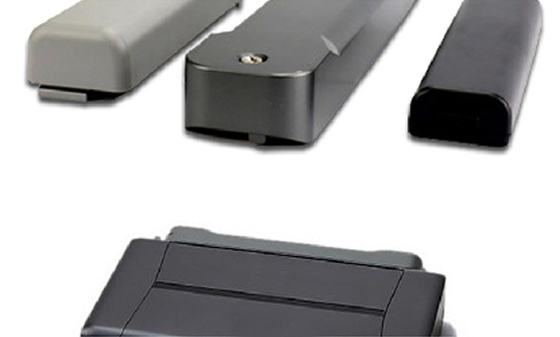 Portable battery
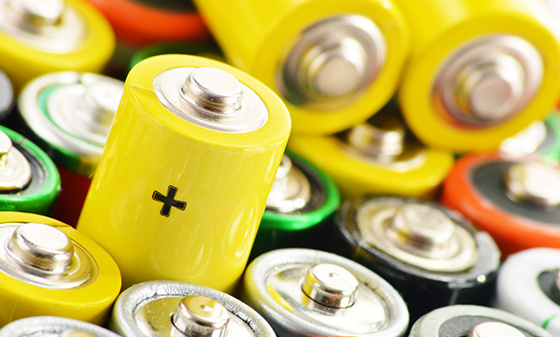 Battery testing
 battery test
Lamp Inspection
 COI Index Test for Medical Indoor Lighting
 Lamp safety inspection
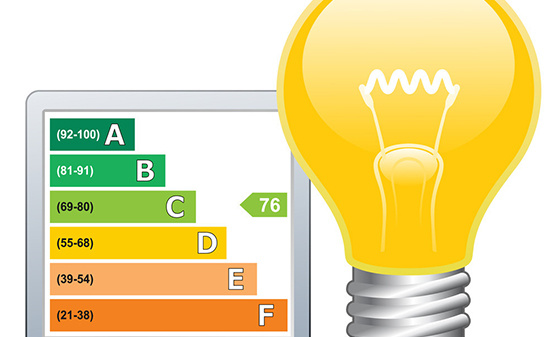 Luminaire energy efficiency testing
 EMC testing of lighting fixtures
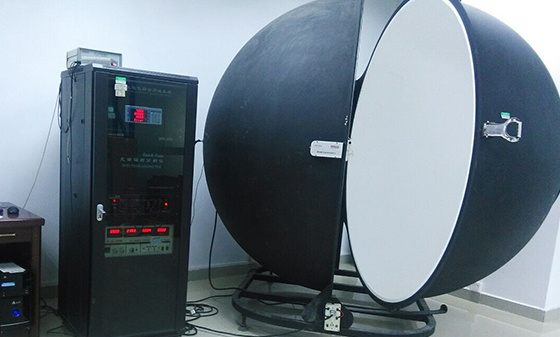 Integral Ball Laboratory
 Photobiology Experiment
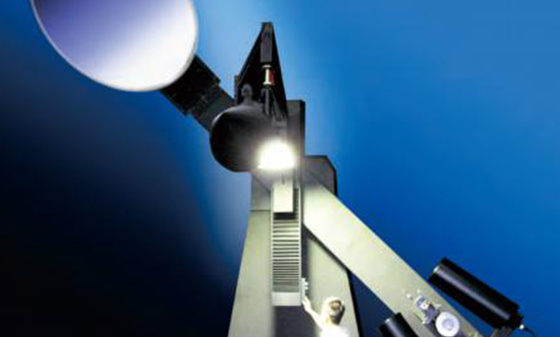 Light distribution test
 Lamp aging test
 Lamp IP waterproof
 Lamp performance testing
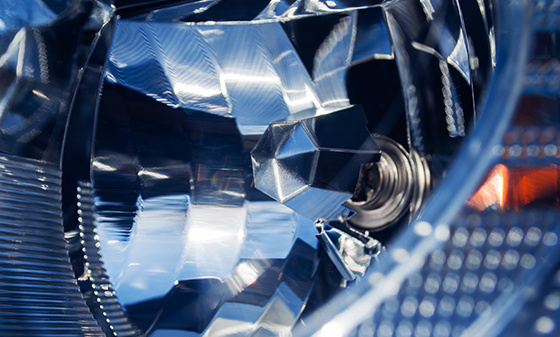 Lamp reliability testing
Children's toy testing
 Testing standards for toy products
China Certification
 China's "national promotion" RoHS certification
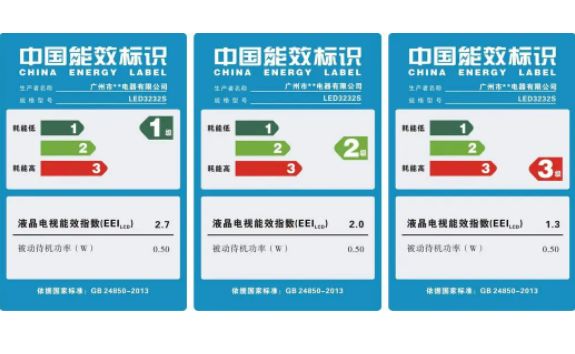 China Energy Efficiency Label Certification
 China Energy Conservation Certification
 China CQC Certification
 Tmall JD Quality Inspection Report
 China SRRC Certification
 Taiwan BSMI certification
 Taiwan NCC certification
 China CCC Compulsory Certification
Asia Certification
 KC certification
 KUCAS Certification in Kuwait
 Vietnam COC certification
 Singapore PSB certification
 Iraq COC Certification
 Qatar COC Certification
 Iran COI certification
 GCC Certification for Gulf Seven Countries
 IMDA certification
 VCCI Certification in Japan
 JATE certification in Japan
 PSE certification
 BIS certification
 Japanese TELEC certification
European Certification
 GOST certification in Russia
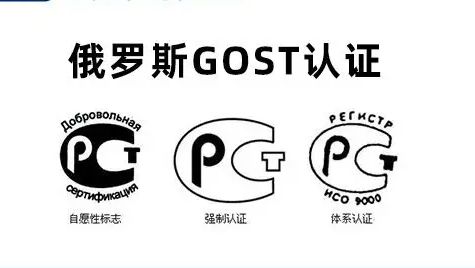 Russian EAC certification
 Northern Ireland UKNI logo
 Electrical ENEC certification
 European D-MARK certification
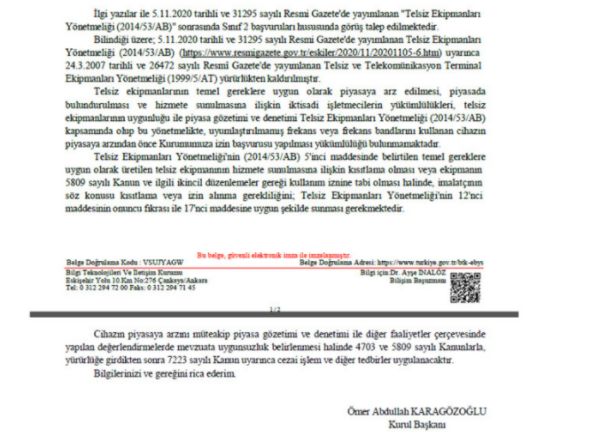 Türkiye BTK certification
 TSE certification in Türkiye
 CE certification in Türkiye
 RED certification
 German TUV-SUD certification
 REACH certification
 German GS certification
 EU E-Mark certification
North American Certification
 Ecuador VOC certification
 Mexico NOM certification
 IRAM certification
 CPSC Certification in the United States
 ASTM certification
 FDA certification
 CEC certification
 ETL certification
 ul certification
 IC certification
 Energy Star
 FCC Certification in the United States


 UL, ETL, CSA, MET, TUV certification in the United States
 ASTM certification
Middle East Certification
 Saudi SABER certification
 Saudi SABER Certification Gulf Seven GCC Certification
 Iran COI certification
 Qatar COC Certification
 Iran COI certification
 Qatar COC Certification
 Iraq COC Certification
 Saudi EER Energy Efficiency Certification
 Saudi SABER certification
 Saudi EER Energy Efficiency Certification
 Algeria PCA certification
 PVOC certification
Australia Certification
 New Zealand IC-F testing
 VEET certification
 LCP certification
 GEMS certification
 RCM certification
 C-Tick certification
 SAA certification
Africa Certification
 Gabon COC certification
 Algeria COC certification

 Ethiopian VOC and COC certification
 Mauritius VOC certification
 Ghana COC certification
 COC certification in Burundi
 Zambia COC certification
 Botswana COC Certification
 Uganda PVOC certification
 SABS certification in South Africa
 South African LOA certification
 Zimbabwe CBCA Certification
 Nigeria SONCAP certification
 Kenya PVOC certification
 African COC certification
Other certifications
 WEEE
WEEE
 Bluetooth BQB certification
 IECEE registration
 MHRA registration in the UK
TRAINING
 Management system training
 Laboratory technical training
 Laboratory Process Consulting
 Laboratory decoration construction
Wireless Communication
Electromagnetic compatibility
Automotive Electronics
Automotive Parts Inspection
Electronic appliances
Chemical Testing
Electronic Cigarette Testing
Reliability testing
Environmental Testing
Battery Testing
Lamp Inspection
Children's toy testing
China Certification
Asia Certification
European Certification
North American Certification
Middle East Certification
Australia Certification
Africa Certification
Other certifications
TRAINING
Wireless Communication
Electromagnetic compatibility
Automotive Electronics
Automotive Parts Inspection
Electronic appliances
Chemical Testing
Electronic Cigarette Testing
Reliability testing
Environmental Testing
Battery Testing
Lamp Inspection
Children's toy testing
China Certification
Asia Certification
European Certification
North American Certification
Middle East Certification
Australia Certification
Africa Certification
Other certifications
TRAINING
Wireless Communication
Electromagnetic compatibility
Automotive Electronics
Automotive Parts Inspection
Electronic appliances
Chemical Testing
Electronic Cigarette Testing
Reliability testing
Environmental Testing
Battery Testing
Lamp Inspection
Children's toy testing
China Certification
Asia Certification
European Certification
North American Certification
Middle East Certification
Australia Certification
Africa Certification
Other certifications
TRAINING
Wireless Communication
Electromagnetic compatibility
Automotive Electronics
Automotive Parts Inspection
Electronic appliances
Chemical Testing
Electronic Cigarette Testing
Reliability testing
Environmental Testing
Battery Testing
Lamp Inspection
Children's toy testing
China Certification
Asia Certification
European Certification
North American Certification
Middle East Certification
Australia Certification
Africa Certification
Other certifications
TRAINING
Wireless Communication
Electromagnetic compatibility
Automotive Electronics
Automotive Parts Inspection
Electronic appliances
Chemical Testing
Electronic Cigarette Testing
Reliability testing
Environmental Testing
Battery Testing
Lamp Inspection
Children's toy testing
China Certification
Asia Certification
European Certification
North American Certification
Middle East Certification
Australia Certification
Africa Certification
Other certifications
TRAINING
Wireless Communication
Electromagnetic compatibility
Automotive Electronics
Automotive Parts Inspection
Electronic appliances
Chemical Testing
Electronic Cigarette Testing
Reliability testing
Environmental Testing
Battery Testing
Lamp Inspection
Children's toy testing
China Certification
Asia Certification
European Certification
North American Certification
Middle East Certification
Australia Certification
Africa Certification
Other certifications
TRAINING

Solutions
-
-
-
Automotive interior and exterior trim - Environmental testing
-
Automotive interior and exterior decorations (electronic and electrical components) - IP protection
-
Automotive electronic and electrical components - Electrical performance
-
Automotive interior and exterior trims - Mechanical performance testing
Contact Us
National 24-hour service hotline
400-116-2629
Group Headquarters
E-mail: webmaster@lcs-cert.com
Address: Shenzhen City, Baoan District, Shajing Street, Nga side of the school of Wei Juji Industrial Park, Building A 1 ~ 2 floor, Building C 3 floor
RoHS Directive - EU
The European Union has officially released the RoHS 2.0 revised directive - adding 4 types of phthalate ester restricted substances
China - New version of China ROHS directive officially released
EU Revises WEEE Directive to Expand Producer Responsibility System
The European Commission announced that it will revise the scope of the ROHS Directive
Restrictions on Expanding the Use of Flame retardants in the District of Columbia, United States
EU RoHS 2.0 Exemption Clause
Introduction to RoHS Regulatory Directives
The ROHS Directive (2011/65/EU) applies to industrial monitoring and control instruments from July 22, 2017
EU issues new RoHS directive EU 2017/2102
The first batch of RoHS compliance management catalog in China has been officially released
Effective Date of Restricted Substances for Taiwan ROHS (CNS 15663) Electronic and Electrical Products
Release of China ROHS 2 Compliance Management Catalog and Application Exception List
The European Union Releases a New Harmonized Standard EN IEC 63000:2018 to Replace EN 50581
The Restriction of the Use of Certain Hazardous Substances in Electrical and Electronic Equipment. The RoHS directive requires that six harmful substances, including lead Pb, mercury Hg, cadmium Cd, hexavalent chromium Cr (VI), polybrominated biphenyls (PBBs), and polybrominated biphenyl ethers (PBDEs), must not exceed the standard in electrical and electronic products launched on the European Union market after July 1, 2006. The aim is to control the content of six main harmful substances in electrical and electronic equipment.
EU RoHS Directive covers the product range
1. Household appliances
2. Lighting appliances
3. IT and Telecom Equipment
4. Electric tools
5. Hardware accessories
6. Low voltage electrical appliances and electronic components
7. Toys, leisure and sports equipment
8. Automatic vending machines
9. Medical and monitoring equipment
10. Consumer Equipment
11. Other electronic and electrical equipment
Nomo Technology provides RoHS testing services
Testing the entire machine, raw materials, and components
Integration or review of RoHs reports
Provide support for material declarations of components and components
Conduct on-site testing and spot checks on suppliers
Test database queries (authenticity verification of reports)
On site training and RoHS directive consultation
Detailed description of RoHS instructions
Enterprises exporting products to the European Union must meet the limit requirements for harmful substances mentioned above, and must present corresponding proof documents. Products that do not meet the requirements will be refused entry into the EU market. This directive does not apply to the components, repair components, and reused components of electronic and electrical equipment placed on the market before July 1, 2006. The RoHS directive was converted into laws and regulations of various EU countries on December 31, 2005, and manufacturers will begin to comply with the requirements of the EU RoHS directive on July 1, 2006. The EU RoHS directive covers all energy consuming products in principle, but mainly targets products that use electricity and solid, liquefied, and gaseous fuels. The EU RoHS directive not only affects manufacturers of finished products, but also affects manufacturers of components. Directive requirement: Manufacturers must conduct an ecological assessment of the entire lifecycle of their products, including analysis of the raw materials used, products produced, production processes, packaging, transportation and sales, installation and maintenance, use, and end-of-life analysis. The assessment includes an assessment of the consumption of raw materials and energy, an assessment of the impact on the environment, an assessment of expected waste and recycling methods. In the RoHS directive, "electronic and electrical equipment" refers to equipment that relies on current or electromagnetic fields for normal operation, as well as equipment listed in the table below that can generate, transmit, and measure current and electromagnetic fields. The design voltage of these equipment is not more than 1000V AC and 1500V DC.
The updates and changes in RoHS certification regulations in recent years are as follows:
1) On June 4, 2015, the EU gazette directive (EU) 2015/863 revised Annex II of RoHS2.0 to include four phthalates in RoHS2.0. At this point, the restricted substances in Appendix II of RoHS2.0 have been increased to ten items.
2) Starting from July 22, 2019, all electronic and electrical equipment, except for medical and monitoring equipment, must meet the new requirements.
3) Starting from July 22, 2021, medical equipment and monitoring equipment need to meet new requirements. In addition to the European Union, other countries and regions around the world, such as China, California, Singapore, India, the United Arab Emirates, Türkiye, also have ****** RoHS control requirements, making RoHS the most basic access threshold for electronic and electrical products to enter the global market.
RoHs 2.0 testing process, mandatory implementation of ROHS2.0 by the European Union on July 22, 2019
RoHS certification, as an important environmental regulation in the electronic and electrical industry, has become the most basic entry threshold for electronic and electrical products to enter the global market. We can provide you with a third-party declaration of product RoHS compliance, enhancing buyers' confidence in your product under the new RoHS directive.
RoHS certification routine sample requirements:
Double the weight of 10-25 grams of non-metallic materials for single material metal materials. If you have any questions, please consult our company.
RoHS certification testing standards:
IEC 62321 (European Union and California RoHS)
The RoHS certification testing program and regulations require that the content of each homogeneous material shall not exceed the following limits:
1. Lead (Pb):<1000 ppm
2) Mercury (Hg):<1000 ppm
3) Cadmium (Cd):<100ppm
4) Hexavalent chromium (Cr VI)<1000ppm
5) Polybrominated biphenyls (PBB): 1000ppm
6) Polybrominated diphenyl ethers (PBDE):<1000 ppm
7) Di (2-ethylhexyl) phthalate (DEHP):<1000ppm
8) Benzyl phthalate (BBP):<1000ppm
9) Dibutyl phthalate (DBP):<1000ppm
10) Diisobutyl phthalate (DIBP):<1000ppm
CENELEC approves EN IEC 63000 to demonstrate ROHS 2 compliance presumption
The European Committee for Electronic Technology Standardization (CENELEC) has approved EN IEC 63000:2018 to demonstrate the presumption of compliance with the requirements of the European Union (EU) Directive 2011/65/EU (also known as RoHS 2).
The Electronic and Electrical Equipment (EEE) RoHS 2 Directive (2011/65/EU) came into effect on January 2, 2013, replacing the 2002/95/EC Directive (RoHS 1) that came into effect on July 1, 2006. One key addition is the requirement for EEE to be CE marked, therefore the technical documents need to have stronger production control and traceability. Failure to comply with the requirement to provide sufficient detailed documentation can constitute a criminal offense.
RoHS 2 requires the creation of a declaration of conformity and specifies two methods for achieving a presumption of conformity, including providing technical documents containing materials, components, and EEE test data, or proving that the product complies with the unified standards published in the official EU directive journal. So far, the only accepted coordinated standard that meets RoHS 2 is EN 50581. This technical document standard should not be confused with the EN 62321-X series analytical test standards that specify the materials, composition, and EEE chemical testing of certain substances.
EN IEC 63000 was originally developed by the International Electrotechnical Commission (IEC) and is now adopted by CENELEC. EN IEC 63000 provides guidelines for EEE assessment technical documents on limiting harmful substances, providing an international standard for RoHS related regulations worldwide. EN IEC 63000 is based on EN 50581:2012 in all aspects and will replace EN 50581:2012.
EN IEC 63000:2018 specifies the technical documents that manufacturers must prepare to declare compliance with the RoHS 2 directive. The implementation of this standard can ensure that EEE is correctly evaluated in limiting harmful substances, thereby strengthening consumer trust in EE manufacturers.
Although the specific wording of RoHS 2 has been removed from EN IEC 63000 to increase its international influence, the content of EN IEC 63000 is almost identical to EN 50581 in terms of necessary technical document requirements. The new standard also updates the normative references of EN 50581:2012 to reflect the latest international trends in analytical testing methods and material declarations.
Manufacturers can transition from EN 50581:2012 to EN IEC 63000:2018 within five years (60 months). Therefore, it means that both standards can serve as a basis for demonstrating RoHS compliance before the end of the transition period, but only EN IEC 63000:2018 can be applied after the end of the transition period. According to the prediction of the internal market policy of the European Commission, it is expected that EN IEC 63000:2018 will replace its predecessor EN 50581:2012 at that time.
Large-scale experimental base
Professional Lab
Analysis Method
Testing/year


 WeChat Inquiry


Contact Us
National 24-hour service hotline
Address:Juji Industrial Park, Xueziwei, Ngabian, Shajing Street, Baoan District, Shenzhen Building A 1~2F, Building C 3F

WeChat public number
Share industry dry goods

WeChat consultation
Please note consulting services

Follow Jitterbug

Mobile website
di complaint mailbox: customer.complaint@lcs-cert.com complaint telephone tel: 18126445450 certificate report verification of authenticity mailbox: verification@lcs-cert.com