

Wireless Communication
 EU RED Network Security Standard EN 18031
 Wireless and communication detection
 Mobile communication product certification
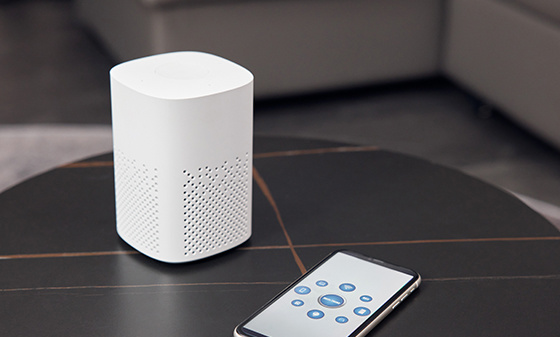 Bluetooth BQB Product Certification
 FM/AM Product Certification
 WiFi Product Certification
 Wireless charging product certification
 Interphone product certification
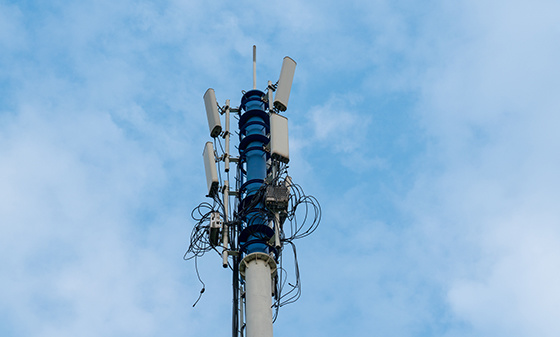 Base station certification
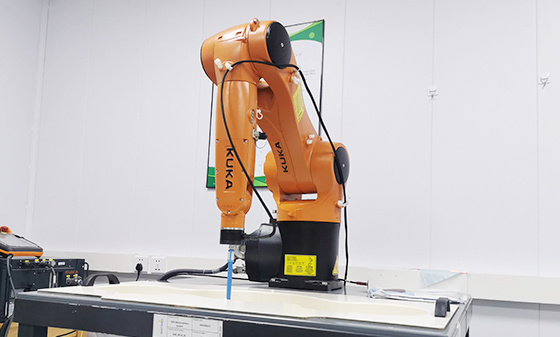 SAR testing
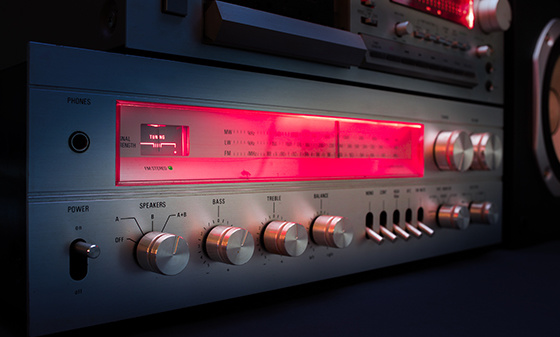 Receiver Product Certification
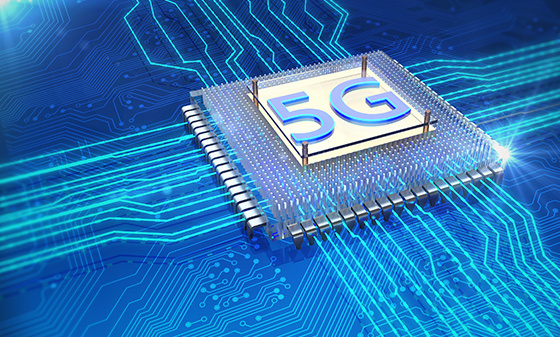 5G NR Product Certification
 UWB Product Certification
 Internet of Things authentication
Electromagnetic compatibility
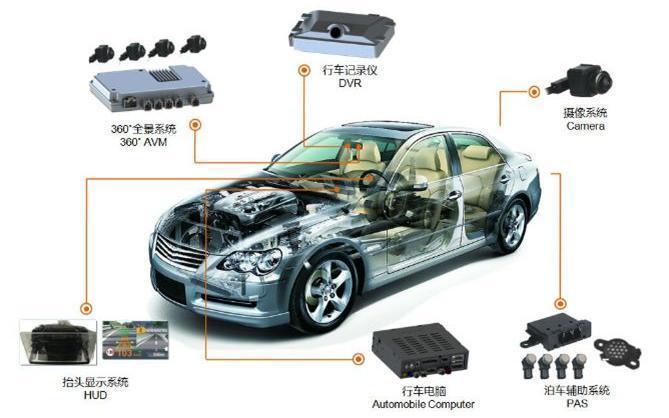 Automotive Electronics EMC Testing
 EMC rectification
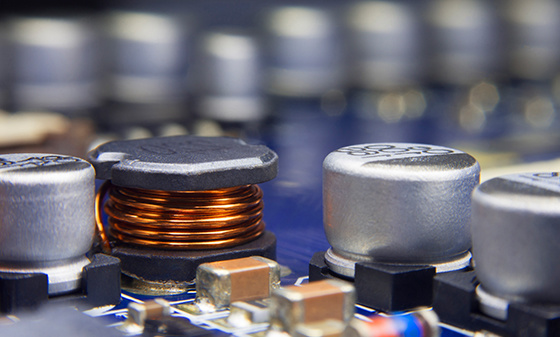 EMC
Automotive Electronics
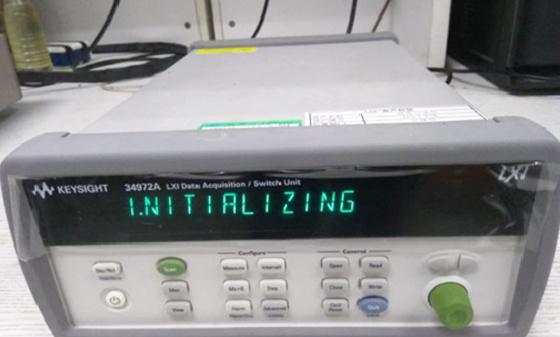 Electrical performance testing
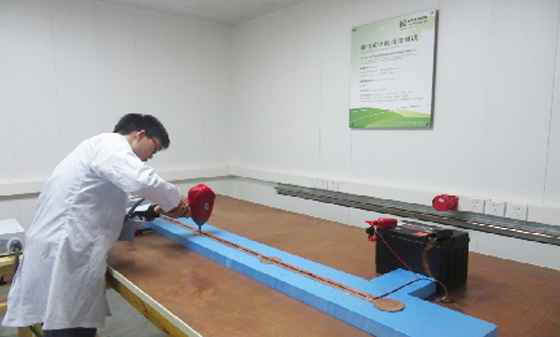 EMS testing - radiation anti-interference testing system (including radar waves)
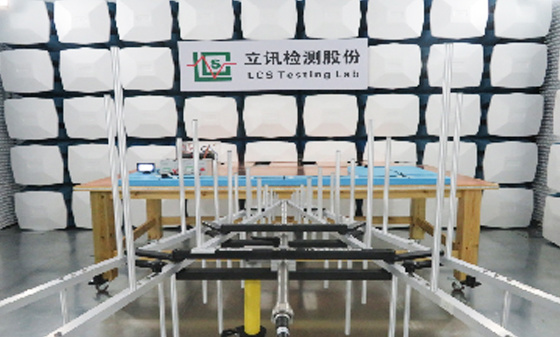 EMS Testing - Electrostatic Discharge
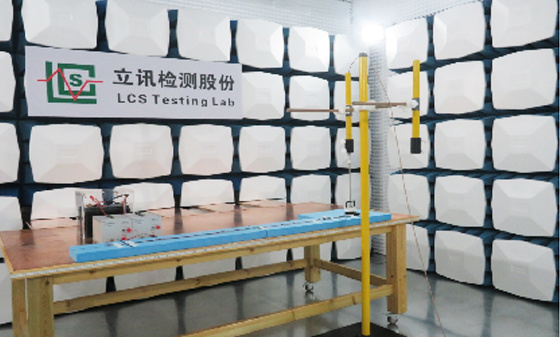 EMS Test - Transient Conducted Immunity Test
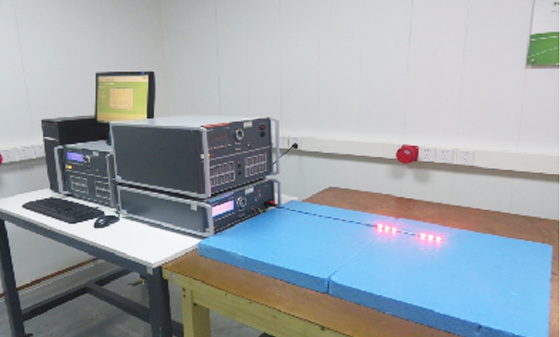 EMS Testing - Portable Transmitter Immunity
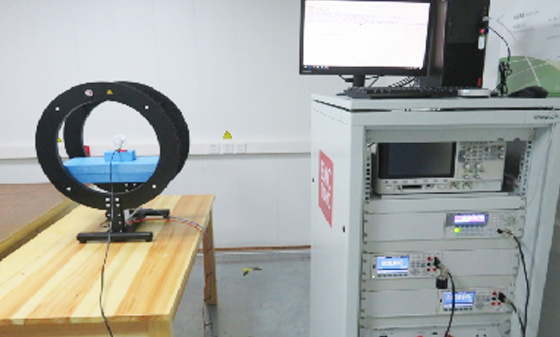 EMS Test - High Current Injection (BCI) Test
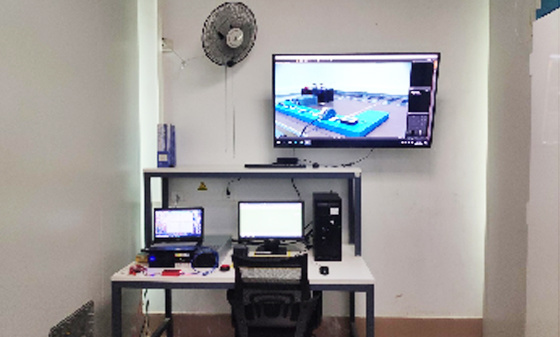 EMS test - low-frequency magnetic field anti-interference test
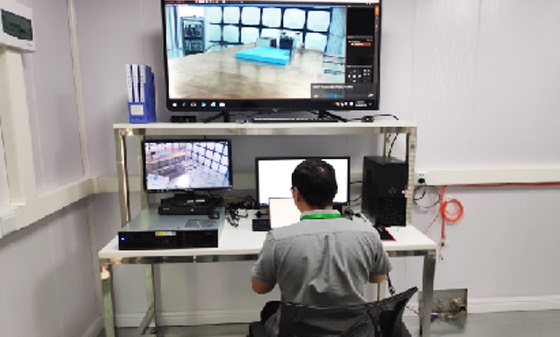 EMI Testing - Transient Conducted Emissions Testing System
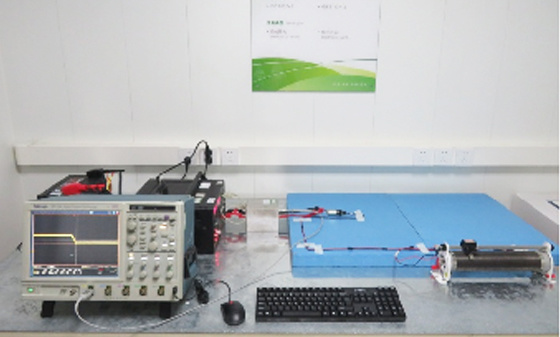 EMI testing - low-frequency magnetic field emission
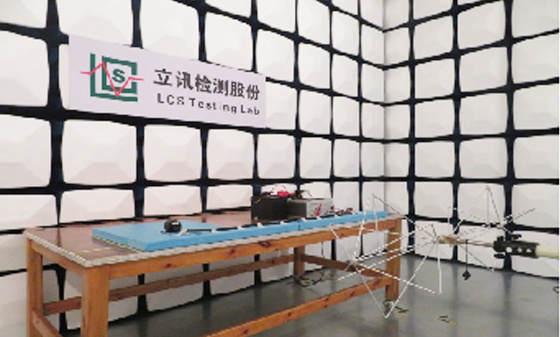 EMI Test - Radiation Emission Test
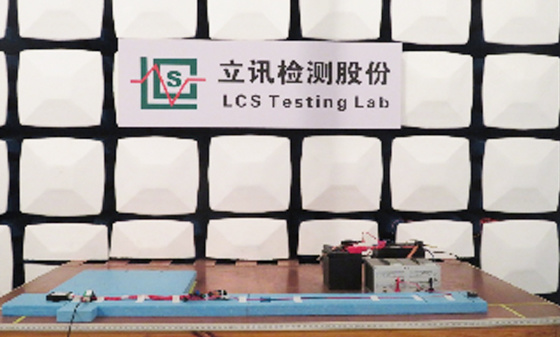 EMI Test - Conducted Emissions Test
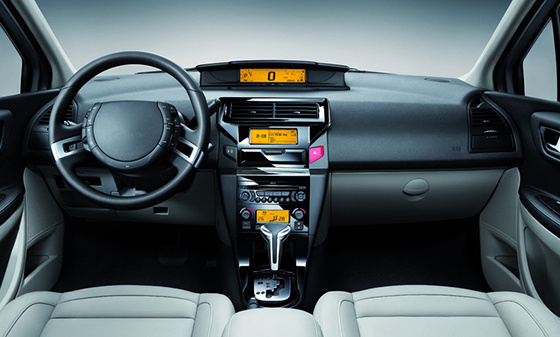 Automotive Electronic Testing
Automotive Parts Inspection
 Automotive ELV&VOC
 Reliability testing
 Temperature shock test
 Vibration testing
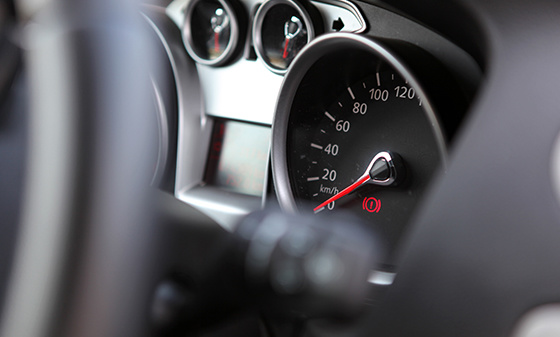 Instrument panel/instrument panel three comprehensive vibration test
 Comprehensive vibration test of door inner panel III
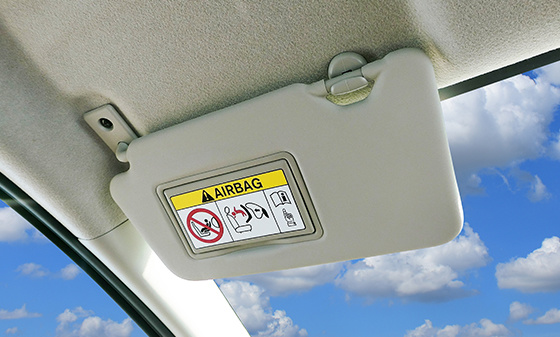 Sunvisor Three Comprehensive Vibration Test
 Spoiler Three Comprehensive Vibration Test
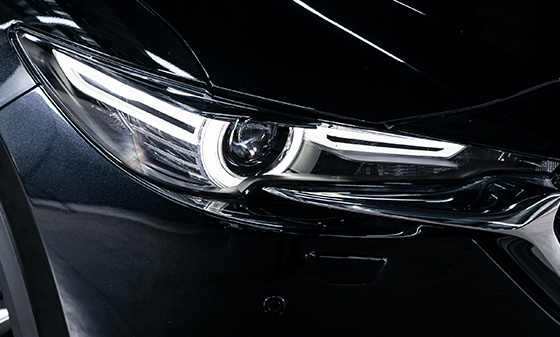 Three comprehensive vibration tests of car front and rear bumpers
 Three comprehensive vibration tests for lamp housing/lampshade
 Comprehensive vibration test of outer circumference three
 Automotive metal material testing
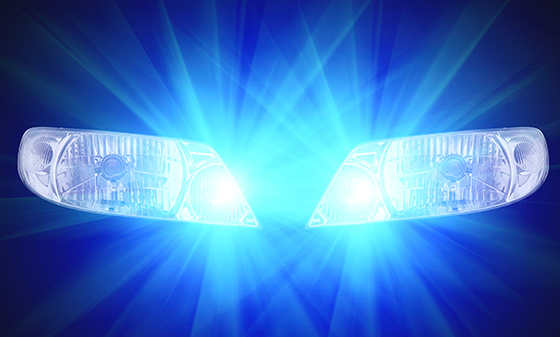 Performance testing of automotive lighting fixtures
 Rapid temperature change test
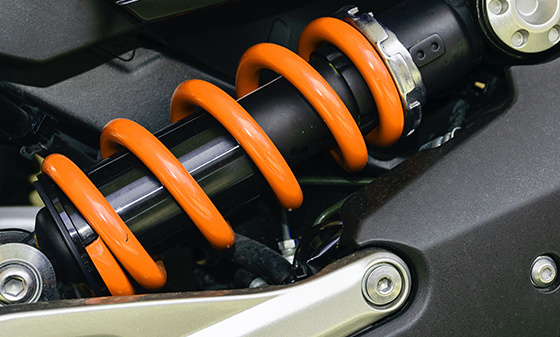 Vibration
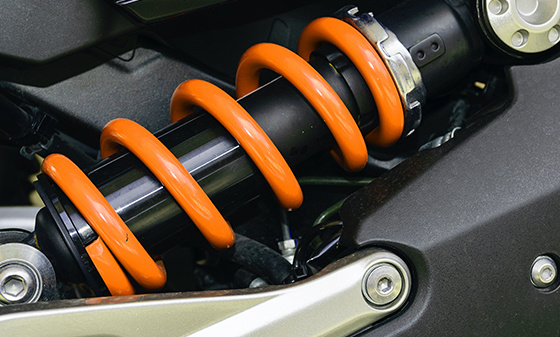 Common issues with vibration testing
 Common issues with fatigue testing
 Common issues with high and low temperature testing
 Conducted Interference (CE) - Suzhou Lixun Standard
 Electromagnetic Radiation Tolerance Test (RS) - Suzhou LCS Standard
 Electrical Fast Pulse Withstand Test (EFT) - Suzhou LCS Standard
 Voltage flicker test - Suzhou LCS standard
Electronic appliances
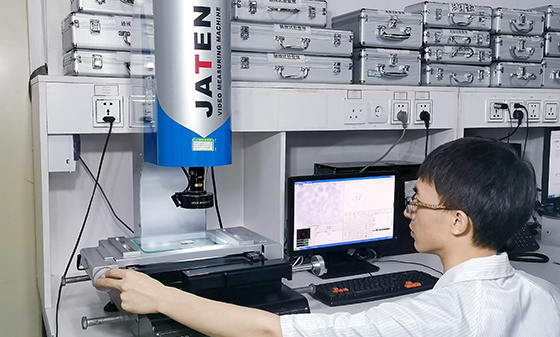 Household appliance product testing
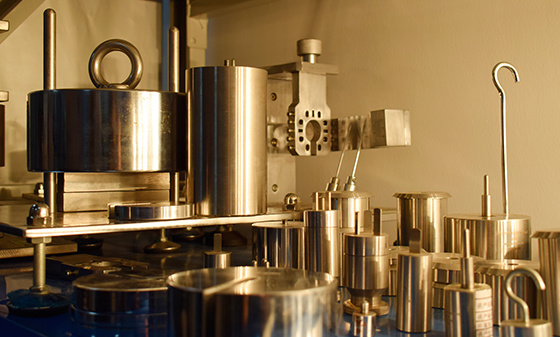 Electrical accessory product testing
 Household appliance testing
Chemical Testing
 Introduction to PFAS Testing
 MOSH/MOAH Mineral Oil Testing Service
 MOSH/MOAH Mineral Oil Testing and Certification Report Service
 Consumer Product Testing Services - WEEE Chapter
 Ecological textile testing
 Leather Footwear Inspection
 Food contact material testing
 Testing of toys and baby products
 Hazardous substance testing
Electronic Cigarette Testing
 Electronic cigarette detection
Reliability testing
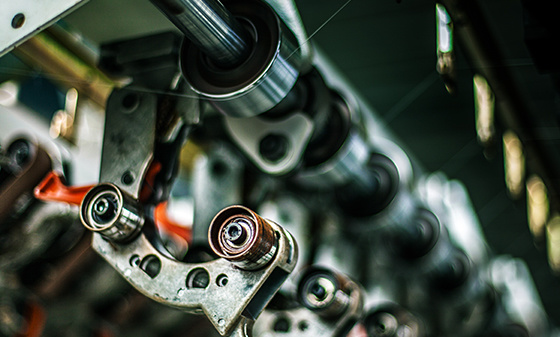 Other tests - pencil hardness test
 Mechanical testing - Packaging compression test
 Climate environment testing - Xenon lamp aging test
Battery Testing
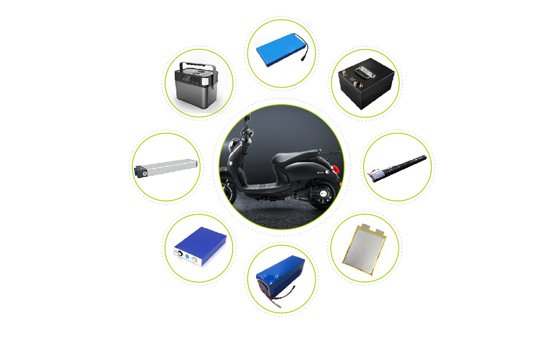 Power storage battery testing and certification
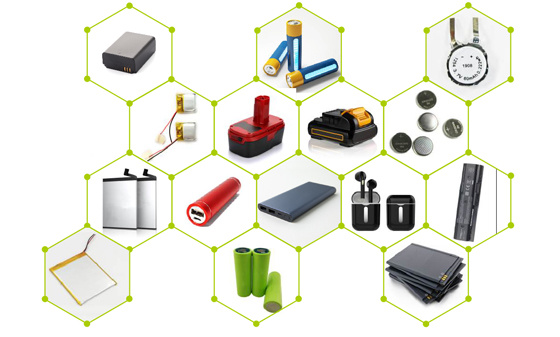 Consumer Electronics Battery Testing and Certification
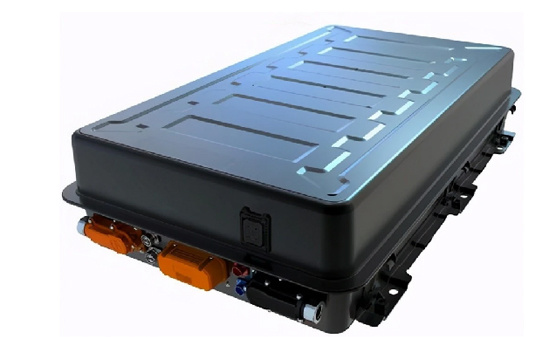 power battery
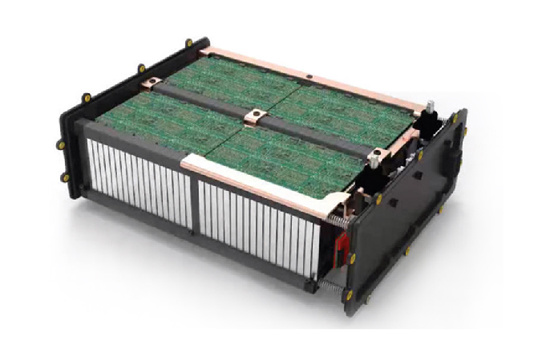 Light electric vehicle batteries
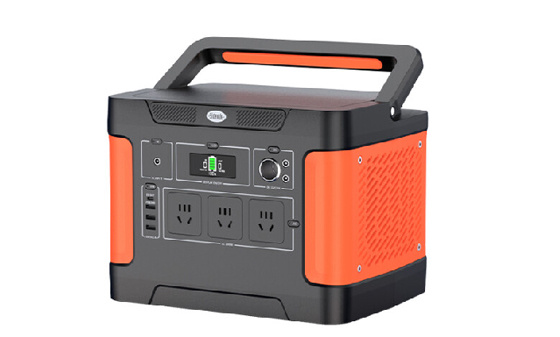 Energy storage battery
 Portable battery
 Battery testing
 battery test
Lamp Inspection
 Inspection of ship lighting fixtures
 COI Index Test for Medical Indoor Lighting
 Lamp safety inspection
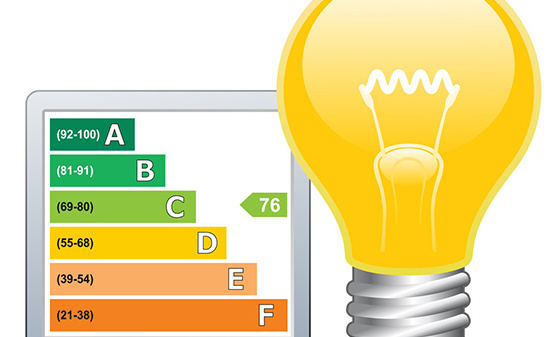 Luminaire energy efficiency testing
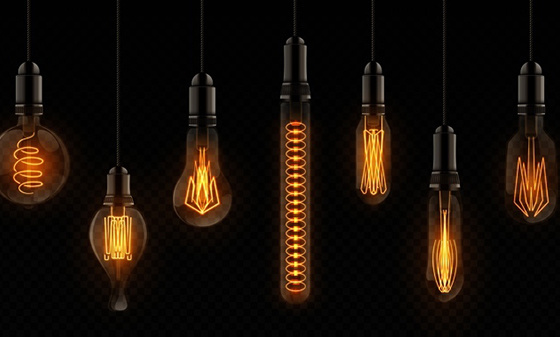 EMC testing of lighting fixtures
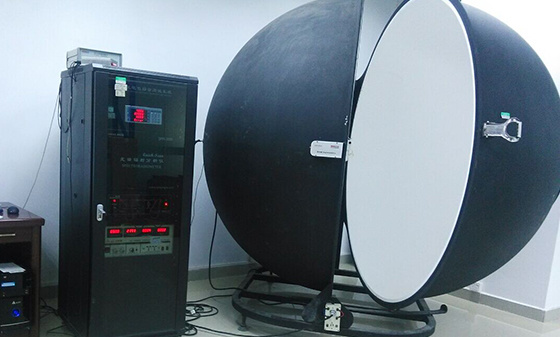 Integral Ball Laboratory
 Photobiology Experiment
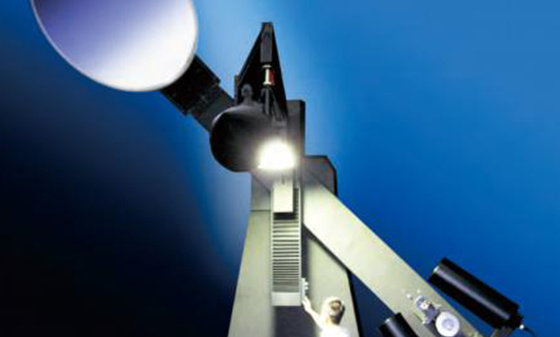 Light distribution test
 Lamp aging test
 Lamp IP waterproof
 Lamp performance testing
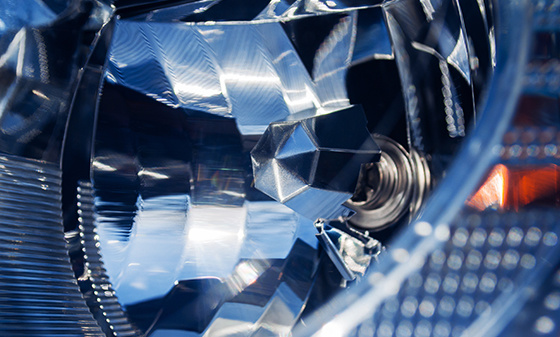 Lamp reliability testing
Children's toy testing
 Testing standards for toy products
China Certification
 China's "national promotion" RoHS certification
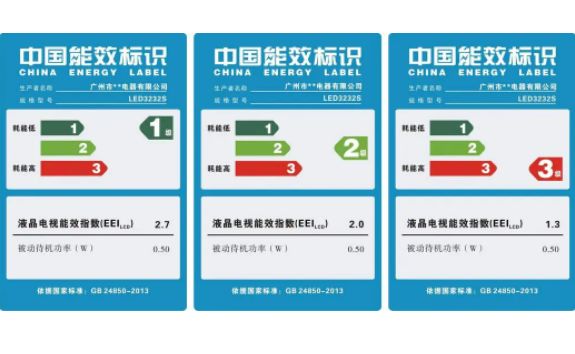 China Energy Efficiency Label Certification
 China Energy Conservation Certification
 China CQC Certification
 Tmall JD Quality Inspection Report
 China SRRC Certification
 Taiwan BSMI certification
 Taiwan NCC certification
 China CCC Compulsory Certification
Asia Certification
 Vietnam certification
 KC certification
 KUCAS Certification in Kuwait
 Singapore PSB certification
 Iraq COC Certification
 IMDA certification
 VCCI Certification in Japan
 JATE certification in Japan
 PSE certification
 BIS certification
 Japanese TELEC certification
European Certification
 RoHS certification
 GOST certification in Russia
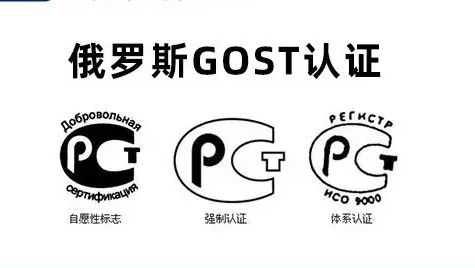 Russian EAC certification
 Northern Ireland UKNI logo
 Electrical ENEC certification
 European D-MARK certification
 Türkiye BTK certification
 TSE certification in Türkiye
 CE certification in Türkiye
 RED certification
 German TUV-SUD certification
 CE-ERP certification
 REACH certification
 German GS certification
 EU E-Mark certification
North American Certification
 Ecuador VOC certification
 Mexico NOM certification
 IRAM certification
 CPSC Certification in the United States
 CSA certification
 ASTM certification
 FDA certification
 CEC certification
 ETL certification
 ul certification
 IC certification
 Energy Star
 FCC Certification in the United States
 ASTM certification
Middle East Certification
 Israel SII certification
 Saudi SABER certification
 GCC certification for the seven Gulf countries
 Iran COI certification
 Qatar COC Certification
 Iraq COC Certification
 Saudi EER Energy Efficiency Certification
 Saudi SABER certification
 Algeria PCA certification
 PVOC certification
Australia Certification
 New Zealand IC-F testing
 VEET certification
 LCP certification
 GEMS certification
 RCM certification
 C-Tick certification
 SAA certification
Africa Certification
 Gabon COC certification
 Algeria COC certification

 Ethiopian VOC and COC certification
 Mauritius VOC certification
 Ghana COC certification
 COC certification in Burundi
 Zambia COC certification
 Botswana COC Certification
 Uganda PVOC certification
 SABS certification in South Africa
 South African LOA certification
 Zimbabwe CBCA Certification
 Nigeria SONCAP certification
 Kenya PVOC certification
 African COC certification
Other certifications
 WEEE
 Bluetooth BQB certification
 IECEE registration
 MHRA registration in the UK
TRAINING
 Management system training
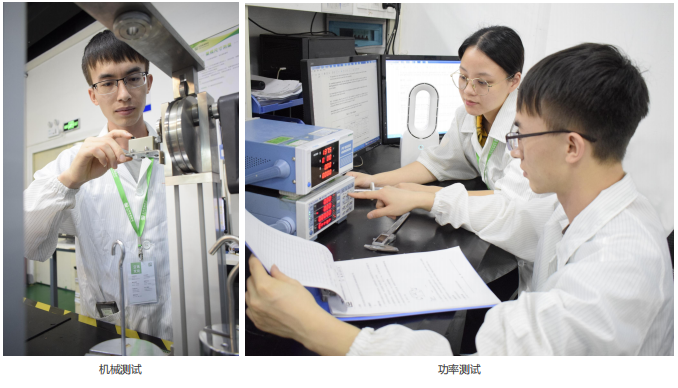 Laboratory technical training
 Laboratory Process Consulting
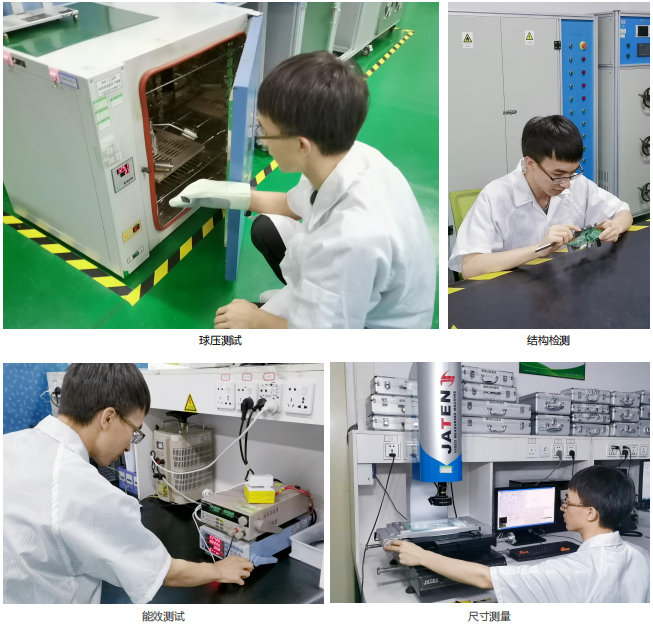 Laboratory decoration construction
Wireless Communication
Electromagnetic compatibility
Automotive Electronics
Automotive Parts Inspection
Electronic appliances
Chemical Testing
Electronic Cigarette Testing
Reliability testing
Battery Testing
Lamp Inspection
Children's toy testing
China Certification
Asia Certification
European Certification
North American Certification
Middle East Certification
Australia Certification
Africa Certification
Other certifications
TRAINING
Wireless Communication
Electromagnetic compatibility
Automotive Electronics
Automotive Parts Inspection
Electronic appliances
Chemical Testing
Electronic Cigarette Testing
Reliability testing
Battery Testing
Lamp Inspection
Children's toy testing
China Certification
Asia Certification
European Certification
North American Certification
Middle East Certification
Australia Certification
Africa Certification
Other certifications
TRAINING
Wireless Communication
Electromagnetic compatibility
Automotive Electronics
Automotive Parts Inspection
Electronic appliances
Chemical Testing
Electronic Cigarette Testing
Reliability testing
Battery Testing
Lamp Inspection
Children's toy testing
China Certification
Asia Certification
European Certification
North American Certification
Middle East Certification
Australia Certification
Africa Certification
Other certifications
TRAINING
Wireless Communication
Electromagnetic compatibility
Automotive Electronics
Automotive Parts Inspection
Electronic appliances
Chemical Testing
Electronic Cigarette Testing
Reliability testing
Battery Testing
Lamp Inspection
Children's toy testing
China Certification
Asia Certification
European Certification
North American Certification
Middle East Certification
Australia Certification
Africa Certification
Other certifications
TRAINING
Wireless Communication
Electromagnetic compatibility
Automotive Electronics
Automotive Parts Inspection
Electronic appliances
Chemical Testing
Electronic Cigarette Testing
Reliability testing
Battery Testing
Lamp Inspection
Children's toy testing
China Certification
Asia Certification
European Certification
North American Certification
Middle East Certification
Australia Certification
Africa Certification
Other certifications
TRAINING
Wireless Communication
Electromagnetic compatibility
Automotive Electronics
Automotive Parts Inspection
Electronic appliances
Chemical Testing
Electronic Cigarette Testing
Reliability testing
Battery Testing
Lamp Inspection
Children's toy testing
China Certification
Asia Certification
European Certification
North American Certification
Middle East Certification
Australia Certification
Africa Certification
Other certifications
TRAINING

count down! On September 11th, CRA vulnerability reports became mandatory, and LCS Information Security Laboratory provided full coaching services
Author.
LCS
Source:
Post time:
2026-08-03
How long do you have to react to a vulnerability being targeted by an attacker?
24 hours
This is the initial warning window given to you by the European Union.
72 hours.
This is the lifeline where you must fill in all the technical details.
Have you passed this line and not reported yet? The maximum fine is 15 million euros, or 2.5% of global annual revenue - whichever is higher.
On September 11, 2026, the obligation to report vulnerabilities and security incidents under Article 14 of the European Union's Cyberresilience Act (CRA) was officially enforced.
What is CRA? One sentence clear
The EU Regulation (EU) 2024/2847, which came into effect on December 10, 2024, is the EU's first horizontal cybersecurity regulation covering all products containing digital elements.
The previous cybersecurity requirement was' suggest you do it ', but CRA has turned it into' you must do it '. From voluntary to mandatory, from recommendation to legal obligation, we will advance in stages.
What must be reported and how should it be reported after 9/11?
The two conditions for triggering a report - either meets to trigger:
① The product vulnerability is currently being exploited by attackers (note: it is not "potentially exploited", it is "already being exploited")
② A significant event has occurred that affects product safety
Report rhythm - three-stage countdown:
Within 24 hours → submit preliminary warning (report 'something happened' first)
Within 72 hours, supplement product information, vulnerability details, scope of impact, and handling measures (then report "what happened, what to do")
Follow up → Submit final report and notify affected users if necessary
Report channel: Unified submission through the EU's only reporting platform.
Which products are covered by CRA?
Keywords: Products with numerical elements - both hardware and software are within range.
Typical Category List:
Smart home, door locks, doorbells, cameras, routers, gateways, wearable devices, industrial equipment, wireless products App、 Operating systems and other commercial software.
An easily overlooked detail: products do not necessarily need to be directly connected to the Internet.
As long as it contains digital elements and can interact with other devices/networks/cloud services through any network interface or communication method such as Wi Fi, Bluetooth, NFC, USB, etc., applicability evaluation is required.
In other words, a Bluetooth door lock or an industrial sensor with a USB interface may fall under the jurisdiction of CRA.
Five mandatory courses for manufacturers
The underlying logic of CRA is not to 'test once before going public', but to require companies to be responsible for the entire product lifecycle.
Compulsory Course ① Product Safety Design
Establish mechanisms for identity authentication, access control, communication encryption, security configuration, and attack surface management
Completely eliminate default passwords, dangerous interfaces, and unnecessary open services
Security is not a patch added later, it is a skeleton welded in during design
Compulsory Course 2: Vulnerability and Software Component Management
Establish SBOM software material list
Identify which open-source libraries are used in the product SDK、 third-party component
Continuously track the dynamics of related vulnerabilities
If you don't know what you're using, you can't know where the problem lies
Compulsory Course ③ Security Update and Support
Clearly define the product safety support cycle
Continuously address vulnerabilities and provide timely security updates and risk alerts to users
Selling is not the end, safety is the responsibility
Compulsory Course ④ Event Reporting Mechanism
Who is responsible for identifying vulnerabilities? Who is responsible for the report? Who is responsible for notifying customers?
The 24-hour and 72 hour reporting processes must be completed in advance
Wait until the vulnerability is exposed before assigning temporary tasks. 72 hours is simply not enough
Compulsory Course ⑤ Compliance Evidence Chain
Save all the following technical files:
Risk Assessment Report
Safety testing records
Rectification Record
SBOM
Vulnerability Handling Record
User safety instructions
Related technical documents
The cost of non-compliance: fines are just the tip of the iceberg
Penalty limit: 15 million euros, or 2.5% of global revenue in the previous fiscal year, whichever is higher.
Regulatory agencies can also impose additional penalties:
① Deadline rectification
② Stop selling
③ Product removal or withdrawal
④ Recall sold products
But what really keeps export companies up at night is not the fine itself.
The chain reaction of order suspension, customer claims, large-scale product recalls, and brand reputation collapse far exceeds the number of fines. Improper handling of a security incident may result in the loss of not just a batch of goods, but the entire EU customer.
Special reminder
On September 11, 2026, the mandatory reporting obligation for vulnerabilities and major security incidents will be implemented
December 11, 2027 → All other CRA requirements fully implemented
Don't interpret September 11th as' CRA fully landing ', it's just the first level that must be passed.
LCS Information Security Laboratory: CRA Full Course Tutoring Program
What CRA really demands is not that your product will never have vulnerabilities - no one can do that.
It requires:
Know where the risks lie
Someone will handle the problem discovered
Vulnerabilities can be fixed in a timely manner
Events can be reported in a timely manner
Evidence is retained at every step
LCS Lixun Testing Information Security Laboratory can provide customers with CRA compliance full process coaching services:
① Preliminary analysis and judgment
CRA applicability assessment and product classification
Analysis of regulatory gaps and formulation of rectification plans
② Technical testing
Product network security testing
Evaluation of firmware, communication, identity authentication, and upgrade mechanisms
SBOM establishment and third-party component vulnerability scanning and analysis
③ Process construction
Establishment of Vulnerability Disclosure and Event Reporting Process
24-hour/72 hour report template and response plan
④ Documents and Compliance
Risk assessment and technical document organization
Technical support for rectification retesting and compliance assessment
Assist enterprises in fulfilling their CRA reporting obligations
Related articles
New articles
Media Center
Latest News
Contact Us
National 24-hour service hotline
400-116-2629
Group Headquarters
E-mail: webmaster@lcs-cert.com
Address: Shenzhen City, Baoan District, Shajing Street, Nga side of the school of Wei Juji Industrial Park, Building A 1 ~ 2 floor, Building C 3 floor


 WeChat Inquiry


 Reservation


Contact Us
National 24-hour service hotline
Address:Juji Industrial Park, Xueziwei, Ngabian, Shajing Street, Baoan District, Shenzhen Building A 1~2F, Building C 3F

WeChat public number
Share industry dry goods

WeChat consultation
Please note consulting services

Follow Jitterbug

Mobile website
di complaint mailbox: customer.complaint@lcs-cert.com complaint telephone tel: 18126445450 certificate report verification of authenticity mailbox: verification@lcs-cert.com