

Wireless Communication
 EU RED Network Security Standard EN 18031
 Wireless and communication detection
 Mobile communication product certification
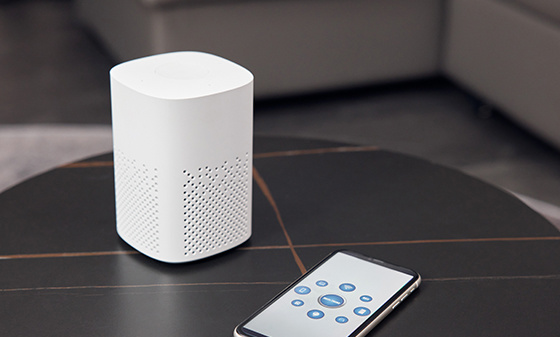 Bluetooth BQB Product Certification
 FM/AM Product Certification
 WiFi Product Certification
 Wireless charging product certification
 Interphone product certification
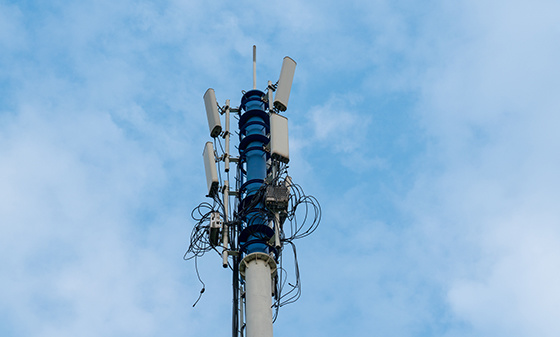 Base station certification
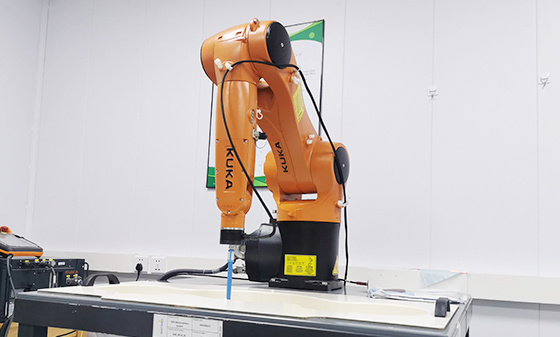 SAR testing
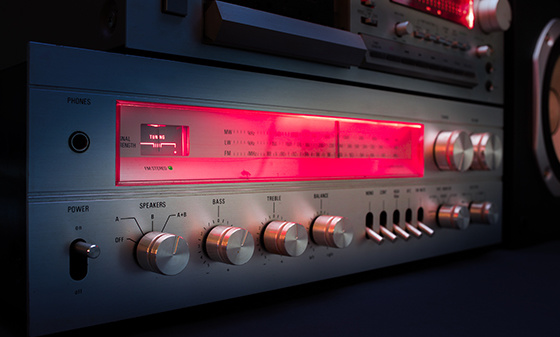 Receiver Product Certification
 5G NR Product Certification
 UWB Product Certification
 Internet of Things authentication
Electromagnetic compatibility
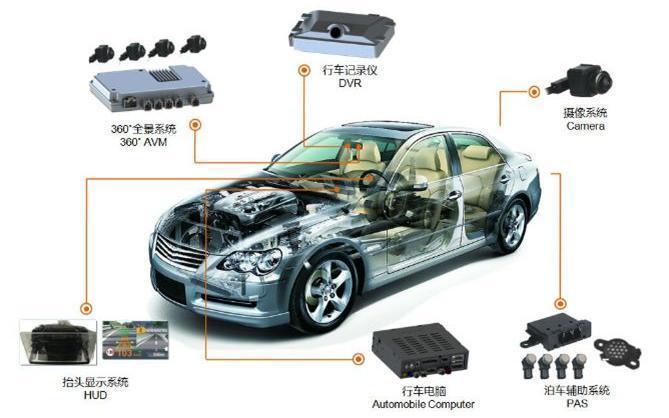 Automotive Electronics EMC Testing
 EMC rectification
 EMC
Automotive Electronics
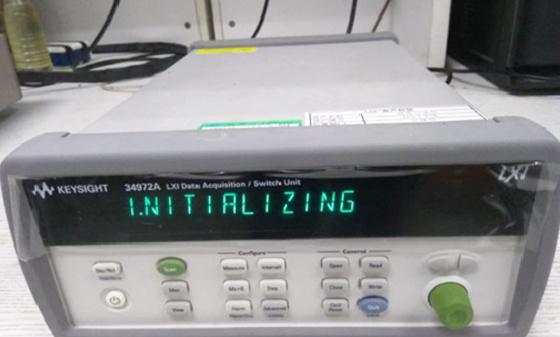 Electrical performance testing
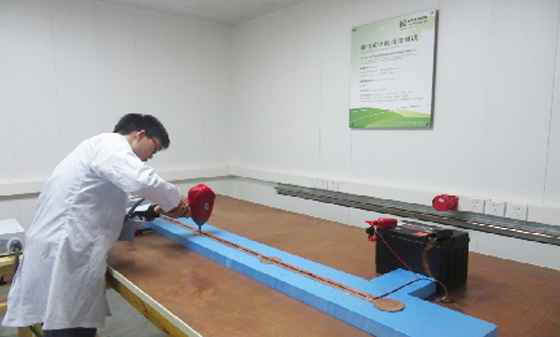 EMS testing - radiation anti-interference testing system (including radar waves)
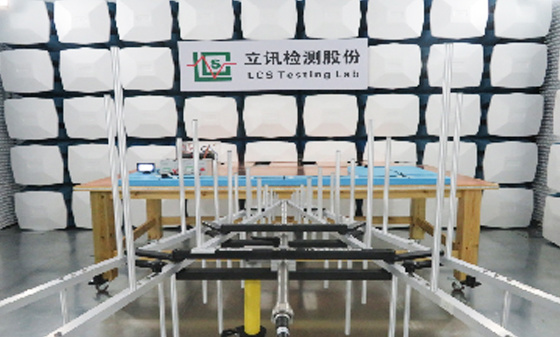 EMS Testing - Electrostatic Discharge
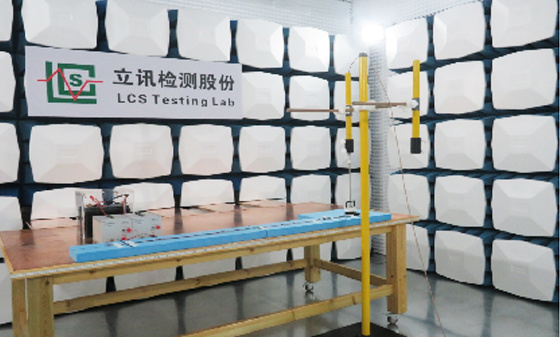 EMS Test - Transient Conducted Immunity Test
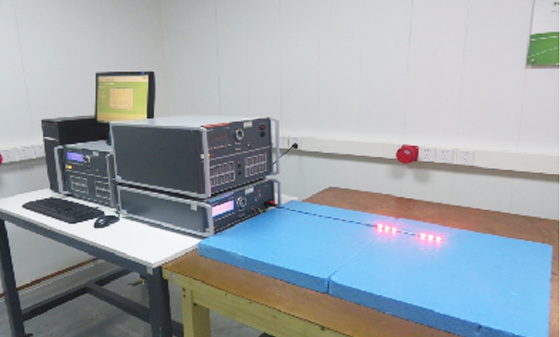 EMS Testing - Portable Transmitter Immunity
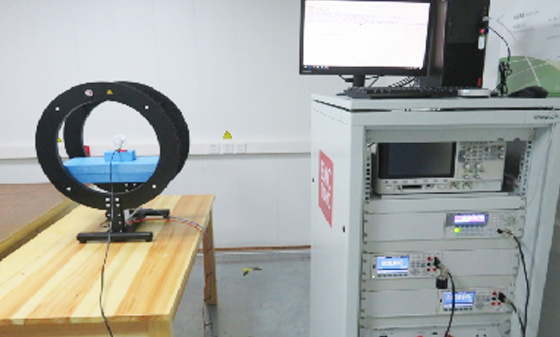 EMS Test - High Current Injection (BCI) Test
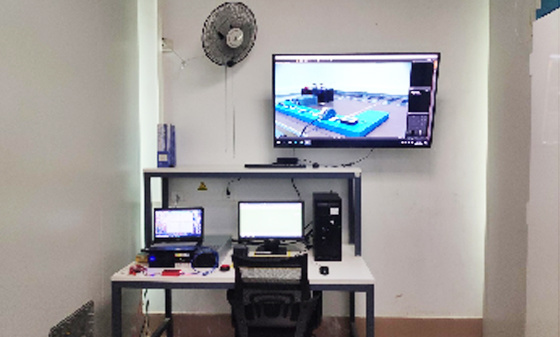 EMS test - low-frequency magnetic field anti-interference test
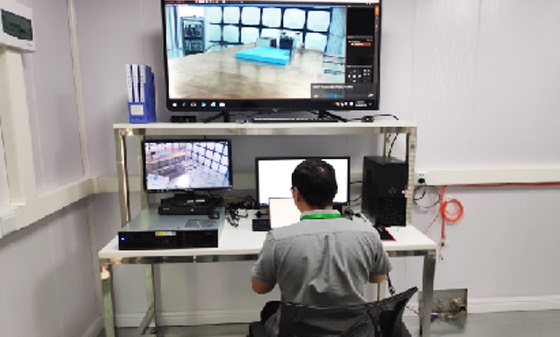 EMI Testing - Transient Conducted Emissions Testing System
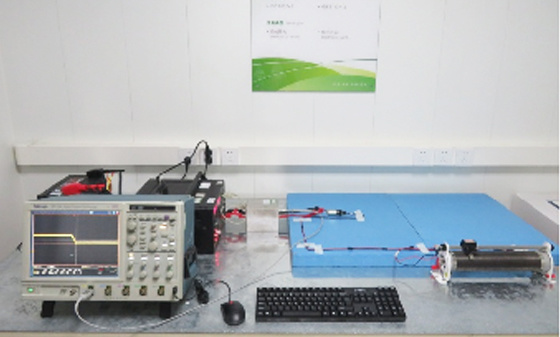 EMI testing - low-frequency magnetic field emission
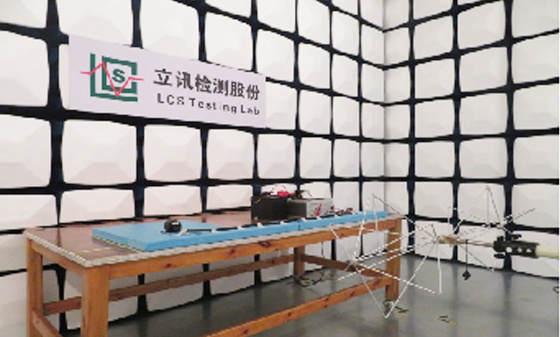 EMI Test - Radiation Emission Test
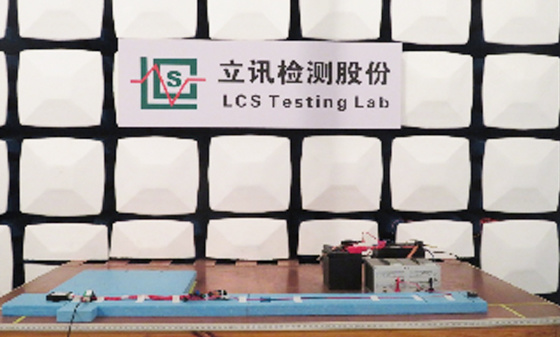 EMI Test - Conducted Emissions Test
 Automotive Electronic Testing
Automotive Parts Inspection
 Automotive ELV&VOC
 Reliability testing
 Temperature shock test
 Vibration testing
 Instrument panel/instrument panel three comprehensive vibration test
 Comprehensive vibration test of door inner panel III
 Sunvisor Three Comprehensive Vibration Test
 Spoiler Three Comprehensive Vibration Test
 Three comprehensive vibration tests of car front and rear bumpers
 Three comprehensive vibration tests for lamp housing/lampshade
 Comprehensive vibration test of outer circumference three
 Automotive metal material testing
 Performance testing of automotive lighting fixtures
 Rapid temperature change test
 Vibration
 Common issues with vibration testing
 Common issues with fatigue testing
 Common issues with high and low temperature testing
 Conducted Interference (CE) - Suzhou Lixun Standard
 Electromagnetic Radiation Tolerance Test (RS) - Suzhou LCS Standard
 Electrical Fast Pulse Withstand Test (EFT) - Suzhou LCS Standard
 Voltage flicker test - Suzhou LCS standard
Electronic appliances
 Household appliance product testing
 Electrical accessory product testing
 Household appliance testing
Chemical Testing
 Introduction to PFAS Testing
 MOSH/MOAH Mineral Oil Testing Service
 MOSH/MOAH Mineral Oil Testing and Certification Report Service
 Consumer Product Testing Services - WEEE Chapter
 Ecological textile testing
 Leather Footwear Inspection
 Food contact material testing
 Testing of toys and baby products
 Hazardous substance testing
Electronic Cigarette Testing
 Electronic cigarette detection
Reliability testing
 Other tests - pencil hardness test
 Mechanical testing - Packaging compression test
 Climate environment testing - Xenon lamp aging test
Battery Testing
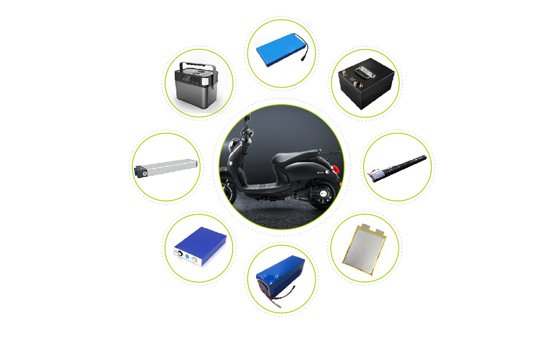 Power storage battery testing and certification
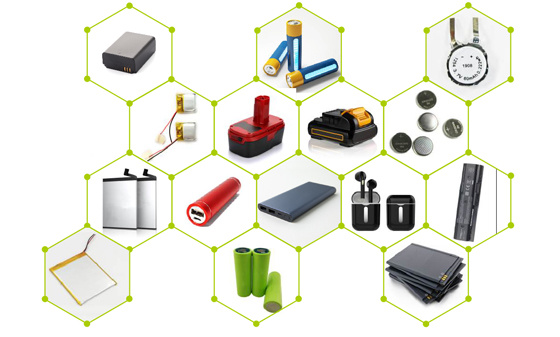 Consumer Electronics Battery Testing and Certification
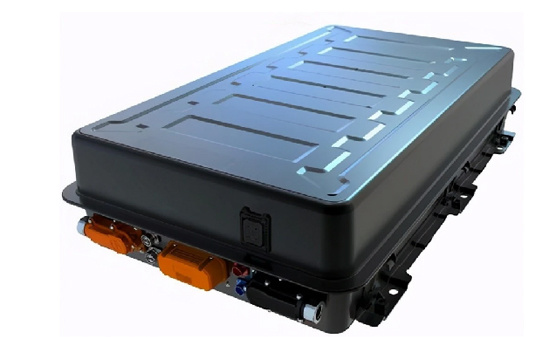 power battery
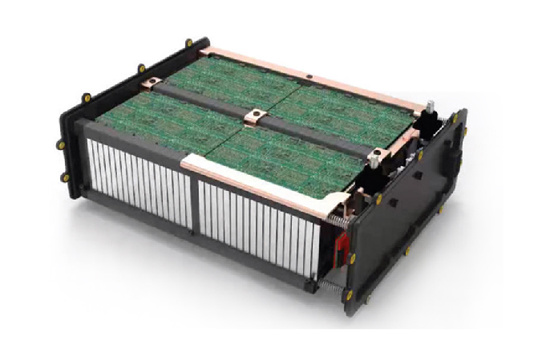 Light electric vehicle batteries
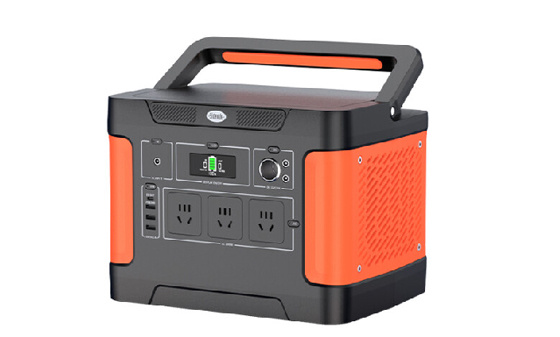 Energy storage battery
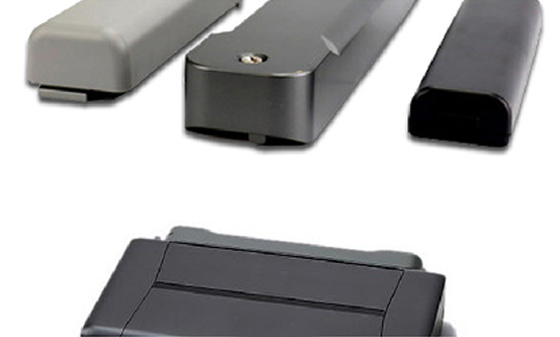 Portable battery
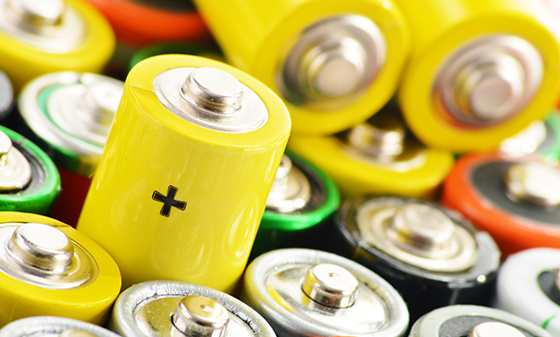 Battery testing
 battery test
Lamp Inspection
 Inspection of ship lighting fixtures
 COI Index Test for Medical Indoor Lighting
 Lamp safety inspection
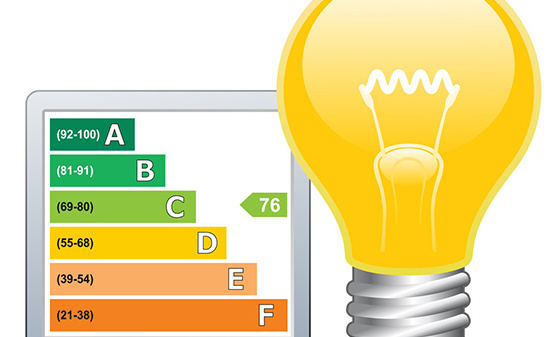 Luminaire energy efficiency testing
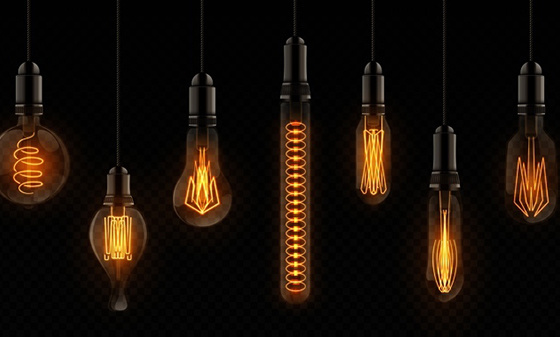 EMC testing of lighting fixtures
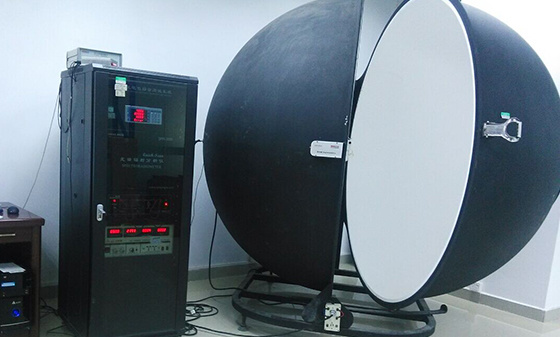 Integral Ball Laboratory
 Photobiology Experiment
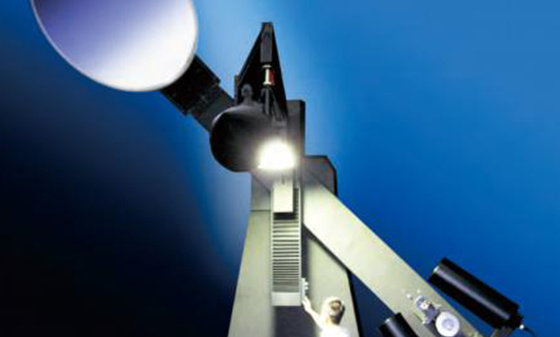 Light distribution test
 Lamp aging test
 Lamp IP waterproof
 Lamp performance testing
 Lamp reliability testing
Children's toy testing
 Testing standards for toy products
China Certification
 China's "national promotion" RoHS certification
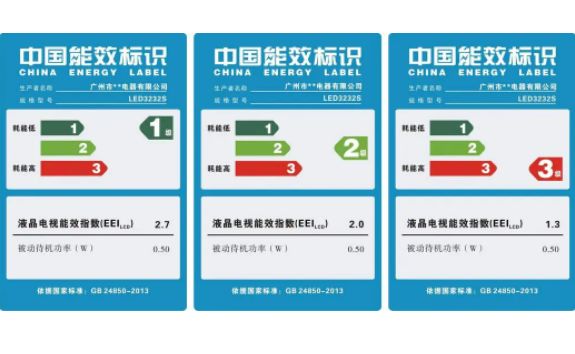 China Energy Efficiency Label Certification
 China Energy Conservation Certification
 China CQC Certification
 Tmall JD Quality Inspection Report
 China SRRC Certification
 Taiwan BSMI certification
 Taiwan NCC certification
 China CCC Compulsory Certification
Asia Certification
 Vietnam certification
 KC certification
 KUCAS Certification in Kuwait
 Singapore PSB certification
 Iraq COC Certification
 IMDA certification
 VCCI Certification in Japan
 JATE certification in Japan
 PSE certification
 BIS certification
 Japanese TELEC certification
European Certification
 RoHS certification
 GOST certification in Russia
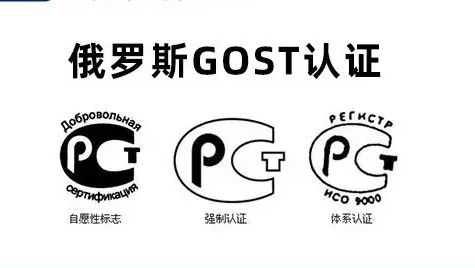 Russian EAC certification
 Northern Ireland UKNI logo
 Electrical ENEC certification
 European D-MARK certification
 Türkiye BTK certification
 TSE certification in Türkiye
 CE certification in Türkiye
 RED certification
 German TUV-SUD certification
 CE-ERP certification
 REACH certification
 German GS certification
 EU E-Mark certification
North American Certification
 Ecuador VOC certification
 Mexico NOM certification
 IRAM certification
 CPSC Certification in the United States
 CSA certification
 ASTM certification
 FDA certification
 CEC certification
 ETL certification
 ul certification
 IC certification
 Energy Star
 FCC Certification in the United States
 ASTM certification
Middle East Certification
 Israel SII certification
 Saudi SABER certification
 GCC certification for the seven Gulf countries
 Iran COI certification
 Qatar COC Certification
 Iraq COC Certification
 Saudi EER Energy Efficiency Certification
 Saudi SABER certification
 Algeria PCA certification
 PVOC certification
Australia Certification
 New Zealand IC-F testing
 VEET certification
 LCP certification
 GEMS certification
 RCM certification
 C-Tick certification
 SAA certification
Africa Certification
 Gabon COC certification
 Algeria COC certification

 Ethiopian VOC and COC certification
 Mauritius VOC certification
 Ghana COC certification
 COC certification in Burundi
 Zambia COC certification
 Botswana COC Certification
 Uganda PVOC certification
 SABS certification in South Africa
 South African LOA certification
 Zimbabwe CBCA Certification
 Nigeria SONCAP certification
 Kenya PVOC certification
 African COC certification
Other certifications
 WEEE
 Bluetooth BQB certification
 IECEE registration
 MHRA registration in the UK
TRAINING
 Management system training
 Laboratory technical training
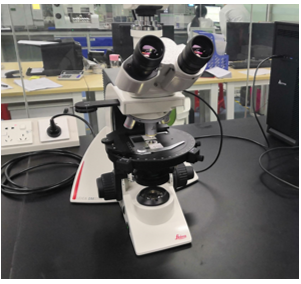 Laboratory Process Consulting
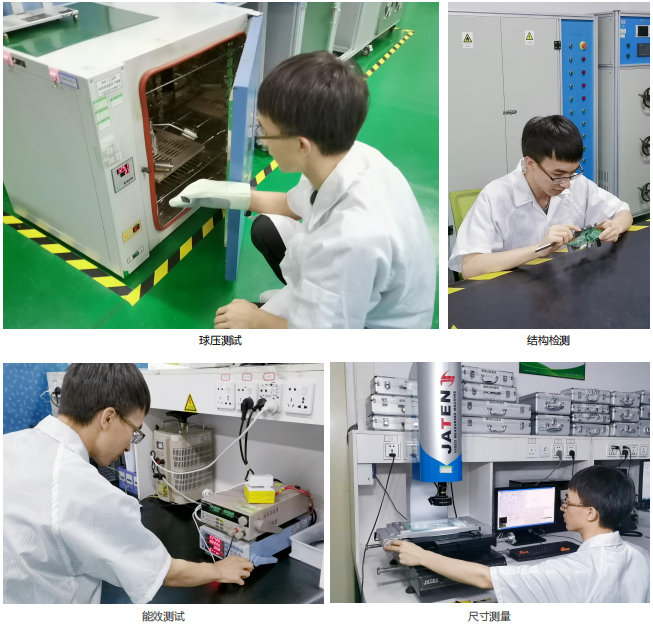 Laboratory decoration construction
Wireless Communication
Electromagnetic compatibility
Automotive Electronics
Automotive Parts Inspection
Electronic appliances
Chemical Testing
Electronic Cigarette Testing
Reliability testing
Battery Testing
Lamp Inspection
Children's toy testing
China Certification
Asia Certification
European Certification
North American Certification
Middle East Certification
Australia Certification
Africa Certification
Other certifications
TRAINING

New rules for exporting to the United States are coming - CPSC electronic declaration will be enforced on July 8th!
Author.
LCS
Source:
Post time:
2026-06-15
For all businesses planning or exporting consumer goods to the US market, an important compliance update is urgently needed. The US Consumer Product Safety Commission (CPSC) and Customs have jointly issued a notice that starting from July 8, 2026, all consumer goods under its supervision will be required to complete electronic filing (eFiling) of CPSC certificates when entering the United States for customs clearance.
CPSC new regulations: from passive spot checks to active admission
CPSC, The US Consumer Product Safety Commission is an independent federal agency responsible for regulating the safety of over 15000 consumer products within the United States. Its core mission is to protect consumers from harm caused by unsafe products. For a long time, compliance certificates for exports to the United States usually only need to be provided during customs inspections. However, with the implementation of the new regulations, this passive spot check mode will be completely transformed into an active mandatory declaration. Starting from July 8, 2026, all relevant goods' CPC/GCC certificate information must be pre entered into the US Customs Automated Business Environment (ACE) system for verification before arrival at the port. Goods that fail to complete pre declaration will be directly rejected for customs clearance.
Key time nodes cannot be ignored
In order to help enterprises better plan compliance strategies, the following are several key time points for the implementation of the new regulations:
July 8, 2026: Conventional cross-border imported goods officially enter the mandatory declaration stage. For the vast majority of sellers who conduct cross-border sales through Amazon, independent sites, or other platforms, this is the primary deadline that must be strictly followed. At that time, any goods that have not completed electronic declaration as required will not be able to clear customs smoothly.
On January 8, 2027, this regulation will be fully enforced for imported goods in the US Free Trade Zone (FTZ), mainly affecting sellers operating through FTZ channels.
From now until July 7th, 2026: Currently still in the voluntary application and testing window period. It is strongly recommended that merchants take advantage of this opportunity to register system accounts in advance, familiarize themselves with the declaration process, and conduct simulation operations to avoid potential system congestion risks in the future, ensuring proficiency in handling them before the mandatory implementation on July 8th.
Wide coverage: Which products need to be declared?
The coverage of the new regulations is extremely broad, spanning over 600 customs tariff numbers and almost covering the vast majority of daily consumer goods on the market. Here are some examples of key product categories that are subject to jurisdiction:
Children and infant products: such as various toys, children's clothing, baby furniture, baby beds, children's accessories, etc.
Outdoor sports and leisure equipment: including bicycles, safety helmets, swimming pool slides, and other outdoor leisure equipment.
Tools and hardware products: such as ladders, personal protective equipment, portable fuel containers, etc.
Home and bedding products: such as mattresses, storage cabinets, curtains, and various household textiles.
Building materials and daily necessities: including gypsum board, repair agents, lighters, coatings, etc.
Other controlled products: such as button batteries, some adult clothing, simulation equipment, etc.
In short, as long as your product may pose potential risks to consumer safety, it is highly likely to be subject to new regulations.
Essential for application: Seven core data items
In order to successfully complete electronic declaration, enterprises need to prepare and submit the following seven core data items. Please ensure that all information is complete, truthful, and matches each other. Any missing or inconsistent information will result in customs clearance being obstructed
Product unique identifier: used to identify specific products.
Reference regulation code: indicates the specific CPSC regulations that the product complies with.
Product manufacturing date: The production time of the product.
Product manufacturing location: The place where the product is produced.
Product testing date: The date on which the product passed compliance testing.
Testing laboratory information: Name and qualifications of the laboratory conducting product testing.
Contact information: Details of the contact person responsible for product compliance matters.
Special reminder: For products under the same category, if there are substantial differences in material, style, specifications or functions, they must be declared separately and obtain independent certificates, and certificates must not be shared.
Given that the mandatory implementation of the new regulations has entered the countdown stage, it is currently a critical moment for export enterprises and sellers who have not yet made compliance arrangements to seize the window period, complete the transition, and prepare. Proactively understanding and complying with CPSC electronic declaration requirements will be of utmost importance in ensuring smooth customs clearance of goods and avoiding unnecessary losses. It is recommended that companies immediately initiate internal evaluations to ensure product compliance and prepare relevant materials to meet the upcoming challenges.
Related articles
New articles
Media Center
Latest News
Contact Us
National 24-hour service hotline
400-116-2629
Group Headquarters
E-mail: webmaster@lcs-cert.com
Address: Shenzhen City, Baoan District, Shajing Street, Nga side of the school of Wei Juji Industrial Park, Building A 1 ~ 2 floor, Building C 3 floor


 WeChat Inquiry


 Reservation


Contact Us
National 24-hour service hotline
Address:Juji Industrial Park, Xueziwei, Ngabian, Shajing Street, Baoan District, Shenzhen Building A 1~2F, Building C 3F

WeChat public number
Share industry dry goods

WeChat consultation
Please note consulting services

Follow Jitterbug

Mobile website
di complaint mailbox: customer.complaint@lcs-cert.com complaint telephone tel: 18126445450 certificate report verification of authenticity mailbox: verification@lcs-cert.com