

Wireless Communication
 EU RED Network Security Standard EN 18031
 Wireless and communication detection
 Mobile communication product certification
 Bluetooth BQB Product Certification
 FM/AM Product Certification
 WiFi Product Certification
 Wireless charging product certification
 Interphone product certification
 Base station certification
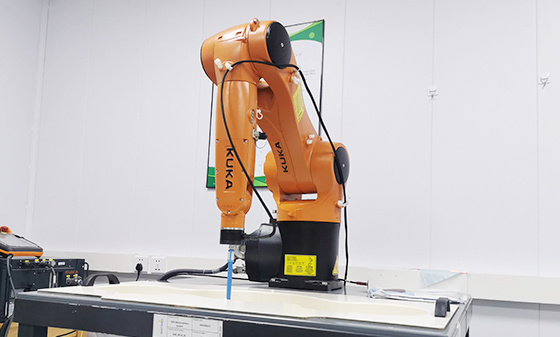 SAR testing
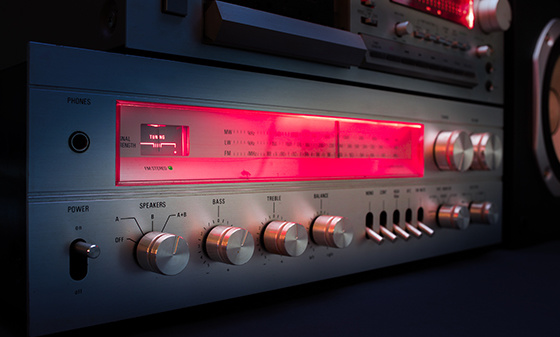 Receiver Product Certification
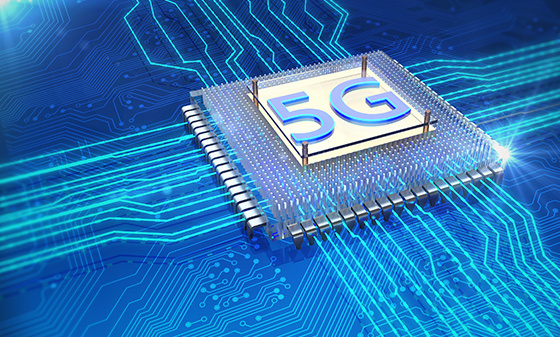 5G NR Product Certification
 UWB Product Certification
 Internet of Things authentication
Electromagnetic compatibility
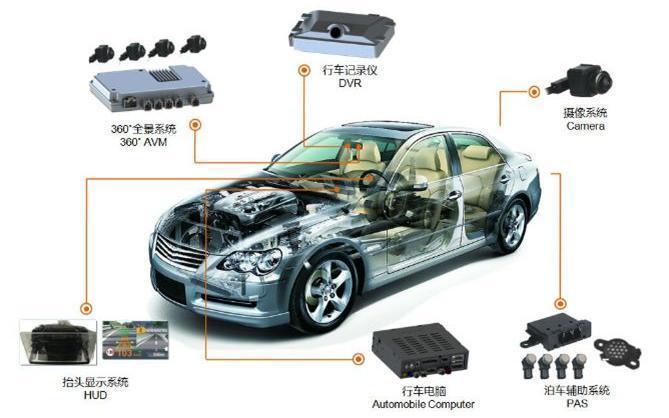 Automotive Electronics EMC Testing
 EMC rectification
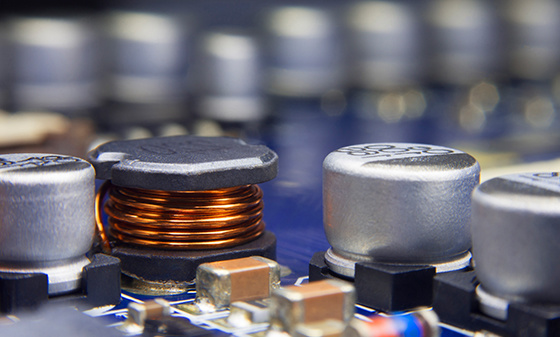 EMC
Automotive Electronics
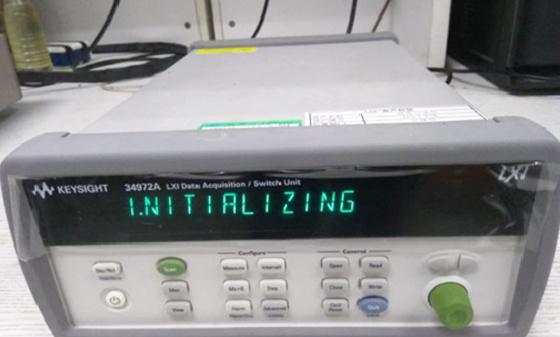 Electrical performance testing
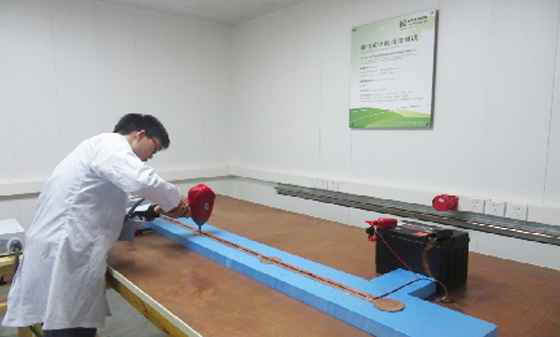 EMS testing - radiation anti-interference testing system (including radar waves)
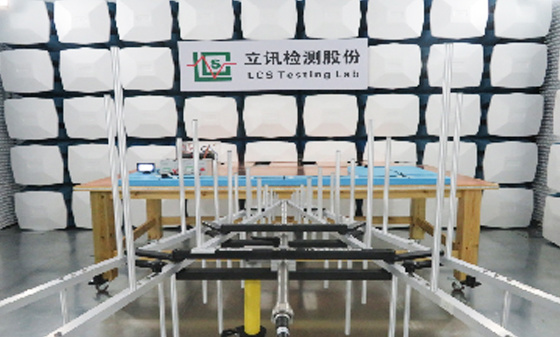 EMS Testing - Electrostatic Discharge
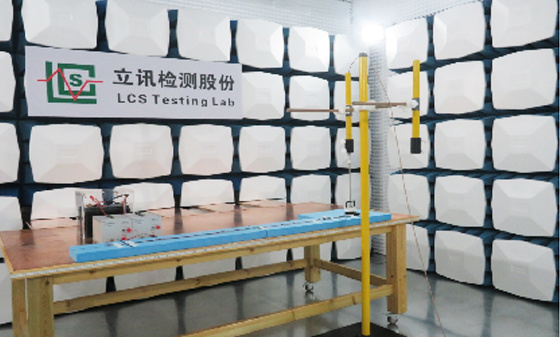 EMS Test - Transient Conducted Immunity Test
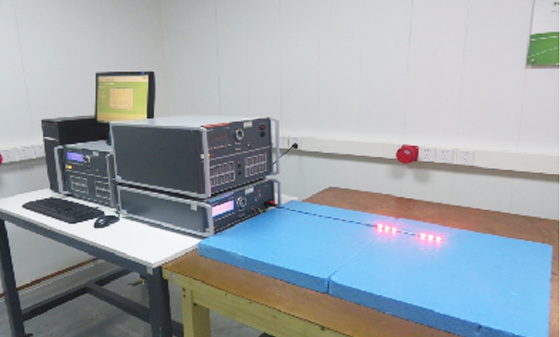 EMS Testing - Portable Transmitter Immunity
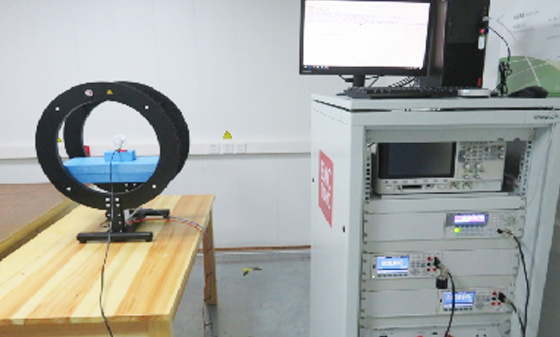 EMS Test - High Current Injection (BCI) Test
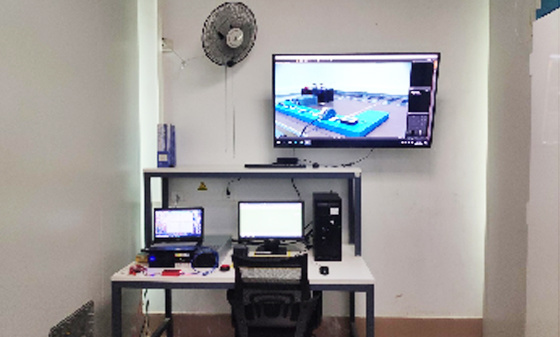 EMS test - low-frequency magnetic field anti-interference test
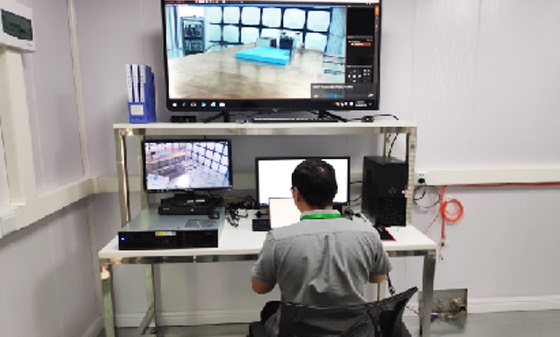 EMI Testing - Transient Conducted Emissions Testing System
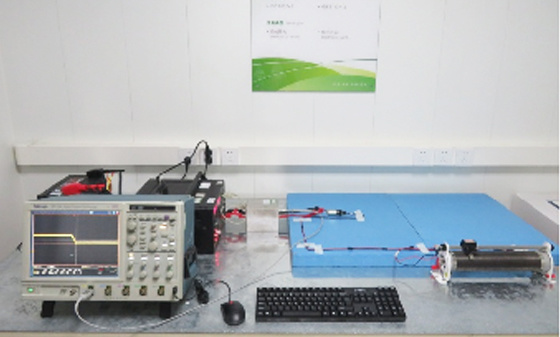 EMI testing - low-frequency magnetic field emission
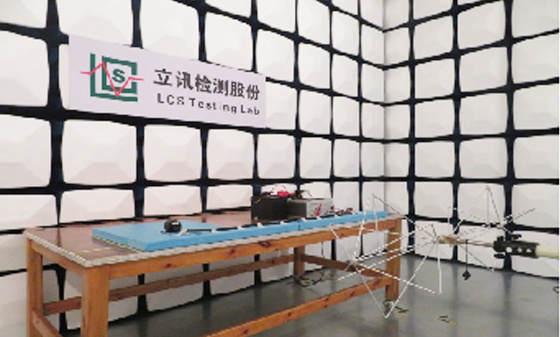 EMI Test - Radiation Emission Test
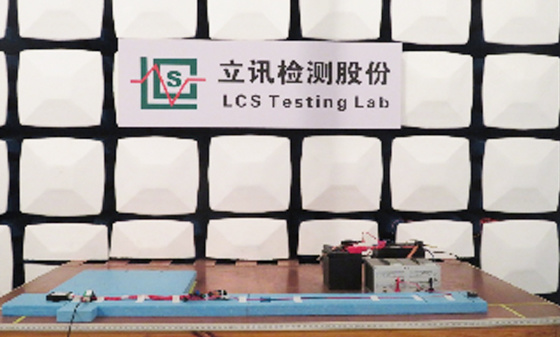 EMI Test - Conducted Emissions Test
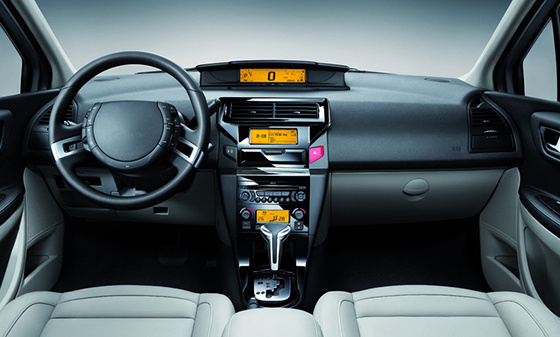 Automotive Electronic Testing
Automotive Parts Inspection
 Automotive ELV&VOC
 Reliability testing
 Temperature shock test
 Vibration testing
 Instrument panel/instrument panel three comprehensive vibration test
 Comprehensive vibration test of door inner panel III
 Sunvisor Three Comprehensive Vibration Test
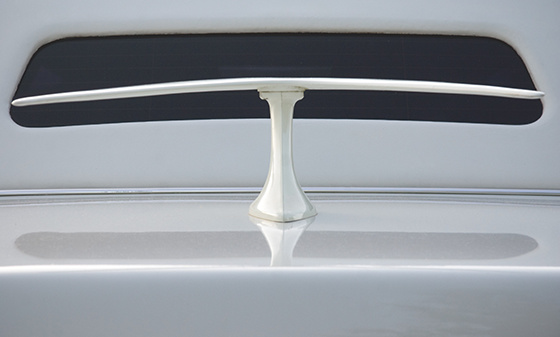 Spoiler Three Comprehensive Vibration Test
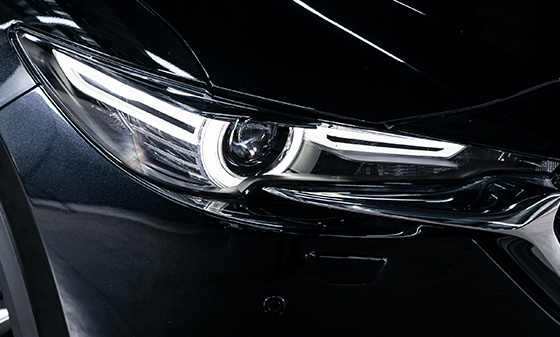 Three comprehensive vibration tests of car front and rear bumpers
 Three comprehensive vibration tests for lamp housing/lampshade
 Comprehensive vibration test of outer circumference three
 Automotive metal material testing
 Performance testing of automotive lighting fixtures
 Rapid temperature change test
 Vibration
 Common issues with vibration testing
 Common issues with fatigue testing
 Common issues with high and low temperature testing
 Conducted Interference (CE) - Suzhou Lixun Standard
 Electromagnetic Radiation Tolerance Test (RS) - Suzhou LCS Standard
 Electrical Fast Pulse Withstand Test (EFT) - Suzhou LCS Standard
 Voltage flicker test - Suzhou LCS standard
Electronic appliances
 Household appliance product testing
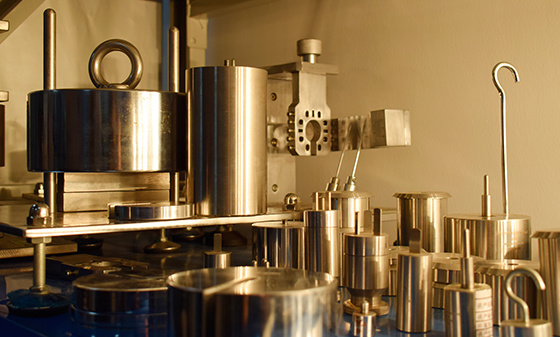 Electrical accessory product testing
 Household appliance testing
Chemical Testing
 Introduction to PFAS Testing
 MOSH/MOAH Mineral Oil Testing Service
 MOSH/MOAH Mineral Oil Testing and Certification Report Service
 Consumer Product Testing Services - WEEE Chapter
 Ecological textile testing
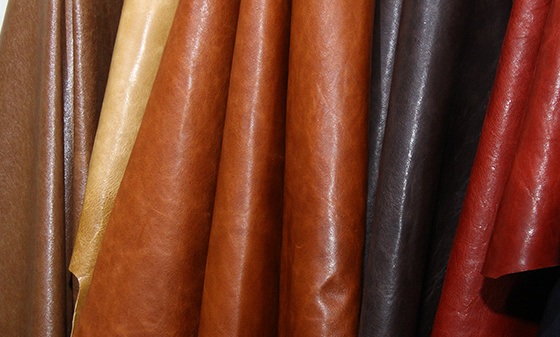 Leather Footwear Inspection
 Food contact material testing
 Testing of toys and baby products
 Hazardous substance testing
Electronic Cigarette Testing
 Electronic cigarette detection
Reliability testing
 Other tests - pencil hardness test
 Mechanical testing - Packaging compression test
 Climate environment testing - Xenon lamp aging test
Battery Testing
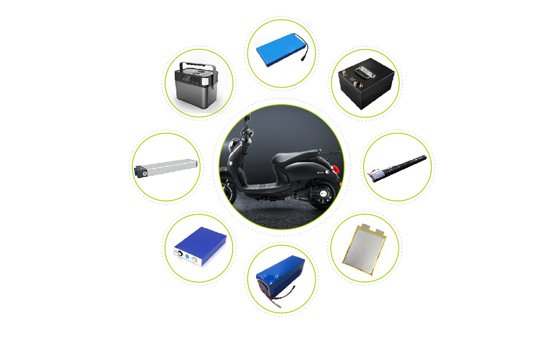 Power storage battery testing and certification
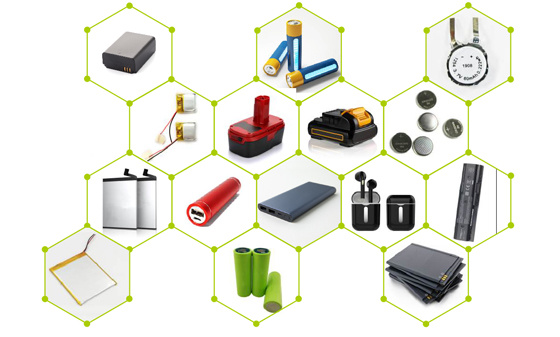 Consumer Electronics Battery Testing and Certification
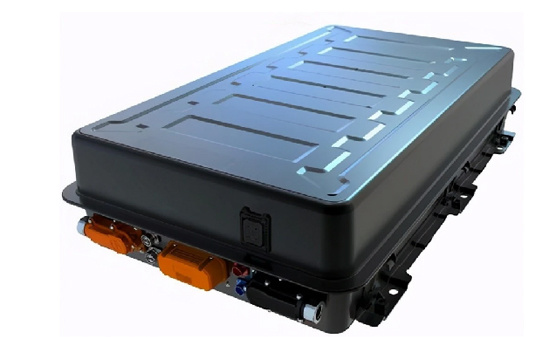 power battery
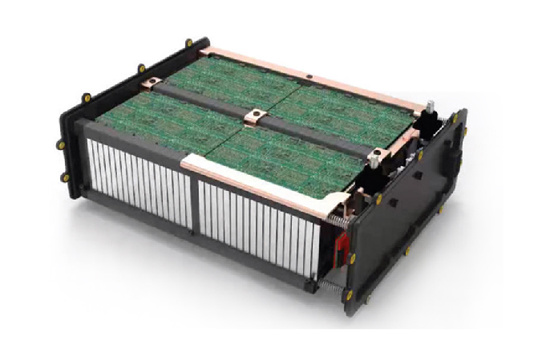 Light electric vehicle batteries
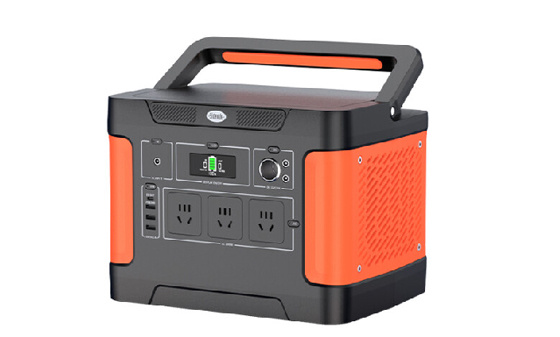 Energy storage battery
 Portable battery
 Battery testing
 battery test
Lamp Inspection
 Inspection of ship lighting fixtures
 COI Index Test for Medical Indoor Lighting
 Lamp safety inspection
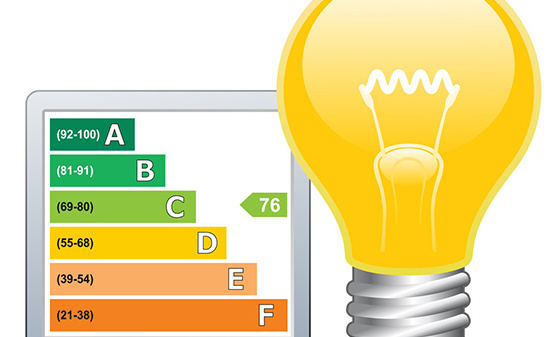 Luminaire energy efficiency testing
 EMC testing of lighting fixtures
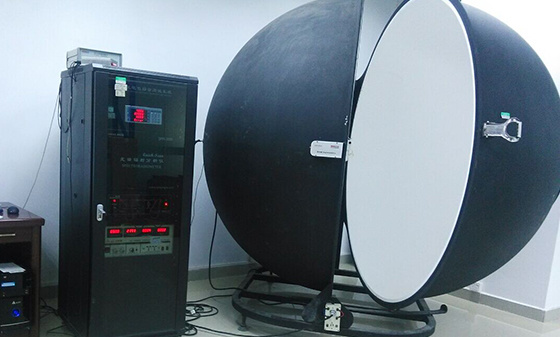 Integral Ball Laboratory
 Photobiology Experiment
 Light distribution test
 Lamp aging test
 Lamp IP waterproof
 Lamp performance testing
 Lamp reliability testing
Children's toy testing
 Testing standards for toy products
China Certification
 China's "national promotion" RoHS certification
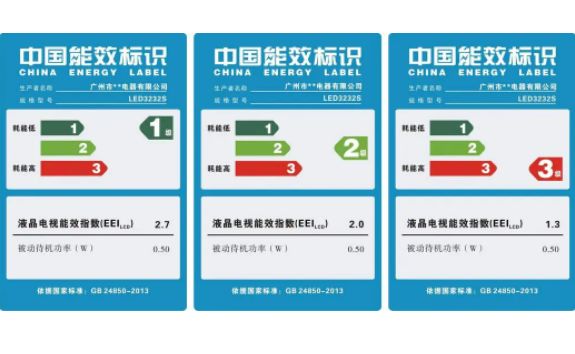 China Energy Efficiency Label Certification
 China Energy Conservation Certification
 China CQC Certification
 Tmall JD Quality Inspection Report
 China SRRC Certification
 Taiwan BSMI certification
 Taiwan NCC certification
 China CCC Compulsory Certification
Asia Certification
 Vietnam certification
 KC certification
 KUCAS Certification in Kuwait
 Singapore PSB certification
 Iraq COC Certification
 IMDA certification
 VCCI Certification in Japan
 JATE certification in Japan
 PSE certification
 BIS certification
 Japanese TELEC certification
European Certification
 RoHS certification
 GOST certification in Russia
 Russian EAC certification
 Northern Ireland UKNI logo
 Electrical ENEC certification
 European D-MARK certification
 Türkiye BTK certification
 TSE certification in Türkiye
 CE certification in Türkiye
 RED certification
 German TUV-SUD certification
 CE-ERP certification
 REACH certification
 German GS certification
 EU E-Mark certification
North American Certification
 Ecuador VOC certification
 Mexico NOM certification
 IRAM certification
 CPSC Certification in the United States
 CSA certification
 ASTM certification
 FDA certification
 CEC certification
 ETL certification
 ul certification
 IC certification
 Energy Star
 FCC Certification in the United States
 ASTM certification
Middle East Certification
 Israel SII certification
 Saudi SABER certification
 GCC certification for the seven Gulf countries
 Iran COI certification
 Qatar COC Certification
 Iraq COC Certification
 Saudi EER Energy Efficiency Certification
 Saudi SABER certification
 Algeria PCA certification
 PVOC certification
Australia Certification
 New Zealand IC-F testing
 VEET certification
 LCP certification
 GEMS certification
 RCM certification
 C-Tick certification
 SAA certification
Africa Certification
 Gabon COC certification
 Algeria COC certification

 Ethiopian VOC and COC certification
 Mauritius VOC certification
 Ghana COC certification
 COC certification in Burundi
 Zambia COC certification
 Botswana COC Certification
 Uganda PVOC certification
 SABS certification in South Africa
 South African LOA certification
 Zimbabwe CBCA Certification
 Nigeria SONCAP certification
 Kenya PVOC certification
 African COC certification
Other certifications
 WEEE
 Bluetooth BQB certification
 IECEE registration
 MHRA registration in the UK
TRAINING
 Management system training
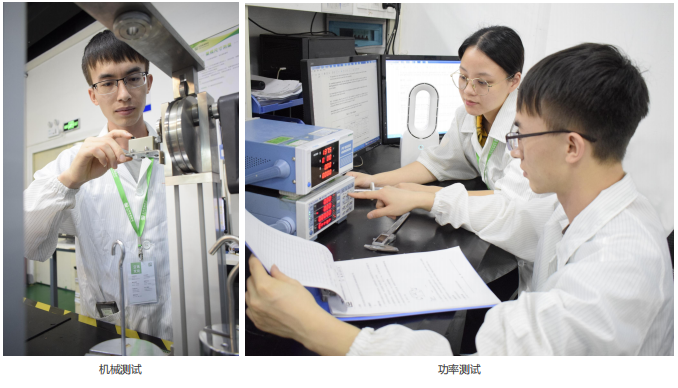 Laboratory technical training
 Laboratory Process Consulting
 Laboratory decoration construction
Wireless Communication
Electromagnetic compatibility
Automotive Electronics
Automotive Parts Inspection
Electronic appliances
Chemical Testing
Electronic Cigarette Testing
Reliability testing
Battery Testing
Lamp Inspection
Children's toy testing
China Certification
Asia Certification
European Certification
North American Certification
Middle East Certification
Australia Certification
Africa Certification
Other certifications
TRAINING

Unveiling the Radio Chamber: The Core Tool and Structural Analysis for Electromagnetic Compatibility Testing
Author.
LCS
Source:
Post time:
2026-05-21
In the context of rapid development of modern electronic technology, ensuring the stable operation of equipment in complex electromagnetic environments is crucial. Electromagnetic compatibility (EMC) testing is a crucial step in evaluating the performance of electronic products, and the anechoic chamber is the core facility for simulating ideal testing environments and obtaining accurate data. It is like an "electromagnetic isolation cabin", effectively isolating external interference and absorbing internal reflections through precise material selection and structural design, providing a "silent" pure electromagnetic space for EMC testing.
A fully functional anechoic chamber is constructed around two core objectives: shielding external interference and absorbing internal reflections. This enables its main construction to revolve around the following two key parts and related auxiliary systems:
1.1 Electromagnetic shielding body: constructing an isolated "golden bell cover"
The primary task of a darkroom is to prevent external electromagnetic noise from entering and to prevent internal testing signal leakage. This is the responsibility of electromagnetic shielding bodies.
Main material: High performance galvanized steel plate, cold-rolled steel plate, copper plate, aluminum plate and other metal materials are usually used. These metal sheets utilize their excellent conductivity to effectively attenuate incident electromagnetic waves through reflection and absorption mechanisms. The thickness and connection process directly determine the effectiveness of the shielding body.
Structure and Connection: The construction methods of shielding bodies include modular assembly and welding.
Modular assembly: The prefabricated shielding modules are tightly connected using specialized fixtures and conductive pads. The advantage of this method is that the construction period is short, and it will be more convenient for dismantling and relocation in the future.
Welding type: The integrated structure is formed by direct welding of metal plates, which has the advantages of long-term stability and theoretically better shielding continuity. However, welding construction requires high process requirements and is not easy to modify once completed.
Insulation and grounding: To ensure the electromagnetic performance and safety of the shielding body, thick rubber pads and other insulation materials are usually used to isolate it from the building foundation, in order to prevent interference from ground currents and meet moisture-proof requirements. The grounding method of the shielding body must also strictly comply with the specifications to ensure that the grounding resistance meets the standards.
1.2 Absorbing Lining: A "Sponge" for Eliminating Electromagnetic Waves
The shielding body solves external interference, but in order to simulate a free space environment, the electromagnetic wave reflections generated inside the darkroom must also be effectively suppressed. This requires internal coverage with absorbing materials. Modern EMC darkrooms often use hybrid absorbing liners to meet the absorption requirements of broadband:
Low frequency absorbing material - ferrite absorbing tiles: For lower frequency ranges (such as 30MHz to 1GHz), ferrite tiles are mainly used. This magnetic ceramic material converts electromagnetic energy into thermal energy through a magnetic loss mechanism, achieving efficient absorption. They are usually flat and relatively thin in thickness, which can effectively save the internal space of the darkroom.
High frequency absorbing material pyramid/conical foam absorber: for higher frequency electromagnetic waves (such as above 1GHz), it mainly depends on polyurethane foam based carbon based conductive absorber. They are designed as unique pyramid, cone, or wedge structures.
Geometric structure advantage: The tips of these shapes can guide incident electromagnetic waves to undergo multiple reflections, with each reflection gradually attenuating their energy.
Material loss advantage: conductive media such as carbon powder evenly distributed inside the foam further dissipates electromagnetic energy through resistance loss. The length of these absorbers is usually directly related to the wavelength of the target absorption frequency, and the longer the sharp absorber, the better its absorption performance for low frequencies.
Hybrid layout strategy: In EMC semi anechoic chambers, a layer of ferrite absorbing tiles is usually laid on the shielding wall and top to handle absorption in the mid to low frequency range. Subsequently, pyramid shaped absorbers are stacked and installed on or above the surface of the ferrite to cover the high-frequency range. The darkroom floor is usually kept as a highly reflective metal floor to simulate the ground effect of open fields (OATS).
In addition to the core shielding and absorbing materials, the overall construction of the darkroom also needs to consider many details to ensure its excellent performance:
Structural stability: The self weight and additional loads (such as lighting, antenna lifting poles, turntables, etc.) of the shielding body and absorbing materials require that the main steel structure must be stable and the top load-bearing capacity must be sufficient.
Surface flatness: The internal surface of the shielding room must be highly flat (with a deviation of less than 10mm), which is crucial for the uniform installation and performance of the absorbing material.
Integration of auxiliary facilities: Shielded doors, power/signal filters, ventilation waveguide windows, shielded observation windows, elevated floors, etc. are all indispensable components of darkrooms, and they also need to meet strict electromagnetic shielding and mechanical structural requirements to ensure the integrity of the entire system.
The final performance of an anechoic chamber needs to be verified through a series of rigorous tests. Key indicators include:
Shielding effectiveness (SE): measures the ability of a shielding body to block external interference.
Normalized Site Attenuation (NSA): Evaluating the accuracy of simulating an ideal open field testing environment in a darkroom.
Field Uniformity: Ensuring consistency in the distribution of electromagnetic field intensity within the testing area is particularly important for radiation immunity testing.
The construction of an anechoic chamber is a complex system engineering that integrates electromagnetics, materials science, and structural engineering. The material selection, design, and construction accuracy of each link directly determine its final testing performance, from sturdy metal shielding to precise hybrid absorbing lining, and then to sophisticated auxiliary facilities. It is precisely these meticulous constructions that make the anechoic chamber an indispensable platform for promoting the development of electromagnetic compatibility technology in electronic products.
Related articles
New articles
Media Center
Latest News
Contact Us
National 24-hour service hotline
400-116-2629
Group Headquarters
E-mail: webmaster@lcs-cert.com
Address: Shenzhen City, Baoan District, Shajing Street, Nga side of the school of Wei Juji Industrial Park, Building A 1 ~ 2 floor, Building C 3 floor


 WeChat Inquiry


 Reservation


Contact Us
National 24-hour service hotline
Address:Juji Industrial Park, Xueziwei, Ngabian, Shajing Street, Baoan District, Shenzhen Building A 1~2F, Building C 3F

WeChat public number
Share industry dry goods

WeChat consultation
Please note consulting services

Follow Jitterbug

Mobile website
di complaint mailbox: customer.complaint@lcs-cert.com complaint telephone tel: 18126445450 certificate report verification of authenticity mailbox: verification@lcs-cert.com